How to Water Plants the Right Way

First, learning how to repot plants without damaging the roots is an essential skill for anyone who grows plants at home. Repotting gives plants more space, fresh soil, better drainage, and healthier growing conditions. However, if done carelessly, it can stress the plant and harm the root system.
Additionally, roots are responsible for absorbing water, nutrients, and oxygen. When roots are damaged too much during repotting, the plant may wilt, stop growing, lose leaves, or take longer to recover. This is why gentle handling is so important.
Therefore, this guide will explain the safest way to repot houseplants, herbs, succulents, tropical plants, and balcony plants. You will learn when to repot, how to prepare, how to remove the plant from the old pot, how to handle roots, and how to care for the plant after repotting.
First, plants grown in containers eventually use up the space and nutrients available in the pot. Over time, the roots may become crowded, the soil may compact, and water may stop moving through the pot correctly.
Also, repotting refreshes the plant’s growing environment. Fresh soil can improve drainage, aeration, moisture balance, and nutrient availability. This helps the roots function better.
However, repotting should be done only when needed. Moving a plant too often can disturb the roots unnecessarily. The goal is to improve plant health, not create stress without reason.
First, roots coming out of drainage holes are a common sign that the plant may need a larger pot. This usually means the roots are searching for more space.
Additionally, a plant may need repotting if water runs through the pot too quickly, soil dries much faster than before, growth slows during the growing season, or the plant becomes unstable.
Also, compacted soil, bad soil smell, crowded roots, or a cracked pot can indicate that repotting is necessary. Always observe the full plant before deciding.
Importantly, you should not repot a plant just because you want a new decorative pot. If the plant is healthy, growing well, and the soil is still in good condition, repotting may not be needed.
Also, avoid repotting during severe stress unless the pot or soil is causing the problem. A plant dealing with pests, shock, or extreme wilting may become more stressed if disturbed.
However, emergency repotting may be necessary if the roots are rotting, the pot has no drainage, the soil smells bad, or pests are living in the soil.
Usually, the best time to repot many plants is during their active growing season. This is often in spring or warmer months when plants are producing new roots and leaves.
During active growth, plants can recover more easily from root disturbance. They are also more likely to grow into the fresh soil after repotting.
However, if a plant has root rot, broken pot damage, or serious drainage problems, repotting may be needed at any time. In urgent cases, plant health is more important than timing.
Next, choosing the correct pot size helps prevent root problems. A new pot should usually be only slightly larger than the current one.
If the pot is too large, the extra soil may hold too much moisture. This can increase the risk of overwatering, especially for succulents, cacti, snake plants, and ZZ plants.
For most plants, moving up one pot size is enough. This gives roots more room while keeping moisture easier to control.
Most importantly, use a pot with drainage holes. Drainage allows excess water to leave the pot after watering and protects roots from sitting in stagnant moisture.
Without drainage, even careful watering can become risky. Water may collect at the bottom of the pot and damage the roots over time.
If you want to use a decorative pot without holes, use it as an outer container. Keep the plant in a nursery pot inside it and remove the inner pot for watering.
Another essential step is choosing soil that matches the plant’s needs. Different plants need different soil textures and moisture levels.
For tropical houseplants, use a light soil mix that holds some moisture but drains well. For succulents and cacti, use a fast-draining mix. For herbs, use fertile potting soil with good drainage.
Also, avoid heavy garden soil in indoor pots. It can compact easily, hold too much water, and reduce oxygen around the roots.
Sometimes, watering the plant lightly a day before repotting can make the process easier. Slightly moist soil may hold together better and help the root ball slide out of the pot.
However, do not repot when the soil is extremely soggy unless you are dealing with root rot. Wet heavy soil can break apart messily and increase stress.
For succulents and cacti, many growers prefer repotting when the soil is dry. This reduces the chance of root damage and rot after repotting.
Before starting, prepare your workspace. Gather the new pot, fresh soil, clean scissors, gloves, a small trowel, and a surface that is easy to clean.
This preparation helps you work calmly and avoid leaving the plant exposed for too long. Roots should not dry out unnecessarily during the process.
Additionally, keep water nearby if the plant needs watering after repotting. Having everything ready makes the process safer and smoother.
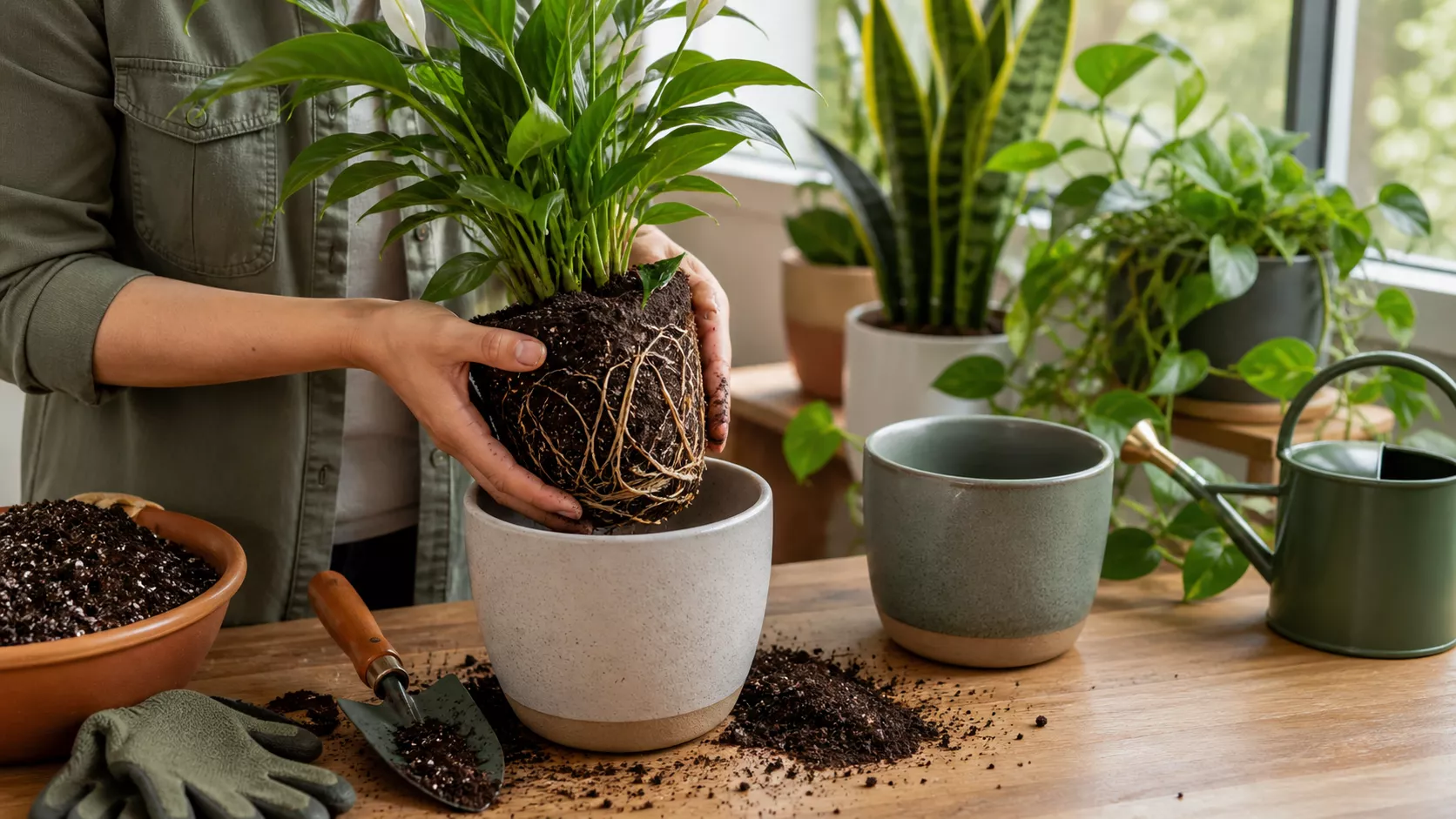
To remove the plant from the old pot, hold it near the base and gently loosen the container. If the pot is plastic, squeeze the sides lightly to release the root ball.
If the plant is stuck, tap the sides of the pot or slide a tool around the inner edge carefully. Avoid pulling hard on stems or leaves because this can break the plant.
For delicate plants, move slowly. The goal is to remove the root ball with as little damage as possible.
One common mistake is pulling a plant out by its leaves or upper stems. This can tear leaves, break stems, or separate the plant from its roots.
Instead, support the plant at the base, close to the soil line. Turn the pot slightly or tilt it while loosening the root ball.
If the plant is very stuck, patience is better than force. Working gently protects both roots and stems.
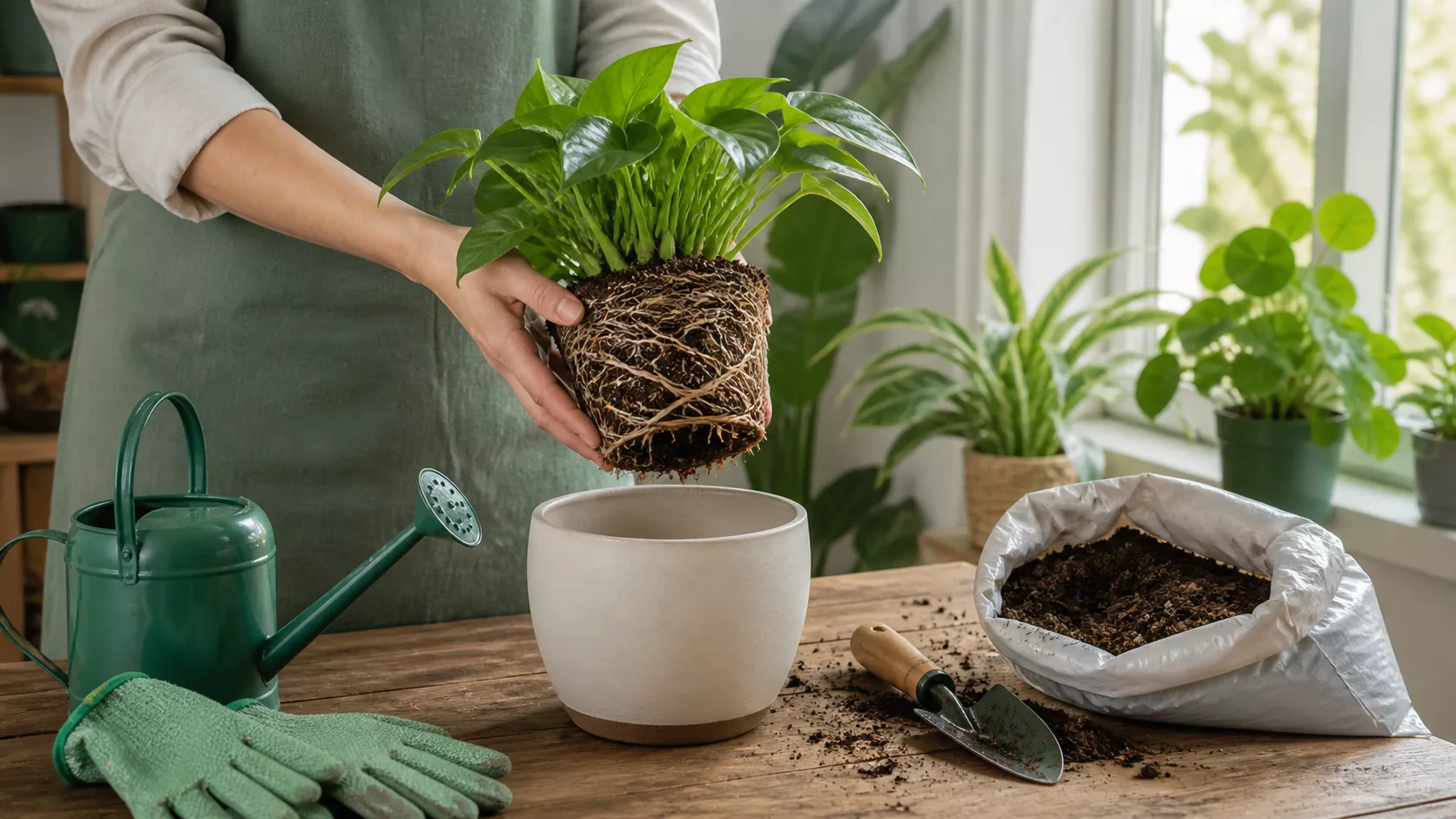
Once the plant is out of the pot, inspect the roots carefully. Healthy roots are usually firm and may be white, cream, tan, or light brown depending on the plant.
Unhealthy roots may look black, mushy, slimy, hollow, or smell unpleasant. These signs can indicate root rot or serious damage.
If the roots are healthy, avoid disturbing them too much. If some roots are damaged, trim only the unhealthy parts with clean scissors.
If the plant is root-bound, the roots may be circling tightly around the soil. In this case, gently loosen the outer roots with your fingers.
This helps the roots grow outward into the fresh soil instead of continuing to circle. Loosening roots can improve water absorption and future growth.
However, do not tear the root system aggressively. Some root disturbance is normal, but excessive damage can slow recovery.
When trimming roots, remove only roots that are clearly dead, mushy, rotten, or badly damaged. Healthy roots should be preserved as much as possible.
Use clean scissors or pruning shears to make careful cuts. After cutting diseased roots, clean your tools before using them on another plant.
Additionally, avoid cutting roots just to make the plant fit into a smaller pot unless you understand root pruning. For beginners, gentle repotting is safer.
Before placing the plant into the new pot, add a layer of fresh soil at the bottom. This helps position the plant at the correct height.
The plant should sit at about the same depth as before. Burying the stem too deeply can cause moisture problems, while planting too high can expose roots.
After checking the height, adjust the soil level as needed. Taking time here prevents problems later.
Next, place the plant in the center of the new pot. Hold it upright and fill around the root ball with fresh soil.
As you fill, press the soil gently to remove large air pockets. However, do not compact the soil too much. Roots still need air spaces to breathe.
Also, leave a little space at the top of the pot so water does not overflow when you water the plant.
For many plants, the crown is the area where stems meet the roots. Burying the crown too deeply can cause rot or stem problems.
Plants such as peace lilies, ferns, herbs, and many houseplants should be planted at a similar depth to their previous pot.
Therefore, check the plant’s base before adding too much soil. Keeping the correct depth helps prevent moisture damage.
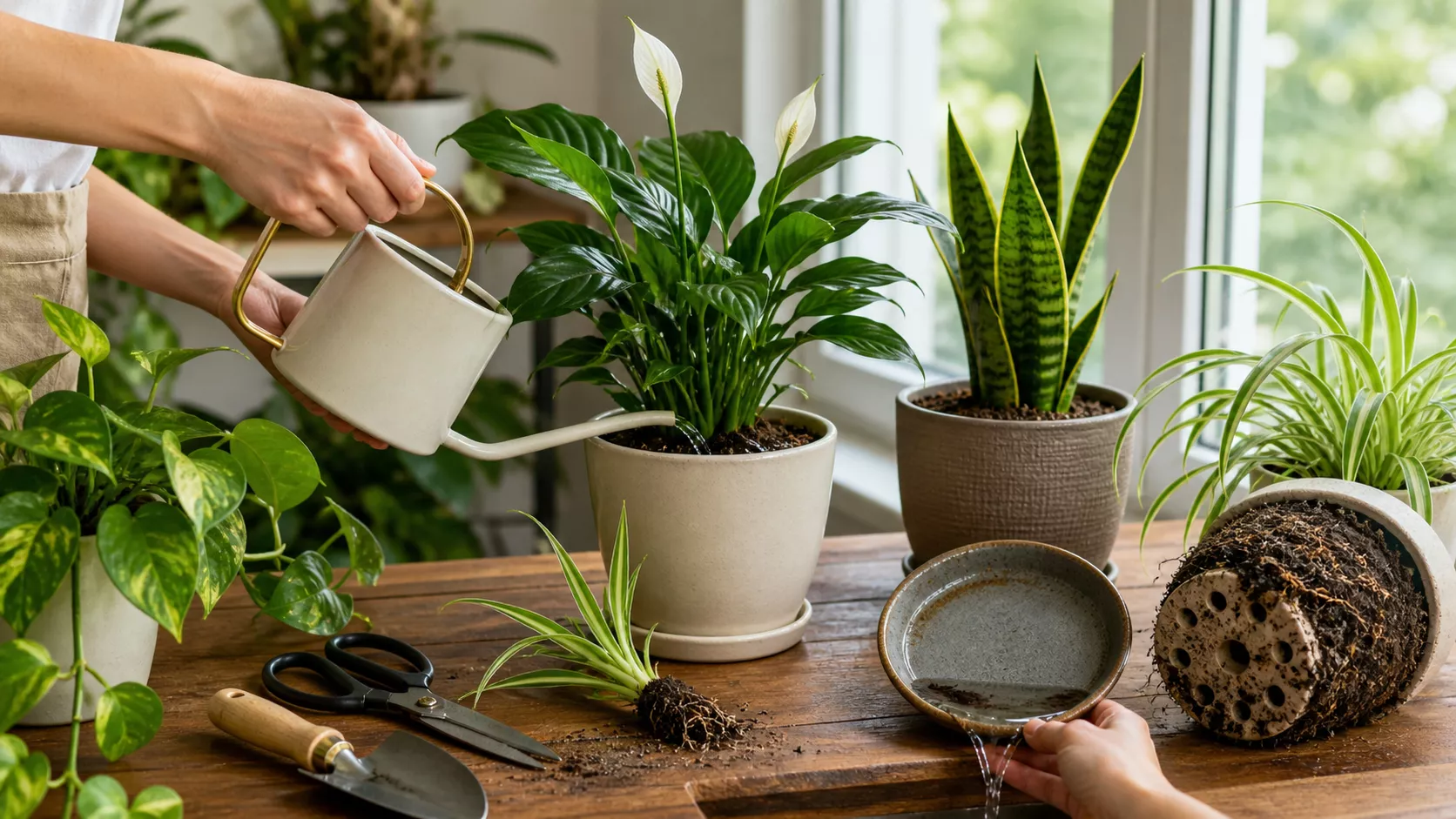
After repotting, many plants benefit from a thorough watering. This helps settle the soil around the roots and removes air pockets.
However, this depends on the plant type. Tropical plants and herbs often appreciate watering after repotting, while succulents and cacti may need to wait a few days if roots were disturbed.
When watering, let excess water drain completely. Never leave the pot sitting in standing water after repotting.
After repotting, place the plant in suitable gentle light. Bright indirect light is often best for many houseplants while they recover.
Avoid harsh direct sun immediately after repotting, especially if the plant is sensitive or the roots were disturbed. Strong sun can increase water loss and stress.
Once the plant adjusts, you can return it to its normal location if conditions are appropriate.
After repotting, avoid fertilizing immediately. Fresh soil often contains nutrients, and disturbed roots may be sensitive.
Fertilizer too soon can stress roots or cause leaf problems. It is better to wait until the plant shows signs of stable growth.
Usually, light fertilization can resume during active growth after the plant has adjusted. Always follow the fertilizer instructions.
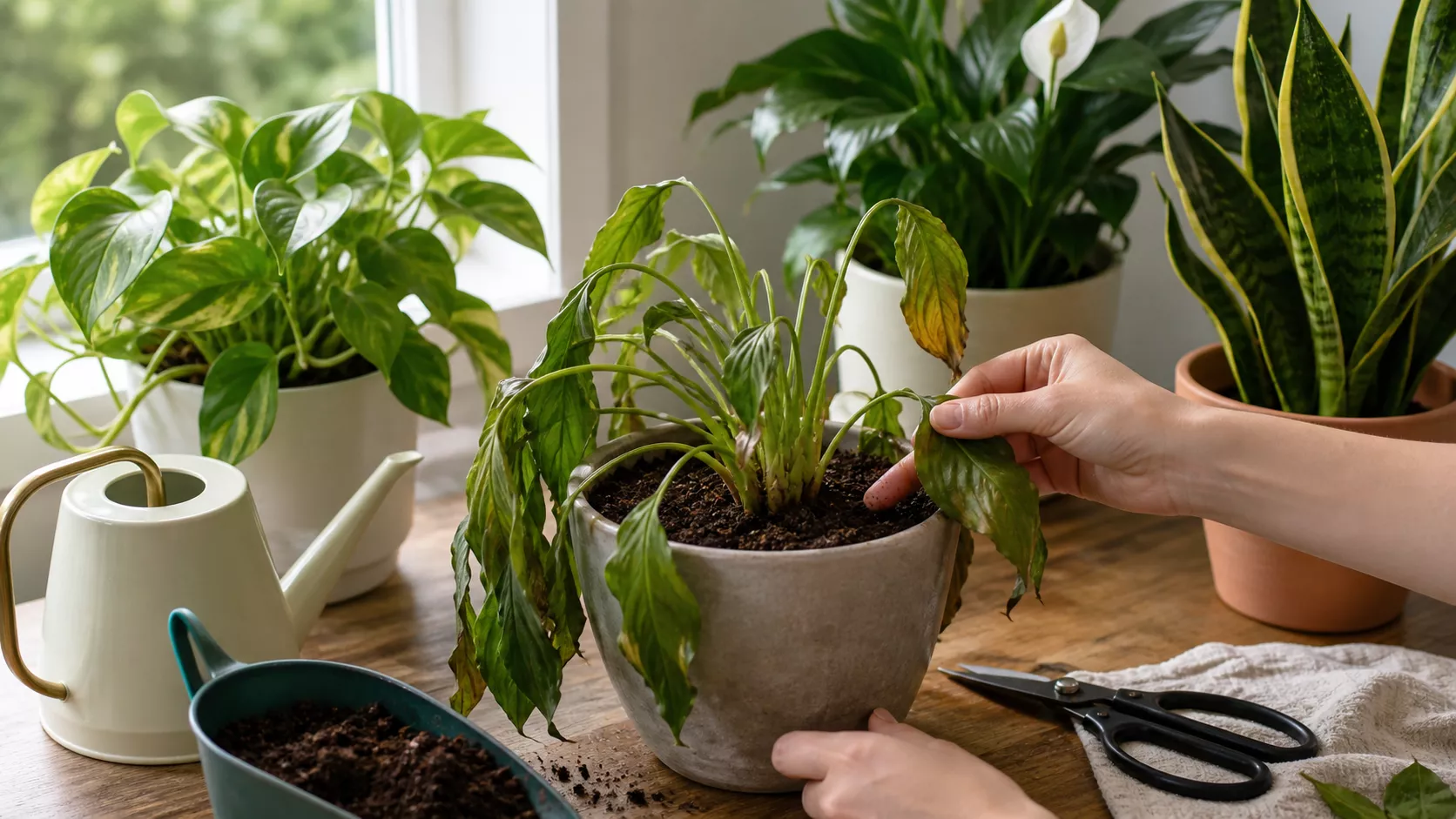
Sometimes, plants droop slightly after repotting. This is called transplant shock and can happen because roots were disturbed or conditions changed.
Mild shock is often temporary. Keep the plant in stable light, avoid overwatering, and give it time.
However, severe wilting, yellowing, or soft stems may indicate a bigger problem, such as root damage, wrong soil, or too much water.
After repotting, avoid moving the plant repeatedly. Plants need time to adjust to the new pot and soil.
Choose a stable location with suitable light and temperature. Constant changes can delay recovery and create additional stress.
Also, avoid pruning heavily right after repotting unless you need to remove damaged leaves. Let the plant recover first.
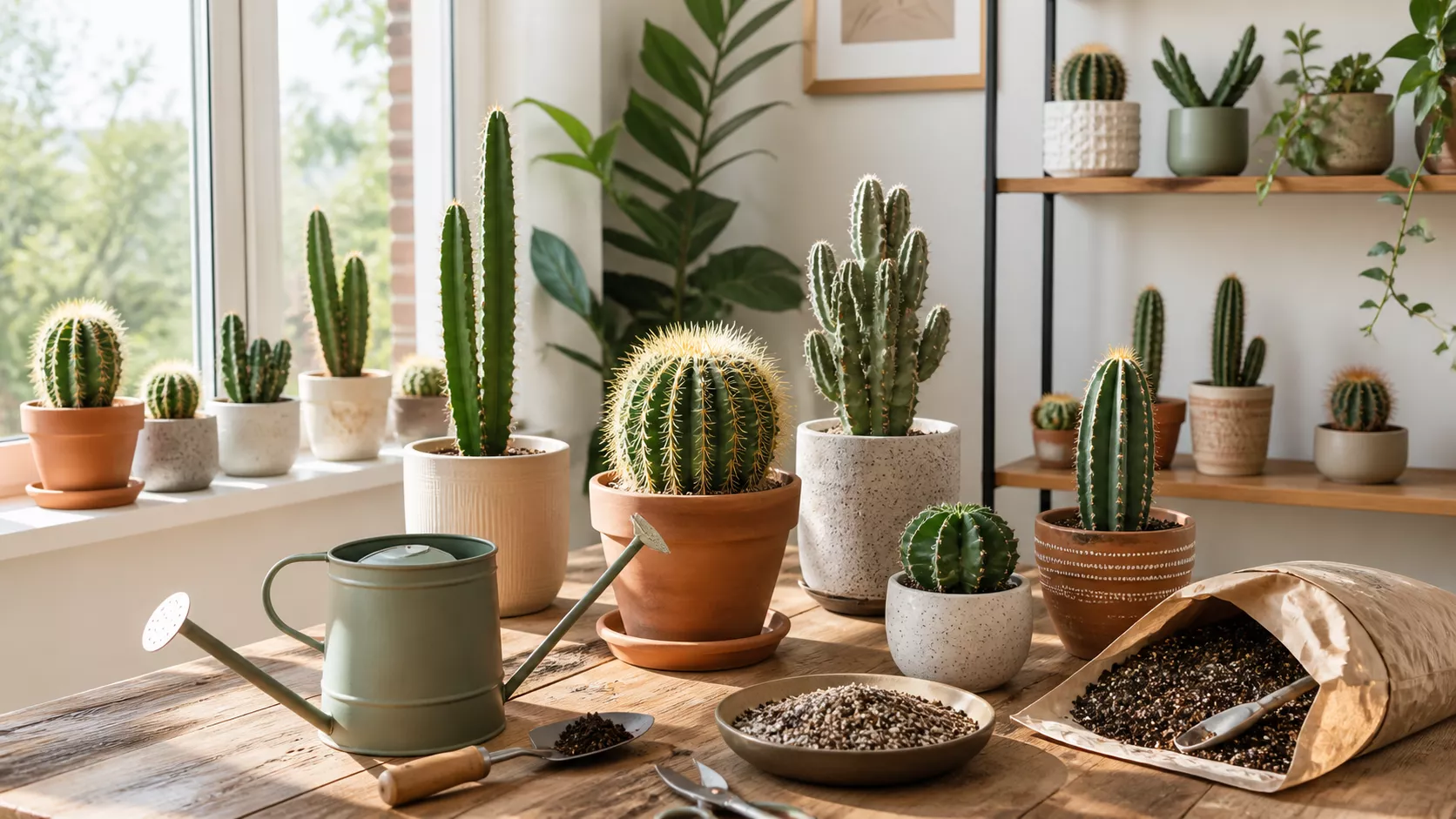
Succulents need extra care because their roots can be sensitive to excess moisture after repotting. Use a fast-draining soil mix and a pot with drainage holes.
When removing the succulent, handle it gently and avoid breaking the leaves. Remove old soil carefully if it is compacted or wet.
After repotting, wait before watering if roots were disturbed. This reduces the risk of rot and gives small root injuries time to dry.
Cacti should be handled with protection. Use thick gloves, folded paper, tongs, or a towel to avoid injury from spines.
When repotting, use a fast-draining cactus mix and avoid oversized pots. Cacti prefer dry periods and good airflow around roots.
After repotting, keep the cactus in bright light but avoid sudden intense sun if it was previously shaded. Water only when appropriate.
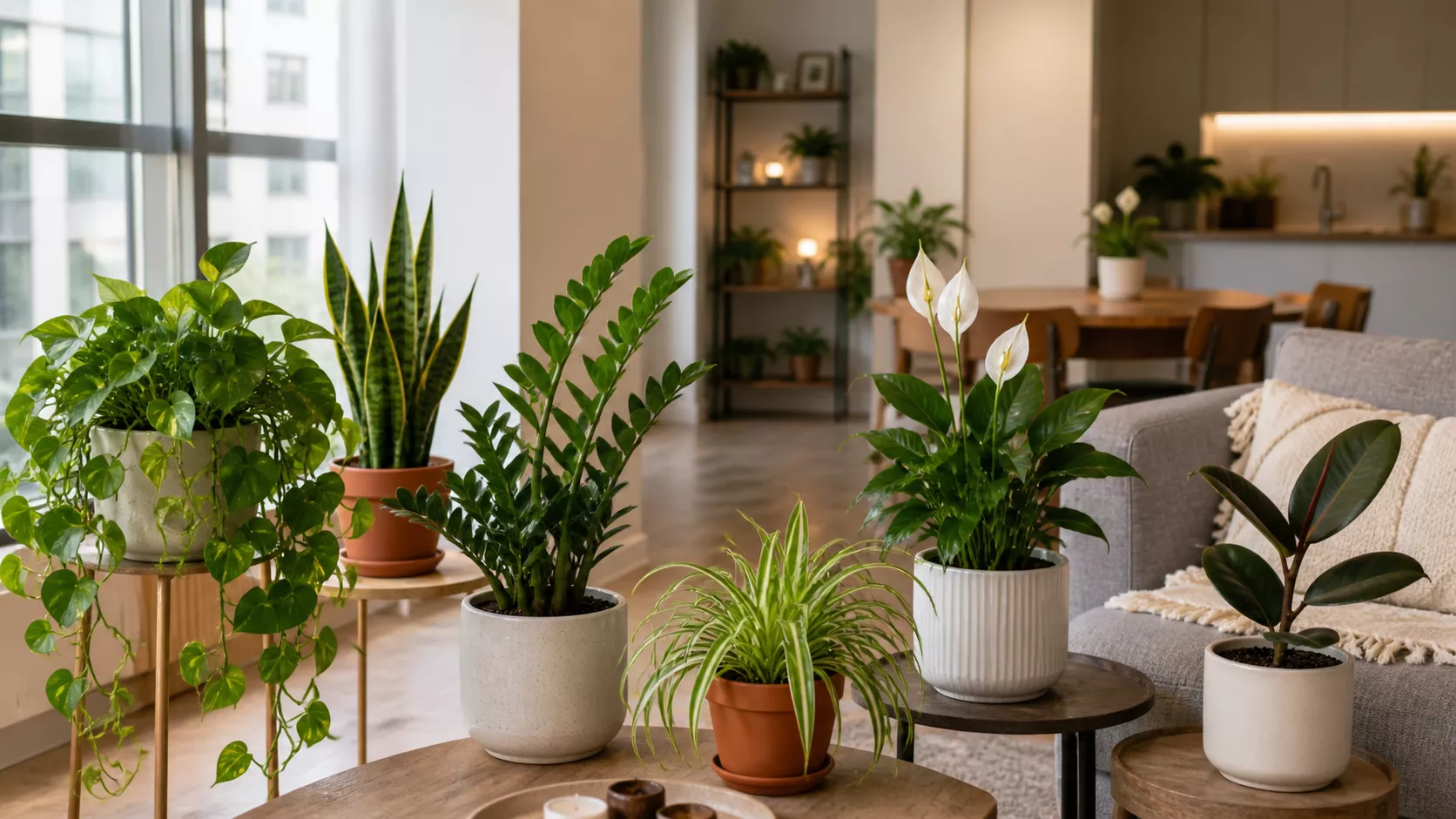
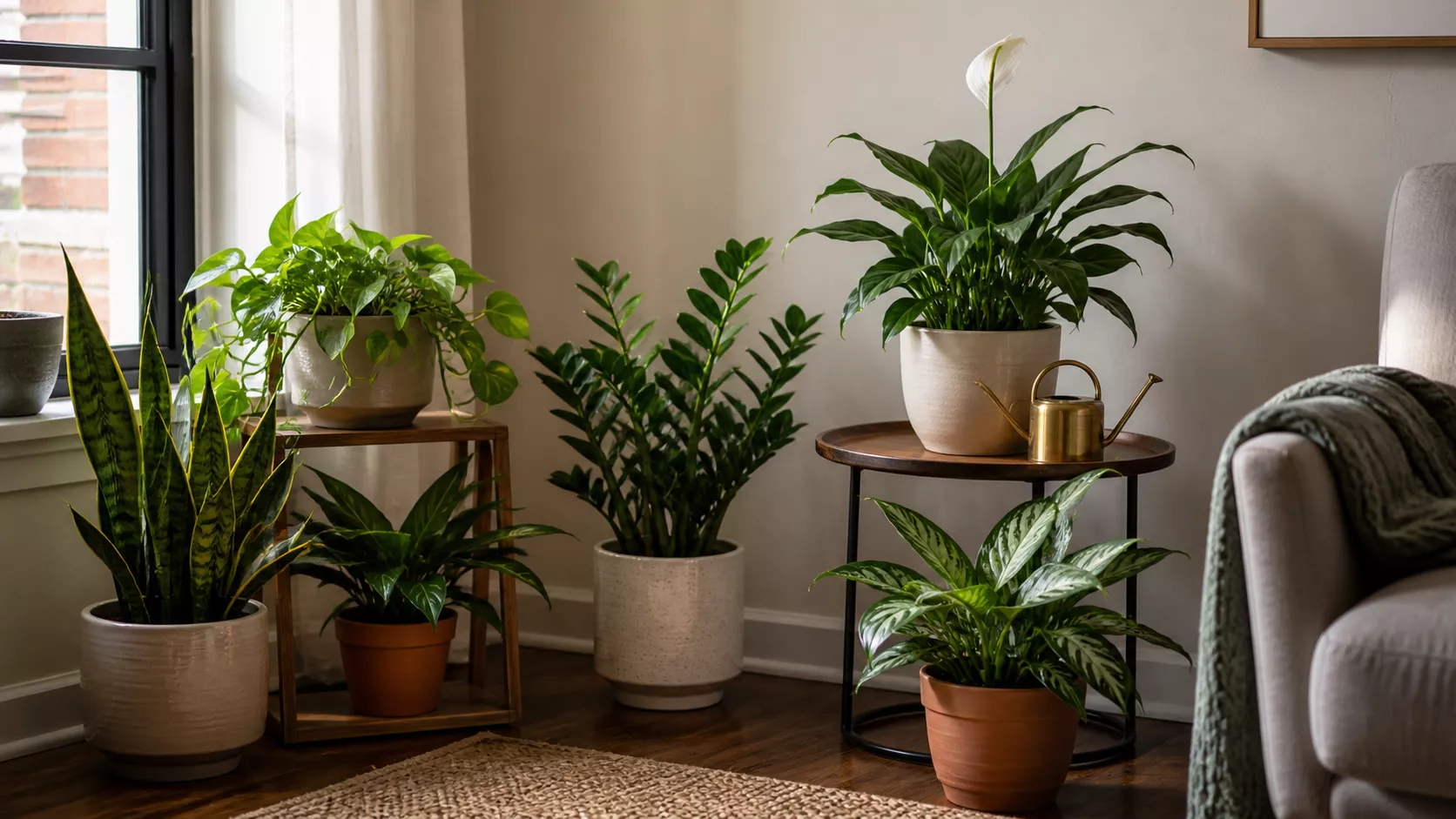
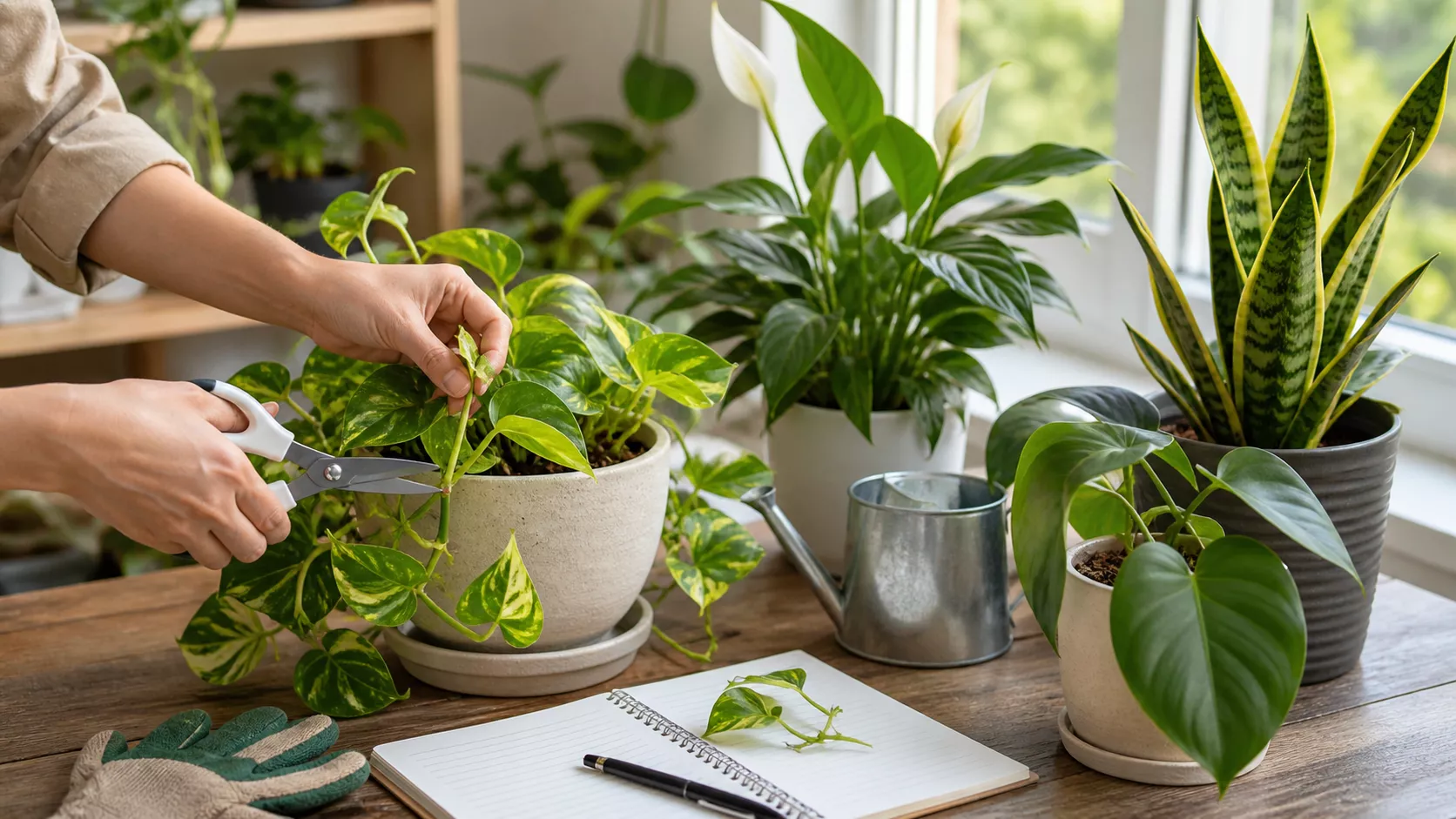
Tropical houseplants such as pothos, philodendron, monstera, peace lily, and anthurium usually need airy soil that holds some moisture.
When repotting, handle the root ball gently and keep the plant at the same depth. Add fresh soil around the roots and water thoroughly if the plant type allows.
Afterward, place the plant in bright indirect light and monitor moisture carefully. Do not overwater just because the plant was recently repotted.
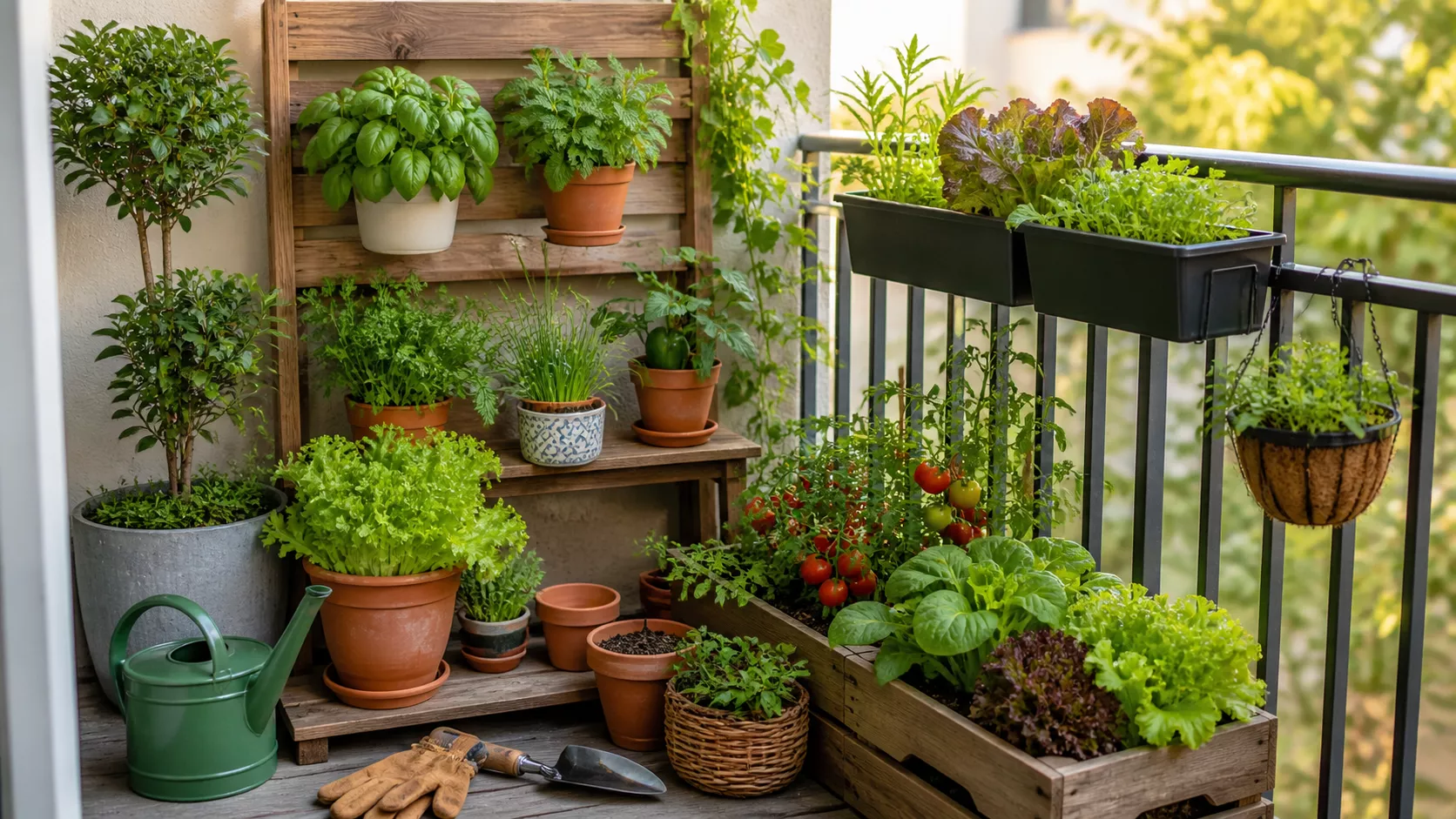
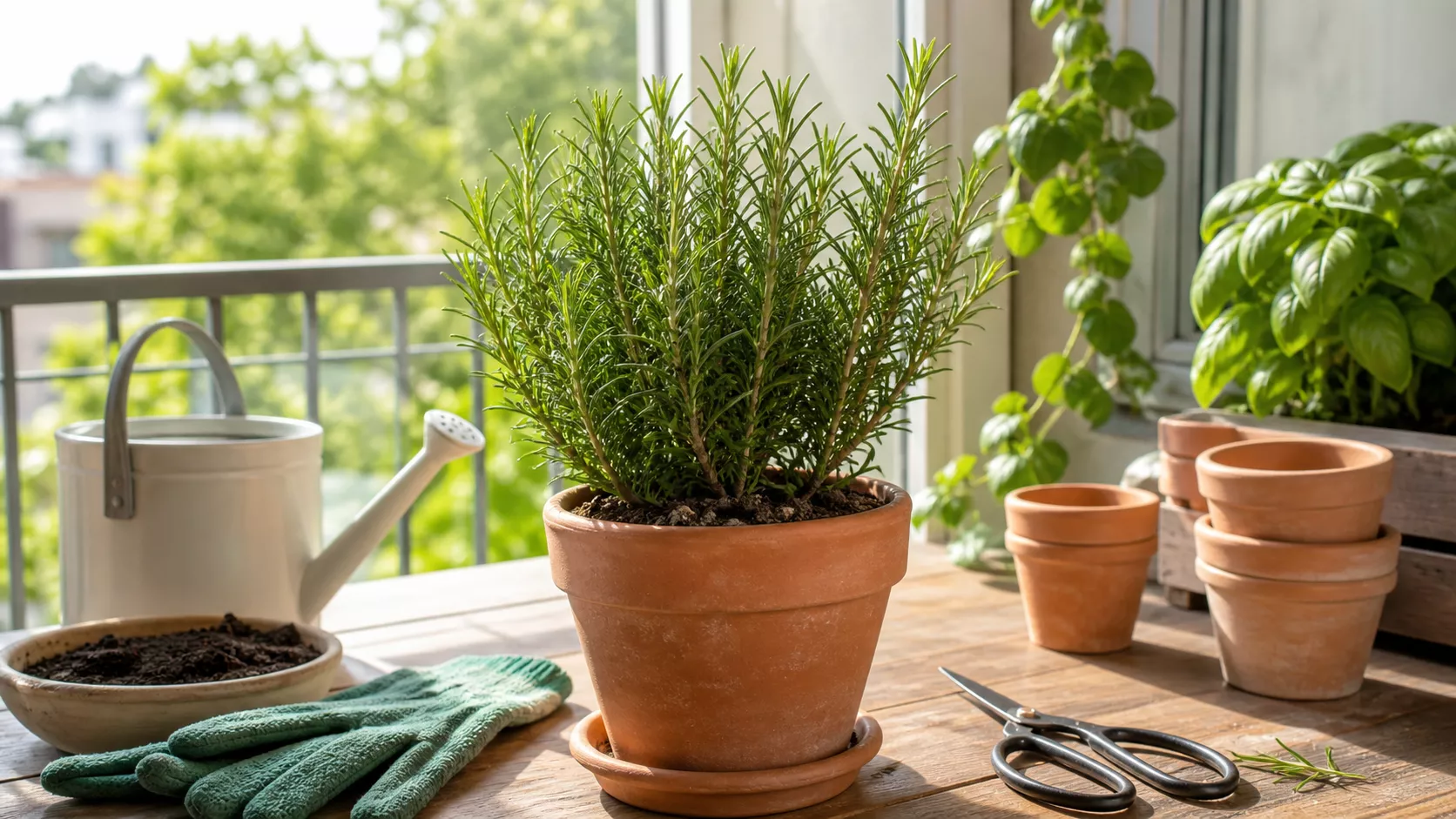
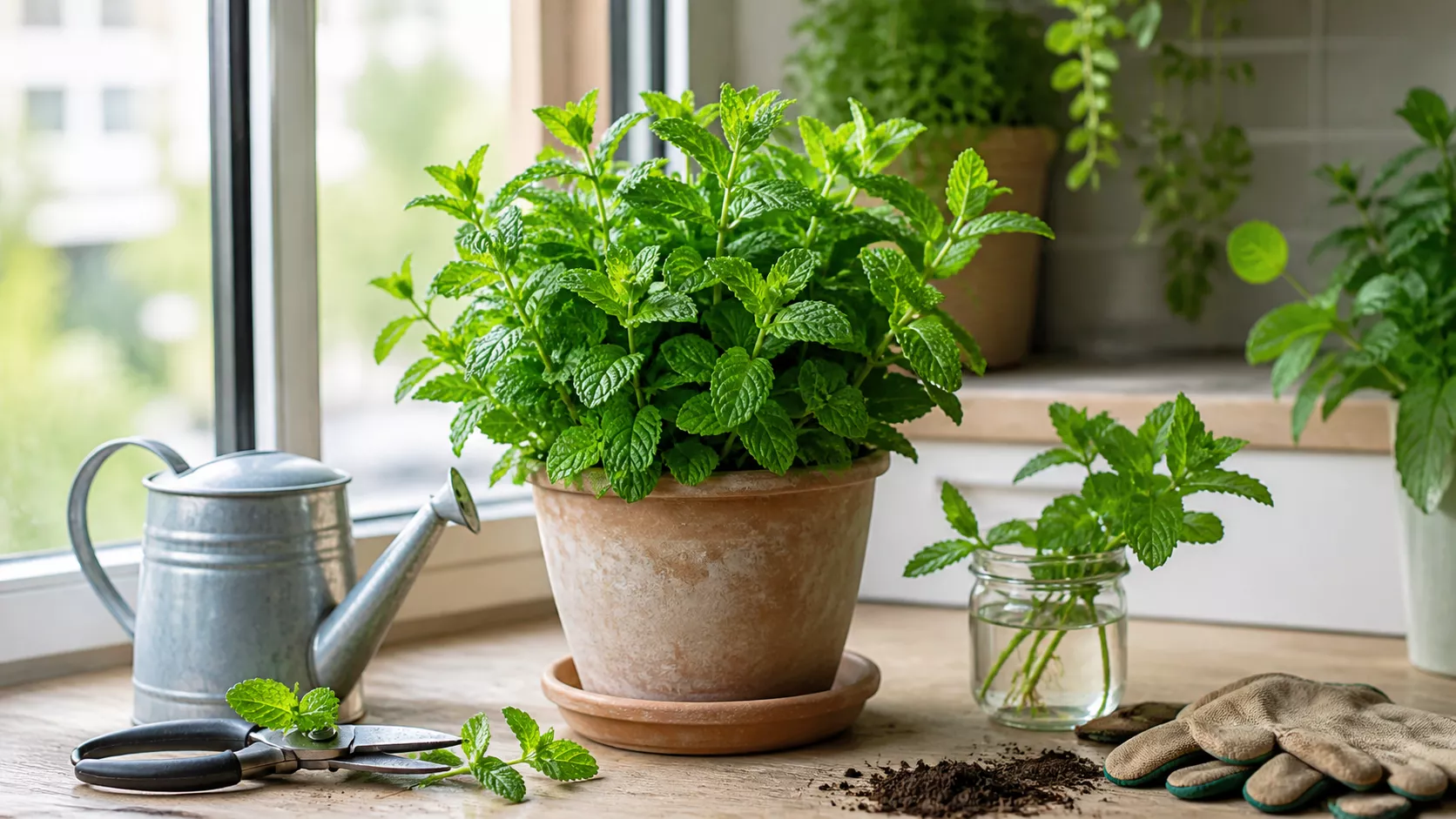
Herbs often benefit from repotting when they outgrow their containers or when the soil becomes tired. Basil, mint, parsley, and chives may need fresh soil and more room.
For rosemary, thyme, and oregano, use well-draining soil and avoid keeping the roots too wet. These herbs prefer drier conditions than basil or mint.
After repotting herbs, avoid heavy harvesting for a short time. Let the roots settle before cutting too much growth.
If repotting because of root rot, remove the plant from the pot and gently remove wet, unhealthy soil. Inspect the roots carefully.
Trim mushy, black, or bad-smelling roots with clean scissors. Then repot the healthy parts into fresh well-draining soil and a clean pot with drainage.
After repotting, water carefully. Do not return to the same overwatering routine that caused the problem.
Large plants require extra planning. They can be heavy, unstable, and difficult to remove from pots. It may help to have another person support the plant.
Before starting, prepare the new pot and soil. Tilt the old pot carefully and slide the root ball out without pulling hard on the trunk or stems.
After repotting, make sure the plant is stable. Add support if needed and keep the plant in suitable light while it adjusts.
Hanging plants such as pothos, spider plant, and trailing philodendron can become tangled. Handle the vines gently before removing the plant from its pot.
Place the vines on a clean surface and avoid pulling them. Repot the root ball carefully and arrange the vines afterward.
After repotting, water and let the pot drain fully before hanging it back. This prevents dripping and protects floors or furniture.
Sometimes, removing old soil is helpful, especially if it is compacted, smelly, pest-infested, or unsuitable for the plant.
However, if the plant is healthy and the root ball is stable, you do not need to remove every bit of old soil. Too much root disturbance can stress the plant.
A balanced approach is usually best. Remove loose or unhealthy soil, but avoid aggressively washing or tearing the roots unless necessary.
One common mistake is choosing a pot that is too large. This can cause the soil to stay wet too long and lead to root problems.
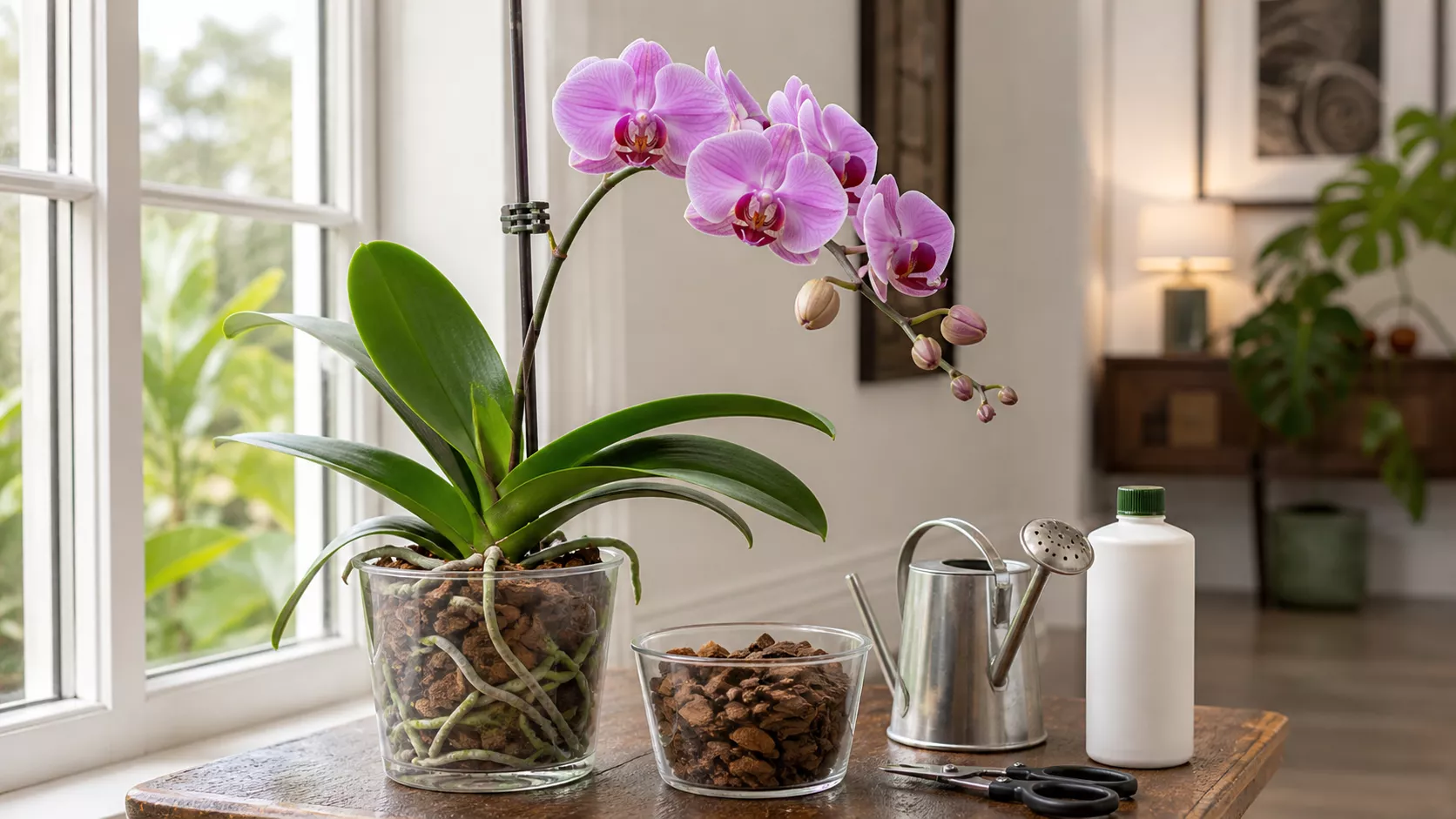
Another mistake is using the wrong soil. Succulents, orchids, herbs, and tropical plants do not all need the same mix.
Also, avoid pressing soil too tightly. Compacted soil reduces airflow and makes it harder for roots to grow.
After successful repotting, the plant may pause briefly and then continue growing. New leaves, firm stems, and stable soil moisture are good signs.
The plant should gradually look settled in its new pot. It may not grow immediately, but it should not decline severely.
If new growth appears after some time, the roots are likely adapting well to the fresh soil.
If the plant becomes severely wilted, yellow, soft, or loses many leaves after repotting, check for problems. The soil may be too wet, the roots may be damaged, or the plant may be in harsh light.
Also, check whether the pot is too large or lacks drainage. These are common causes of post-repotting problems.
To help, stabilize care. Do not keep watering repeatedly without checking the soil. Give the plant suitable light and time to recover.
To repot safely, choose the right time, prepare fresh soil, select a slightly larger pot with drainage, and remove the plant gently.
Then, inspect the roots, loosen only what is necessary, place the plant at the correct depth, and fill with soil without compacting too much.
Finally, water according to the plant type, keep it in gentle light, and avoid fertilizing immediately. This simple routine protects the roots and reduces stress.
In conclusion, learning how to repot plants without damaging the roots helps you care for plants with more confidence. Repotting can improve root space, soil quality, drainage, and long-term growth when done correctly.
Above all, be gentle. Use the right pot size, choose suitable soil, protect the roots, avoid pulling by the leaves, and give the plant stable aftercare.
Ultimately, repotting plants is a normal and important part of plant care. With patience, observation, and careful handling, you can move your plants into better containers while keeping their roots healthy and strong.