When to Change a Plant Pot

First, learning when to change a plant pot is an important part of keeping indoor and outdoor plants healthy. Many beginners think plants should be repotted only when they look too big, but roots, soil, drainage, and growth signs are often more important than appearance.
Additionally, a plant can suffer when it stays too long in the same container. Roots may become crowded, soil may lose structure, water may drain poorly, and nutrients may become limited. On the other hand, changing the pot too often or choosing a pot that is too large can also cause problems.
Therefore, this guide will explain the main signs that your plant needs a new pot, how to choose the right container, when to repot, and how to avoid common mistakes. With the right approach, repotting plants becomes safer, easier, and much less stressful.
First, plants grown in pots have limited space. Unlike plants in the ground, their roots cannot spread freely in search of more water, nutrients, and room. Over time, the container can become too small for the plant’s root system.
Also, the soil inside a pot changes over time. It can become compacted, lose nutrients, drain poorly, or hold too much moisture. Even if the pot size is still acceptable, old soil can make plant care more difficult.
Because of this, changing a plant pot is not only about giving the plant a bigger container. It is also about refreshing the growing environment so the roots can stay healthy.
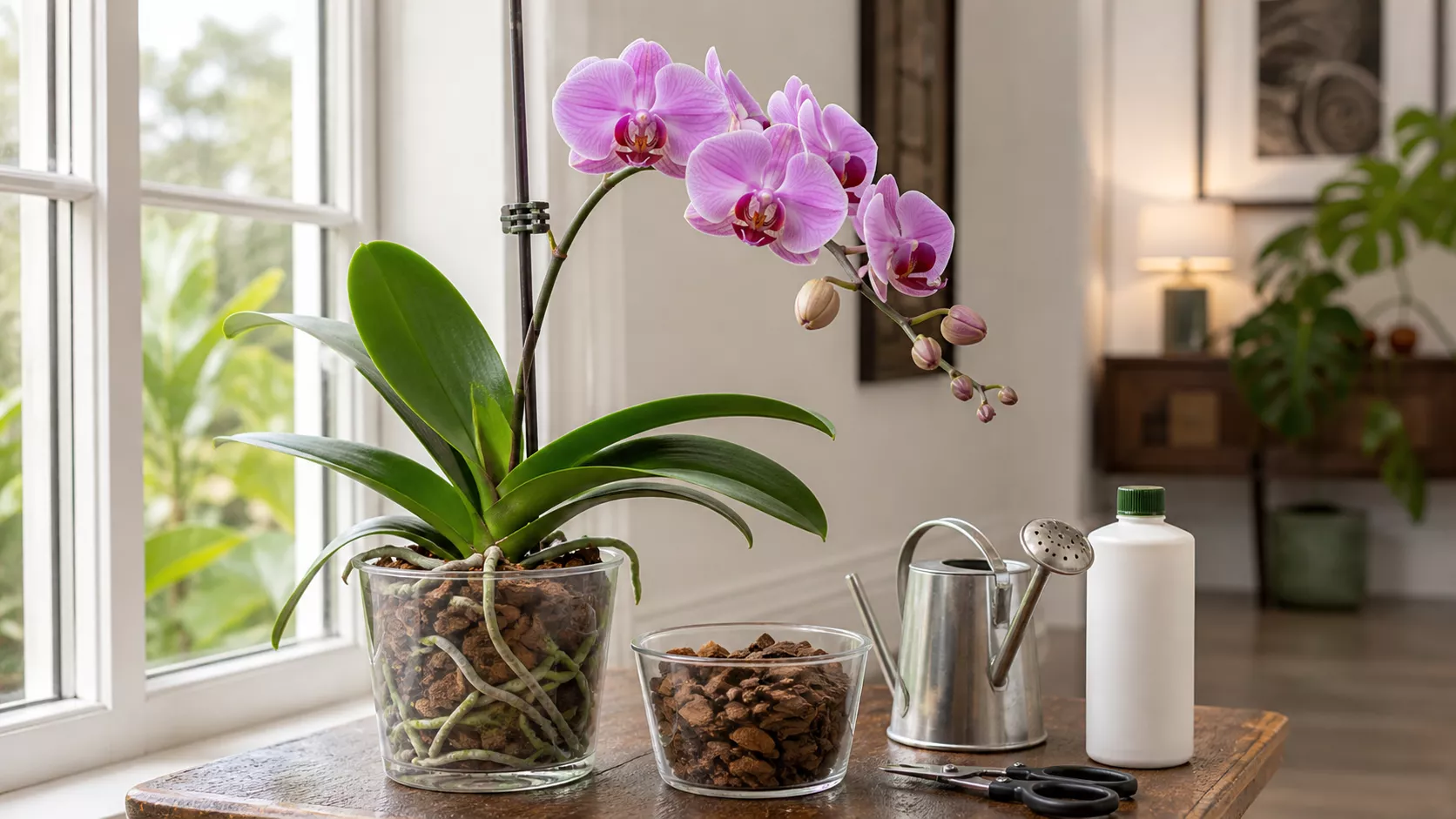
First, one of the clearest signs that a plant may need repotting is roots coming out of the drainage holes. This usually means the roots have filled much of the container and are searching for more space.
However, a few small roots showing at the bottom does not always mean immediate repotting is necessary. Some plants naturally send roots toward drainage holes.
Still, if many roots are tightly growing out of the bottom, the plant is likely root-bound. In this case, changing the pot can help the plant continue growing more comfortably.
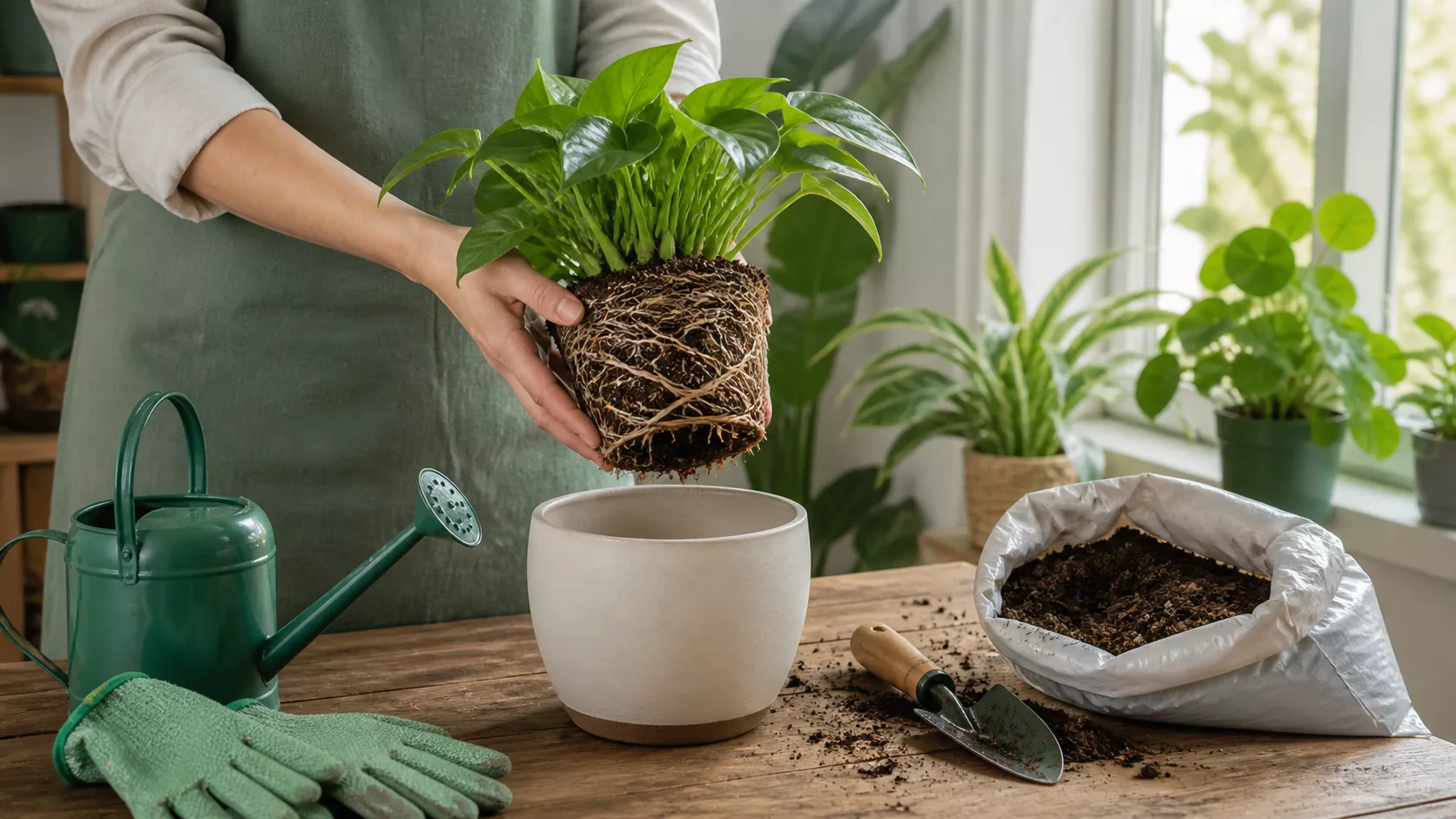
Next, roots circling around the inside of the pot are another strong sign. When you remove the plant from the container and see roots wrapped tightly around the root ball, the plant may need more room.
This condition is often called root-bound. It can limit water absorption, nutrient uptake, and healthy growth. The plant may continue surviving, but it may not grow as well as it could.
To fix this, repot the plant into a slightly larger container and gently loosen the outer roots if they are tightly wrapped. This encourages them to grow into the new soil.
Sometimes, a plant needs a new pot because water runs through the soil almost immediately. This can happen when roots have filled most of the container and there is little soil left to hold moisture.
As a result, the plant may dry out quickly, even after watering. You may notice that the soil seems unable to stay moist for a reasonable amount of time.
In this case, repotting with fresh soil can help. A slightly larger pot gives roots more space and allows the soil to hold moisture more evenly.
Also, if your plant dries out much faster than before, it may be time to change the pot. This is especially common with fast-growing plants, herbs, and plants kept in bright light.
For example, if a plant used to need water once a week but now wilts every couple of days, the roots may have filled the pot. There may not be enough soil left to retain moisture.
However, consider weather and season too. Plants naturally dry faster during hot or sunny periods. Repotting is more likely needed if fast drying continues even under normal conditions.
Another sign is slow or stopped growth during the active growing season. If the plant has proper light, correct watering, and no pests, but still does not produce new growth, the pot may be too small.
Crowded roots can limit the plant’s ability to absorb water and nutrients. This may cause smaller leaves, weak stems, or fewer flowers.
However, slow growth can also be caused by low light, cold temperatures, poor soil, or natural dormancy. Check the full care routine before deciding to repot.
Sometimes, the plant simply becomes too large for its container. It may look top-heavy, unstable, or out of proportion. Large leaves and tall stems can make a small pot easy to tip over.
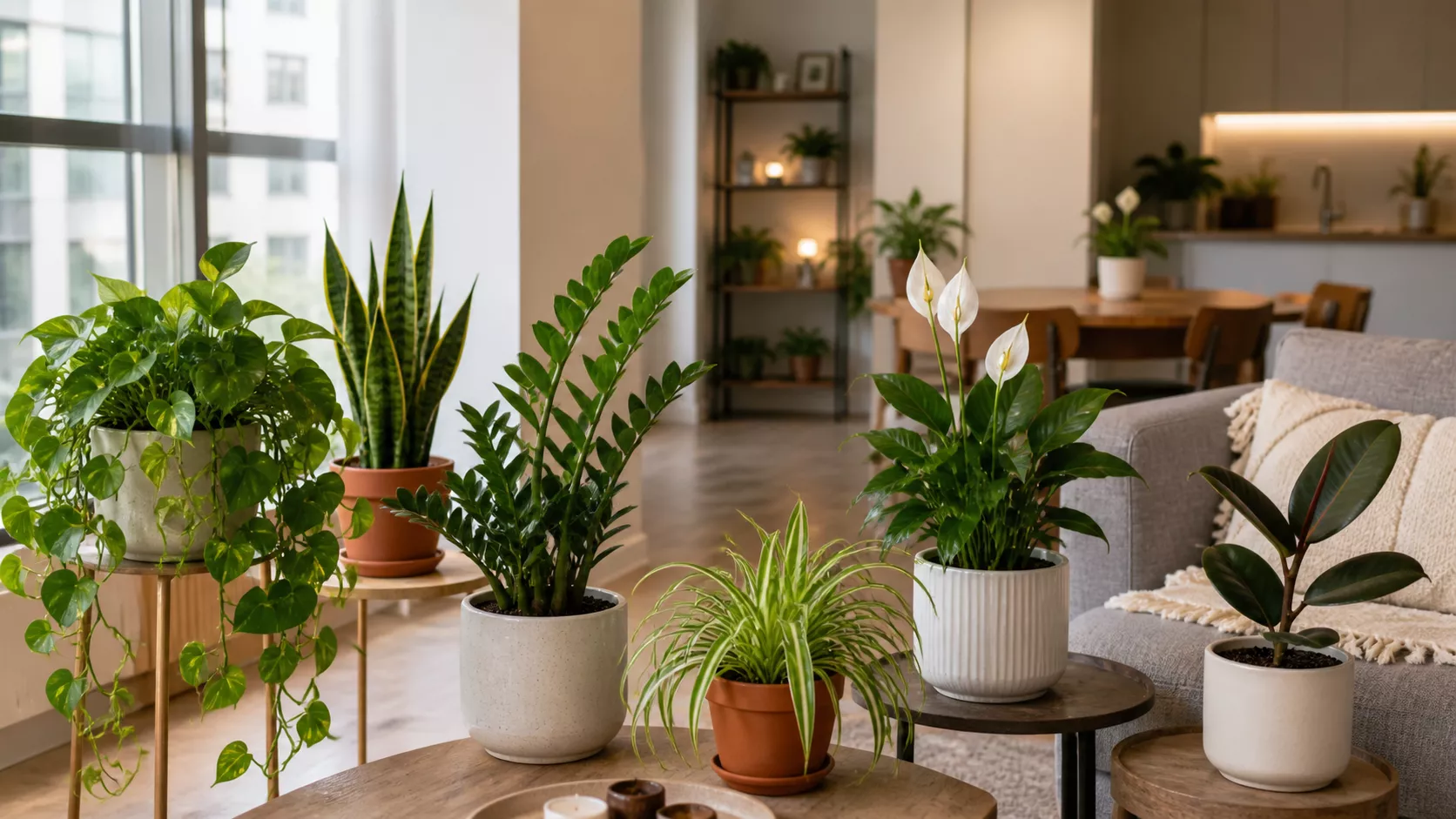
This is common with plants such as monstera, rubber plant, palms, snake plant, and large philodendrons. A heavier or slightly larger pot can provide better support.
However, avoid choosing a pot that is much too large. The goal is stability and root space, not excessive soil that stays wet too long.
In some cases, strong roots can push against the pot and cause cracks, bending, or distortion. This is especially common with plastic pots and vigorous root systems.
If the pot is cracked, the plant may lose soil, drain poorly, or become unstable. A damaged pot can also make watering messy and uneven.
Therefore, change the pot as soon as possible if the container is broken, cracked, or unsafe. Choose a stronger pot that fits the plant’s size.
Over time, potting soil can become compacted. Compacted soil feels hard, dense, and heavy. Water may sit on the surface before slowly sinking in, or it may run down the sides without soaking the root ball.
Compacted soil reduces airflow around roots and can make watering difficult. Roots need oxygen, and dense soil can create stress.
If the soil is compacted, repotting with fresh, loose, well-draining soil can improve root health. In some cases, refreshing the soil matters more than increasing pot size.
A bad smell coming from the soil is a warning sign. Healthy soil usually smells earthy. Sour, rotten, or unpleasant odors may indicate soggy soil, root problems, or poor drainage.
If this happens, remove the plant from the pot and inspect the roots. Damaged roots may look dark, soft, or mushy.
Then, trim unhealthy roots with clean tools and repot the plant in fresh soil. Choose a pot with drainage holes and adjust your watering routine.
Frequent wilting can happen when the pot is too small, the soil dries too fast, the roots are crowded, or the plant is struggling to absorb water properly.
However, wilting can also be caused by overwatering. This is why checking soil moisture is essential before repotting.
If the soil dries extremely fast and the roots are crowded, repotting may help. If the soil is wet and the plant wilts, root damage or poor drainage may be the issue.
Sometimes, roots become so crowded that they push the plant upward in the pot. You may notice the root ball rising above the container or the plant sitting higher than before.
This means the roots need more room or the plant needs division. It is common in plants that produce rhizomes, bulbs, or dense root systems.
To solve this, repot the plant into a slightly larger pot or divide it if the species allows. Use fresh soil and plant it at the correct depth.
If you need to water a plant constantly just to keep it from wilting, the pot may be too small. This is common with herbs, flowering plants, and fast-growing houseplants.
Small pots dry quickly because they hold less soil and moisture. When the root system grows larger, the plant uses water faster.
Repotting into a slightly larger pot can reduce stress and make watering easier. However, do not move a small plant into a huge pot, because that can cause moisture problems.
Importantly, not every plant needs repotting just because you want a new decorative container. If the plant is healthy, growing well, and the soil is functioning properly, repotting may not be necessary.
Also, avoid repotting a stressed plant unless the pot or soil is clearly causing the problem. Plants dealing with pests, severe wilting, or shock may become more stressed if disturbed.
However, if the plant has root rot, compacted soil, or a pot without drainage, repotting may be necessary even if the plant is stressed. The decision depends on the cause.
Usually, the best time to repot many plants is during the active growing season. This often happens in spring or warmer months when plants are producing new roots and leaves.
During active growth, plants can recover more easily from repotting. They can adapt to fresh soil and begin growing into the new container.
However, emergency repotting can be done at any time if the plant is suffering from root rot, broken pots, pest-infested soil, or serious drainage problems.
Repotting frequency depends on the plant type and growth rate. Fast-growing plants may need repotting every year, while slow-growing plants may stay in the same pot for several years.
For example, pothos, monstera, herbs, and some flowering plants may outgrow pots faster. Snake plant, ZZ plant, cacti, and many succulents often need repotting less often.
Instead of following a strict schedule, look for signs. Roots, soil condition, watering behavior, and growth are better guides than the calendar alone.
When changing a plant pot, choose a container only slightly larger than the current one. A pot that is too large can hold too much wet soil around the roots.
For many plants, moving up one pot size is enough. This gives roots more space without creating excessive moisture problems.
Also, consider the plant’s growth habit. A tall plant may need a heavier pot for stability, while a trailing plant may need a hanging container or wide pot.
Most importantly, choose a pot with drainage holes. Drainage allows excess water to leave the pot after watering, protecting roots from staying wet too long.
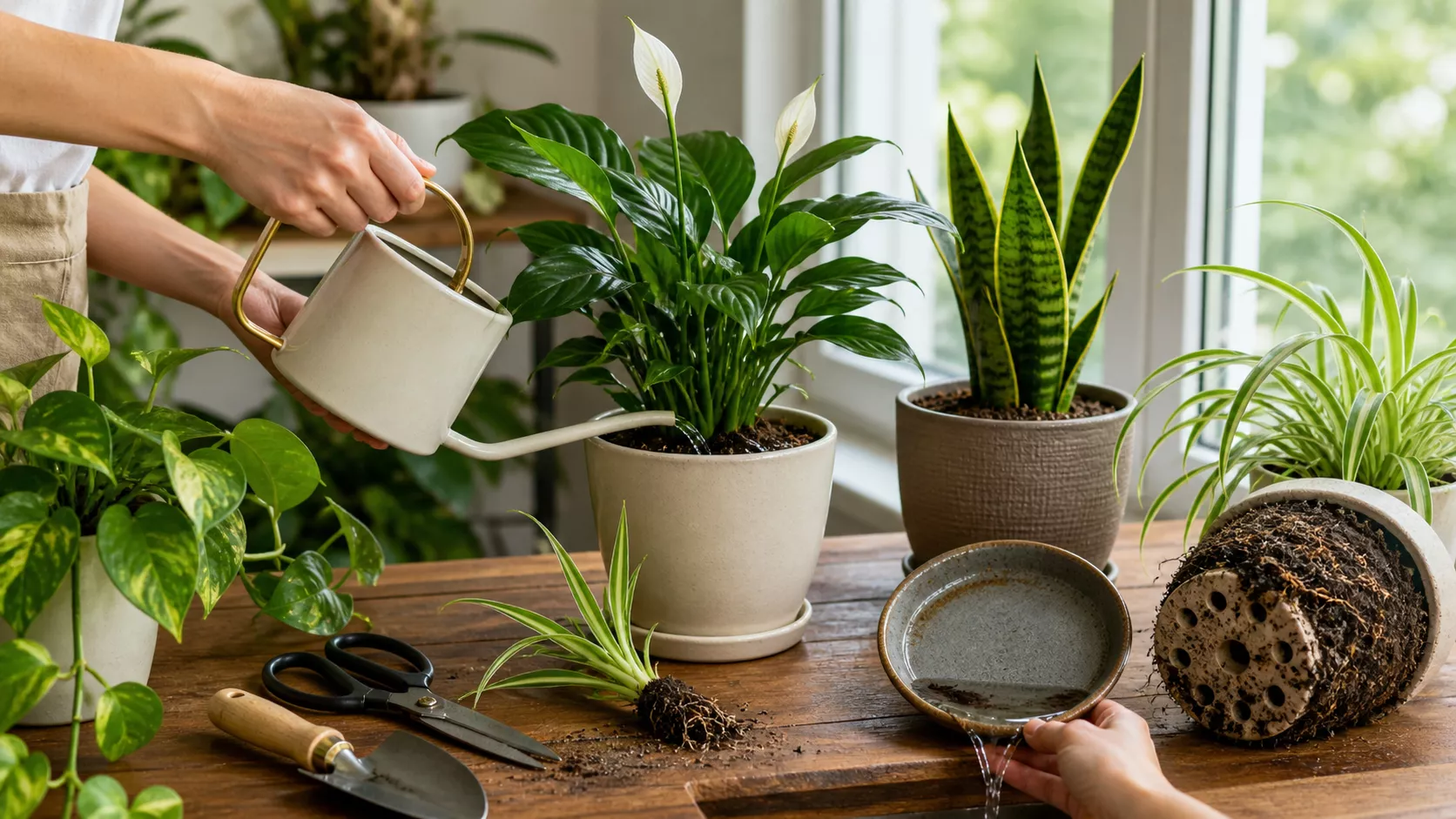
If you want to use a decorative pot without holes, use it as a cachepot. Keep the plant in a nursery pot inside it, remove the plant for watering, and let it drain fully before placing it back.
This method combines decoration with plant health and prevents hidden water from collecting at the bottom.
Repotting is also a good opportunity to refresh the soil. Use a soil mix that matches the plant’s needs.
For succulents and cacti, use a fast-draining mix. For tropical houseplants, use a light mix that holds some moisture but still drains well. For herbs and vegetables, use fertile potting mix with good structure.
Avoid reusing old compacted or smelly soil. Fresh soil gives roots a healthier environment and makes watering more effective.
To remove a plant from its pot, water it lightly a day before if the soil is extremely dry. This can make the root ball easier to slide out.
Then, gently squeeze the sides of a plastic pot or tap the container to loosen the soil. Hold the plant near the base and slide it out carefully.
Avoid pulling hard on stems or leaves. If the plant is stuck, work slowly around the pot. For fragile containers, extra care may be needed.
If the plant is root-bound, gently loosen the outer roots. This helps them grow into the new soil instead of continuing to circle.
For very tight roots, you can carefully tease them apart with your fingers. In severe cases, small cuts may be made on the outer root ball with clean tools.
However, avoid damaging roots unnecessarily. The goal is to encourage new growth, not remove too much healthy root material.
First, add fresh soil to the bottom of the new pot. Place the plant in the center and check that it sits at the correct height.
Next, fill around the root ball with soil. Press gently to remove large air pockets, but do not compact the soil too much.
Finally, water lightly if appropriate for the plant type. Let excess water drain away and place the plant in suitable light while it adjusts.
After repotting, plants need stable conditions. Keep the plant in suitable light, protect it from harsh sun, and avoid moving it repeatedly.
Water carefully, because roots may need time to adjust. Some plants need moisture after repotting, while succulents and cacti may benefit from waiting before watering if roots were disturbed.
Also, avoid fertilizing immediately after repotting. Fresh soil often has enough nutrients, and roots may be sensitive after being disturbed.
After changing a pot, some plants may droop slightly or pause growth for a short time. This is called transplant shock and can be normal.
Usually, the plant improves when kept in stable conditions with proper watering and light. Avoid making too many changes at once.
However, severe yellowing, soft stems, or worsening wilting may indicate overwatering, root damage, or poor soil. Observe carefully.
Sometimes, changing to a larger pot is not the only solution. Some plants grow in clumps and can be divided when they become crowded.
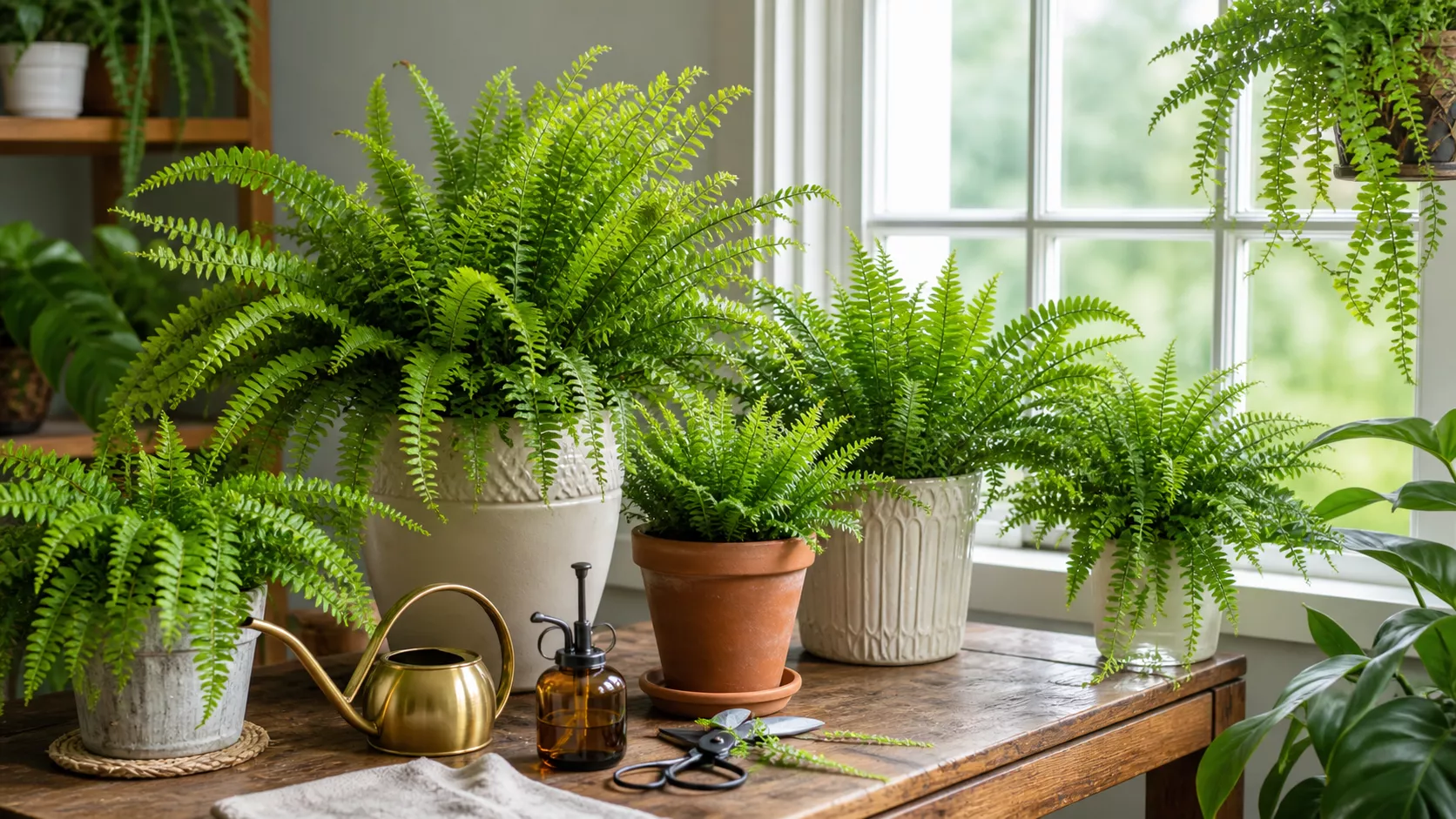
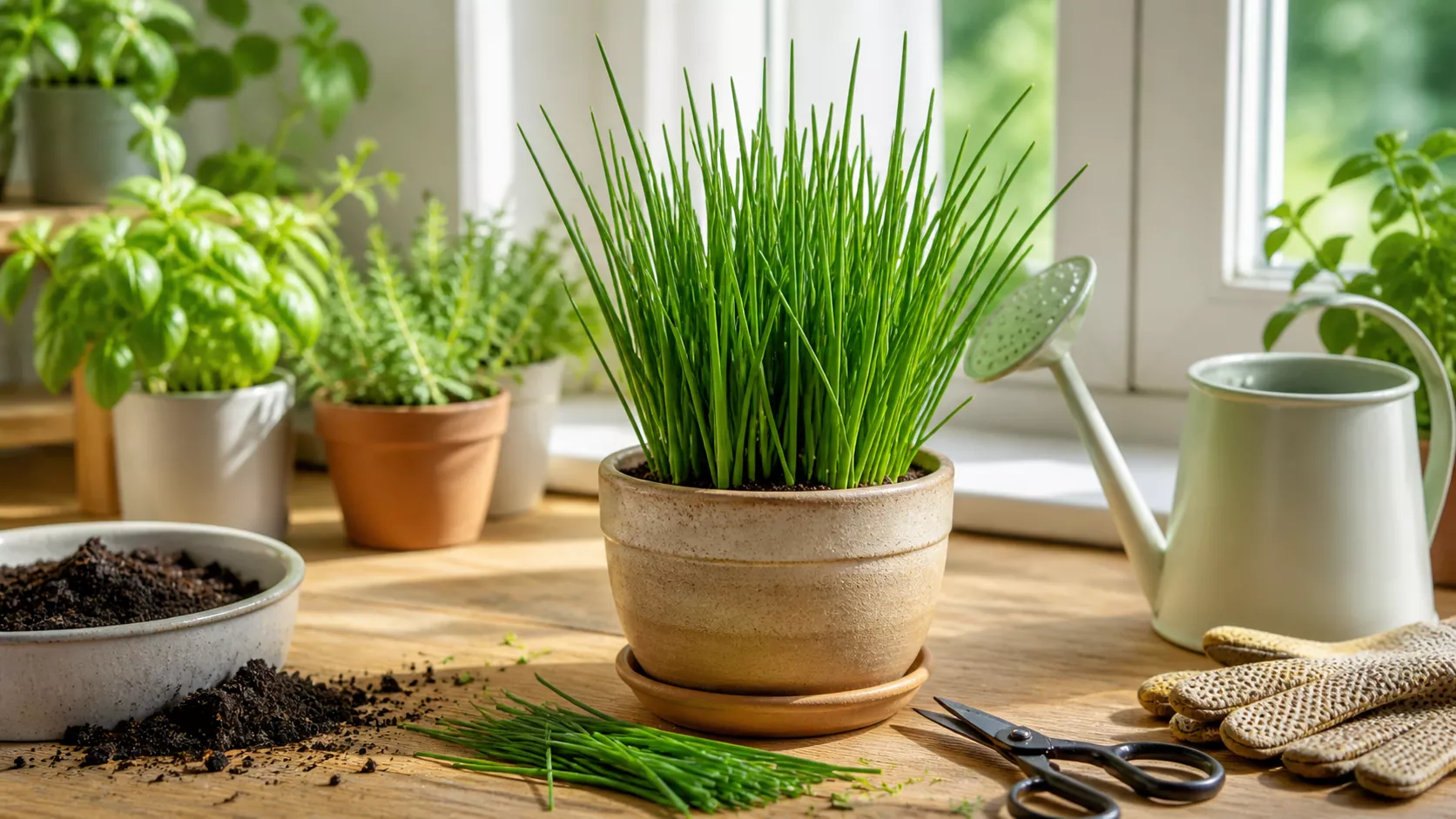
Plants such as peace lily, snake plant, ferns, chives, and some herbs can often be divided. Division creates smaller plants and reduces overcrowding.
However, not every plant should be divided. Vining plants, single-stem plants, and many woody plants may need other methods instead.
Succulents and cacti need special care when repotting. They prefer fast-draining soil and pots with drainage holes.
After repotting, wait before watering if roots were damaged or disturbed. This helps reduce the risk of rot.
Also, avoid oversized pots. Succulents and cacti are especially sensitive to extra wet soil around their roots.
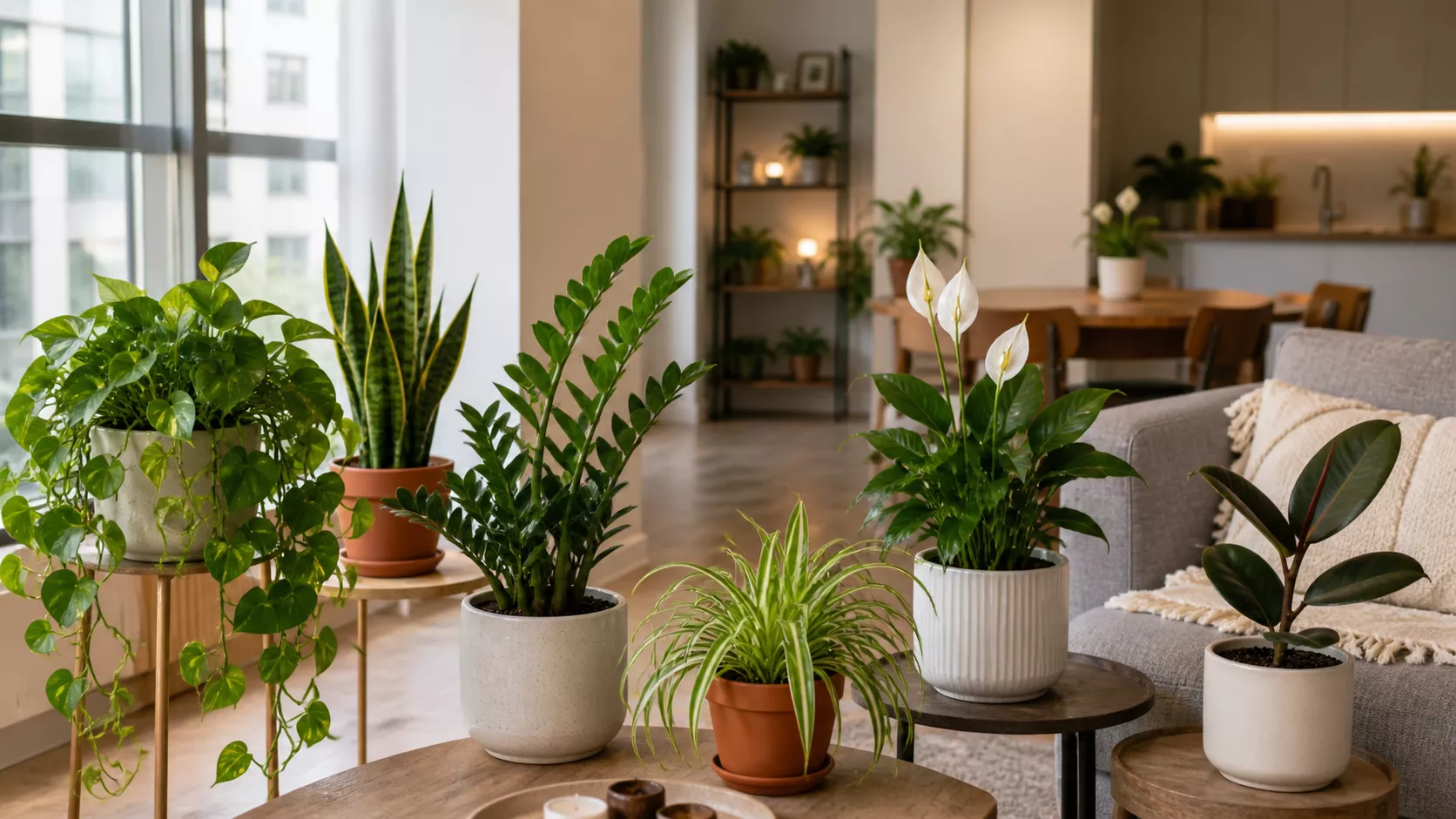
Tropical houseplants such as pothos, philodendron, monstera, peace lily, and anthurium usually appreciate fresh airy soil and moderate moisture.
When repotting, choose a pot slightly larger than the old one and use a mix that drains well but holds some moisture.
After repotting, keep the plant in bright indirect light and avoid harsh sun while it adjusts.
Herbs in pots may need repotting when they become crowded, dry too quickly, or stop producing well.
Basil, mint, parsley, chives, and other leafy herbs often benefit from fresh soil and enough root space. Mint may also need division because it spreads quickly.
For rosemary, thyme, and oregano, use well-draining soil and avoid oversized pots that stay wet too long.
One common mistake is choosing a pot that is too large. Extra soil can remain wet for too long and cause root problems.
Another mistake is using a pot without drainage. Even careful watering becomes risky when water cannot escape.
Also, avoid repotting too often. Constantly disturbing roots can stress plants and slow growth.
In conclusion, learning when to change a plant pot helps you support healthier roots, better watering, and stronger growth. Roots coming out of drainage holes, compacted soil, slow growth, fast drying, unstable plants, and cracked pots are all signs that repotting may be needed.
Above all, choose the right pot size, use drainage holes, and match the soil to the plant type. A new pot should improve the plant’s growing conditions without creating excess moisture.
Ultimately, repotting plants is a normal part of plant care. With patience, observation, and careful handling, you can change pots safely and help your plants continue growing beautifully.