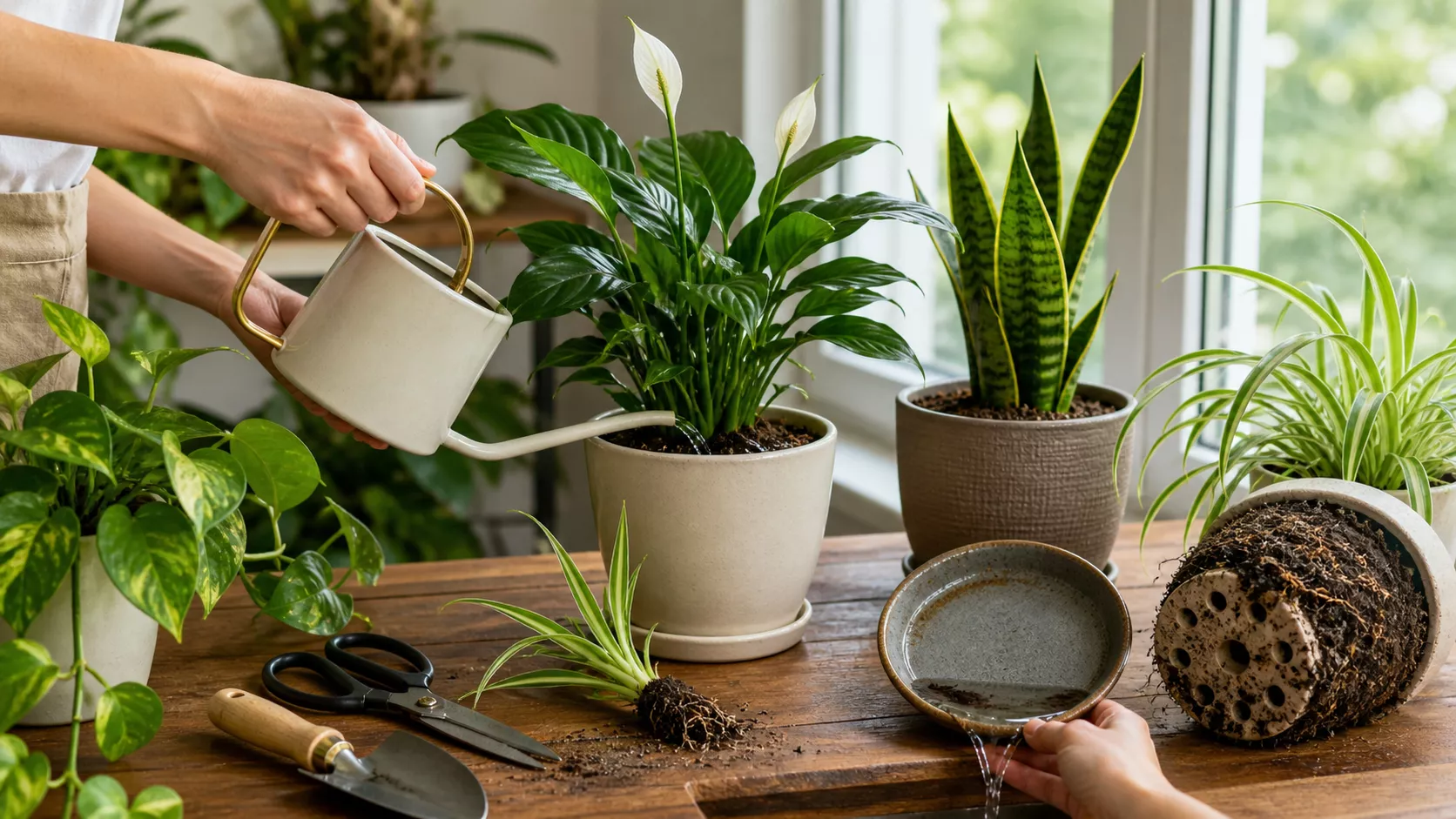
How to Water Plants the Right Way

First, learning how to create a green corner in a small apartment is a great way to bring nature into your home, even when space is limited. A green corner can make a small apartment feel fresher, calmer, and more welcoming without requiring a large balcony or garden.
Additionally, indoor plants can transform unused corners, shelves, windowsills, desks, and vertical spaces into beautiful decorative areas. With the right plant choices and smart organization, even a compact apartment can have a peaceful indoor garden.
Therefore, this guide will show you how to plan a small apartment plant corner, choose the best plants, use vertical space, arrange pots, care for plants properly, and avoid common mistakes. The goal is to create a green area that is beautiful, practical, and easy to maintain.
First, the location of your green corner matters more than the decoration itself. Plants need light, airflow, and enough space to grow. A beautiful corner will not work well if it is too dark or too crowded.
Ideally, choose a place near a window with bright indirect light. This can be a living room corner, bedroom window area, home office space, balcony door, or kitchen corner with natural brightness.
However, if your apartment has low light, choose plants that tolerate lower brightness or use a grow light. A plant corner should support plant health first and decoration second.
Next, spend a day observing how light enters your apartment. Notice which areas receive direct sun, bright indirect light, medium light, or low light. This helps you choose plants that match the space.
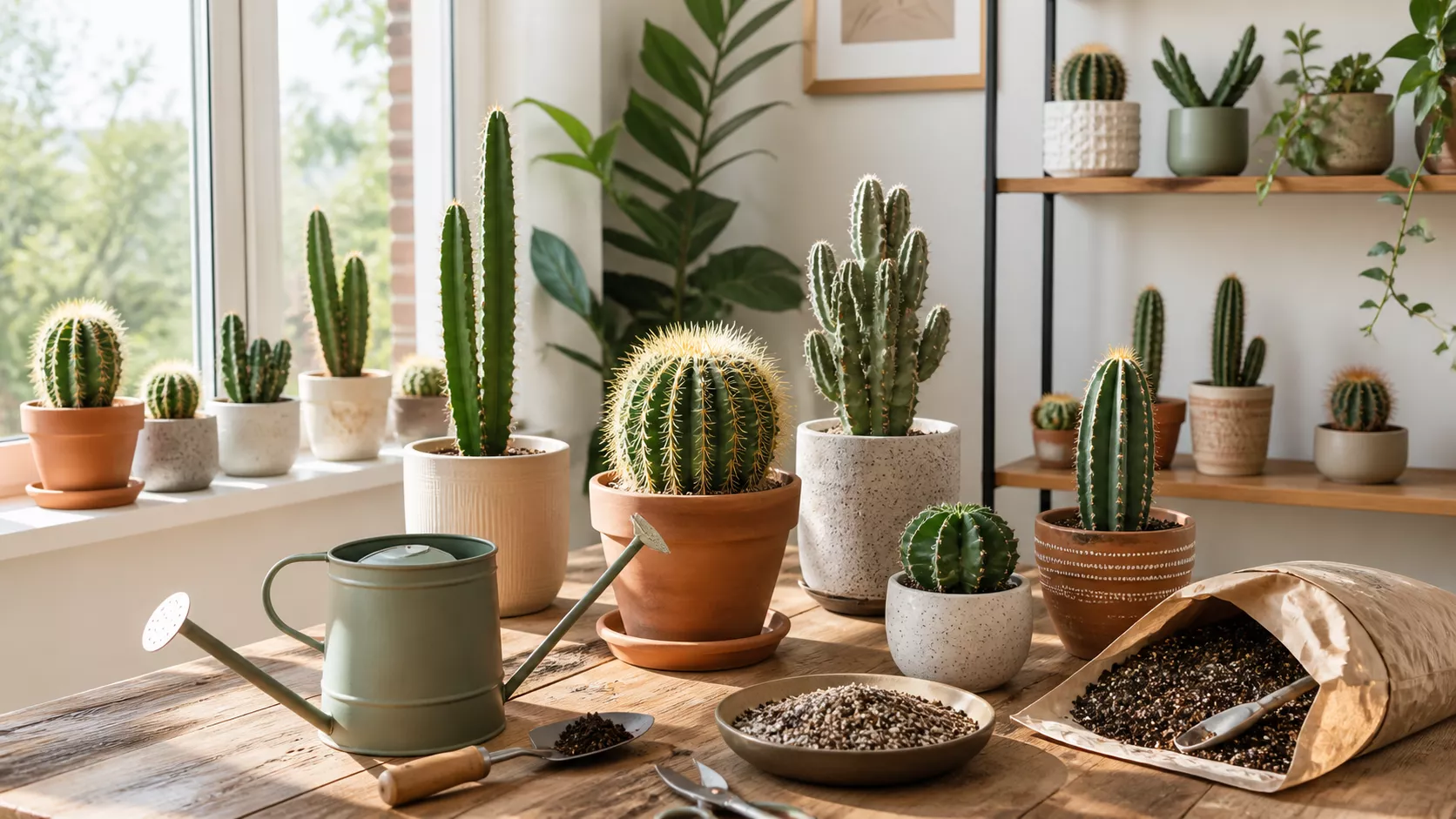
For example, succulents, cacti, aloe vera, and many herbs need strong light. Pothos, snake plant, ZZ plant, peace lily, and Chinese evergreen can adapt better to medium or lower light.
Also, remember that light changes during the year. A corner that is bright in one season may become darker in another. Regular observation helps you adjust your plant arrangement when needed.
For beginners, easy-care plants are the best starting point. They tolerate small mistakes and help you build confidence before adding more demanding species.
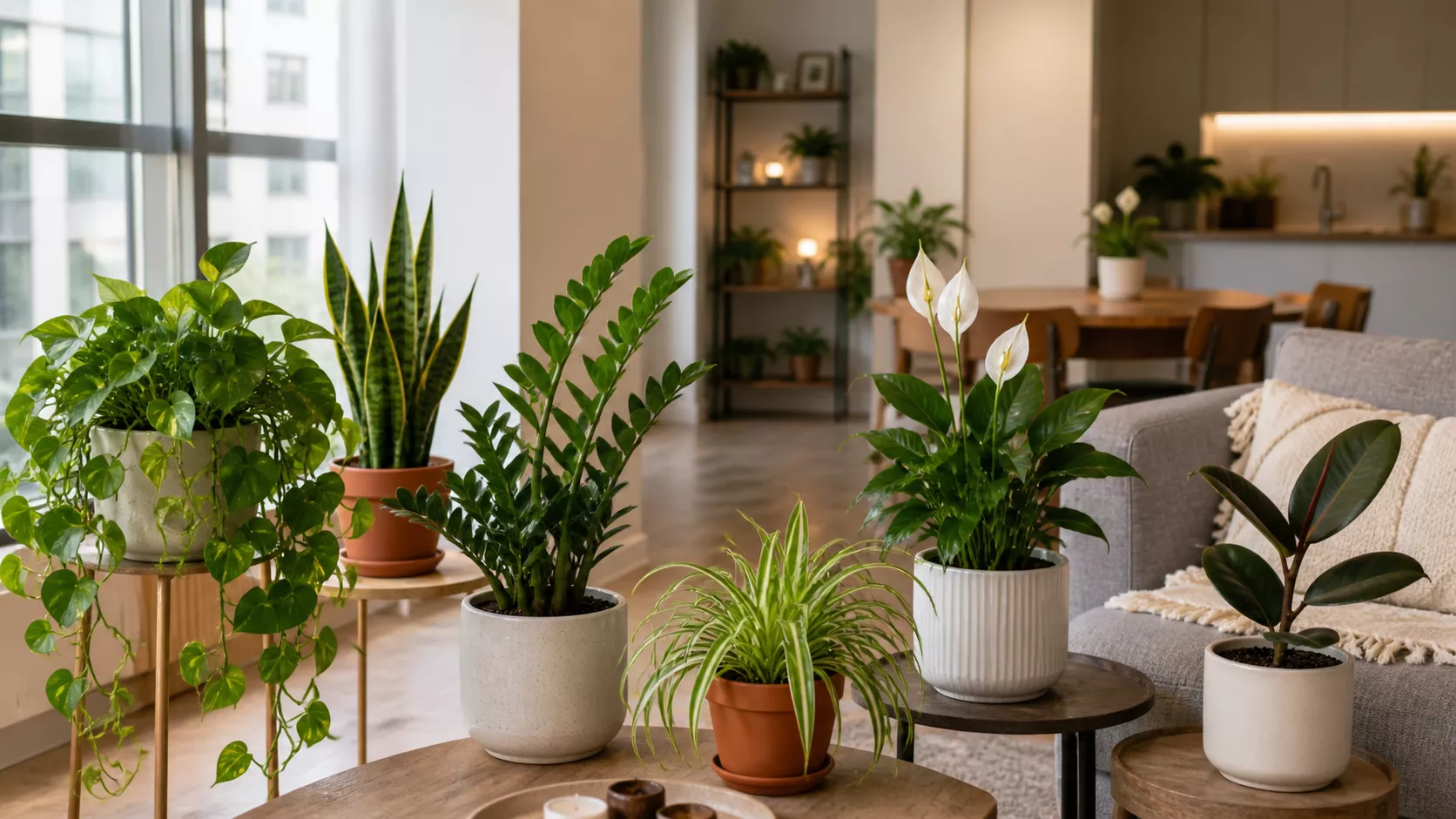
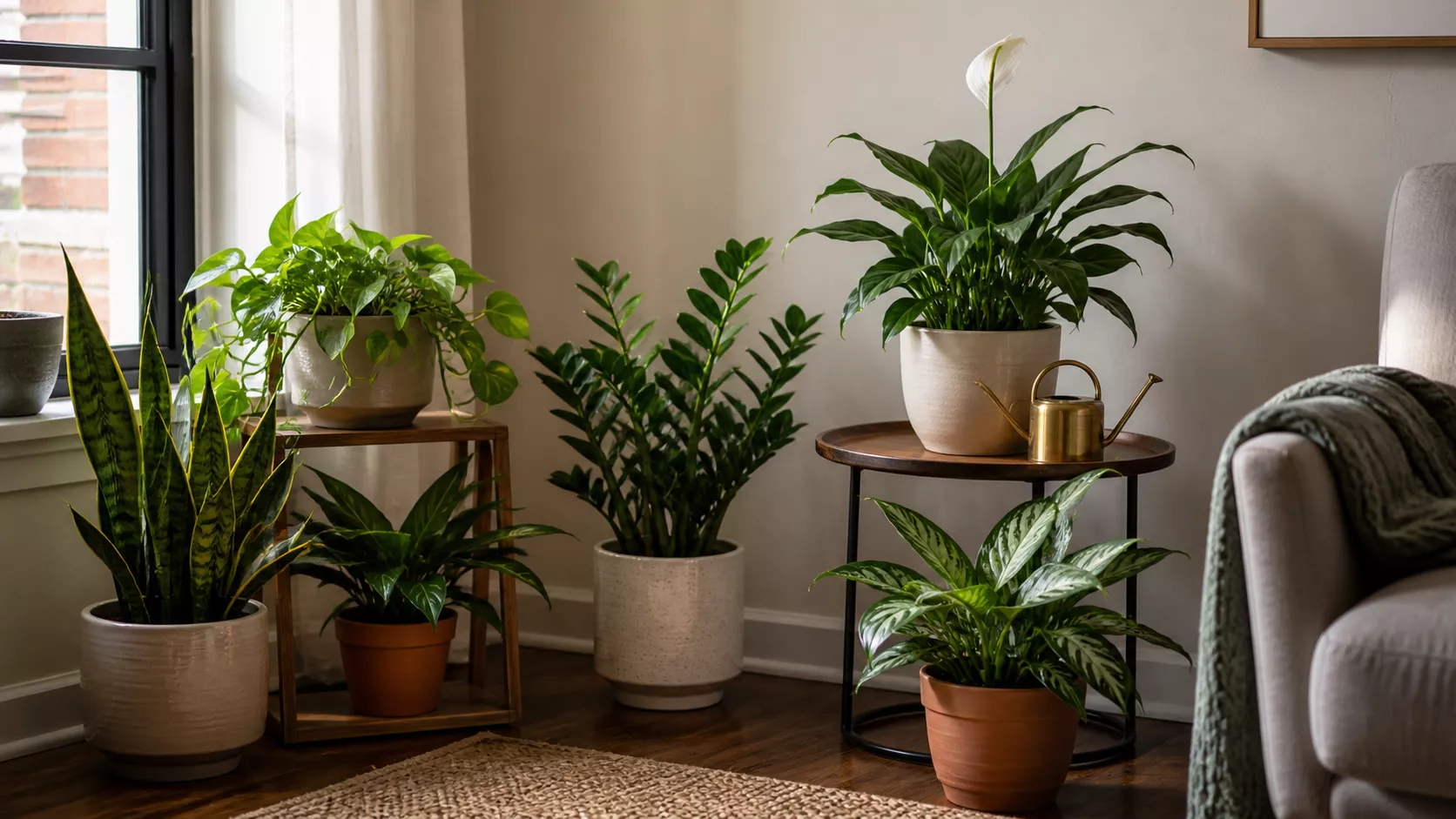
Good options include snake plant, ZZ plant, pothos, spider plant, philodendron, peace lily, Chinese evergreen, and rubber plant. These plants are decorative and usually adapt well to apartments.
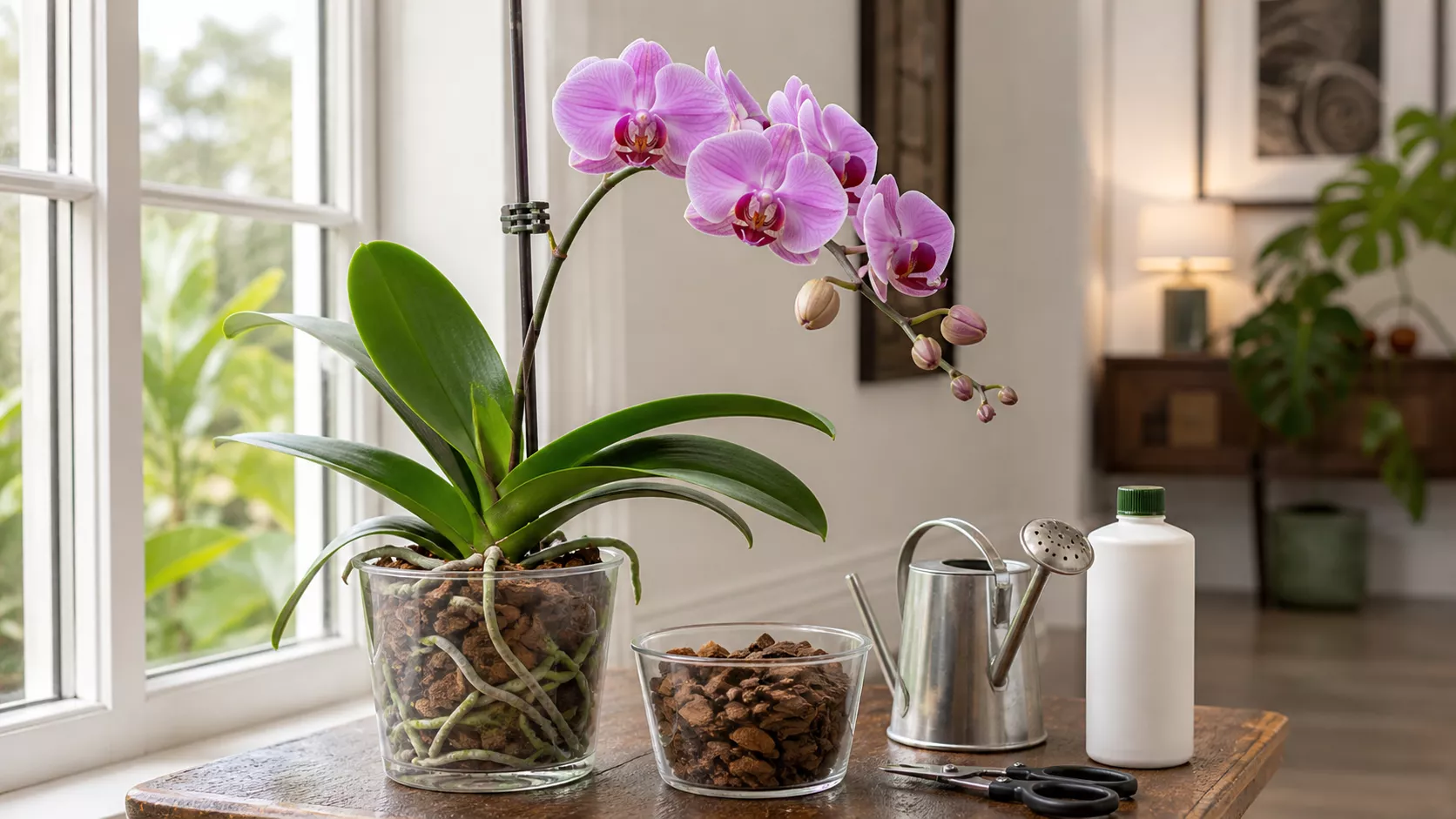
Additionally, avoid filling your first green corner with difficult plants. Ferns, calatheas, and orchids can be beautiful, but they may need more humidity, consistency, or special care.
In small apartments, vertical space is extremely valuable. Instead of placing all plants on the floor, use shelves, wall supports, hanging planters, tall plant stands, and bookcases.
This approach allows you to add more greenery without blocking movement or using too much floor space. A wall with plants can become a beautiful focal point in the room.
Also, trailing plants such as pothos, heartleaf philodendron, string of hearts, and ivy can look beautiful on high shelves or hanging baskets. Their vines add softness and movement to the green corner.
Plant stands help organize pots at different heights. This creates a layered look and makes the green corner more visually interesting.
For example, place taller plants at the back, medium plants in the middle, and small plants in front. This arrangement makes every plant visible and creates depth.
Additionally, plant stands improve airflow and make cleaning easier. They also protect floors from moisture when used with trays or saucers.
To make your green corner more attractive, combine plants with different shapes, textures, and growth habits. This creates a natural and balanced look.
For instance, use an upright plant like snake plant, a trailing plant like pothos, a full leafy plant like peace lily, and a compact plant like peperomia or succulent.
However, avoid choosing only plants based on appearance. Make sure they have similar light needs if they will stay in the same corner. This makes care easier and prevents some plants from struggling.
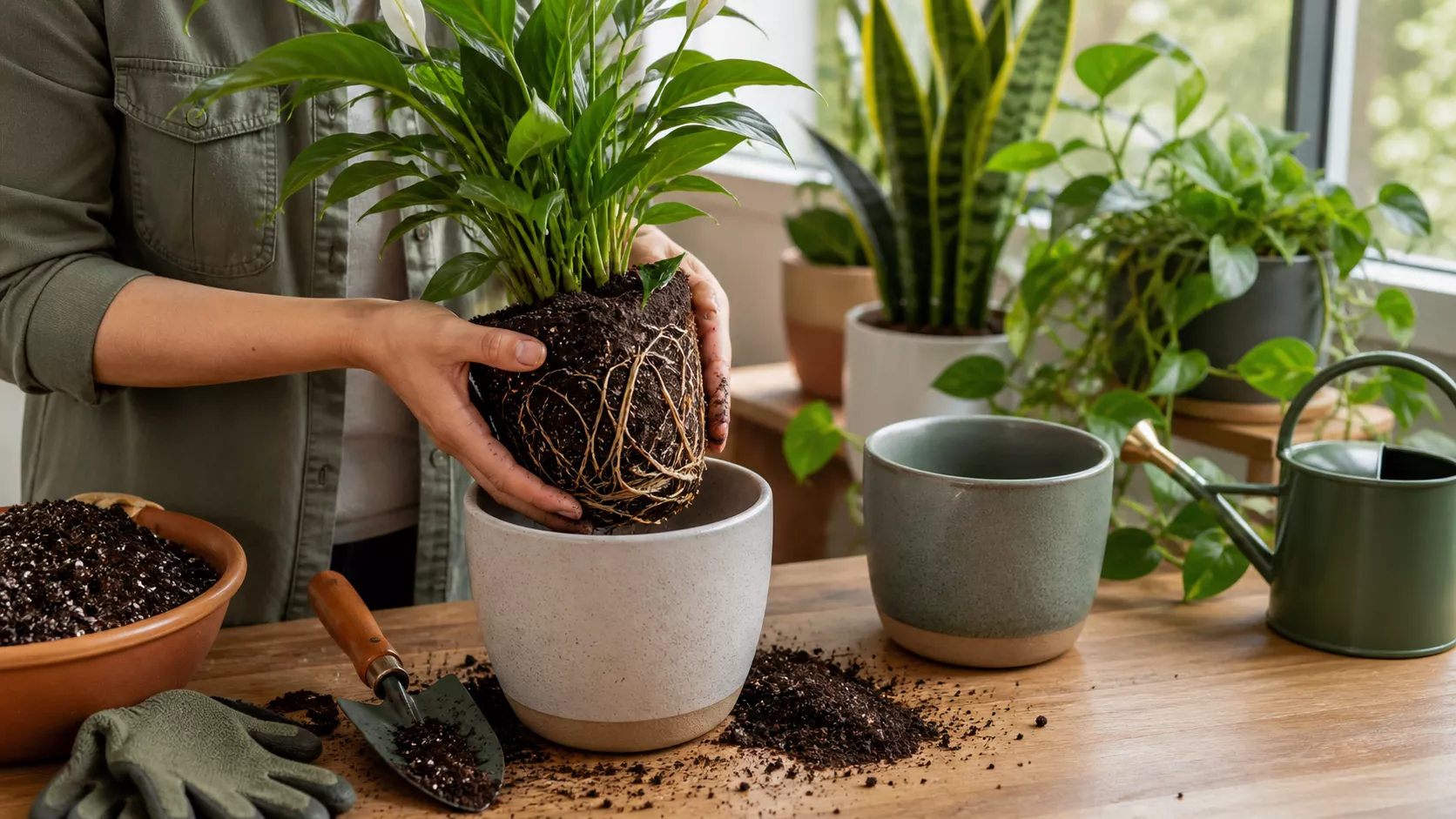
Pots play an important role in both plant health and decoration. A beautiful pot can improve the style of your green corner, but it must also support proper drainage.
First, choose pots with drainage holes whenever possible. If you use decorative cachepots without holes, keep the plant in a nursery pot inside and remove it for watering.
Additionally, choose colors and materials that match your apartment. Terracotta creates a natural look, white ceramic feels clean and modern, and woven baskets add warmth and texture.
A simple color palette can make your green corner look organized instead of crowded. You can use neutral pots, earthy tones, white containers, black modern planters, or natural baskets.
Additionally, repeating similar materials helps the plants feel like part of the decoration. Even if the plants are different, matching pots can create visual harmony.
However, do not make every pot identical if you prefer a more natural style. A mix of coordinated textures can still look beautiful and intentional.
Shelves are perfect for small apartments because they use wall space and keep plants organized. A shelf garden can fit in a living room, bedroom, kitchen, or home office.
Place trailing plants on higher shelves so vines can hang naturally. Use compact plants on middle shelves and decorative objects between pots to avoid a crowded look.
Also, make sure shelves are strong enough to hold the weight of pots, soil, and water. Safety is important, especially with ceramic pots or larger containers.
Hanging planters are excellent when floor and shelf space are limited. They create a floating green effect and work well near windows or bright corners.
Good hanging plants include pothos, spider plant, philodendron, string of hearts, and trailing succulents in sunny spaces.
However, water hanging plants carefully. Remove them if needed, water thoroughly, let excess water drain, and then hang them back. This prevents dripping and protects furniture or floors.
A statement plant can become the main focus of your green corner. This could be a monstera, rubber plant, areca palm, fiddle leaf fig, or large snake plant.
In small apartments, one larger plant can sometimes create a stronger effect than many tiny pots. It adds height and structure without making the area feel messy.
However, choose a statement plant that matches your light and space. A large plant in the wrong spot can become difficult to maintain.
Small plants add charm and detail to your green corner. They are useful for shelves, desks, windowsills, side tables, and plant stands.
Good options include peperomia, small pothos, mini snake plant, succulents, fittonia, baby rubber plant, and small ferns if humidity is suitable.
Also, small plants are easier to move and rearrange. This allows you to refresh the look of your green corner without major changes.
Even indoors, airflow matters. Plants placed too close together can trap moisture, attract pests, and make it harder for soil to dry properly.
To improve airflow, leave some space between pots and avoid pressing leaves tightly against walls or furniture. This keeps plants healthier and easier to inspect.
However, avoid placing plants directly in cold drafts, strong air conditioning, or hot air from heaters. Gentle airflow is helpful, but extreme conditions can stress plants.
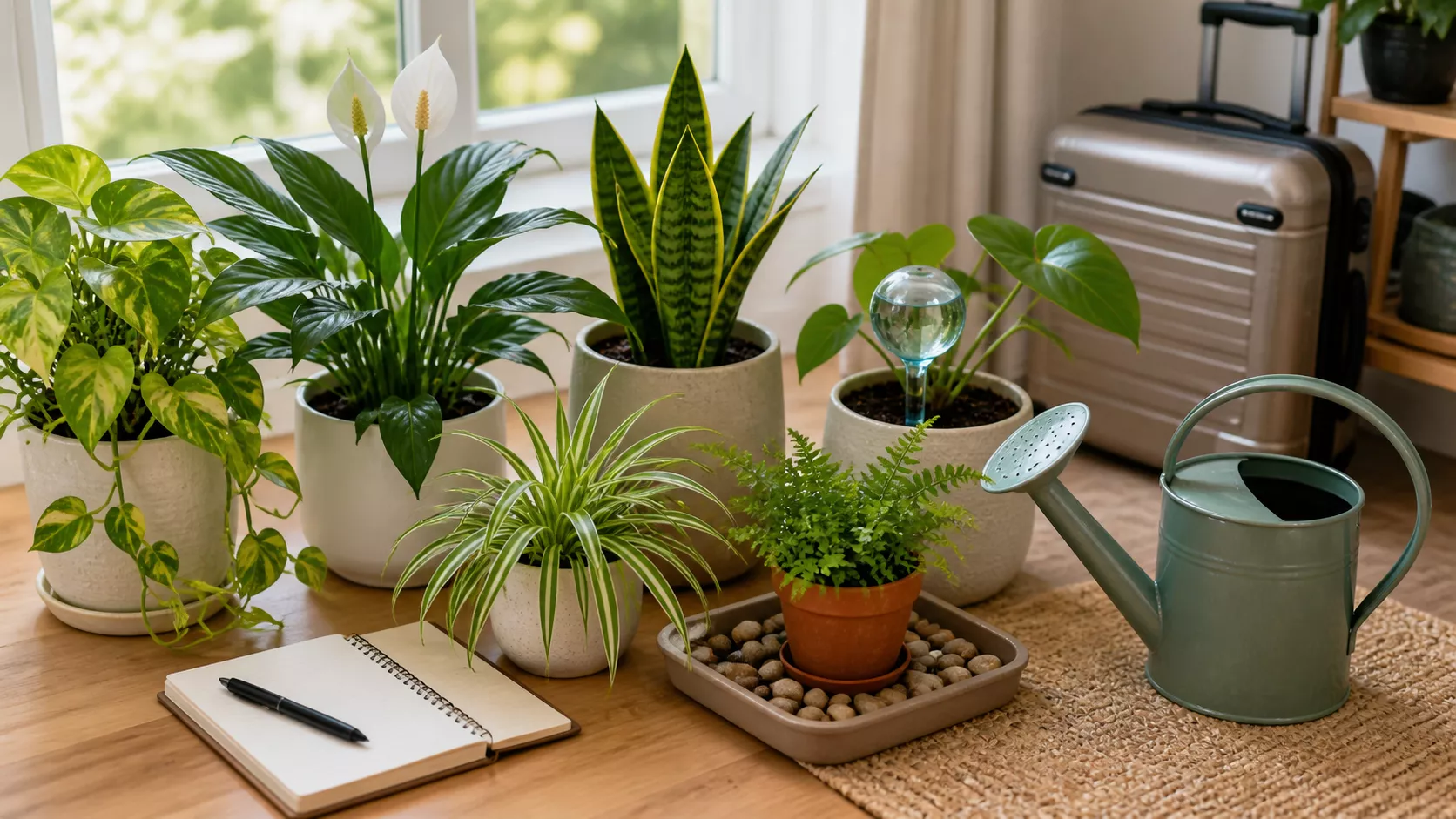
When creating a plant corner, protect floors, shelves, and furniture from water damage. Use saucers, trays, cork mats, plant stands, or waterproof liners.
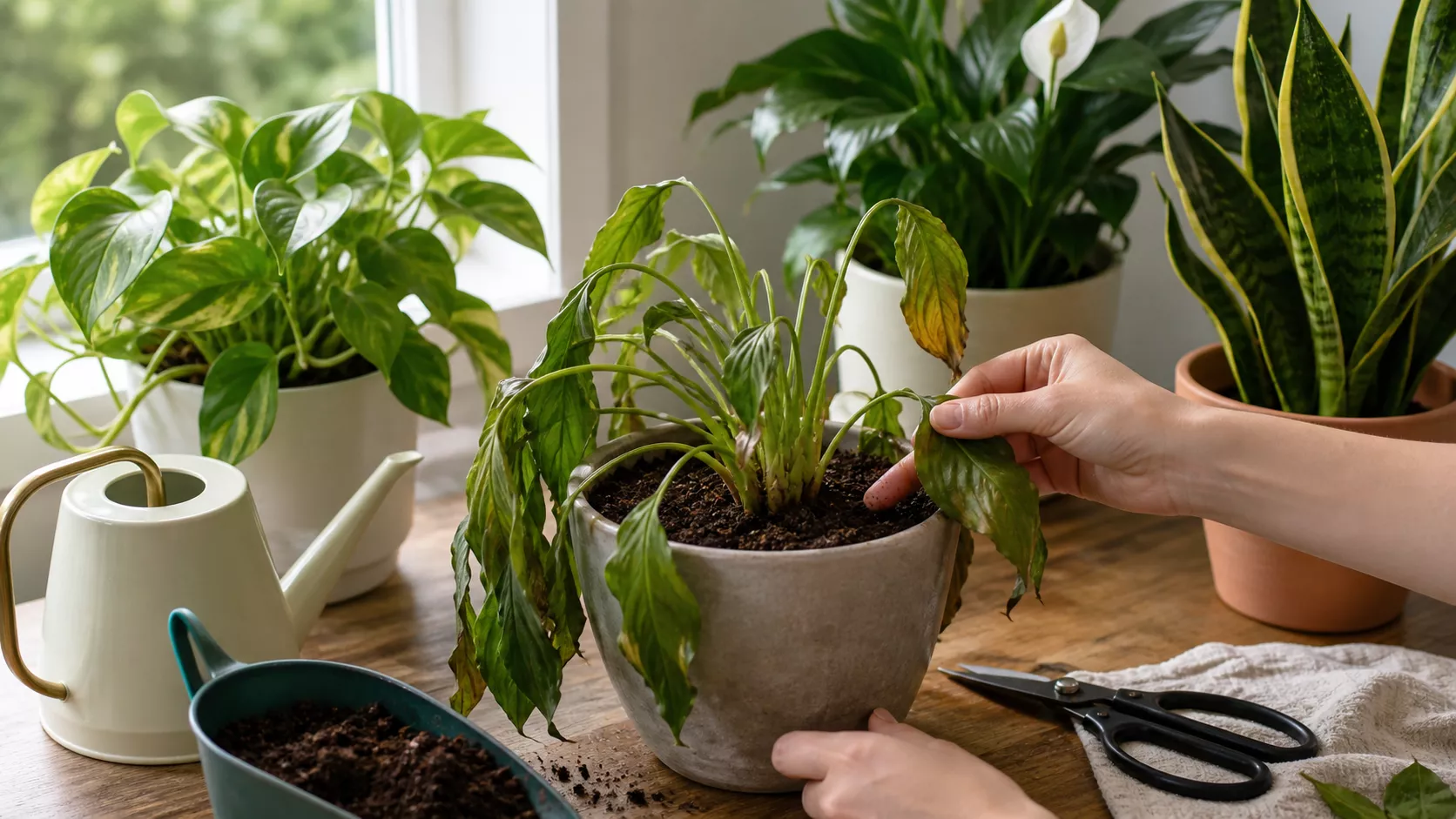
After watering, empty excess water from saucers. Standing water can damage surfaces and also harm plant roots if it is absorbed back into the soil.
Additionally, be careful with hanging plants and high shelves. Always let pots drain before returning them to decorative locations.
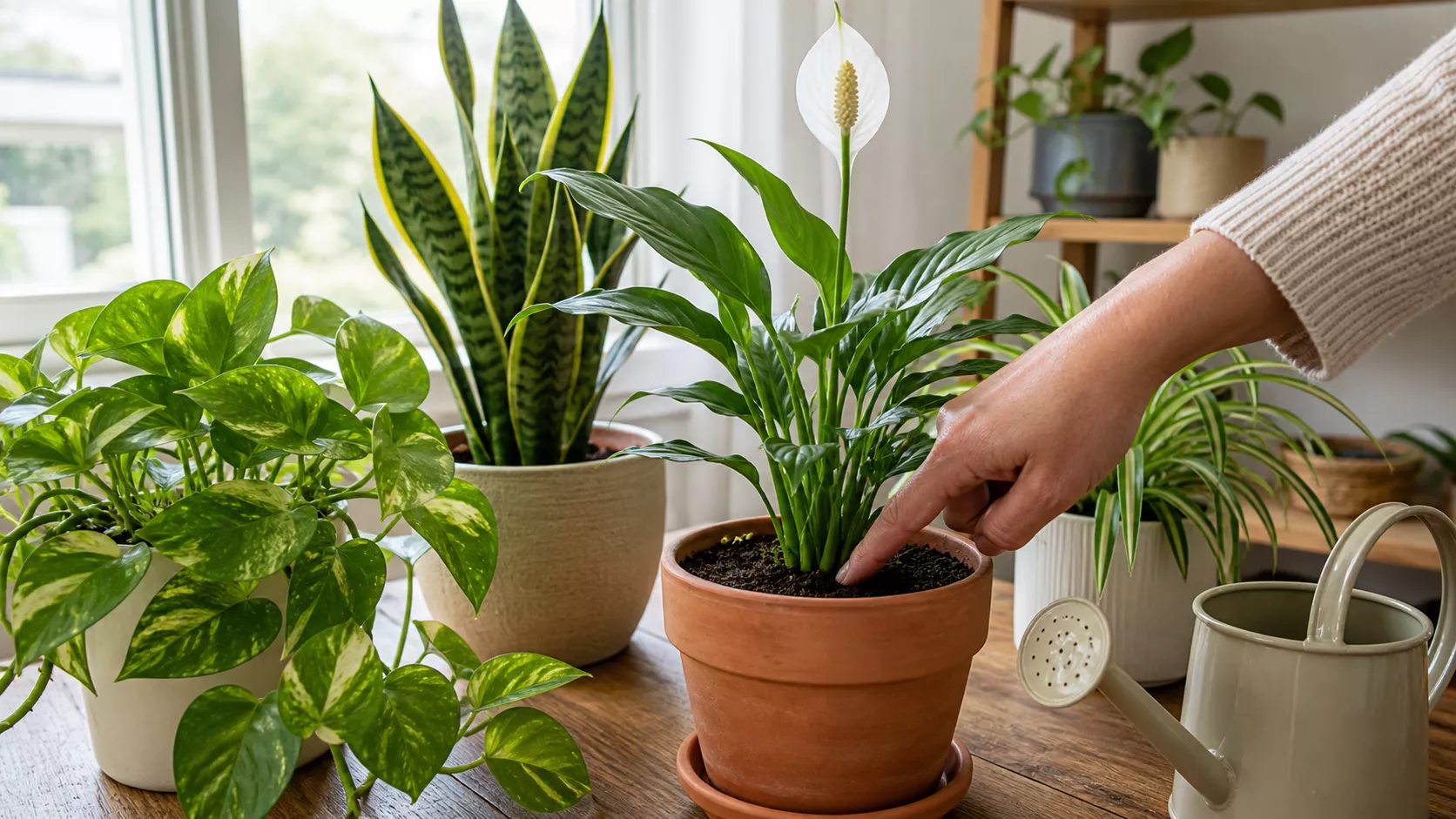
A green corner becomes easier to maintain when you have a simple routine. Check plants once or twice a week, but do not water all of them automatically.
Instead, check the soil of each plant. Some may need water sooner than others depending on pot size, plant type, and light exposure.
Also, group plants with similar watering needs together when possible. This makes maintenance easier and reduces mistakes.
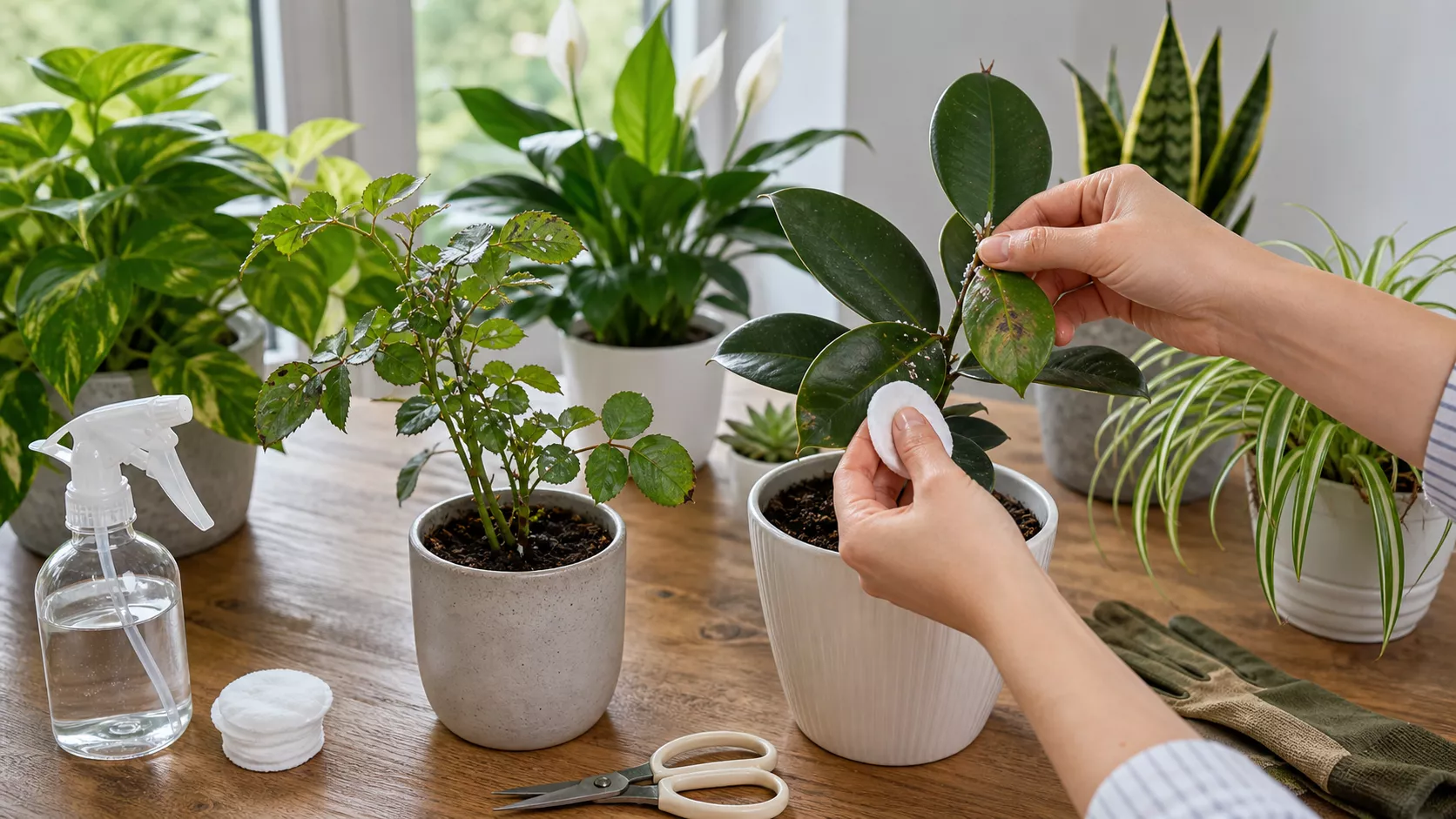
Dust can collect on indoor plants, especially in apartments. Clean leaves absorb light better and look more beautiful.
For broad leaves, use a soft damp cloth. For delicate plants, use gentle rinsing or a soft brush when appropriate.
Additionally, cleaning leaves helps you inspect for pests, yellowing, brown tips, and other early problems. It is both a decorative and health habit.
If your apartment does not receive enough natural light, grow lights can help support plant health. They are especially useful in dark corners, offices, or apartments with small windows.
A grow light can allow you to create a green corner in places where plants would otherwise struggle. Choose a light suitable for indoor plants and place it at the correct distance.
However, do not rely on normal room lighting alone. Most regular lamps are not enough for plant growth. Plants need suitable brightness for several hours each day.
To make the green corner feel complete, add simple decorative elements. A small rug, wooden stool, wall art, woven basket, watering can, or plant care tools can make the area more intentional.
However, avoid clutter. Plants should remain the main focus. Too many objects can make a small apartment feel crowded.
A clean arrangement with a few thoughtful details often looks better than a busy corner filled with too many items.
If you are busy, choose plants that do not need frequent attention. Snake plant, ZZ plant, pothos, and Chinese evergreen are good options.
If you enjoy daily plant care, you may add ferns, calatheas, herbs, or orchids, as long as your apartment conditions match their needs.
The best green corner is one you can maintain. Beautiful plants require realistic choices based on your lifestyle.
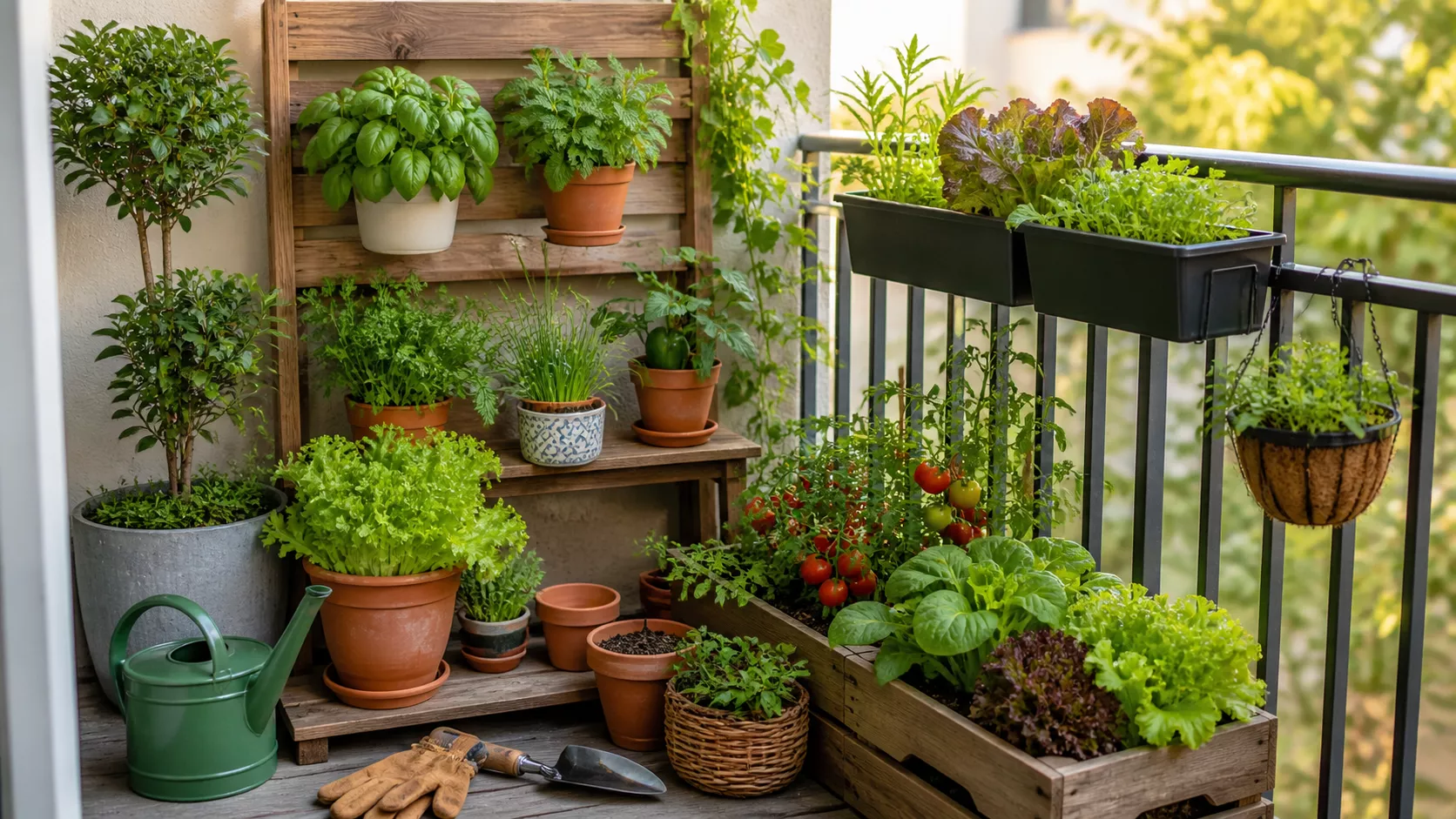
If your apartment has a balcony, you can create a small outdoor green corner. Balconies are great for sun-loving plants, herbs, flowers, and larger containers.
Before choosing plants, observe how much sun and wind the balcony receives. Some balconies are very hot and sunny, while others are shaded and windy.
Also, make sure pots are stable and safe. Avoid placing heavy or loose pots where they could fall or be damaged by wind.
A bedroom green corner can make the room feel calmer and cozier. Choose low-maintenance plants that do not need frequent watering or intense care.
Good bedroom options include snake plant, ZZ plant, pothos, peace lily, and small philodendrons. Place them near a window with indirect light.
Also, avoid overcrowding the bedroom with too many plants if airflow is limited. A few healthy plants can create a peaceful effect without making care difficult.
The living room is often the best place for a green corner because it usually has more space and better light. You can combine a statement plant with shelves, stands, and hanging plants.
For example, place a large monstera or rubber plant on the floor, pothos on a shelf, and smaller plants on a side table. This creates a balanced layered look.
Additionally, living room plant corners can become a beautiful background for photos, reading areas, or relaxing spaces.
A home office can feel more pleasant with plants. A green corner near your desk can make the workspace look calmer and more inviting.
Choose plants that do not require constant attention, such as ZZ plant, snake plant, pothos, or Chinese evergreen. These plants work well for busy routines.
Also, keep plants away from electronics when watering. Use trays and avoid placing pots where water could spill onto devices.
One common mistake is placing plants in a dark corner just because it looks nice. Plants need light, and decoration should work with plant health.
Another mistake is buying too many plants at once. Start with a few and learn their care needs before expanding your collection.
Also, avoid using pots without drainage unless the plant remains inside a nursery pot. Poor drainage can cause root problems in small apartments where airflow may be limited.
Importantly, some popular houseplants can be toxic to cats and dogs if chewed. Pothos, philodendron, peace lily, snake plant, ZZ plant, and monstera may be unsafe for pets.
Because of this, place toxic plants on high shelves, hanging planters, or in areas pets cannot reach. For accessible spots, choose pet-safe plants when possible.
Also, monitor pets around new plants. Some animals are curious and may dig in soil or chew leaves.
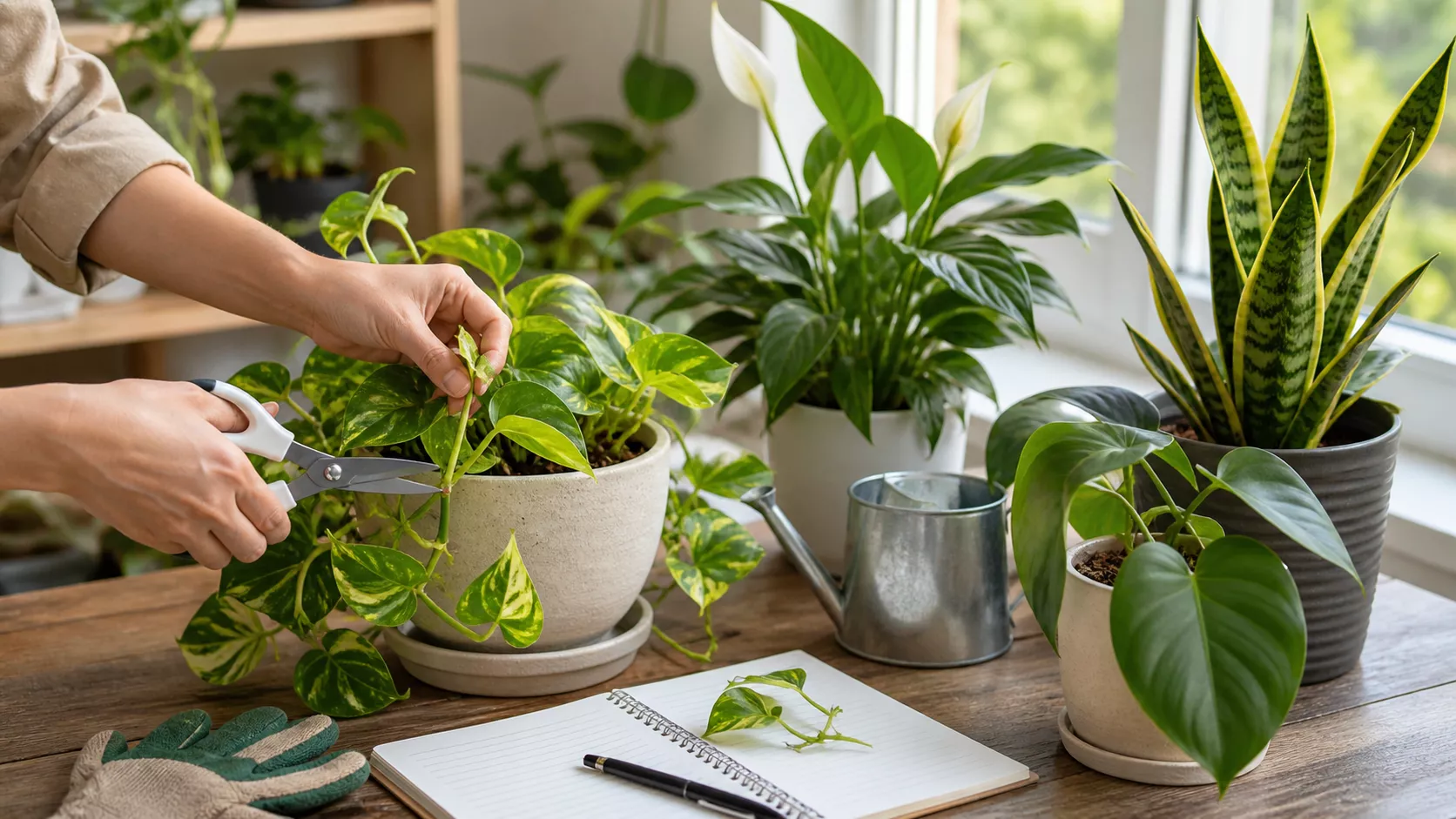
To maintain your green corner, check soil moisture weekly, clean leaves when dusty, rotate pots for even growth, and remove yellow or dead leaves.
Then, inspect for pests. Crowded plant corners can hide problems, so look under leaves and near stems.
Finally, adjust the arrangement as plants grow. A green corner should evolve over time as plants become larger and your care skills improve.
In conclusion, learning how to create a green corner in a small apartment is about using space wisely, choosing suitable plants, and creating a routine you can maintain. Even a small corner can become a beautiful indoor garden with the right planning.
Above all, focus on light, plant choice, drainage, airflow, and practical organization. Use shelves, hanging planters, plant stands, and vertical space to make the most of a compact apartment.
Ultimately, a small apartment plant corner can make your home feel more peaceful, fresh, and personal. With easy-care plants and smart decoration, you can enjoy the beauty of nature even in a limited space.