How to Water Plants the Right Way

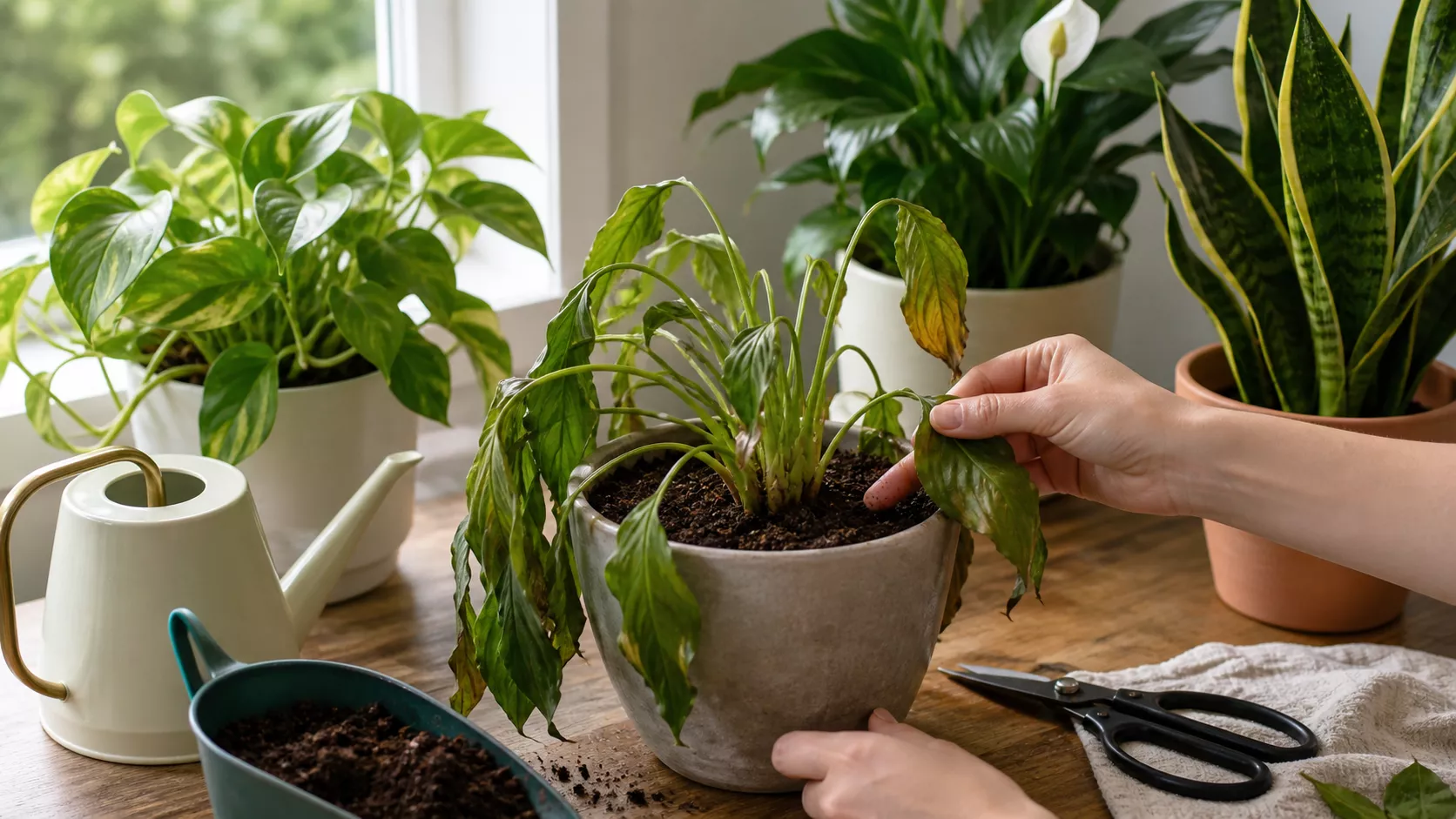
First, learning how to recover a wilted plant is very important for anyone who grows plants at home. A wilted plant can look weak, tired, and close to dying, but in many cases, it can still recover when the cause is identified early.
However, wilting does not always mean the plant needs water. This is one of the most common mistakes beginners make. A plant can wilt because of underwatering, overwatering, heat, root damage, poor drainage, transplant shock, pests, or lack of light.
Therefore, the first step is observation. Instead of watering immediately, check the soil, leaves, roots, pot, and environment. This guide will help you understand why plants wilt and what you can do to bring them back to a healthier condition.
First, plants wilt when they cannot maintain enough internal water pressure to keep their leaves and stems firm. This can happen when the plant does not receive enough water or when the roots are unable to absorb water properly.
Additionally, environmental stress can also cause wilting. Very hot weather, strong sun, dry air, cold drafts, or sudden changes in location may make the plant lose moisture faster than it can replace it.
Because of this, wilting is a symptom, not a complete diagnosis. Before trying to fix the plant, you need to understand what caused the problem.
First, the most important step is checking the soil. Place your finger a few centimeters into the soil and feel whether it is dry, moist, or soggy. This simple test can prevent serious mistakes.
If the soil is dry and the plant is wilted, the plant may be underwatered. In this case, watering can help restore moisture to the roots.
However, if the soil is wet and the plant is wilted, do not add more water. The plant may be suffering from overwatering, poor drainage, or root damage. Adding more water can make the problem worse.
When a plant wilts because of underwatering, the soil is usually dry and the leaves may look limp, curled, or crispy around the edges. The pot may also feel very light when lifted.
To help the plant, water slowly and thoroughly until water drains from the bottom of the pot. This ensures that moisture reaches the entire root system, not only the surface.
After watering, place the plant in a calm location with indirect light. Avoid strong direct sun while it is recovering because the plant may lose moisture quickly. Many plants begin to improve within hours or by the next day if the roots are healthy.
Sometimes, soil becomes so dry that it repels water. When this happens, water may run down the sides of the pot without soaking the root ball. This is common in compacted or very dry potting mix.
To fix this, water slowly in small rounds. Add a little water, wait a few minutes, and add more. This gives the soil time to absorb moisture.
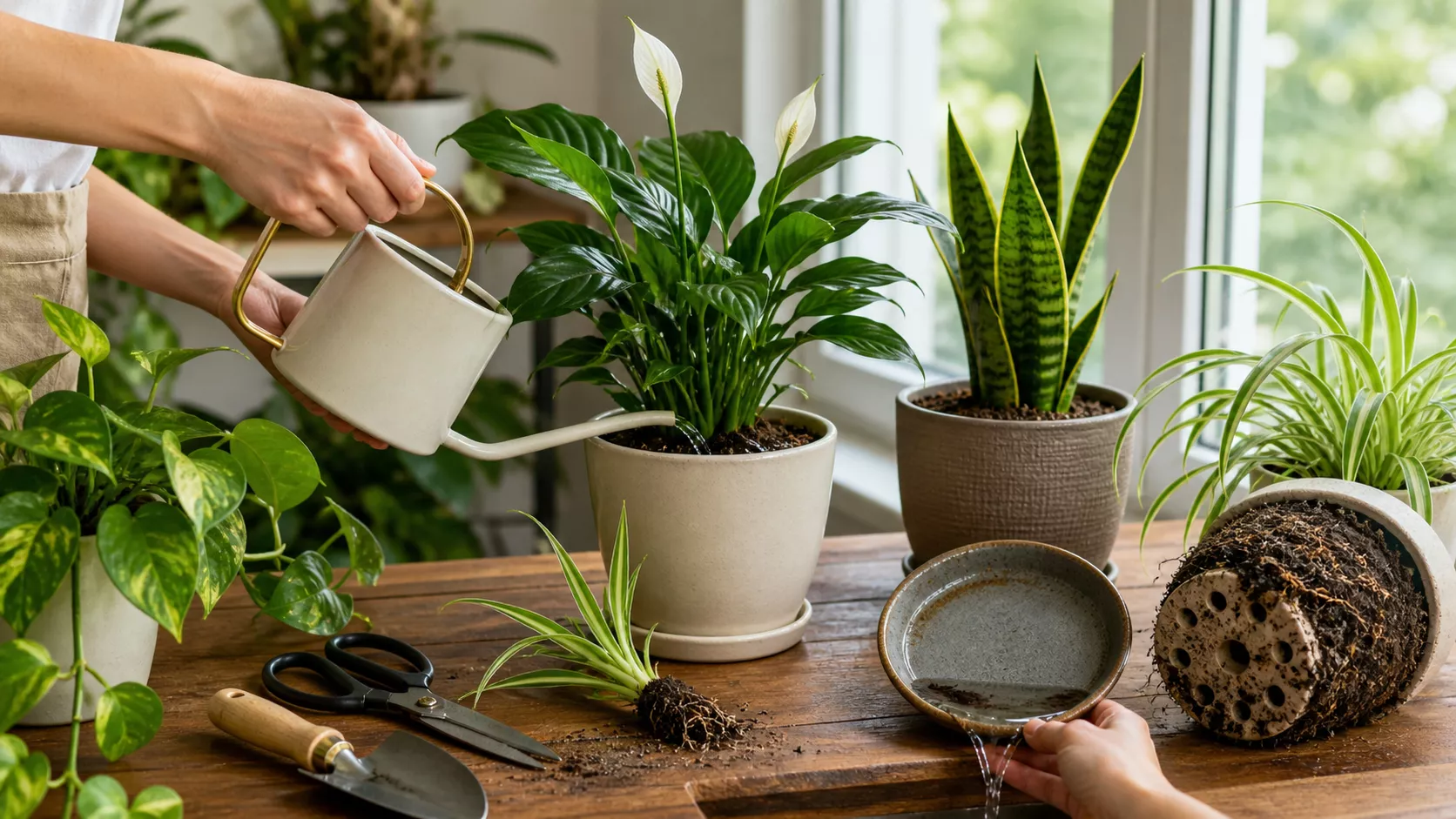
For small pots, you can also place the pot in a shallow container of water for a short period, allowing the soil to absorb moisture from the bottom. Afterward, let the pot drain completely before returning it to its place.
On the other hand, a wilted plant with wet soil may be overwatered. This happens when roots stay in wet soil for too long and cannot breathe properly. As roots weaken, they cannot absorb water well, even though the soil is full of moisture.
Common signs include yellow leaves, soft stems, soggy soil, mold on the soil surface, fungus gnats, and an unpleasant smell coming from the pot.
To help the plant, stop watering immediately. Move it to a bright area with indirect light and better airflow. Check whether the pot has drainage holes. If the soil remains wet for too long or smells bad, repotting may be necessary.
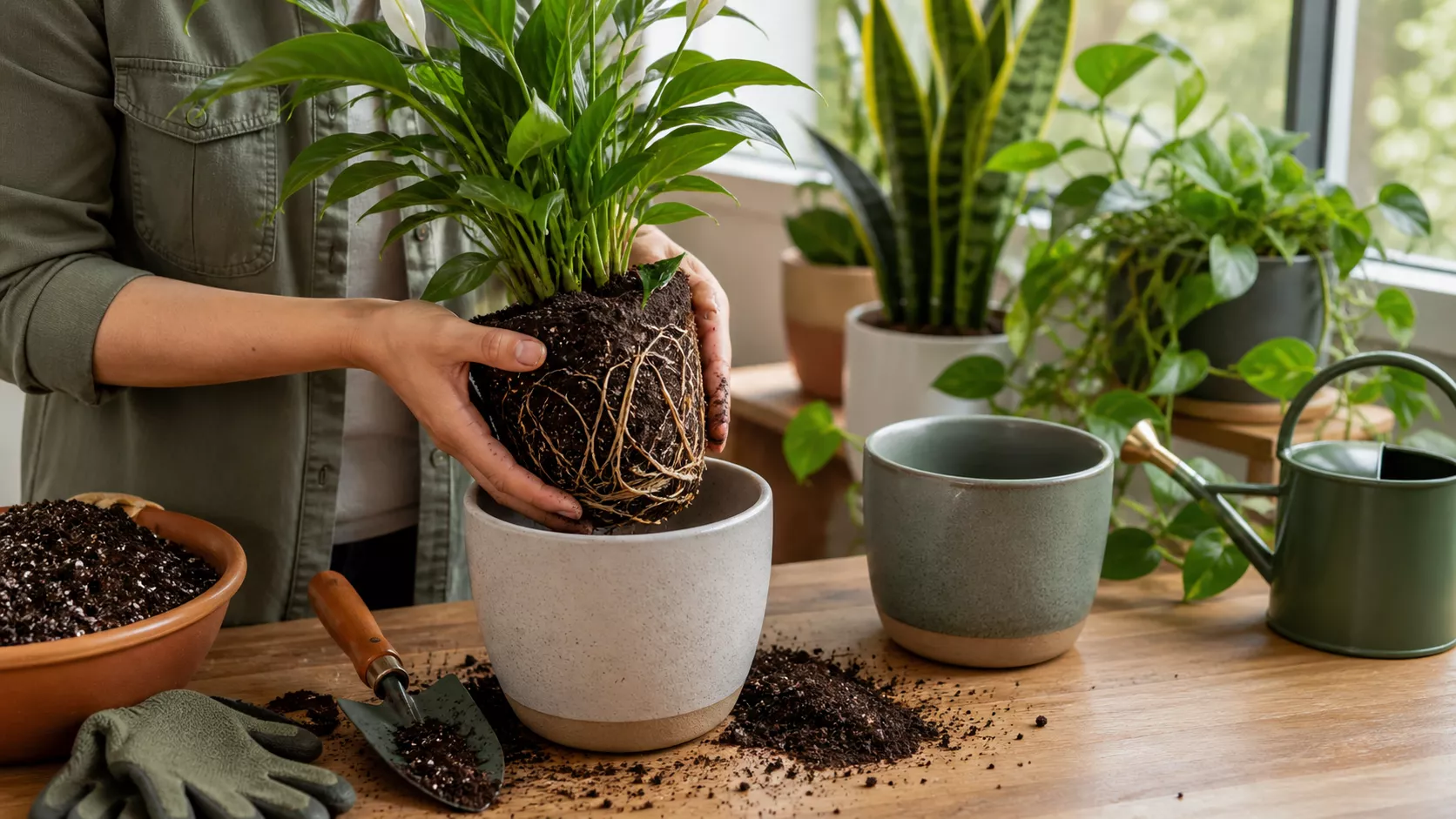
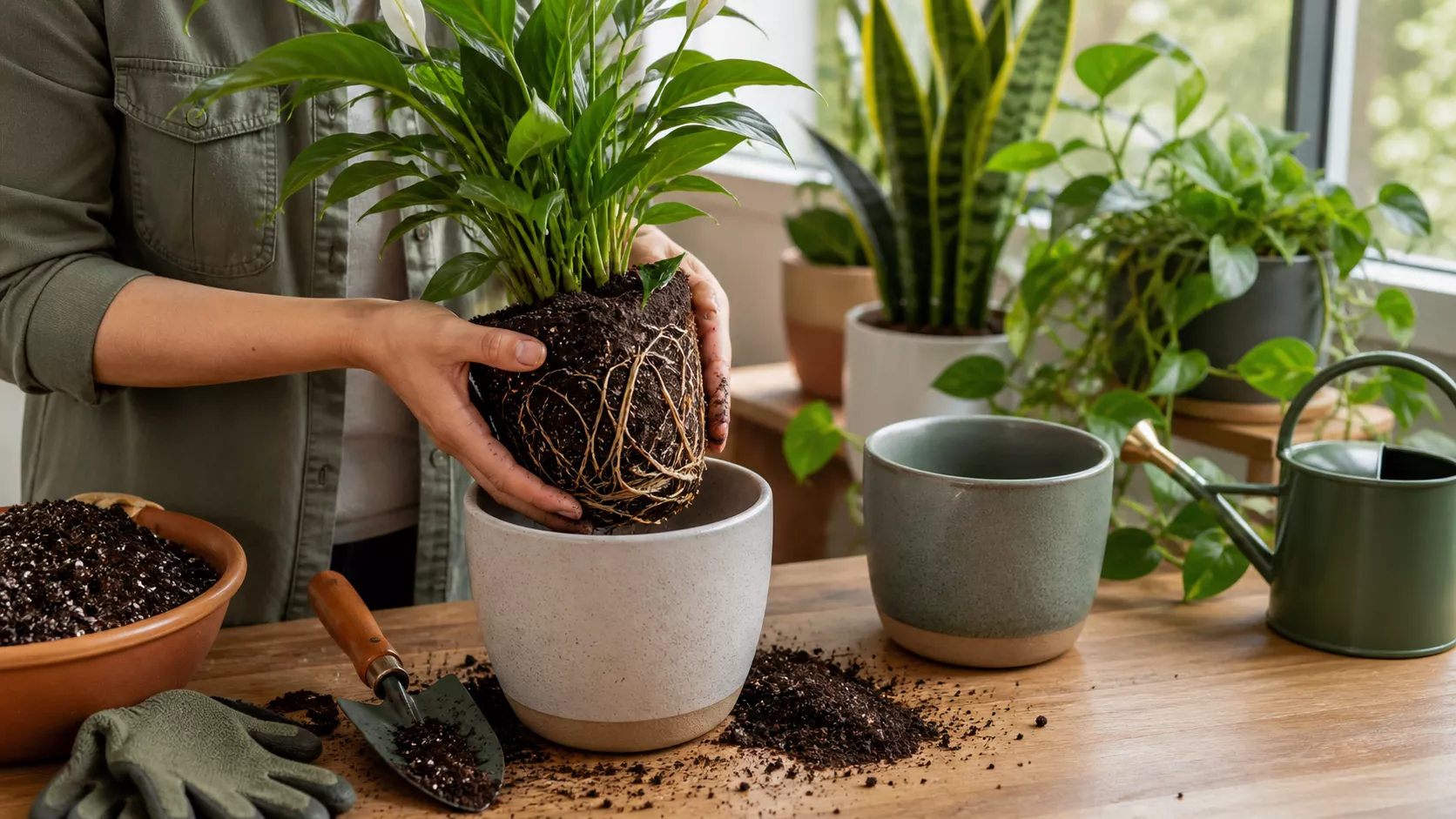
If the plant continues to wilt even after you adjust watering, the roots may be damaged. Carefully remove the plant from the pot and inspect the root system.
Healthy roots are usually firm and light-colored, depending on the plant. Damaged roots may look dark, mushy, slimy, or smell unpleasant.
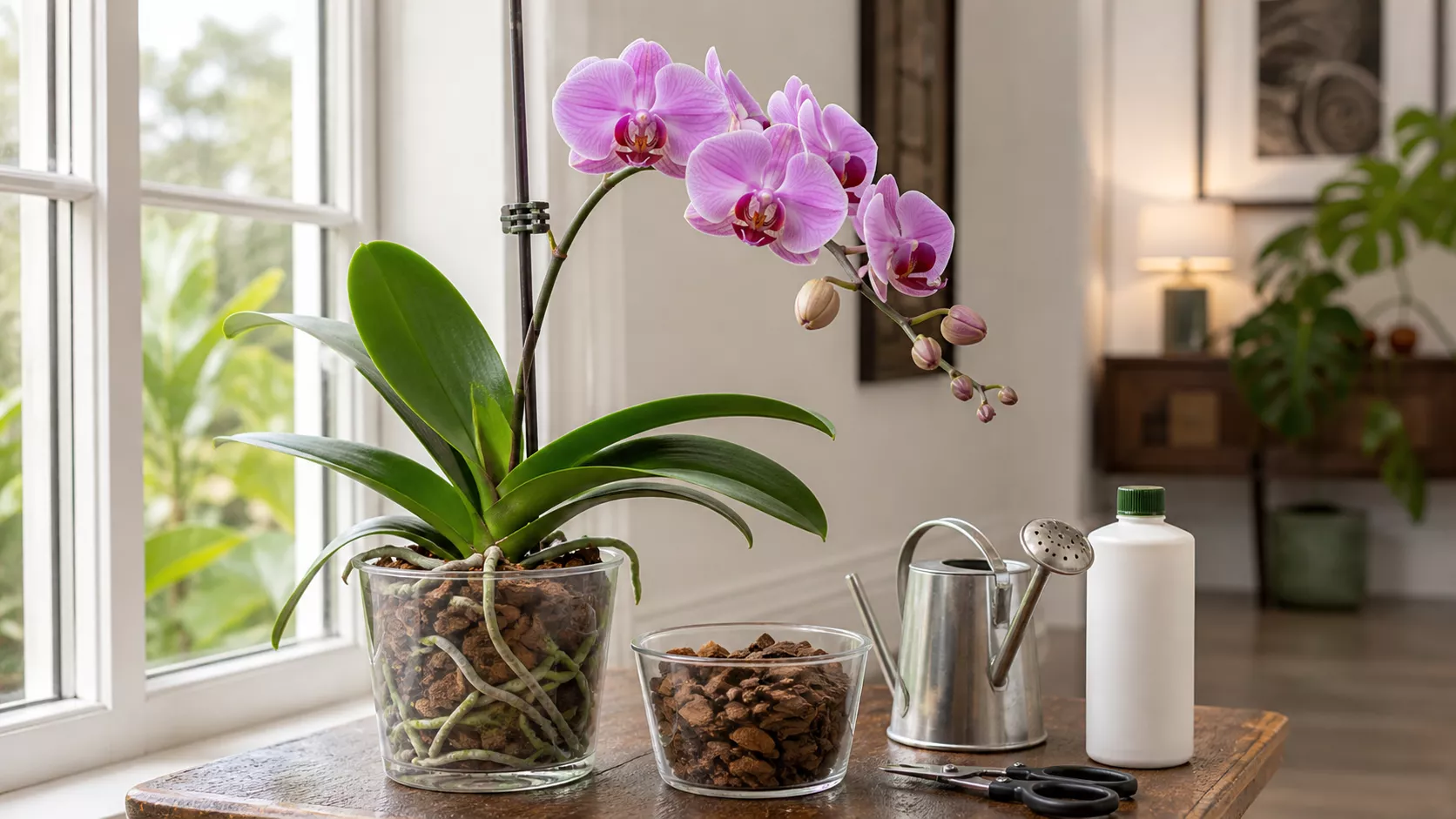
If you find damaged roots, trim only the unhealthy parts with clean scissors and repot the plant in fresh, well-draining soil. Choose a pot with drainage holes and avoid watering again until the plant actually needs it.
Often, wilting is connected to poor drainage. A pot without drainage holes can trap water at the bottom, causing hidden root problems. Even if the top of the soil looks normal, the lower soil may remain wet.
To prevent this, use pots with drainage holes whenever possible. If you use a decorative pot without holes, keep the plant in a nursery pot inside it and remove it for watering.
Also, make sure excess water does not remain in the saucer. After watering, empty any collected water so the roots do not sit in moisture for too long.
Sometimes, a plant wilts because it is receiving too much direct sunlight. Strong sun can cause leaves to lose water faster than roots can absorb it, especially during hot parts of the day.
Signs of sun stress may include wilting during the afternoon, dry leaf edges, faded color, or scorched patches on leaves. Sensitive indoor plants can suffer quickly when placed in harsh direct sun.
To help recovery, move the plant to bright indirect light. Do not place a stressed plant in complete darkness, but protect it from intense sun while it regains strength.
Additionally, heat can make plants wilt even when the soil is not completely dry. Hot rooms, balconies, windowsills, heaters, and dry air can increase water loss.
If heat is the problem, move the plant to a cooler location with indirect light and better airflow. Check the soil moisture before watering, because heat stress and water stress can look similar.
Also, avoid placing plants near heating devices or appliances that release hot air. Stable temperatures help plants recover more easily.
Although heat is a common cause, cold stress can also make plants wilt. Some indoor plants are sensitive to cold drafts, air conditioning, or windows that become very cold at night.
Signs of cold stress may include wilting, darkened leaves, leaf drop, or soft damaged growth. Tropical plants are especially sensitive to sudden cold conditions.
To help the plant, move it away from cold drafts and keep it in a stable indoor environment. Avoid fertilizing until it shows signs of recovery.
Sometimes, pests can weaken a plant and cause wilting. Insects may feed on leaves, stems, or roots, reducing the plant’s strength and ability to absorb water.
Common pests include aphids, mealybugs, spider mites, scale insects, and fungus gnats. Look under leaves, along stems, near new growth, and on the soil surface.
If pests are present, isolate the affected plant from other plants and remove visible pests carefully. Use a safe treatment suitable for the plant and pest type. Early action helps prevent the problem from spreading.
After repotting, some plants wilt because of transplant shock. Roots may be disturbed during the process, and the plant needs time to adjust to its new soil and container.
Usually, mild wilting after repotting is temporary. Keep the plant in bright indirect light, avoid overwatering, and do not fertilize immediately.
However, if wilting becomes worse, check whether the pot is too large, the soil is too wet, or the roots were damaged during repotting. A gentle recovery environment is very important.
Many beginners try to save a wilted plant by adding fertilizer. However, fertilizer is not medicine. If the plant is stressed, weak roots may not handle extra nutrients well.
Instead, fix the main problem first. Check water, light, temperature, pests, soil, and drainage. Once the plant begins producing healthy new growth, light fertilization may be considered if needed.
Therefore, do not feed a struggling plant too soon. Recovery depends more on stable care than on extra fertilizer.
Sometimes, wilted plants have leaves that are completely dry, yellow, or damaged. Removing these leaves can improve appearance and help you monitor new growth more clearly.
However, do not remove too many leaves at once if the plant is already weak. Leaves help the plant produce energy, so only remove leaves that are clearly dead or severely damaged.
Use clean scissors and make careful cuts. After pruning, continue observing the plant to see whether new leaves appear healthier.
For tropical plants, low humidity can cause wilting, curling leaves, or crispy edges. Plants such as ferns, calatheas, peace lilies, and some philodendrons often prefer more humidity than dry indoor air provides.
To help, group plants together, use a humidity tray, or place the plant in a naturally more humid room with enough light. A humidifier can also help in very dry spaces.
However, humidity does not mean soggy soil. Keep air moisture and soil moisture balanced. A plant can need more humidity while still requiring well-draining soil.
After correcting the main issue, be patient. Some plants recover quickly, while others need days or weeks to show clear improvement. Leaves that are already damaged may not become perfect again, but new growth can be healthier.
During recovery, avoid changing too many things at once. Do not move the plant repeatedly, fertilize heavily, prune too much, or water constantly. Stability helps the plant regain strength.
Also, focus on new signs of life. Firm stems, new leaves, better color, and stable soil moisture are all positive signs.
To support a wilted plant, create a simple routine. Check soil moisture regularly, keep the plant in suitable light, inspect for pests, and avoid extreme temperatures.
Then, water only when needed. Do not water because you feel worried. The soil and plant condition should guide your decision.
Finally, take notes if necessary. Write down when you watered, moved, repotted, or pruned the plant. This helps you understand what actions helped recovery.
One common mistake is watering immediately without checking the soil. If the plant is wilted because of overwatering, this can make the situation worse.
Another mistake is placing the plant in strong sun to “give it energy.” A stressed plant may lose moisture faster in harsh sun and become weaker.
Also, avoid using too much fertilizer during recovery. Fertilizer cannot repair damaged roots, poor drainage, or heat stress. Stable care is more important.
Unfortunately, not every wilted plant can be saved. If the roots are completely damaged, the stem is mushy, or the plant has no healthy growth points left, recovery may be unlikely.
However, even then, some plants can be propagated from healthy cuttings. If part of the plant is still firm and alive, you may be able to create a new plant from it.
Therefore, inspect the plant carefully before giving up. Sometimes the original plant is too damaged, but a healthy cutting can still survive.
First, learn the specific needs of each plant. Some plants prefer dry soil, while others like consistent moisture. Treating all plants the same way often causes wilting problems.
Second, use pots with drainage holes and suitable soil. Healthy roots are the best protection against wilting.
Finally, observe your plants regularly. Early signs such as slightly drooping leaves, dry soil, yellowing, or pests are easier to correct than severe wilting.
In conclusion, learning how to recover a wilted plant starts with identifying the real cause. Wilting can happen because of underwatering, overwatering, poor drainage, harsh sun, heat, cold, pests, transplant shock, or root damage.
Above all, check the soil before doing anything. Dry soil and wet soil require very different solutions. Once you understand the cause, you can take the right steps to help the plant recover.
Ultimately, patience and observation are essential. With proper watering, suitable light, healthy soil, good drainage, and stable care, many wilted plants can return to healthy growth over time.