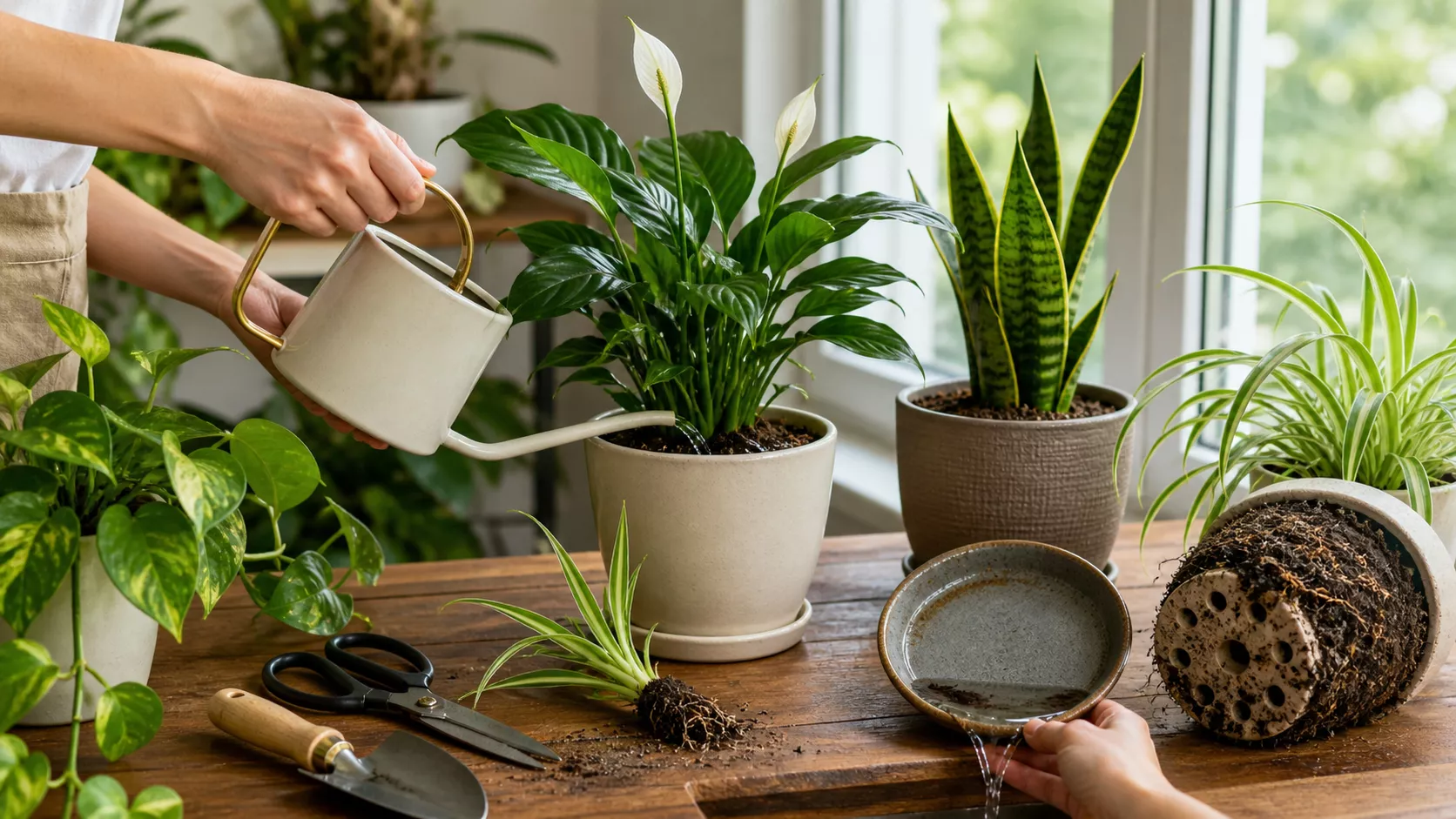
How to Water Plants the Right Way

First, learning how to water plants the right way is one of the most important skills in plant care. Watering seems simple, but many plant problems begin because of too much water, too little water, poor drainage, or watering at the wrong time.
Additionally, every plant has different needs. A cactus does not need the same watering routine as a fern. A basil plant does not behave like a snake plant. A plant in a sunny balcony dries faster than one in a shaded bedroom. Because of this, watering should be based on observation, not only on a fixed schedule.
Therefore, this guide will explain practical and beginner-friendly plant watering tips. You will learn how to check soil moisture, water deeply, avoid overwatering, identify underwatering, adjust watering by season, and create a simple routine that keeps roots healthier.
First, water helps plants move nutrients, keep leaves firm, support growth, and maintain essential internal processes. Without enough water, leaves may wilt, curl, dry, or fall.
However, too much water can be just as harmful as too little. Roots need oxygen as well as moisture. When soil stays wet for too long, roots can become stressed and may stop working properly.
Because of this, successful watering is about balance. The goal is not to keep soil wet all the time. The goal is to provide the right amount of water for the plant, soil, pot, light, and season.
First, different plants come from different natural environments. This affects how much water they need. Plants from dry regions usually prefer soil that dries between waterings. Plants from humid forests may prefer more consistent moisture.
For example, succulents, cacti, snake plants, ZZ plants, rosemary, thyme, and lavender usually prefer drier conditions. Ferns, peace lilies, calatheas, basil, mint, and many tropical plants often prefer more regular moisture.
Therefore, before watering, learn the basic needs of each plant. Treating every plant the same way is one of the fastest ways to create problems.
Most importantly, always check the soil before watering. This simple habit prevents many mistakes. A plant may look thirsty, but the soil may still be wet.
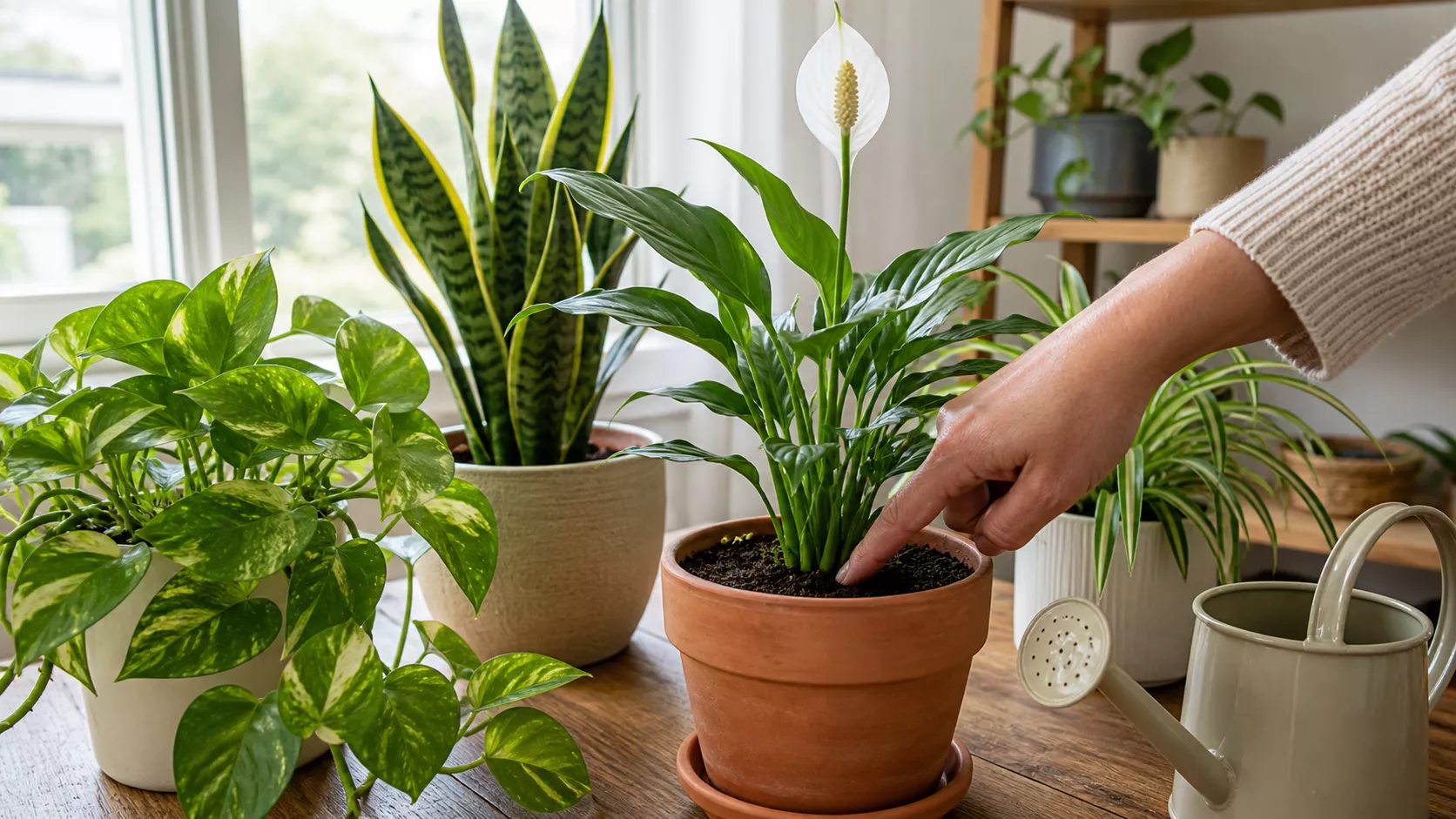
To check moisture, place your finger a few centimeters into the soil. If the soil feels dry at the correct depth for that plant, watering may be needed. If it still feels moist, wait longer.
Additionally, you can use a wooden stick. Insert it into the soil and remove it. If it comes out with moist soil attached, the plant may not need water yet. If it comes out mostly dry, watering may be appropriate.
One common mistake is watering only because a certain number of days has passed. A weekly watering schedule may work sometimes, but it can fail when conditions change.
For instance, plants dry faster in hot weather, bright light, small pots, terracotta pots, and windy balconies. They dry more slowly in cold weather, low light, large pots, plastic containers, and humid rooms.
Because of this, use a calendar only as a reminder to check your plants. The soil and plant condition should decide whether watering is actually needed.
When watering, water deeply instead of adding only a small splash. Deep watering helps moisture reach the entire root system.
To do this, add water slowly until excess water drains from the bottom of the pot. This shows that water has passed through the soil and reached deeper roots.
Then, allow the plant to drain fully. Do not leave the pot sitting in standing water unless you are using a specific method for a plant that tolerates it.
Drainage is one of the most important parts of watering. A pot with drainage holes allows excess water to escape after watering.
Without drainage, water can collect at the bottom of the pot. Even if the top soil looks dry, the lower soil may remain wet and damage the roots.
Therefore, use pots with drainage holes whenever possible. If you use decorative cachepots, keep the plant in a nursery pot inside and remove it for watering.
After watering, check the saucer or outer pot. If water collects there, empty it after the plant drains.
Standing water can keep the bottom of the soil too wet. This can lead to root stress, yellow leaves, fungus gnats, and unpleasant soil smell.
Also, standing water can damage furniture, shelves, and floors. A simple habit of emptying saucers protects both the plant and your home.
Underwatering happens when a plant does not receive enough moisture. The signs can vary by plant, but there are common symptoms.
Often, underwatered plants have dry soil, drooping leaves, curled leaves, crispy edges, dry leaf tips, and a very light pot. Some plants may also drop leaves to conserve energy.
To fix underwatering, water deeply and allow excess water to drain. If the soil is extremely dry and repels water, water slowly in stages so the soil can absorb moisture again.
Overwatering happens when soil stays wet too long. This is one of the most common causes of plant decline, especially indoors.
Common signs include yellow leaves, wilting despite wet soil, soft stems, mushy roots, mold on soil, fungus gnats, and a bad smell from the pot.
To fix overwatering, stop watering and let the soil dry according to the plant’s needs. Check drainage and light. If the soil smells bad or roots are damaged, repotting may be necessary.
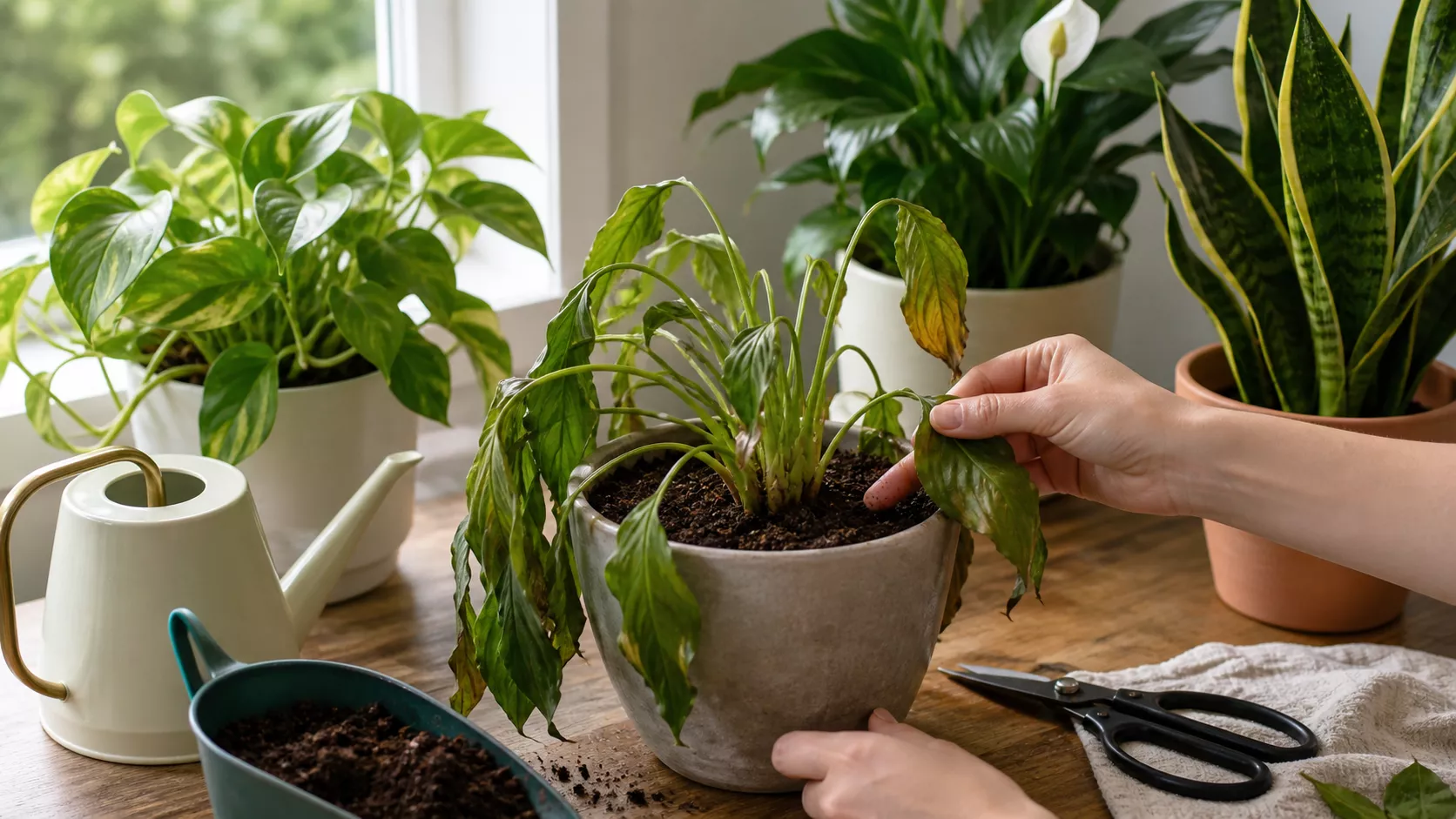
Importantly, wilting does not always mean a plant needs water. Plants can wilt from dry soil, but they can also wilt from overwatering, root rot, heat stress, cold stress, or transplant shock.
Because of this, checking the soil is essential. If the plant is wilted and the soil is dry, water may help. If the plant is wilted and the soil is wet, more water can make the problem worse.
Therefore, never water a wilted plant automatically. Diagnose the cause first.
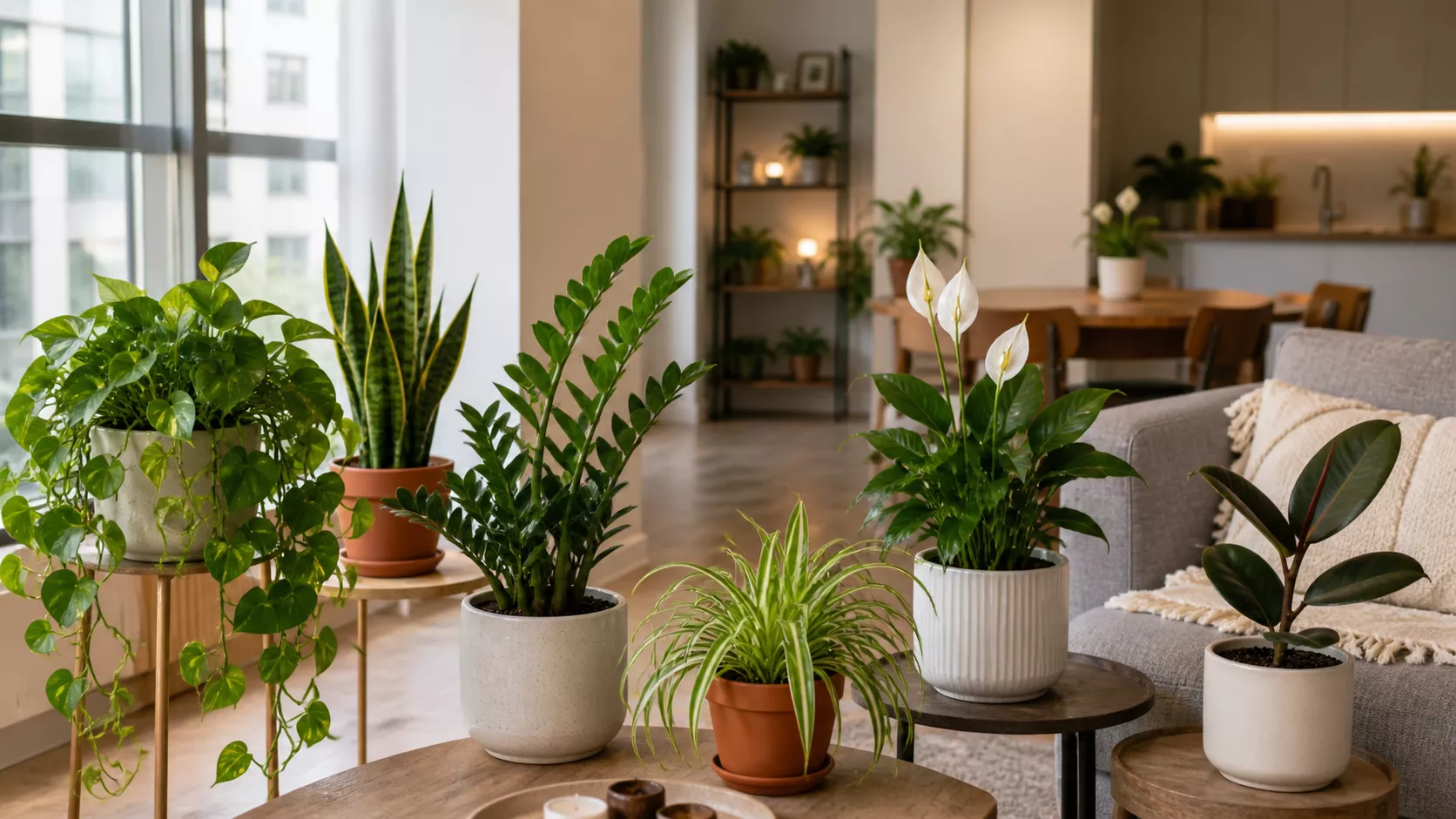
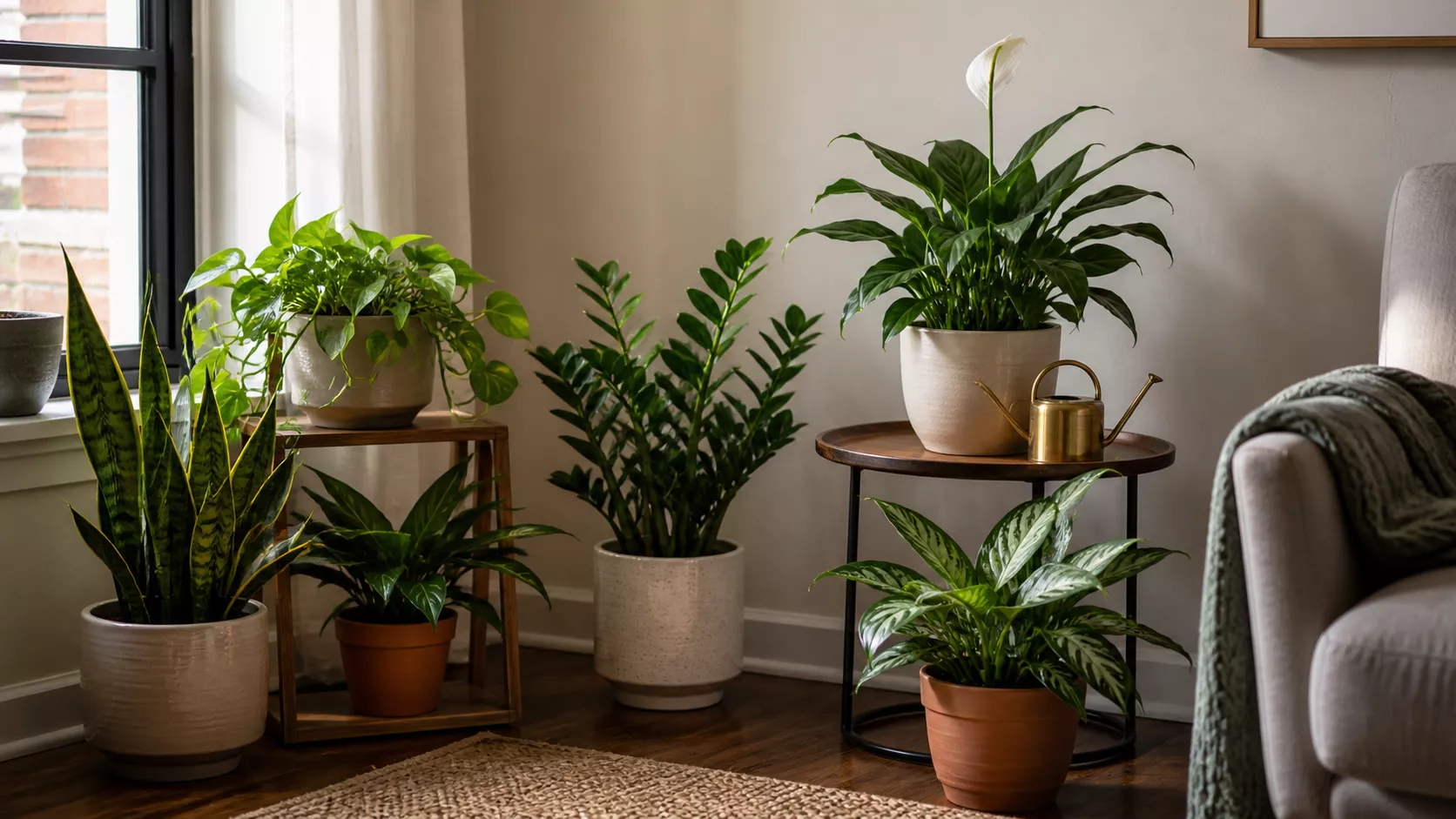
Indoor plants usually dry more slowly than outdoor plants because they receive less sun and less airflow. This means they often need less frequent watering.
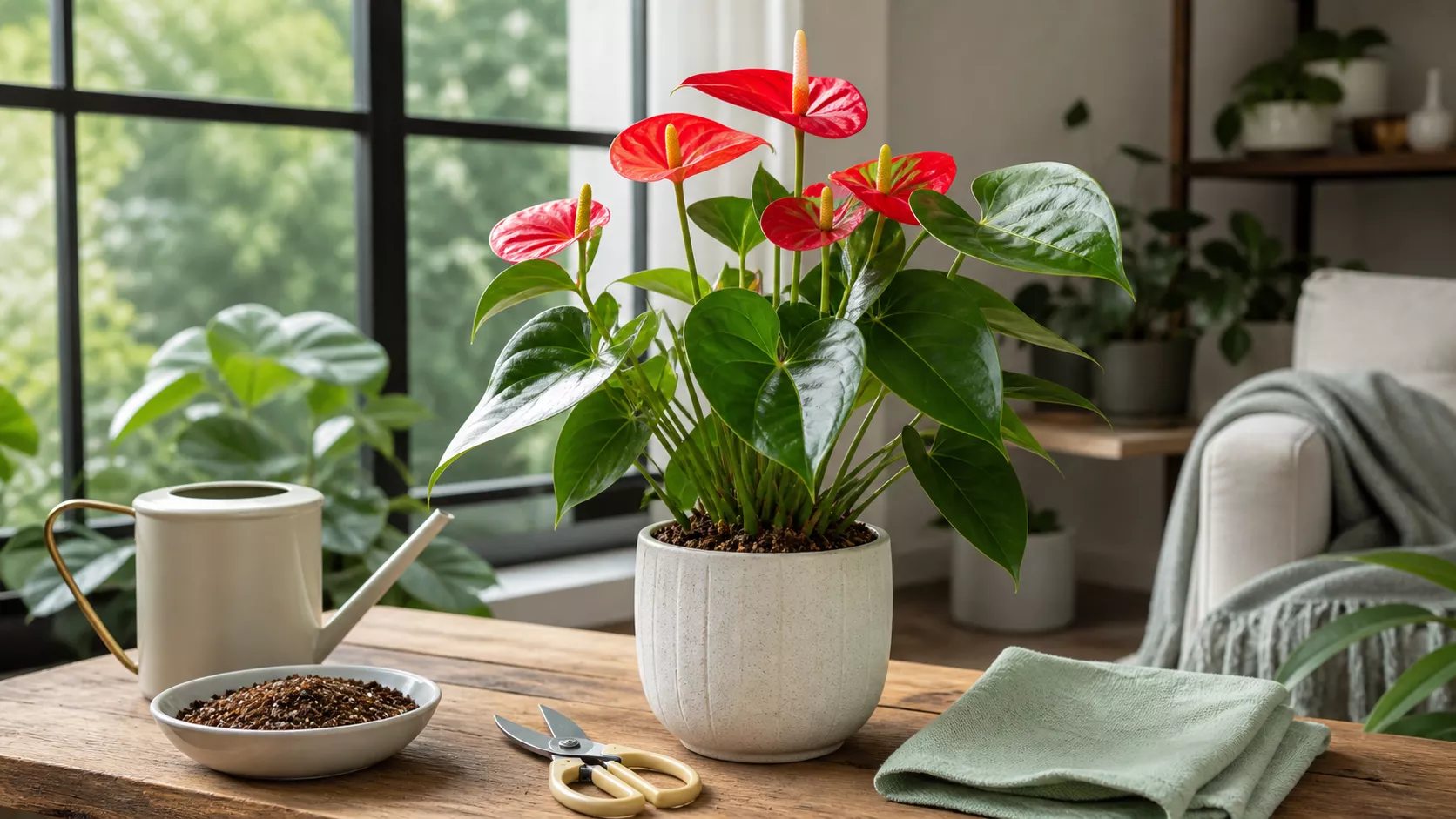
Plants such as pothos, philodendron, peace lily, anthurium, monstera, and rubber plant usually prefer soil that dries partially before watering again.
However, indoor conditions vary. A plant near a sunny window may dry faster than one in a shaded corner. Always check soil moisture instead of assuming.
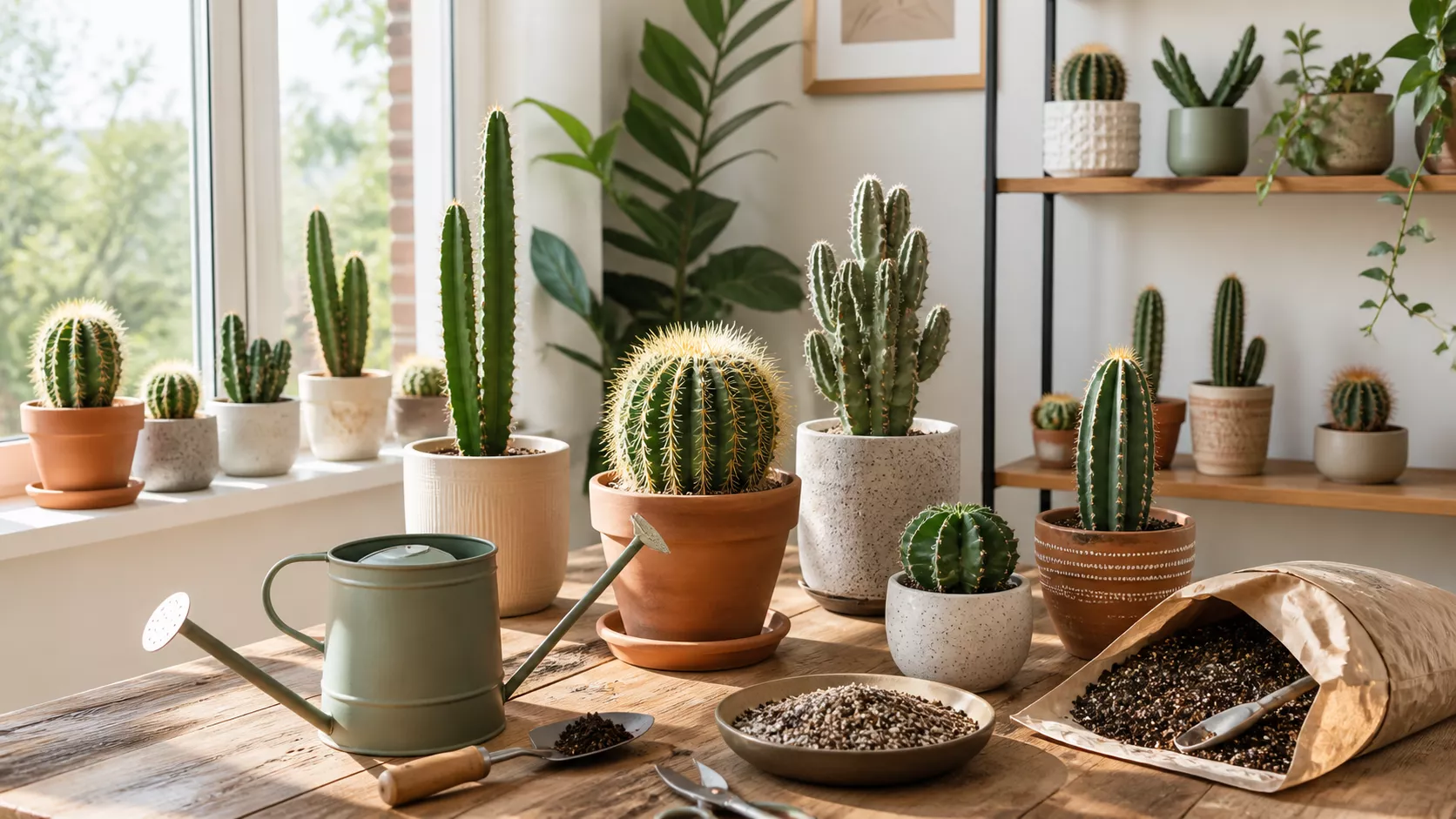
Succulents and cacti need a different watering routine. They store water in leaves, stems, or roots, so they do not need constant moisture.
For these plants, let the soil dry completely before watering again. When you water, water deeply and let the excess drain.
Also, use fast-draining soil and pots with drainage holes. These plants are very sensitive to soggy soil, especially in low light or cold weather.
Tropical plants often prefer more consistent moisture than succulents, but they still need drainage and oxygen around their roots.
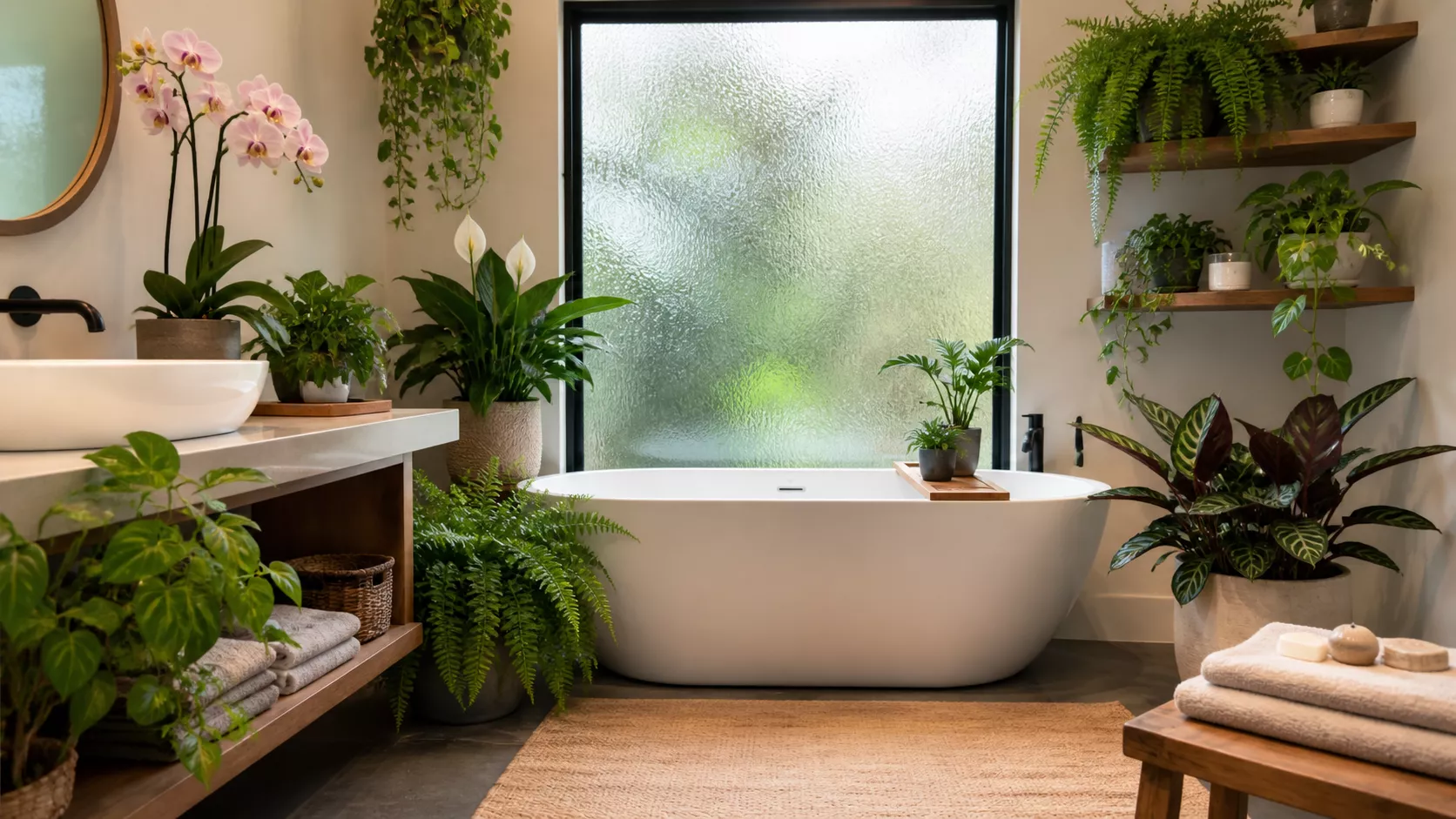
Plants such as peace lilies, calatheas, ferns, anthuriums, and some philodendrons may like soil that stays lightly moist.
However, lightly moist does not mean soaked. If the soil stays wet for many days, roots may suffer. Balance moisture with airflow and good soil structure.
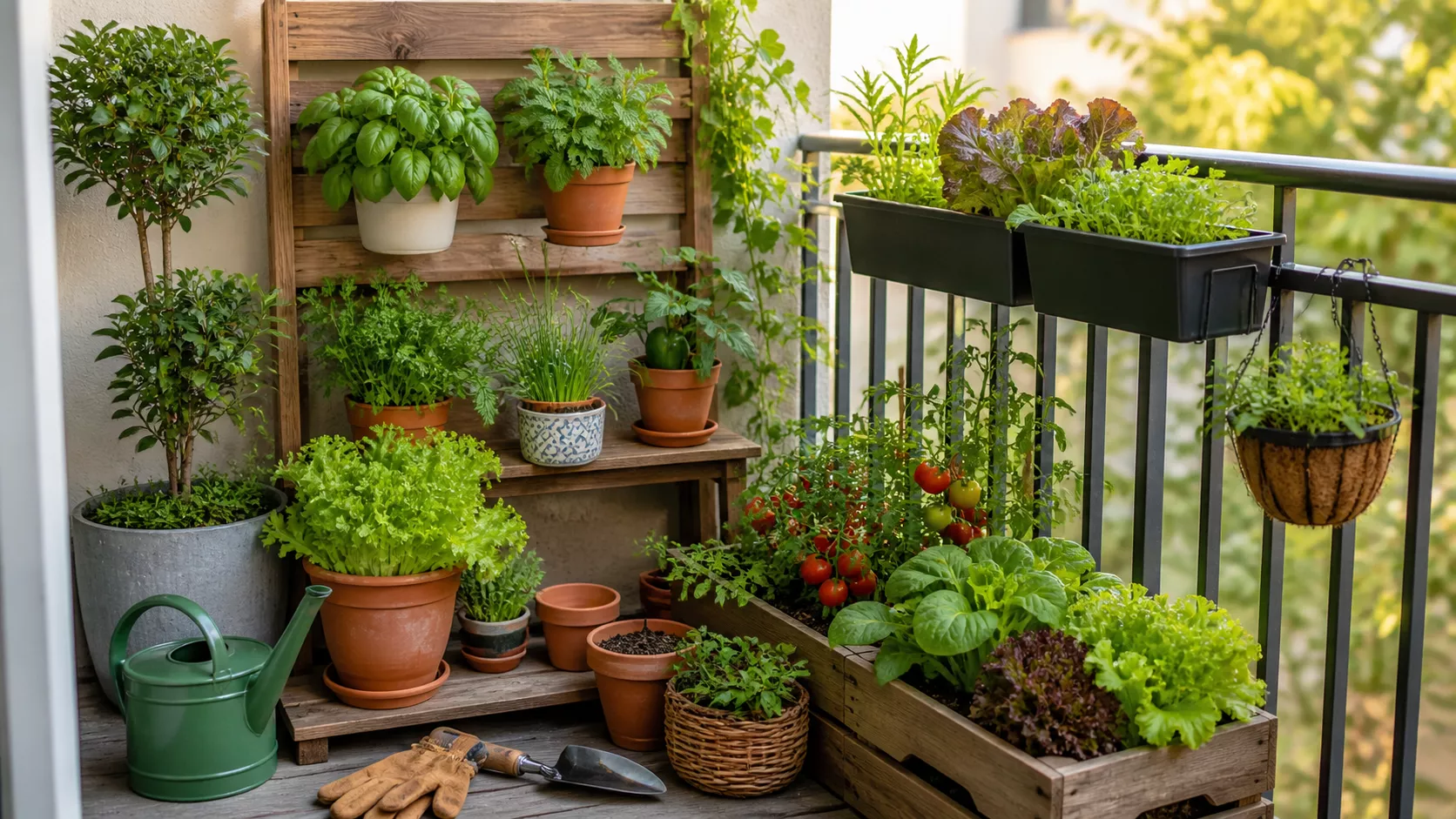
Herbs have different watering needs. Basil, mint, parsley, cilantro, and chives usually prefer more consistent moisture. Rosemary, thyme, oregano, sage, and lavender prefer drier conditions and better drainage.
Because of this, do not water all herbs the same way. Check the soil and consider the herb type.
Also, herbs in small pots dry quickly, especially on sunny balconies or windowsills. They may need more frequent checking than larger houseplants.
During hot weather, plants often dry faster. Sun, heat, and wind increase water loss from soil and leaves.
Check plants more frequently during hot days, especially small pots, balcony plants, hanging baskets, herbs, and flowers.
However, do not water every plant every day without checking. Some plants may still hold moisture, especially in larger pots or shaded areas.
During cold weather, many plants grow more slowly and use less water. Soil also dries more slowly, especially indoors.
Because of this, reduce watering frequency in cooler months. Overwatering becomes more common when people continue a summer watering routine in winter.
Before watering, check the soil carefully. If it is still moist, wait. Cold wet soil can be harmful to many plants.
During rainy periods, outdoor and balcony plants may already receive enough water naturally. Continuing normal watering can create excess moisture.
After rain, check pots, saucers, and soil. Empty standing water and make sure drainage holes are not blocked.
Also, protect plants that dislike constant moisture, such as succulents, cacti, rosemary, thyme, lavender, and many drought-tolerant plants.
Usually, morning is one of the best times to water plants. Morning watering gives plants moisture before the day warms up and allows excess surface moisture to dry.
For outdoor plants, watering in the early morning can reduce heat stress and help plants prepare for sunny hours.
Avoid watering late at night when conditions are cool and airflow is low, especially for plants prone to fungal problems. Wet soil and damp leaves overnight can increase risk.
When watering, focus on the soil because roots absorb water. Pouring water only over leaves does not hydrate the root system properly.
Wet leaves can also encourage fungal issues when airflow is poor. This is especially important for plants with dense foliage or delicate leaves.
However, occasional leaf rinsing can remove dust and pests when done correctly. Just make sure the plant dries in good airflow.
Bottom watering is a method where the pot sits in a shallow container of water and absorbs moisture through drainage holes.
This method can help very dry soil absorb water evenly. It can also reduce disturbance on the soil surface.
However, do not leave the pot in water for too long. After the soil absorbs enough moisture, remove the pot and let it drain completely.
Bottom watering can be useful for small pots, seedlings, African violets, and plants with soil that has become very dry.
It can also help when water runs straight down the sides of the pot without soaking the root ball.
Still, bottom watering should not replace drainage. After the plant absorbs water, excess moisture must drain away.
Very cold water can shock sensitive plants, especially tropical houseplants. Room-temperature water is usually safer.
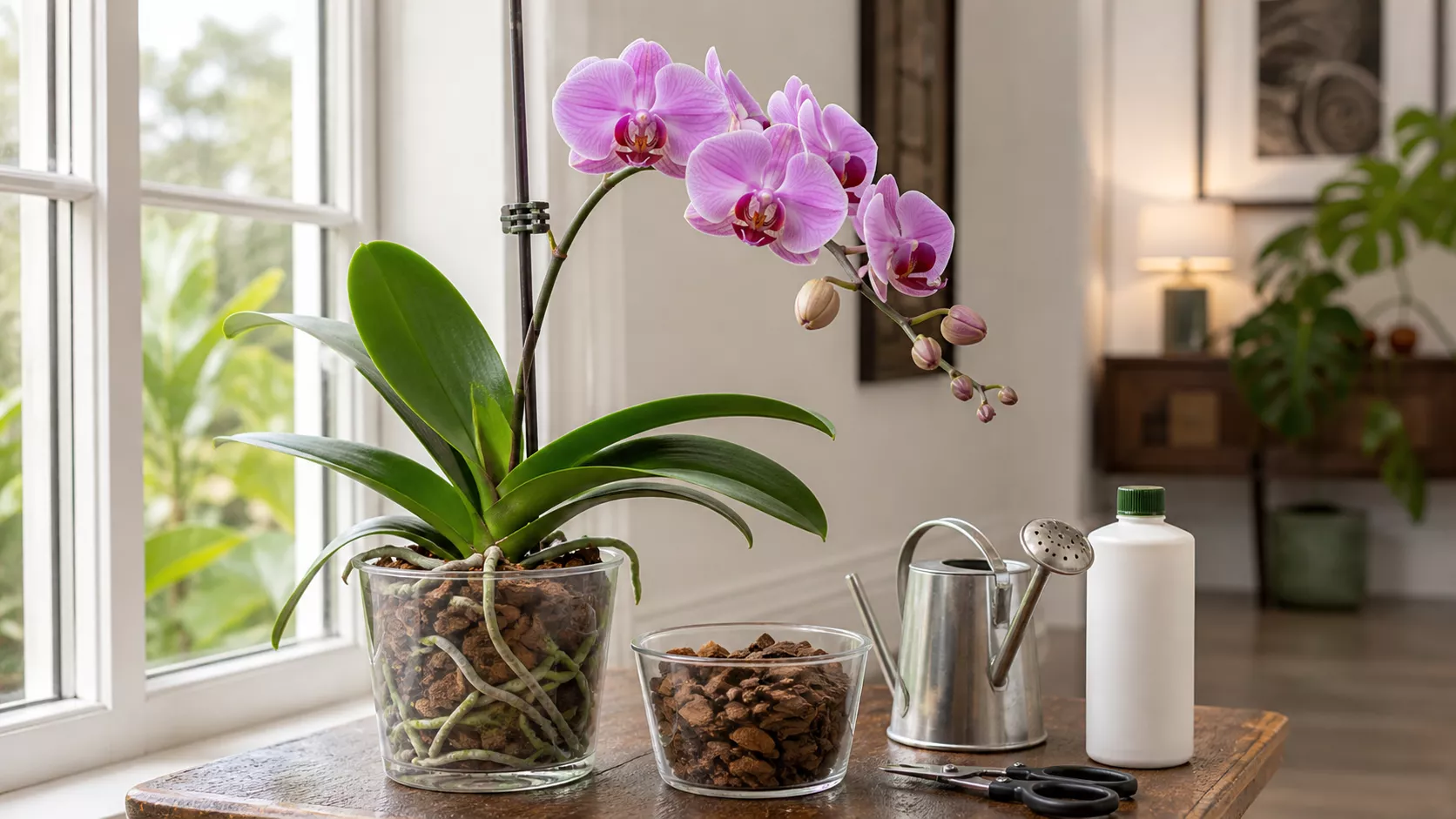
This is especially important for orchids, peace lilies, calatheas, anthuriums, and other plants that prefer stable conditions.
Also, avoid using water that contains strong chemical residues, cleaning products, salt, oil, or anything unsafe for plants.
Some plants are sensitive to water quality. Calatheas, dracaenas, spider plants, ferns, and some orchids may develop brown tips from minerals, chlorine, fluoride, or salt buildup.
If your plant develops repeated brown tips and care seems correct, water quality may be one possible factor.
To help, you can use filtered water, rainwater when safe, or let tap water sit before use. Also flush the soil occasionally if fertilizer salts build up.
Misting is not the same as watering. Spraying leaves may briefly increase moisture on the leaf surface, but it does not hydrate roots properly.
Some people mist plants daily but forget to water the soil correctly. This can lead to dry roots and weak growth.
If a plant needs higher humidity, use better methods such as a humidifier, grouping plants, or a humidity tray. Continue watering the soil when needed.
Soil affects how watering works. Heavy soil holds water too long, while very light soil may dry too fast. The right mix depends on the plant.
Succulents and cacti need fast-draining soil. Tropical plants need soil that holds some moisture but still allows airflow. Herbs vary by type.
If watering always causes problems, the soil may be wrong. Improving the soil mix can make plant care much easier.
Pot size also affects watering. Small pots dry faster because they hold less soil. Large pots dry slower because they hold more moisture.
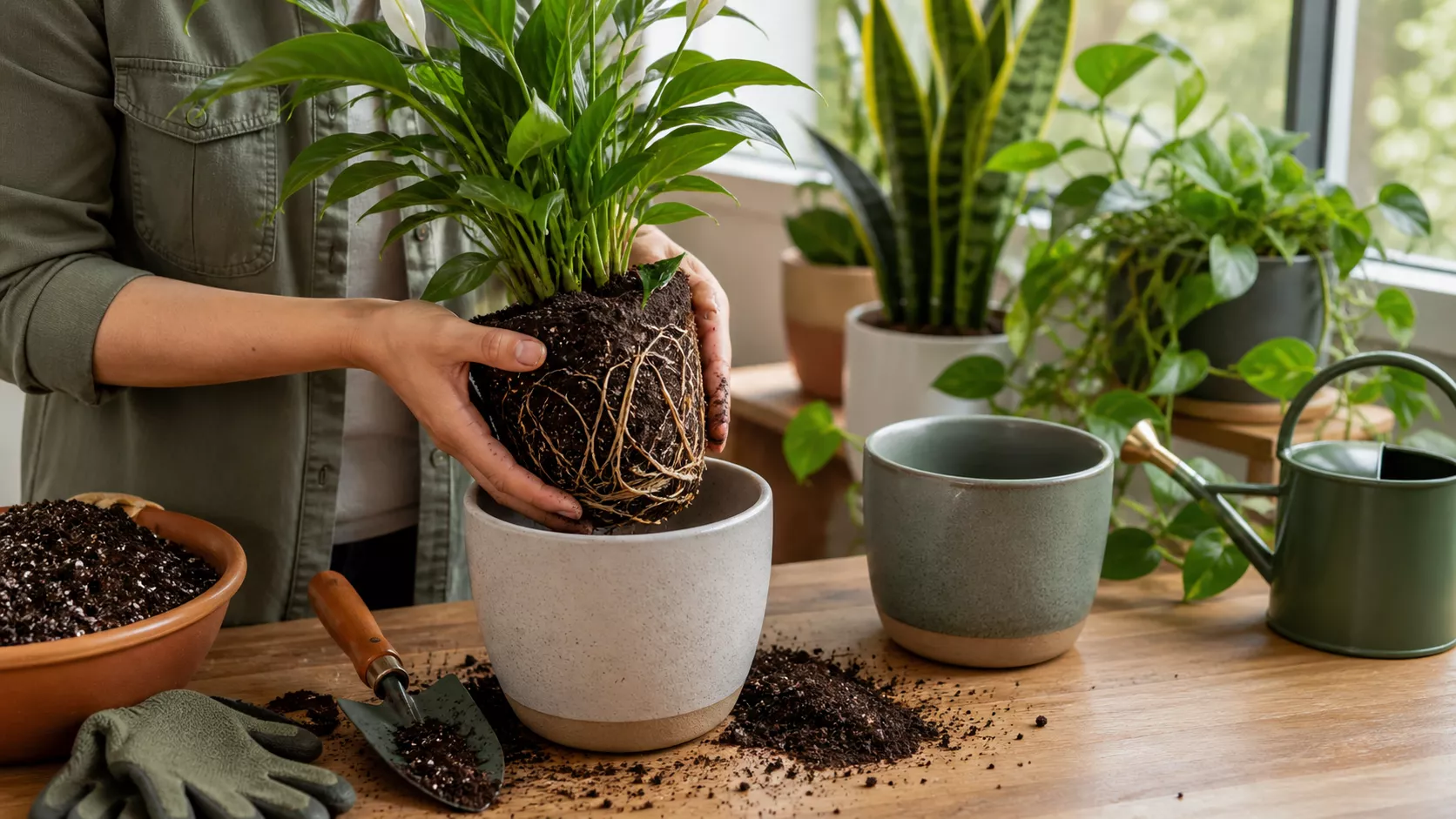
A pot that is too large can keep soil wet for too long around a small root system. This increases overwatering risk.
Therefore, choose a pot that matches the plant’s root size. Proper pot size makes watering more predictable.
Terracotta pots dry faster because they are porous. This can be helpful for plants that dislike wet soil, such as succulents, cacti, rosemary, and snake plants.
Plastic and glazed ceramic pots hold moisture longer. This can help moisture-loving plants but may be risky for plants that prefer drier conditions.
Because of this, consider pot material when deciding how often to water.
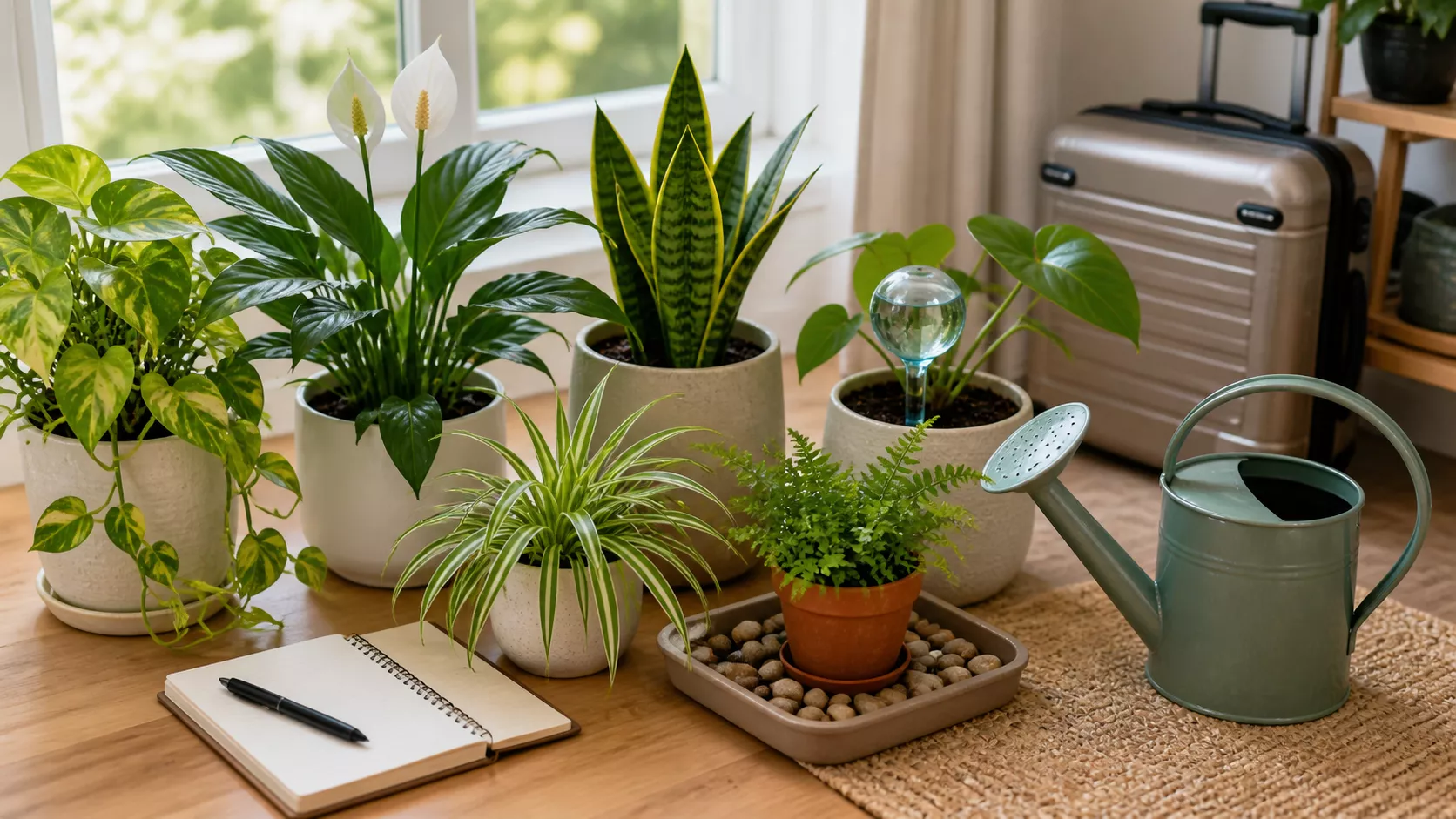
A good routine does not mean watering every plant on the same day. It means checking plants regularly and watering only those that need it.
For example, inspect your plants once or twice a week. Check soil moisture, leaf condition, pot weight, and overall growth.
Then, water only the plants that are ready. This routine is simple and flexible, which is better than a strict schedule.
To make care easier, group plants with similar watering needs. Keep succulents and cacti together, tropical moisture-loving plants together, and herbs organized by type.
This helps you avoid giving the same amount of water to plants with opposite needs.
Additionally, grouping plants makes it easier to notice patterns. You will learn which plants dry quickly and which ones stay moist longer.
One common mistake is watering too often. Many indoor plants decline because the soil stays wet for too long.
Another mistake is giving tiny amounts of water frequently. This may wet only the surface while deeper roots remain dry.
Also, avoid ignoring drainage. Even perfect watering can fail if water has nowhere to escape.
A good watering routine usually produces steady growth, firm leaves, healthy color, and soil that dries at a reasonable pace.
If leaves are repeatedly yellow, soft, crispy, drooping, or falling, review your watering habits along with light, soil, and drainage.
Healthy roots are the goal. When roots are healthy, the rest of the plant has a much better chance of growing well.
In conclusion, learning how to water plants the right way is about observation, balance, and understanding plant needs. Watering should depend on soil moisture, plant type, pot size, light, weather, and season.
Above all, check the soil before watering, water deeply when needed, allow excess water to drain, and avoid letting pots sit in standing water.
Ultimately, proper watering is one of the foundations of healthy plant care. With patience and practice, you can create a simple routine that keeps your plants stronger, greener, and easier to maintain.