How to Care for Plants in Hot Weather

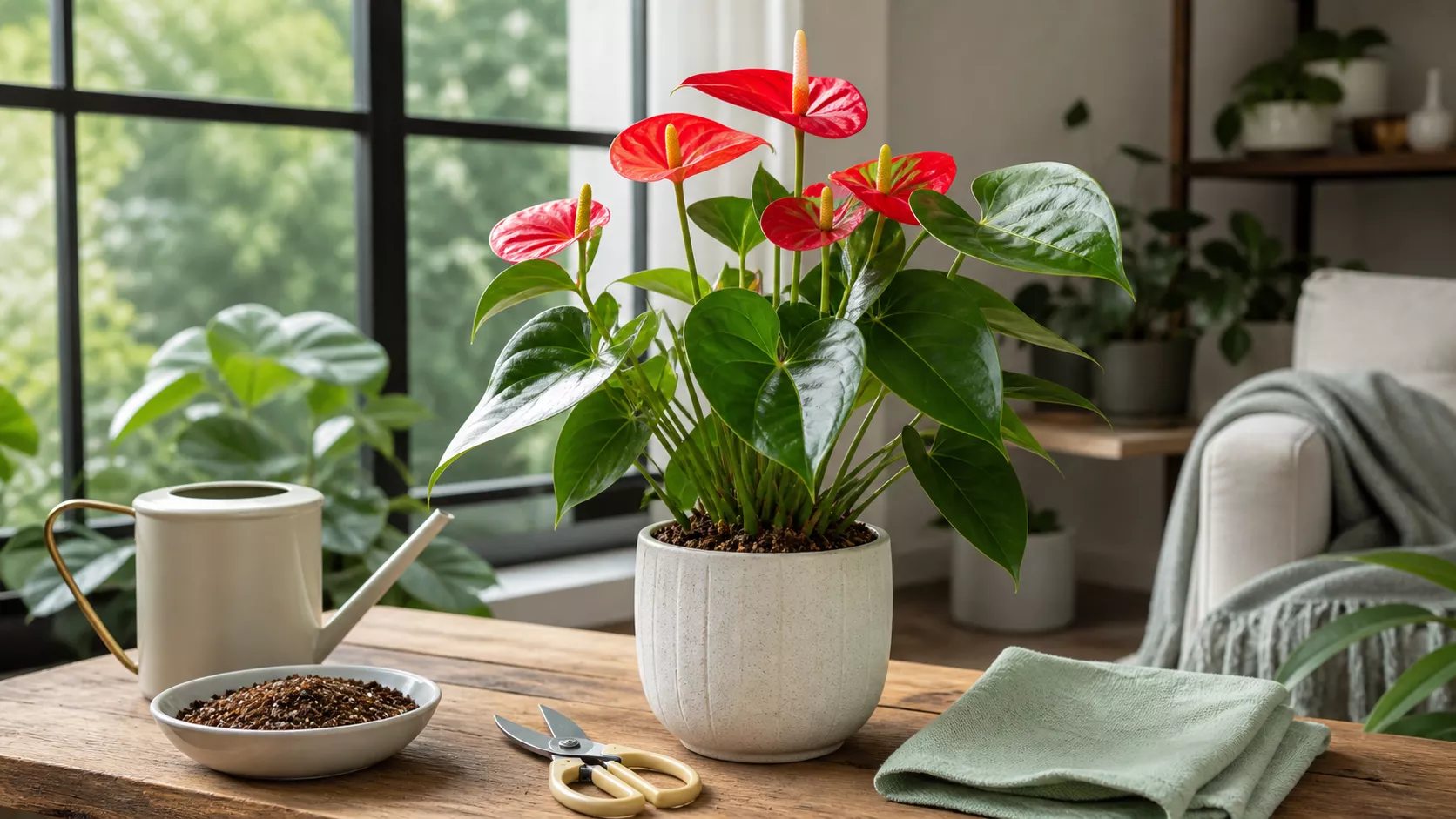
First, learning how to care for anthurium is a great way to bring color, elegance, and a tropical look into your home. Anthurium is loved for its glossy green leaves and colorful heart-shaped flowers, which can appear in shades of red, pink, white, purple, or orange depending on the variety.
Additionally, anthurium can grow very well indoors when it receives bright indirect light, balanced watering, humidity, and a light soil mix. Although it looks delicate, it can be quite manageable when its basic needs are understood.
However, anthurium can develop problems if it receives harsh direct sunlight, too much water, poor drainage, dry air, or compacted soil. Therefore, this complete guide will explain the most important steps for anthurium care and show you how to keep the leaves beautiful, shiny, and healthy.
First, anthurium is a tropical plant known for its glossy leaves and colorful spathes, which many people call flowers. The actual flowers are tiny and grow on the central spike called a spadix.
Additionally, anthuriums naturally grow in warm, humid environments with filtered light. This means they usually prefer indoor conditions that imitate tropical shade rather than strong direct sun.
Because of its appearance, anthurium is often used as a decorative indoor plant. Its colorful blooms can last for weeks, making it popular for living rooms, offices, bedrooms, and bright indoor corners.
First, anthurium grows best in bright indirect light. This type of light helps the plant produce healthy leaves and more frequent blooms without burning the foliage.
If the plant receives too little light, it may grow slowly and produce fewer flowers. The leaves may remain green, but flowering can become weak or stop completely.
On the other hand, direct harsh sunlight can burn anthurium leaves. Brown patches, faded areas, or crispy spots may appear when the plant receives too much sun. A bright window with filtered light is usually ideal.
Next, watering is one of the most important parts of anthurium plant care. Anthurium likes moisture, but it does not like soggy soil. The roots need both water and oxygen.
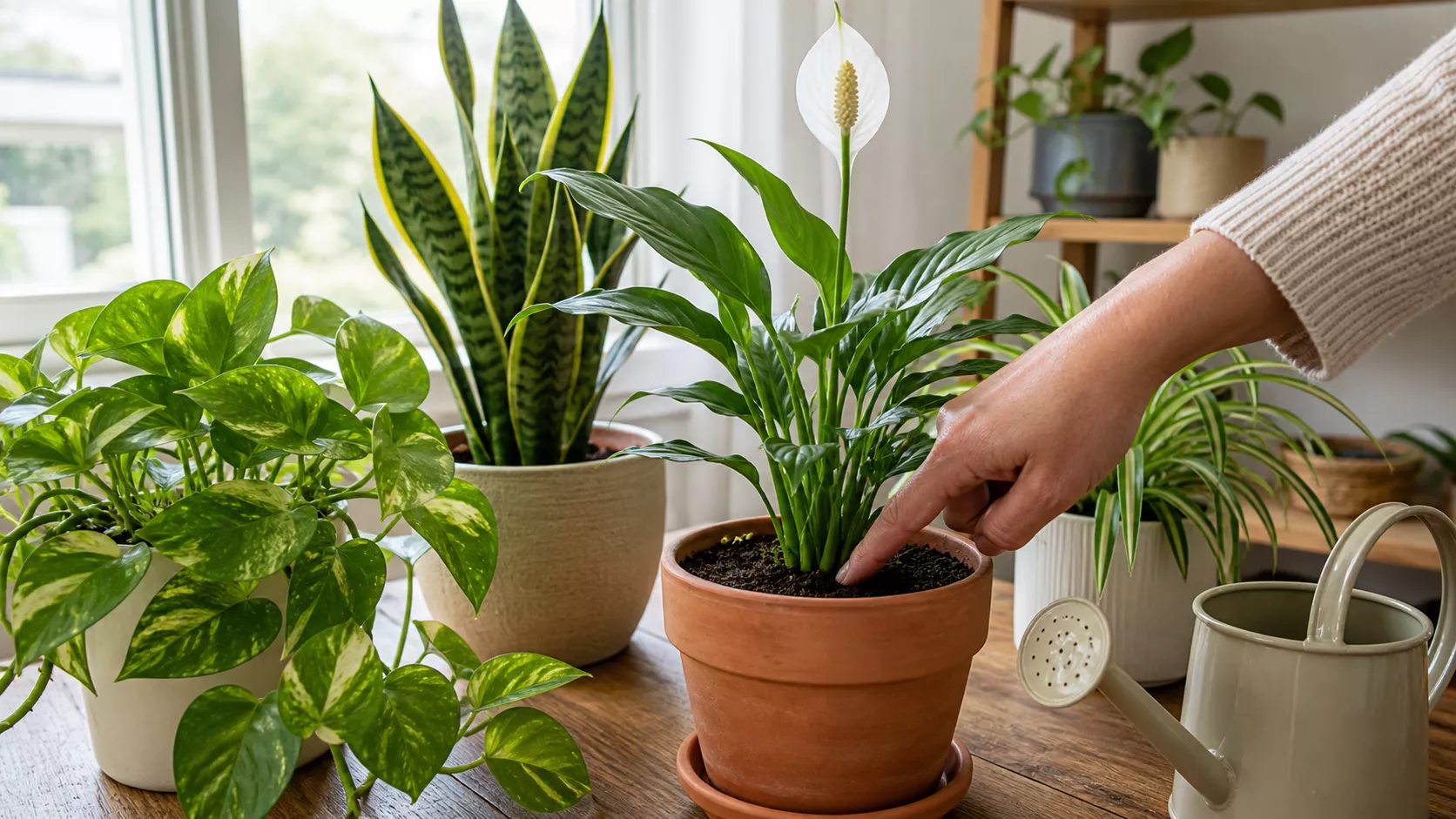
Before watering, check the top few centimeters of soil. If it feels slightly dry, the plant may be ready for water. If it still feels moist, wait longer.
When watering, water thoroughly until excess water drains from the bottom of the pot. Then empty the saucer. This helps keep moisture balanced and prevents the roots from sitting in water.
Often, an anthurium that needs water may show slightly drooping leaves, dry soil, curling edges, or leaves that look less firm than usual.
If the soil is dry and the plant looks thirsty, water deeply and let excess moisture drain away. The plant may recover if the roots are healthy.
However, drooping can also happen from overwatering. Always check the soil before watering. Wet soil and dry soil require different solutions.
Unfortunately, overwatering is one of the most common problems with anthurium. When the soil stays wet for too long, roots may become stressed or damaged.
Signs of overwatering include yellow leaves, wilting despite wet soil, soft stems, unpleasant soil smell, black roots, and fungus gnats around the pot.
To prevent this, use well-draining soil, a pot with drainage holes, and a careful watering routine. Do not water on a fixed calendar without checking the soil first.
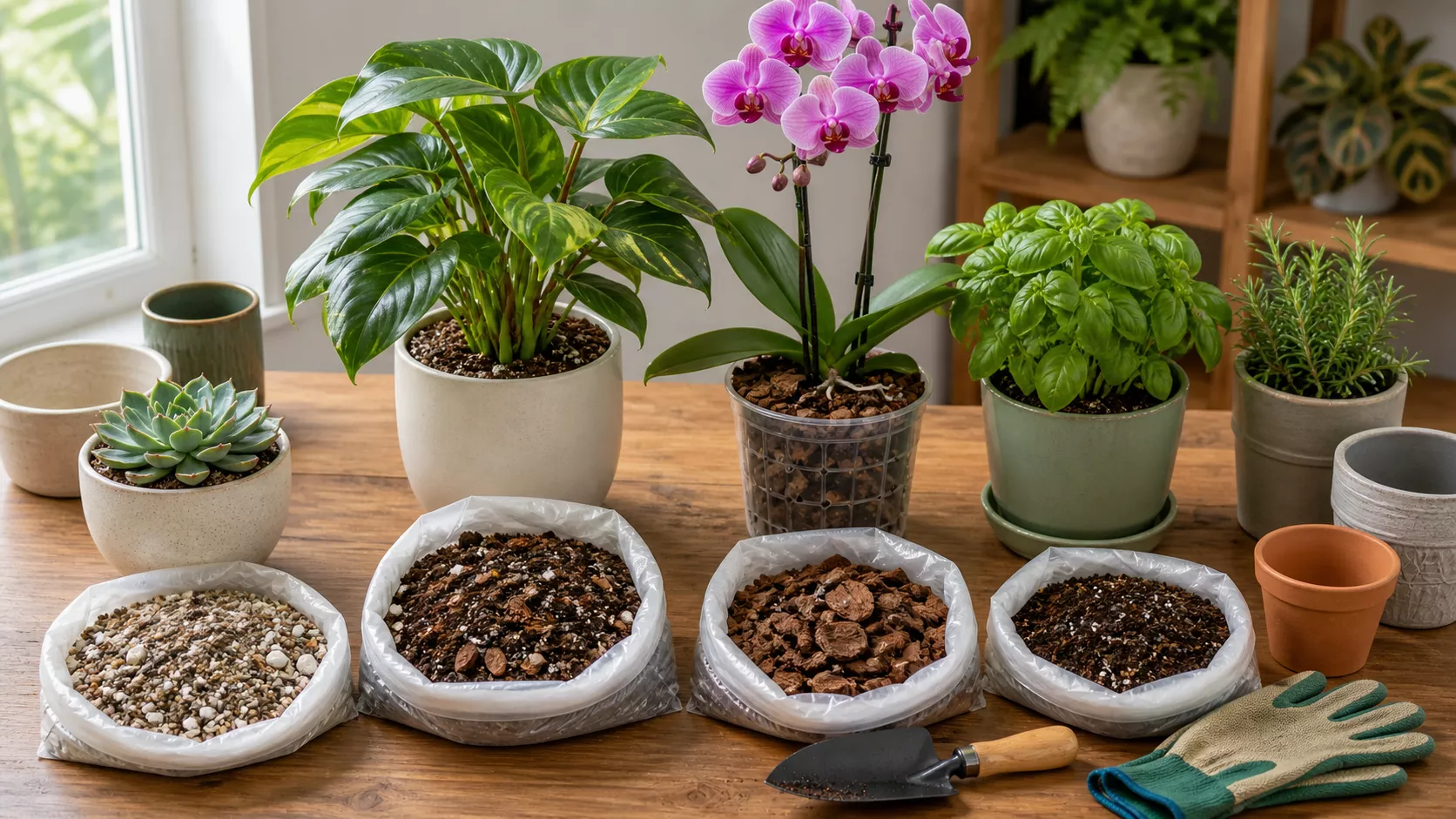
Another essential factor is soil. Anthurium grows best in a light, airy, well-draining mix that holds some moisture but does not become compacted.
A good soil mix can include indoor potting mix, orchid bark, perlite, coco coir, and a little compost. The chunky materials help air reach the roots.
Additionally, avoid heavy garden soil. It can hold too much water and reduce airflow. Anthurium roots need a balance of moisture and oxygen to stay healthy.
Also, anthurium should be planted in a pot with drainage holes. Drainage allows excess water to leave the pot and protects the roots from staying wet.
A plastic or glazed ceramic pot can work well because it holds moisture slightly longer than terracotta. However, if you tend to overwater, terracotta may help the soil dry faster.
Most importantly, avoid oversized pots. A pot that is too large can hold extra moisture and increase the risk of root problems. Choose a pot that fits the root system comfortably.
Because anthurium is tropical, it usually appreciates moderate to high humidity. Dry indoor air can cause brown leaf edges, curling, or dull-looking leaves.
To improve humidity, group plants together, use a humidifier, or place the plant on a pebble tray with water. Make sure the pot does not sit directly in water.
However, humidity should be balanced with airflow. High humidity without airflow can increase the risk of fungal problems. The goal is comfortable moisture in the air, not wet leaves all the time.
Generally, anthurium prefers warm and stable indoor temperatures. It does not like cold drafts, sudden temperature changes, or very cold rooms.
Avoid placing the plant near air conditioners, heaters, cold windows, or exterior doors that open frequently. These changes can stress the plant and affect leaves or flowers.
Stable conditions help anthurium grow better and bloom more consistently. A comfortable indoor environment is usually suitable when light and humidity are also balanced.
First, beautiful anthurium leaves depend on good light, proper watering, humidity, and clean foliage. Glossy leaves can become dull if they collect dust.
To clean the leaves, use a soft damp cloth and gently wipe the surface. Support the leaf with one hand while cleaning with the other to avoid bending or tearing it.
Also, avoid using heavy leaf shine products. They can block leaf pores or attract dust. Clean water and gentle handling are usually enough.
Anthurium blooms best when it receives bright indirect light, proper humidity, balanced watering, and enough nutrients. If the plant is healthy but not flowering, light is often the first thing to check.
If your anthurium is in low light, move it closer to a bright window with filtered sunlight. More brightness can encourage flower production over time.
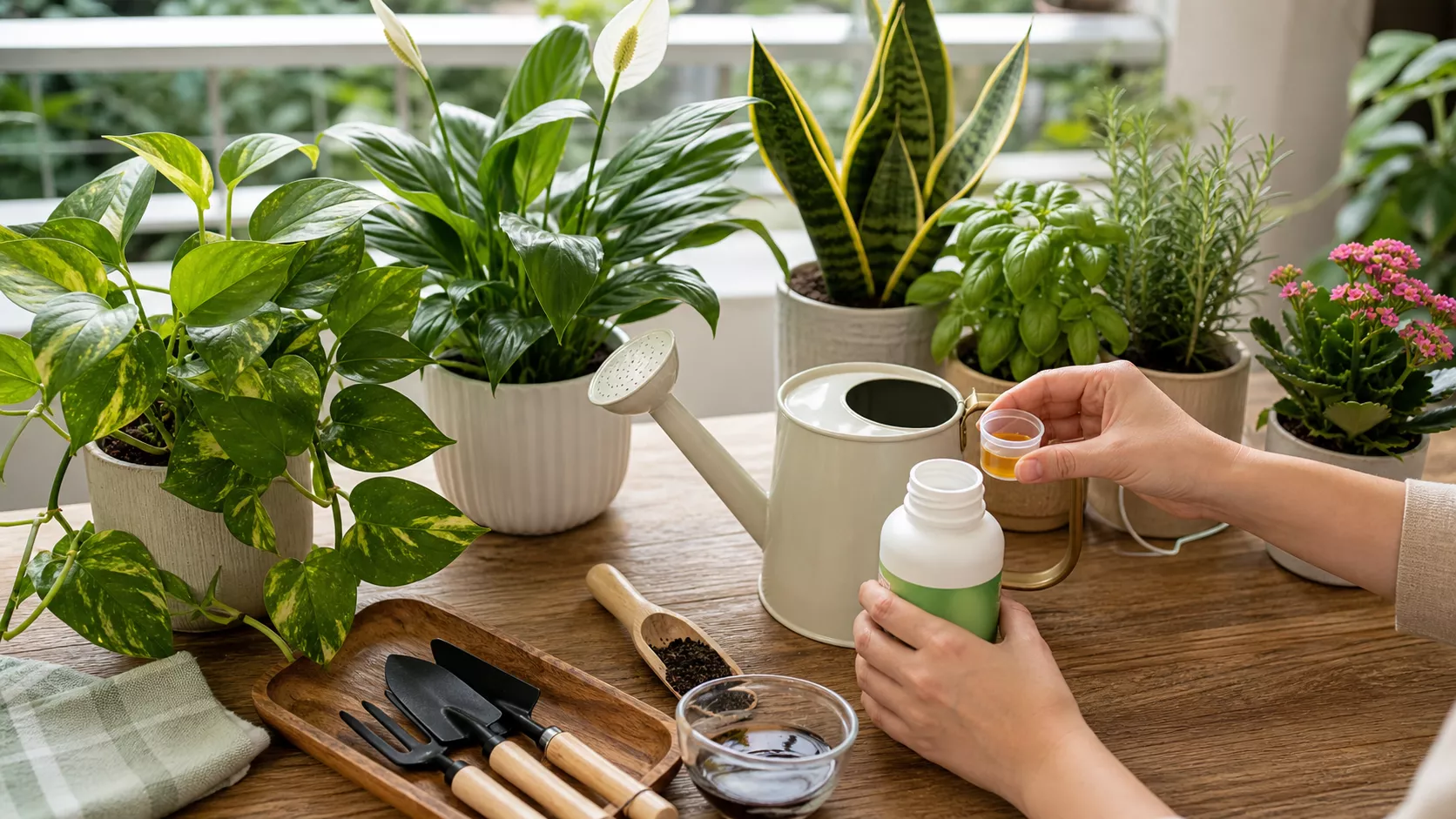
Additionally, fertilize lightly during active growth. Use a balanced fertilizer or one suitable for flowering houseplants, following the instructions carefully. Too much fertilizer can damage the roots.
Anthurium can benefit from light fertilization during the growing season. Nutrients support leaves, roots, and flowering.
Usually, a diluted balanced houseplant fertilizer applied occasionally in warmer months is enough. Overfeeding is not necessary and can cause salt buildup.
However, do not fertilize a stressed plant. If the anthurium has root problems, pests, yellow leaves, or poor light, correct those issues first before feeding.
Pruning helps keep anthurium clean and attractive. Remove yellow leaves, dead flowers, damaged stems, and dry parts when needed.
Use clean scissors and cut close to the base of the stem. Avoid tearing leaves or pulling old flowers by hand, as this can damage the plant.
Additionally, regular pruning helps the plant focus energy on healthy growth. It also improves appearance and makes it easier to inspect for pests.
Over time, anthurium may need repotting when roots fill the pot, soil becomes compacted, or growth slows despite good care.
Signs that repotting may be needed include roots circling tightly, roots coming from drainage holes, water passing too quickly, or soil that no longer drains well.
When repotting, choose a pot only slightly larger than the current one and use a fresh airy soil mix. After repotting, keep the plant in stable conditions while it adjusts.
Anthurium is usually propagated by division. This works best when the plant has multiple stems or sections with roots.
To divide, remove the plant from the pot and gently separate a section that has healthy roots and leaves. Plant it in a suitable pot with airy soil.
After propagation, keep the new plant in bright indirect light and maintain gentle moisture. Avoid strong sun and heavy fertilizer while it settles.
Although anthurium is manageable, it can develop problems when care is unbalanced. Yellow leaves, brown edges, lack of flowers, drooping, root rot, and pests are common concerns.
Most problems are related to watering, light, humidity, soil, or drainage. Before making big changes, check these basic factors carefully.
Because anthurium has glossy leaves, changes are often visible quickly. Regular observation helps you correct issues before they become serious.
Usually, yellow leaves are caused by overwatering, poor drainage, low light, or natural aging. If the soil is wet and several leaves turn yellow, overwatering may be the cause.
However, if only one older lower leaf turns yellow while the rest of the plant is healthy, it may simply be natural aging.
To solve yellowing, check the soil, pot drainage, and light. Remove fully yellow leaves with clean scissors and correct the care condition causing the issue.
Brown edges can happen because of low humidity, underwatering, fertilizer buildup, water quality, or too much direct sunlight.
To reduce brown edges, improve humidity, water consistently, avoid overfertilizing, and protect the plant from harsh sun.
Damaged edges will not turn green again, but new leaves can grow healthier when care improves. You can trim dry edges carefully for appearance.
Drooping leaves can be caused by underwatering, overwatering, heat stress, cold drafts, or root problems. Since several causes look similar, soil checking is essential.
If the soil is dry, water thoroughly and observe recovery. If the soil is wet, stop watering and check drainage.
Also, review the plant’s location. Sudden temperature changes or harsh light can make anthurium leaves droop.
If anthurium is not flowering, the most common reason is insufficient light. The plant may survive in low light but not have enough energy to bloom.
Other causes include lack of nutrients, root stress, old soil, incorrect watering, or a plant that is still adjusting after repotting.
To encourage blooms, provide bright indirect light, keep roots healthy, fertilize lightly during active growth, and avoid major stress.
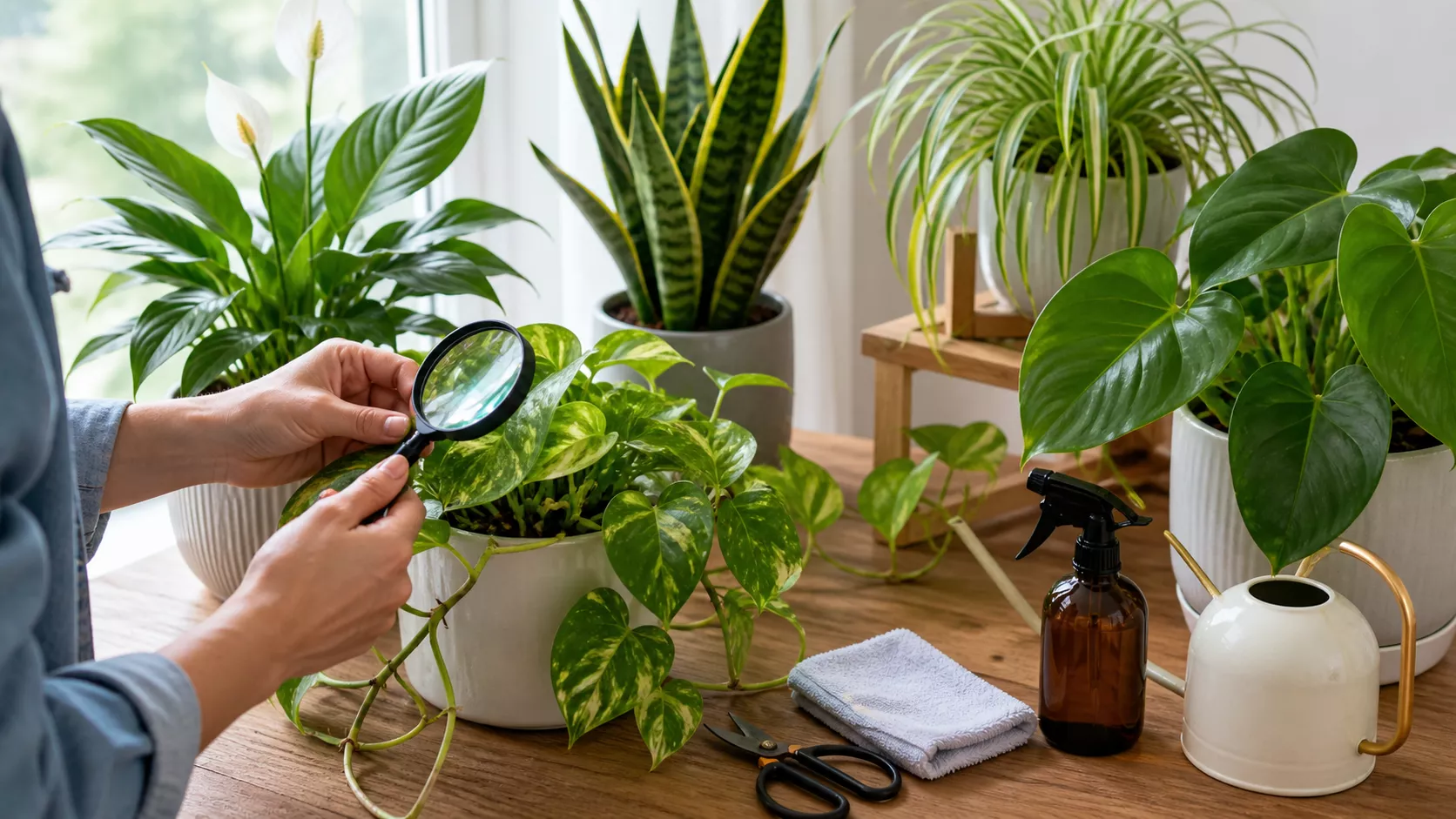
Anthurium can attract pests such as mealybugs, aphids, spider mites, scale insects, and fungus gnats. Pests may hide under leaves, near stems, or around flowers.
To prevent pests, inspect regularly, clean leaves, avoid overwatering, and quarantine new plants before placing them near your collection.
If pests appear, isolate the plant and treat early with a safe method suitable for the pest and plant type. Early action prevents spreading.
Importantly, anthurium is toxic to cats and dogs if chewed or eaten. It can irritate the mouth and digestive system.
Because of this, place anthurium where pets cannot reach it. Higher shelves, plant stands, or rooms with limited pet access may help.
If your pet often chews plants, choose pet-safe plants for accessible areas and keep anthurium away from curious animals.
Anthurium looks beautiful in living rooms, offices, bedrooms, and bright corners. It works especially well where it can receive indirect light and stable warmth.
For best results, place it near a bright window with filtered light. Avoid direct afternoon sun, cold drafts, and dry heat sources.
Also, bathrooms with windows can be suitable because humidity is often higher. However, the bathroom must receive natural light.
To care for anthurium successfully, check soil moisture regularly and water when the top layer begins to dry. Keep the plant in bright indirect light and use a pot with drainage.
Then, clean the leaves occasionally, remove old flowers, and inspect for pests. Maintain humidity if your indoor air is dry.
Finally, fertilize lightly during active growth and repot when the soil becomes compacted or roots need more space.
One common mistake is placing anthurium in harsh direct sun. This can burn leaves and damage the plant’s appearance.
Another mistake is overwatering. Anthurium likes moisture, but soggy soil can cause root problems and yellow leaves.
Also, avoid using heavy compact soil. Anthurium roots need airflow, so an airy mix is much better for long-term health.
In conclusion, learning how to care for anthurium is simple when you understand its tropical needs. Anthurium grows best with bright indirect light, balanced watering, humidity, airy soil, and a pot with drainage.
Above all, focus on healthy roots and clean leaves. Beautiful foliage depends on proper moisture, good airflow, stable temperature, and protection from harsh sunlight.
Ultimately, anthurium is a beautiful indoor plant that can bring color and elegance to your home. With consistent care and careful observation, you can keep its leaves glossy, its flowers vibrant, and its growth strong for a long time.