How to Water Plants the Right Way

First, choosing kitchen plants is a simple way to make this space more beautiful, fresh, and useful. The kitchen is one of the most active areas of the home, and adding plants can bring color, life, and a more welcoming feeling to the environment.
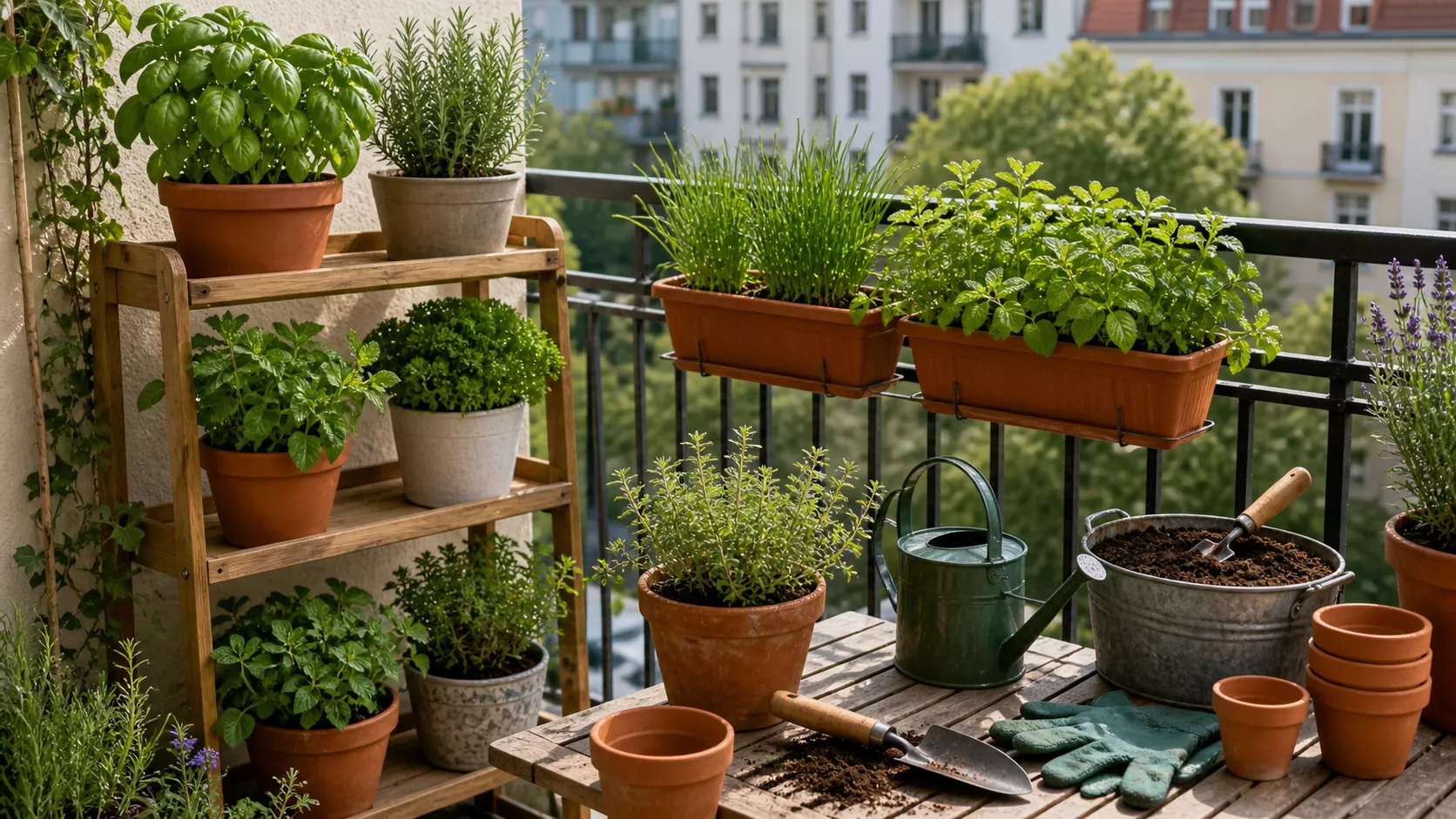
Additionally, some plants are not only decorative but also practical. Herbs such as basil, parsley, mint, rosemary, chives, and thyme can be grown in pots and used in everyday cooking. This makes the kitchen greener and more functional at the same time.
However, not every plant is suitable for the kitchen. Light, humidity, heat, airflow, and available space all matter. Therefore, this guide will show you the best plants for kitchen decor, how to care for them, where to place them, and how to use plants in a practical and attractive way.
First, plants make the kitchen feel more natural and comfortable. A few green leaves on a windowsill, shelf, counter, or hanging planter can soften the look of cabinets, appliances, and hard surfaces.
Also, kitchen plants can be useful for people who enjoy cooking. Fresh herbs can add flavor to meals and encourage a more natural routine in the kitchen.
Furthermore, caring for plants in the kitchen can be convenient. Since water is nearby, it is easier to check soil moisture, clean leaves, and maintain small pots without much effort.
Before choosing kitchen plants, observe the amount of natural light your kitchen receives. Herbs usually need more light than many decorative houseplants. A bright window is especially helpful if you want to grow edible plants.
Next, consider heat and steam. Plants should not be placed too close to the stove, oven, or appliances that release hot air. Excess heat can dry leaves, stress roots, and damage delicate plants.
Also, think about available space. Small kitchens may need compact pots, hanging planters, wall shelves, or vertical herb gardens. The best plant arrangement is beautiful without making the kitchen difficult to use.
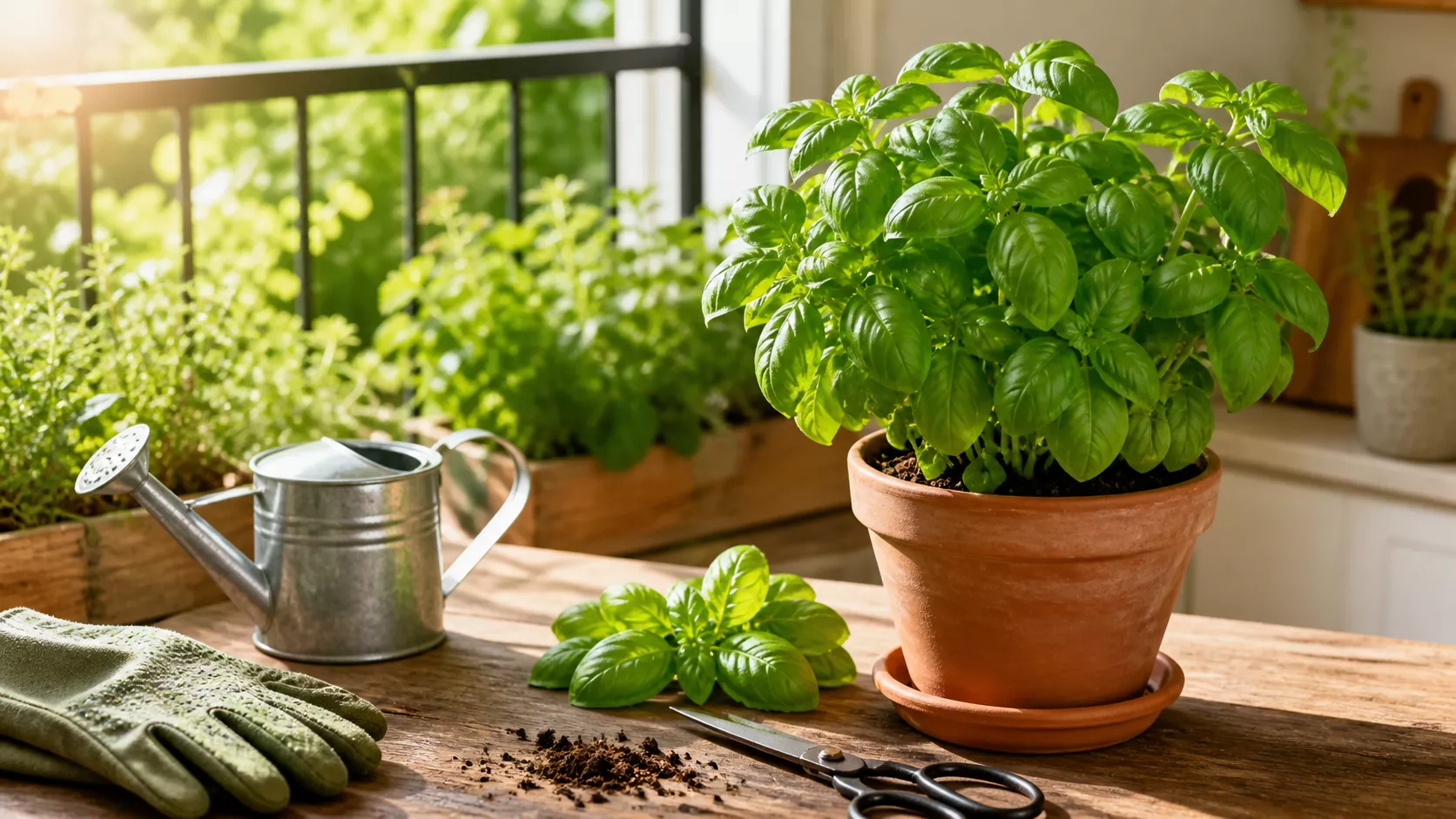
First, basil is one of the best kitchen herbs because it is useful, fragrant, and beautiful. Its green leaves can be used in sauces, salads, pasta, sandwiches, and many homemade recipes.
Basil needs plenty of bright light to grow well. A sunny kitchen window is ideal. Without enough light, the plant may become weak, stretched, and less flavorful.
When watering, keep the soil lightly moist but not soggy. Basil does not like drying out completely, but it also needs drainage. Harvest leaves regularly to encourage fuller growth.
Next, parsley is a practical herb that grows well in pots when it receives enough light. It can be used in soups, salads, rice, sauces, and many everyday dishes.
Parsley prefers bright light and consistent moisture. It does not like extremely dry soil, so check it regularly, especially in warm kitchens.
To harvest, cut outer stems near the base instead of removing only the leaf tips. This encourages new growth and keeps the plant productive for longer.
Also, chives are excellent for kitchen growing because they are compact, easy to use, and productive. Their mild onion flavor works well in eggs, salads, soups, potatoes, and sauces.
Chives grow best in bright light. A sunny window or balcony near the kitchen can help the plant stay strong.
When harvesting, cut the leaves with clean scissors, leaving some growth at the base. With proper care, chives can regrow several times.
Mint is a refreshing herb that can be used in teas, juices, desserts, salads, and flavored water. It also brings a pleasant aroma to the kitchen.
However, mint grows quickly and can become invasive if planted with other herbs. For this reason, it is better to grow mint in its own pot.
When caring for mint, provide bright indirect light or gentle sun and keep the soil lightly moist. Prune regularly to keep the plant full and prevent long weak stems.
Rosemary is a fragrant herb with woody stems and narrow leaves. It is useful for roasted vegetables, breads, potatoes, meats, and infused oils.
Unlike basil and mint, rosemary prefers drier conditions and excellent drainage. It does not like constantly wet soil.
For best growth, place rosemary in a very bright window with several hours of sunlight. Water only when the top part of the soil has dried well.
Thyme is a small herb that works well in pots and does not need much space. It is useful in soups, sauces, roasted vegetables, and savory dishes.
Thyme prefers bright light and well-draining soil. Like rosemary, it does not like soggy conditions.
When watering, allow the soil to dry slightly before adding more water. Regular light pruning helps the plant stay compact and productive.
Oregano is another useful kitchen herb, especially for sauces, pizzas, roasted vegetables, and Mediterranean-style recipes.
Oregano needs bright light and good drainage. It grows best when the soil is not constantly wet.
To keep oregano healthy, place it near a sunny window and prune regularly. Harvesting encourages new growth and keeps the plant from becoming too woody.
Aloe vera can be a decorative option for sunny kitchens. Its thick leaves and sculptural shape look beautiful on windowsills and counters with good light.
Aloe vera needs bright light and fast-draining soil. It stores water in its leaves, so it does not need frequent watering.
When watering, let the soil dry completely before watering again. Avoid placing aloe near the stove or in areas where it may be splashed with oil or soap.
Pothos is one of the easiest decorative plants for kitchens. Its trailing vines look beautiful on shelves, cabinets, hanging planters, or high corners.
This plant grows best in bright indirect light but can tolerate medium light. It is a good choice for kitchens where herbs may not receive enough sunlight.
When watering, let the top part of the soil dry before watering again. Pothos is practical because it is low maintenance and adapts well to indoor spaces.
Spider plant is cheerful, easy to care for, and suitable for kitchen shelves or hanging baskets. Its arching leaves add freshness and movement to the space.
Spider plant prefers bright indirect light but can tolerate moderate light. It also appreciates regular watering without soggy soil.
Additionally, mature spider plants may produce small baby plants that hang beautifully from the mother plant. This makes them especially decorative in kitchens.
Snake plant is a good option for kitchens because it is vertical, resistant, and easy to maintain. It works well in corners, near cabinets, or beside a small dining area.
Snake plant tolerates different light levels, although it grows best in bright indirect light. It does not need frequent watering.
When watering, let the soil dry well. Avoid placing it in areas where water, oil, or heat can damage the leaves.
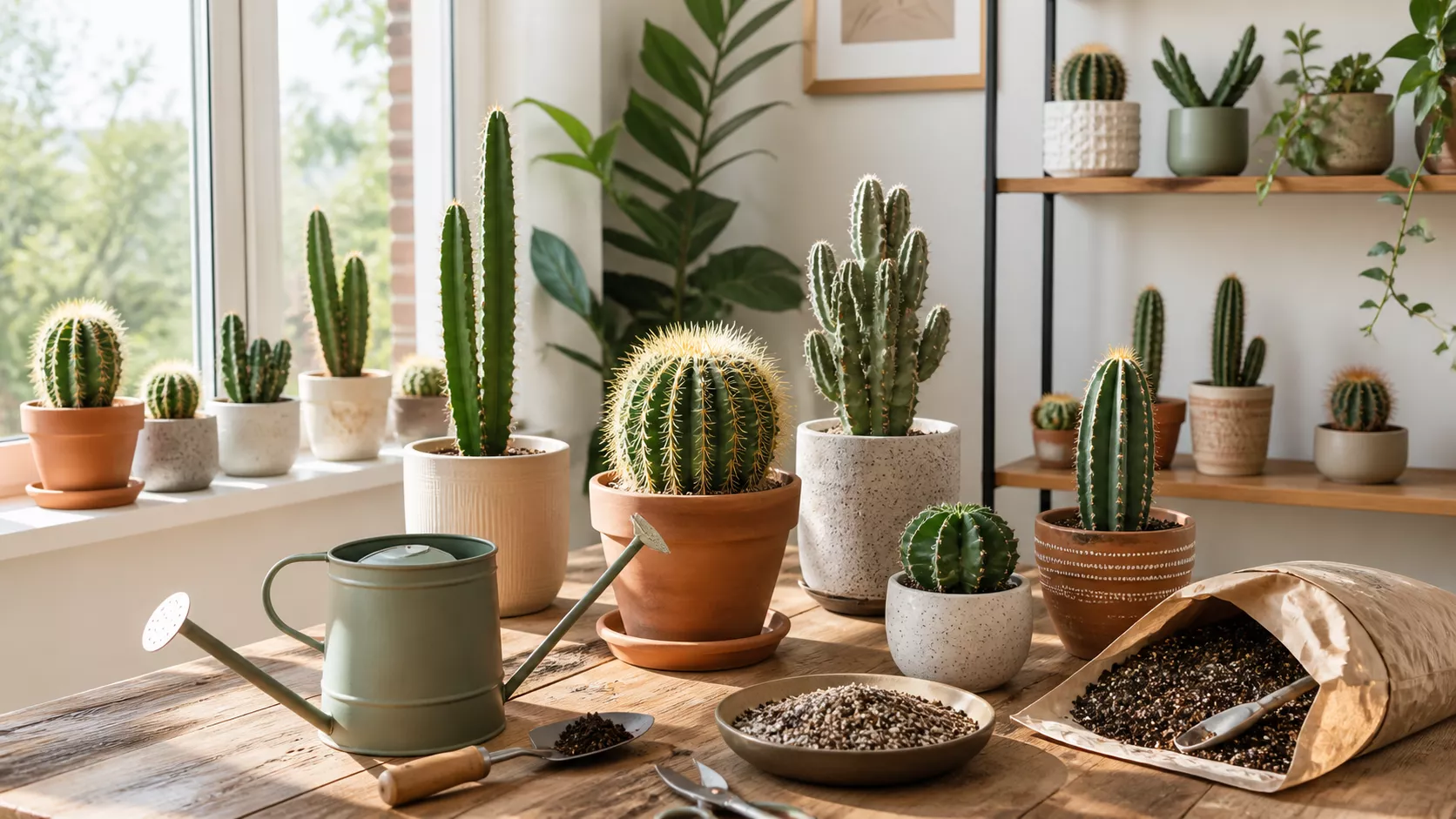
Succulents can be great kitchen plants if the kitchen has a sunny window. They are compact, decorative, and available in many shapes and colors.
Because succulents store water in their leaves, they need less frequent watering. They prefer bright light and fast-draining soil.
However, succulents are not ideal for dark kitchens. Without enough light, they may stretch and lose their attractive shape.
First, windowsills are ideal for herbs and sun-loving plants. Basil, rosemary, thyme, oregano, chives, and succulents usually benefit from bright windows.
Additionally, shelves are useful for trailing plants like pothos and philodendron. A high shelf can create a green cascade without using counter space.
Also, hanging planters can work well in small kitchens. They keep plants off the counters and add decoration to vertical space.
For small kitchens, choose compact plants that do not take up too much room. Herbs in small pots, pothos cuttings, mini succulents, small spider plants, and small snake plants can work well.
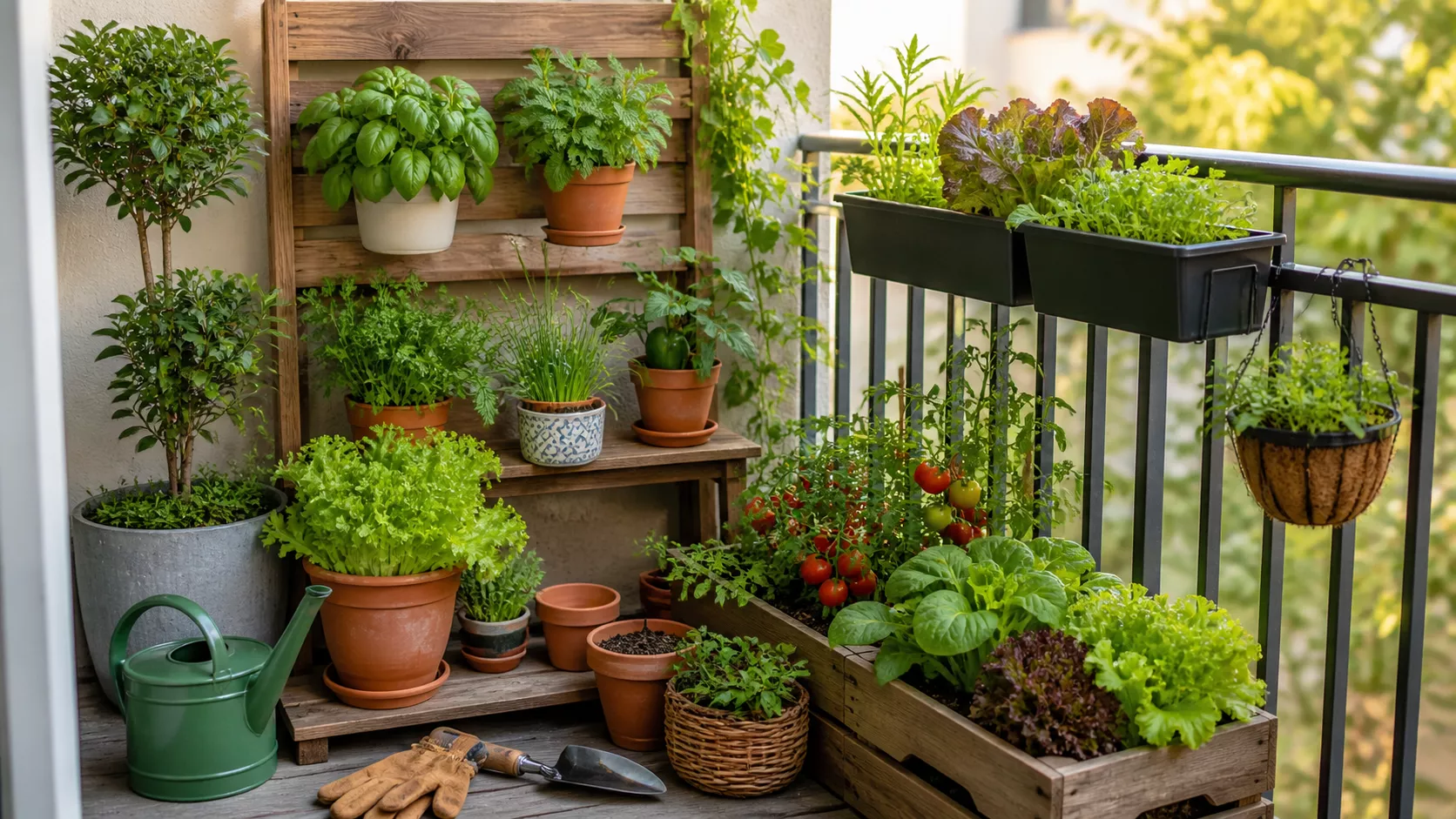
Additionally, use vertical solutions. Wall-mounted planters, magnetic pots, hanging baskets, and narrow shelves can help you create greenery without losing workspace.
However, avoid overcrowding. A kitchen should remain practical and easy to clean. A few well-placed plants are better than too many pots in the way.
To create a kitchen herb garden, choose herbs that match your cooking habits. If you cook pasta often, basil and oregano may be useful. If you like teas and drinks, mint can be a good choice.
Then, place the herbs where they receive enough light. Most herbs need strong brightness to stay healthy and flavorful.
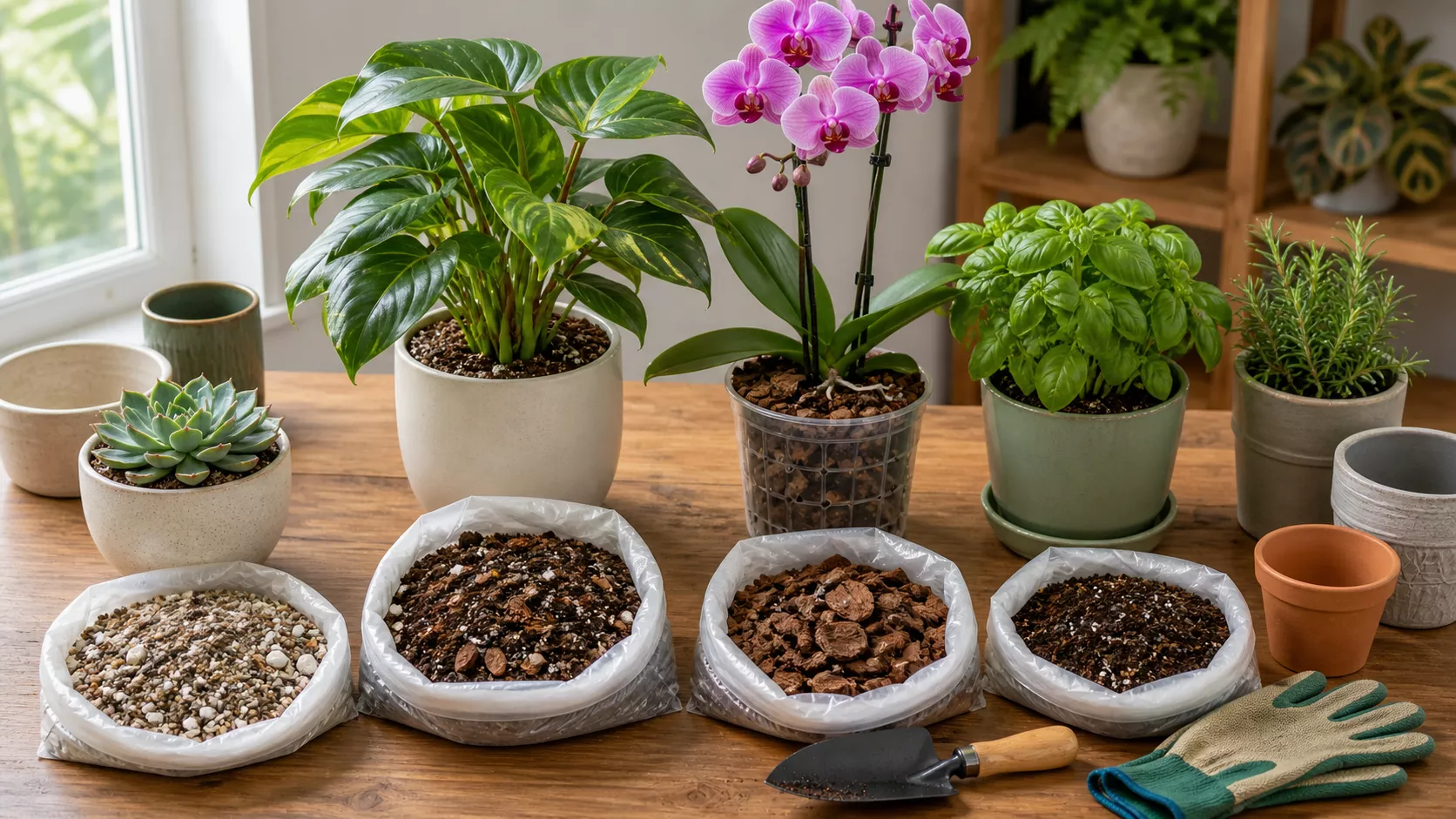
Finally, use pots with drainage holes and suitable soil. Herbs do not grow well in containers where water stays trapped. Good drainage is essential.
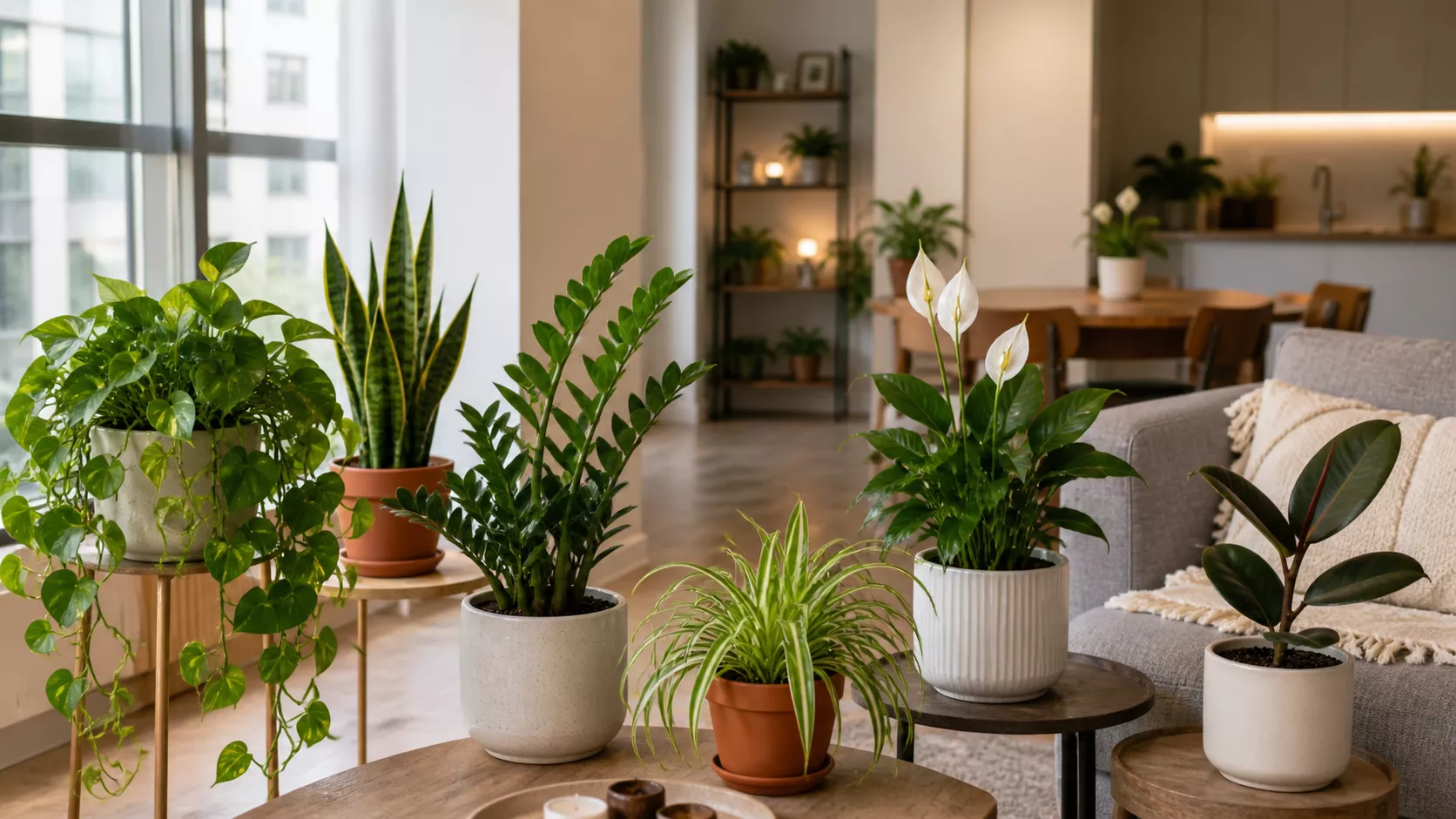
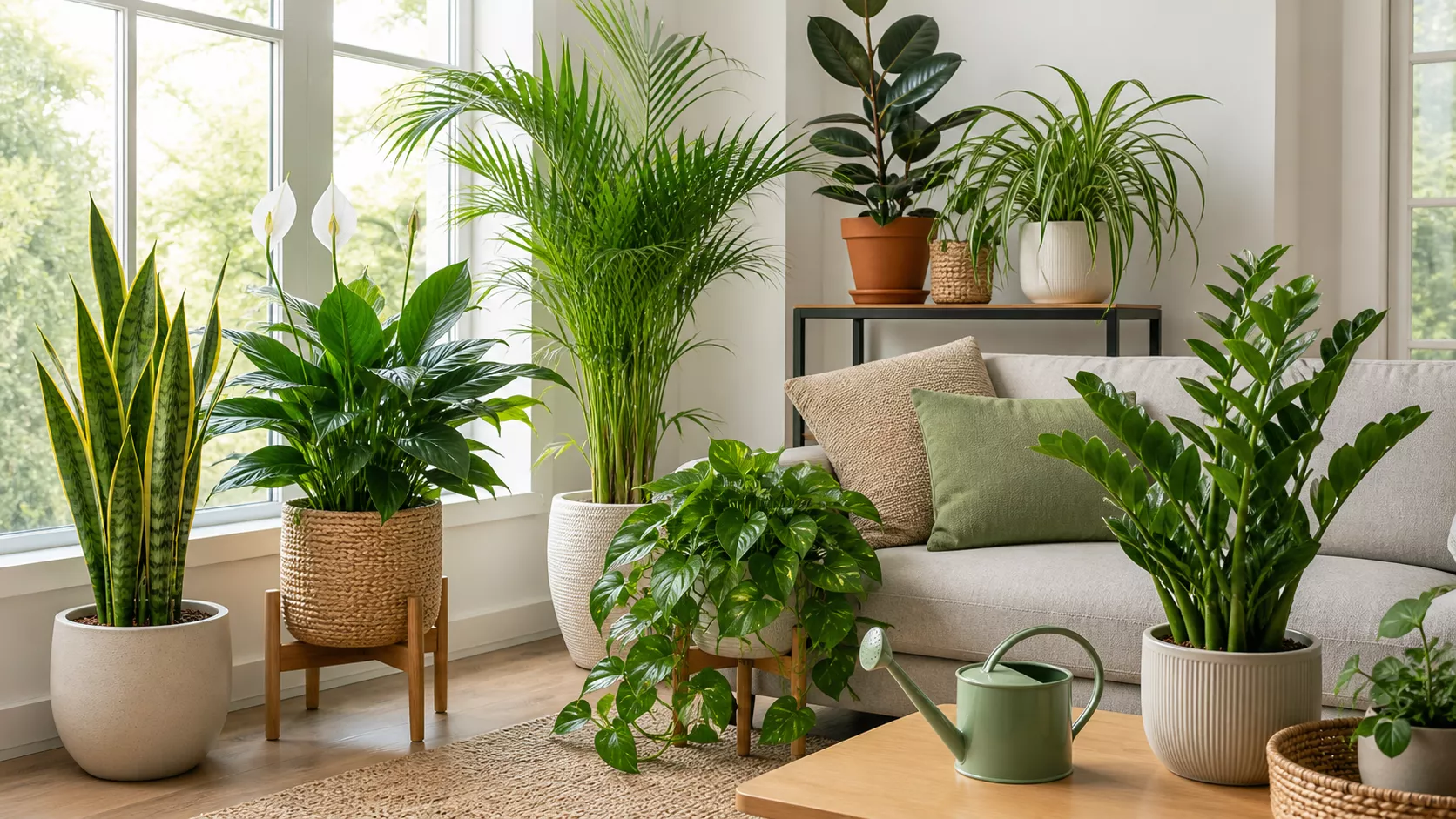
First, combine herbs and decorative plants. Herbs bring function, while plants like pothos, spider plant, and snake plant add long-lasting greenery.
Next, use matching pots to create a clean visual style. White ceramic pots, terracotta containers, metal holders, or wooden shelves can make the arrangement look intentional.
Also, label herb pots if you grow several types. Small labels can be decorative and practical, especially for beginners.
A vertical garden is an excellent idea for kitchens with limited counter space. You can use wall planters, hanging rails, stacked shelves, or small vertical stands.
This method works especially well for herbs, small leafy plants, and trailing plants. It keeps greenery visible without occupying important work areas.
However, make sure all plants are easy to reach for watering and pruning. A vertical garden should be beautiful but also practical.
Hanging plants can make the kitchen feel cozy and stylish. Pothos, spider plant, philodendron, and trailing herbs can look beautiful in hanging baskets.
When using hanging plants, check that the planter is secure and not above hot appliances. Safety is important, especially in active kitchen areas.
Also, remove hanging pots for watering if needed. Let excess water drain completely before placing them back to avoid dripping on counters or floors.
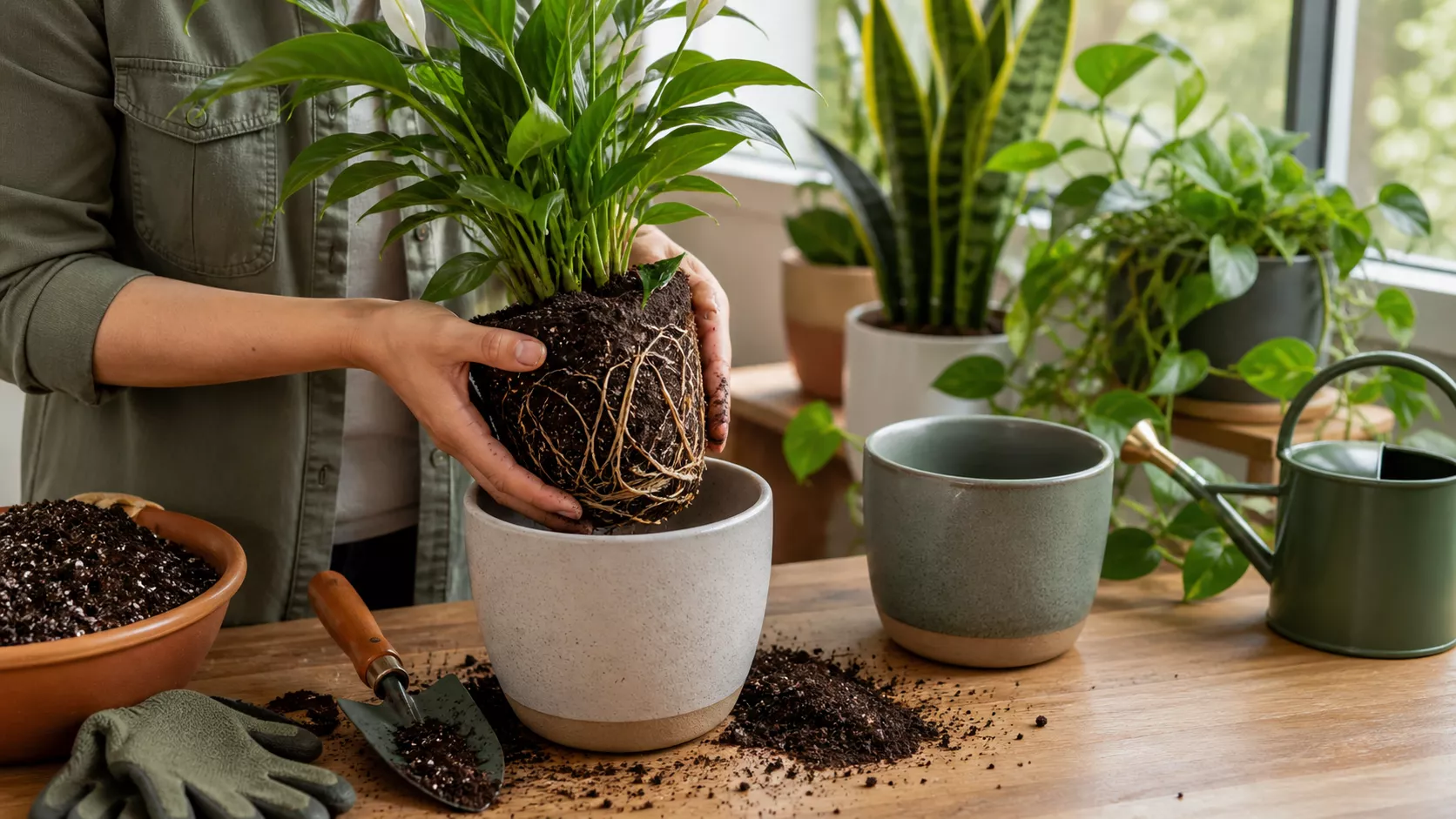
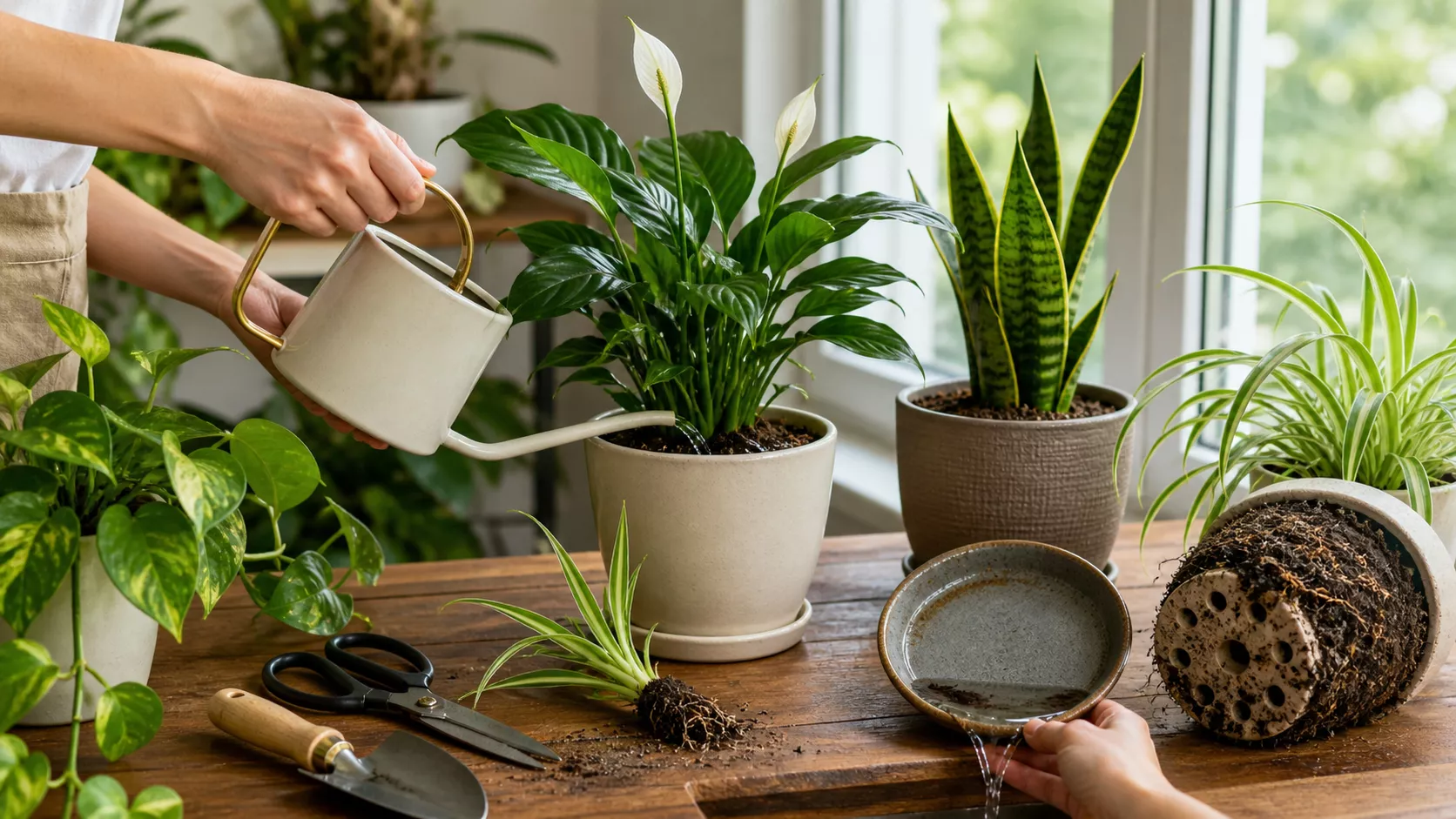
Importantly, watering depends on the plant type. Herbs like basil and parsley usually need more consistent moisture, while rosemary, thyme, succulents, and snake plants prefer drier soil.
Before watering, check the soil with your finger. Do not water all kitchen plants at the same time unless they actually need it.
When watering, water thoroughly and let excess water drain. Avoid letting pots sit in water, especially on counters or windowsills.
Because kitchens can have steam, grease, and cooking residue, plant leaves may become dirty faster than in other rooms. Clean leaves help plants absorb light and look attractive.
For broad leaves, wipe gently with a damp cloth. For smaller herbs, rinse carefully if needed and allow them to dry with good airflow.
Also, keep plants away from oil splashes and strong cleaning products. Residue from cooking or chemicals can damage leaves over time.
One important rule is to keep plants away from direct heat. The stove, oven, toaster, and other appliances can release hot air that dries or burns leaves.
Additionally, sudden temperature changes can stress plants. A plant may look good near the stove, but heat exposure can weaken it over time.
Therefore, choose locations with light but without intense heat. A bright windowsill away from appliances is usually better than a spot near the cooking area.
One common mistake is growing herbs in low light. Many herbs need strong brightness, and without it, they become weak and less flavorful.
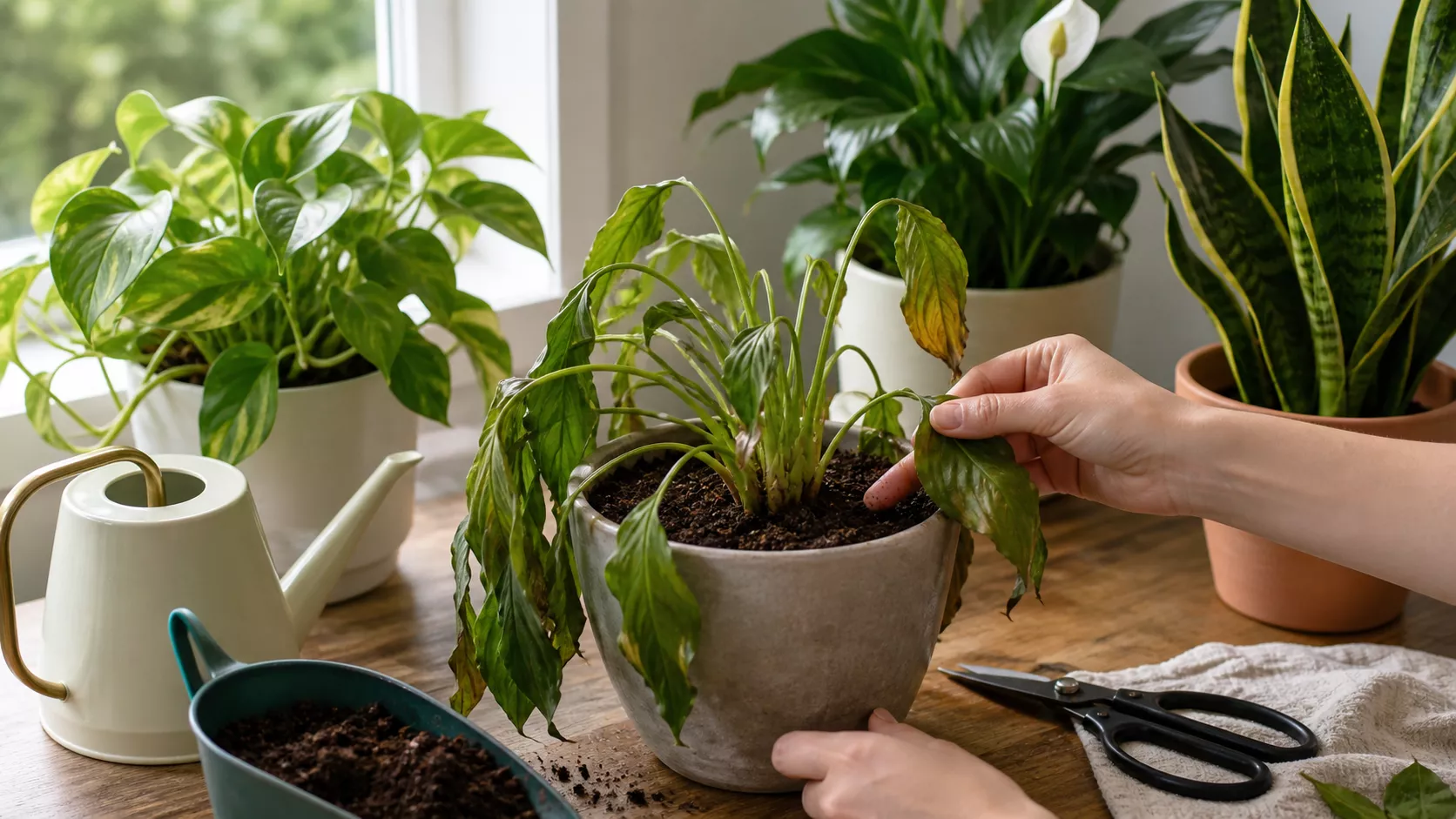
Another mistake is overwatering decorative plants. Kitchens may be humid, and some plants dry slowly indoors. Always check soil before watering.
Also, avoid using pots without drainage. Even small kitchen plants need excess water to escape.
Importantly, some kitchen plants can be unsafe for cats and dogs if chewed. Pothos, snake plant, aloe vera, and some other common plants may be toxic to pets.
Because of this, place plants where pets cannot reach them. High shelves, hanging planters, or closed kitchen areas may help.
If you have pets, research each plant before buying it and choose pet-safe options for accessible areas.
To care for kitchen plants successfully, check light first. Place herbs in the brightest spots and decorative plants in suitable indirect light.
Then, check soil moisture before watering. Different plants have different needs, so avoid treating all pots the same way.
Finally, clean leaves, prune herbs, remove dry foliage, and inspect for pests weekly. A simple routine keeps kitchen plants beautiful and useful.
In conclusion, kitchen plants can make your home more beautiful, practical, and welcoming. Herbs such as basil, parsley, chives, mint, rosemary, thyme, and oregano are useful for cooking, while pothos, spider plant, snake plant, aloe vera, and succulents bring decorative greenery.
Above all, choose plants that match your kitchen’s light, space, and routine. Herbs usually need brighter light, while decorative houseplants may adapt better to indirect or moderate light.
Ultimately, the best plants for kitchen decor are the ones that stay healthy and fit naturally into your daily life. With good placement, proper watering, clean leaves, and a simple care routine, your kitchen can become fresher, greener, and more enjoyable.