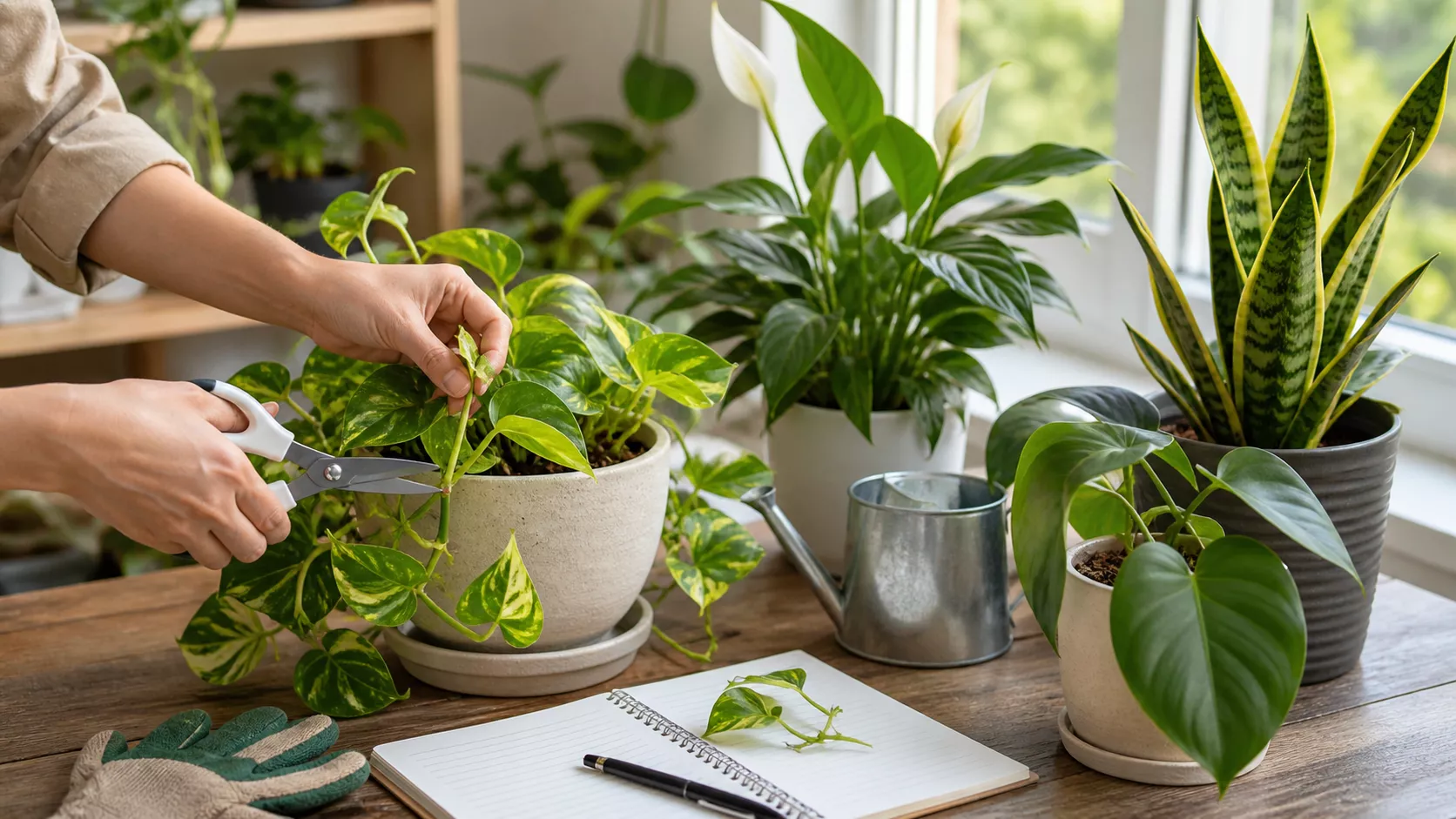
How to Make Plant Cuttings the Right Way

First, learning how to make plant cuttings the right way is one of the most useful skills for anyone who loves plants. Propagation allows you to create new plants from plants you already have, making your indoor garden, balcony, or outdoor space greener without always buying new pots.
Additionally, making cuttings is practical, affordable, and rewarding. It can be done with many popular houseplants and herbs, such as pothos, philodendron, mint, basil, rosemary, coleus, monstera, and many others. When done correctly, a small cutting can grow roots and become a strong new plant.
However, not every cutting will root successfully if the process is done without care. The plant must be healthy, the cutting must include the right growth points, and the environment must support root development. Therefore, this guide will explain plant propagation for beginners in a clear and simple way.
First, plant cuttings are pieces removed from a parent plant and used to grow a new plant. These pieces can come from stems, leaves, roots, or divisions, depending on the species.
Most commonly, beginners use stem cuttings because they are simple and work well with many houseplants and herbs. A stem cutting usually includes part of a stem, one or more leaves, and at least one node.
Because of this, understanding where to cut is very important. A cutting without the correct growth point may stay alive for a while but never produce roots.
First, cuttings are a great way to multiply your favorite plants. If you have a healthy pothos, mint, basil, or philodendron, you can create new plants from it instead of buying more.
Also, propagation can help save a plant that is becoming too long, leggy, or damaged. By cutting healthy parts and rooting them, you can refresh the plant and grow new sections.
Furthermore, making cuttings is useful for sharing plants with friends or family. A small rooted cutting can become a thoughtful and simple gift.
Before taking any cutting, choose a healthy parent plant. The original plant should have strong growth, firm stems, healthy leaves, and no serious pest or disease problems.
If the plant is weak, overwatered, infested, or stressed, the cutting may struggle to root. A stressed plant may not have enough energy to support successful propagation.
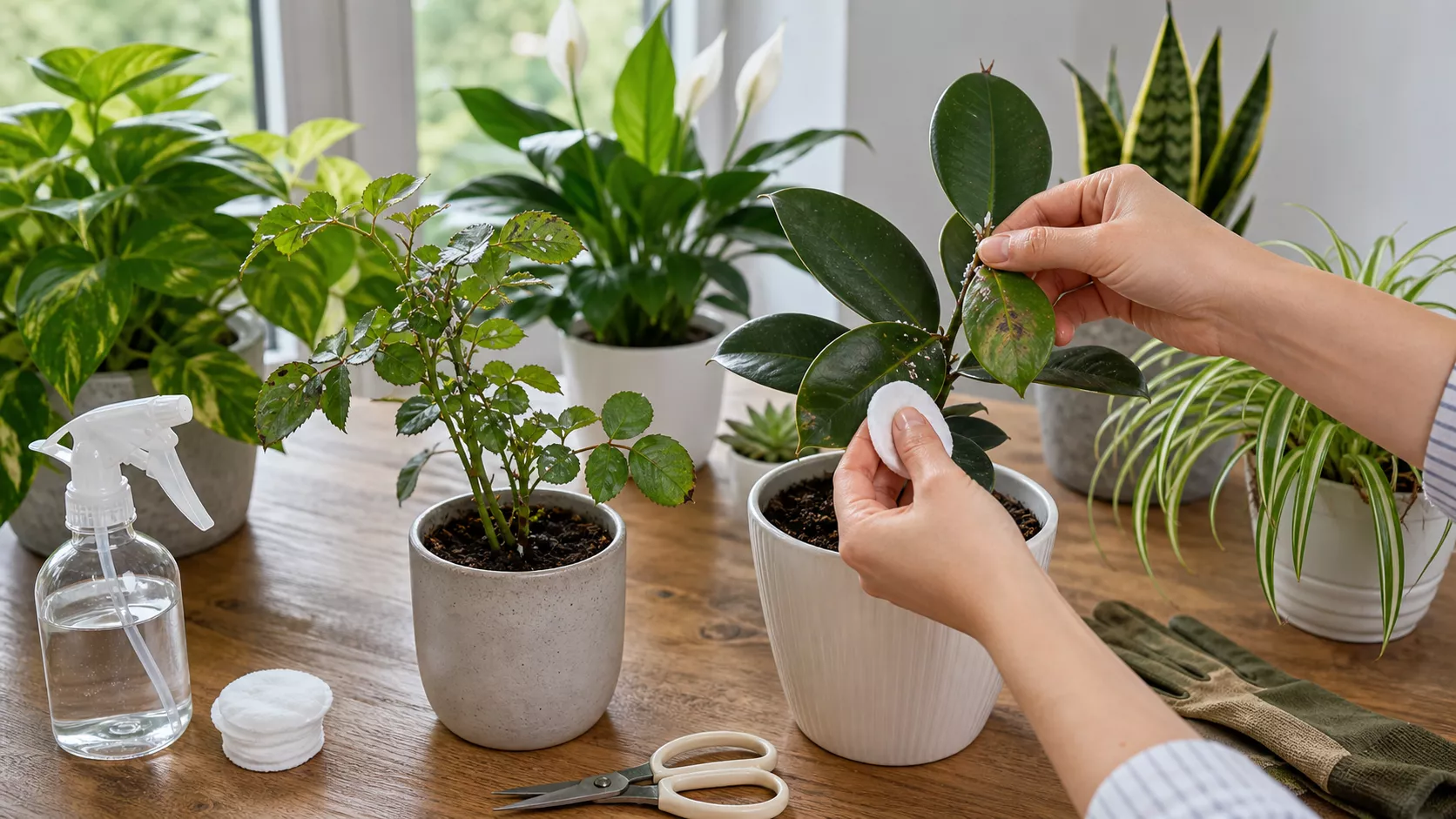
Therefore, inspect the parent plant carefully. Look under leaves, check stems, and make sure the plant is growing well before cutting.
Next, always use clean scissors, pruning shears, or a sharp knife. Dirty tools can spread pests, bacteria, or disease from one plant to another.
Before cutting, clean the tool with alcohol or wash it well and dry it. A clean cut helps the plant heal better and reduces the risk of infection.
Additionally, sharp tools are better than dull tools. A dull blade can crush the stem instead of cutting it cleanly, making rooting harder.
Most importantly, many stem cuttings need a node to root. A node is the small point on the stem where leaves, aerial roots, or new growth appear.
For plants like pothos, philodendron, monstera, mint, and basil, roots often grow from the node. If you cut a stem without a node, it may not develop roots.
To identify a node, look for a small bump or joint on the stem. Cut just below the node so the cutting has the best chance of rooting.
When selecting a stem cutting, choose a healthy section that is not too old or too weak. A strong green or semi-mature stem often roots better than a dry, damaged, or very woody stem.
Also, avoid stems with yellow leaves, pests, black spots, or soft areas. These signs may indicate stress or disease.
Ideally, choose a cutting with at least one or two nodes and a few healthy leaves. This gives the cutting enough energy while also allowing roots to form.
After cutting, remove the lower leaves from the part of the stem that will go into water or soil. Leaves buried in soil or submerged in water can rot.
For water propagation, make sure only the node and lower stem are underwater. Leaves should stay above the water surface.
For soil propagation, remove leaves from the lower section and plant the node under the soil. This keeps the cutting cleaner and reduces the chance of rot.
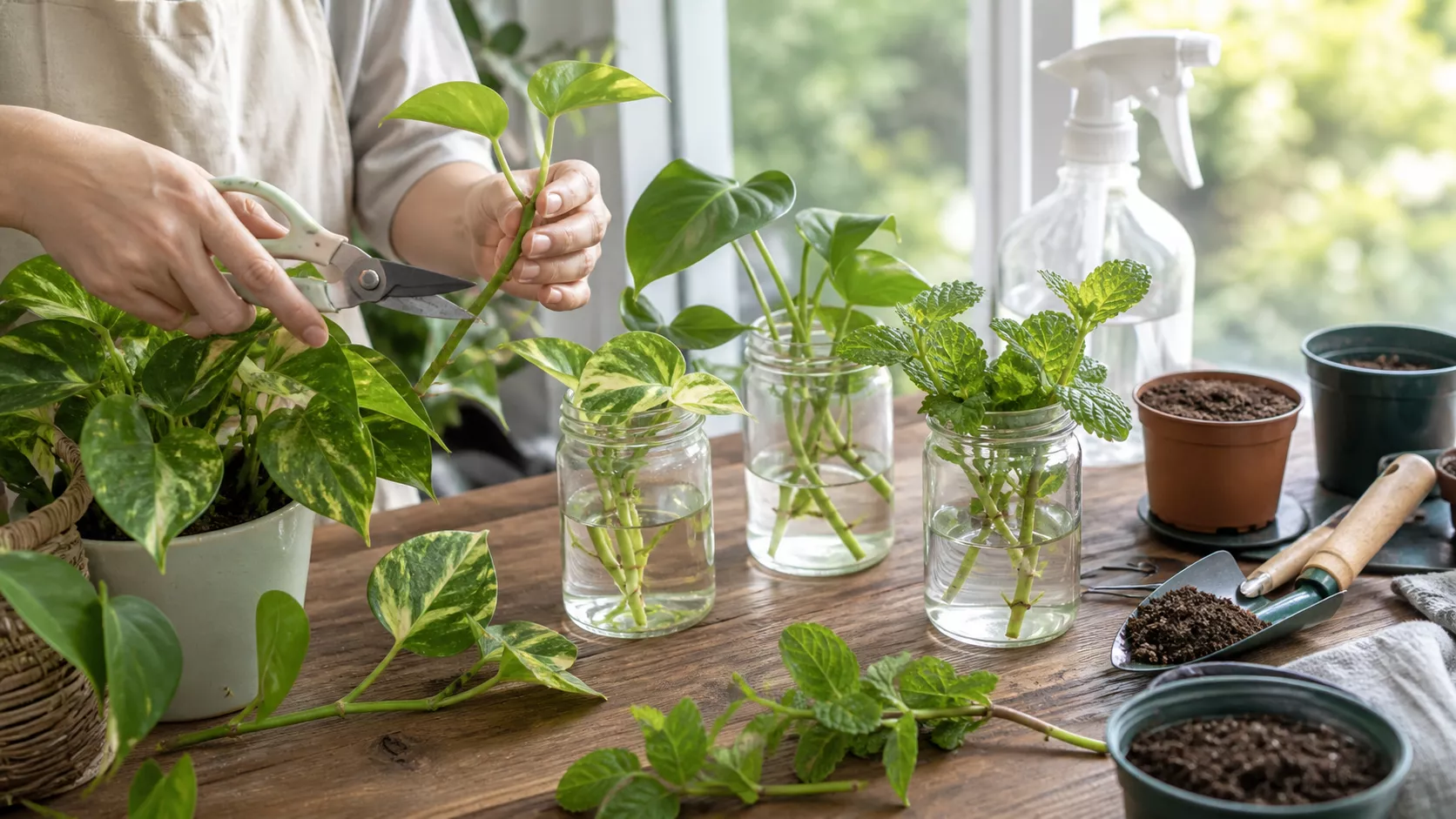
Water propagation is one of the easiest methods for beginners because you can see the roots growing. It works well for pothos, philodendron, mint, basil, coleus, and some monstera cuttings.
To do this, place the cutting in a clean glass or jar with room-temperature water. Make sure at least one node is underwater and the leaves stay above the surface.
Then, place the jar in bright indirect light. Change the water every few days or whenever it looks cloudy. Fresh water helps prevent bad smells and supports healthier root growth.
Soil propagation is another excellent method. Some plants root better in soil than water, and soil-grown roots may adapt more easily after rooting.
To propagate in soil, place the cutting into a small pot with light, well-draining soil. The node should be under the soil, while the leaves remain above it.
After planting, water gently and keep the soil lightly moist but not soggy. Place the pot in bright indirect light and avoid harsh direct sun while roots develop.
Both methods can work well, but they have different advantages. Water propagation allows you to watch root growth, which is exciting and helpful for beginners.
However, roots grown in water are different from roots grown in soil. When moved to soil, the cutting may need time to adjust.
Soil propagation may be less visible, but it can create roots that are already adapted to soil. The best method depends on the plant type and your preference.
Cuttings need bright indirect light while they root. Light helps the cutting stay strong, but too much direct sun can dry it out or stress it.
A good location is near a bright window with filtered light. Avoid dark corners because cuttings may weaken without enough brightness.
Also, avoid intense afternoon sun. Cuttings do not have a full root system yet, so they cannot replace lost moisture as easily as mature plants.
Moisture balance is very important during propagation. A cutting needs enough moisture to stay alive, but too much moisture can cause rot.
For water propagation, keep the node underwater and change the water regularly. Do not let leaves rot in the water.
For soil propagation, keep the soil lightly moist. It should not be dry for long periods, but it should also not be muddy or soaked.
Some cuttings root better with higher humidity, especially tropical houseplants. Humidity helps reduce moisture loss from leaves while roots are still developing.
You can increase humidity by placing a clear plastic cover over the cutting, but make sure there is some airflow. Too much trapped moisture can create mold.
However, not all plants need high humidity. Succulents, cacti, and many herbs may prefer better airflow and less moisture. Always consider the plant type.
Many beginners add fertilizer to cuttings hoping they will root faster. However, this is usually not necessary and can even stress young roots.
Cuttings first need to develop roots before they can use fertilizer properly. Strong fertilizer can damage delicate new roots.
Therefore, wait until the cutting has rooted and started producing new growth before fertilizing lightly. Patience is better than forcing growth too early.
Rooting time depends on the plant species, season, temperature, light, and health of the cutting. Some plants root within a couple of weeks, while others take much longer.
For example, pothos, mint, basil, and coleus often root quickly. Rosemary, woody herbs, and some larger houseplants may take more time.
Because of this, do not give up too soon. As long as the cutting stays firm and healthy, it may still be developing roots.
For water propagation, move the cutting to soil when the roots are several centimeters long and look strong enough to support the plant.
If you wait too long, water roots may become very long and delicate. They can break during planting or struggle to adjust to soil.
When planting, use a small pot with drainage holes and light soil. Keep the soil slightly moist at first while the cutting adapts.
To plant rooted cuttings, choose a small pot that fits the root system. Avoid a very large pot because extra soil can stay wet too long.
Place the cutting gently into the soil and cover the roots carefully. Do not press too hard, because new roots can be delicate.
After planting, water lightly and place the pot in bright indirect light. Give the new plant time to adjust before moving it or fertilizing it.
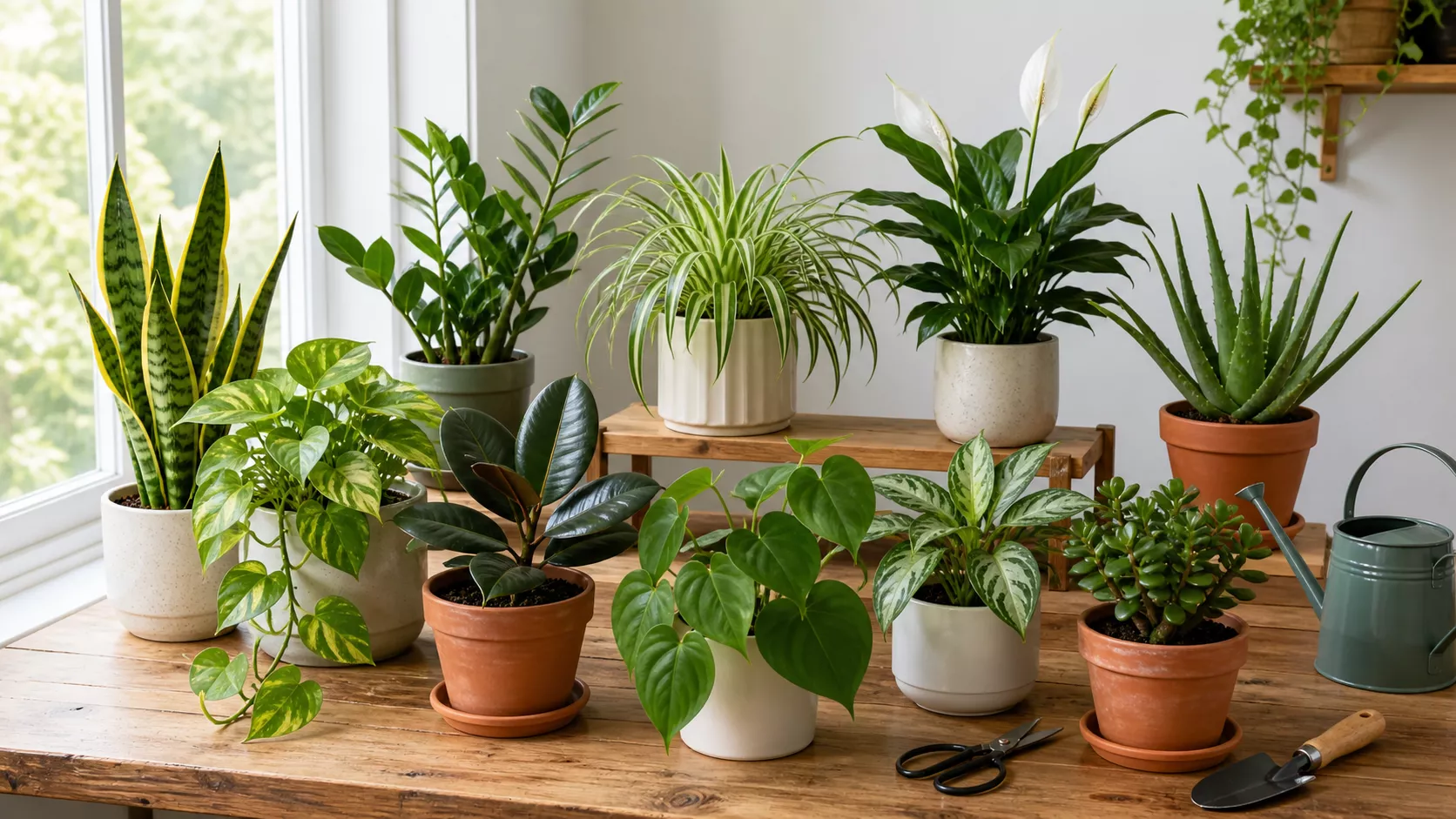
Many popular plants are easy to propagate from cuttings. Pothos, philodendron, monstera, tradescantia, coleus, basil, mint, rosemary, lavender, and many succulents can be propagated in different ways.
For beginners, pothos, mint, basil, and philodendron are excellent choices because they root easily and grow quickly.
However, each plant has specific needs. Some root best in water, others in soil, and some need special preparation before planting.
Pothos is one of the easiest plants to propagate. Cut a vine below a node, remove the lower leaf, and place the node in water or soil.
In water, roots often appear from the node. Keep the cutting in bright indirect light and change the water regularly.
Once roots are long enough, plant the cutting in soil. You can also plant several cuttings together to create a fuller pot.
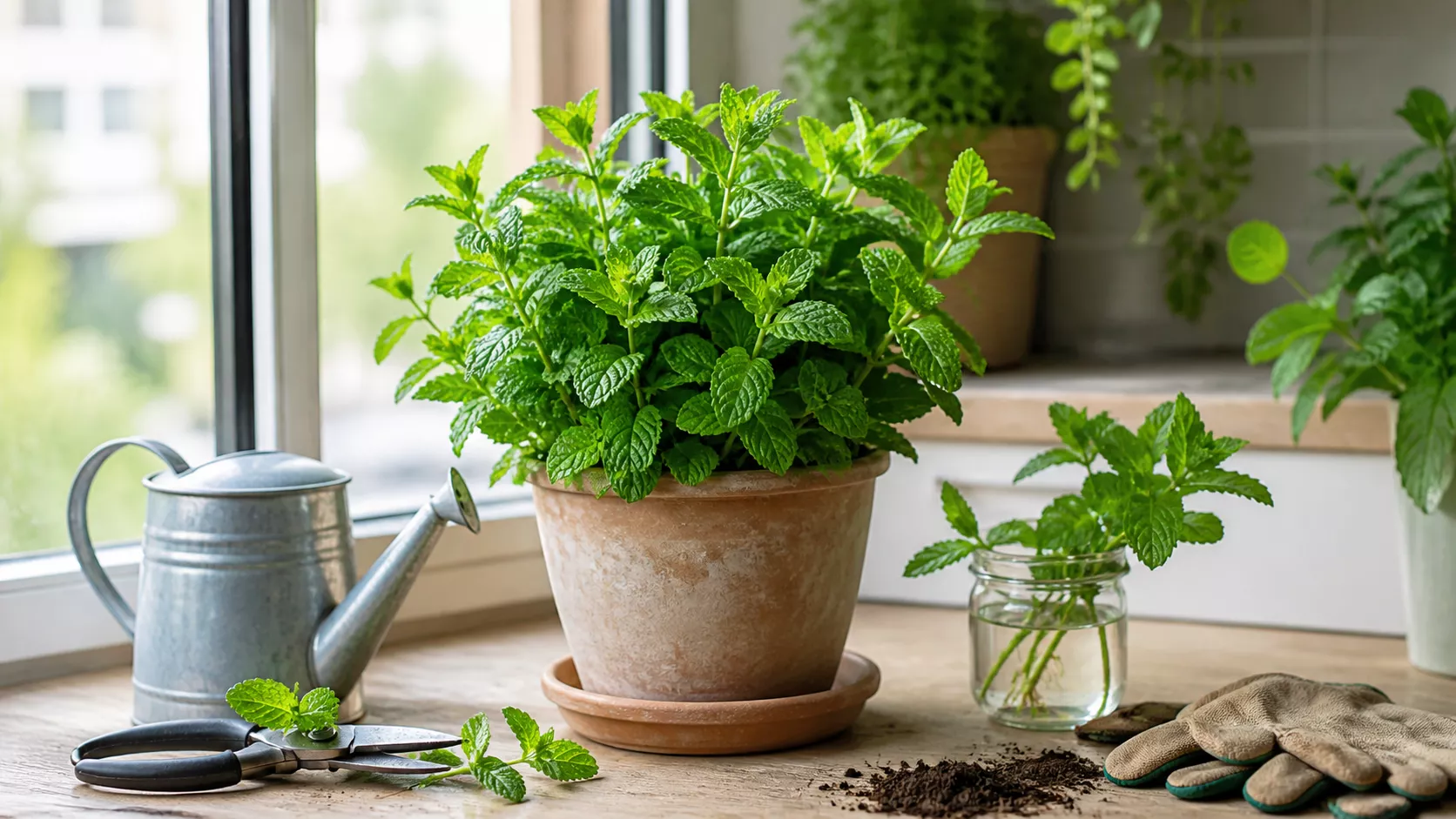
Mint roots very easily from cuttings. Cut a healthy stem, remove the lower leaves, and place it in water.
After roots appear, plant the cutting in its own pot. Mint should usually grow separately because it spreads quickly.
Keep the soil lightly moist and place the plant in bright light. Regular pruning will help it become fuller.
Basil can also be propagated from cuttings. Cut a healthy stem below a node and remove the lower leaves.
Place the cutting in water and keep it in bright indirect light. Roots often develop quickly when conditions are warm and bright.
Once rooted, plant it in soil and give it enough sunlight. Basil needs good light to stay strong and productive.
Rosemary can be propagated from cuttings, but it usually takes longer than mint or basil. Choose a healthy semi-soft stem and remove the lower leaves.
Place the cutting in a light soil mix or water, depending on your preference. Soil propagation is often used for woody herbs.
Keep it in bright indirect light and avoid soggy soil. Patience is important because rosemary roots slowly.
Many succulents can be propagated from leaves or stem cuttings. The cutting usually needs to dry for a short period before being placed on soil.
This drying period helps the cut end form a callus, which reduces the risk of rot when it touches soil.
After that, place the leaf or cutting on fast-draining soil and provide bright indirect light. Water carefully and avoid keeping the soil too wet.
One common mistake is taking cuttings without nodes. For many plants, a cutting without a node cannot produce roots or new growth.
Another mistake is placing cuttings in harsh direct sun. Since they have little or no root system, they can dry out quickly.
Also, avoid keeping soil too wet. Excess moisture can cause rot before roots have time to grow.
Cuttings rot when there is too much moisture, poor airflow, dirty tools, unhealthy plant material, or leaves submerged in water.
To prevent rot, use clean tools, remove lower leaves, avoid soggy soil, and change water regularly when using water propagation.
If a cutting becomes soft, black, or smells bad, remove it from other cuttings. It is usually better to start again with a healthy stem.
Sometimes, cuttings do not root because they were taken from weak plants, cut in the wrong place, kept in low light, or exposed to poor moisture conditions.
Also, some plants naturally take longer to root than others. A cutting may look unchanged for weeks before roots appear.
To improve success, choose healthy stems, include nodes, provide bright indirect light, and keep moisture balanced.
After rooting, young plants need gentle care. Keep them in bright indirect light and avoid extreme conditions.
Water carefully, because young roots can be sensitive. The soil should stay slightly moist at first, but not soaked.
Once the plant begins producing new growth, you can slowly treat it like a normal plant. Fertilize lightly only after it is established.
If you propagate several plants at once, labels can help you stay organized. Write the plant name and the date you took the cutting.
This makes it easier to track rooting time and understand which methods work best for each plant.
Additionally, labeling is useful when propagating herbs or similar-looking plants. It prevents confusion later.
Propagation requires patience. Some cuttings root quickly, while others take longer. Checking too often, pulling cuttings from soil, or changing methods repeatedly can slow the process.
Instead, observe gently. Look for signs of new growth, firmness, and root development if using water.
With time, you will learn which plants root easily in your home conditions and which need more care.
In conclusion, learning how to make plant cuttings the right way is a valuable skill for beginners and plant lovers. With clean tools, healthy stems, proper nodes, balanced moisture, and bright indirect light, many cuttings can grow into strong new plants.
Above all, remember that each plant has its own propagation style. Pothos, mint, basil, philodendron, rosemary, succulents, and monstera may all need slightly different methods.Ultimately,plant propagation for beginners is a process of observation, patience, and practice. When you learn how cuttings root and grow, you can multiply your favorite plants, refresh old pots, and create a greener home with confidence.