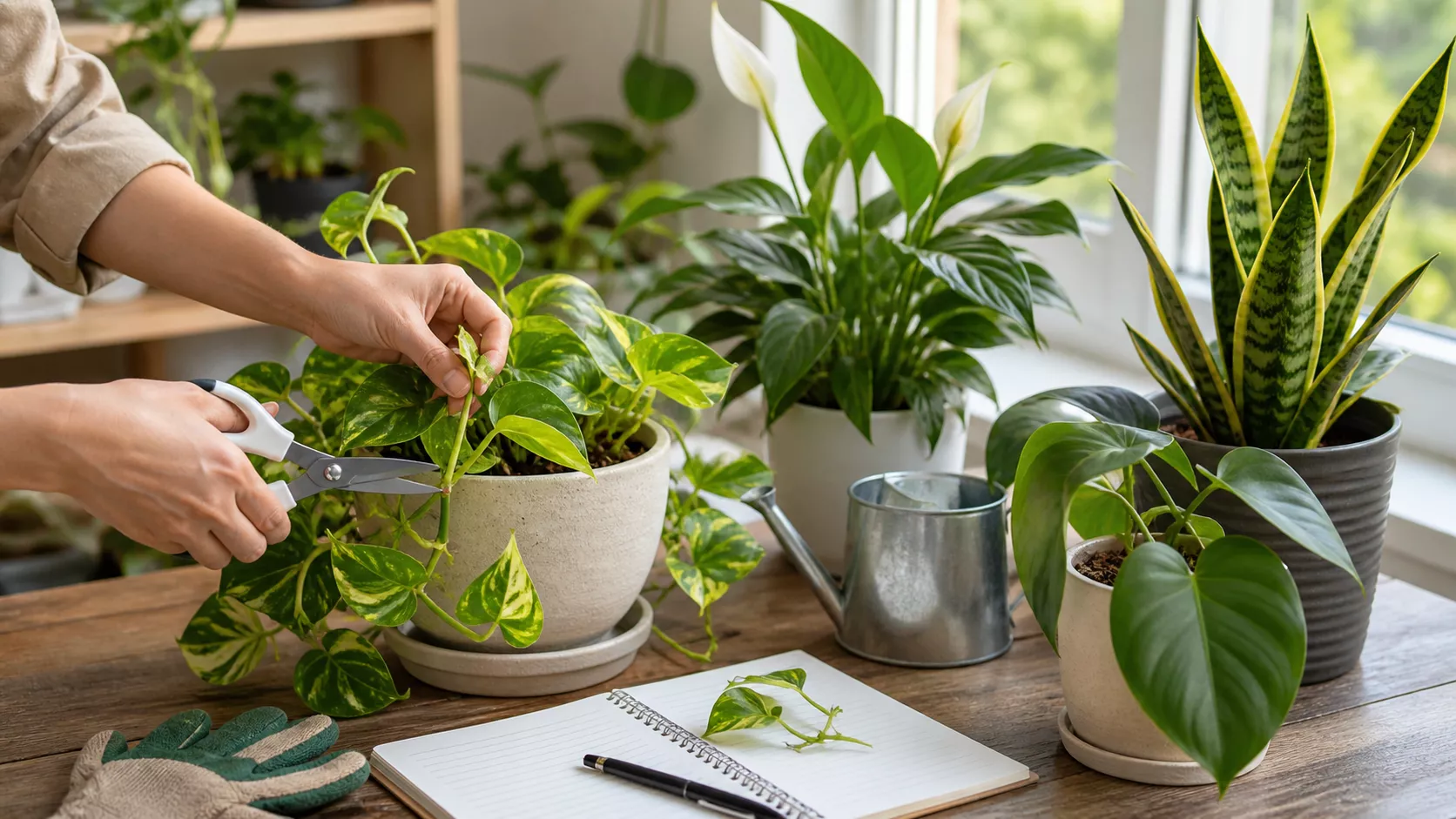
How to Make Plant Cuttings the Right Way

First, learning how to grow rosemary in a pot is a great choice for anyone who wants a beautiful, aromatic, and useful herb at home. Rosemary is known for its narrow green leaves, woody stems, strong fragrance, and practical use in cooking. It can be grown on balconies, patios, sunny windowsills, small gardens, and kitchen areas with enough light.
Additionally, rosemary is a very decorative herb. Its upright growth and pleasant aroma make it perfect for pots, herb gardens, and small outdoor spaces. It can be used in roasted vegetables, breads, potatoes, sauces, soups, meats, and homemade seasonings.
However, rosemary has different needs from softer herbs such as basil, parsley, and mint. It prefers strong light, excellent drainage, and soil that dries between waterings. Therefore, this guide will explain rosemary plant care in a simple way so you can keep your potted rosemary healthy and productive.
First, rosemary is useful because fresh leaves can be harvested whenever you need them. Fresh rosemary has a strong aroma and can add flavor to many homemade dishes.
Also, rosemary is a long-lasting herb when cared for correctly. Unlike some herbs that complete their cycle quickly, rosemary can grow for a long time in a pot with proper pruning, light, and drainage.
Furthermore, rosemary adds beauty to the home. Its woody shape can look like a small shrub, making it attractive on balconies, patios, and sunny corners.
First, you can grow rosemary from seeds, cuttings, or seedlings. For beginners, buying a healthy seedling is usually the easiest option because rosemary seeds can take longer to germinate and grow slowly at first.
When choosing a rosemary seedling, look for firm green leaves, strong stems, and no signs of pests, mold, or yellowing. Avoid plants with dry, brittle branches or soggy soil.
Additionally, choose a plant that is not too crowded in its pot. A very root-bound rosemary may need repotting soon, while a weak plant may struggle to adapt.
Most importantly, rosemary needs plenty of sunlight. It grows best with several hours of direct sun each day. A sunny balcony, patio, garden spot, or bright windowsill can be ideal.
If rosemary does not receive enough light, it may become weak, stretched, pale, or less aromatic. The stems may grow long and thin instead of compact and strong.
Therefore, place rosemary in the brightest location available. If growing indoors, choose the sunniest window possible. In low-light homes, rosemary may struggle unless a grow light is used.
Yes, rosemary can grow indoors, but it needs strong light and good airflow. Many indoor rosemary plants fail because they are placed too far from a sunny window or watered too often.
For indoor rosemary, place the pot near a very bright window that receives direct sun. Rotate the pot occasionally so all sides receive light.
Also, avoid placing rosemary near heaters, cold drafts, or very humid dark areas. It prefers bright, airy conditions and does not like constantly damp soil.
Next, choosing the right pot is essential for rosemary. The pot should have drainage holes and enough depth for the roots to grow.
Terracotta pots are often a good choice because they are porous and help the soil dry faster. This is useful for rosemary, which does not like soggy conditions.
However, any pot can work if it has drainage and the soil drains well. Avoid pots without holes, because trapped water can quickly damage rosemary roots.
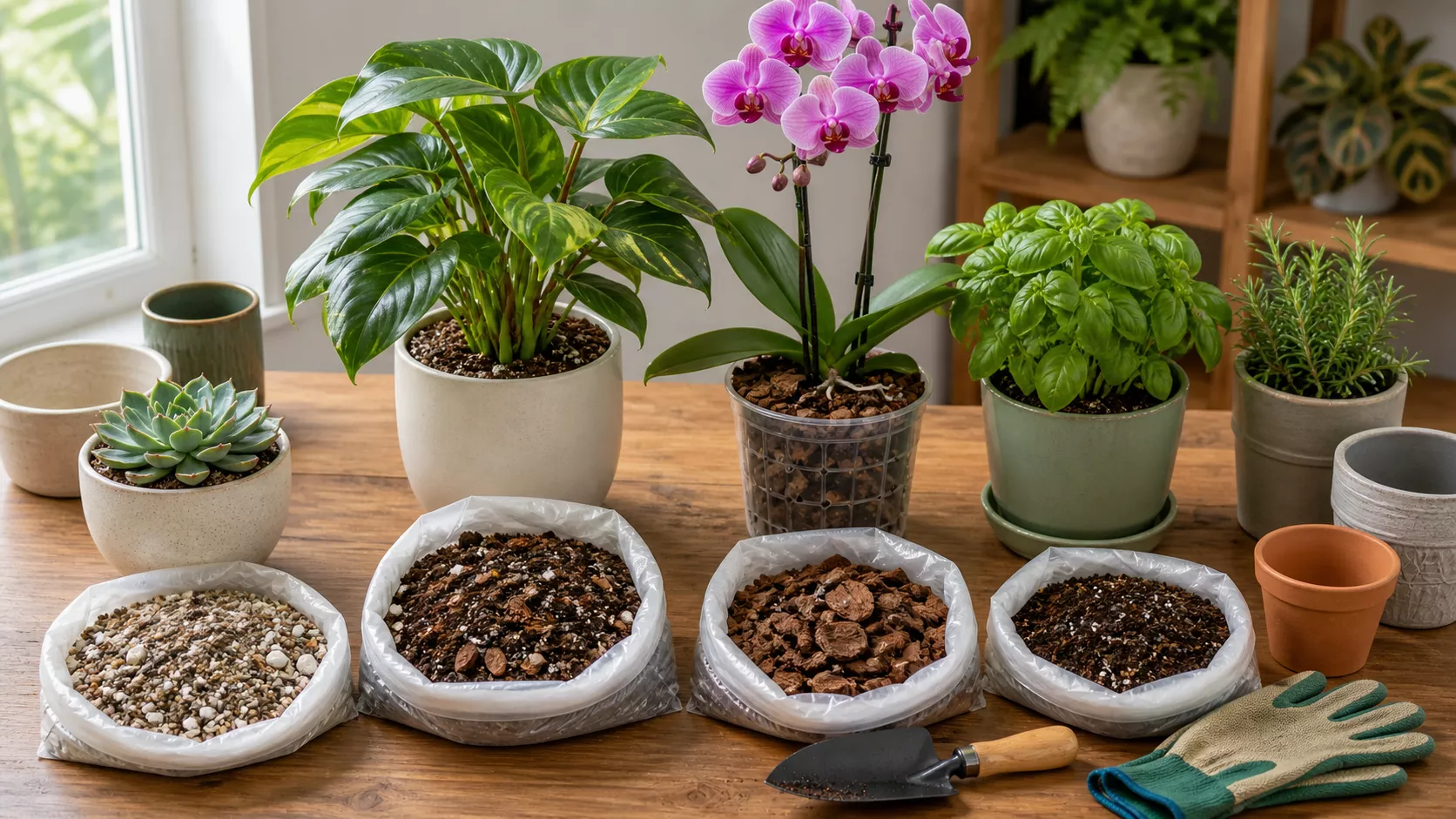
Another important factor is soil. Rosemary prefers light, well-draining soil. Heavy soil that holds too much moisture can cause root problems.
A good soil mix can include potting mix combined with perlite, coarse sand, pumice, or small bark particles. These materials improve drainage and airflow around the roots.
Additionally, avoid rich, heavy, constantly moist soil. Rosemary naturally grows well in leaner conditions, so the soil should not feel muddy or compacted after watering.
To plant rosemary, start with a pot that has drainage holes. Add a well-draining soil mix and place the rosemary at the same depth it was growing before.
Then, fill around the root ball with soil and press gently. Do not bury the stem too deeply, because excess moisture around the base can cause problems.
After planting, water lightly but thoroughly and let excess water drain away. Place the pot in a bright sunny location and allow the plant time to adjust.
Watering is one of the most important parts of growing rosemary in pots. Rosemary prefers the soil to dry partially before watering again. It does not like constant moisture.
Before watering, check the soil with your finger. If the top few centimeters feel dry, the plant may need water. If the soil still feels moist, wait longer.
When watering, water deeply until excess water drains from the bottom. Then allow the soil to dry again. This method supports healthier roots than frequent small splashes.
Unfortunately, overwatering is one of the most common reasons rosemary declines. When roots stay wet too long, the plant can develop yellow leaves, blackened stems, wilting, or root damage.
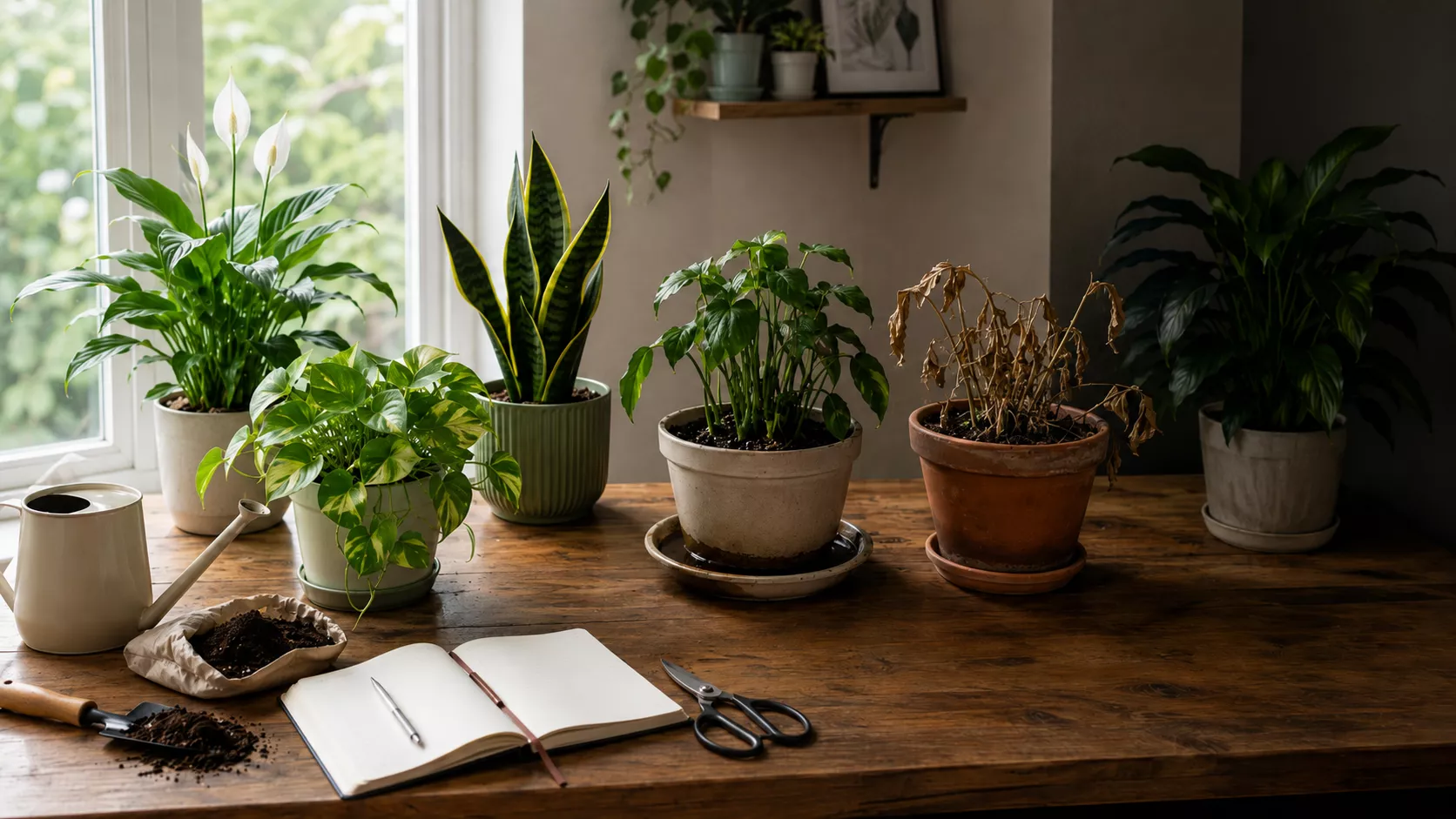
Signs of overwatering may include soggy soil, weak growth, yellowing, leaf drop, unpleasant soil smell, or stems that look unhealthy near the base.
To prevent this, use well-draining soil, a pot with drainage holes, and a sunny location. Rosemary in low light dries more slowly and is more likely to suffer from excess water.
Although rosemary dislikes soggy soil, it still needs water. If the plant stays dry for too long, leaves may become brittle, dry, or grayish. Stems may also become weak.
Potted rosemary can dry faster than rosemary grown in the ground, especially in hot weather or windy balconies. Small pots dry particularly quickly.
Therefore, check the soil regularly. The goal is to let the soil dry somewhat between waterings, not to let the plant become severely dehydrated.
Pruning helps rosemary stay compact, healthy, and productive. Without pruning, rosemary can become woody, uneven, or too tall for its pot.
To prune, cut small green stems above a leaf node or branching point. Avoid cutting deeply into old woody stems that have no green growth, because rosemary may not regrow well from bare wood.
Additionally, prune lightly and regularly instead of cutting too much at once. This encourages fresh growth and keeps the plant attractive.
Harvesting rosemary is simple. Use clean scissors to cut small sprigs from healthy green growth. Harvest from different parts of the plant to keep the shape balanced.
For best flavor, harvest in the morning after the plant is hydrated but before intense heat. Fresh rosemary can be used immediately or dried for later.
Also, avoid removing too much at once. Taking small amounts regularly is better than cutting the plant severely, especially if it is young.
To make rosemary grow fuller, provide strong sunlight and prune the tips regularly. Tip pruning encourages branching and prevents the plant from becoming long and sparse.
If rosemary is leggy, it probably needs more light. Move it to a sunnier location and prune lightly to encourage better shape.
However, be patient. Rosemary is slower-growing than herbs like basil or mint. Full growth takes time and consistent care.
Rosemary does not need heavy fertilization. In fact, too much fertilizer can encourage weak growth and may reduce the intensity of its aroma.
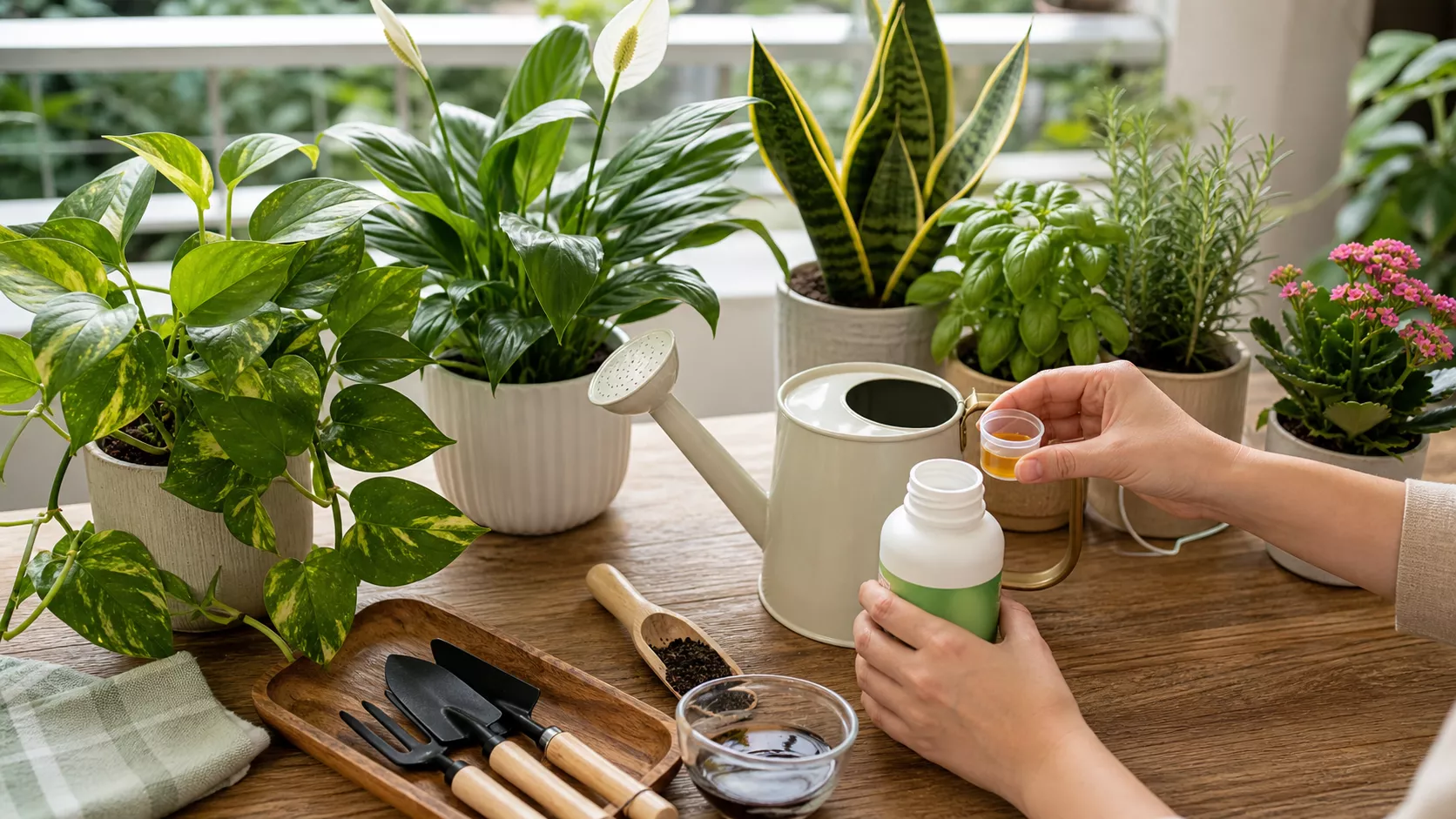
Usually, light feeding during active growth is enough for potted rosemary. A diluted balanced fertilizer or a small amount of compost can support the plant if growth is weak.
However, avoid fertilizing a stressed rosemary plant. If the plant has yellow leaves, soggy soil, or root problems, fix the care issue first.
A balcony can be an excellent place for rosemary because it often provides strong light and airflow. Rosemary usually grows better outdoors than in dim indoor areas.
However, balcony conditions can be intense. Strong wind and hot sun can dry the soil quickly. Check moisture more often during hot days.
Also, make sure the pot is stable. Rosemary can become top-heavy as it grows, and balcony wind may knock over light containers.
Rosemary can grow in a kitchen only if the kitchen has a very sunny window. It needs much more light than many decorative houseplants.
If the kitchen is bright enough, rosemary can be convenient because fresh sprigs are close to your cooking area.
However, keep it away from the stove, oven, and oil splashes. Heat and cooking residue can stress the plant and damage the leaves.
Although rosemary is hardy, it can develop problems when care conditions are wrong. Yellow leaves, dry branches, black stems, powdery mildew, pests, and weak growth are common concerns.
Most problems are related to light, watering, drainage, or airflow. Rosemary needs sun and dry periods between watering.
Because rosemary grows slowly, recovery may take time. Correct the cause early and avoid making too many changes at once.
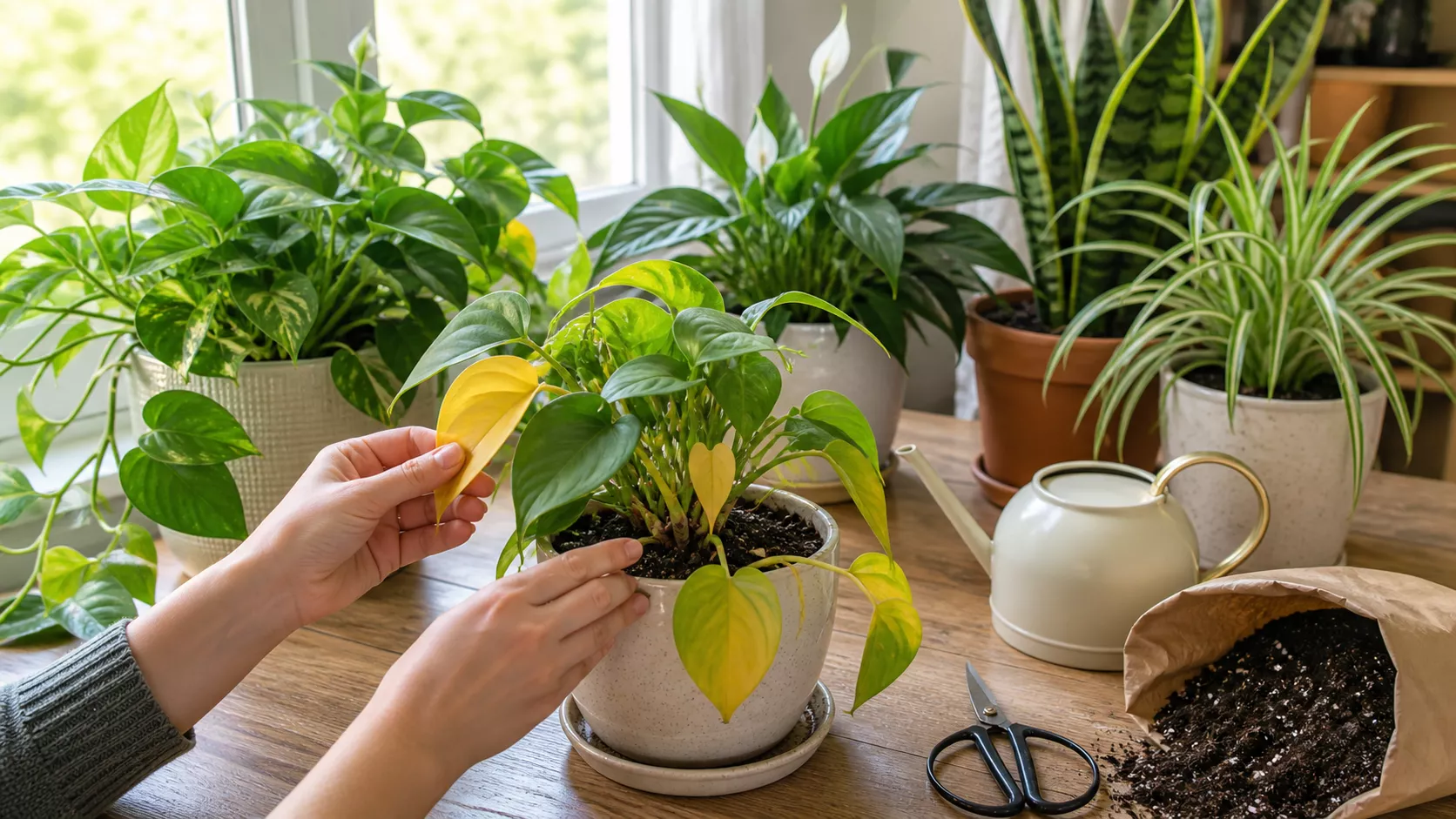
Yellow leaves on rosemary often happen because of overwatering or poor drainage. If the soil is wet and leaves are yellowing, reduce watering and check the pot.
However, yellowing can also happen from lack of light, nutrient issues, or transplant stress. Observe the full plant and soil condition before acting.
To solve this, move rosemary to brighter light if needed, improve drainage, and water only when the soil has dried enough.
Dry leaves may happen because of underwatering, excessive heat, strong wind, root damage, or a plant that has dried too severely.
If the soil is extremely dry, water thoroughly and let the excess drain. Move the plant away from harsh wind while it recovers if necessary.
However, if roots were damaged by previous overwatering, the plant may dry out because roots cannot absorb water properly. In that case, check the root system and soil.
Powdery mildew can appear as a white powdery coating on leaves. It is often encouraged by poor airflow, crowded plants, and humidity around foliage.
To prevent it, keep rosemary in a sunny, airy location. Avoid crowding it between many plants and avoid wetting the leaves unnecessarily.
If mildew appears, prune affected areas and improve airflow. Use a suitable plant-safe treatment if the problem continues.
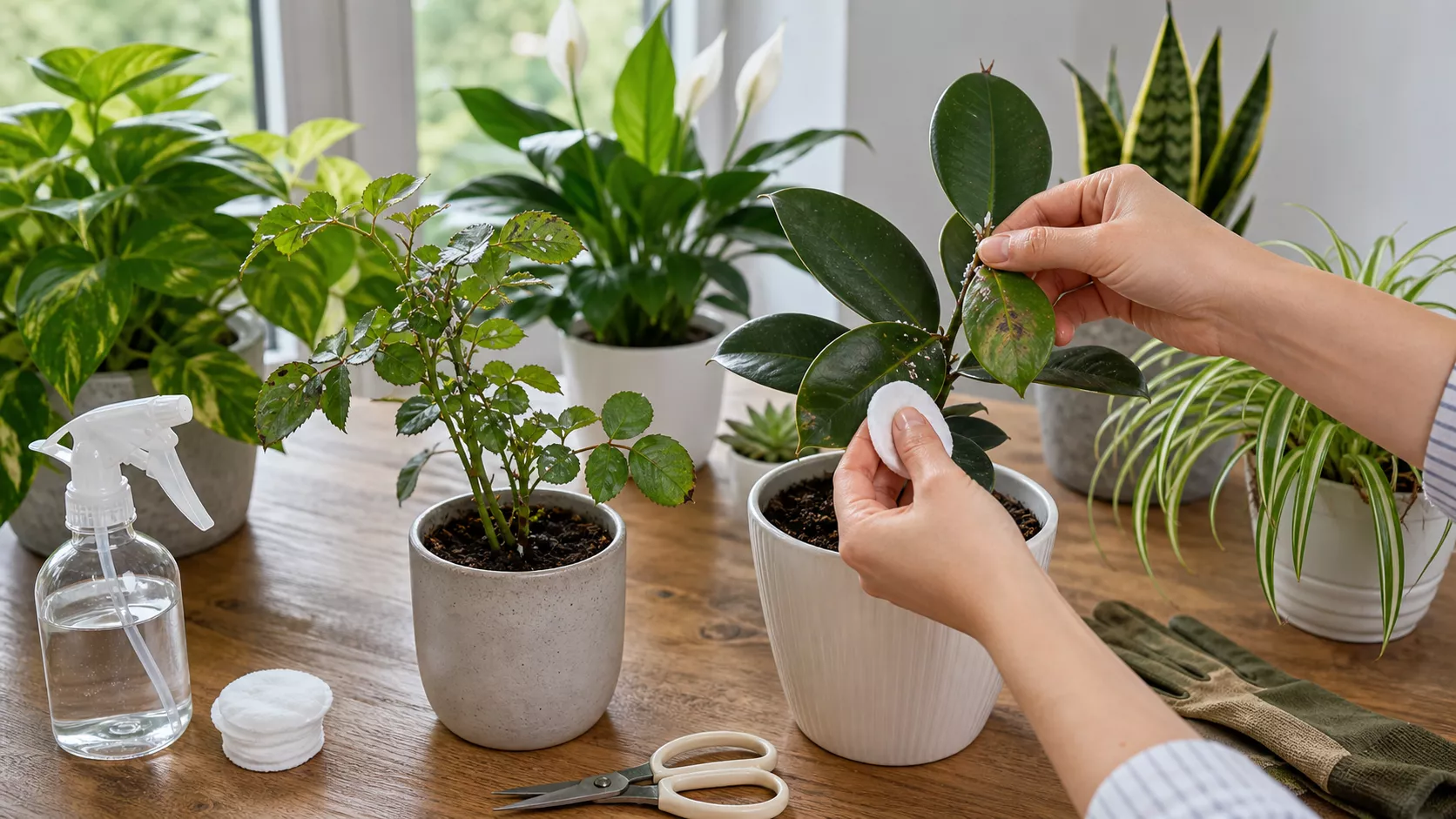
Rosemary can attract pests such as aphids, spider mites, whiteflies, and mealybugs. Outdoor plants may also attract small caterpillars or other insects.
Inspect the plant regularly, especially under leaves and along stems. Look for sticky residue, webbing, white clusters, or small moving insects.
If pests appear, treat early with a safe method, especially if you plan to use rosemary in cooking. Avoid harsh chemicals on edible herbs.
Rosemary can be sensitive to cold depending on the variety and climate. In mild climates, it may survive outdoors. In colder regions, potted rosemary may need protection.
If temperatures become very low, move the pot to a protected bright area. Indoors, it still needs strong light and should not be overwatered.
During cooler months, rosemary grows more slowly and needs less water. Always check the soil before watering.
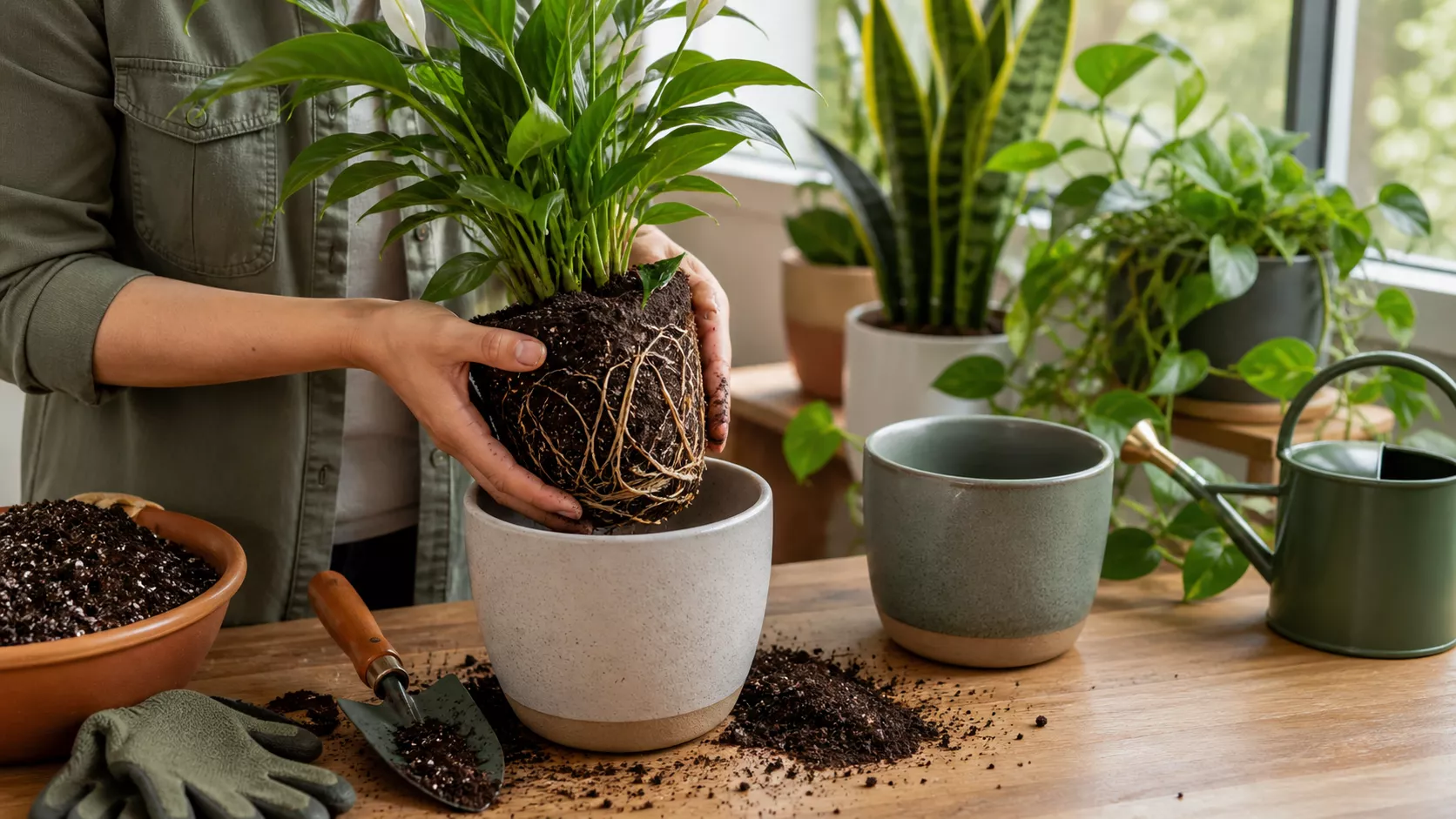
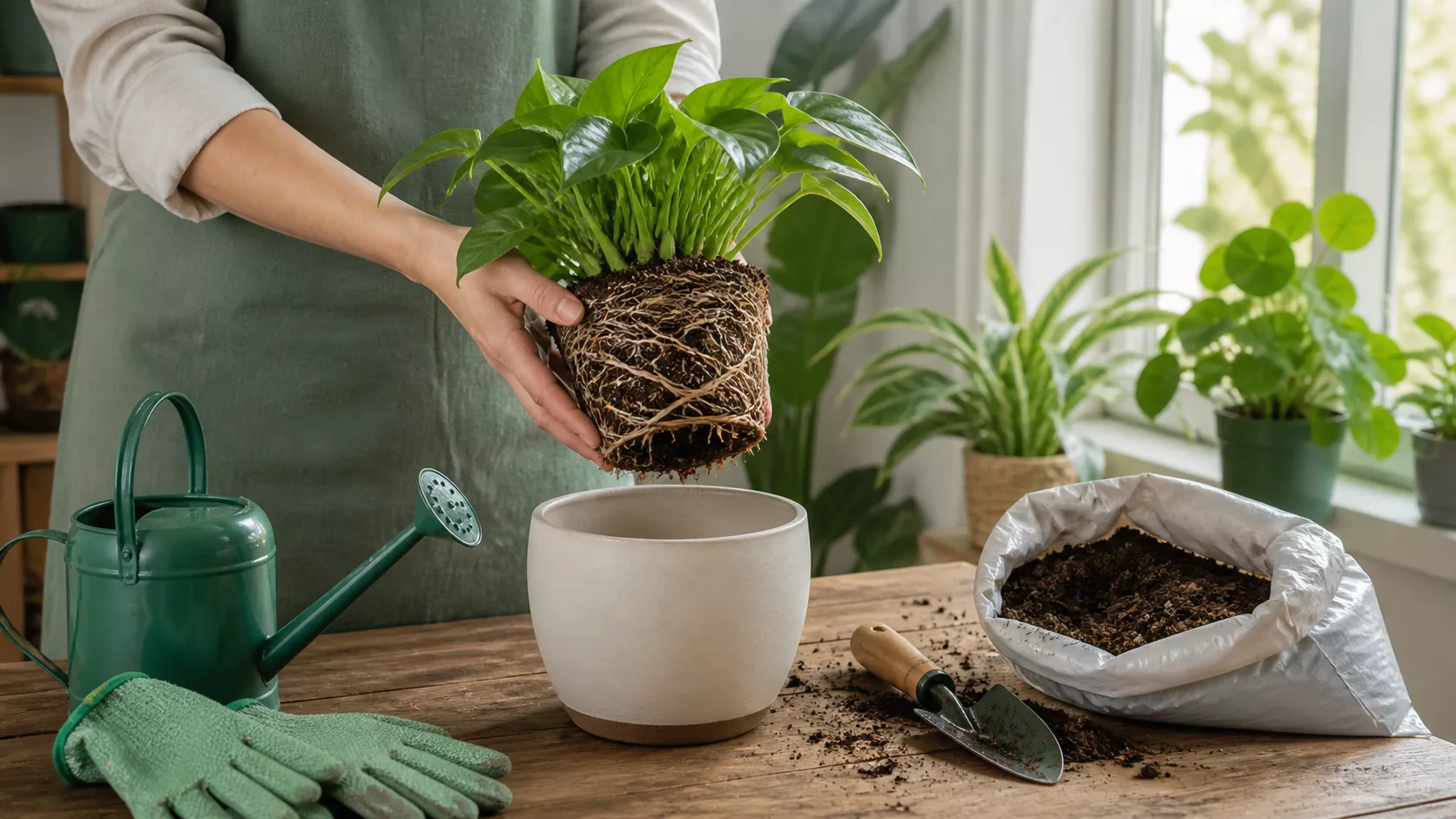
Repot rosemary when roots fill the pot, soil becomes compacted, or the plant dries too quickly after watering. Choose a pot only slightly larger than the current one.
When repotting, use fresh well-draining soil and handle roots gently. Avoid burying the stem too deeply.
After repotting, place the plant in bright light and water carefully. Give it time to adjust before heavy pruning or fertilizing.
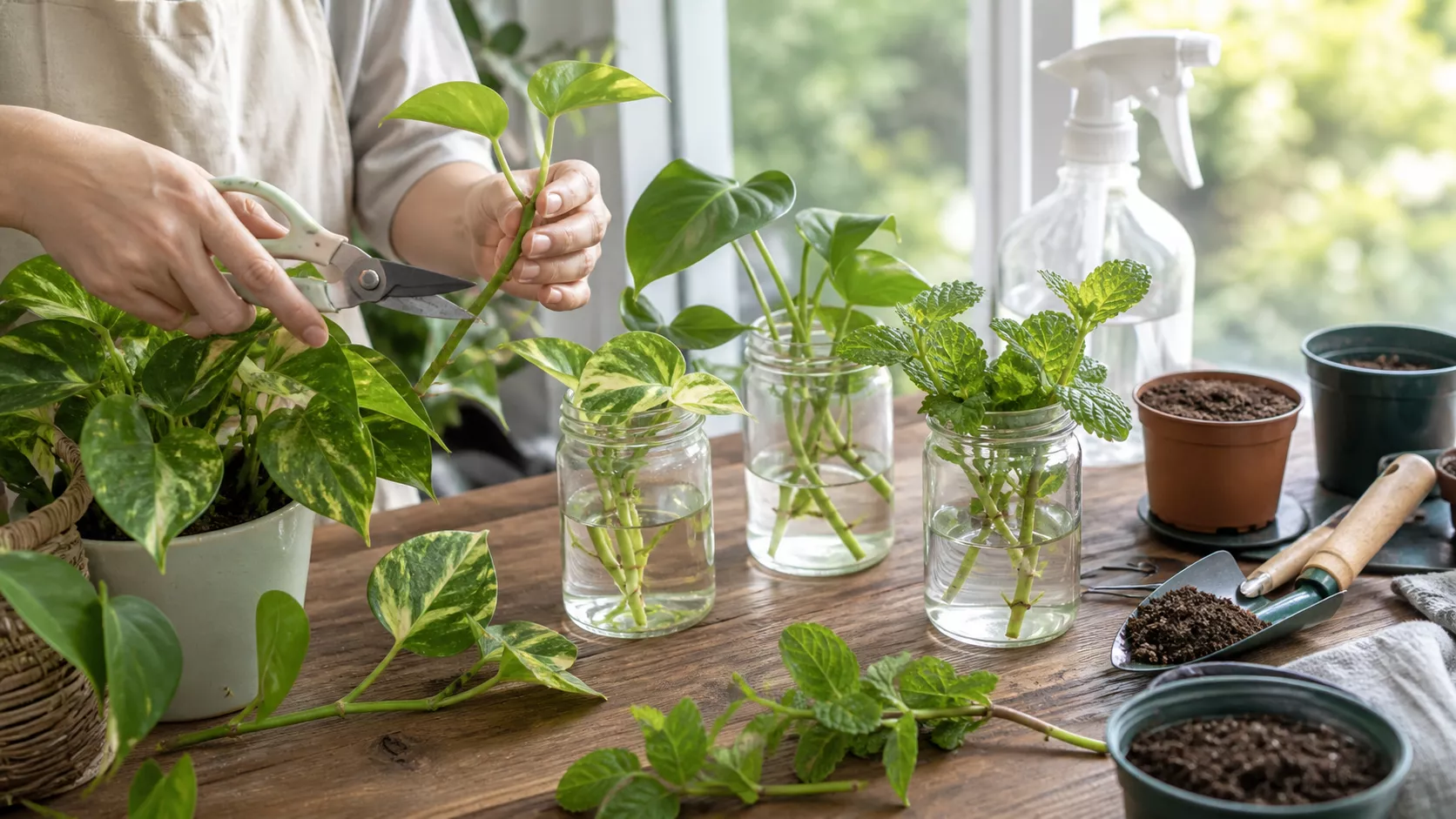
Rosemary can be propagated from cuttings, although it requires patience. Choose a healthy green stem and cut a section several centimeters long.
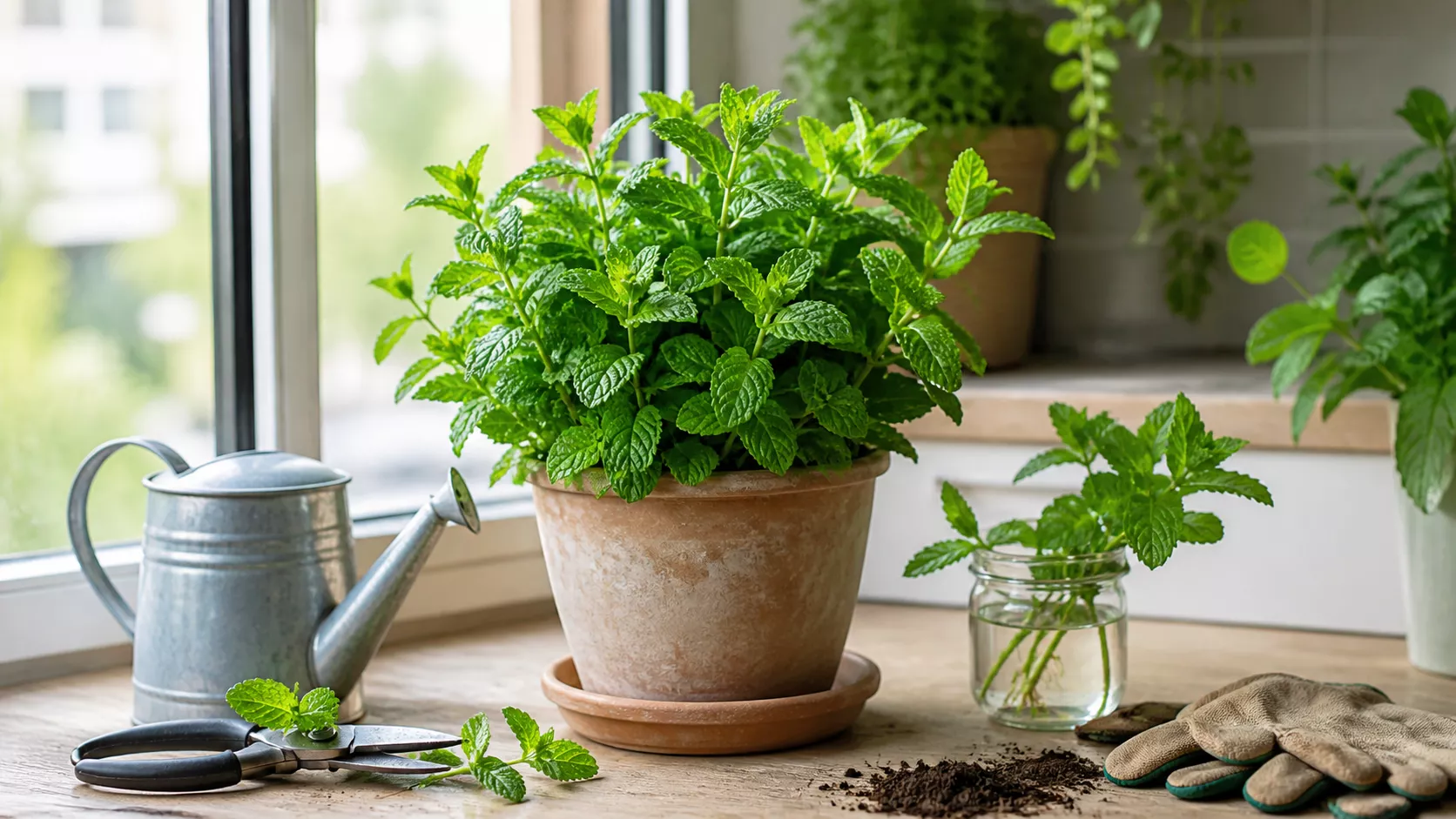
Remove the lower leaves and place the cutting in water or moist well-draining soil. Keep it in bright indirect light while roots develop.
Once rooted, plant the cutting in a small pot with well-draining soil. Avoid soggy conditions because young cuttings can rot easily.
Fresh rosemary can be used immediately after harvesting. It can also be stored in the refrigerator for a short time wrapped in a slightly damp paper towel.
For longer storage, rosemary can be dried. Hang small bundles in a dry, airy place or dry the sprigs carefully. Once dry, store the leaves in a sealed container.
Additionally, rosemary can be frozen or infused into oils, but food safety should always be considered when preparing herb-infused products.
One common mistake is watering rosemary like basil or mint. Rosemary prefers drier conditions and can suffer in constantly moist soil.
Another mistake is growing rosemary in low light. Without enough sun, it becomes weak and less aromatic.
Also, avoid using pots without drainage. Drainage is essential for rosemary because roots need oxygen and dry periods.
To care for rosemary successfully, place it in strong sunlight and use a well-draining potting mix. Choose a pot with drainage holes.
Then, check the soil before watering and water only when the top part has dried. Prune lightly and harvest small sprigs regularly.
Finally, inspect for pests, protect from extreme cold, and avoid overfertilizing. Rosemary care is simple when you respect its preference for sun and drainage.
In conclusion, learning how to grow rosemary in a pot is simple when you understand that this herb prefers sunlight, airflow, drainage, and careful watering. It is different from moisture-loving herbs and should not be kept constantly wet.
Above all, give rosemary strong light and let the soil dry partially between waterings. These two habits prevent most common rosemary problems.
Ultimately, rosemary is one of the best herbs to grow at home because it is aromatic, beautiful, useful, and long-lasting. With the right pot, soil, and care routine, you can enjoy fresh rosemary in your cooking and decoration for a long time.