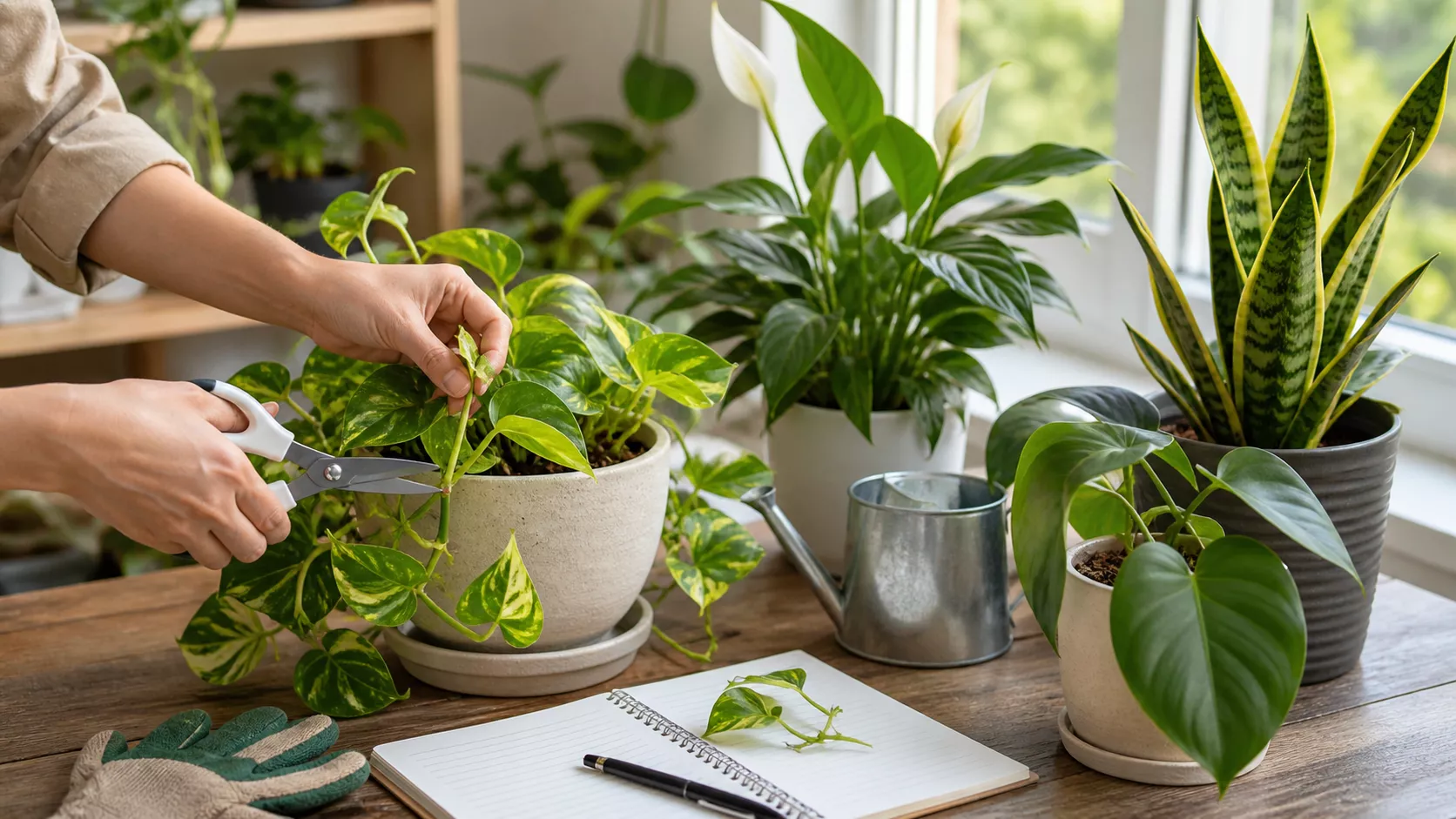
How to Make Plant Cuttings the Right Way

First, learning how to fight aphids, mealybugs, and fungi on plants is essential for anyone who wants to keep houseplants, garden plants, herbs, and ornamental plants healthy. These problems are common, especially when plants are stressed, crowded, overwatered, or not inspected regularly.
Additionally, pests and fungi can appear quietly. At first, you may notice only a few yellow leaves, sticky spots, white clusters, small insects, or dark marks. However, if the problem is ignored, it can spread and weaken the plant over time.
Therefore, this guide will help you identify aphids, mealybugs, and fungal problems, understand why they appear, and learn practical ways to control them. You will also discover prevention habits that make your plant care routine safer and more effective.
First, pests and fungi usually appear when conditions favor them. Aphids and mealybugs often attack soft new growth, stressed plants, or plants that were recently brought from nurseries. Fungal problems often develop when there is too much moisture, poor airflow, wet leaves, or compacted soil.
Also, indoor plants can be more vulnerable because they grow in limited spaces. When plants are placed too close together, pests can move from one pot to another more easily. Poor airflow can also make fungal issues worse.
Because of this, fighting pests and fungi is not only about removing the visible problem. It also means correcting the care conditions that allowed the problem to appear.
First, aphids are small soft-bodied insects that often gather on new shoots, flower buds, stems, and the undersides of leaves. They may be green, black, yellow, brown, or gray depending on the species.
Usually, aphids feed by sucking plant sap. This can cause curled leaves, distorted new growth, sticky residue, yellowing, and general weakness. The sticky residue is often called honeydew, and it can attract other problems.
To confirm aphids, look closely at tender parts of the plant. They often appear in groups and may move slowly when disturbed. Early detection makes control much easier.
Next, mealybugs are common pests that look like small white cottony clusters. They often hide in leaf joints, stem crevices, under leaves, near roots, or around new growth.
Because they hide well, mealybugs can become a serious problem before you notice them. They also feed on plant sap and may cause yellow leaves, sticky residue, weak growth, and leaf drop.
To identify them, inspect the plant carefully with good light. Look for white fuzzy spots, especially where leaves meet stems. If the plant has many hidden areas, check slowly and patiently.
Also, fungal problems can appear in different forms. Some fungi affect leaves, while others affect soil, stems, or roots. Common signs include powdery patches, dark spots, mold on soil, soft stems, unpleasant smell, and spreading leaf marks.
Often, fungal issues are connected to excess moisture. Wet leaves, soggy soil, poor drainage, and low airflow can create favorable conditions for fungi.
However, not every spot is caused by fungus. Sunburn, pests, fertilizer burn, and watering problems can also create leaf marks. Before treating, observe the pattern and review the plant’s care conditions.
First, when you notice aphids, mealybugs, or fungal issues, isolate the affected plant. This is especially important indoors, where plants are often close together.
By separating the plant, you reduce the chance of pests moving to healthy plants. It also makes treatment easier because you can focus on one plant without disturbing the entire collection.
Additionally, inspect nearby plants. If the problem has started spreading, early action can prevent a larger infestation.
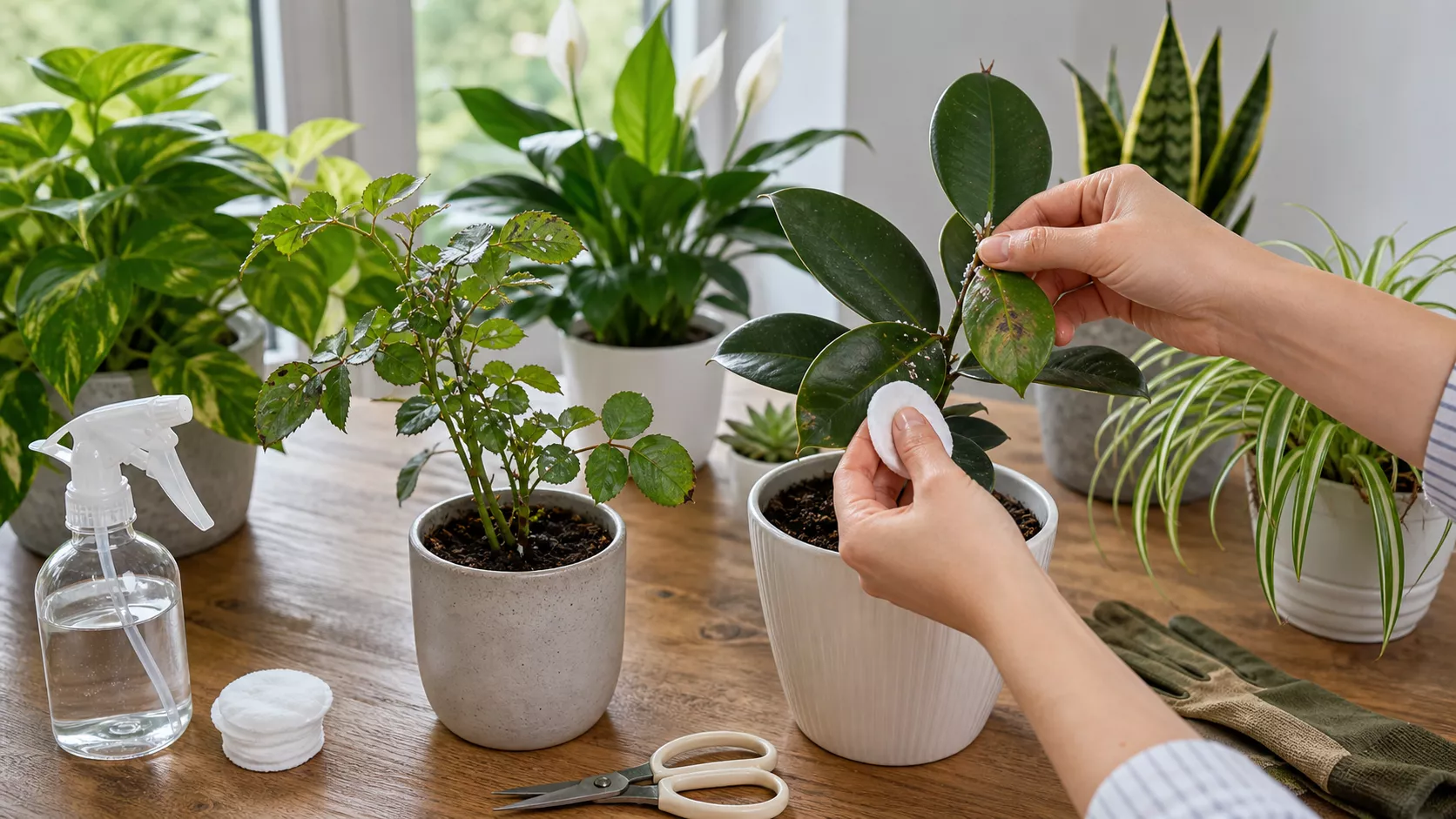
Next, removing visible pests by hand is a useful first step. For aphids, you can gently rinse the plant with water to remove clusters from leaves and stems. For mealybugs, use a cotton swab or soft cloth to remove visible white clusters carefully.
However, be gentle with delicate leaves and new growth. The goal is to remove pests without causing extra damage to the plant.
After cleaning, continue checking the plant every few days. Pests may return from hidden eggs or missed areas, so repeated inspection is important.
For many plants, a gentle water spray can help remove aphids and some mealybugs. This method is simple and avoids harsh treatment at the beginning.
To do this, take the plant to a sink, shower, or outdoor shaded area and rinse the affected parts carefully. Focus on undersides of leaves, stems, and new growth.
However, avoid leaving plants wet for too long, especially if they are prone to fungal problems. After rinsing, place the plant somewhere with good airflow and indirect light so it can dry properly.
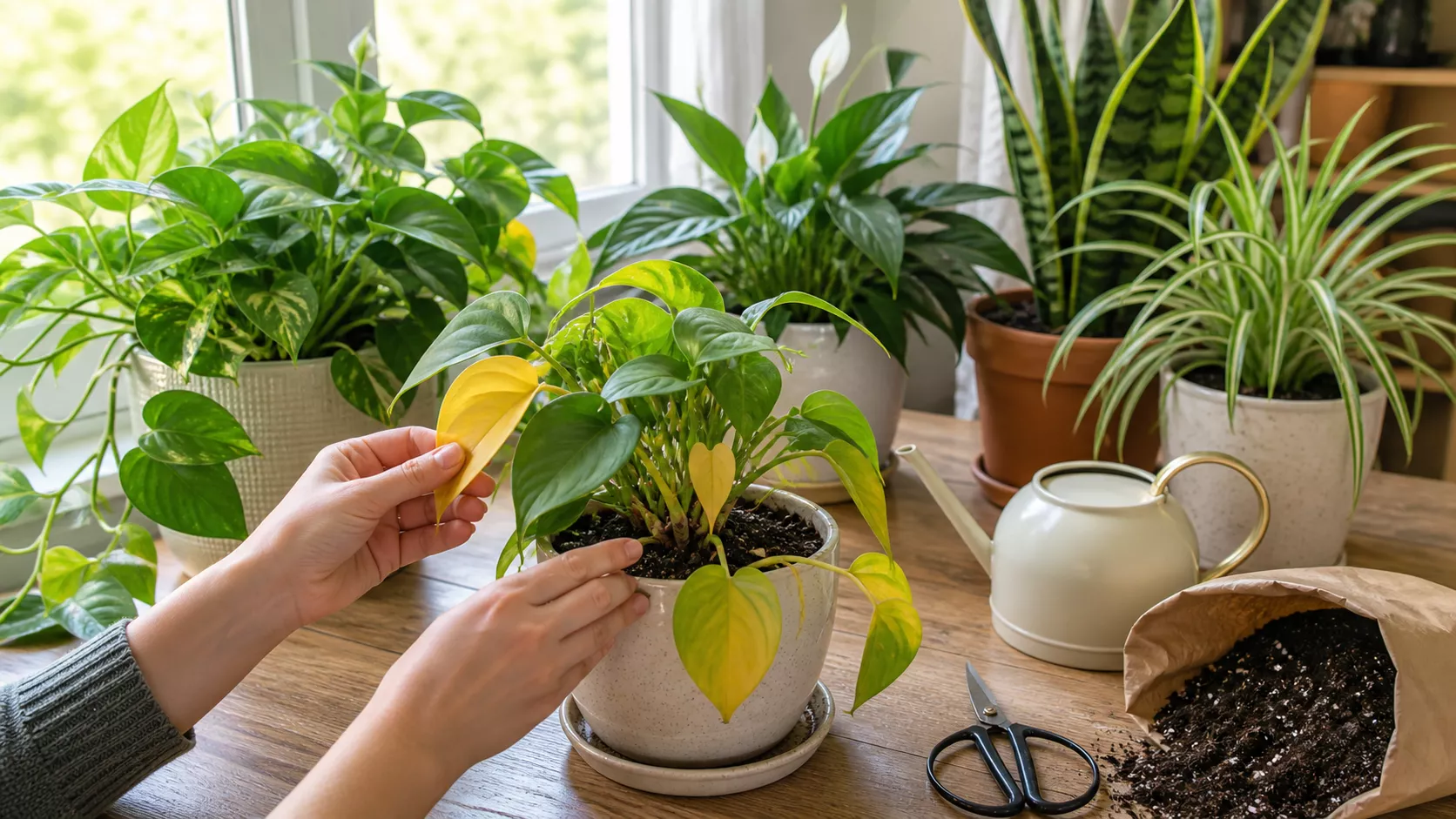
Sometimes, pruning is the best choice when certain leaves, stems, or flowers are heavily infested or badly damaged. Removing the worst parts reduces the pest population and helps the plant focus on healthier growth.
Use clean scissors and remove only the parts that are clearly affected. Avoid cutting too much from a weak plant because it still needs leaves to produce energy.
After pruning, dispose of the removed material properly. Do not leave infested leaves near other plants or on the soil surface.
Another important step is improving airflow. Poor airflow can make fungal problems worse and create a favorable environment for pests to hide and multiply.
To improve airflow, avoid crowding plants too tightly. Leave space between pots and remove dead leaves from the soil surface. In indoor spaces, gentle ventilation can help.
However, do not place sensitive plants directly in cold drafts or strong wind. Balanced airflow is helpful, but extreme air movement can stress some plants.
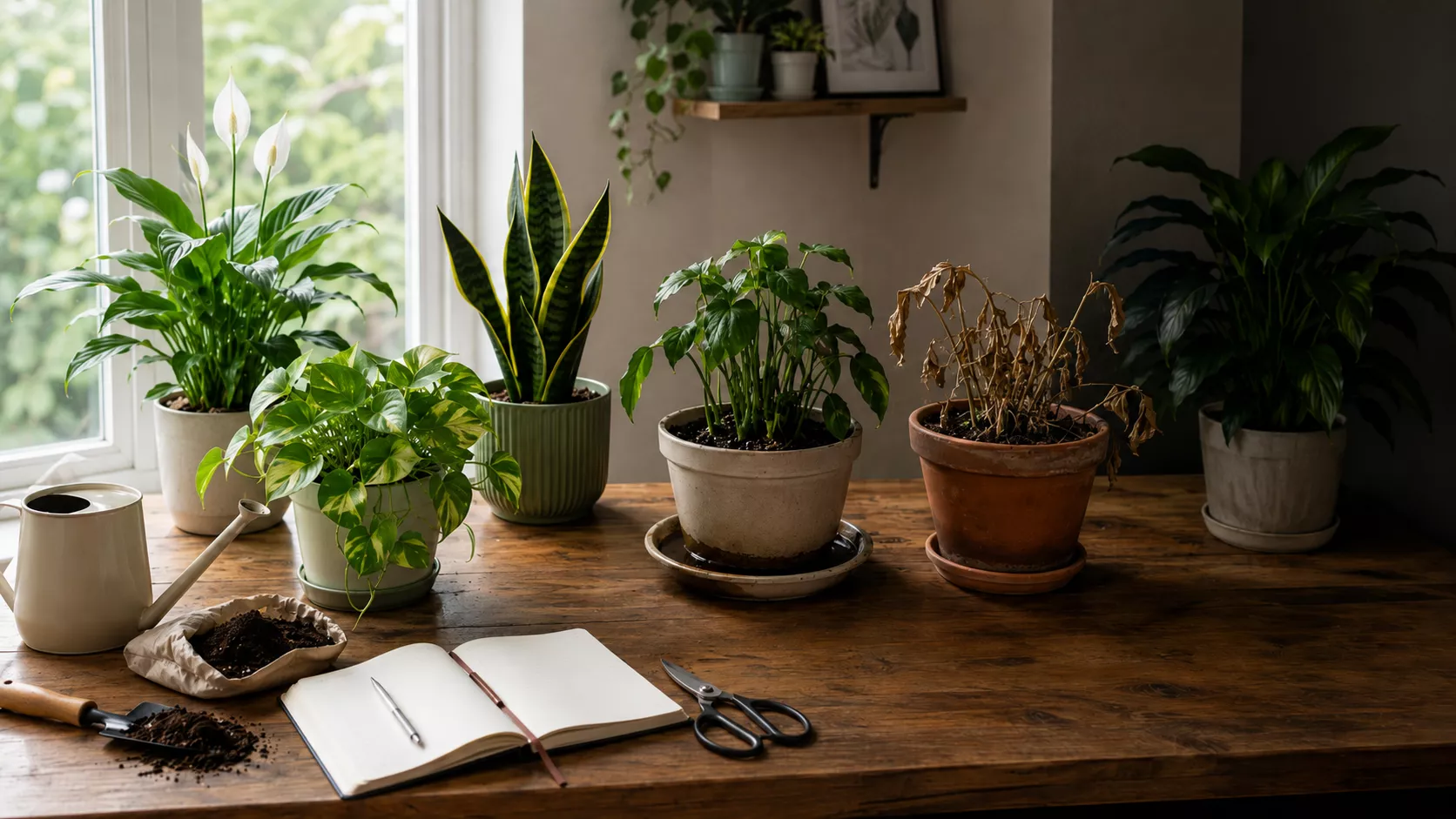
Importantly, watering habits have a major effect on pests and fungi. Overwatering can encourage fungus gnats, root stress, mold, and fungal growth. It can also weaken plants, making them more vulnerable to pests.
Before watering, always check the soil. If it is still moist, wait. Most houseplants prefer careful watering rather than constant moisture.
Also, water the soil directly instead of soaking the leaves, unless the plant specifically benefits from leaf rinsing. Wet leaves in low airflow can increase fungal risk.
Additionally, poor drainage can make fungal problems worse. When water cannot escape the pot, roots stay wet and the soil becomes unhealthy.
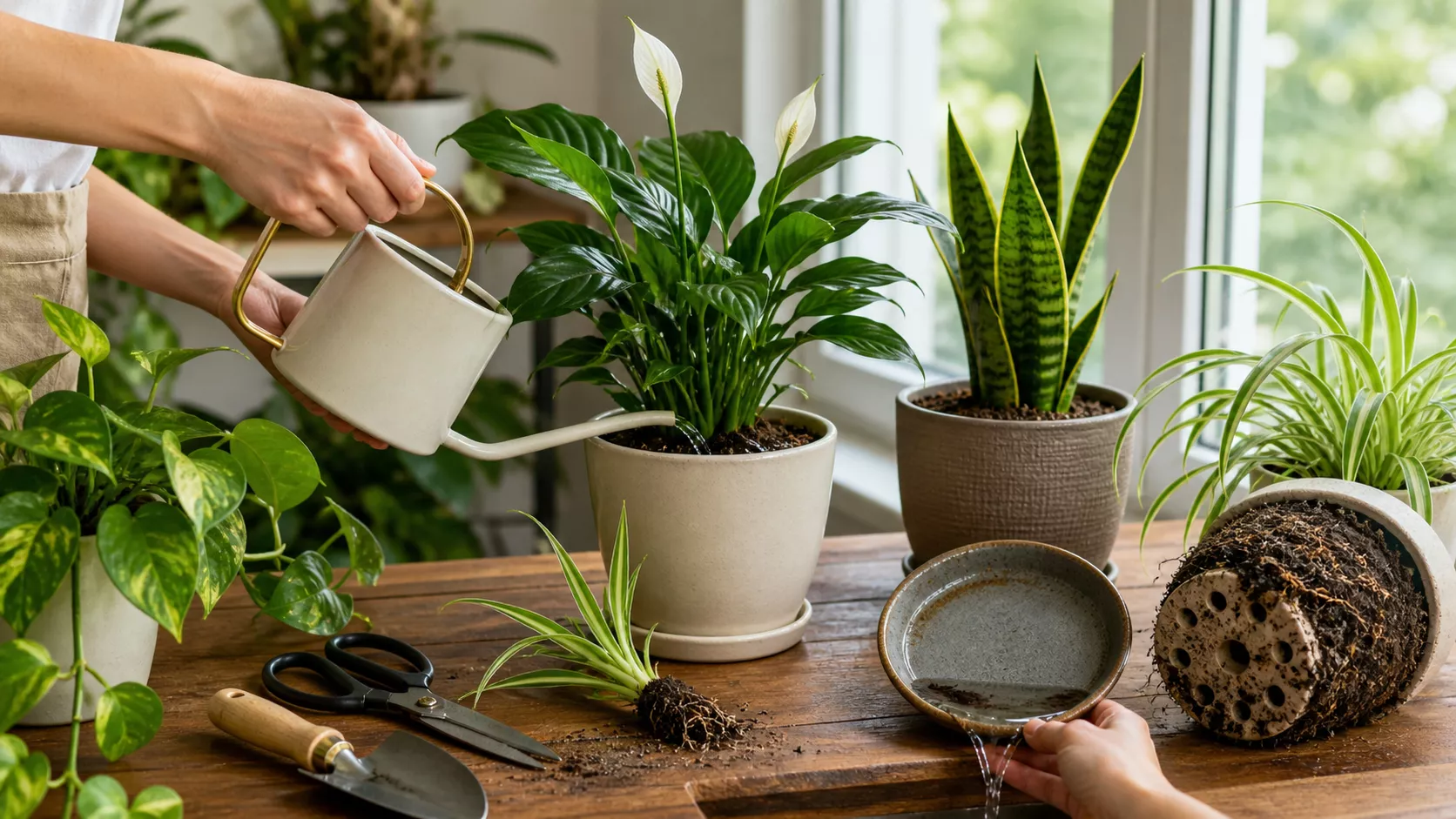
To improve drainage, use pots with drainage holes and well-draining soil. If the plant is in a decorative pot without holes, keep it in a nursery pot inside and remove it for watering.
After watering, empty saucers and cachepots. Standing water creates a risky environment for roots and can attract unwanted problems.
Also, cleaning leaves helps prevent pests and fungi. Dusty leaves can reduce light absorption and provide hiding places for small insects.
For broad-leaf plants, wipe leaves gently with a damp cloth. For smaller or delicate plants, use a gentle rinse when appropriate.
While cleaning, inspect the undersides of leaves and stem joints. This habit helps you notice aphids, mealybugs, and early fungal signs before they become serious.
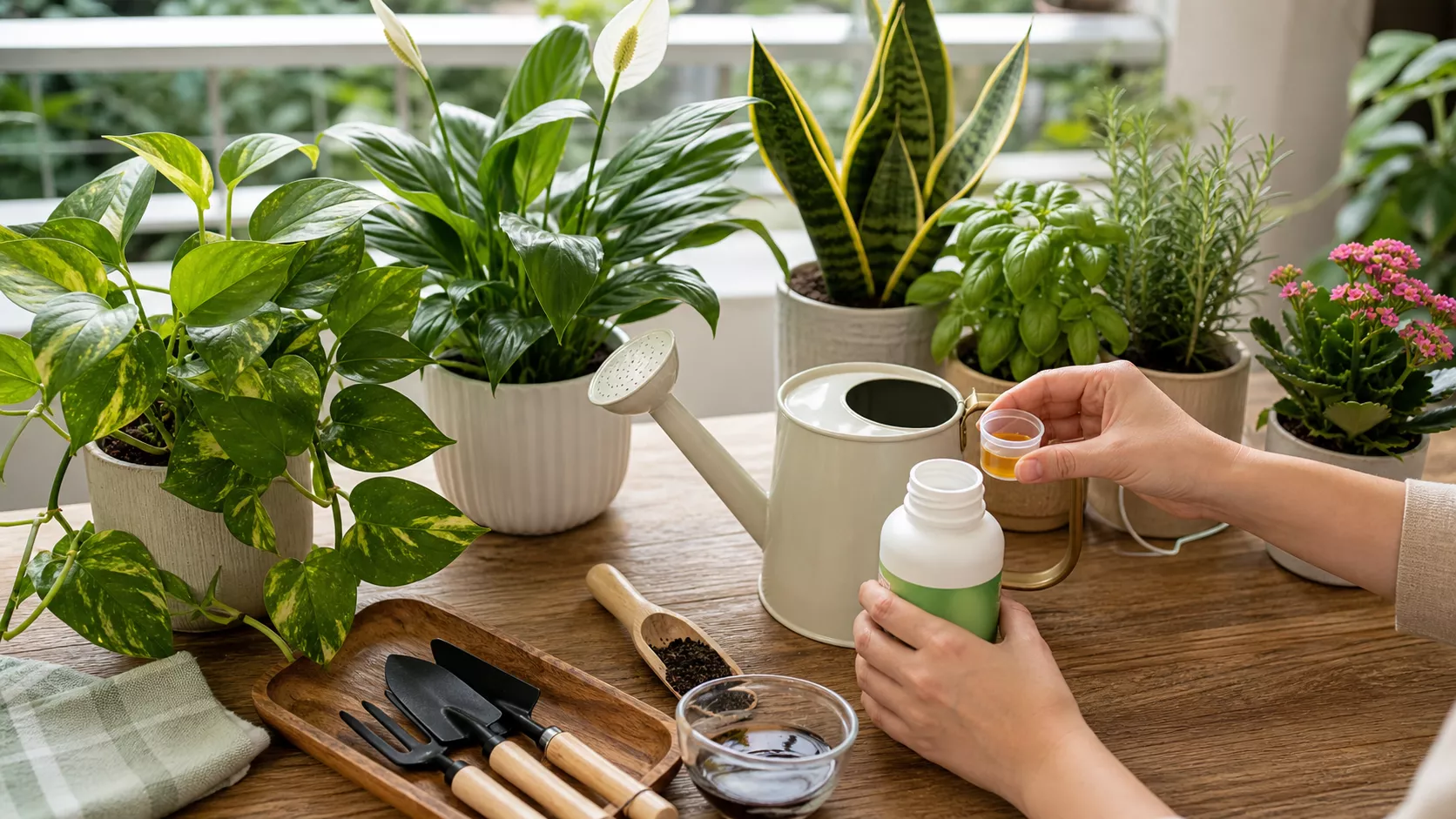
For pest problems, insecticidal soap can be useful when used correctly. It is often used against soft-bodied insects such as aphids and mealybugs.
Before applying, follow the product instructions carefully. Test on a small part of the plant first, especially if the plant has delicate leaves. Some plants may react badly to sprays.
Also, treatments usually need repetition because pests can hide in small spaces. Apply only as directed and avoid treating plants in harsh direct sun.
Neem oil is another common option for plant pests. It may help control aphids and mealybugs when used properly as part of a treatment routine.
However, neem oil must be diluted according to instructions and applied carefully. Too much oil can damage leaves, especially in hot weather or direct sunlight.
Therefore, apply during cooler times of day, keep the plant out of strong sun after treatment, and test a small area first. Neem oil is not a magic solution, but it can help when combined with cleaning and prevention.
First, isolate the affected plant. Then rinse the aphids off with water, focusing on new growth and leaf undersides. Remove badly affected leaves or flowers if needed.
Next, inspect the plant every few days. Aphids can reproduce quickly, so one cleaning may not be enough. Repeat gentle removal and consider insecticidal soap if the problem continues.
Finally, correct care conditions. Avoid excessive fertilizer that creates weak, soft growth, and make sure the plant receives suitable light and airflow.
First, isolate the plant because mealybugs can spread. Then remove visible mealybugs with a cotton swab or soft cloth. Pay close attention to hidden areas.
Next, prune heavily infested sections if necessary. After that, use a suitable treatment such as insecticidal soap or neem oil according to product instructions.
Finally, continue checking the plant for several weeks. Mealybugs often hide well, so persistence is important. If the infestation is severe, repotting may be needed, especially if pests are near the roots.
For fungal leaf spots, start by removing severely affected leaves. This helps reduce spread and improves appearance.
Then, improve airflow and avoid wetting the leaves when watering. Keep the plant in suitable light and avoid overcrowding.
If the problem continues, use a plant-safe fungicide according to instructions. However, treatment works best when moisture and airflow problems are corrected too.
Sometimes, white mold appears on the soil surface. This often happens when soil stays wet, organic matter decomposes, or airflow is poor.
To fix this, remove the moldy top layer carefully and allow the soil to dry more between waterings if the plant allows it. Improve airflow and make sure the pot drains properly.
Also, avoid leaving dead leaves or food-based homemade fertilizers on the soil surface. These materials can encourage mold indoors.
Root fungal problems are more serious because they affect the plant below the soil. Signs may include wilting despite wet soil, yellow leaves, bad smell, soft stems, and soggy soil.
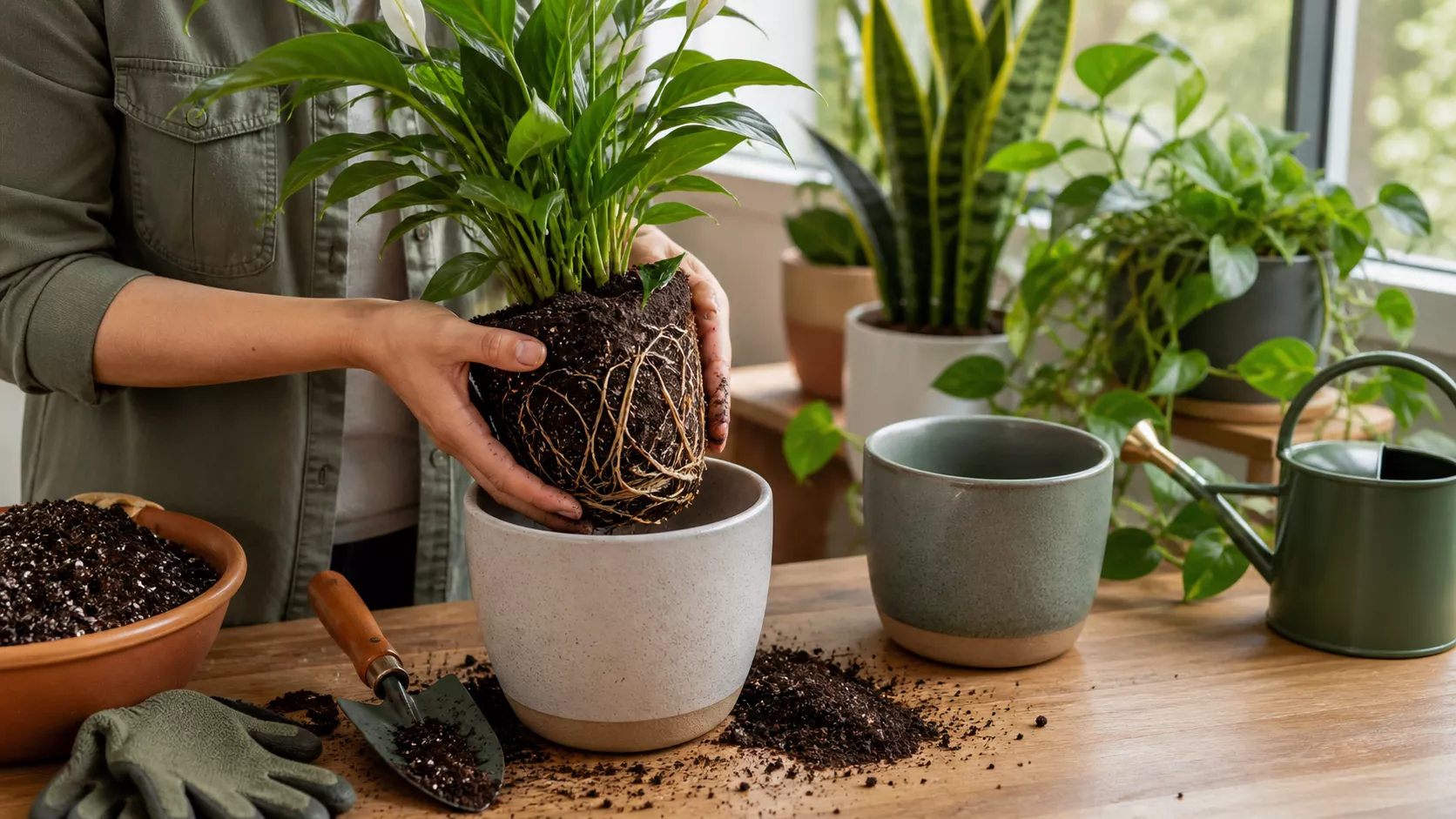
To check, carefully remove the plant from the pot and inspect the roots. Healthy roots are usually firm, while damaged roots may be dark, mushy, or unpleasant-smelling.
If needed, trim damaged roots with clean scissors and repot the plant in fresh well-draining soil. Choose a pot with drainage and water carefully afterward.
One mistake beginners make is using too many treatments at once. Spraying several products, changing soil, pruning heavily, and moving the plant repeatedly can create extra stress.
Instead, take a careful approach. Identify the problem, isolate the plant, clean it, adjust care conditions, and use one suitable treatment at a time.
Then, observe the response. Plants need time to recover, and pests may require repeated but controlled treatment.
Ultimately, healthy plants are better able to resist and recover from pests and fungi. Proper light, correct watering, good soil, suitable pots, and regular inspection all matter.
If a plant is weak because of poor light, soggy soil, or nutrient imbalance, pests and fungi may return even after treatment.
Therefore, think beyond the immediate problem. Correcting the environment is one of the best long-term solutions.
To prevent aphids, inspect new growth regularly. Aphids often appear on tender stems, buds, and young leaves.
Also, avoid overfertilizing with high-nitrogen fertilizer, because very soft new growth may attract sap-feeding pests.
Finally, keep plants healthy and check them often, especially during warmer periods or after bringing new plants home.
To prevent mealybugs, quarantine new plants before placing them near your collection. Mealybugs often arrive hidden in plant joints or under leaves.
Additionally, clean leaves and inspect hidden areas regularly. Early detection is important because mealybugs can multiply in protected spaces.
Also, avoid overcrowding plants. Space makes inspection easier and reduces the chance of spreading.
To prevent fungi, avoid keeping soil constantly wet. Use proper drainage, suitable soil, and careful watering habits.
Also, improve airflow and avoid wetting leaves unnecessarily. If you rinse a plant, let it dry in a place with good ventilation.
Finally, remove dead leaves and decaying material from pots. Clean growing areas reduce fungal risk.
Sometimes, repotting is necessary when pests or fungi are connected to the soil. This may happen with root mealybugs, severe fungus gnats, moldy soil, bad smells, or root problems.
When repotting, remove as much unhealthy soil as possible without damaging the roots too much. Trim damaged roots if needed and use fresh, clean potting mix.
After repotting, avoid fertilizing immediately. Give the plant stable conditions and time to recover.
One common mistake is treating the plant without isolating it. This allows pests to spread to other plants while treatment is happening.
Another mistake is ignoring the cause. If the plant stays overwatered or crowded, fungi and pests may return.
Also, avoid using strong homemade mixtures without care. Some mixtures can burn leaves or damage sensitive plants.
In conclusion, learning how to fight aphids, mealybugs, and fungi on plants requires observation, patience, and balanced care. These problems can be controlled more easily when identified early.
Above all, isolate affected plants, remove visible pests, prune damaged parts when needed, improve airflow, adjust watering, and use safe treatments carefully. For fungal problems, moisture control and drainage are especially important.
Ultimately, prevention is the best strategy. With regular inspection, clean leaves, healthy soil, proper watering, and good airflow, your plants will have a much better chance of staying strong, green, and free from recurring pest and fungal problems.