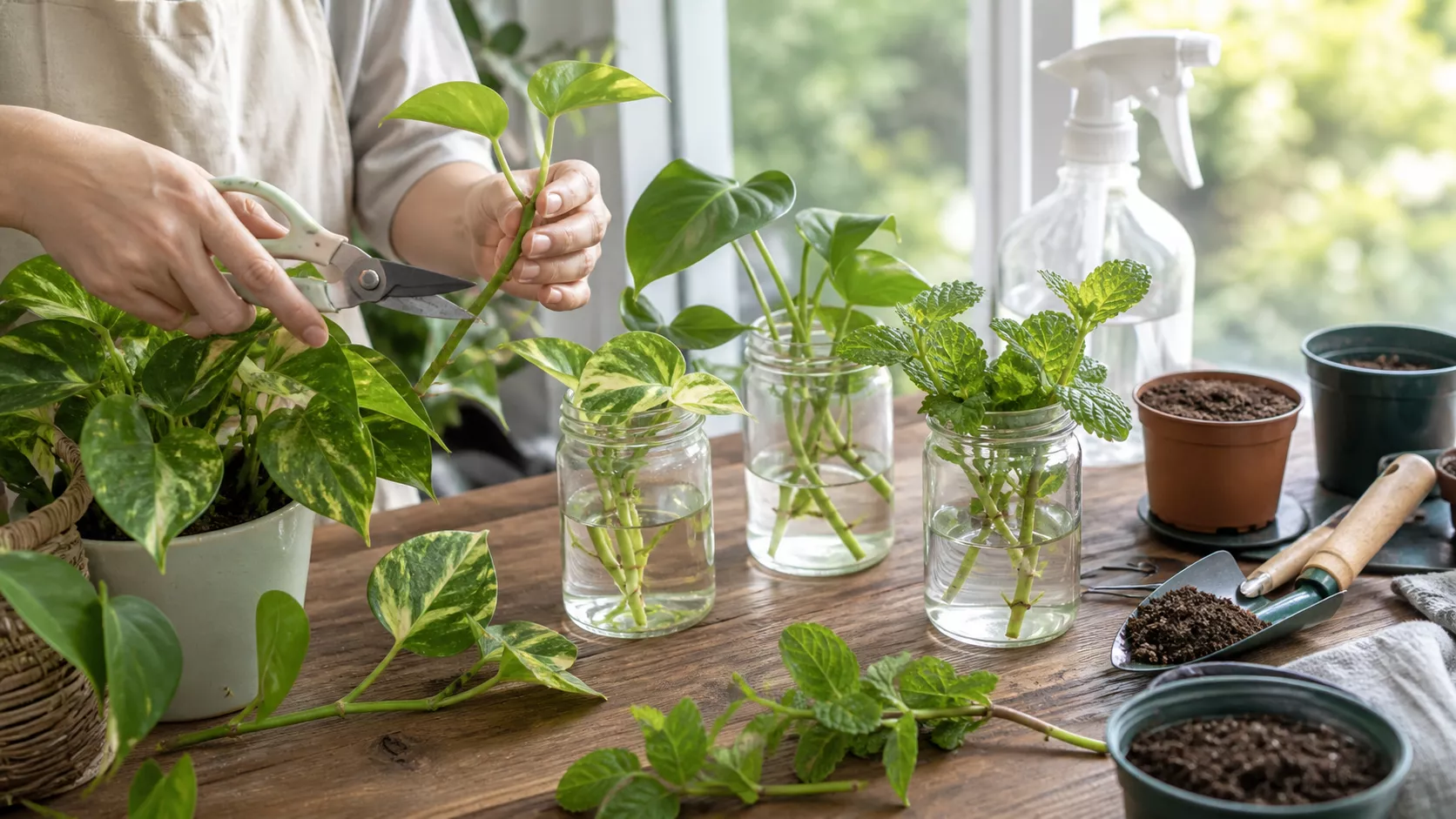
How to Make Plant Cuttings the Right Way

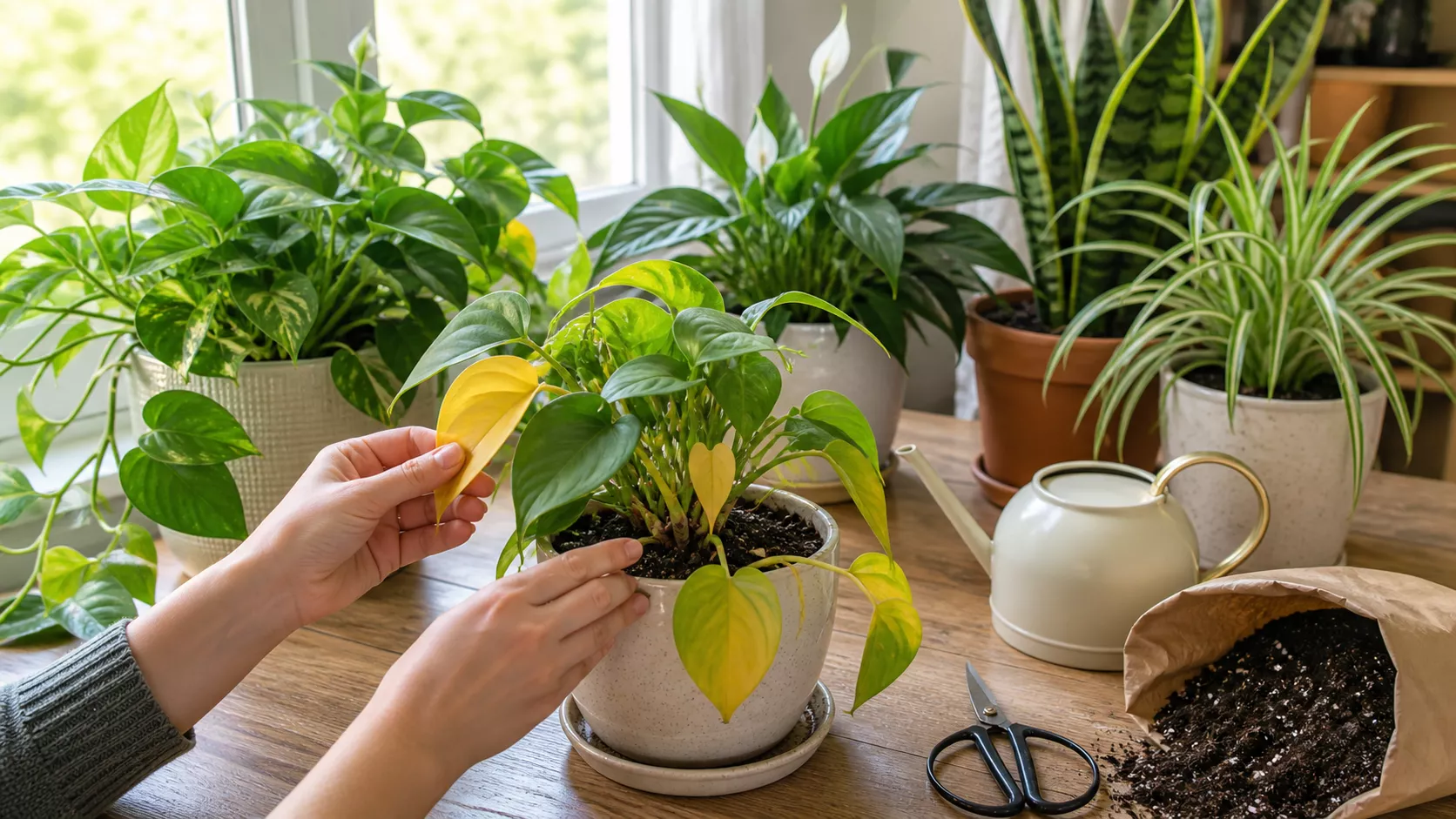
First, seeing yellow leaves on a plant can be worrying, especially when you are trying to keep your indoor or outdoor plants healthy. Yellowing leaves are one of the most common signs that something in the plant’s care routine may need attention. However, yellow leaves do not always mean the plant is dying.
Additionally, plants can develop yellow leaves for many different reasons. The cause may be overwatering, underwatering, poor drainage, lack of light, too much sunlight, nutrient deficiency, pests, temperature stress, natural aging, or transplant shock. Because several problems can look similar, it is important to observe the plant carefully before taking action.
Therefore, this guide will explain the main causes of yellow leaves on plants and how to solve each problem. You will learn how to check the soil, inspect the roots, understand leaf patterns, adjust light, improve watering, and prevent yellow leaves from becoming a recurring issue.
First, leaves usually turn yellow when the plant is stressed or when the leaf is no longer functioning well. Healthy green leaves contain chlorophyll, which helps plants use light for energy. When chlorophyll decreases, the leaf may lose its green color and turn yellow.
However, yellowing is not a complete diagnosis by itself. It is a signal. To understand the cause, you need to look at the soil, watering routine, light conditions, temperature, pests, fertilizer use, and the position of the yellow leaves on the plant.
For example, yellow lower leaves may be natural aging or overwatering, while yellow leaves with crispy edges may suggest underwatering, low humidity, or heat stress. Yellow leaves with spots may indicate pests, disease, or leaf damage.
First, overwatering is one of the most common causes of plant leaves turning yellow. Many beginners water too often because they believe more water means better care. However, roots need oxygen as well as moisture.
When soil stays wet for too long, roots may struggle to breathe. Weak roots cannot absorb water and nutrients properly, even when the soil is wet. As a result, leaves may begin to yellow, wilt, soften, or fall.
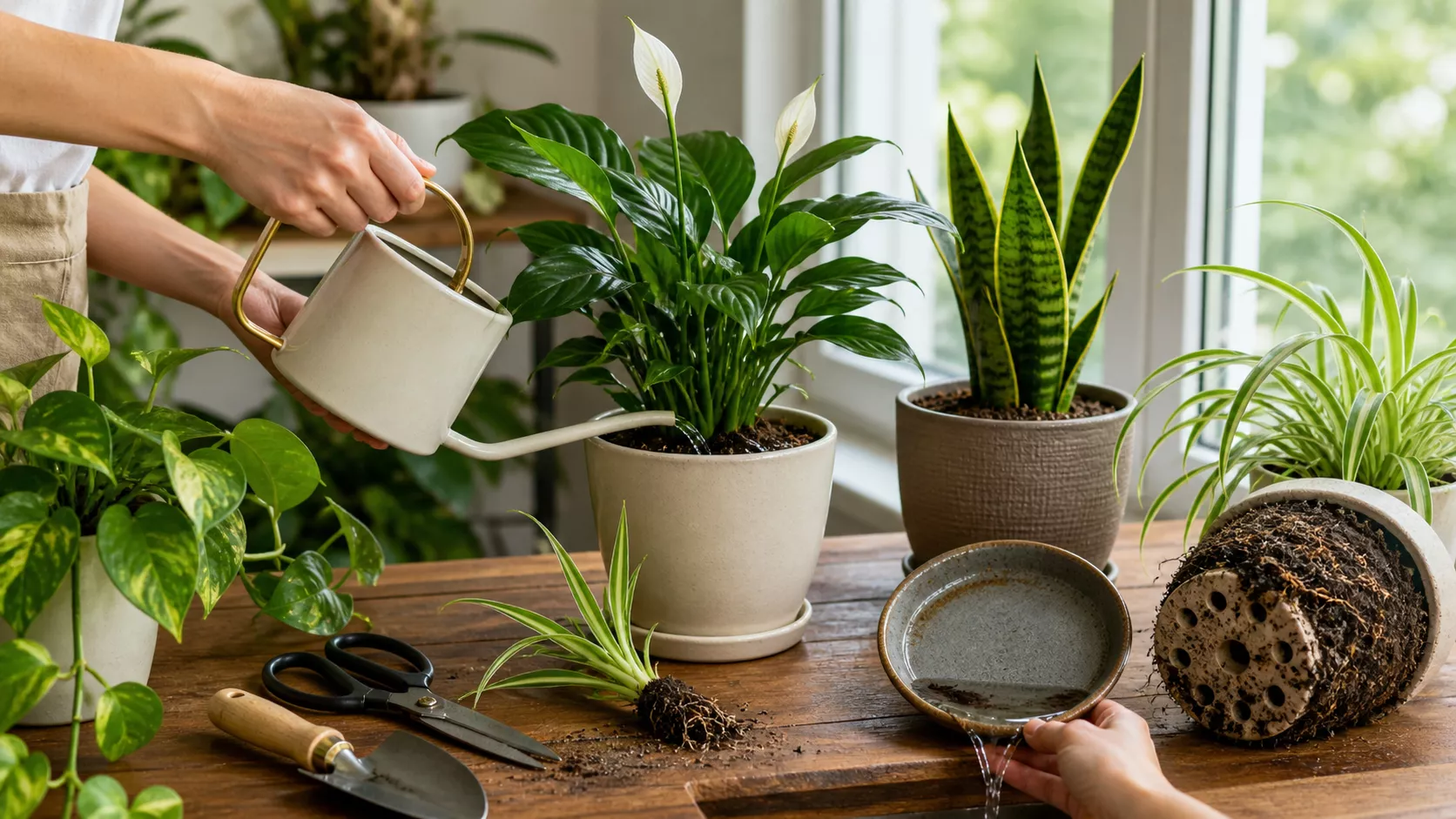
To fix this, check the soil before watering. If the soil is wet, wait longer. Make sure the pot has drainage holes and that excess water is not sitting in a saucer or decorative container. If the soil smells bad or remains soggy for many days, repotting into fresh well-draining soil may be necessary.
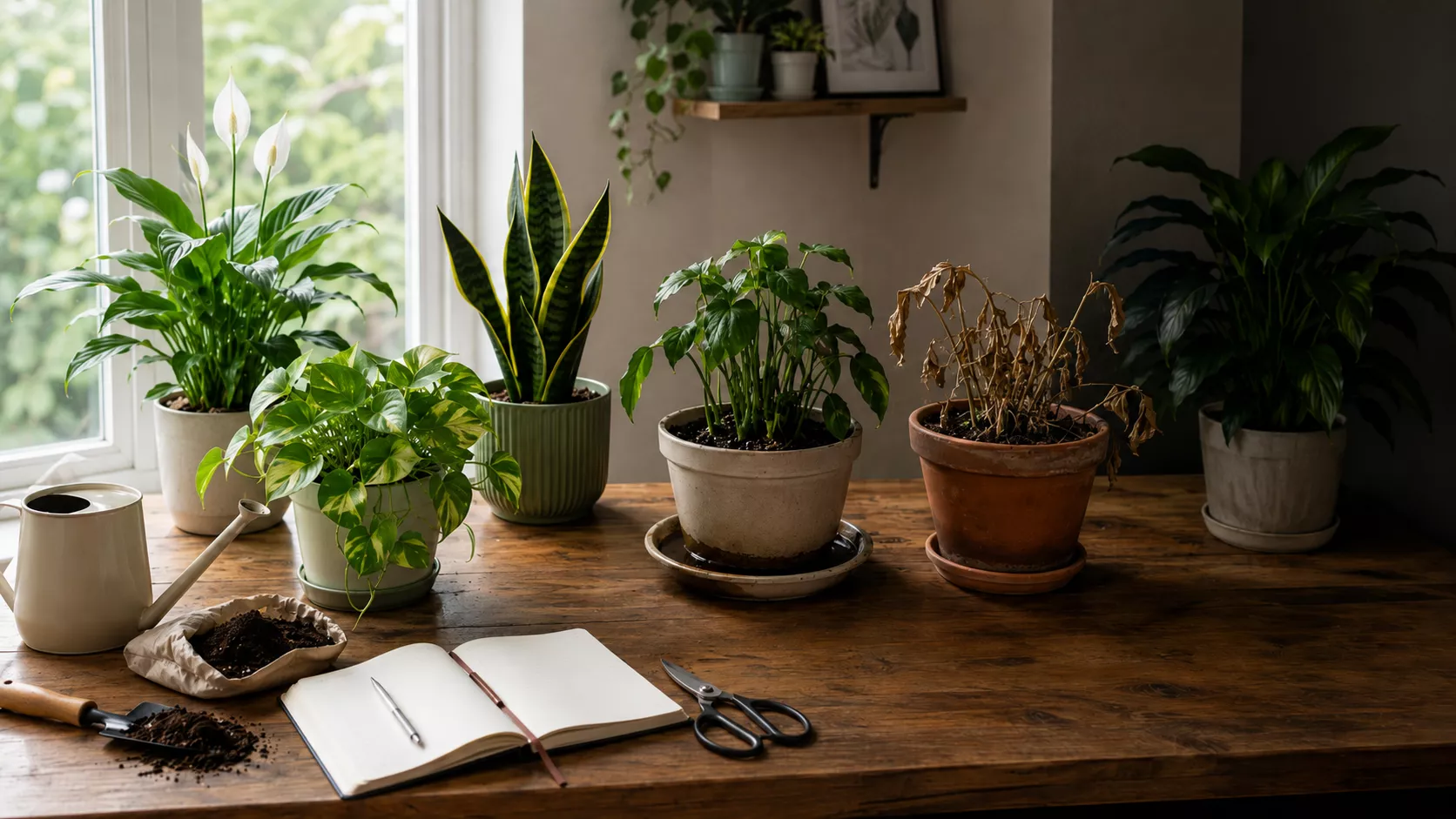
On the other hand, underwatering can also cause yellow leaves. When a plant does not receive enough water, it may begin to sacrifice older leaves to survive. The leaves may turn yellow, dry, curl, or develop crispy edges.
Usually, underwatered plants have dry soil, light pots, drooping leaves, and dry leaf tips. The soil may pull away from the edges of the pot if it has been dry for too long.
To solve this, water deeply until excess water drains from the bottom of the pot. If the soil is extremely dry and repels water, water slowly in stages. After that, create a more consistent watering routine based on soil moisture, not a fixed calendar.
Also, poor drainage can create yellow leaves even if you are not watering too often. A pot without drainage holes can trap water at the bottom, leaving roots wet for too long.
Because of this, the top of the soil may appear normal while the lower part remains soggy. This hidden moisture can cause root stress and yellowing leaves.
To prevent this, use pots with drainage holes. If you use a decorative pot without holes, keep the plant in a nursery pot inside it and remove it when watering. Let it drain completely before placing it back.
Next, lack of light is another common reason for yellow leaves. Plants need light to produce energy. When a plant does not receive enough brightness, it may weaken and begin dropping older leaves.
Signs of low light include slow growth, pale leaves, stretched stems, leaning toward a window, and soil that stays wet for too long. The plant may also produce smaller new leaves.
To fix this, move the plant closer to a bright window with indirect light. Be careful not to move a shade-adapted plant suddenly into intense direct sun. Increase brightness gradually when needed.
However, too much direct sunlight can also cause yellowing, especially in plants that prefer indirect light. Strong sun can burn leaves, dry the plant quickly, and create stress.
In this case, yellow leaves may appear with brown patches, faded areas, crispy edges, or scorched marks. The damage often appears on the side of the plant facing the sun.
To solve this, move the plant to bright indirect light or filter the sunlight with a curtain. Plants such as peace lilies, calatheas, ferns, and many tropical houseplants usually prefer protection from harsh direct sun.
Sometimes, yellow leaves may be caused by a lack of nutrients. Plants need nutrients such as nitrogen, magnesium, iron, and other minerals to maintain healthy leaves and growth.
For example, nitrogen deficiency may cause older leaves to yellow first. Iron deficiency often appears as yellowing between veins on newer leaves. However, nutrient problems can be difficult to identify without considering the full care routine.
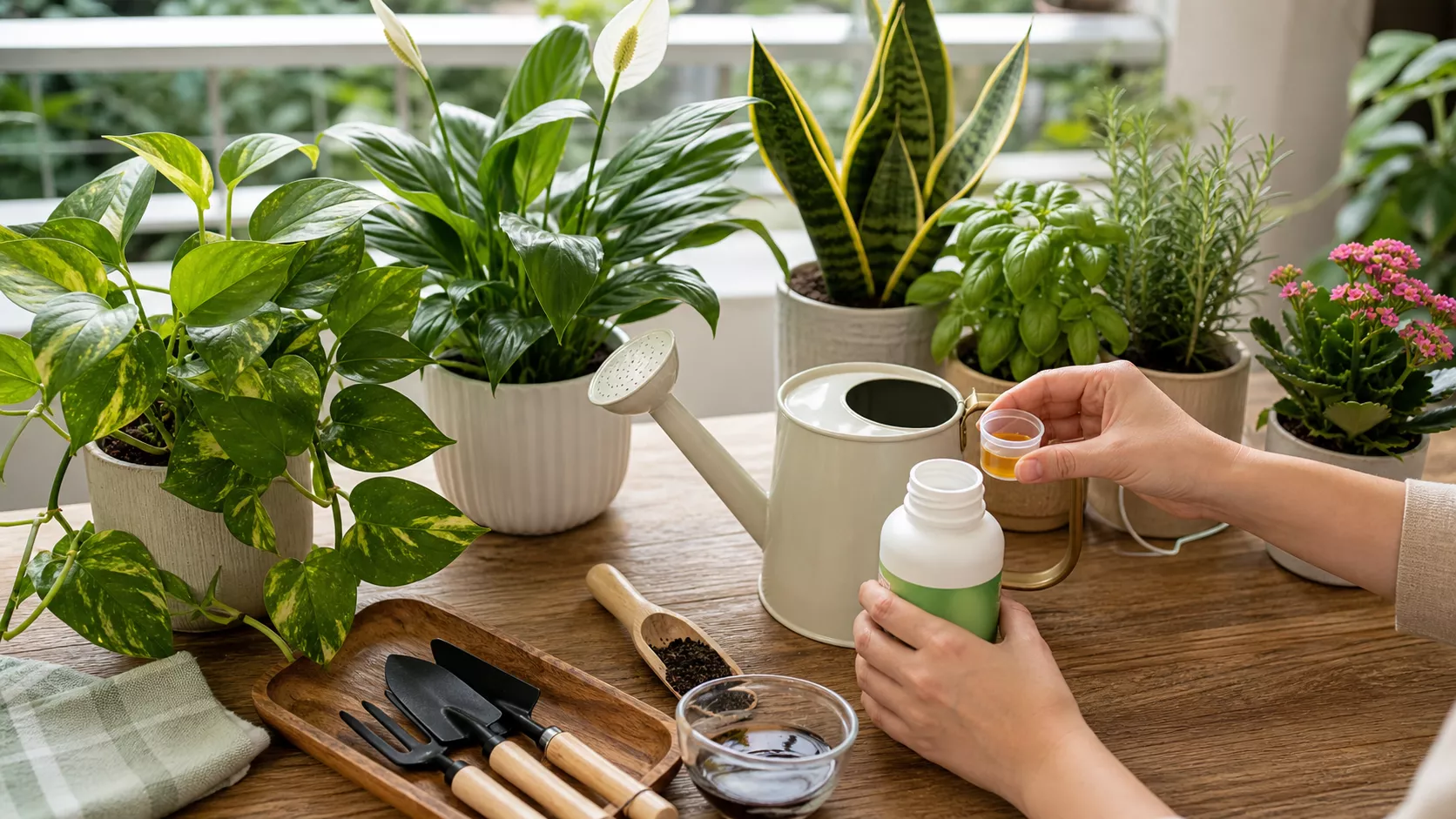
Before fertilizing, check light, watering, drainage, and soil condition. If those are correct and the plant is actively growing, use a balanced fertilizer according to the label. Avoid overfertilizing because too much fertilizer can damage roots.
Additionally, excess fertilizer can also cause yellow leaves. Many people think fertilizer always helps, but too much can burn roots and create salt buildup in the soil.
Signs of overfertilizing may include yellow leaves, brown leaf tips, crispy edges, white crust on the soil surface, and weak growth. Potted plants are especially sensitive because salts can accumulate in limited soil.
To fix this, stop fertilizing for a while. If the pot has good drainage, flush the soil with water to remove excess salts. In severe cases, repotting with fresh soil may be the best option.
Importantly, not every yellow leaf is a problem. Plants naturally lose older leaves as they grow. This is part of their normal life cycle.
Usually, natural yellowing happens on the oldest lower leaves while the rest of the plant looks healthy. New growth continues normally, and there are no signs of pests, soggy soil, or widespread stress.
In this case, you can simply remove the yellow leaf when it is ready. If only one or two old leaves turn yellow occasionally, there may be no need to worry.
Also, temperature changes can cause leaves to yellow. Many indoor plants prefer stable conditions and may react badly to cold drafts, hot air, heaters, air conditioners, or sudden location changes.
For example, tropical plants may yellow or drop leaves if exposed to cold air. Plants near heating vents may dry out quickly and develop yellow or brown leaves.
To solve this, move plants away from extreme temperature sources. Keep them in stable areas with suitable light and moderate airflow. Avoid placing sensitive plants directly beside doors, cold windows, or heating devices.
After repotting, some plants develop yellow leaves because of transplant shock. Repotting can disturb the roots, change soil conditions, and temporarily stress the plant.
Usually, mild yellowing after repotting is temporary. The plant may need time to adjust to the new pot and soil.
To help recovery, keep the plant in bright indirect light, avoid overwatering, and do not fertilize immediately. Give it stable conditions until new healthy growth appears.
Sometimes, yellow leaves appear because the plant has become root bound. This means the roots have filled the pot and have little room to expand.
Signs of a root bound plant include roots coming out of drainage holes, water running through the pot too quickly, slow growth, frequent wilting, and soil drying very fast.
To fix this, repot the plant into a slightly larger pot. Do not choose a pot that is too large. A small size increase gives roots more room while keeping moisture easier to manage.
Next, pests can weaken plants and cause yellow leaves. Insects may feed on plant sap, damage leaf tissue, or stress the plant over time.
Common pests include spider mites, aphids, mealybugs, scale insects, and fungus gnats. Look under leaves, along stems, near new growth, and on the soil surface.
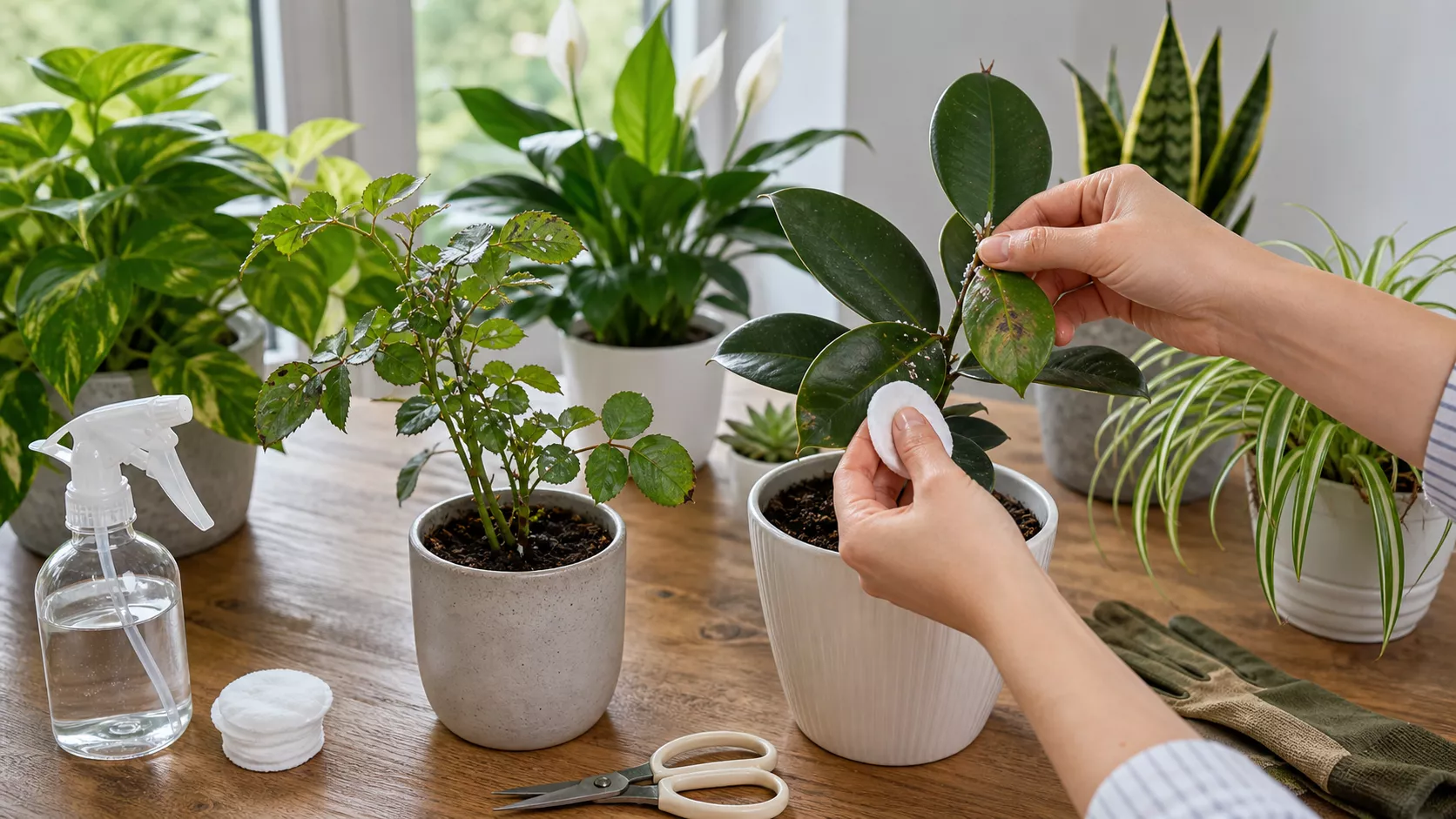
If pests are present, isolate the plant from others and clean the affected areas carefully. Use a safe pest control method suitable for the plant and pest type. Early treatment helps prevent serious damage.
In some cases, yellow leaves may be related to disease or fungal issues. This is more likely when yellowing appears with dark spots, soft patches, mold, or spreading leaf damage.
Often, fungal problems are encouraged by excess moisture, poor airflow, wet leaves, or crowded plants. Indoor plants kept in damp conditions may be more vulnerable.
To reduce risk, improve airflow, avoid wetting leaves unnecessarily, remove badly damaged leaves, and make sure the soil is not staying soggy. If the problem spreads quickly, more specific treatment may be needed.
For some tropical plants, low humidity can cause yellowing, crispy edges, and leaf curling. Plants such as calatheas, ferns, peace lilies, and some philodendrons may struggle in very dry indoor air.
However, low humidity usually affects leaf edges first, while watering problems often affect the entire leaf. Observing the pattern helps identify the cause.
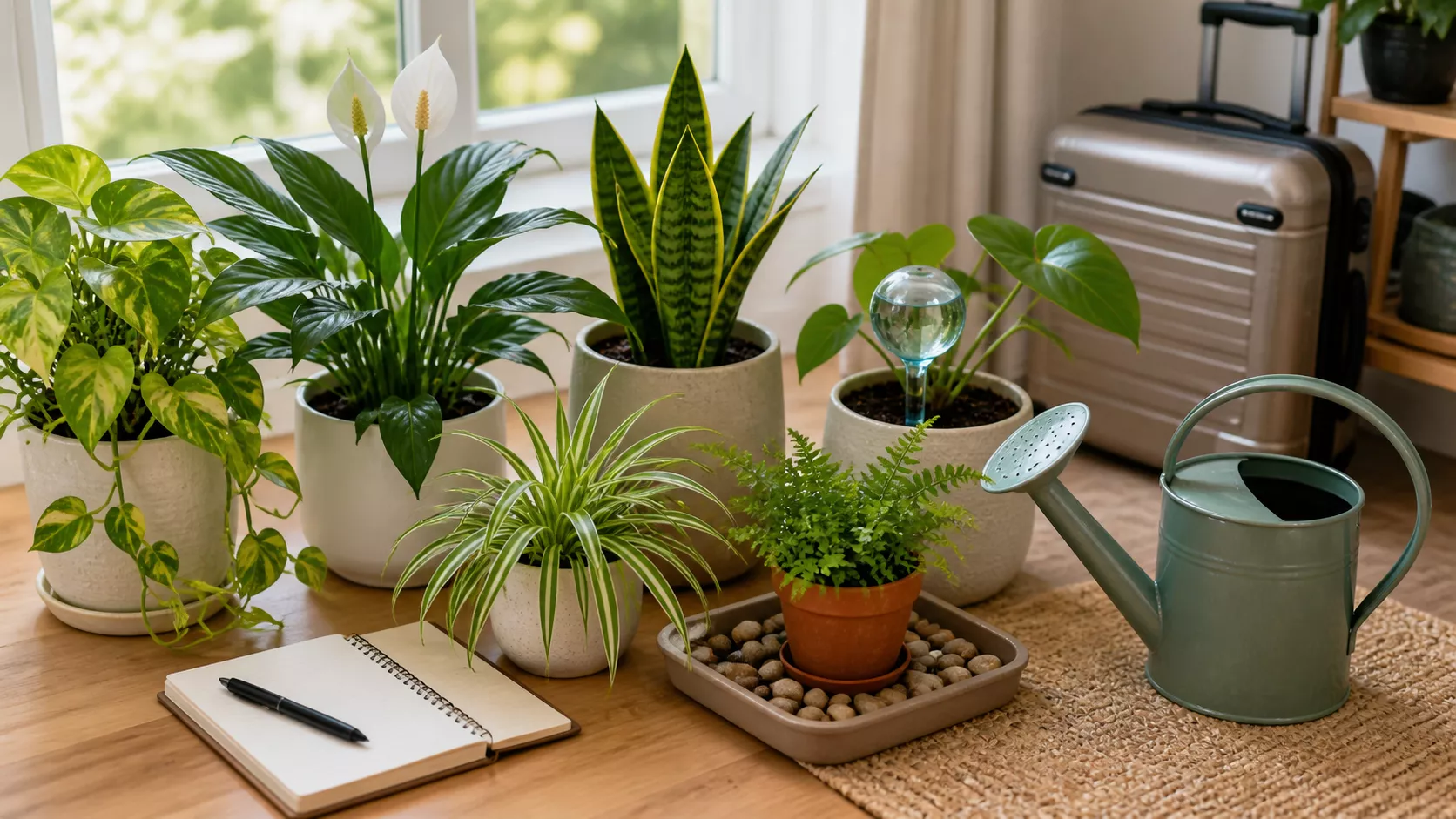
To improve humidity, group plants together, use a humidity tray, place plants in a naturally humid room with light, or use a humidifier. Still, avoid keeping the soil constantly wet.
Sometimes, water quality can contribute to yellow leaves or brown tips. Some plants are sensitive to minerals, chlorine, fluoride, or salt buildup in tap water.
This issue is more common with sensitive plants such as calatheas, dracaenas, spider plants, and some ferns. Symptoms may include yellowing, brown tips, or crispy leaf edges.
To help, you can let tap water sit before using it, use filtered water, or collect rainwater when safe and practical. Also, avoid allowing salts to accumulate in the soil.
Another possible cause is unsuitable soil. Heavy soil can hold too much moisture and reduce airflow. Soil that dries too quickly may leave the plant without enough water.
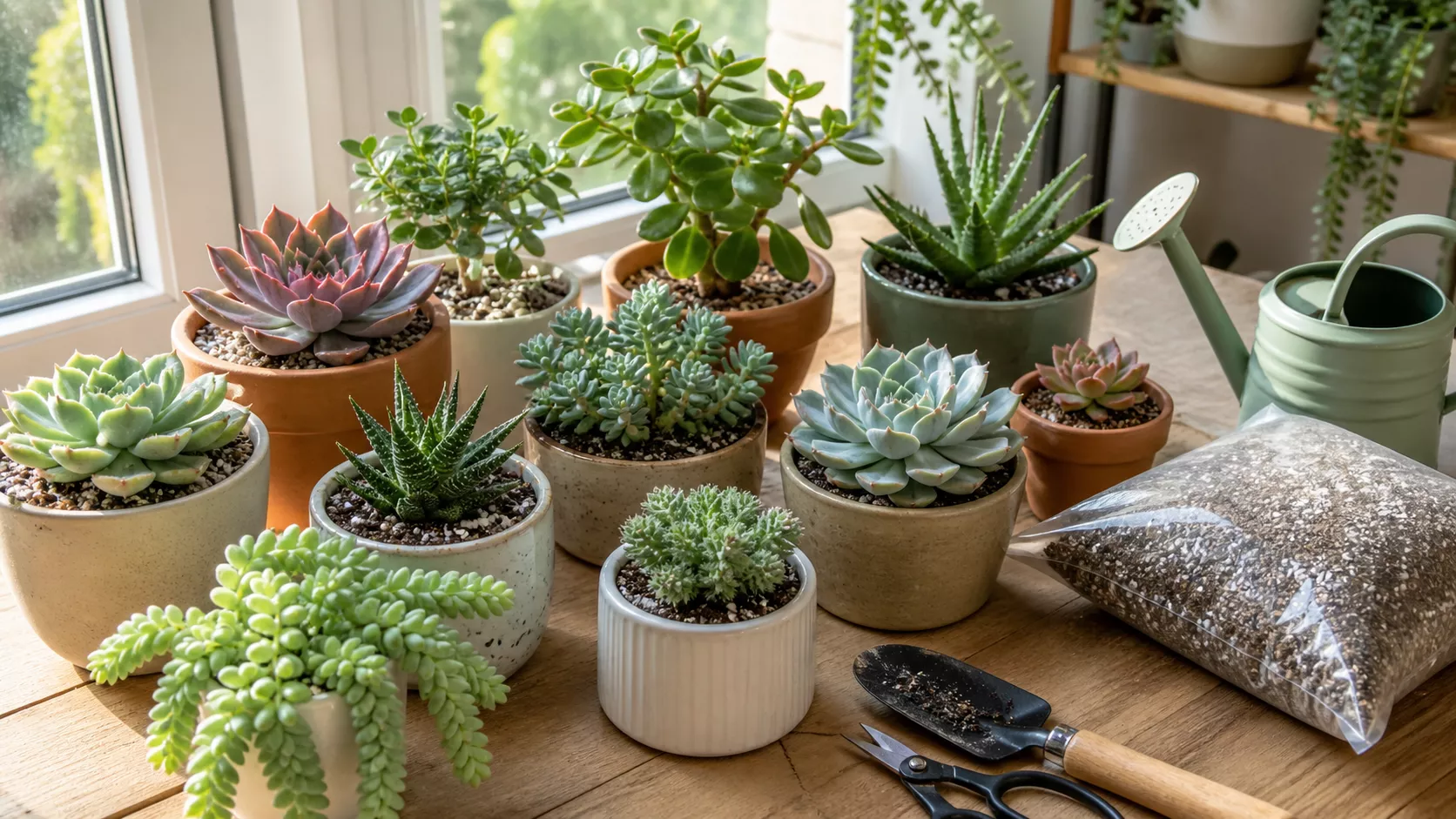
For example, succulents and cacti need fast-draining soil, while ferns and peace lilies prefer soil that holds more moisture without becoming soggy.
To solve this, match the soil to the plant. If the soil is compacted, smells bad, or drains poorly, repot the plant into a better mix.
First, check the soil moisture. Dry soil suggests underwatering, while wet soil may suggest overwatering or poor drainage.
Next, observe where the yellow leaves appear. Lower leaves may indicate aging, overwatering, or nutrient issues. New yellow leaves may suggest light problems, nutrient deficiency, or root stress.
Then, inspect the plant for pests, check the pot drainage, review recent changes, and consider light exposure. A careful step-by-step approach is better than guessing.
Usually, fully yellow leaves will not turn green again. Once a leaf has lost most of its chlorophyll, it is often better to remove it when it is ready.
However, do not remove too many leaves at once from a weak plant. Leaves still help the plant produce energy if they remain partly green.
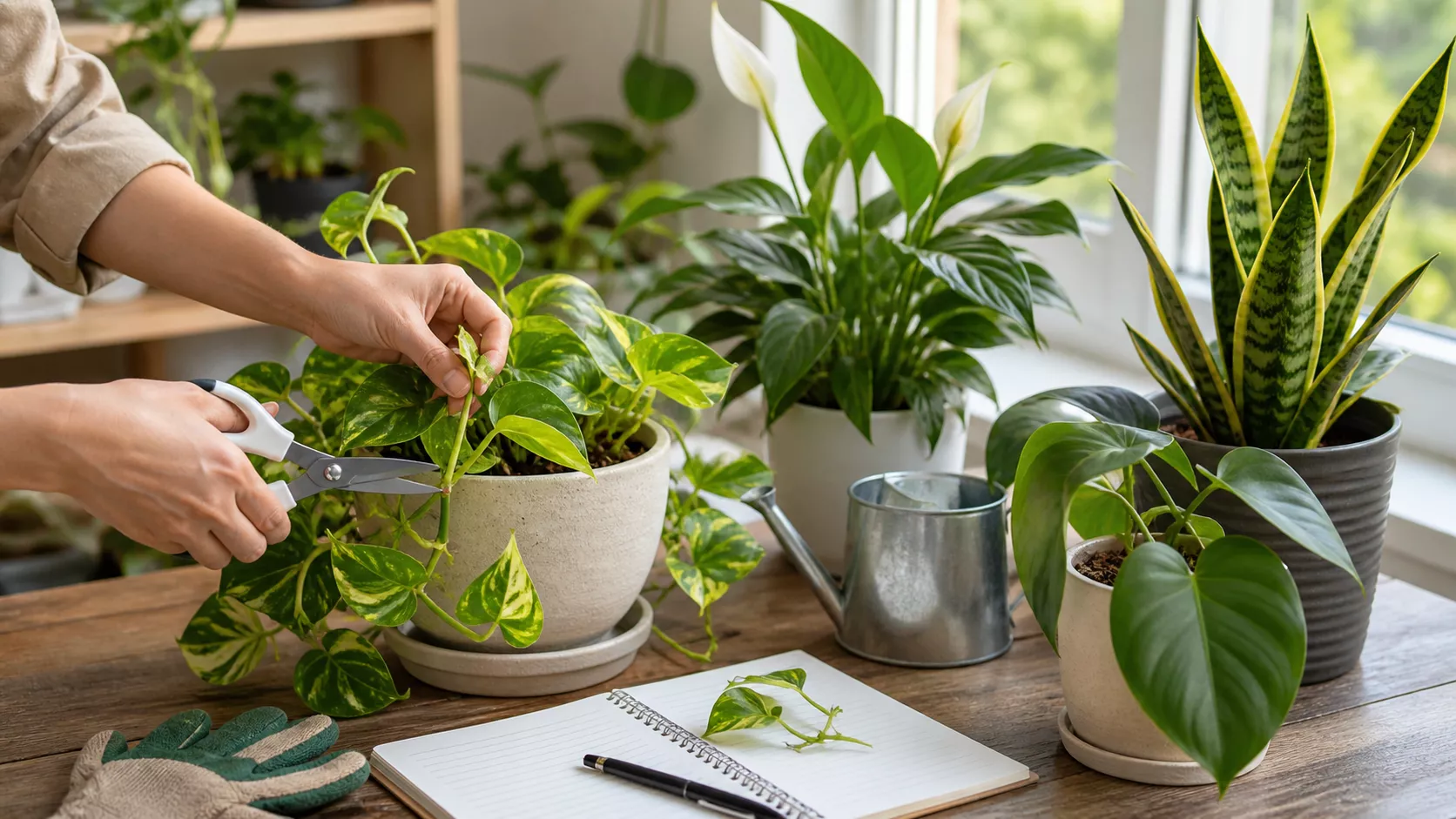
Use clean scissors to remove damaged leaves carefully. This improves appearance and helps you monitor whether new yellowing continues.
First, water only when the plant needs it. Check the soil instead of following a fixed schedule. This prevents many yellow leaf problems.
Second, provide suitable light. Each plant has different needs, so match the plant to the environment.
Third, use proper soil and pots with drainage holes. Healthy roots are the foundation of healthy leaves.
Finally, inspect plants regularly for pests, dust, and changes in growth. Early observation helps solve problems before they become serious.
One common mistake is adding fertilizer immediately. If the yellowing is caused by overwatering, poor roots, or low light, fertilizer can make things worse.
Another mistake is watering more without checking the soil. Yellow leaves can be caused by both too much and too little water.
Also, avoid moving the plant repeatedly from place to place. Sudden changes can create more stress. Make one careful adjustment and observe the response.
In conclusion, yellow leaves on plants can happen for many reasons, including overwatering, underwatering, poor drainage, lack of light, too much sun, nutrient problems, pests, temperature stress, and natural aging.
Above all, the best solution starts with careful observation. Check the soil, roots, light, pot, pests, and recent care changes before taking action.
Ultimately, yellow leaves are a message from the plant. When you learn to understand that message, you can correct problems faster and create a healthier routine for stronger, greener plants.