How to Make Plant Cuttings the Right Way

First, understanding plant fertilization is essential for anyone who wants stronger, healthier, and more beautiful plants. Fertilizer provides nutrients that help plants grow leaves, roots, stems, flowers, and fruits. However, fertilizing correctly requires balance, because too much fertilizer can harm plants instead of helping them.
Additionally, many beginners believe that fertilizer is a magic solution for every plant problem. If a plant has yellow leaves, slow growth, or weak stems, they immediately add fertilizer. However, these symptoms can also be caused by poor light, wrong watering, compacted soil, pests, or root problems.
Therefore, this guide will explain when to fertilize plants, how to choose the right type of fertilizer, how much to use, and how to avoid common mistakes. With a simple and careful routine, fertilization can become a helpful part of your plant care process.
First, plant fertilization is the process of adding nutrients to the soil or growing medium so plants can continue growing well. In nature, nutrients are recycled through decomposing leaves, organic matter, rain, microorganisms, and natural soil processes.
However, potted plants have limited soil. Their roots cannot spread far to search for nutrients, and watering can slowly wash nutrients away. Over time, the soil may become less fertile, especially if the plant is growing actively.
Because of this, fertilizer helps replace nutrients that become limited. It supports plant growth, but it does not replace water, light, drainage, or proper soil.
First, plants need nutrients for essential functions. Nutrients help produce green leaves, build strong roots, support new growth, improve flowering, and strengthen the plant’s natural development.
Additionally, plants in pots depend more on the gardener because they cannot access a natural ecosystem like plants growing in the ground. Once the nutrients in the potting mix are reduced, growth may slow down.
However, not every plant needs frequent fertilizer. Some plants grow slowly and use fewer nutrients. Others, such as herbs, vegetables, and flowering plants, may need more regular feeding during active growth.
Next, most fertilizers show three numbers on the label. These numbers represent nitrogen, phosphorus, and potassium, often called NPK. These are the three main nutrients plants need in larger amounts.
Generally, nitrogen supports leafy growth and green color. Phosphorus supports root development and flowering. Potassium helps overall plant strength, water balance, and resistance.
For example, a fertilizer with more nitrogen may be useful for leafy plants, while a formula with more phosphorus and potassium may support flowering or fruiting plants. However, balance is usually best for general houseplants.
Besides NPK, plants also need secondary nutrients and micronutrients. These include calcium, magnesium, sulfur, iron, zinc, manganese, copper, boron, and others.
Although plants need these nutrients in smaller amounts, they are still important. A lack of micronutrients can affect leaf color, growth, and overall plant health.
Because of this, high-quality fertilizers often include more than just NPK. Healthy soil, compost, and balanced feeding can help provide a broader range of nutrients.
Usually, the best time to fertilize plants is during their active growing season. For many plants, this happens in warmer months when light is stronger and temperatures support growth.
During active growth, plants use more energy and nutrients to produce new leaves, roots, stems, flowers, or fruits. Fertilizer can support this process when used correctly.
However, during colder months or periods of slow growth, many plants need less fertilizer or none at all. Feeding a plant that is not actively growing can lead to salt buildup or root stress.
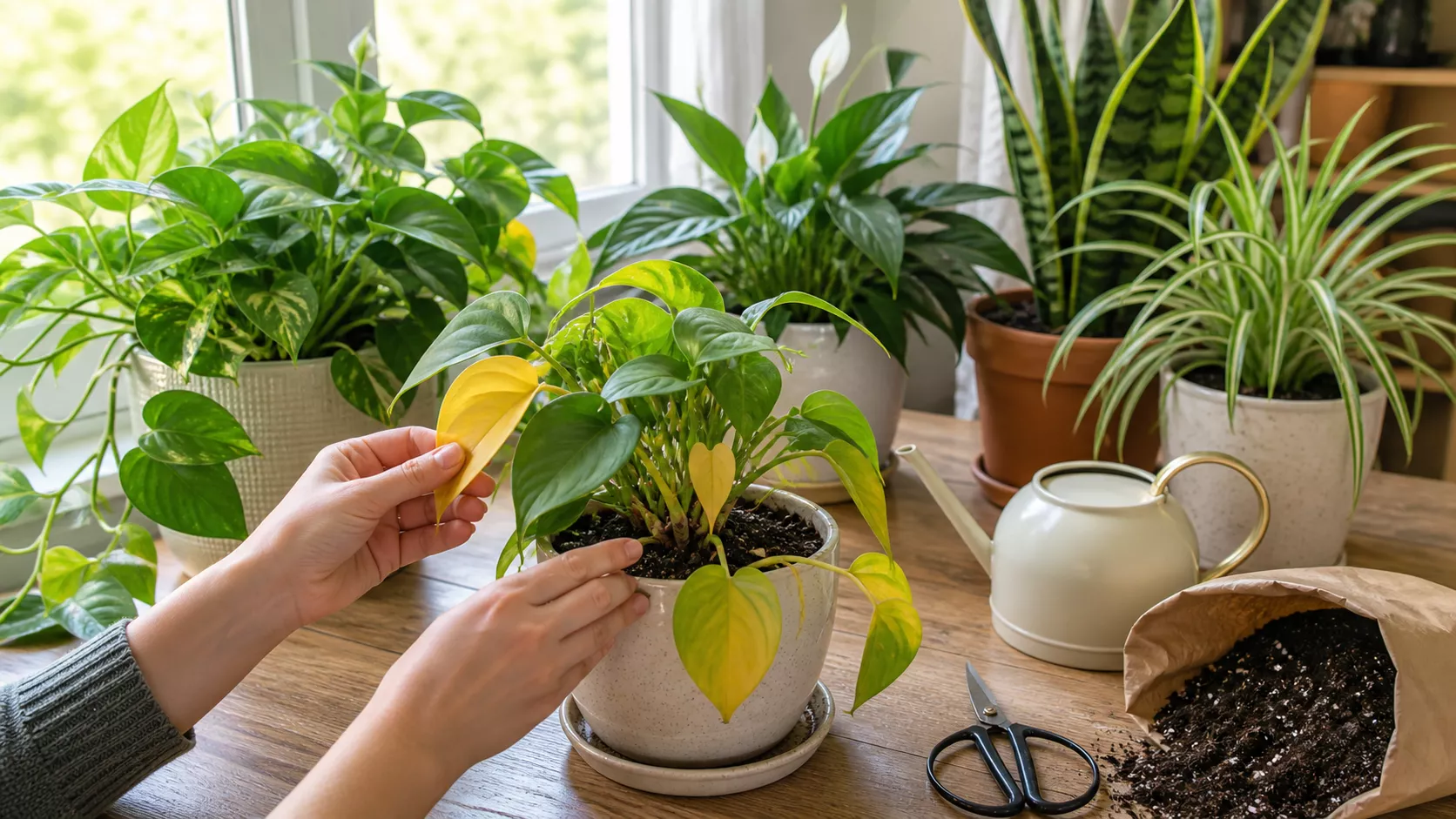
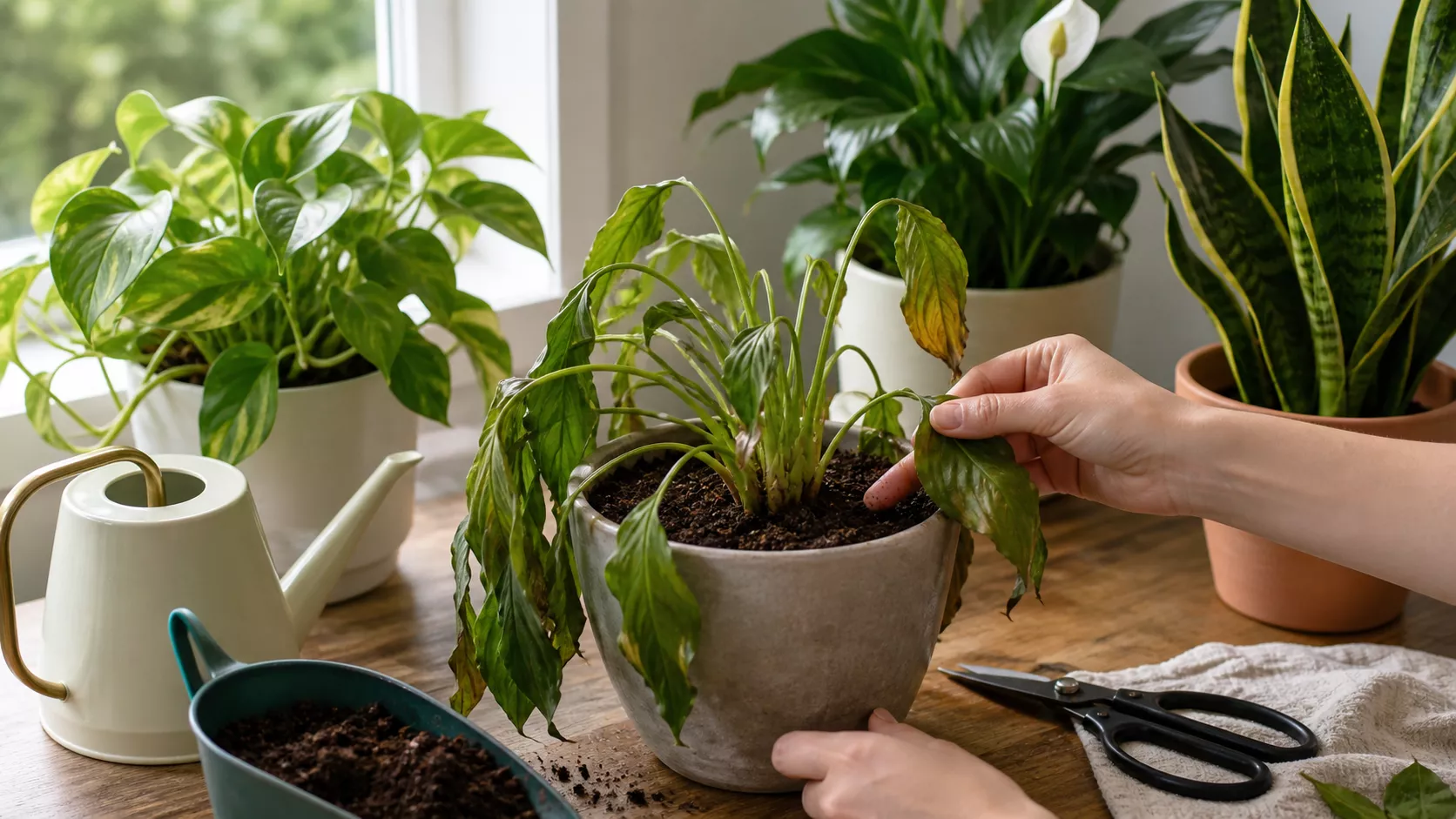
Importantly, a stressed plant does not always need fertilizer. If a plant is wilting, yellowing, dropping leaves, or looking weak, check the basic care conditions first.
For example, the problem may be overwatering, underwatering, poor drainage, low light, pests, or compacted soil. Adding fertilizer without solving the real issue can make the situation worse.
Therefore, fertilize only when the plant is stable enough to use the nutrients. Healthy growing plants respond better to fertilization than plants already struggling with root or environmental problems.
For indoor plants, fertilizing frequency depends on the species, light conditions, soil quality, and growth rate. Many common houseplants do well with light feeding during the growing season.
Generally, plants in bright light and active growth may need fertilizer more often than plants in low light. A pothos near a bright window may use more nutrients than a ZZ plant in a shaded corner.
Also, slow-growing plants usually need less fertilizer. Snake plants, ZZ plants, cacti, and many succulents should be fed carefully and not too frequently.
For outdoor plants, fertilization depends on soil quality, rainfall, plant type, and growth stage. Outdoor plants in garden beds may benefit from compost, organic matter, or seasonal feeding.
Additionally, vegetables, herbs, and flowering plants often need more nutrients because they grow actively and produce harvests or blooms. Container plants outdoors may need fertilizer more often because watering and rain can wash nutrients from the pot.
However, outdoor fertilization should still be balanced. Too much fertilizer can harm roots, encourage weak growth, or affect soil health.
Most importantly, always follow the instructions on the fertilizer label. Using more than recommended does not make the plant grow better. In fact, excess fertilizer can burn roots and damage leaves.
For beginners, using a weaker dose is often safer. Many plant owners use half-strength fertilizer for indoor plants, especially if they are unsure how the plant will respond.
Additionally, the amount depends on pot size, plant size, growth rate, and fertilizer type. A small potted plant does not need the same amount as a large outdoor container.
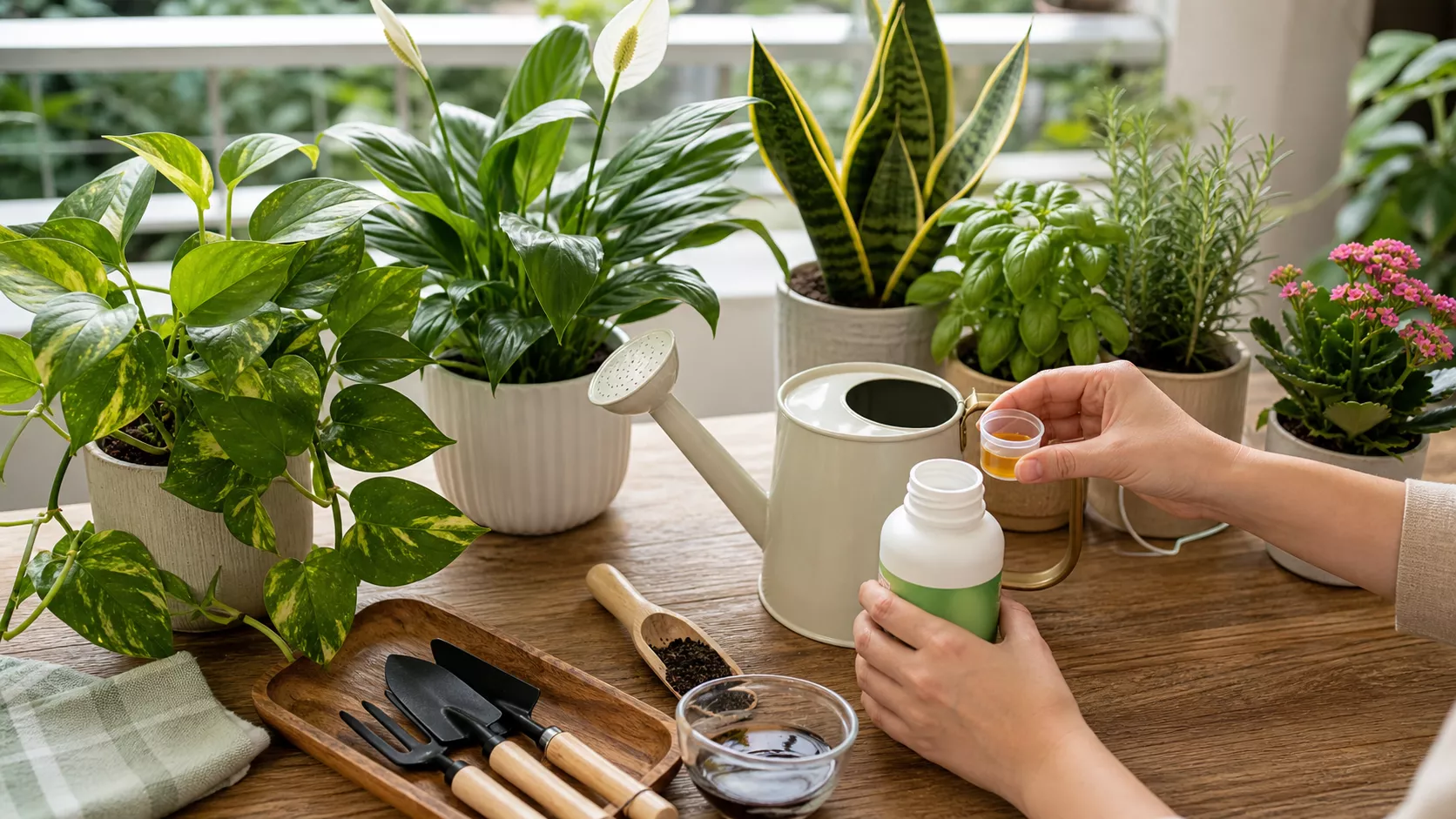
First, liquid fertilizer is popular because it is easy to apply and works relatively quickly. It is usually mixed with water and applied during regular watering.
Because liquid fertilizer reaches the roots quickly, it should be diluted properly. Strong mixtures can damage roots, especially in small pots.
Also, liquid fertilizer is useful when you want more control over feeding frequency. You can apply it lightly during active growth and stop when the plant slows down.
Next, granular fertilizer comes in small dry particles that are mixed into the soil or sprinkled on the surface. Some types release nutrients quickly, while others are slow-release.
Granular fertilizers can be useful for outdoor plants, garden beds, and larger containers. However, they must be applied evenly and according to instructions.
If too much granular fertilizer collects in one area, it can damage roots. Always use the correct amount and avoid placing concentrated fertilizer directly against stems or roots.
Also, slow-release fertilizer provides nutrients gradually over time. This can be convenient for people who want a simple feeding routine.
Usually, slow-release pellets are mixed into the soil or placed on the surface. They release nutrients slowly when the plant is watered.
However, slow-release fertilizer still requires caution. Adding more than recommended can cause nutrient buildup. Also, it may not be ideal for plants that need very specific feeding control.
Organic fertilizers come from natural materials such as compost, worm castings, bone meal, seaweed, manure, or plant-based sources. They often improve soil health over time.
Additionally, organic options may release nutrients more slowly and support beneficial soil activity. This can be excellent for outdoor gardening and many potted plants.
However, organic fertilizer can still be overused. Too much organic matter in pots can hold moisture, attract pests, or create unpleasant smells if not properly prepared.
Synthetic fertilizers are manufactured to provide nutrients in specific amounts. They can be precise, fast-acting, and easy to measure.
Because they are concentrated, they must be used carefully. Overuse can lead to salt buildup, root burn, or leaf damage.
For many houseplants, a balanced synthetic fertilizer used at a diluted strength can work well. The key is moderation and correct application.
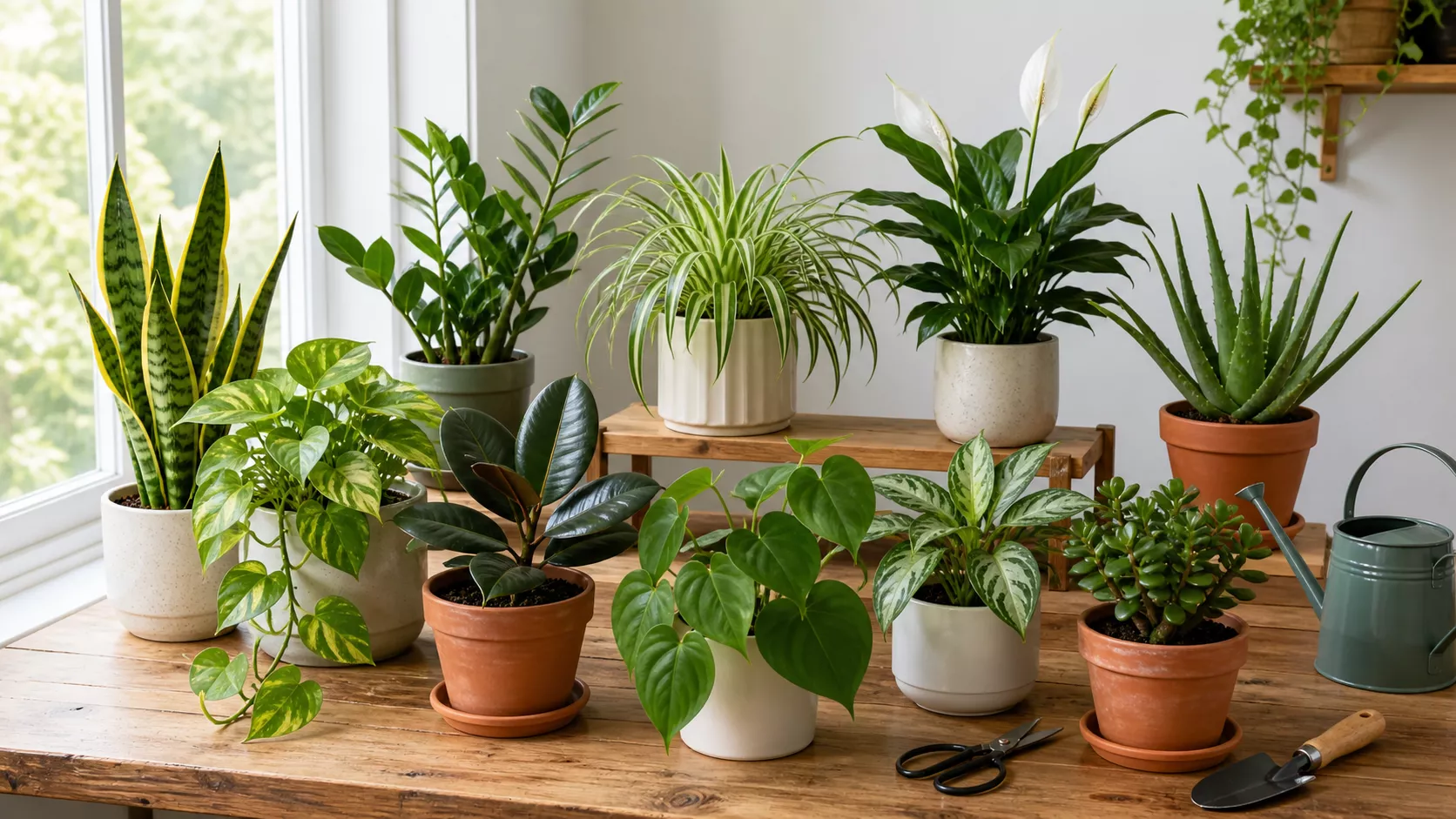
For leafy houseplants, balanced fertilization helps support green leaves and steady growth. Plants such as pothos, philodendron, monstera, spider plant, and rubber plant may benefit from feeding during active growth.
Usually, a balanced houseplant fertilizer is enough. Avoid using too much nitrogen, because it can encourage fast but weak growth if the plant does not receive enough light.
Also, clean leaves and provide proper lighting. Fertilizer works best when the plant has enough energy from light to use the nutrients.
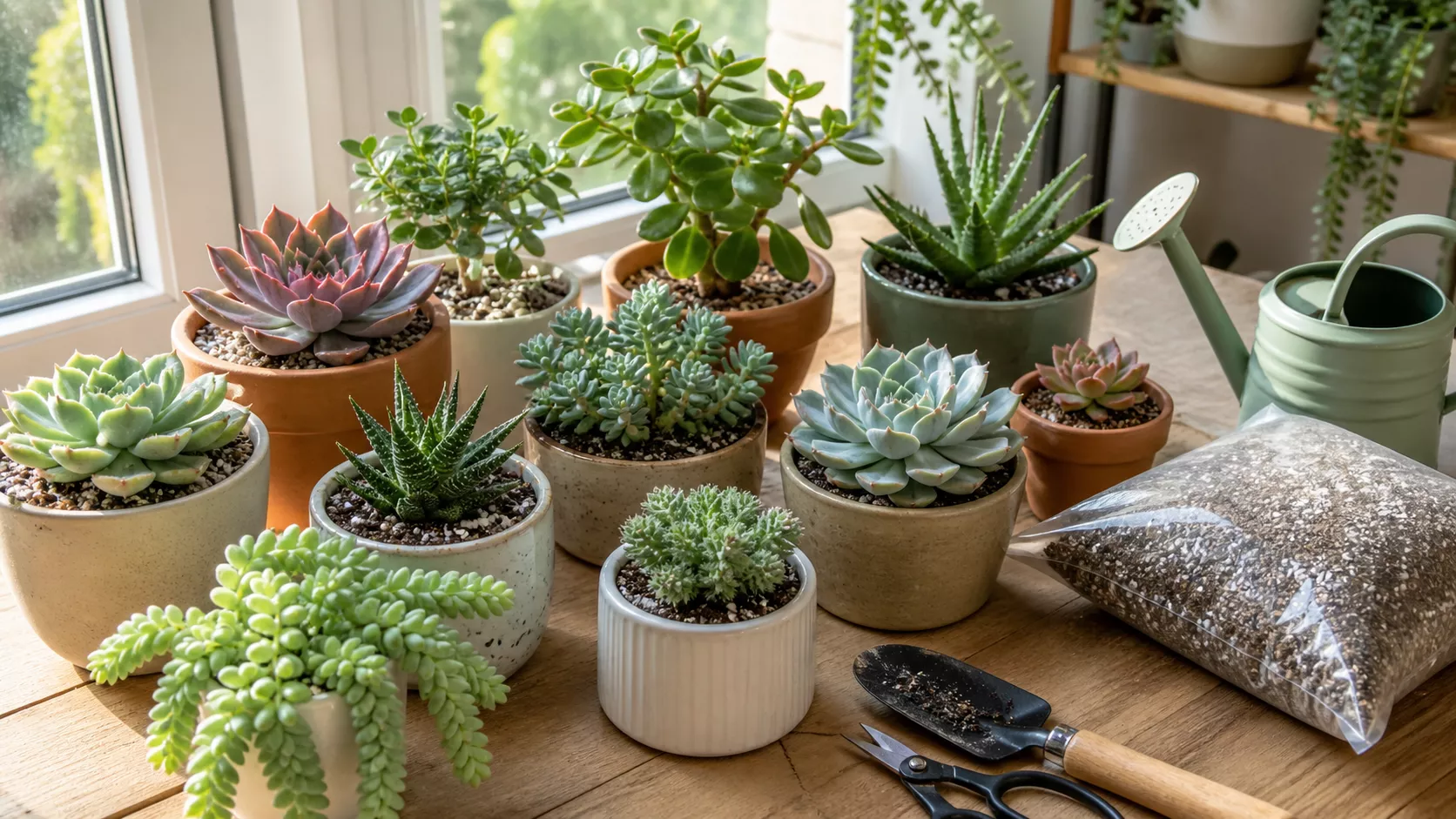
For succulents and cacti, fertilization should be light. These plants often grow in lean conditions and do not need rich soil or frequent feeding.
Usually, a diluted cactus or succulent fertilizer during the growing season is enough. Avoid fertilizing during dormancy or when the soil is too wet.
Most importantly, do not use heavy organic fertilizers in succulent pots. Rich, moisture-holding materials can increase the risk of root problems.
For flowering plants, nutrients can support bud formation and blooming. However, fertilizer alone does not guarantee flowers. Light, maturity, pruning, watering, and temperature also matter.
Generally, flowering plants may benefit from formulas that support blooms, often with balanced nutrients and adequate phosphorus and potassium.
However, too much nitrogen can encourage leaves instead of flowers. If a plant grows many leaves but does not bloom, review the fertilizer type and the amount of light it receives.
For herbs, fertilization depends on the type of herb. Leafy herbs such as basil, parsley, cilantro, and chives often benefit from nutrient-rich soil and occasional feeding.
However, herbs such as rosemary, thyme, oregano, and sage prefer leaner and better-draining conditions. Too much fertilizer can make their growth weak and reduce their natural flavor intensity.
Therefore, fertilize herbs lightly and according to their growth habits. A balanced approach is better than heavy feeding.
For vegetables grown in containers, fertilizer is often important because vegetables use many nutrients while growing leaves, roots, flowers, and fruits.
Additionally, frequent watering can wash nutrients from container soil. Tomatoes, peppers, leafy greens, and other vegetables may need consistent feeding during active growth.
However, each vegetable has different needs. Too much nitrogen can create leafy growth with fewer fruits in some plants. Balanced feeding is important.
First, always water the plant before applying strong fertilizer if the label recommends it. Fertilizing very dry soil can stress roots.
Next, apply fertilizer evenly around the soil, not directly on the stem. This helps distribute nutrients and reduces the chance of concentrated damage.
Finally, avoid fertilizing leaves unless the product is designed for foliar use. Most regular fertilizers are meant for soil application.
Sometimes, a plant may need nutrients if it shows slow growth, pale leaves, small new leaves, weak stems, or poor flowering during the growing season.
However, these signs are not always caused by nutrient deficiency. Low light, wrong watering, pests, root crowding, and poor soil can look similar.
Therefore, check the full care routine before fertilizing. Fertilizer should be used after confirming that the plant has proper light, water, soil, and drainage.
Too much fertilizer can cause brown leaf tips, crispy edges, yellowing leaves, white crust on soil, slowed growth, and root stress. In severe cases, the plant may decline quickly.
Additionally, excess fertilizer salts can build up in the soil over time, especially in potted plants. This buildup can make it harder for roots to absorb water properly.
If you suspect overfertilization, stop feeding and flush the soil with water if the pot has good drainage. In serious cases, repot the plant in fresh soil.
Importantly, fertilizer only helps when the plant has enough light to use the nutrients. Light provides energy for growth, while fertilizer provides nutrients.
If a plant is in low light, it grows more slowly and needs less fertilizer. Feeding too much in low light can lead to weak growth or nutrient buildup.
Because of this, plants in bright conditions often need more feeding than plants in shaded spaces. Always match fertilizer to light and growth rate.
Also, watering affects fertilization. If soil is too dry, fertilizer can be harsh on roots. If soil is constantly wet, roots may already be stressed and unable to use nutrients properly.
Therefore, maintain proper watering before fertilizing. Healthy roots are necessary for nutrient absorption.
Additionally, make sure fertilizer does not collect in saucers or closed decorative pots. Excess fertilizer water should drain away.
One common mistake is fertilizing too often. More feeding does not always mean better growth. Plants need balance, not constant nutrient pressure.
Another mistake is using fertilizer as a solution for every problem. If a plant is suffering from poor light or overwatering, fertilizer will not solve the real cause.
Also, beginners sometimes fertilize during dormancy. When the plant is not actively growing, it may not need extra nutrients.
To begin, identify the type of plant you have. A succulent, a fern, a flowering plant, and a herb may all need different feeding routines.
Then, fertilize mainly during active growth. Use a gentle dose, observe the plant, and avoid applying more than the label recommends.
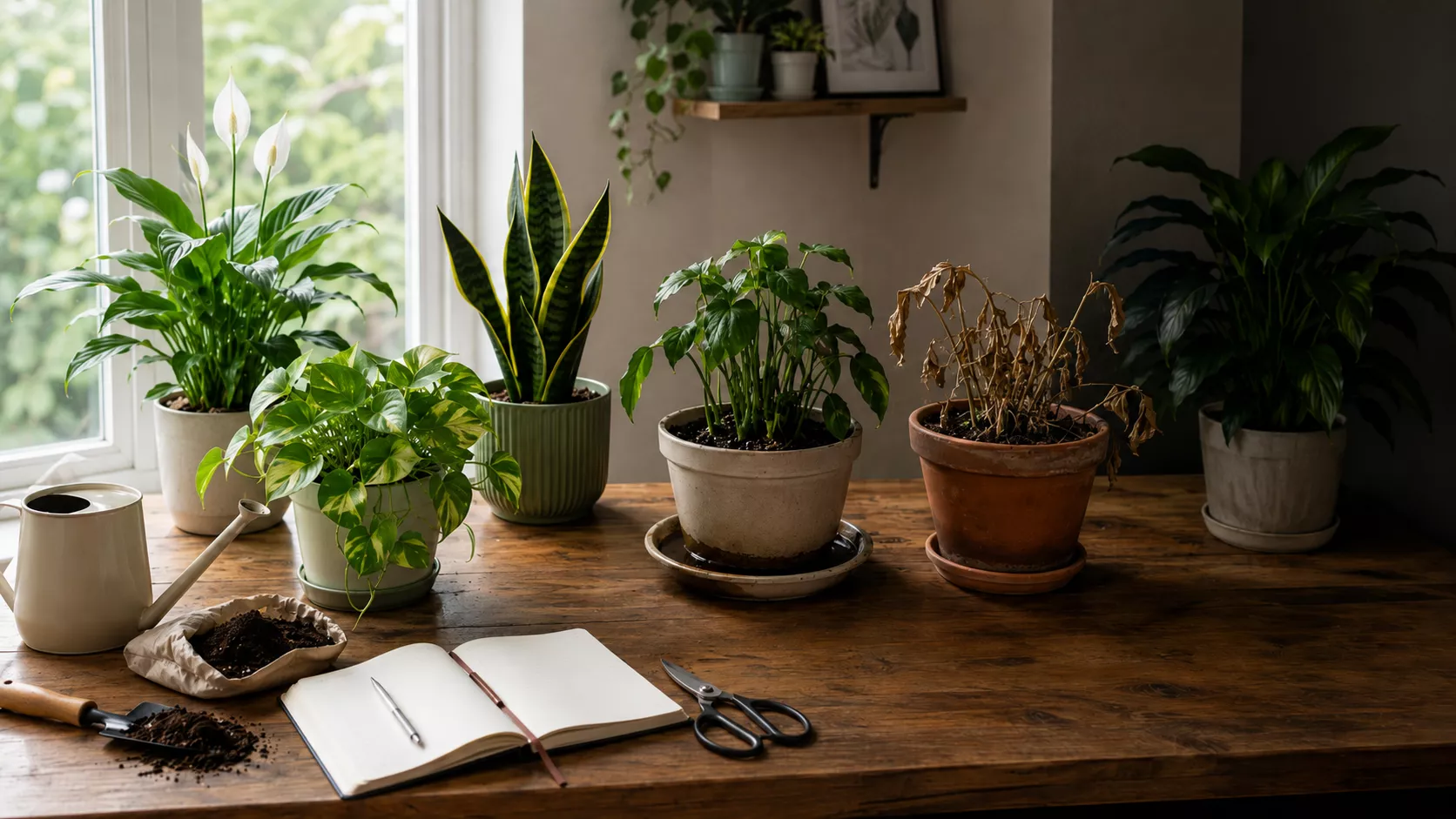
Finally, keep notes if necessary. Recording when you fertilized can prevent accidental overfeeding and help you understand how each plant responds.
In conclusion, plant fertilization is a helpful part of plant care when done with balance and attention. Fertilizer provides nutrients that support growth, leaves, roots, flowers, and overall plant strength.
Above all, fertilize at the right time, use the correct amount, and choose a fertilizer that matches the plant type. Avoid feeding stressed plants, avoid overuse, and always consider light, watering, and soil conditions.
Ultimately, learning when to fertilize plants and how much to use helps you create a safer and more effective care routine. With patience and observation, fertilization can help your plants grow healthier, stronger, and more beautiful over time.