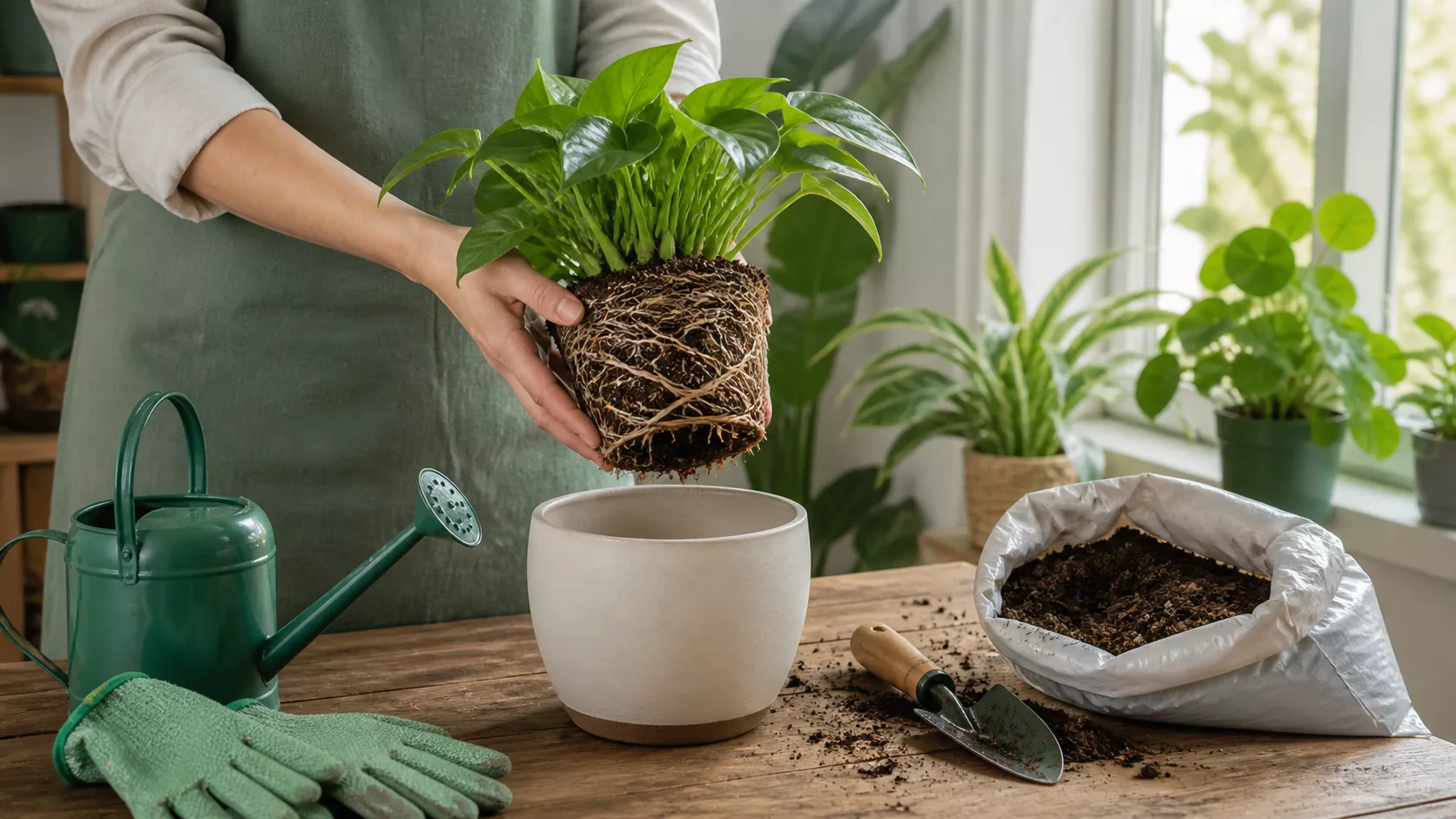
When to Change a Plant Pot

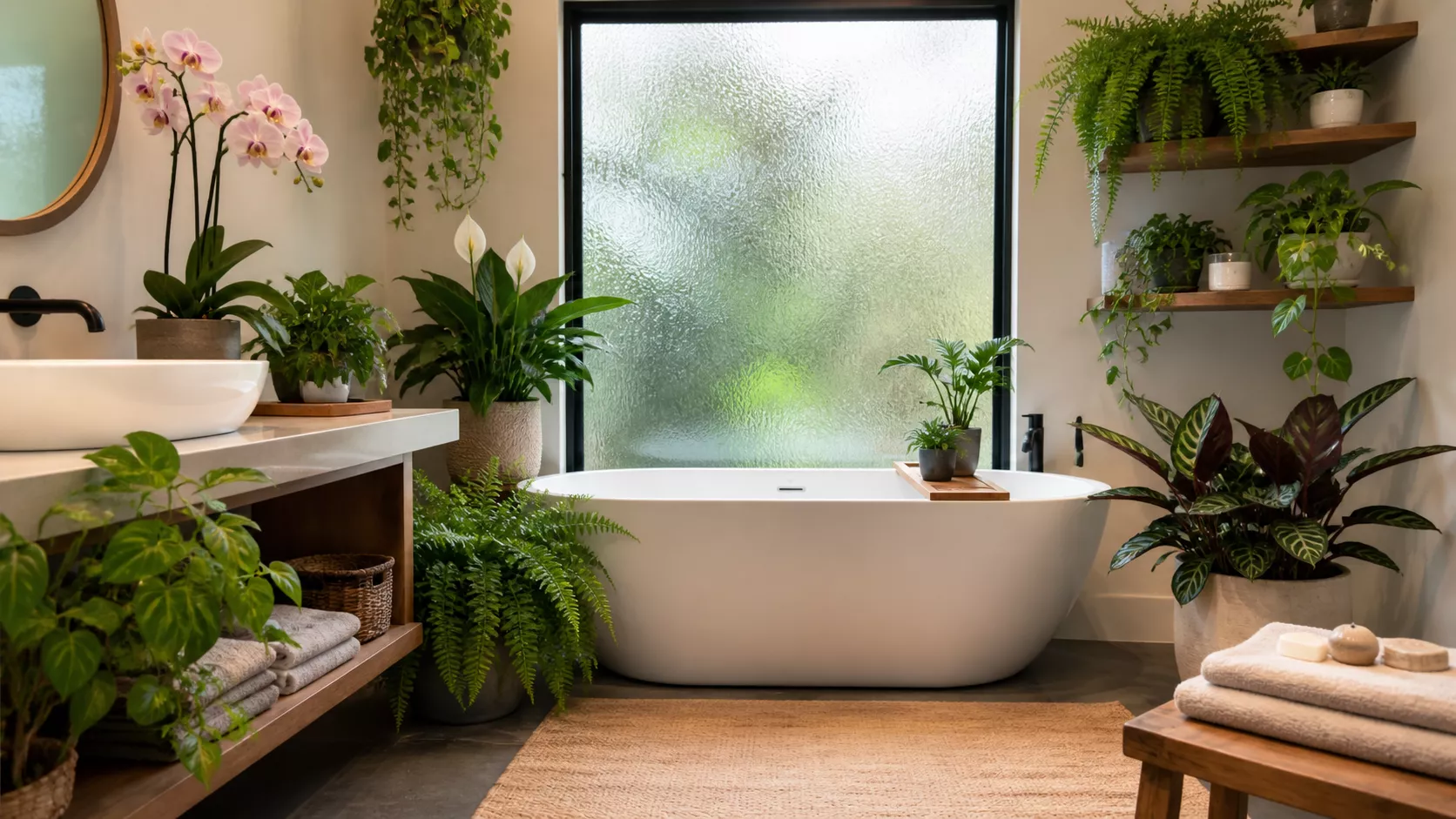
First, choosing bathroom plants that like humidity is a great way to make this space feel fresher, more relaxing, and more natural. Bathrooms often have higher humidity than other rooms because of showers, warm water, and steam. For some indoor plants, this can create a helpful environment.
However, humidity alone is not enough for plants to grow well. Many people place plants in bathrooms without considering light, airflow, drainage, and watering. A bathroom with no window or natural brightness is not suitable for most plants unless you use a grow light.
Therefore, this guide will show you the best plants for bathroom humidity, how to care for them, where to place them, and which mistakes to avoid. With the right choices, your bathroom can become a beautiful green corner without making plant care complicated.
First, many popular houseplants come from tropical or subtropical environments where air moisture is naturally higher. These plants often have leaves that respond well to moderate humidity and may develop fewer brown edges when the air is not too dry.
Additionally, bathrooms can help plants that struggle in dry living rooms or bedrooms. Ferns, calatheas, peace lilies, orchids, and some philodendrons may enjoy the extra moisture in the air.
However, high humidity can also become a problem if there is poor airflow. Constant dampness, wet soil, and low ventilation can encourage mold, fungal issues, and pests. Balance is essential.
Above all, bathroom plants still need light. A plant cannot stay healthy in a dark bathroom just because the room is humid. Light provides the energy plants need to grow.
If your bathroom has a bright window with indirect light, you have many good plant options. If it has only a small window, choose tolerant plants that can handle lower light. If it has no window, use a proper grow light or choose artificial plants for decoration.
Also, remember that frosted glass, curtains, and small windows can reduce brightness. Observe how much natural light enters the room during the day before choosing your plants.
First, Boston fern is one of the most classic bathroom plants because it enjoys humidity and indirect light. Its soft green fronds create a fresh, elegant, and natural look.
Ideally, place Boston fern in a bright bathroom where it receives filtered light. It should not be exposed to strong direct sun, which can dry or burn the fronds.
When watering, keep the soil lightly moist but not soggy. Ferns do not like drying out completely, but they also need drainage. A hanging basket or plant stand can make Boston fern look especially beautiful.
Next, bird’s nest fern is another excellent choice for humid bathrooms. It has wide, wavy green fronds that grow from the center, creating a sculptural and tropical appearance.
Unlike some delicate ferns, bird’s nest fern can be easier to manage indoors. It enjoys bright indirect light and moderate humidity, making it suitable for bathrooms with windows.
When watering, keep the soil slightly moist, but avoid pouring water directly into the center of the plant too often. Water the soil around the plant and let excess water drain away.
Also, peace lily can grow well in bathrooms with good natural light. It has dark green leaves and elegant white blooms that bring a clean, calm look to the space.
Peace lily appreciates humidity and prefers bright indirect light. It can tolerate medium light, but it usually flowers better when it receives more brightness.
When watering, keep the soil lightly moist. Do not let the plant sit in standing water. If the leaves droop, check the soil before watering because drooping can happen from both dryness and overwatering.
Another beautiful option is the orchid, especially Phalaenopsis orchid. Bathrooms with bright indirect light and moderate humidity can be very suitable for orchids.
Orchids need airflow around their roots and should not be planted in regular soil. Use orchid bark or a proper orchid mix, and keep the plant in a pot with drainage.
When watering, check the roots and potting medium first. Water when the medium begins to dry, then let the pot drain completely. Avoid leaving water trapped in the decorative pot.
Pothos is one of the easiest plants for many indoor spaces, including bathrooms. Its trailing vines look beautiful on shelves, cabinets, and hanging planters.
This plant can tolerate humidity and medium light, although it grows best in bright indirect light. Variegated varieties may need more brightness to maintain their leaf patterns.
When watering, let the top part of the soil dry before watering again. Since bathrooms are humid, the soil may dry more slowly, so always check before adding water.
Next, philodendron is a tropical-looking plant that can adapt well to humid bathrooms with natural light. Heartleaf philodendron is especially useful because it trails beautifully and is easy to maintain.
Philodendron prefers bright indirect light but can tolerate medium light. It should be protected from harsh direct sun and cold drafts.
When watering, allow the top layer of soil to dry slightly. High humidity does not mean the soil should stay constantly wet. Good drainage is still necessary.
Also, spider plant is a good bathroom option because it is adaptable, cheerful, and relatively easy to care for. Its arching leaves can brighten shelves, windowsills, and hanging baskets.
Spider plant grows best in bright indirect light, but it can tolerate moderate light. In a bathroom, humidity may help reduce brown leaf tips caused by dry air.
When watering, keep the soil lightly moist but not soaked. Let the top layer dry slightly between waterings and make sure the pot drains well.
Calathea is known for its beautifully patterned leaves and love of humidity. A bright humid bathroom can help calathea look better than a dry room.
However, calathea can be more demanding than pothos or snake plant. It prefers bright indirect light, consistent moisture, and stable conditions.
When caring for calathea, avoid harsh direct sun, cold drafts, and irregular watering. If the leaves curl or develop crispy edges, check humidity, watering consistency, and water quality.
Another humidity-loving plant is the prayer plant. It has patterned leaves that fold slightly at night, creating movement and interest.
Prayer plant enjoys bright indirect light and moderate to high humidity. A bathroom with a window can be a good location if the temperature stays stable.
When watering, keep the soil lightly moist but not soggy. Like calathea, prayer plant may develop crispy edges if the air is too dry or watering is inconsistent.
Chinese evergreen is a beautiful plant with patterned leaves and good adaptability. It can tolerate medium to lower light better than many colorful houseplants.
In bathrooms, Chinese evergreen can benefit from humidity, but it still needs some natural brightness. It should not be placed in a dark bathroom.
When watering, allow the top layer of soil to dry slightly. Avoid overwatering, especially if the bathroom stays humid and the soil dries slowly.
Although snake plant does not need high humidity, it can still work in bathrooms if the room has enough light and the soil is allowed to dry properly.
Snake plant is useful for bathrooms because it has an upright shape and fits well in corners or narrow spaces. It tolerates medium and lower light better than many plants.
However, be careful with watering. Humid bathrooms can slow soil drying, and snake plant dislikes soggy soil. Let the soil dry well before watering again.
Finally, ZZ plant is another low-maintenance option for bathrooms with some natural light. It has glossy leaves and a modern look that works well with clean bathroom decor.
ZZ plant tolerates humidity but does not need frequent watering. It stores water in underground rhizomes, so overwatering is the main risk.
When watering, wait until the soil is dry. If your bathroom has low light and high humidity, the soil may stay moist for a long time, so check carefully before watering.
First, windowsills are excellent if the light is not too harsh. Plants such as orchids, ferns, and spider plants can grow well near bright filtered bathroom windows.
Additionally, shelves are great for trailing plants like pothos and philodendron. Hanging planters can save counter space and create a lush green effect.
Also, avoid placing plants where they are constantly splashed with soap, shampoo, or hot water. Steam can be helpful, but direct contact with products can damage leaves and soil.
For small bathrooms, choose compact or vertical plants. Snake plant, bird’s nest fern, small orchids, pothos cuttings, and small peace lilies can work well.
Additionally, use vertical space. Wall shelves, hanging baskets, and narrow plant stands help you decorate without taking up too much room.
However, do not overcrowd the bathroom. Too many plants in a humid room can reduce airflow and make pest or mold problems more likely.
If your bathroom has low light but still receives some natural brightness, choose tolerant plants such as pothos, ZZ plant, snake plant, Chinese evergreen, or peace lily.
However, low light plants still need light. If the room is too dark to read in during the day without turning on a lamp, it is probably too dark for most plants.
In that case, use a grow light or move plants in and out regularly, although rotating plants can be inconvenient. A stable light source is usually better.
Importantly, bathroom plants may need less frequent watering because the air is humid and the soil may dry more slowly. This is especially true in bathrooms with limited airflow.
Before watering, always check the soil. Do not water just because several days have passed. Some plants may stay moist longer in bathrooms than in other rooms.
When watering, water thoroughly and let excess water drain away. Avoid leaving plants sitting in saucers or decorative pots filled with water.
Because bathrooms can be humid, mold and fungal problems may appear if airflow is poor or soil stays wet. Prevention is easier than treatment.
To prevent mold, avoid overwatering, remove dead leaves from the soil surface, use well-draining soil, and keep some space between plants.
Additionally, open the bathroom door or window when possible to improve airflow. Gentle ventilation helps plants and reduces excess moisture.
Bathroom plants can collect dust, water spots, or product residue. Clean leaves absorb light better and look more attractive.
For broad leaves, wipe gently with a soft damp cloth. For ferns and delicate plants, use a gentle rinse or careful trimming of dry fronds when needed.
However, avoid spraying perfumes, cleaning products, or hair products near plants. Chemical residue can damage leaves over time.
One common mistake is choosing plants only because they like humidity while ignoring light. A plant in a dark bathroom will usually decline, even if humidity is high.
Another mistake is overwatering. Since bathrooms are already humid, many plants dry more slowly. Always check soil moisture first.
Also, avoid placing plants too close to hot showers, soap splashes, or cold windows. Stable conditions help plants grow better.
Importantly, some bathroom plants can be toxic to cats and dogs if chewed. Peace lily, pothos, philodendron, snake plant, ZZ plant, and some other common houseplants may be unsafe for pets.
Because of this, place plants where pets cannot reach them. High shelves, hanging baskets, or closed bathrooms can help, depending on your home.
If your pet often chews plants, choose pet-safe options and research each plant before bringing it home.
To care for bathroom plants successfully, check light first. Make sure each plant receives the brightness it needs.
Then, check soil moisture before watering. Remember that humidity can slow drying, so bathroom plants may need less water than plants in drier rooms.
Finally, clean leaves, remove dead foliage, and inspect for pests or mold weekly. A few minutes of attention can keep your bathroom plants healthy and attractive.
In conclusion, bathroom plants that like humidity can make your bathroom feel fresher, greener, and more relaxing. Ferns, peace lilies, orchids, pothos, philodendrons, calatheas, spider plants, Chinese evergreens, snake plants, and ZZ plants can all work depending on light and space.
Above all, remember that humidity is only one part of plant care. Bathroom plants still need suitable light, proper watering, drainage, airflow, and clean leaves.
Ultimately, the best plants for bathroom humidity are the ones that match your bathroom conditions. With the right plant choices and a simple care routine, you can turn your bathroom into a beautiful indoor green space.