How to Care for Plants in Hot Weather

First, learning how to prevent pests in houseplants is one of the best ways to keep indoor plants healthy, beautiful, and easier to care for. Pests can appear quietly and spread quickly when plants are weak, crowded, dusty, overwatered, or recently brought home from stores.
Additionally, many common plant pests are easier to prevent than eliminate. Once insects spread to several plants, treatment becomes more difficult and stressful. Because of this, prevention should be part of your regular indoor plant care routine.
Therefore, this guide will explain how to reduce the risk of pests in houseplants using simple habits. You will learn how to inspect plants, avoid overwatering, clean leaves, improve airflow, quarantine new plants, check soil, and identify early signs before the problem becomes serious.
First, houseplants can get pests for several reasons. Some pests arrive on new plants from garden centers, supermarkets, nurseries, or plant swaps. Others may enter through open windows, contaminated soil, or outdoor plants brought indoors.
Also, pests are more likely to attack stressed plants. A plant that receives poor light, too much water, dry air, or weak soil conditions may become less resistant. Healthy plants are not completely immune, but they often handle small problems better.
Because of this, preventing pests is not only about killing insects. It is about creating conditions where plants stay strong and pests have fewer chances to multiply.
First, it helps to know the most common pests. Many indoor plant problems are caused by aphids, mealybugs, spider mites, scale insects, thrips, whiteflies, and fungus gnats.
For example, mealybugs often look like small white cottony spots on stems and leaf joints. Spider mites may create fine webbing and tiny pale marks on leaves. Fungus gnats are small flying insects that often appear when soil stays too wet.
Additionally, pests may hide under leaves, near new growth, in soil, or around stems. Regular inspection helps you notice them early before they spread.
Before bringing a plant home, inspect it carefully. Look at the top and underside of leaves, stems, soil surface, and the base of the plant. This simple habit can prevent many pest problems.
Avoid buying plants with sticky leaves, white cottony spots, tiny moving insects, webbing, yellow speckled leaves, damaged new growth, or soil full of small flies. Even if the plant looks beautiful from a distance, hidden pests can spread to your other plants.
Also, check nearby plants in the store. If several plants around it look unhealthy or infested, it is safer to choose another source or another day to buy.
Next, quarantine is one of the best ways to prevent pests in houseplants. When you bring a new plant home, keep it separate from your other plants for a short period.
During this time, inspect it regularly. Pests may be hidden and only become visible after a few days. Quarantine gives you time to notice problems before placing the plant near your collection.
Ideally, keep the new plant in a separate room or at least away from other plants. This habit is especially important if you already have many indoor plants close together.
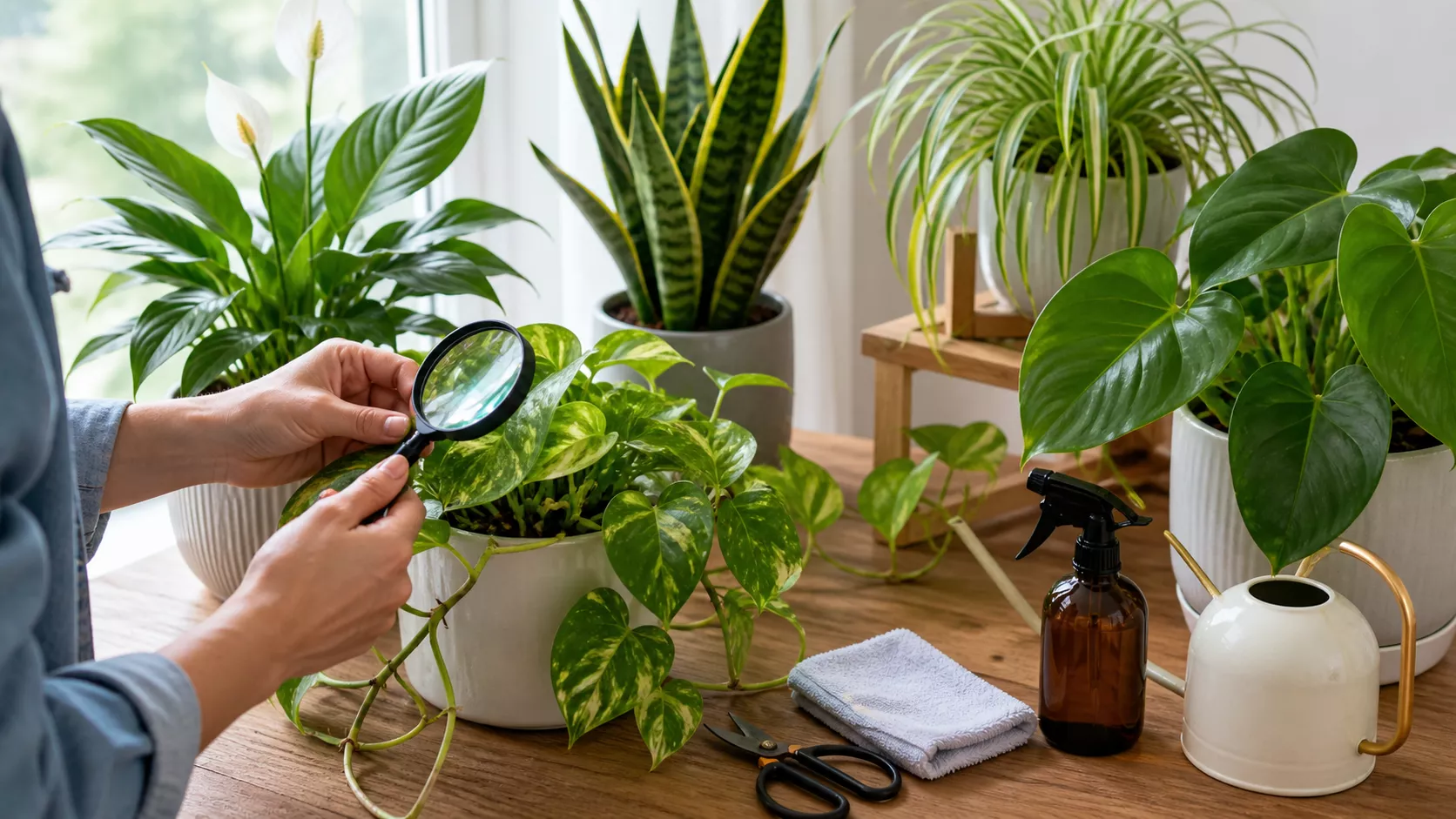
Also, regular inspection is essential. You do not need to spend hours doing this. A quick check once a week can help you identify early warning signs.
Look under leaves, around stems, near new growth, and on the soil surface. Many pests prefer hidden areas, so do not check only the top of the plant.
Additionally, observe changes such as sticky residue, yellow spots, curled leaves, webbing, small bumps, white clusters, or sudden leaf drop. These signs may indicate pest activity or plant stress.
Another important habit is cleaning plant leaves. Dust can block light, weaken the plant, and create a better hiding place for pests. Clean leaves also make it easier to notice small insects.
For broad-leaf plants, use a soft damp cloth to gently wipe both sides of the leaves. For delicate plants, use a gentle shower or soft brush when suitable.
However, avoid using harsh chemicals or random homemade mixtures on leaves. Some plants are sensitive and may develop damage. Simple cleaning with clean water is often enough for regular maintenance.
Importantly, overwatering is one of the biggest causes of pest problems, especially fungus gnats. These small flying insects are attracted to moist soil and organic matter.
When soil stays wet for too long, it creates a favorable environment for fungus gnat larvae. Overwatering can also weaken roots, making the plant more vulnerable to other problems.
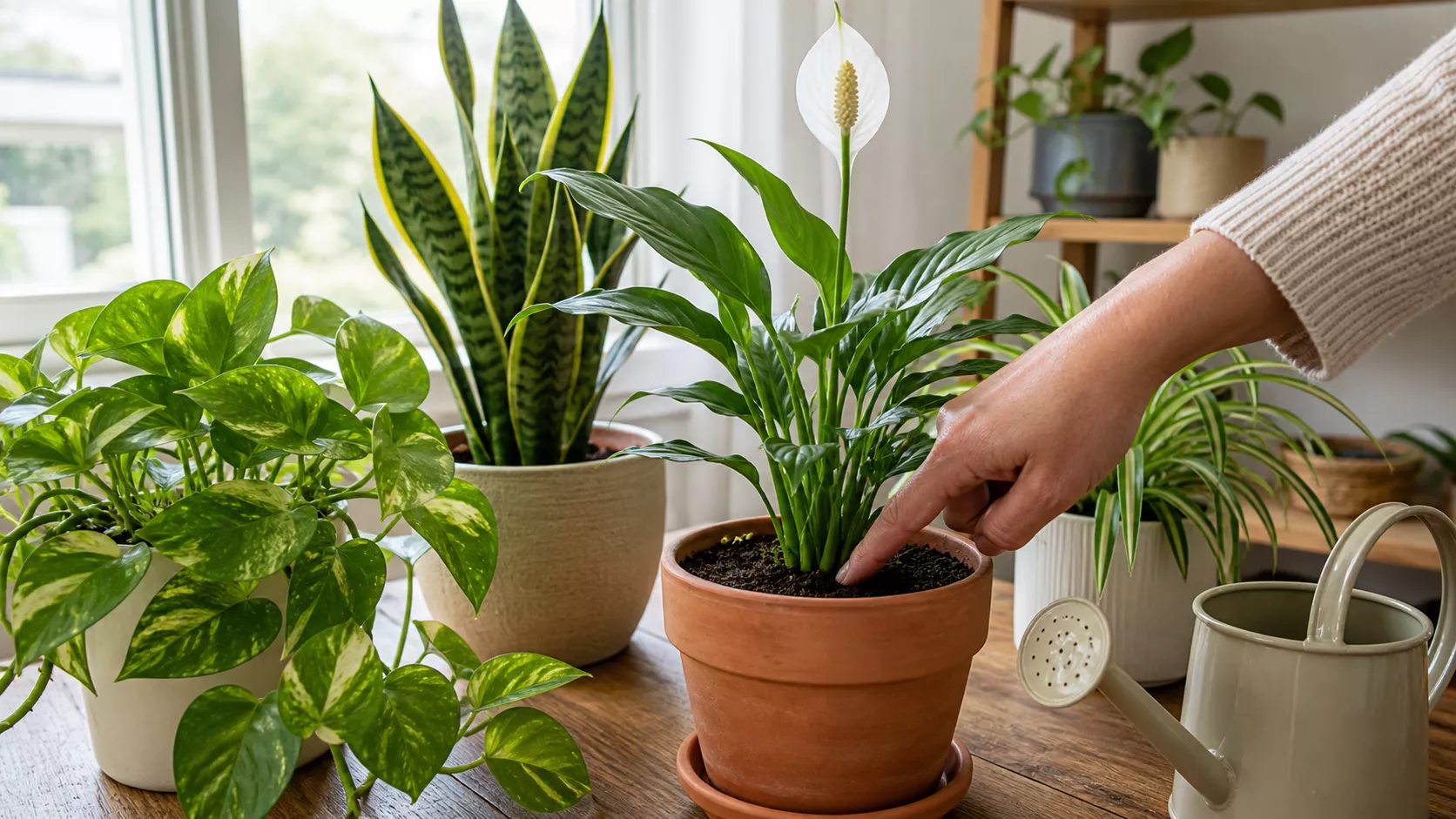
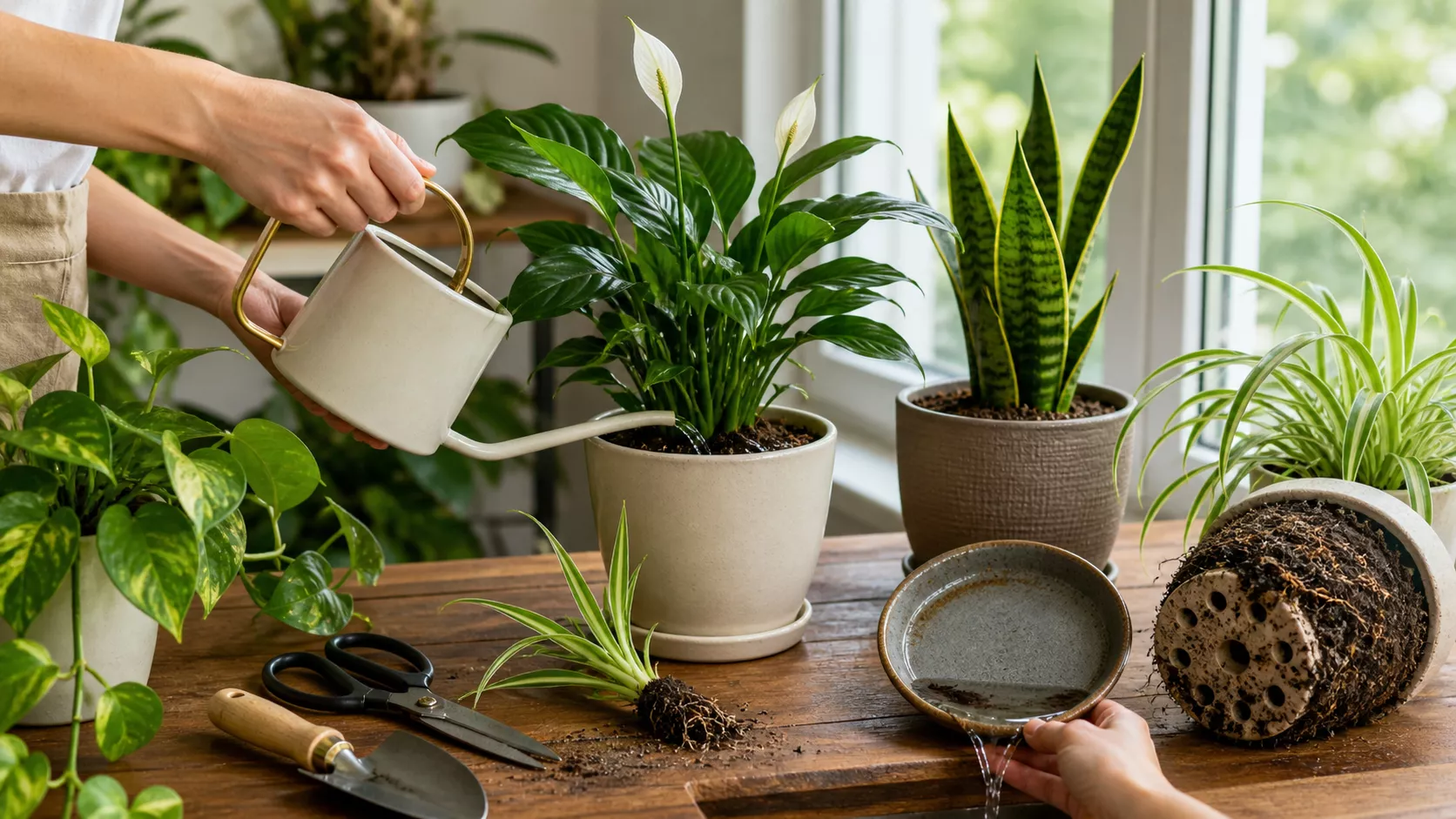
To prevent this, check the soil before watering. Water only when the plant actually needs it, and make sure the pot has drainage holes. Good watering habits reduce pest risk significantly.
Next, soil quality affects pest prevention. Heavy, compacted, or constantly wet soil can encourage fungus gnats, mold, and root stress.
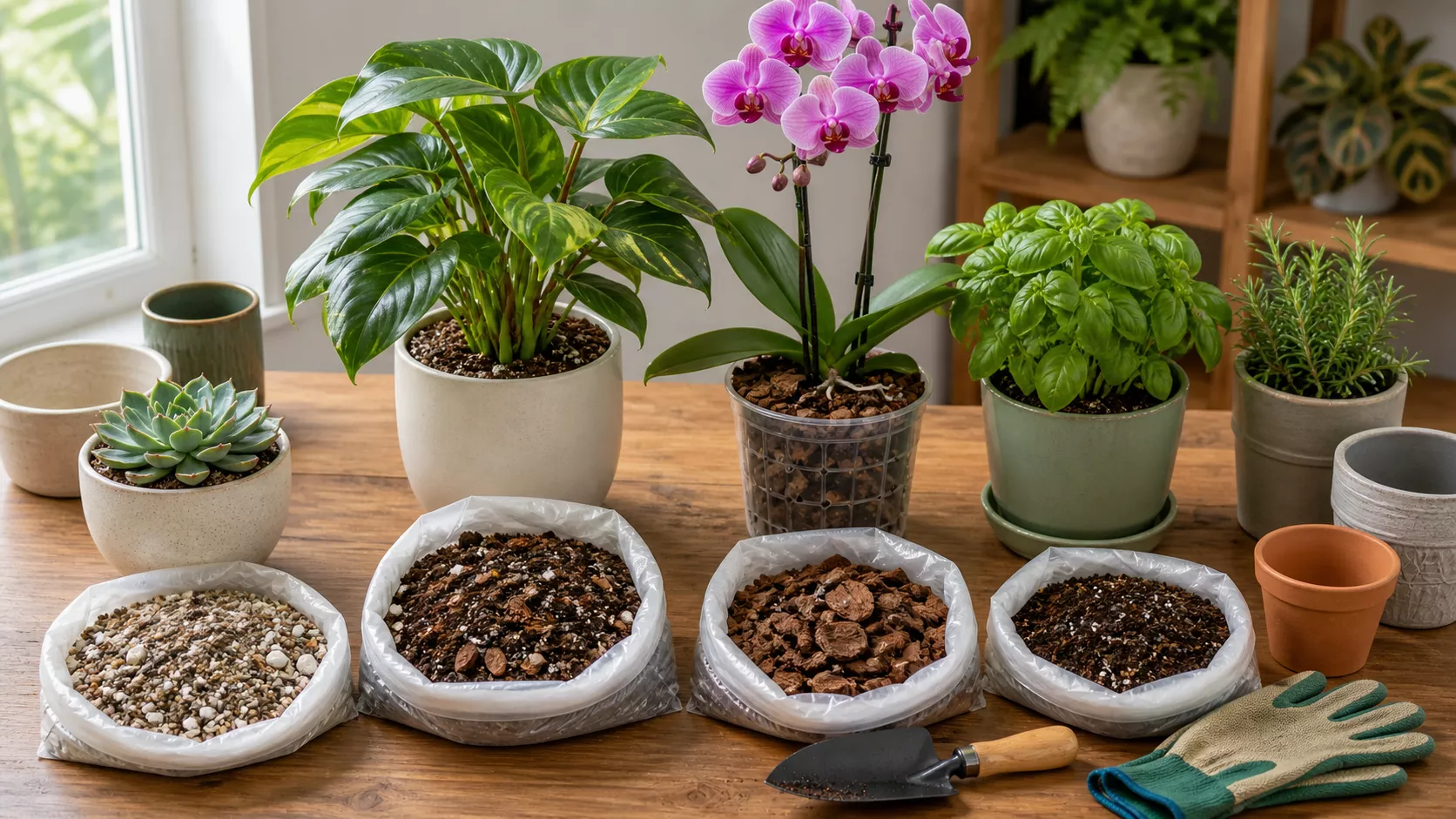
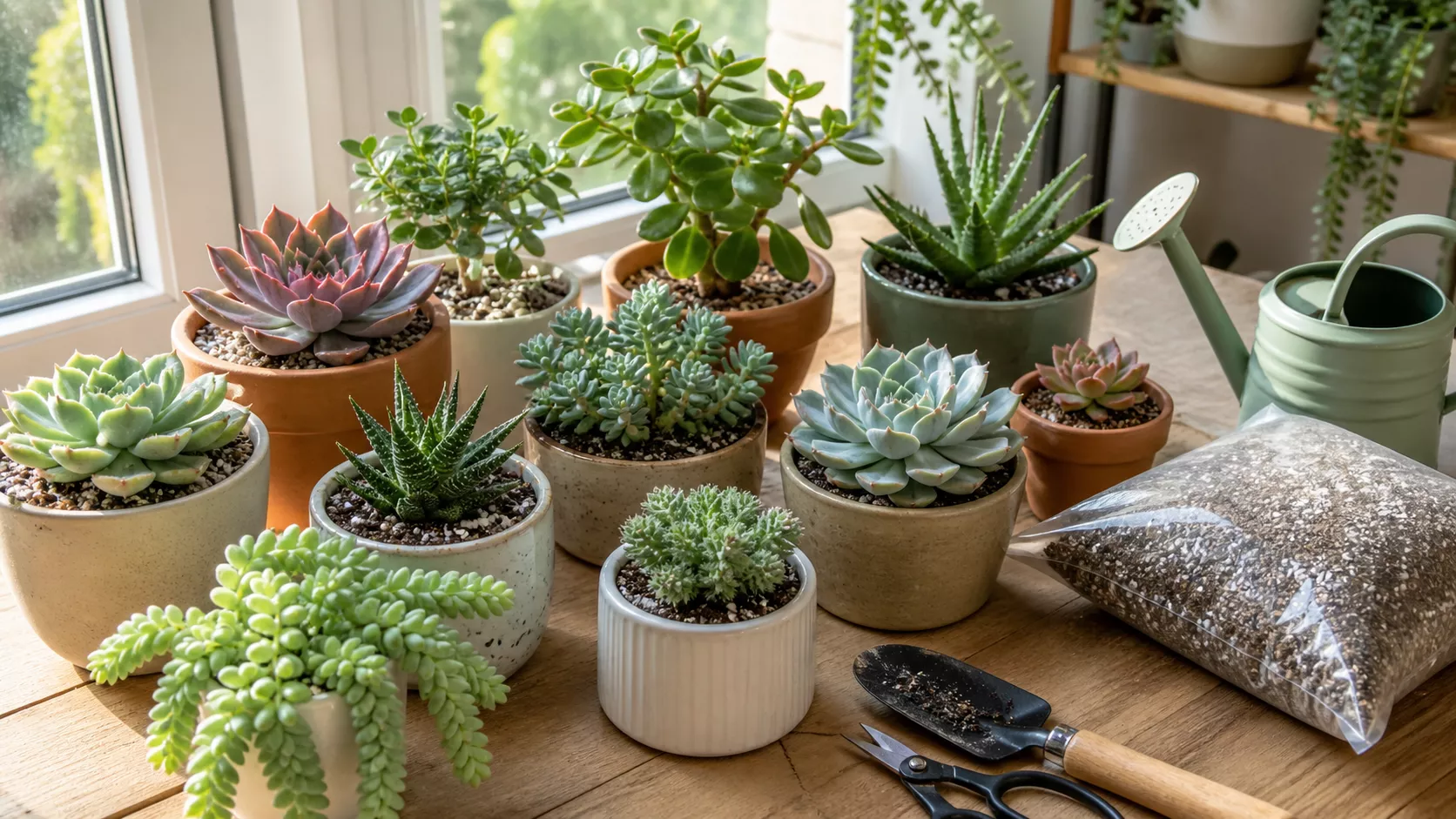
For most houseplants, use a light potting mix that drains well while still holding enough moisture for the plant. For succulents and cacti, use a fast-draining mix with gritty materials.
Also, avoid using garden soil indoors. Garden soil may contain insects, eggs, weed seeds, or microorganisms that are not ideal for indoor pots. A clean potting mix is safer for houseplants.
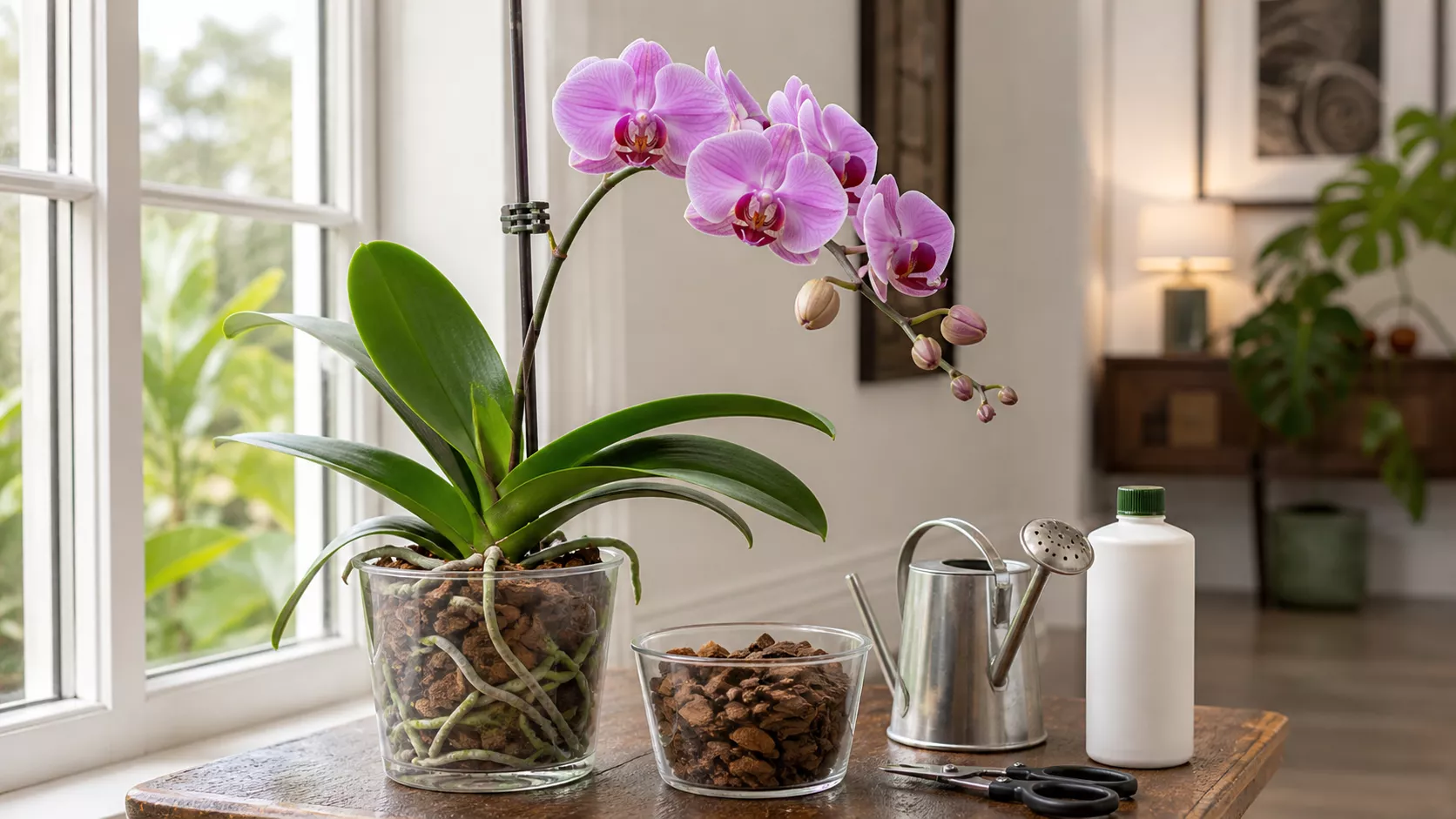
Additionally, pots with drainage holes are essential for preventing excess moisture. Without drainage, water can collect at the bottom of the pot and create hidden problems.
Even if the top soil looks dry, the lower part may remain soggy in a pot without drainage. This can stress roots and attract pests.
Therefore, use pots with drainage whenever possible. If you use decorative cachepots, remove the inner pot for watering and let it drain fully before placing it back.
Also, good airflow helps keep plants healthier. Crowded plants with poor airflow can develop pest and fungal problems more easily, especially if leaves stay damp or soil dries slowly.
To improve airflow, leave some space between plants. This makes inspection easier and reduces the chance of pests moving quickly from one plant to another.
However, avoid placing plants in strong cold drafts or directly in front of air conditioners. The goal is gentle air movement, not stressful temperature changes.
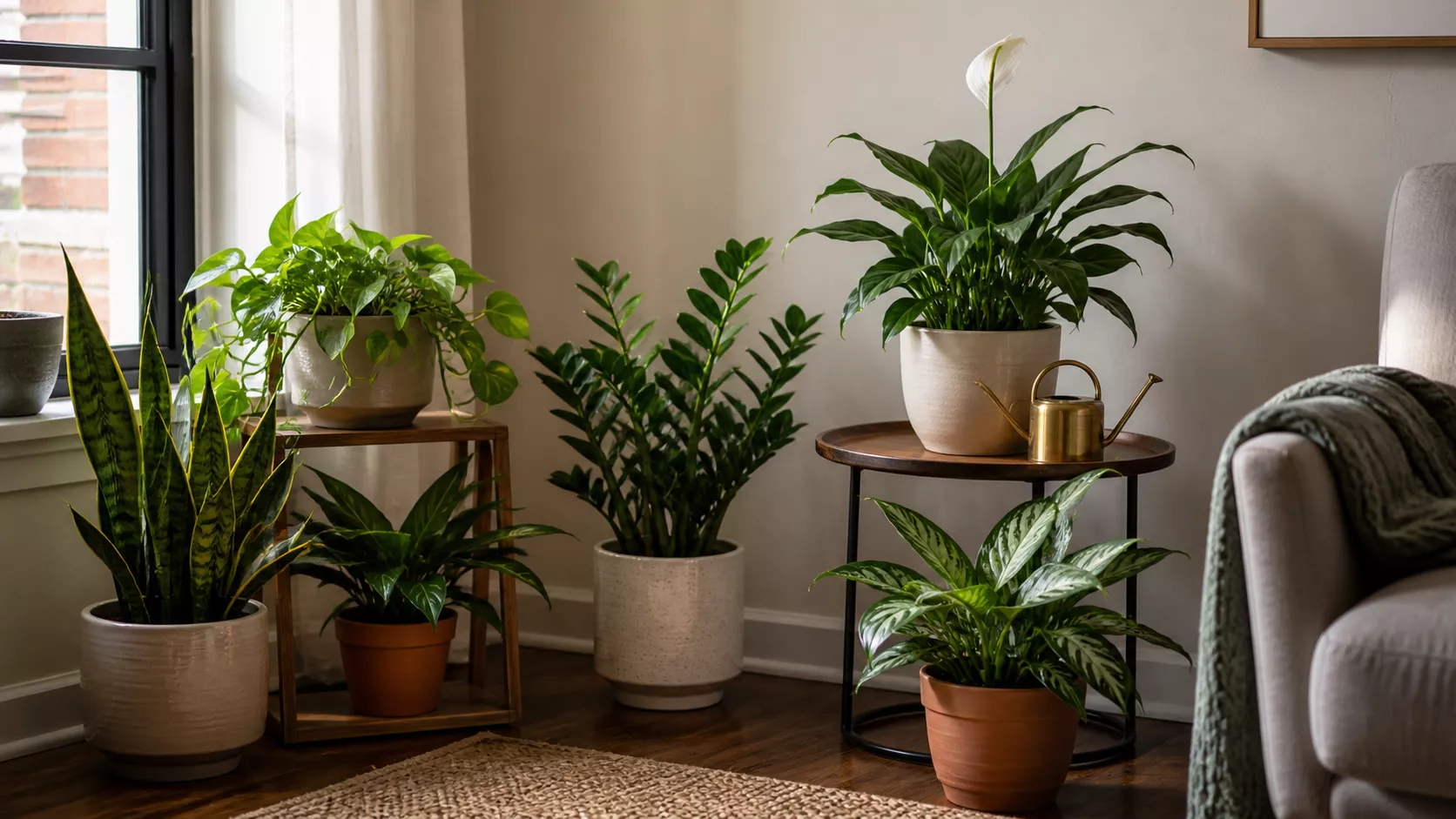
Although grouping plants can look beautiful, overcrowding can create problems. When leaves touch constantly and airflow is poor, pests can spread faster.
Additionally, crowded plants are harder to inspect. A small infestation can hide between leaves and become larger before you notice it.
To prevent this, arrange plants with enough space for growth and maintenance. If you group plants for decoration, check them carefully and rotate them occasionally.
Another simple step is removing dead leaves from the soil surface. Dead plant material can hold moisture, hide pests, and encourage mold.
Regularly, check the pot surface and remove fallen leaves, dry flowers, and decaying material. This keeps the plant area cleaner and less attractive to pests.
Also, prune damaged leaves when necessary. Clean plants are easier to monitor and usually stay healthier.
Sometimes, pests remain in old soil. If a plant had a serious pest problem, reusing the same soil for another plant can spread the issue.
For example, fungus gnat larvae may remain in moist soil, and some pests may hide near roots or in plant debris. Reusing contaminated soil indoors is risky.
Therefore, use fresh, clean potting mix when repotting plants that had pest issues. Also clean the pot before using it again.
Before reusing an old pot, wash it well. Pests, mineral buildup, old roots, and soil residue can remain inside containers.
Use clean water and scrub away old soil. If the pot had a plant with pests or disease, clean it more carefully before planting again.
This habit reduces the chance of transferring problems from one plant to another and helps create a healthier start for new plants.
If you move plants outdoors during warm months, inspect them carefully before bringing them back indoors. Outdoor environments expose plants to many insects.
Before returning them inside, check leaves, stems, soil, and pot surfaces. It may also be useful to keep them separate for a short period after bringing them indoors.
Additionally, avoid placing indoor plants directly beside outdoor plants that may carry pests. A small problem can spread quickly indoors.
Furthermore, too much fertilizer can encourage soft, weak growth that may attract pests. Some insects prefer tender new growth, especially when the plant is pushed to grow too quickly.
Use fertilizer according to the plant’s needs and the label instructions. More fertilizer does not mean stronger plants.
Also, avoid fertilizing stressed plants. A plant dealing with poor roots, low light, or pests needs stable care first, not extra nutrients.
Light is also important for pest prevention. Plants in poor light often become weak and grow slowly. Weak plants may be more vulnerable to pests and disease.
Place each plant where it receives suitable light for its species. Low-light tolerant plants still need some brightness, while succulents and cacti need stronger light.
When plants grow in the right light, they usually become stronger and easier to maintain. Healthy growth is one of the best defenses against recurring pest problems.
Humidity can help some tropical plants, but too much moisture combined with poor airflow can encourage problems. This is especially true in crowded areas or rooms with little ventilation.
For humidity-loving plants, increase humidity in a controlled way. Use a humidifier, humidity tray, or grouping method while still allowing airflow.
However, avoid keeping leaves constantly wet or soil soggy. Air humidity and soil moisture are different things, and both need balance.
Sticky traps can be useful for monitoring flying pests such as fungus gnats and whiteflies. They do not solve the entire problem alone, but they help you notice pests early.
Place traps near affected or high-risk plants. If you see many insects on the trap, inspect the plant and soil more carefully.
Additionally, sticky traps are helpful because they show whether a pest population is increasing or decreasing after you adjust care.
If you notice pests on one plant, isolate it immediately. This prevents insects from moving to nearby plants while you inspect and treat the problem.
After isolating, check the surrounding plants too. Pests may have already started spreading, especially if the plants were close together.
Then, choose a safe treatment based on the pest type. Early action is much easier than treating a large infestation.
For many plants, occasional gentle cleaning can reduce pest risk. A soft cloth, lukewarm water, or a mild rinse can remove dust and some early pests.
However, always consider the plant type. Some plants have delicate leaves, fuzzy leaves, or sensitive surfaces that do not like being wiped.
Therefore, use gentle methods and avoid strong products unless they are appropriate for that plant. Prevention should support plant health, not damage leaves.
Often, pests hide under leaves. This area is protected, less visible, and suitable for insects like spider mites, aphids, and whiteflies.
When inspecting, gently lift leaves and look closely. Use good lighting so you can see small pests, webbing, eggs, or marks.
This habit is especially important for plants with dense foliage, because pests can remain hidden for a long time.
Fungus gnats are among the most common indoor plant pests. They are small flying insects often seen around wet soil. The adults are annoying, but the larvae live in the soil and are encouraged by excess moisture.
To prevent them, allow the top layer of soil to dry when suitable for the plant. Avoid overwatering, improve drainage, remove decaying material, and use clean potting mix.
Also, sticky traps can help monitor adult gnats. If gnats appear often, review your watering routine and soil conditions.
Spider mites are tiny pests that often appear in dry, warm conditions. They can cause pale speckled leaves, fine webbing, and weak growth.
To prevent them, inspect plants regularly, especially during dry periods. Keep leaves clean and support proper humidity for plants that need it.
However, avoid misting as the only solution. Good plant health, regular inspection, and early cleaning are more reliable than simply spraying water occasionally.
Mealybugs look like small white cottony clusters and often hide in leaf joints, stems, and new growth. They can spread between plants if not noticed early.
To prevent them, inspect new plants carefully, quarantine new arrivals, and check hidden areas regularly. Mealybugs are easier to manage when found early.
If you see white cottony spots, isolate the plant immediately and remove visible pests carefully using a safe method suitable for the plant.
Scale insects can look like small brown or tan bumps attached to stems or leaves. They may be mistaken for part of the plant because they do not always move visibly.
Regular inspection is the best prevention. Look along stems, undersides of leaves, and leaf veins. Sticky residue may also be a warning sign.
If scale appears, isolate the plant and treat early. Scale can become difficult to manage when populations grow.
To make prevention easy, create a simple weekly routine. Check leaves, inspect soil, remove dead material, and observe any unusual changes.
Then, water only the plants that need it. Avoid watering everything automatically. Good watering habits are one of the strongest pest prevention methods.
Finally, clean leaves when needed and rotate plants so you can see all sides. A few minutes each week can prevent major problems later.
One common mistake is ignoring a new plant after bringing it home. Many pest problems begin with new plants that were not inspected or quarantined.
Another mistake is overwatering. Wet soil attracts fungus gnats and weakens roots, making plants more vulnerable.
Also, avoid waiting until pests spread before taking action. Early isolation and inspection protect the rest of your plants.
In conclusion, learning how to prevent pests in houseplants is easier than dealing with a serious infestation. Prevention depends on clean plants, proper watering, good drainage, healthy soil, enough light, airflow, and regular inspection.
Above all, inspect new plants, quarantine them before placing them near others, and check your collection weekly. These simple habits can prevent many common problems.
Ultimately, a strong indoor plant care routine keeps plants healthier and makes pests easier to detect early. With observation, cleanliness, and balanced care, your houseplants can stay greener, stronger, and much more beautiful.