How to Care for Plants When Traveling

Care Plants for People, First, choosing the right plants makes a big difference when you are just starting your plant care journey. Many beginners feel frustrated because they choose delicate plants that need specific light, humidity, watering, or soil conditions. However, when you start with easy care plants, the process becomes much simpler and more enjoyable.
Additionally, beginner-friendly plants help you build confidence. They usually tolerate small mistakes, adapt well to indoor spaces, and do not require complicated routines. This is especially helpful if you are still learning how often to water, where to place your plants, and how to identify signs of stress.
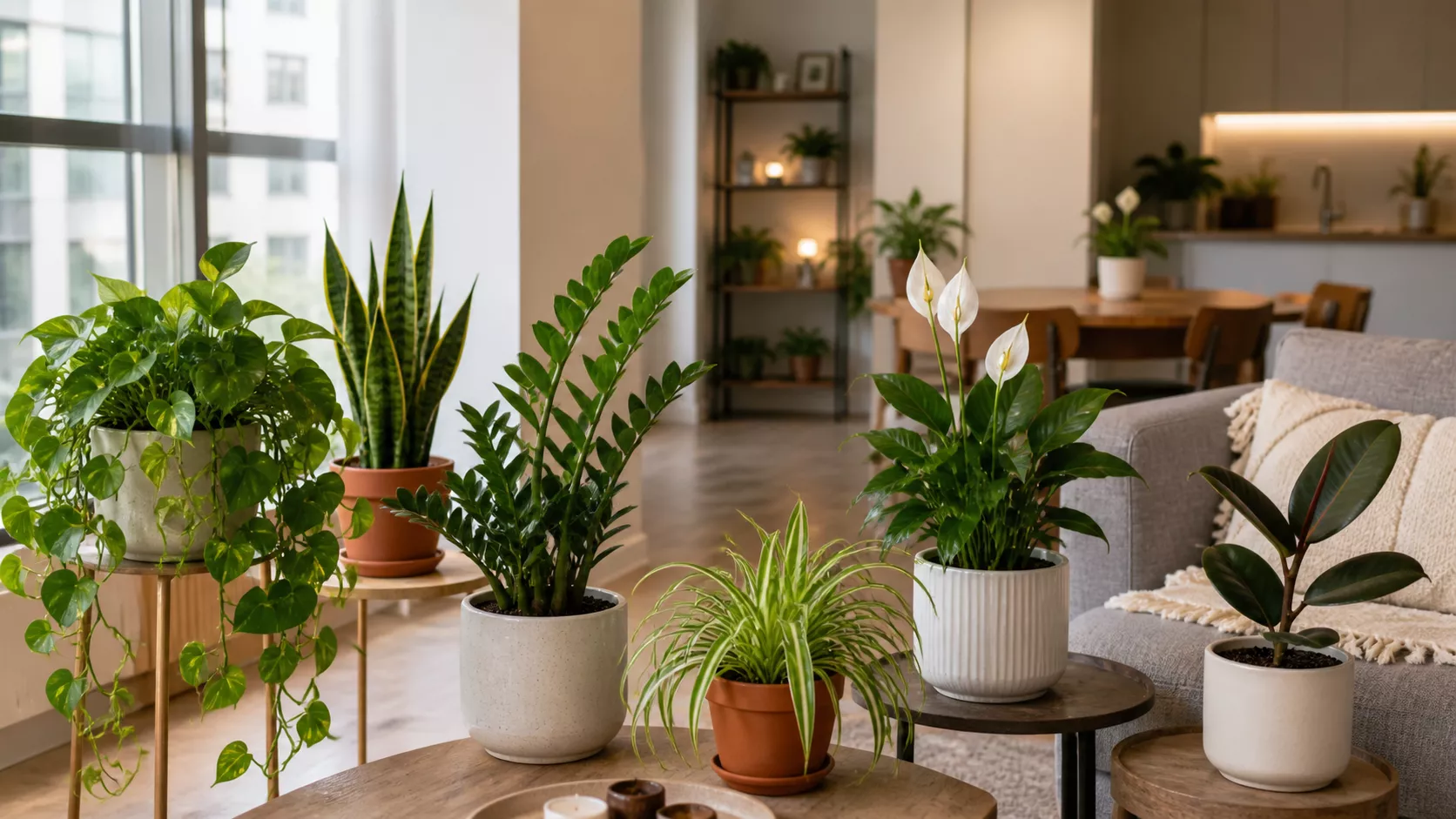
Therefore, this guide presents 10 easy care plants for beginners that are beautiful, resistant, and practical for homes and apartments. You will also learn basic care tips for each one, including light, watering, maintenance, and common mistakes to avoid.
First, easy plants are ideal because they are more forgiving. Beginners often make mistakes such as watering too much, placing plants in low light, using the wrong pot, or forgetting maintenance for a few days. Resistant plants usually handle these situations better than sensitive species.
Besides that, low maintenance indoor plants are perfect for people with busy routines. You do not need to check them every hour or create a complex care schedule. With basic attention and the right environment, many of these plants can grow well for years.
Also, starting with simple plants helps you understand plant behavior. You begin to notice how leaves react to light, how soil dries, and how growth changes over time. This knowledge prepares you to care for more demanding plants in the future.
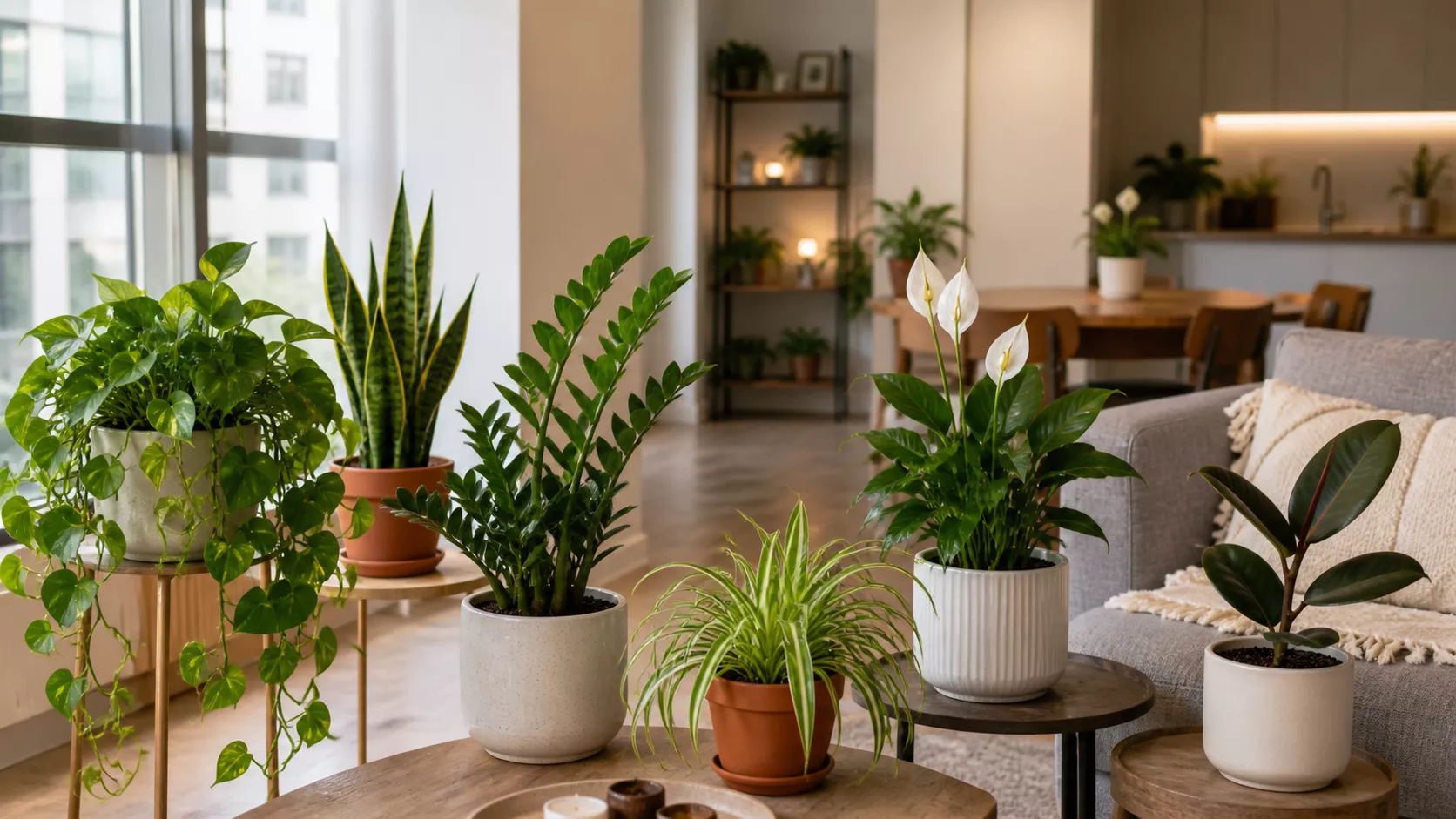
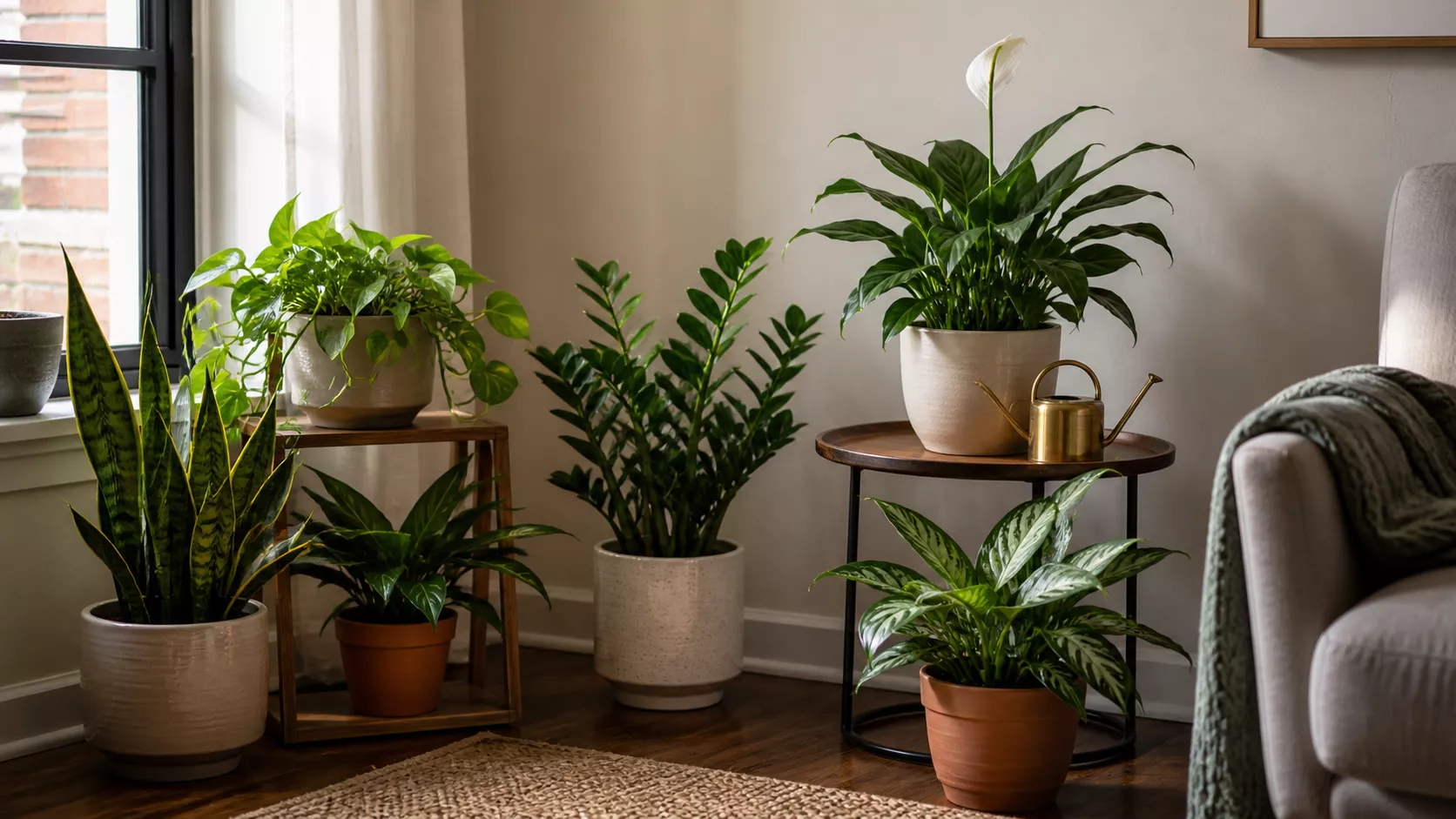
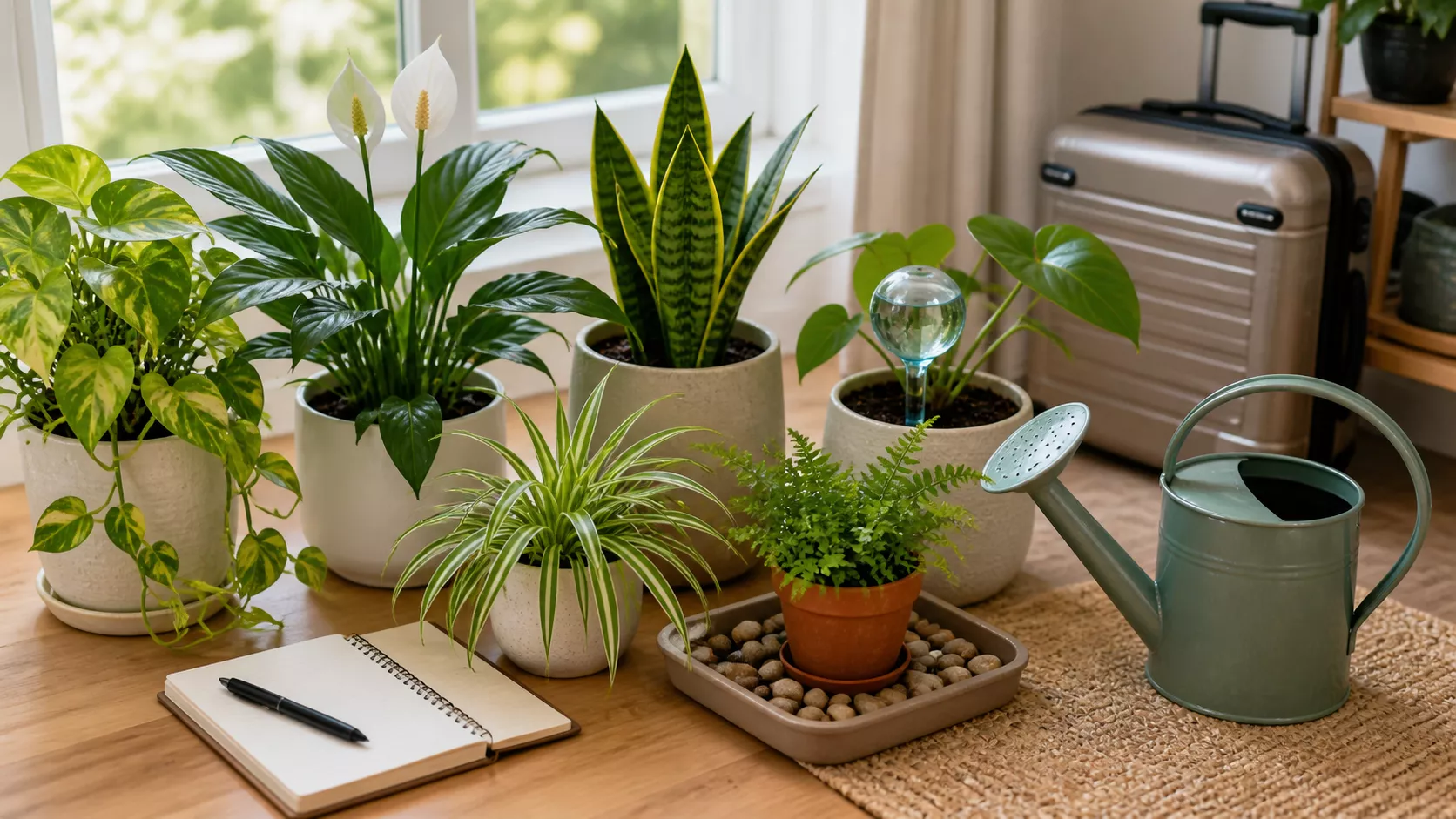
First, the snake plant is one of the best plants for beginners because it is very resistant and adaptable. It has tall, firm leaves with beautiful green patterns, making it a great choice for bedrooms, living rooms, offices, and hallways.
Usually, snake plants grow well in bright indirect light, but they can also tolerate lower light conditions. This does not mean they should stay in complete darkness, but they are more flexible than many other indoor plants.
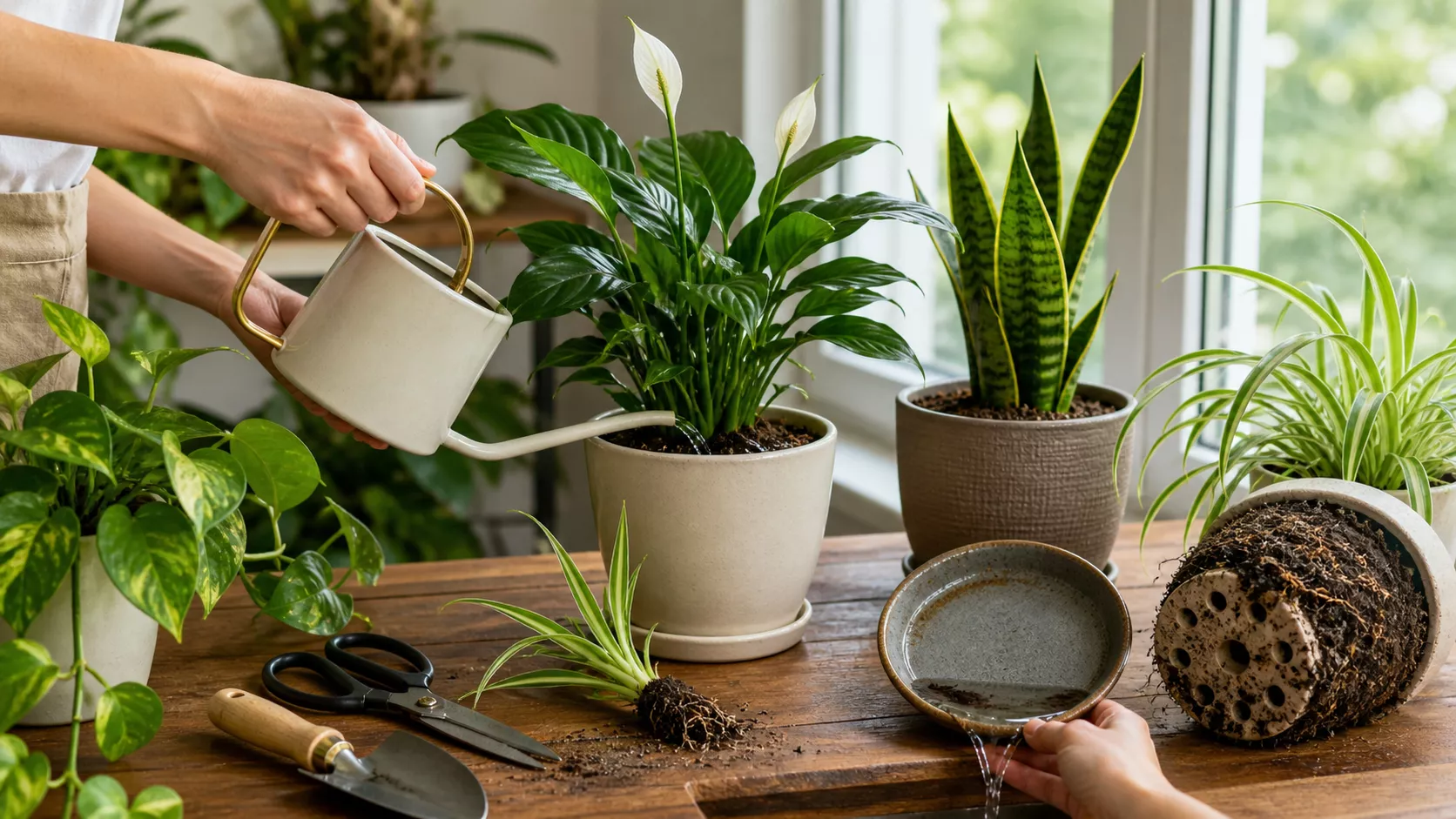
When watering, allow the soil to dry before adding more water. Snake plants do not like soggy soil, and overwatering is one of the few things that can harm them. A pot with drainage holes is very important to prevent excess moisture around the roots.
Overall, this plant is excellent for beginners because it is decorative, strong, and easy to maintain. It is also a great option for people who travel or forget to water plants frequently.
Next, pothos is another excellent choice for beginners. It is known for its trailing vines and heart-shaped leaves, which can be green, golden, or variegated depending on the variety. It looks beautiful on shelves, hanging baskets, and high furniture.
Additionally, pothos adapts well to different indoor environments. It prefers bright indirect light, but it can tolerate medium and lower light areas. However, varieties with colorful leaves may lose some variegation if they receive too little light.
When caring for pothos, water when the top layer of soil feels dry. This plant is usually very communicative because its leaves may droop slightly when it needs water. After watering, it often looks fresh again.
Moreover, pothos is easy to propagate. You can cut a healthy vine below a node and place it in water until roots appear. This makes it a fun plant for beginners who want to learn how to make new plants.
Another great option is the ZZ plant. This plant has shiny, thick leaves and a modern appearance that works well in almost any decoration style. It is famous for being one of the most low maintenance plants for indoor spaces.
Because the ZZ plant stores water in its underground rhizomes, it can tolerate periods without watering. This makes it especially useful for people who do not have much time or who are still building a plant care routine.
Ideally, place your ZZ plant in bright indirect light, although it can tolerate lower light areas. Avoid strong direct sun for many hours because it may damage the leaves.
For watering, wait until the soil is dry. Overwatering is the main mistake with this plant. If the soil stays wet for too long, the roots may suffer. With a well-draining pot and moderate watering, the ZZ plant can stay healthy with little effort.
Also, the spider plant is a classic beginner-friendly plant. It has long, arching leaves and often produces small baby plants that hang from the mother plant. This makes it decorative, cheerful, and easy to multiply.
Generally, spider plants prefer bright indirect light. They can tolerate some lower light, but they grow better and produce more baby plants when they receive enough brightness. Avoid harsh direct sunlight, which can burn the leaves.
When watering, keep the soil lightly moist but not soaked. Let the top part of the soil dry a little before watering again. Brown leaf tips may appear because of dry air, inconsistent watering, or minerals in the water.
Additionally, spider plants are great for learning basic plant care because they show visible signs when something is wrong. They are not too difficult, but they still teach beginners how to observe leaves, soil, and growth.
Next, the peace lily is a beautiful plant with dark green leaves and elegant white flowers. It is popular indoors because it adds a soft and peaceful look to rooms, offices, and shaded corners with natural light.
Although peace lilies are easy to care for, they need a little more attention than snake plants or ZZ plants. They prefer bright indirect light but can tolerate medium light. More light usually encourages better flowering.
When watering, peace lilies like soil that stays slightly moist, but not waterlogged. One helpful feature is that they often droop when they are thirsty. After watering, they usually recover quickly.
However, do not let this plant sit in standing water. Good drainage is still important. With proper watering and indirect light, peace lilies can be a rewarding choice for beginners who want a plant with flowers.
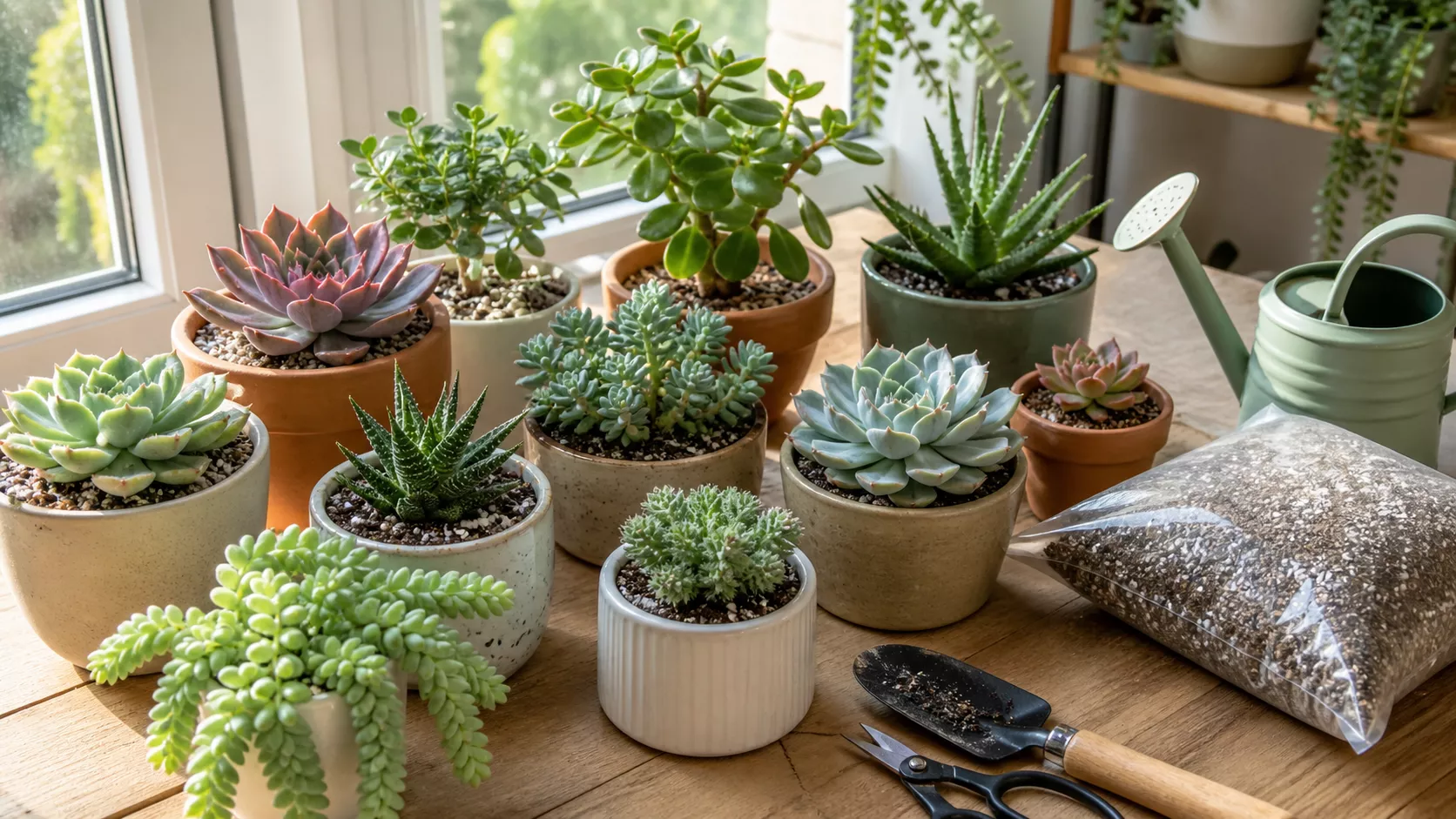
For sunny spaces, succulents can be excellent easy care plants. They come in many shapes, colors, and sizes, making them popular for desks, windowsills, balconies, and decorative arrangements.
Because succulents store water in their leaves, they do not need frequent watering. This is helpful for beginners who prefer a simple routine. However, succulents need enough light to stay compact and healthy.
Ideally, place succulents near a bright window where they can receive several hours of sunlight or strong indirect light. Without enough light, they may stretch and lose their attractive shape.
When watering, soak the soil and then let it dry completely before watering again. Avoid spraying the leaves as the main watering method. Succulents need water at the roots, but they do not like staying wet for too long.
Similarly, cacti are great for people who have sunny windows and want very low-maintenance plants. They are strong, sculptural, and available in many different forms. Some are small and round, while others grow tall over time.
Most importantly, cacti need plenty of light. A bright window, balcony, or sunny indoor spot is usually best. Without enough sunlight, cacti may grow weak or stretched.
When it comes to watering, less is usually better. Wait until the soil is fully dry before watering again. During colder months, many cacti need even less water because their growth slows down.
Also, use a fast-draining cactus mix and a pot with drainage holes. Heavy soil that holds too much moisture can cause problems. With the right light and careful watering, cacti are among the easiest plants to maintain.
Another excellent plant for beginners is the philodendron. Many varieties have heart-shaped leaves and trailing vines, while others grow upright with larger leaves. This makes the plant versatile for different indoor spaces.
Usually, philodendrons prefer bright indirect light, but many varieties adapt to medium light. They should be protected from strong direct sun because the leaves may burn.
When watering, let the top part of the soil dry before watering again. Philodendrons generally like consistent care, but they are not extremely demanding. If the leaves turn yellow, check whether the plant is receiving too much water.
Additionally, philodendrons grow well indoors and can make a space feel greener quickly. Their attractive foliage and simple care needs make them a reliable option for beginners.
Next, Chinese evergreen is a beautiful and resistant indoor plant. It has patterned leaves that may include green, silver, cream, pink, or red tones depending on the variety. This makes it decorative even without flowers.
One reason Chinese evergreen is popular is its ability to tolerate lower light conditions. It still grows better with bright indirect light, but it can adapt to offices, bedrooms, and living rooms with moderate brightness.
When watering, allow the top layer of soil to dry slightly. Avoid keeping the soil constantly wet. Like many indoor plants, Chinese evergreen prefers balance rather than extremes.
Furthermore, this plant does not need frequent pruning or complicated care. Remove yellow or damaged leaves when necessary and keep it away from cold drafts. With basic care, it can remain attractive for a long time.
Finally, the rubber plant is a great option for beginners who want a larger indoor plant. It has thick, glossy leaves and can become a beautiful focal point in a room. Its bold appearance makes it popular in modern interiors.
Ideally, rubber plants need bright indirect light. They can tolerate some direct morning sun, but intense afternoon sun may be too strong. Good light helps the plant grow fuller and healthier.
When watering, let the top few centimeters of soil dry before watering again. The rubber plant does not like sitting in wet soil, so drainage is important. Wipe the leaves occasionally to remove dust and keep them shiny.
Also, avoid moving the plant too often. Rubber plants may react to sudden changes in light or temperature. Once you find a suitable place, give the plant time to adapt.
Before buying, observe your home carefully. Light is one of the most important factors. A plant that needs sun will not grow well in a dark room, and a shade-tolerant plant may suffer under intense direct sunlight.
Then, think about your routine. If you often forget to water, choose snake plant, ZZ plant, cactus, or succulents. If you enjoy checking your plants more often, peace lily, pothos, or spider plant may be good options.
Also, consider the size of your space. Small succulents and cacti are good for desks and shelves, while rubber plants and large philodendrons need more room. Choosing the right size prevents future problems.
First, always use pots with drainage holes. This prevents excess water from staying around the roots and reduces the risk of overwatering. Decorative pots are fine, but they should not trap water.
Second, check the soil before watering. Instead of watering on a fixed schedule, touch the soil and observe the plant. This simple habit prevents many beginner mistakes.
Third, avoid placing plants near air conditioners, heaters, or cold drafts. Sudden temperature changes can stress plants and affect their growth.
Finally, clean the leaves occasionally. Dust can reduce light absorption and make plants look dull. A soft damp cloth is usually enough for most broad-leaf plants.
One common mistake is choosing plants only because they look beautiful. Appearance matters, but the plant also needs to match your home conditions. A beautiful plant may struggle if it does not receive the light or humidity it needs.
Another mistake is watering all plants the same way. A cactus and a peace lily have very different needs. Learning the basic preferences of each plant helps you avoid serious problems.
Lastly, beginners sometimes give up too quickly when a leaf turns yellow or dry. Plants naturally lose old leaves sometimes. The important thing is to observe whether the problem is spreading or if it is just part of the plant’s normal cycle.
In conclusion, starting with easy care plants is the best way to build confidence and enjoy plant care without stress. Plants such as snake plant, pothos, ZZ plant, spider plant, peace lily, succulents, cactus, philodendron, Chinese evergreen, and rubber plant are excellent choices for beginners.
Above all, success depends on matching the plant to your environment. Pay attention to light, watering needs, pot drainage, and your daily routine. When these elements are balanced, plant care becomes much easier.
Ultimately, caring for plants is a learning process. Each plant teaches you something new about patience, observation, and consistency. By choosing beginner-friendly plants, you can create a beautiful green space at home and enjoy the experience from the very beginning.