How to Care for Plants During the Rainy Season

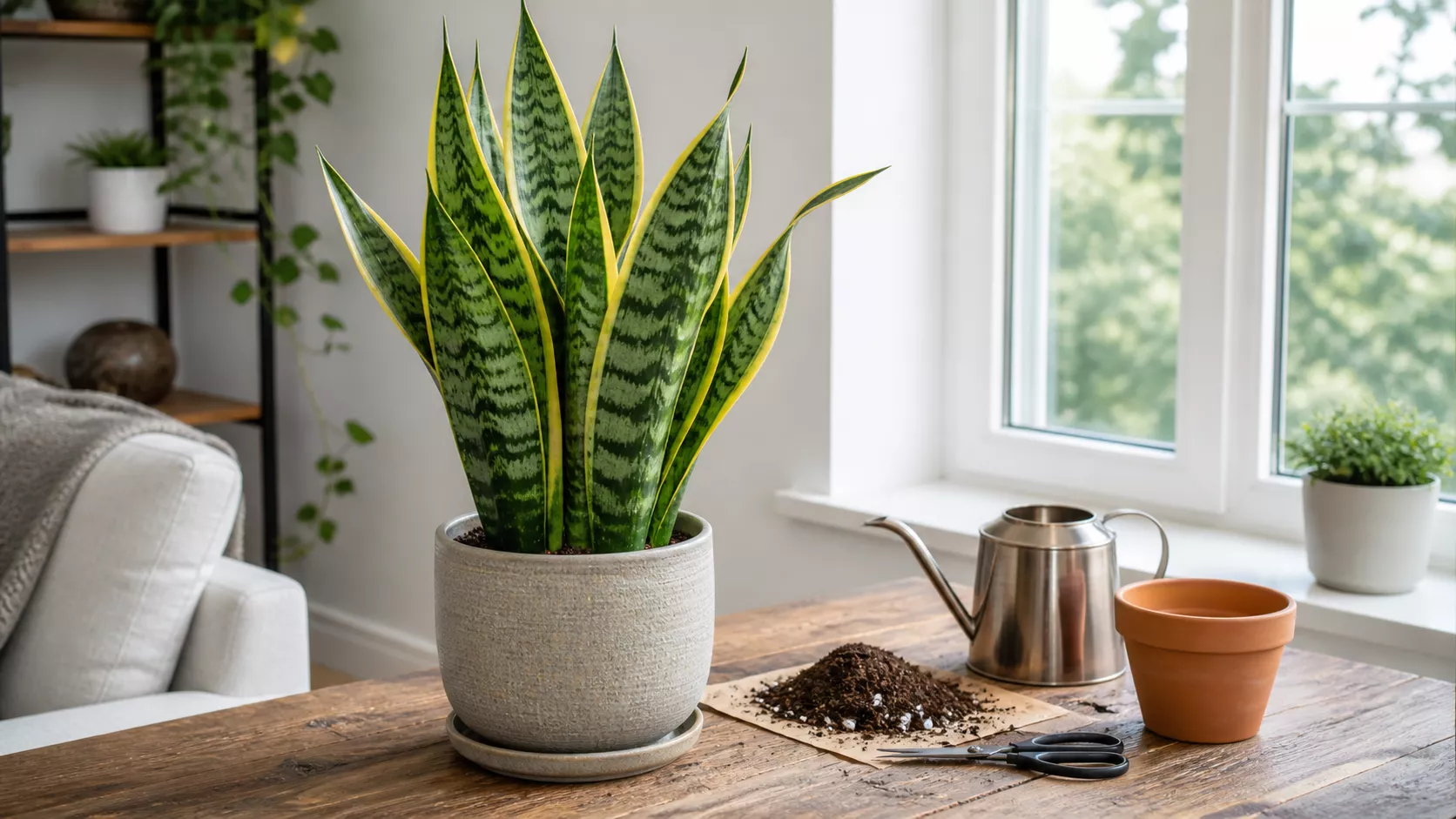
First, learning how to care for snake plant is one of the easiest ways to begin growing indoor plants. The snake plant is famous for being resistant, elegant, and low maintenance. Its upright leaves create a modern look that fits well in bedrooms, living rooms, offices, hallways, and apartments.
Additionally, snake plant is a great choice for beginners because it tolerates small care mistakes better than many other houseplants. It can handle different light conditions, does not need frequent watering, and usually grows well with simple maintenance.
However, even though this plant is strong, it still needs proper care. The most common problems happen because of overwatering, poor drainage, heavy soil, or very low light. Therefore, this guide will show you how to keep your snake plant healthy, firm, and beautiful indoors.
First, snake plant is a popular indoor plant known for its tall, sword-like leaves. It is also commonly called mother-in-law’s tongue. Its leaves may be dark green, light green, striped, edged with yellow, or patterned depending on the variety.
Additionally, snake plants belong to a group of plants that store water in their thick leaves and roots. Because of this, they can tolerate dry periods and do not need constant watering.
Because of its appearance, the snake plant is often used in modern decoration. It grows vertically, which makes it ideal for small spaces, corners, and narrow areas where wider plants may not fit.
First, snake plant is beginner-friendly because it does not require complicated care. It can survive if you forget to water it occasionally, and it adapts to many indoor environments.
Also, it does not need frequent pruning, misting, or special attention. With the right pot, suitable soil, and balanced watering, the plant can remain attractive for a long time.
However, beginners should not ignore its basic needs. Snake plant is resistant, but it is not impossible to harm. Too much water is the main mistake that can damage this plant.
First, snake plant grows best in bright indirect light. In this condition, it usually produces stronger leaves, better color, and healthier growth. A place near a window with filtered light can be excellent.
However, snake plant can also tolerate medium and low light. This makes it useful for bedrooms, offices, and shaded corners that still receive some natural brightness during the day.
Nevertheless, low light usually means slower growth. If your snake plant is not producing new leaves, the problem may be limited brightness. Moving it to a brighter indirect light location can improve growth over time.
In many cases, snake plant can tolerate some gentle direct sunlight, especially morning sun. This can help the plant grow stronger and maintain beautiful leaf patterns.
However, intense afternoon sun may be too strong, especially if the plant was previously kept in shade. Sudden strong sunlight can cause leaf burn or faded patches.
Therefore, if you want to move your snake plant to a sunnier place, do it gradually. Let the plant adapt slowly to avoid stress and leaf damage.
Next, watering is the most important part of snake plant care. This plant prefers the soil to dry well before receiving more water. It does not like constantly moist soil.
Generally, you should water only when the soil is dry. The exact timing depends on light, temperature, pot size, soil type, and season. A snake plant in bright light may dry faster than one in a shaded room.
Before watering, place your finger a few centimeters into the soil. If it still feels moist, wait longer. If it feels dry, water thoroughly and allow excess water to drain away.
Unfortunately, overwatering is the most common problem with snake plants. Since the plant stores water, it does not need frequent watering. When soil stays wet for too long, roots can become stressed and damaged.
Signs of overwatering may include yellow leaves, soft leaves, mushy leaf bases, unpleasant soil smell, and leaves falling over. If the base of the plant becomes soft, the problem may be serious.
To prevent this, always use a pot with drainage holes, choose well-draining soil, and avoid watering on a fixed schedule. Let the soil condition guide your decision.
Although snake plant tolerates dryness, it still needs water occasionally. If it stays dry for too long, the leaves may begin to wrinkle, curl inward, or look thinner than usual.
Also, the soil may pull away from the edges of the pot when it becomes extremely dry. The pot may feel very light when lifted.
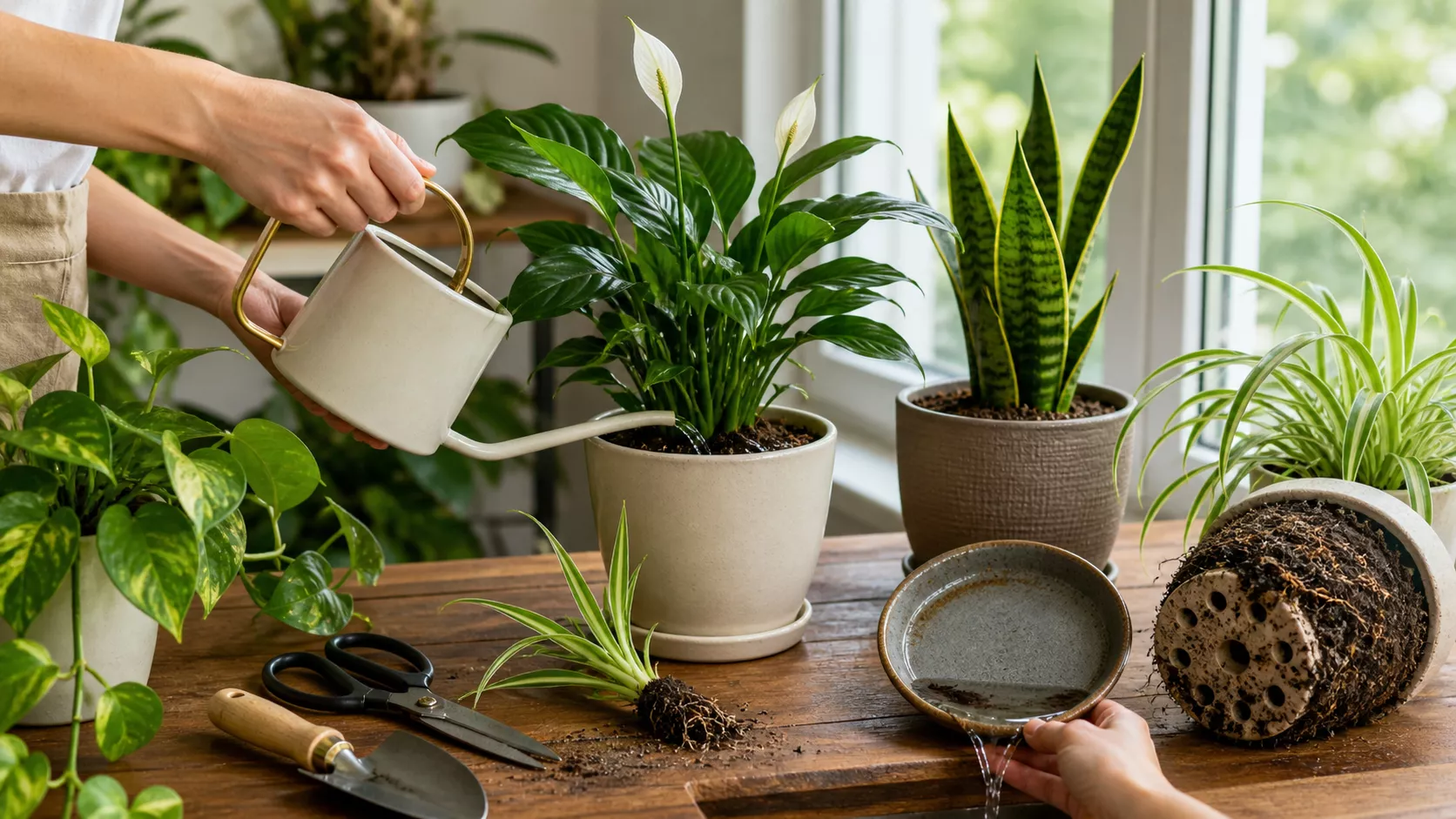
To help the plant, water deeply until water drains from the bottom. Then allow the soil to dry again before the next watering. This deep and spaced watering method is better than small splashes every few days.
Another important factor is soil. Snake plant needs soil that drains well and does not stay wet for too long. Heavy soil can create root problems, especially indoors.
A good option is a cactus or succulent mix, or a regular potting mix improved with perlite, pumice, coarse sand, or bark. These materials help water move through the soil more easily.
Additionally, avoid compacted soil. If water stays on the surface for a long time or the soil feels muddy after watering, it may not be suitable for snake plant.
Also, the pot should have drainage holes. This is essential because extra water must be able to leave the container. Without drainage, water can collect at the bottom and harm the roots.
Because snake plants grow upright and can become top-heavy, choose a stable pot. Terracotta, ceramic, or heavier plastic pots can work well depending on the plant size.
However, avoid pots that are much larger than the root system. A very large pot holds more soil and moisture than the plant needs, increasing the risk of overwatering.
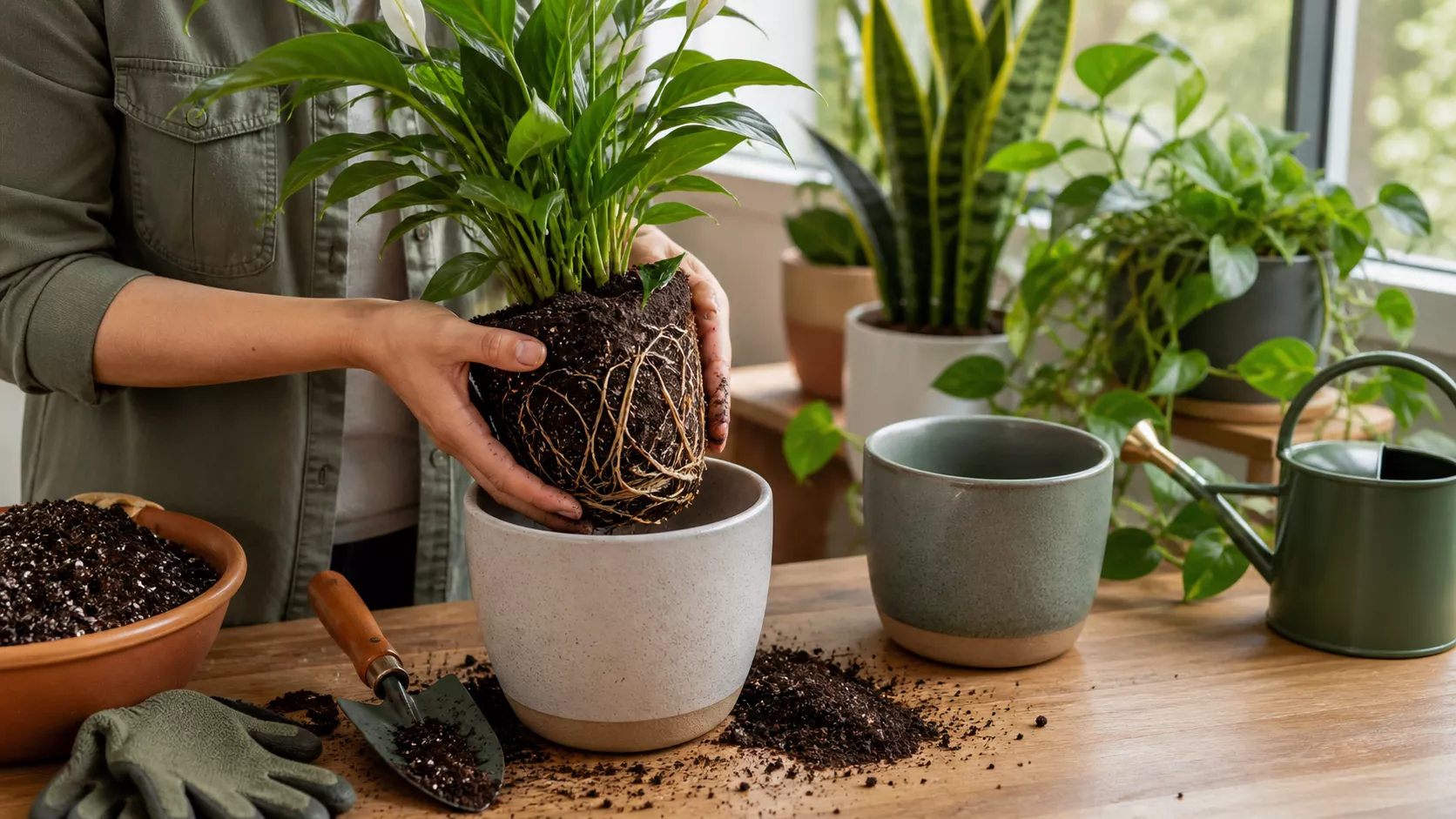
Usually, snake plant does not need frequent repotting because it grows relatively slowly indoors. However, repotting becomes necessary when roots fill the pot, the plant becomes unstable, or the soil is old and compacted.
Signs that repotting may be needed include roots coming out of drainage holes, cracked pots, crowded growth, water running through too quickly, or the plant becoming too tight in its container.
When repotting, choose a pot only slightly larger than the current one. Use fresh well-draining soil and handle the roots carefully.
One exciting part of snake plant care is propagation. You can create new plants from divisions or leaf cuttings. Division is usually the easiest and fastest method.
To divide, remove the plant from the pot and separate a section that has roots and leaves. Plant the divided section in its own pot with well-draining soil.
Leaf cuttings can also work, but they take longer. Cut a healthy leaf into sections, allow the cuts to dry for a short time, and place them in soil. Keep the soil lightly moist but not soggy while roots develop.
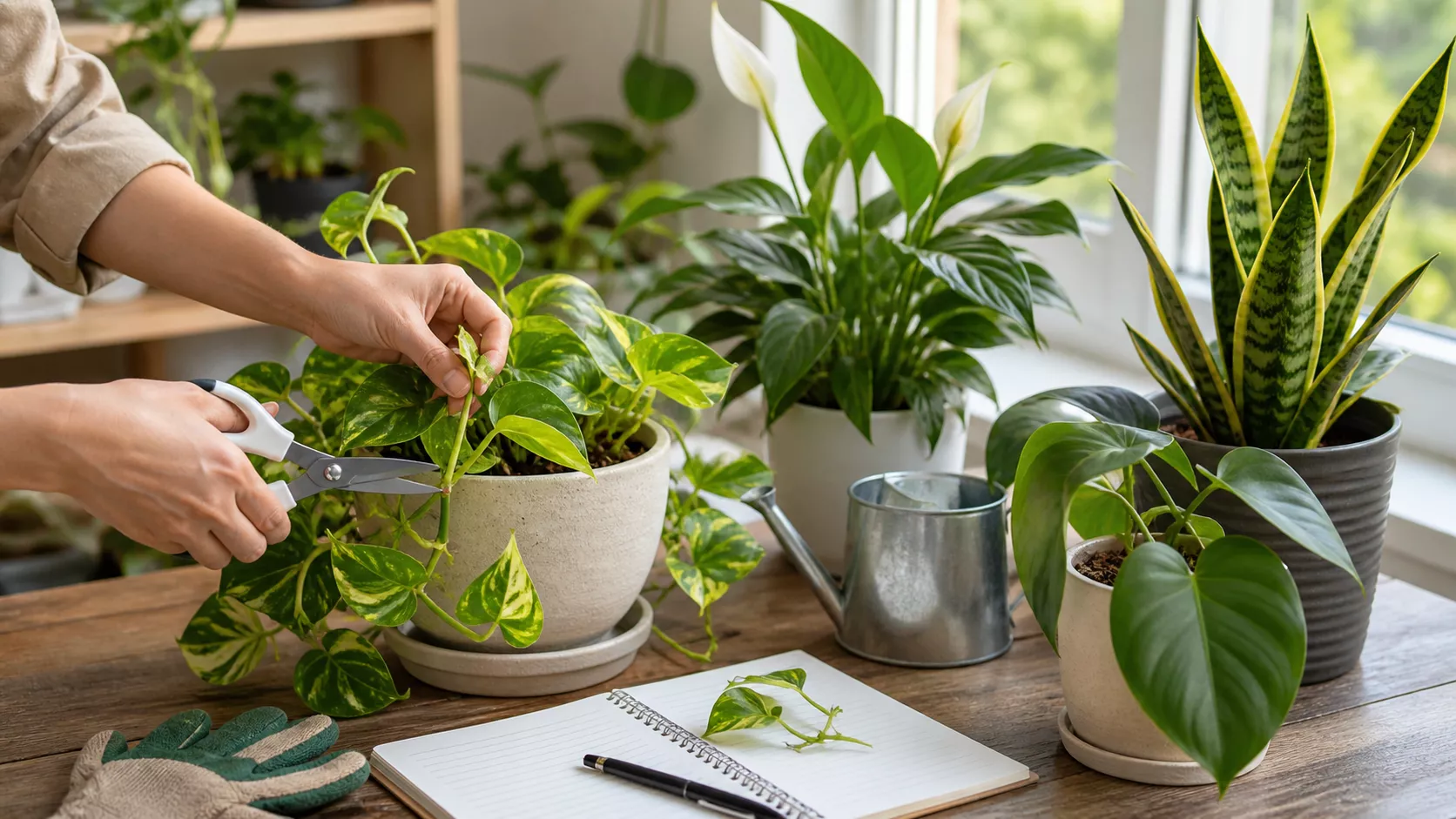
Generally, snake plant does not need much pruning. However, you can remove damaged, yellow, soft, or bent leaves to keep the plant looking clean.
Use clean scissors or a sharp knife and cut the damaged leaf close to the soil line. Avoid cutting many healthy leaves at once unless necessary.
Additionally, pruning does not usually make snake plant bushier in the same way it does with some leafy plants. New growth normally appears from the base through rhizomes.
Also, cleaning the leaves helps the plant look better and absorb light more effectively. Dust can collect on the tall leaves, especially indoors.
To clean, wipe each leaf gently with a soft damp cloth. Support the leaf with one hand while cleaning with the other to avoid bending or breaking it.
While cleaning, inspect the plant for pests, soft spots, or yellowing. This simple habit helps you notice problems early.
Although snake plant is resistant, it can still show problems when care conditions are not right. Yellow leaves, soft leaves, brown tips, leaning growth, and slow growth are some common signs.
Most problems are connected to watering, light, soil, or pot drainage. Before adding fertilizer or moving the plant repeatedly, check these basic factors first.
Because of this, observation is the best tool. When you understand the plant’s normal appearance, it becomes easier to identify changes.
Usually, yellow leaves are caused by overwatering or poor drainage. If the soil is wet and leaves are yellowing, stop watering and check the roots.
However, yellow leaves can also happen from natural aging, lack of light, cold stress, or root crowding. Look at how many leaves are affected and where they appear.
To solve the issue, remove severely damaged leaves and correct the cause. If the soil is soggy or smells bad, repotting may be necessary.
Soft leaves are often a warning sign of too much water. When snake plant roots or leaf bases stay wet for too long, the tissue may become soft.
If this happens, remove the plant from the pot and inspect the roots. Trim damaged roots if needed and repot into dry, fresh, well-draining soil.
Also, avoid watering again immediately after repotting if the plant was overwatered. Give the roots time to recover and only water when the soil is dry.
Brown tips can happen for several reasons, including inconsistent watering, very dry air, mineral buildup, physical damage, or stress from sudden changes.
Although brown tips are usually not a serious problem, they can affect appearance. Check whether the plant is receiving proper care and avoid extreme dryness followed by heavy watering.
If desired, you can trim brown tips carefully following the natural shape of the leaf. Use clean scissors and avoid cutting too much healthy tissue.
Sometimes, snake plant leaves lean or fall over. This may happen because of overwatering, weak roots, low light, or natural weight in older leaves.
If the leaf base is soft, overwatering is likely. If the plant is stretching or leaning toward light, it may need a brighter location.
To help, correct watering, improve light, and remove badly damaged leaves. A stable pot can also help support tall plants.
Snake plant does not need heavy fertilizing. It grows slowly and can do well with light feeding during the active growing season.
Usually, a balanced houseplant fertilizer diluted to a gentle strength is enough. Fertilize occasionally in warmer months when the plant is actively growing.
However, avoid fertilizing during cold periods, after repotting, or when the plant is stressed. Too much fertilizer can damage roots and cause leaf problems.
Generally, snake plant adapts well to normal indoor temperatures. It prefers stable conditions and should be protected from extreme cold.
Avoid placing the plant near cold drafts, air conditioners, heaters, or windows that become very cold at night. Sudden temperature changes can stress the plant.
In terms of humidity, snake plant is not very demanding. It can tolerate average indoor humidity and does not usually need misting.
Importantly, snake plant can be toxic to cats and dogs if chewed or eaten. Because of this, pet owners should place it where animals cannot easily reach it.
If your pet likes chewing plants, choose a higher shelf, plant stand, or separate room. You can also consider pet-safe plant options for areas where pets spend more time.
Additionally, always monitor pets around houseplants. Even plants that are considered low maintenance may not be suitable for curious animals.
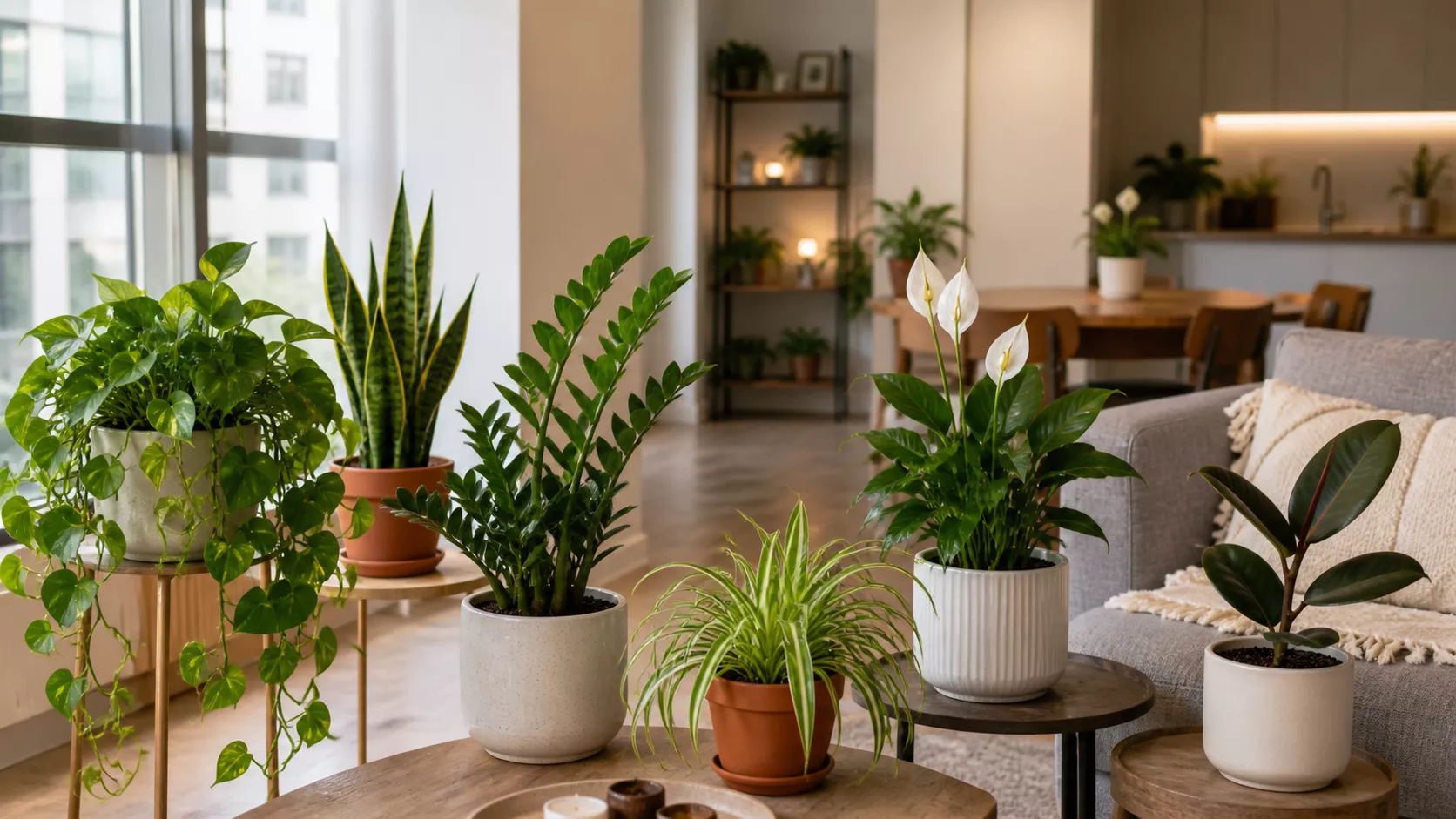
First, snake plant works well in bedrooms, living rooms, offices, entryways, and apartment corners. Its vertical shape makes it easy to place in narrow spaces.
For best growth, choose a spot with bright indirect light. If the location has low light, expect slower growth and water less often because the soil will dry more slowly.
Also, avoid placing it in very dark areas with no natural brightness. Snake plant tolerates low light, but it still needs some light to stay healthy.
To care for snake plant successfully, check the soil every week or two, but water only when it is dry. Do not water automatically.
Then, keep the plant in suitable light, clean the leaves occasionally, and inspect for soft spots or yellowing. These simple steps prevent most problems.
Finally, repot only when needed and fertilize lightly during active growth. Snake plant care should be simple, balanced, and consistent.
One common mistake is watering too often. Snake plant prefers dry periods and can suffer quickly in soggy soil.
Another mistake is using a pot without drainage. Decorative pots are beautiful, but they can trap water if not used correctly.
Also, avoid keeping snake plant in complete darkness. It tolerates low light, but it still needs brightness to grow well over time.
In conclusion, learning how to care for snake plant is simple because this plant is strong, adaptable, and beginner-friendly. It needs bright indirect light, careful watering, well-draining soil, and a pot with drainage holes.
Above all, avoid overwatering. This is the main cause of snake plant problems. Let the soil dry between waterings and always check moisture before adding more water.
Ultimately, snake plant is one of the best low maintenance indoor plants for homes and apartments. With a simple routine and proper conditions, it can stay beautiful, upright, and healthy for many years.