How to Care for Plants When Traveling

First, learning how to protect plants in cold weather is essential for keeping indoor plants, balcony plants, garden plants, herbs, flowers, and tropical houseplants healthy during colder periods. Cold temperatures can slow growth, damage leaves, stress roots, and even kill sensitive plants if they are not protected.
Additionally, not all plants react to cold in the same way. Some plants tolerate lower temperatures well, while others suffer quickly when exposed to cold drafts, frost, chilly nights, or sudden temperature changes. A fern, basil plant, cactus, orchid, peace lily, and rosemary plant all have different cold tolerance levels.
Therefore, this guide will explain practical and beginner-friendly winter plant care tips. You will learn how to protect potted plants, care for indoor plants, reduce watering correctly, avoid frost damage, move sensitive plants, and help your plants stay healthy through cold weather.
First, cold weather slows plant growth. Many plants use less water and fewer nutrients when temperatures drop. This means the care routine that works in warm months may not work during colder periods.
Also, cold air can damage leaves, especially on tropical plants. Leaves may become dark, limp, yellow, or dry after exposure to low temperatures. Sensitive plants can show damage even after one cold night.
Furthermore, cold soil can stress roots. When roots are cold and wet at the same time, they may struggle to absorb water properly. This is one reason overwatering becomes more dangerous in cold weather.
First, tropical houseplants are usually more sensitive to cold. Peace lilies, anthuriums, calatheas, orchids, pothos, philodendrons, monsteras, and many ferns prefer warm and stable conditions.
Additionally, herbs such as basil, mint, cilantro, and parsley may suffer in cold weather, especially if they are exposed to frost or chilly wind. Basil is particularly sensitive to cold.
On the other hand, some plants tolerate cooler conditions better. Rosemary, thyme, oregano, lavender, many succulents, and some outdoor ornamentals may handle mild cold better when the soil is not too wet. Still, every plant has its own limit.
One of the best ways to protect plants in cold weather is to bring sensitive potted plants indoors before temperatures drop too much. Potted plants are easier to move than plants growing in the ground.
Before bringing plants inside, inspect them carefully for pests. Look under leaves, around stems, and on the soil surface. Outdoor plants can carry insects indoors if they are not checked.
After moving them indoors, place them in a bright location away from cold drafts, heaters, and air conditioners. Plants need stable conditions to adjust successfully.
Indoors, cold windows can damage sensitive plants. Leaves touching cold glass may develop dark spots, yellowing, or limp areas.
To prevent this, move plants slightly away from the window during cold nights. They can still receive light during the day, but they should not be pressed against cold glass.
Also, avoid placing tropical plants near doors that open frequently. Sudden cold drafts can stress leaves and slow growth.
Cold drafts are one of the most common winter problems for indoor plants. Drafts can come from windows, doors, hallways, balconies, or poorly sealed areas.
Sensitive plants may react with drooping, yellow leaves, brown edges, or leaf drop after repeated exposure to cold drafts.
Therefore, place plants in stable areas where temperatures do not change suddenly. Consistency is more important than temporary warmth followed by cold air.
Although plants need protection from cold, placing them too close to heaters can also cause problems. Heaters can dry the air, overheat leaves, and make soil dry unevenly.
Signs of heater stress may include brown leaf tips, crispy edges, curled leaves, and dry soil that changes too quickly.
To avoid this, keep plants away from direct hot air. Choose a warm but stable location where the plant receives light without being exposed to extreme dryness.
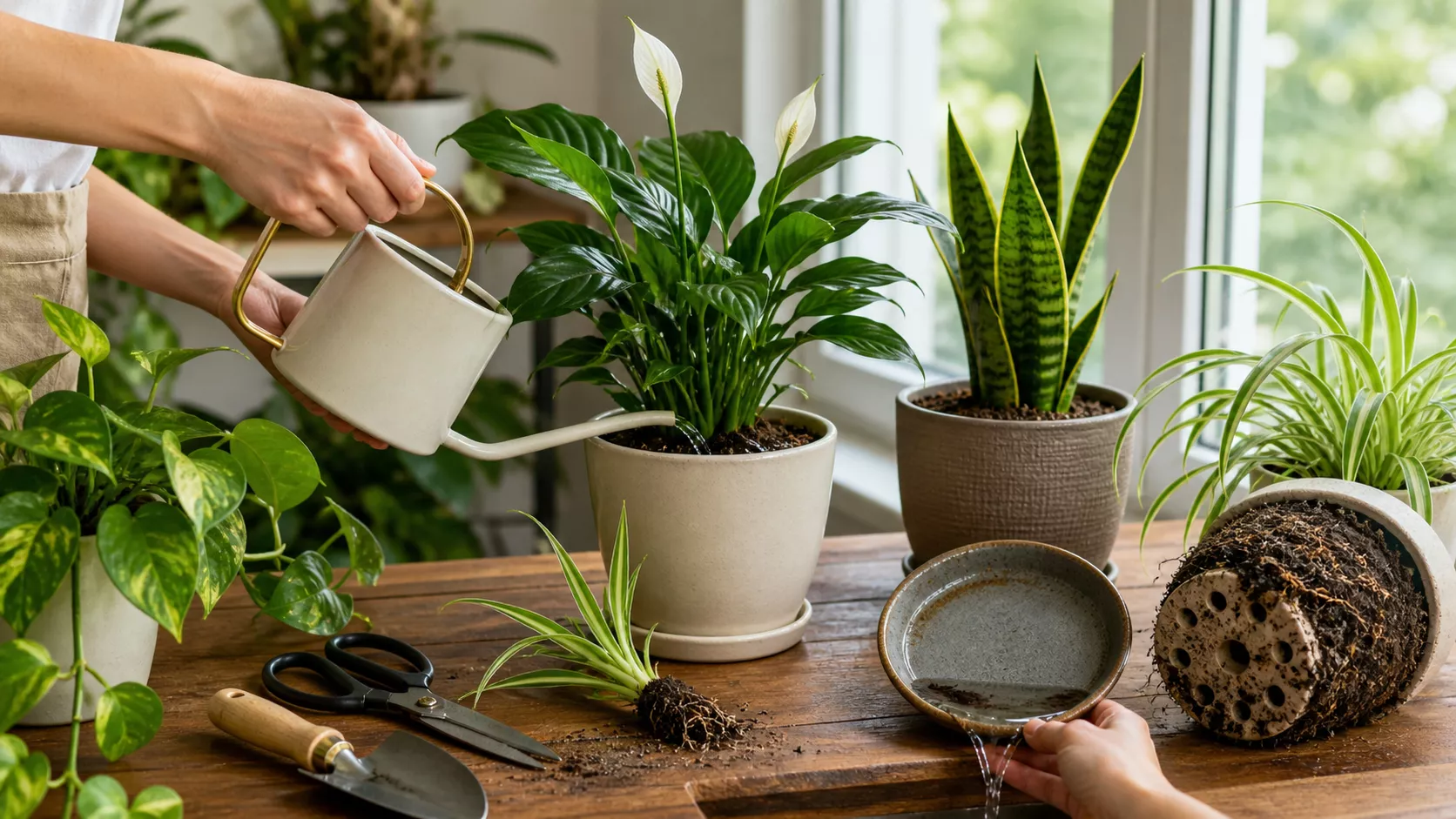
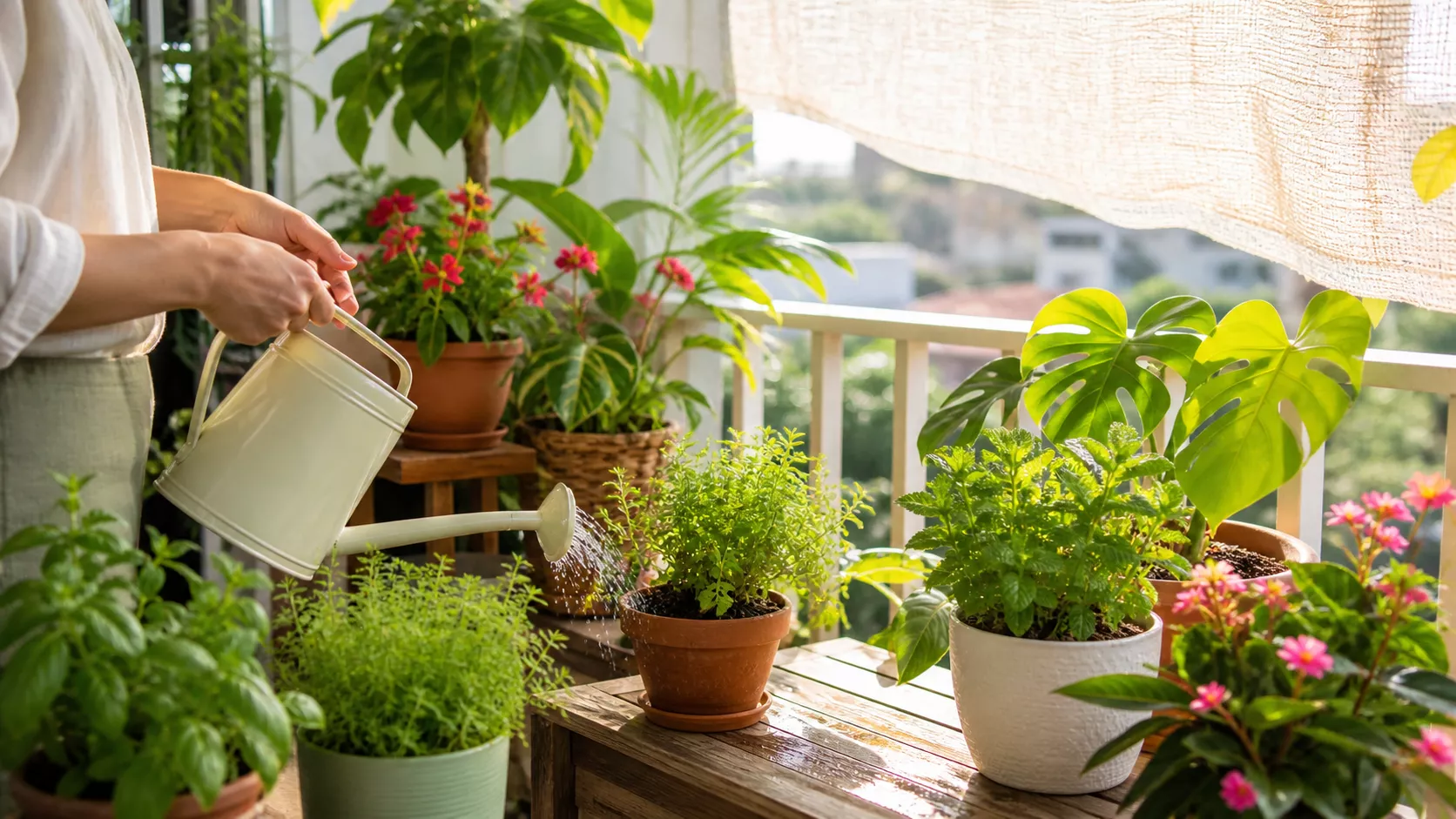
Next, watering should usually be reduced in cold weather because many plants grow more slowly and use less water. Soil also dries more slowly when temperatures are lower.
Before watering, always check soil moisture. If the soil still feels moist, wait longer. Watering too often in cold weather can cause root problems.
Additionally, plants in low light need even less water. A plant that needed frequent watering in summer may need much less during winter or cooler months.
Overwatering is one of the biggest cold-weather plant problems. When soil stays wet and cold, roots may become stressed and oxygen levels can decrease.
Signs of overwatering include yellow leaves, soft stems, fungus gnats, mold on soil, unpleasant smell, and wilting even when the soil is wet.
To prevent this, use pots with drainage holes, well-draining soil, and a careful watering routine. Do not water automatically just because a week has passed.
During cold weather, watering in the morning is often best. This gives the plant and soil time to absorb moisture during the warmer part of the day.
Avoid watering late at night if temperatures drop significantly. Wet, cold soil overnight can increase stress for many plants.
Also, use room-temperature water. Very cold water can shock sensitive roots, especially in tropical indoor plants.
Frost can damage leaves, stems, flowers, and tender growth. Sensitive plants may suffer quickly if frost settles on them overnight.
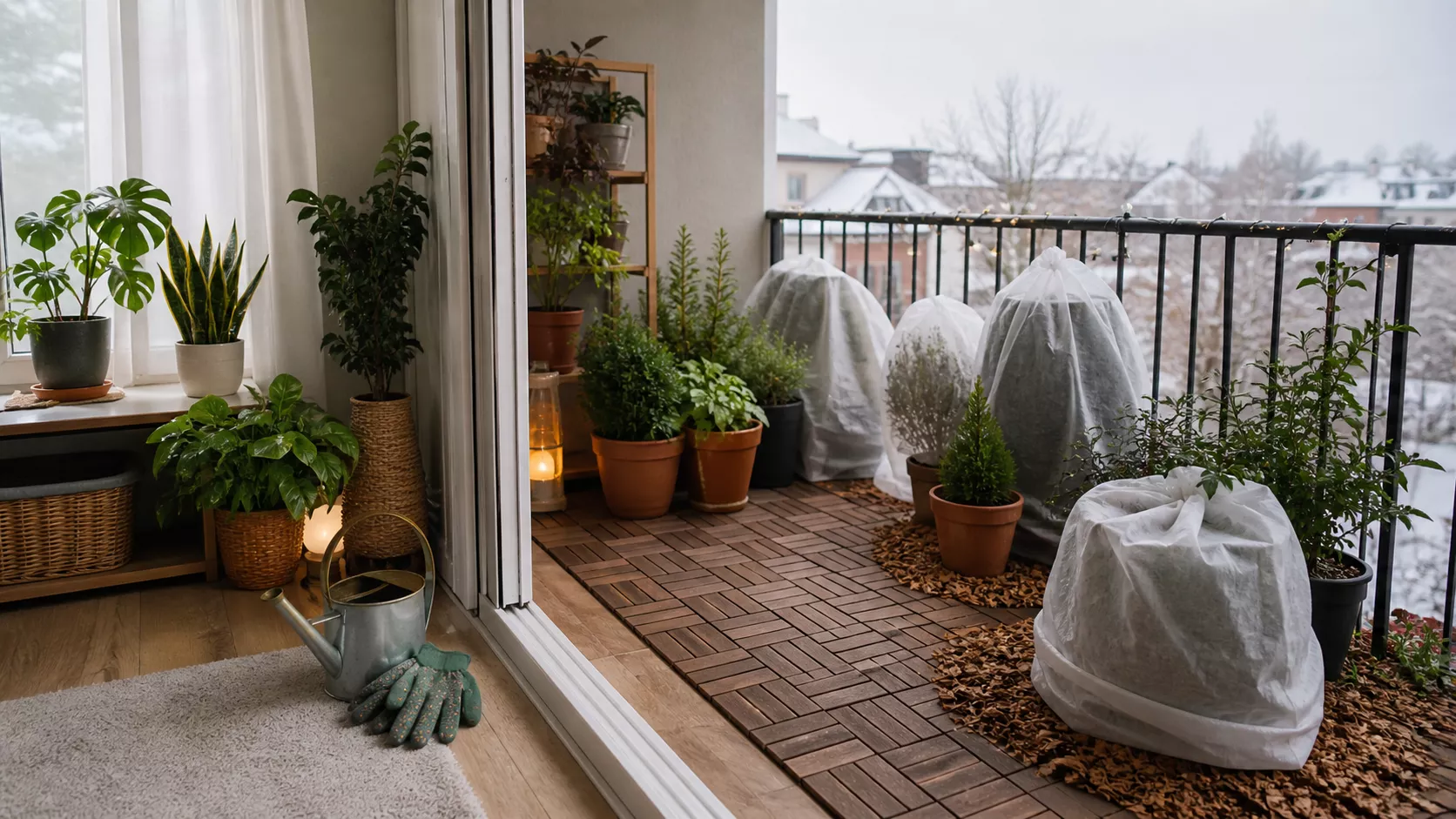
To protect plants, cover them before frost arrives. Use breathable materials such as frost cloth, fabric, old sheets, or plant covers. Avoid heavy plastic touching leaves directly because it can trap moisture and cause damage.
In the morning, remove or open covers when temperatures rise. Plants still need light and airflow during the day.
When covering plants, make sure the cover reaches down enough to trap some warmth from the ground or pot area. A cover placed only over the top leaves may not protect the whole plant.
Use supports if needed so the cover does not crush delicate leaves or flowers. This is especially important for soft plants and young seedlings.
Also, secure the cover gently so wind does not remove it during the night. Remove it during the day when conditions are safe.
Roots are important during cold weather because they support the entire plant. In pots, roots are more exposed to temperature changes than roots in the ground.
To protect roots, move pots closer to walls, place them on insulated surfaces, or group containers together. Avoid leaving sensitive pots directly on very cold floors.
Additionally, adding mulch to outdoor pots or garden beds can help protect soil temperature and reduce sudden changes.
Mulch can help protect outdoor plants by insulating the soil and reducing temperature swings around the roots.
Suitable mulch may include dry leaves, straw, bark chips, or other plant-safe materials. Apply a moderate layer around the plant, but avoid piling mulch directly against stems.
However, mulch should not keep the soil soggy. Good drainage is still important, especially during cold and rainy periods.
Grouping plants can create a slightly warmer and more humid microclimate. This is helpful for balcony plants, patio plants, and indoor tropical plants.
Outdoors, group pots near a protected wall or corner to reduce wind exposure. Indoors, grouping plants can help humidity stay more stable.
However, do not crowd plants too tightly. Airflow is still important to prevent pests and fungal problems.
Balcony plants can suffer from cold wind, exposed roots, and sudden temperature drops. Since balconies are elevated and open, they can feel colder than sheltered garden areas.
To protect them, move pots closer to walls, under covered areas, or into corners protected from wind. Use plant stands or boards to keep pots off cold floors.
Also, check safety when using covers or moving pots. Wind can knock over lightweight containers, so stable placement is important.
During cold weather, many plants grow slowly and do not need much fertilizer. Feeding plants at the wrong time can stress roots or cause nutrient buildup.
If a plant is not actively growing, wait before fertilizing. Fertilizer is most useful when plants are producing new growth and can use the nutrients.
Also, never fertilize a plant that has cold damage. Focus on stable warmth, proper watering, and recovery first.
Repotting can stress plants because it disturbs the roots. During cold weather, recovery may be slower.
Therefore, avoid unnecessary repotting during cold periods, especially for tropical plants. Wait until warmer active growth periods when possible.
However, emergency repotting may be needed if the plant has root rot, broken pots, pest-infested soil, or severe drainage problems. In those cases, act carefully.
Heavy pruning during cold weather can stress plants, especially if they are not actively growing. Removing too much foliage reduces the plant’s ability to produce energy.
During cold periods, remove only dead, diseased, or severely damaged growth. Save major shaping for warmer months when the plant can recover more easily.
Also, avoid pruning frost-damaged outdoor plants too soon. Sometimes damaged growth protects lower parts of the plant until the cold period passes.
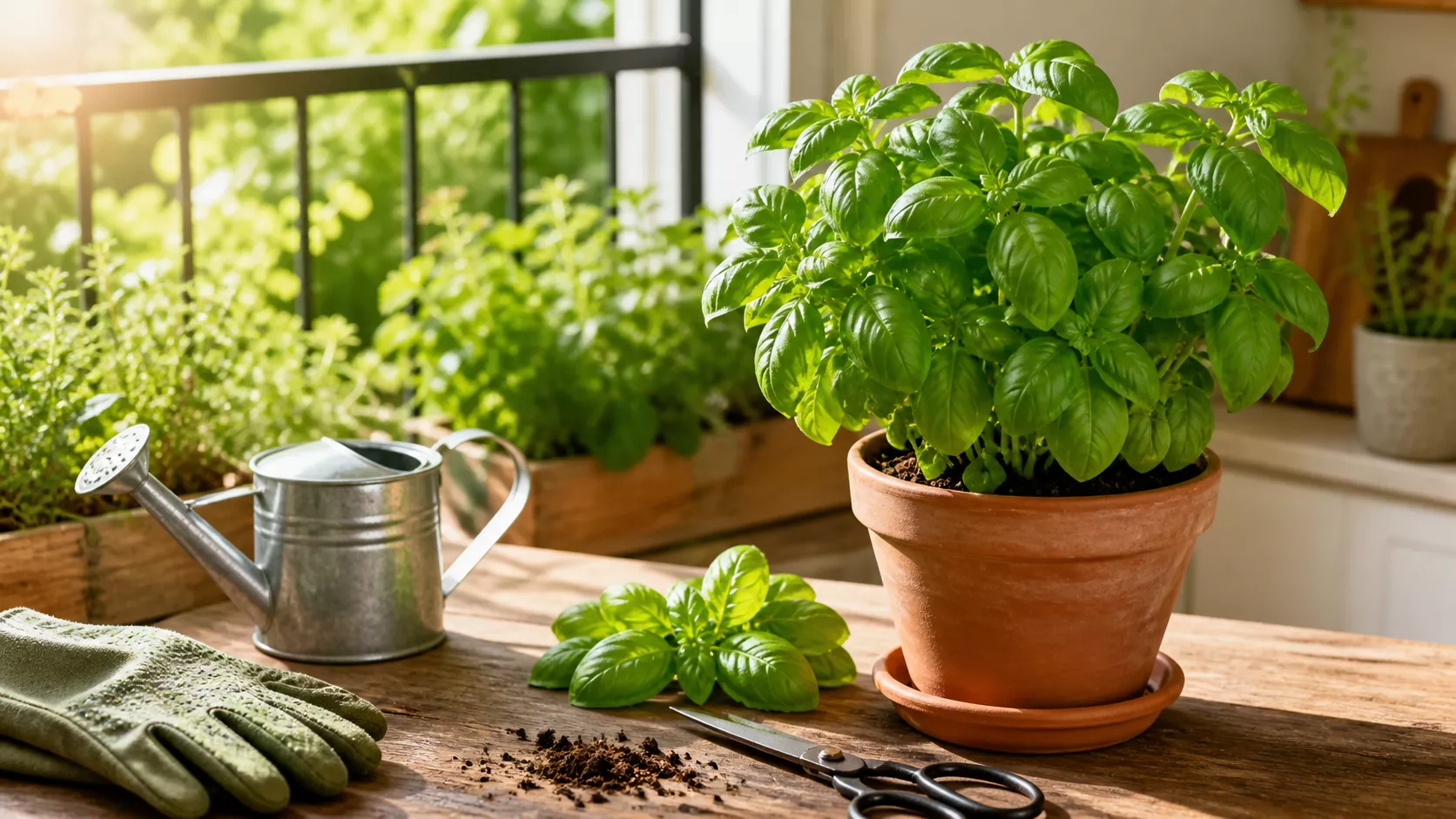
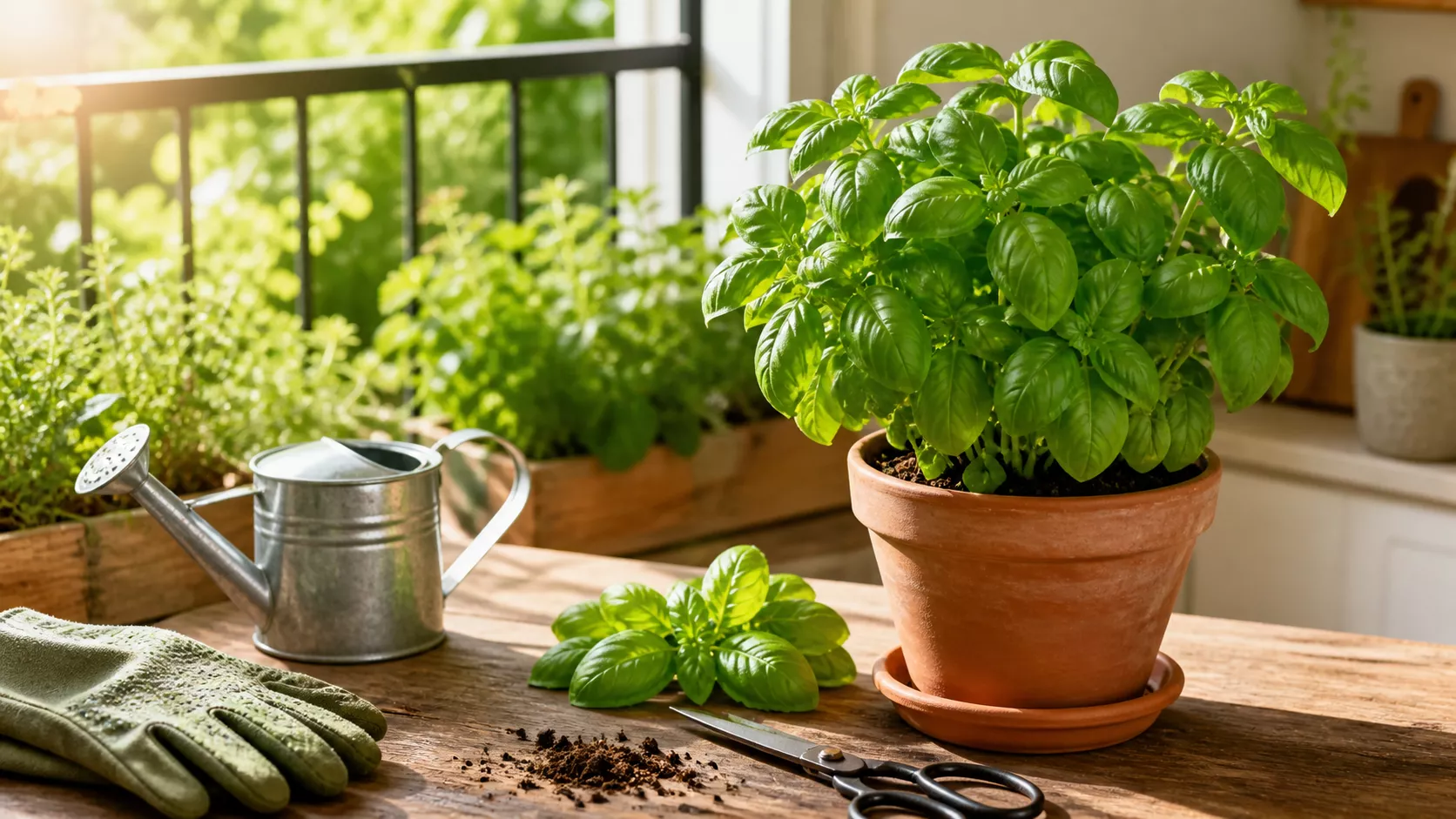
Herbs have different cold tolerance levels. Basil is very sensitive to cold and should be protected or brought indoors before chilly nights. Mint and parsley may tolerate cool weather better, but frost can still damage them.
Rosemary, thyme, oregano, and sage usually tolerate cooler conditions better, especially if kept in well-draining soil. However, potted herbs may still need protection from strong cold and wind.
During cold weather, reduce watering and avoid heavy harvesting. Plants need enough leaves to stay strong while growth slows.
Many succulents and cacti prefer dry conditions during cold periods. Cold and wet soil is a dangerous combination for these plants.
If temperatures drop too much, move sensitive succulents and cacti indoors or to a protected area. Keep them in bright light and water less often.
Also, avoid watering right before very cold nights. Let the soil dry properly between waterings to reduce root problems.
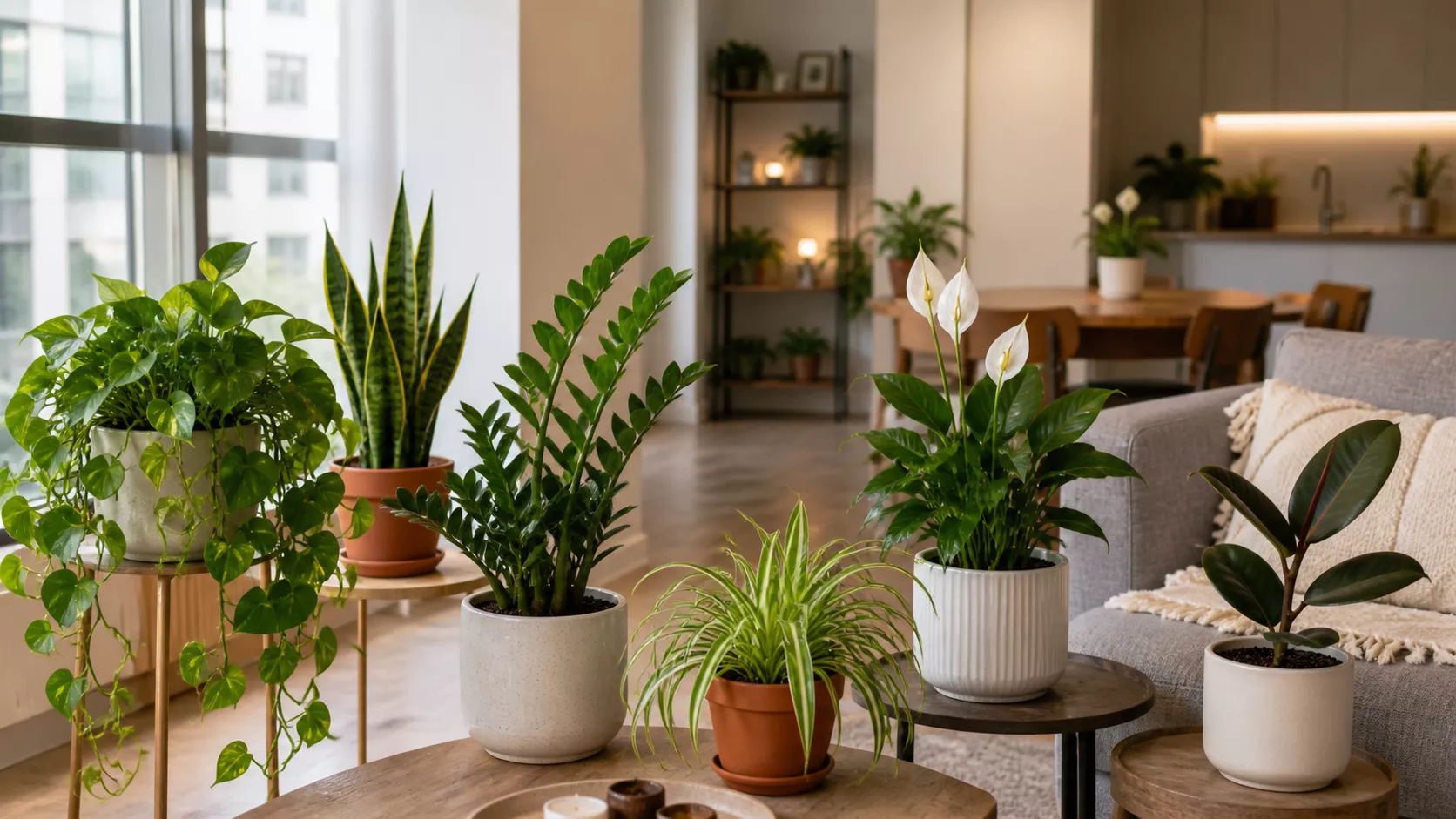
Tropical houseplants need stable warmth. Plants such as monstera, peace lily, pothos, philodendron, calathea, anthurium, and orchids should be kept away from cold drafts.
Place them in bright indirect light and reduce watering according to soil moisture. They may grow more slowly during colder months.
Additionally, maintain humidity if indoor air becomes dry from heating. A humidifier or grouping plants can help, but avoid soggy soil.
Ferns usually prefer humidity and indirect light, but many do not like extreme cold. Indoor ferns should be kept away from cold windows and drafts.
During cold weather, keep the soil lightly moist but not wet. Since growth may slow, check moisture before watering.
Also, protect ferns from dry heater air. Brown tips and crispy fronds may appear when air becomes too dry.
Orchids can be sensitive to cold drafts and sudden temperature changes. While some orchids need cooler nights to encourage blooming, extreme cold can damage them.
Keep orchids in bright indirect light away from cold glass, open windows, and heating vents. Stable conditions help buds and flowers last longer.
Water carefully, because orchid potting mix may dry more slowly in colder weather. Always check roots and medium before watering.
Peace lily prefers warm indoor conditions and can suffer from cold drafts. Leaves may droop, yellow, or develop dark damage after cold exposure.
Move peace lily away from cold windows and doors. Keep it in bright indirect light and water only when the top layer of soil begins to dry.
Also, avoid placing it near heaters that dry the air. Moderate humidity helps peace lily leaves stay healthier.
Outdoor flowers may need frost protection, especially tender annuals and flowering plants that are not cold-hardy. Frost can damage blooms quickly.
Cover sensitive flowers before cold nights and remove covers when temperatures rise. Move potted flowers to sheltered spots if possible.
Also, avoid fertilizing heavily during cold weather. Flowers under cold stress need protection and stable care more than extra nutrients.
Signs of cold damage may include dark spots, limp leaves, yellowing, leaf drop, soft stems, brown patches, or sudden wilting after a cold night.
Sometimes, damage appears immediately. Other times, it becomes visible after a few days.
If you notice cold damage, move the plant to a stable warm location and avoid pruning heavily right away. Let the plant show which parts are still alive.
First, move the plant away from cold exposure. Place it in bright indirect light and stable warmth.
Next, check the soil before watering. A cold-damaged plant may not use water normally, so overwatering can make recovery harder.
Then, wait before pruning. Once damaged leaves are clearly dead and the plant is stable, remove them with clean scissors. Healthy new growth may appear later.
Plants often struggle with sudden changes more than gradual seasonal shifts. Moving a plant from cold outdoors directly to a very hot indoor area can create stress.
When possible, transition plants gradually. Bring them indoors before extreme cold arrives, not after they have already been damaged.
Also, choose stable indoor locations. Avoid moving plants from one extreme to another repeatedly.
During cold months, natural light may be weaker or shorter. Some indoor plants may need more brightness to stay healthy.
Grow lights can help plants that are kept away from cold windows or in darker rooms. They are especially useful for herbs, seedlings, and tropical plants in low-light homes.
However, grow lights should be used correctly. Place them at a suitable distance and provide consistent daily light.
Clean leaves help indoor plants absorb available light better, which is especially important during darker seasons.
Use a soft damp cloth for broad leaves and gentle methods for delicate plants. Removing dust also helps you inspect for pests and cold damage.
Additionally, clean plants look healthier and make it easier to notice yellowing, brown edges, or other changes.
When plants are brought indoors for cold protection, pests can become a problem. Indoor warmth can allow some pests to spread quickly.
Inspect plants before and after moving them indoors. Look for mealybugs, spider mites, aphids, scale insects, fungus gnats, and webbing.
If pests appear, isolate the affected plant and treat early. Prevention is easier than dealing with a large indoor infestation.
One common mistake is watering too much. Since plants grow more slowly and soil dries more slowly in cold weather, overwatering becomes more likely.
Another mistake is leaving tropical plants near cold windows or doors. Drafts can damage leaves quickly.
Also, avoid fertilizing plants that are not actively growing. Nutrients are less useful when the plant is resting or stressed.
To care for plants in cold weather, check temperatures, move sensitive plants away from drafts, reduce watering, and protect outdoor plants from frost.
Then, keep plants in bright light when possible, clean leaves, and inspect for pests. Avoid unnecessary repotting, heavy pruning, or fertilizing.
Finally, observe each plant individually. Some plants need warmth and protection, while others simply need drier soil and less attention.
In conclusion, learning how to protect plants in cold weather helps prevent frost damage, cold stress, root problems, yellow leaves, and slowed growth. Cold periods require a different care routine than warm seasons.
Above all, protect sensitive plants from drafts and frost, reduce watering, keep roots safe, and avoid fertilizing or repotting unnecessarily. Stable conditions are the key to successful winter plant care.
Ultimately, plants can pass through cold weather more safely when you understand their needs. With observation, protection, and careful watering, your plants can stay healthier and be ready to grow stronger when warmer weather returns.