How to Care for Plants When Traveling

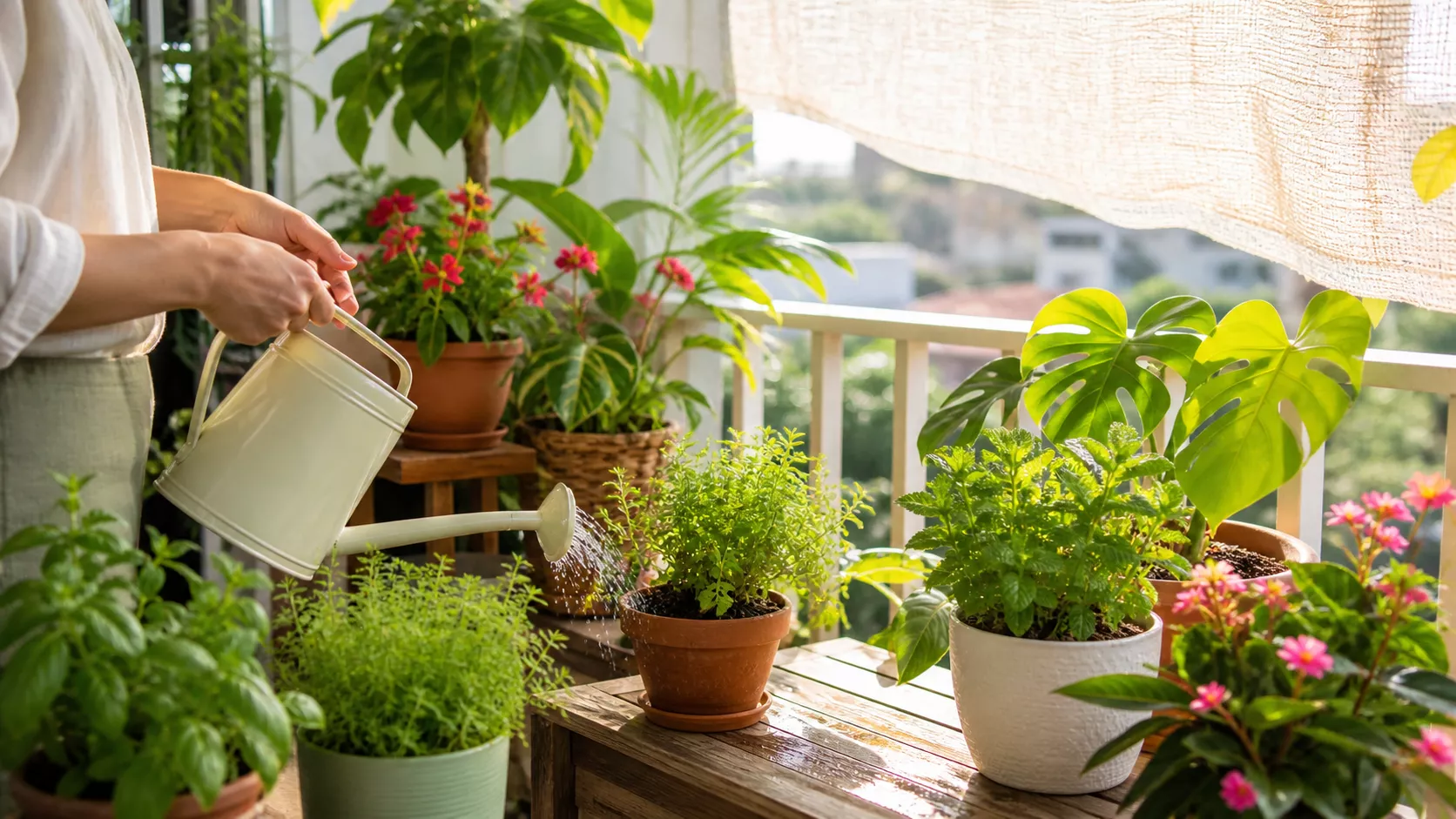
First, learning how to plant herbs on the balcony is one of the most practical ways to start a small garden at home. Even if you live in an apartment or have very little outdoor space, a balcony can become a useful and beautiful place to grow fresh herbs for cooking, teas, and decoration.
Additionally, herbs are excellent for beginners because many of them grow well in pots and do not require a large garden. With a few containers, good soil, enough sunlight, and a simple care routine, you can grow basil, parsley, mint, chives, rosemary, thyme, oregano, and other useful herbs.
Therefore, this guide will show you how to create a potted herb garden on the balcony from the beginning. You will learn how to choose the right location, select pots, prepare soil, water correctly, harvest herbs, prevent problems, and keep your balcony garden healthy for longer.
First, balcony herbs are useful because they are close to your kitchen and can be harvested fresh whenever needed. Fresh herbs can add flavor, aroma, and color to everyday meals.
Also, a balcony herb garden makes your home feel greener and more pleasant. Small pots of herbs can decorate railings, shelves, plant stands, walls, and corners without taking up much space.
Furthermore, growing herbs helps beginners understand basic gardening. You learn how sunlight affects growth, how soil dries in pots, how pruning encourages new leaves, and how different plants have different needs.
First, sunlight is one of the most important factors for growing herbs on a balcony. Most culinary herbs need several hours of bright light every day to grow strong and flavorful.
For example, basil, rosemary, thyme, oregano, sage, and chives usually grow better with plenty of sun. A balcony that receives morning sun or several hours of direct light can be very good for these herbs.
However, if your balcony receives only indirect light or partial shade, choose herbs that tolerate less sun, such as mint, parsley, cilantro, and some types of chives. They still need brightness, but they may adapt better than sun-loving Mediterranean herbs.
Next, balconies can be windier and hotter than indoor spaces. Strong wind can dry the soil quickly, damage delicate leaves, and make small pots unstable.
Because of this, observe your balcony before arranging the garden. If the area receives strong wind, use heavier pots, place plants near a protected wall, or create a simple wind barrier.
Additionally, balconies with intense afternoon sun can become very hot. In this case, some herbs may need partial protection during the hottest hours. Light-colored pots and consistent watering can help reduce stress.
For balcony herbs, pots must be practical, stable, and suitable for root growth. Small herbs can grow in medium containers, while larger herbs need deeper or wider pots.
Most importantly, every pot should have drainage holes. Herbs do not like roots sitting in water. Without drainage, the soil can become soggy and cause root problems.
Also, avoid very tiny pots if the balcony receives strong sun. Small pots dry quickly and may require watering too often. A slightly larger pot gives roots more room and helps moisture stay more balanced.
Drainage is essential for a healthy balcony herb garden. When water cannot escape, roots can become weak, and the plant may develop yellow leaves, wilting, or root damage.
To improve drainage, use pots with holes and place saucers only when necessary. After watering, empty any collected water so the roots do not sit in moisture.
Additionally, use a well-draining soil mix. Drainage depends on both the pot and the soil. A pot with holes is helpful, but heavy compacted soil can still hold too much water.
Another important step is choosing the right soil. Herbs in pots need soil that supports roots, holds some moisture, drains well, and provides nutrients.
For most herbs, a quality potting mix works better than garden soil. Garden soil can become compacted in containers and may not drain properly.
For Mediterranean herbs such as rosemary, thyme, oregano, and sage, use a lighter mix with better drainage. For basil, parsley, mint, and cilantro, use soil that retains a little more moisture while still allowing excess water to drain.
First, the best herbs are the ones you actually use. If you cook often, choose herbs that match your meals. If you enjoy teas, choose aromatic herbs like mint or lemon balm.
Popular balcony herbs include basil, parsley, chives, mint, rosemary, thyme, oregano, cilantro, sage, and dill. Each herb has different light and watering preferences.
For beginners, basil, mint, chives, parsley, and rosemary are good starting options. They are common, useful, and easy to find in garden centers or supermarkets.
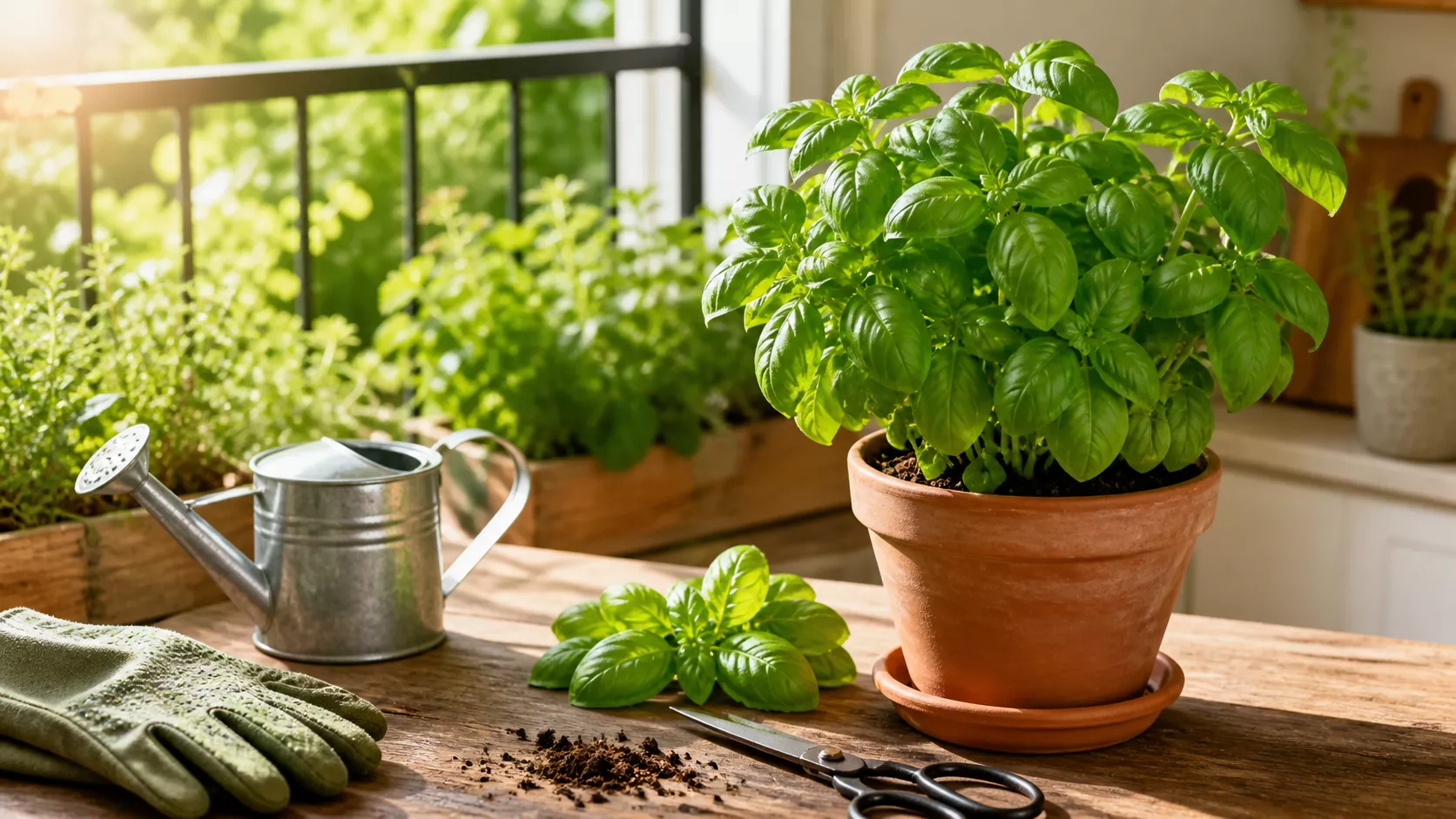
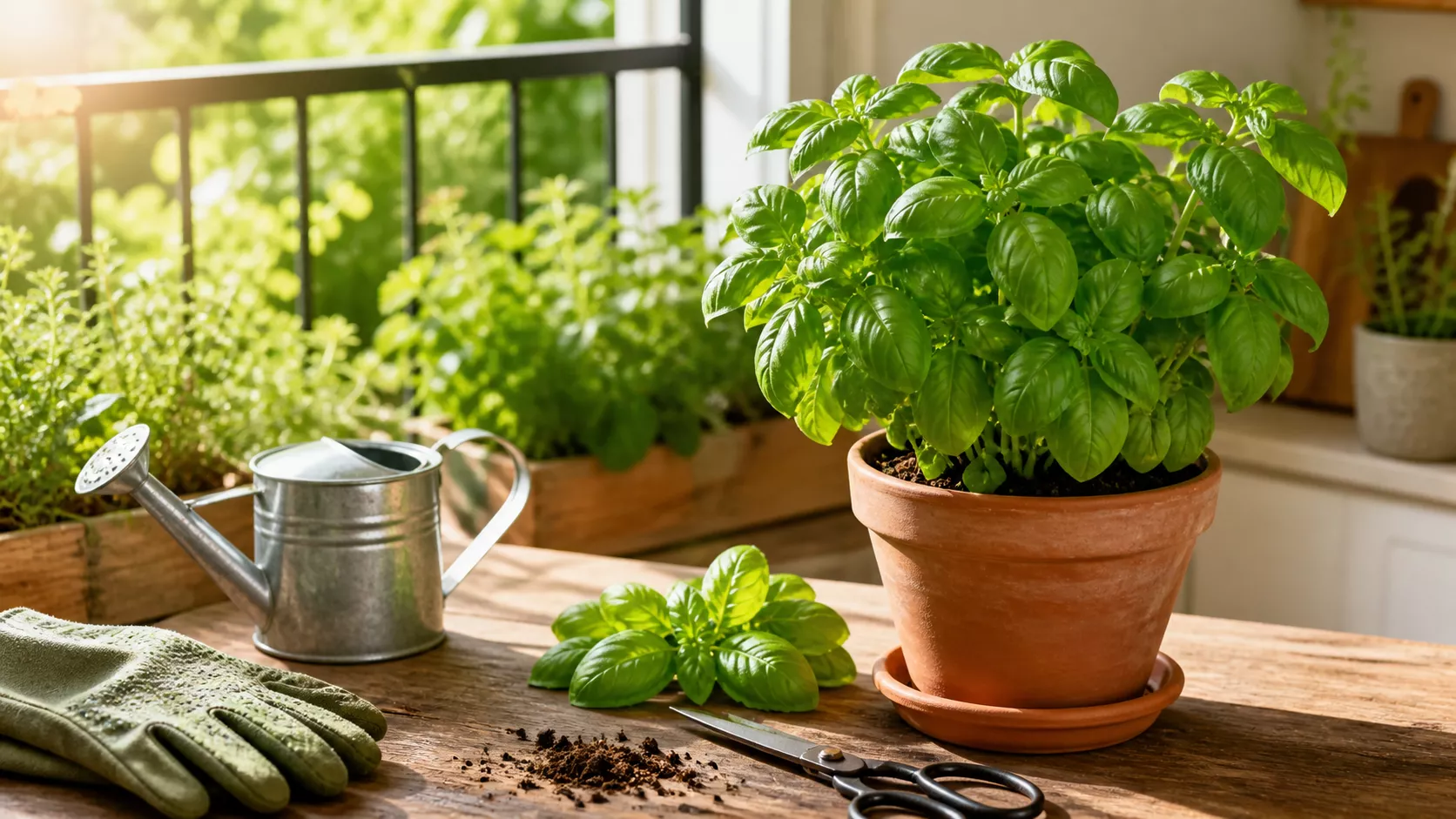
First, basil is one of the most popular herbs for balcony gardens. It is fragrant, beautiful, and useful in pasta, sauces, salads, sandwiches, and homemade dishes.
Basil needs plenty of light and regular watering. It prefers soil that stays lightly moist but not soggy. If it dries too much, the leaves may wilt quickly.
To harvest, pinch or cut the top leaves regularly. This encourages branching and helps the plant become fuller. Remove flower buds if you want the plant to keep producing leaves longer.
Next, parsley is practical and versatile. It can be used in soups, salads, rice, sauces, and many everyday recipes.
Parsley grows well in bright light but may tolerate partial shade better than some sun-loving herbs. It prefers consistent moisture and good drainage.
When harvesting, cut outer stems near the base instead of only removing individual leaf tips. This allows the plant to continue producing new growth from the center.
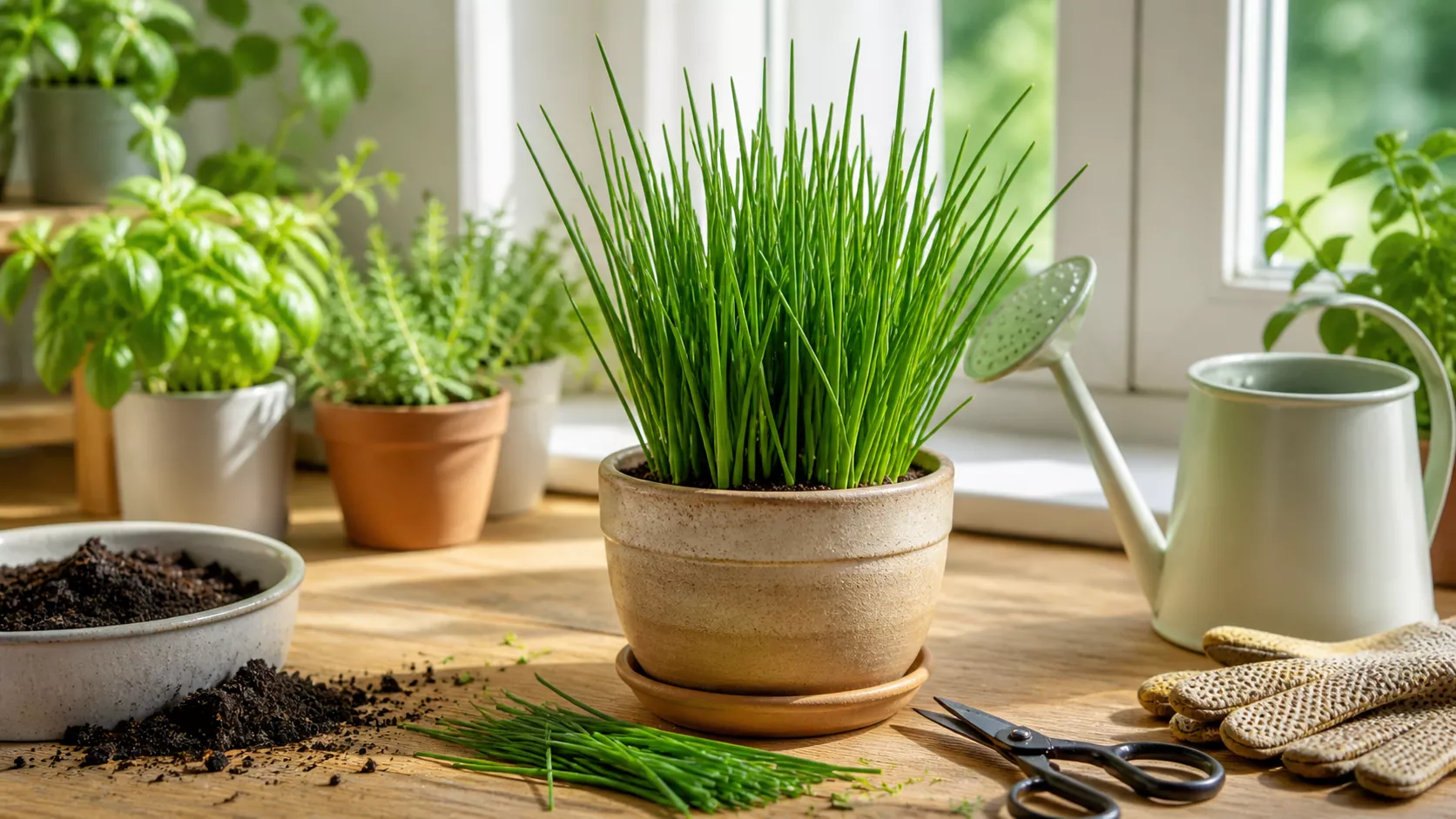
Also, chives are excellent for small balcony gardens. They are compact, easy to harvest, and useful in eggs, potatoes, soups, salads, and sauces.
Chives grow best with good light and regular watering. They can be planted in pots or window boxes and do not need a large container.
To harvest, cut leaves with clean scissors, leaving a few centimeters at the base. The plant can regrow and provide repeated harvests when healthy.
Mint is a refreshing herb that can be used in teas, juices, desserts, salads, and flavored water. It grows quickly and can become very full in a pot.
However, mint should usually be planted alone. It spreads aggressively and can take over other herbs if planted in the same container.
Mint prefers bright light or partial shade and soil that stays lightly moist. Regular pruning keeps it compact and encourages fresh new leaves.
Rosemary is a woody herb with a strong aroma. It is useful for roasted vegetables, breads, potatoes, meats, and herbal seasonings.
Unlike basil and mint, rosemary prefers drier soil and excellent drainage. It does not like constant moisture around the roots.
For best results, place rosemary in a sunny part of the balcony and water only when the soil has dried well. A terracotta pot can help the soil dry faster.
Thyme is a small and aromatic herb that works well in containers. It is useful in sauces, soups, roasted vegetables, and savory recipes.
Thyme likes strong light, good airflow, and well-draining soil. It does not like soggy conditions.
When watering, let the soil dry slightly between waterings. Prune lightly to keep the plant compact and encourage new growth.
Oregano is another excellent herb for sunny balconies. It grows well in pots and can be used in sauces, pizza, roasted vegetables, and Mediterranean dishes.
Oregano prefers sunlight and well-draining soil. Like rosemary and thyme, it does not need constantly moist soil.
To harvest, cut stems regularly. This encourages the plant to branch and prevents it from becoming too woody or stretched.
Cilantro is useful in salads, sauces, soups, and many fresh dishes. However, it can be more sensitive to heat than some other herbs.
Cilantro usually grows best in cooler conditions and bright light. In very hot balconies, it may flower quickly and stop producing tender leaves.
To grow cilantro, keep the soil lightly moist and harvest regularly. If your balcony is very hot, place it where it receives morning sun and some afternoon protection.
Sometimes, herbs can be planted together in a larger container, but only if they have similar needs. This is important because herbs vary in watering and soil preferences.
For example, rosemary, thyme, oregano, and sage can grow together because they prefer sun and better-draining soil. Basil, parsley, and chives may grow together because they like more consistent moisture.
However, mint should usually stay in its own pot because it spreads quickly. Mixing herbs without considering their needs can make watering difficult.
To plant herbs, start by filling the pot with suitable soil. Make a small hole for the seedling, place the plant gently, and cover the roots with soil.
Then, press the soil lightly around the plant to remove large air pockets. Avoid compacting it too much because roots still need airflow.
After planting, water gently until excess water drains from the bottom. Keep the plant in suitable light and avoid heavy fertilizing immediately after transplanting.
Growing from seeds can be affordable and rewarding. Herbs such as basil, parsley, cilantro, chives, and dill can be started from seeds in small pots or seed trays.
However, seeds need patience. They require proper moisture, warmth, light, and time to germinate. Some herbs, such as parsley, may take longer to sprout.
For beginners, seedlings may be easier at first. Once you gain confidence, starting from seeds becomes a fun way to expand your balcony garden.
Seedlings are young plants that are already established. They are a good option if you want faster results and an easier beginning.
When buying seedlings, choose healthy plants with strong leaves, no pests, and no signs of yellowing or wilting. Avoid plants that look weak, leggy, or crowded.
After bringing them home, give them a few days to adjust if needed. Then transplant them into suitable pots with good soil and drainage.
Watering depends on the herb type, pot size, soil, sunlight, wind, and temperature. Balcony herbs may dry faster than indoor plants because of sun and air movement.
Before watering, check the soil with your finger. If it feels dry at the depth suitable for that herb, water thoroughly. If it still feels moist, wait.
Also, avoid shallow watering. When the plant needs water, water until moisture reaches the roots and drains from the bottom. Then allow the soil to dry according to the herb’s needs.
Potted herbs may need light fertilizing because nutrients in containers can be used up or washed away. However, too much fertilizer can cause weak growth or reduce flavor intensity in some herbs.
For leafy herbs such as basil, parsley, and chives, a gentle balanced fertilizer can help during active growth.
For woody herbs such as rosemary, thyme, and oregano, use fertilizer lightly. These herbs often prefer leaner soil and may not need frequent feeding.
Harvesting correctly keeps herbs productive and healthy. Instead of removing too much at once, harvest small amounts regularly.
For basil, cut above a node to encourage branching. For parsley and chives, cut outer stems or leaves near the base. For rosemary and thyme, trim small stems without removing too much woody growth.
Also, avoid harvesting more than one-third of the plant at a time. The plant needs enough leaves to continue producing energy and growing.
To keep herbs full, prune regularly. Many herbs become stronger and bushier when trimmed correctly. If you never harvest them, they may become tall, thin, or woody.
Additionally, remove flowers from herbs like basil if your goal is leaf production. Flowering can change the plant’s energy and sometimes reduce leaf quality.
Also, rotate pots occasionally so all sides receive light. This helps prevent plants from leaning strongly in one direction.
Balcony wind can dry leaves and soil quickly. It can also break delicate stems or knock over light pots.
To protect herbs, place them near a wall, use heavier containers, or create a simple barrier with a screen, shelf, or larger plants.
However, do not block airflow completely. Gentle airflow is good for plant health. The goal is to reduce strong wind, not create a closed and damp environment.
Balconies can become very hot, especially with concrete floors, glass railings, or strong afternoon sun. Heat stress can make herbs wilt, dry, or flower too quickly.
To reduce heat stress, water at the right time, use mulch on the soil surface if suitable, and move sensitive herbs to partial shade during the hottest hours.
Also, choose heat-tolerant herbs for very sunny balconies. Rosemary, thyme, oregano, and sage usually handle heat better than cilantro or parsley.
Common problems include yellow leaves, wilting, dry tips, pests, weak growth, and herbs flowering too early. Most of these issues are connected to light, water, heat, wind, soil, or pot size.
For example, yellow leaves may indicate overwatering or poor drainage. Wilting may happen from dry soil, heat, or root stress. Weak stretched growth often means not enough light.
Because of this, observe the full environment before making changes. The problem is not always fertilizer or lack of water.
Balcony herbs can attract pests such as aphids, whiteflies, spider mites, mealybugs, and caterpillars. Edible plants should be inspected regularly because pests can appear quickly.
Look under leaves, near new growth, and along stems. Sticky residue, curled leaves, small insects, or chewed leaves can be warning signs.
If pests appear, remove them early using safe methods suitable for edible plants. Avoid harsh products on herbs you plan to consume.
A clean balcony garden is easier to care for and less likely to develop pests or mold. Remove dry leaves, dead stems, fallen flowers, and old plant material from pots.
Also, keep the area around the pots clean. Soil spills and dead leaves can attract pests or make the balcony look messy.
Additionally, organize herbs by need. Keep sun-loving and drought-tolerant herbs together, and keep moisture-loving herbs in another area. This makes care simpler.
If your balcony is small, vertical gardening is very useful. You can use wall shelves, hanging pots, railing planters, stacked stands, or vertical herb towers.
This allows you to grow several herbs without using much floor space. It also makes the balcony look greener and more organized.
However, make sure each plant is easy to reach. If watering or harvesting becomes difficult, the garden may not stay well maintained.
Railing planters are excellent for apartment balconies because they use unused space and give herbs access to light. They work well for chives, parsley, basil, thyme, and small oregano plants.
However, safety is essential. Make sure railing planters are secure and cannot fall. This is especially important in high apartments or windy areas.
Also, check drainage. Water should not drip excessively onto lower balconies or public areas. Use trays or careful watering when needed.
For sunny dry conditions, combine rosemary, thyme, oregano, and sage in a larger container. These herbs enjoy similar drainage and light conditions.
For moisture-loving herbs, combine basil, parsley, and chives if the container is large enough. These herbs prefer more consistent watering than Mediterranean herbs.
However, keep mint separate. It grows aggressively and can overpower other herbs in the same pot.
One common mistake is planting herbs in pots without drainage. This can quickly cause root problems, especially after heavy watering or rain.
Another mistake is mixing herbs with very different needs. Rosemary and basil, for example, usually prefer different watering routines.
Also, avoid placing herbs in shade if they need sun. Most herbs used in cooking need strong brightness to grow well and develop good flavor.
To care for your balcony herb garden, check soil moisture several times a week, especially during hot or windy days. Water only when each plant needs it.
Then, harvest lightly, prune long stems, remove dry leaves, and inspect for pests. Regular small harvests help many herbs grow fuller.
Finally, rotate pots, clean the balcony area, and adjust plant placement if the light or weather changes. Consistent care keeps herbs productive.
In conclusion, learning how to plant herbs on the balcony is an excellent way to create a practical and beautiful garden in a small space. With pots, good soil, drainage, sunlight, and regular harvesting, you can grow fresh herbs even in an apartment.
Above all, choose herbs that match your balcony conditions. Basil, parsley, chives, mint, rosemary, thyme, oregano, and cilantro can all grow well when their specific needs are respected.
Ultimately, a potted herb garden on the balcony brings flavor, aroma, greenery, and satisfaction to everyday life. With simple care and observation, your balcony can become a productive and enjoyable herb garden.