How to Care for Plants When Traveling

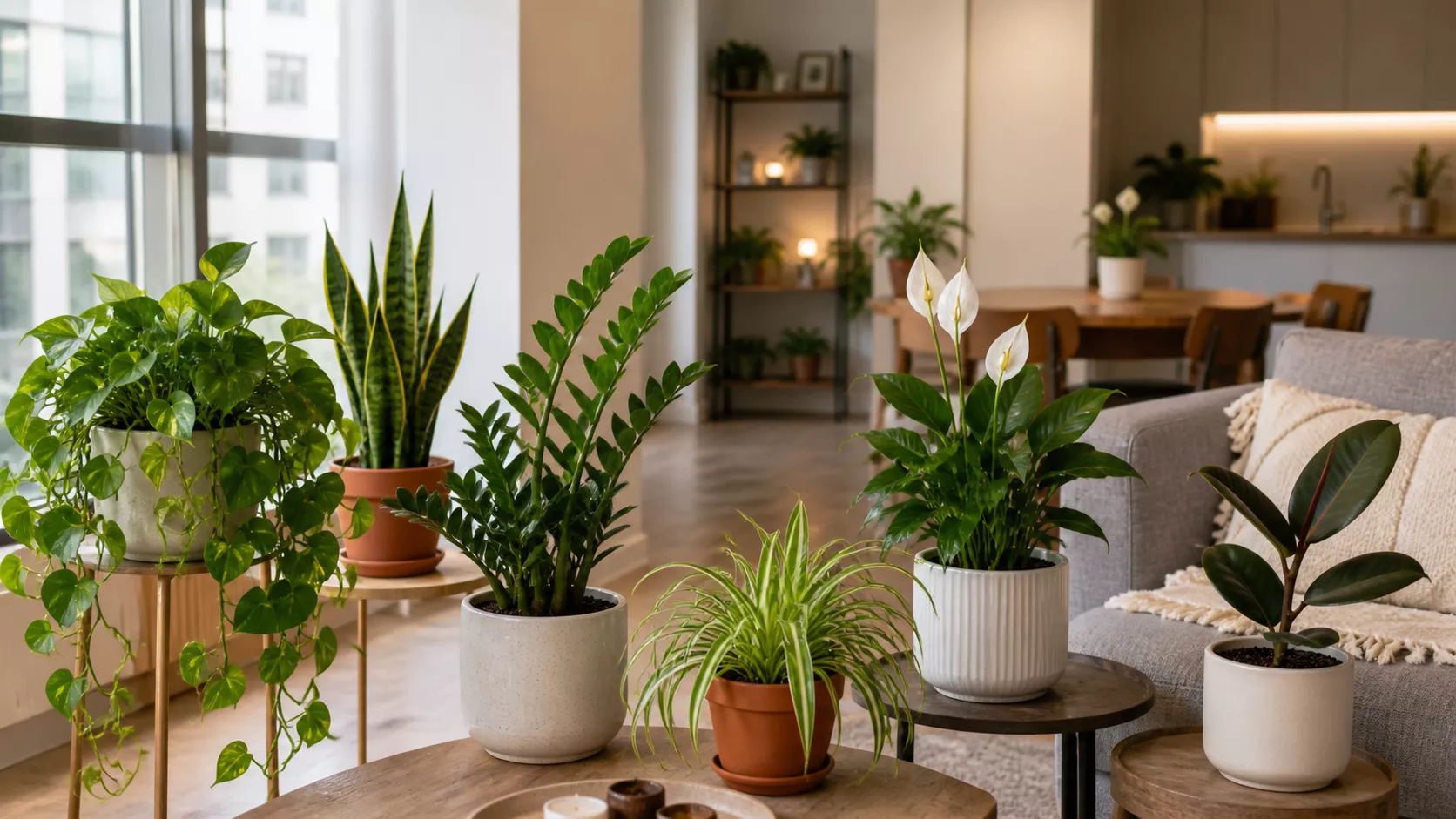
First, learning how to care for pothos is one of the easiest ways to begin growing houseplants. Pothos is beautiful, resistant, fast-growing, and very adaptable. Its trailing vines and heart-shaped leaves make it perfect for shelves, hanging baskets, plant stands, desks, and indoor decoration.
Additionally, pothos is considered one of the best plants for beginners because it tolerates small care mistakes and grows well in many indoor environments. It can adapt to different light levels, does not need complicated maintenance, and can be propagated easily in water or soil.
However, even though pothos is low maintenance, it still needs proper care to stay full, green, and healthy. Watering, light, soil, pruning, and pest prevention all make a difference. Therefore, this guide will explain everything you need to know to grow pothos successfully at home.
First, pothos is a popular tropical houseplant known for its long vines and attractive heart-shaped leaves. It is often used indoors because it grows quickly and can adapt to different spaces.
Additionally, there are many pothos varieties. Some have solid green leaves, while others have yellow, white, cream, or light green variegation. Popular types include golden pothos, marble queen pothos, neon pothos, jade pothos, and manjula pothos.
Because of its flexible growth, pothos can trail from shelves, climb with support, or grow in hanging pots. This makes it useful for decorating small apartments, offices, bedrooms, and living rooms.
First, pothos is beginner-friendly because it is forgiving. It can tolerate occasional missed watering, medium light, and simple care routines better than many delicate plants.
Also, pothos gives visible signs when something is wrong. Drooping leaves may suggest it needs water, yellow leaves may suggest too much water, and faded variegation may indicate low light.
Furthermore, pothos grows quickly when conditions are good. This helps beginners feel motivated because they can see new leaves and longer vines over time.
First, pothos grows best in bright indirect light. This type of light helps the plant produce fuller vines, stronger leaves, and more vibrant color. A place near a bright window with filtered sunlight is often ideal.
However, pothos can also tolerate medium and lower light conditions. This makes it a good choice for offices, bedrooms, hallways, and apartments with limited sunlight.
Nevertheless, very low light can slow growth and reduce variegation. Variegated pothos varieties usually need more brightness to keep their leaf patterns. If the leaves become mostly green, the plant may need more indirect light.
Generally, pothos should be protected from harsh direct sunlight. Strong sun can burn the leaves, especially during hot afternoon hours.
However, gentle morning sunlight may be tolerated if the plant is gradually adapted. A little soft sun can help growth, but intense exposure can cause yellow patches, brown spots, or crispy leaf edges.
Therefore, the safest location is bright indirect light. If your window receives strong sun, use a sheer curtain or place the plant slightly away from the glass.
Next, watering is one of the most important parts of pothos care. Pothos prefers the soil to dry slightly between waterings. It does not like staying constantly wet.
Before watering, check the soil with your finger. If the top few centimeters feel dry, the plant may be ready for water. If the soil still feels moist, wait longer.
When watering, water thoroughly until excess water drains from the bottom of the pot. Then empty the saucer if water collects. This helps prevent root problems and keeps the soil from becoming soggy.
Often, pothos leaves droop when the plant needs water. The leaves may look soft, limp, or less shiny. If the soil is dry, watering usually helps the plant recover.
Additionally, underwatered pothos may develop curled leaves, dry edges, or slower growth. The pot may also feel light when lifted.
However, always check the soil before watering. Drooping can also happen when roots are stressed from overwatering. Dry soil and wet soil require different solutions.
Unfortunately, overwatering is one of the most common pothos problems. When the soil stays wet for too long, the roots may not receive enough oxygen.
Signs of overwatering include yellow leaves, soft stems, wilting despite wet soil, black spots, unpleasant soil smell, and fungus gnats around the pot.
To prevent this, use a pot with drainage holes and a light, well-draining soil mix. Water only when the soil has dried enough, especially if the plant is in low light.
Another important point is soil. Pothos needs soil that holds some moisture but also drains well. A regular indoor potting mix can work, especially when improved with materials that add aeration.
For better results, mix potting soil with perlite, orchid bark, or coco coir. This creates a lighter texture and helps roots breathe.
Also, avoid heavy garden soil in indoor pots. It can become compacted, hold too much moisture, and increase the risk of root problems.
Also, pothos should be planted in a pot with drainage holes. Drainage is essential because excess water must escape after watering.
Plastic pots can work well because they hold moisture a little longer. Terracotta pots can also work, but they dry faster and may require more frequent watering.
Most importantly, choose the right pot size. A pot that is too large can hold excess moisture, while a pot that is too small can restrict root growth. When repotting, choose a pot only slightly larger than the current one.
Usually, pothos needs repotting when roots fill the pot or growth slows even though care conditions are good. You may see roots coming out of drainage holes or circling tightly around the soil.
Additionally, if water runs through the pot very quickly or the plant dries out too fast, it may be root-bound. Repotting can give the roots more space and fresh soil.
When repotting, choose a slightly larger pot, use fresh well-draining soil, and water carefully afterward. Avoid fertilizing immediately if the roots were disturbed.
Pruning helps pothos stay full, controlled, and attractive. Without pruning, vines may become long and thin, especially if the plant is reaching for light.
To prune, use clean scissors and cut just above a node, which is the small point where leaves and roots can grow. Cutting above a node encourages new growth.
Additionally, pruning gives you cuttings that can be propagated. This is one of the easiest ways to make more pothos plants or create a fuller pot.
If your pothos looks thin or leggy, it may need more light, pruning, or propagation. Long vines with few leaves often happen when the plant is not receiving enough brightness.
First, move the plant to brighter indirect light. Then prune long bare vines to encourage branching. You can also plant rooted cuttings back into the same pot to create a fuller appearance.
Over time, regular pruning and better light can make pothos look denser and more attractive.
One of the best things about pothos is how easy it is to propagate. Water propagation is simple and popular with beginners.
To do this, cut a healthy vine below a node. Remove the lower leaf so the node can stay underwater. Place the cutting in a jar of clean water and keep it in bright indirect light.
After some time, roots will begin to grow from the node. Once roots are a few centimeters long, you can plant the cutting in soil. Change the water regularly to keep it fresh.
Alternatively, pothos can be propagated directly in soil. This method avoids the transition from water roots to soil roots.
To propagate in soil, take a cutting with at least one node and place the node into moist, well-draining soil. Keep the soil lightly moist but not soggy while roots develop.
Additionally, place the cutting in bright indirect light. Avoid strong sun and avoid letting the soil dry completely during the early rooting stage.
Pothos does not need heavy fertilization, but it can benefit from light feeding during active growth. A balanced houseplant fertilizer can support new leaves and longer vines.
Usually, fertilizing once in a while during warmer months is enough for many indoor pothos plants. Always follow label instructions and avoid using more than recommended.
However, do not fertilize a stressed plant. If your pothos has yellow leaves, root problems, or pest issues, fix the main problem first before feeding.
Although pothos is easy to care for, it can still develop problems. Yellow leaves, brown tips, drooping, leggy vines, root rot, and pests are the most common concerns.
Most issues are connected to watering, light, soil, or drainage. Before assuming the plant needs fertilizer, check these basic conditions first.
Because pothos is resilient, many problems can be corrected if noticed early. Observation is the key to keeping the plant healthy.
Usually, yellow leaves on pothos are caused by overwatering, but they can also happen from underwatering, low light, natural aging, or nutrient issues.
If the soil is wet and several leaves are yellowing, reduce watering and check drainage. If the soil is dry and leaves are limp, the plant may need a deep watering.
Also, one or two old yellow leaves may be normal. If new growth is healthy and the rest of the plant looks good, there may be no serious problem.
Brown tips can happen because of inconsistent watering, low humidity, fertilizer buildup, dry soil, or water quality. They are often cosmetic but can indicate stress.
To reduce brown tips, maintain consistent watering, avoid overfertilizing, and keep the plant away from heat sources or cold drafts.
If the damage is small, you can trim brown edges with clean scissors. However, fixing the cause is more important than removing the symptom.
Drooping leaves are common and usually connected to watering. If the soil is dry, the plant likely needs water. If the soil is wet, the roots may be stressed from overwatering.
Therefore, check the soil before acting. Watering a wet plant can make the issue worse.
After correcting the cause, give the plant time. If roots are healthy, pothos often recovers well from mild drooping.
Leggy growth means vines become long with large spaces between leaves. This usually happens when the plant does not receive enough light.
To fix this, move the pothos to brighter indirect light and prune long vines. Root the cuttings and plant them back into the pot if you want a fuller look.
Also, rotate the pot occasionally so all sides receive light evenly. This helps prevent the plant from growing in only one direction.
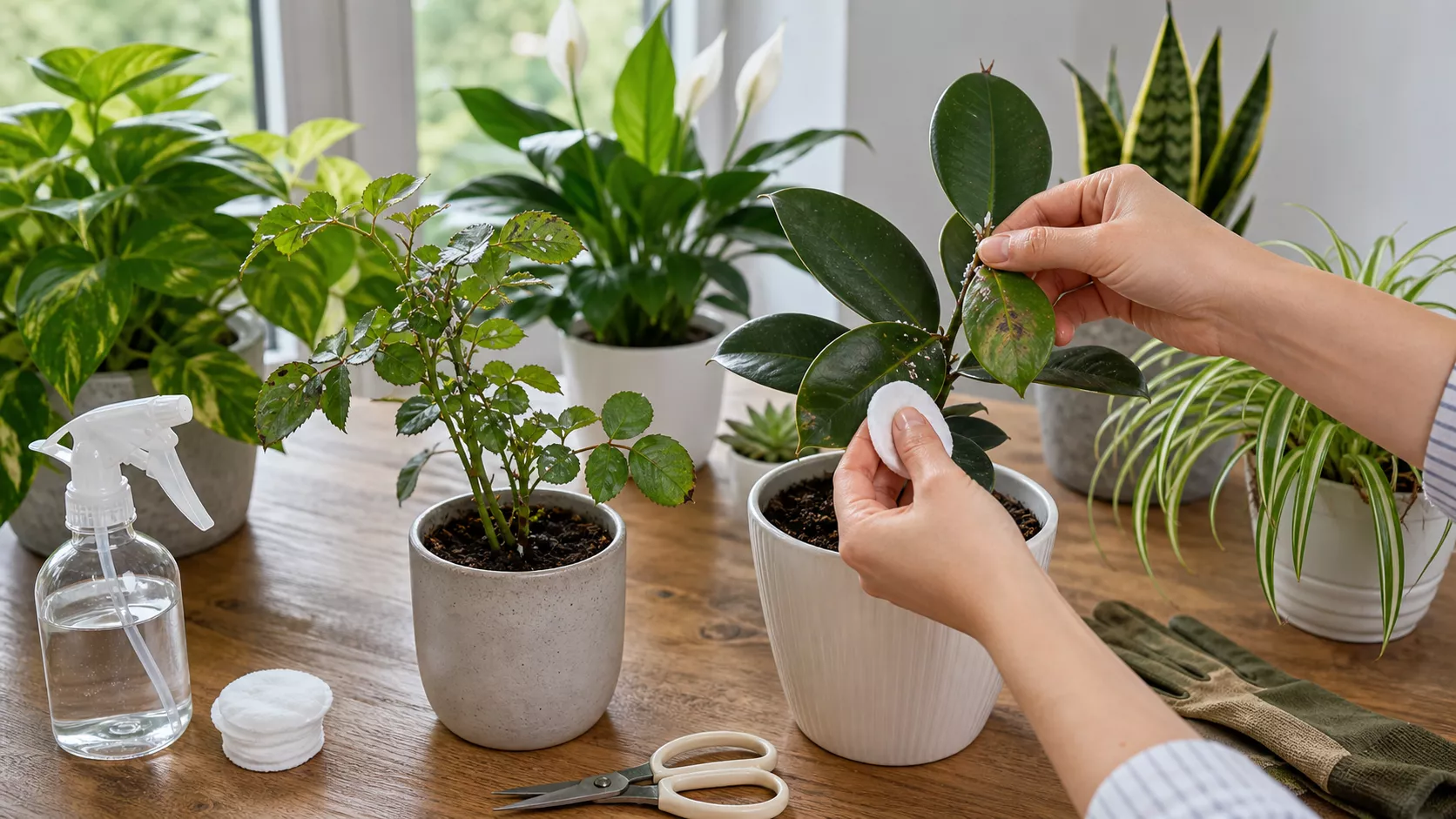
Sometimes, pothos can attract pests such as mealybugs, spider mites, scale insects, or fungus gnats. Pests are more likely when the plant is stressed or when a new infested plant is brought nearby.
To prevent pests, inspect leaves regularly, clean dust, avoid overwatering, and quarantine new plants before placing them near your pothos.
If pests appear, isolate the plant and treat the problem early with a safe method suitable for the pest type. Early action prevents spreading.
Pothos can grow in water for a long time if the water is changed regularly and the plant receives enough light. This is why pothos is popular for jars, vases, and water propagation.
However, pothos growing in water may eventually need nutrients because plain water does not provide everything the plant needs long-term. A very diluted suitable fertilizer may be used carefully.
Also, water-grown pothos may not grow as strongly as soil-grown pothos in some conditions. Still, it can be a beautiful decorative option.
Yes, pothos can climb when given support. In nature, pothos uses aerial roots to attach to surfaces. Indoors, you can use a moss pole, trellis, wall support, or plant stake.
When pothos climbs, it may produce larger leaves over time if light and care are good. Climbing also creates a different decorative style compared to trailing vines.
To encourage climbing, gently attach vines to the support and keep the plant in bright indirect light. Avoid forcing stems too tightly.
Importantly, pothos is toxic to cats and dogs if chewed or eaten. It can irritate the mouth and digestive system of pets.
Because of this, place pothos where pets cannot reach it. Hanging baskets, high shelves, or rooms with limited pet access can help.
If your pet likes chewing plants, consider pet-safe alternatives for areas where they spend more time.
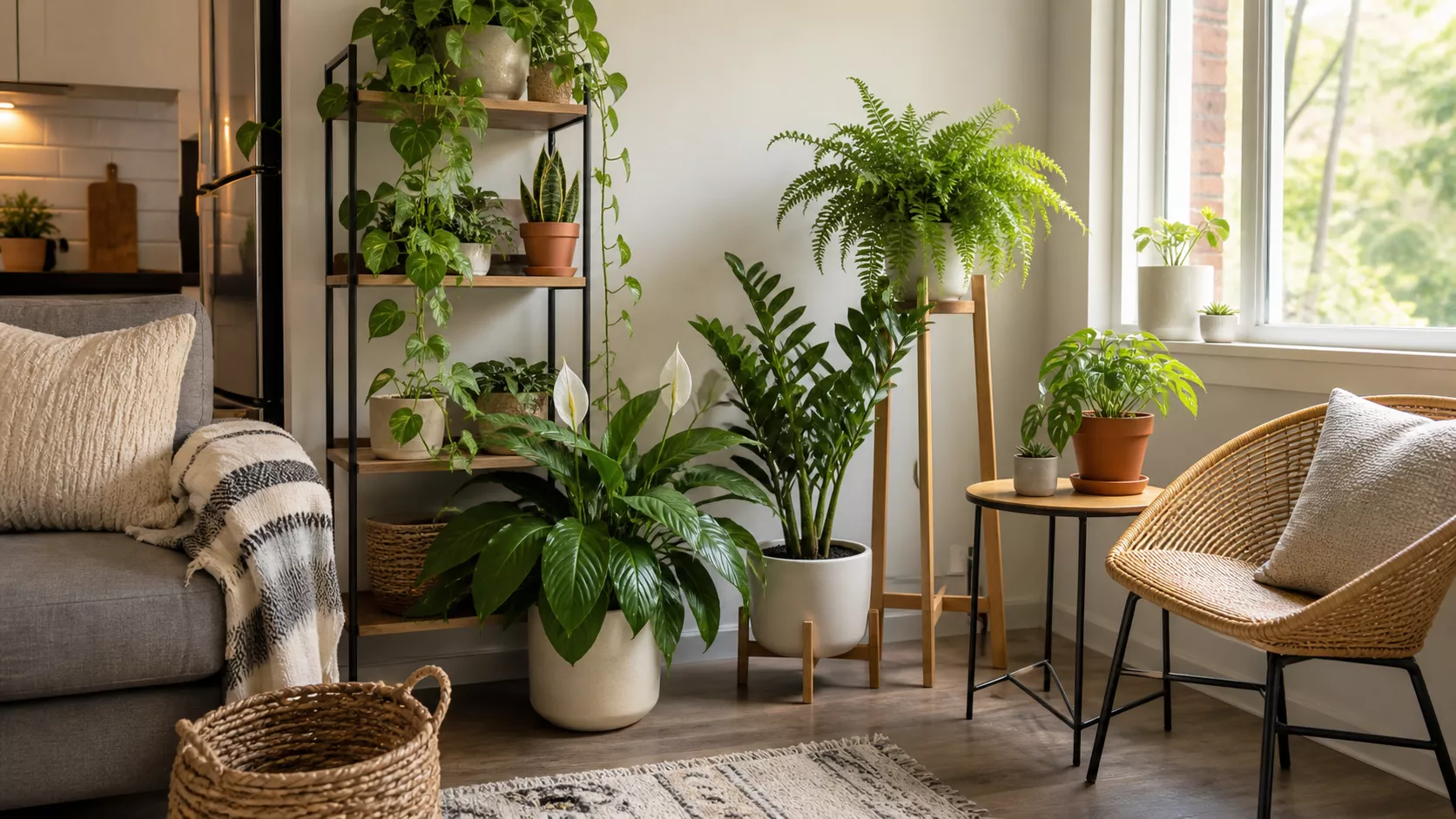
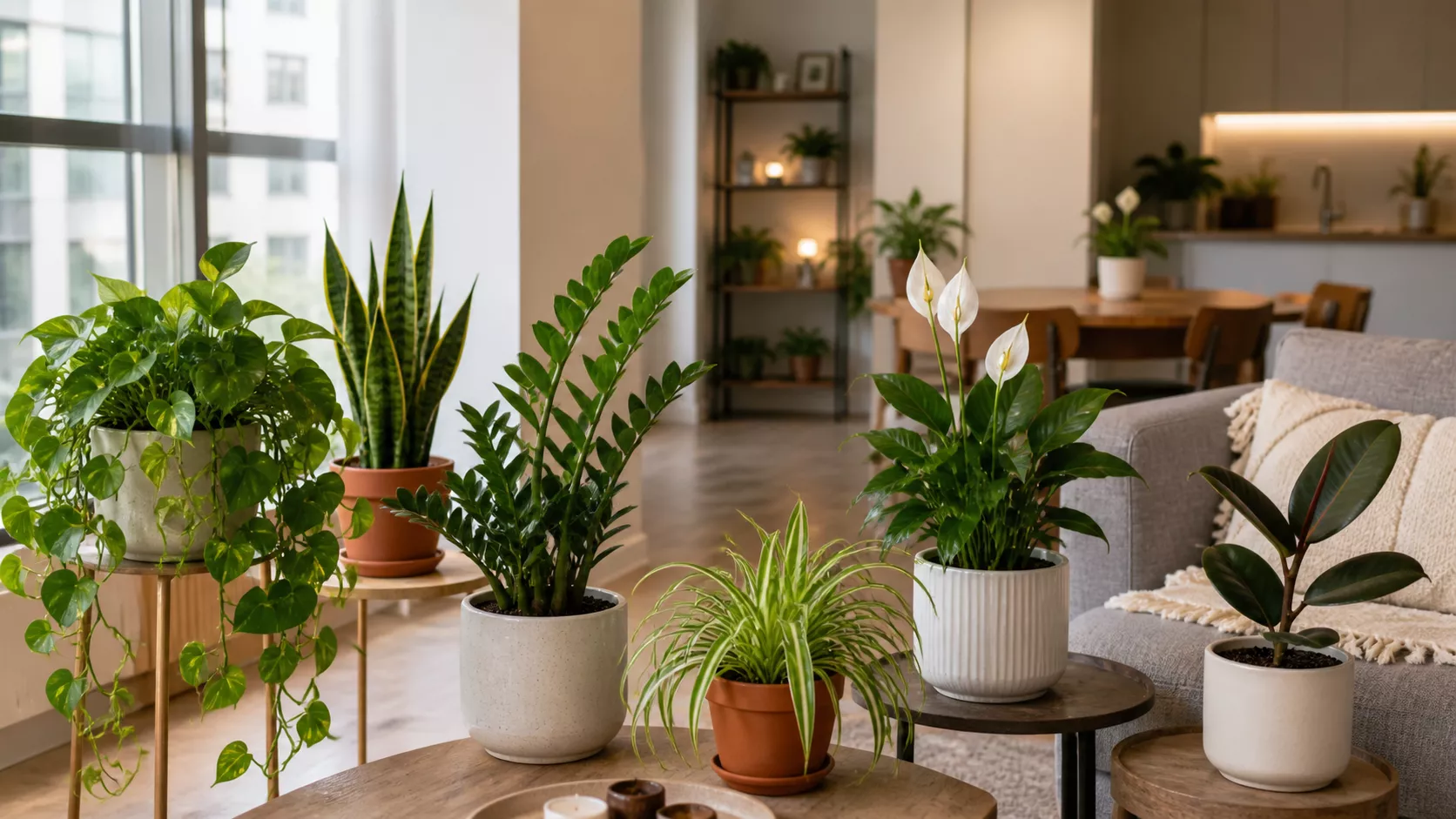
Pothos looks beautiful on shelves, bookcases, hanging baskets, kitchen cabinets, bathroom shelves with light, bedroom stands, and office desks.
For best growth, place it in bright indirect light. If the space has lower light, choose a green variety and water less often because the soil will dry more slowly.
Also, avoid placing pothos near strong air conditioning, heaters, or very cold windows. Stable conditions help the plant grow better.
To care for pothos, check soil moisture weekly and water only when the top part feels dry. Keep the pot in bright indirect light and make sure drainage is working.
Then, prune long vines when needed, clean leaves occasionally, and inspect for pests. These simple steps keep the plant healthier and fuller.
Finally, fertilize lightly during active growth and repot only when roots need more space. Pothos care should be simple and consistent.
One common mistake is watering too often. Pothos likes moisture, but it does not like soggy soil. Overwatering is a major cause of yellow leaves and root problems.
Another mistake is keeping variegated pothos in very low light. This can reduce the beautiful leaf patterns and slow growth.
Also, avoid leaving long vines without pruning if you want a full plant. Regular pruning helps maintain a better shape.
In conclusion, learning how to care for pothos is simple because this plant is adaptable, beautiful, and beginner-friendly. It needs bright indirect light, careful watering, well-draining soil, and occasional pruning.
Above all, avoid overwatering and provide enough brightness for healthy growth. Pothos can tolerate different conditions, but it looks best when its basic needs are balanced.
Ultimately, pothos is one of the best low maintenance houseplants for homes and apartments. With a simple routine, you can grow long vines, propagate new plants, and enjoy a greener indoor space with confidence.