How to Care for Plants During the Rainy Season

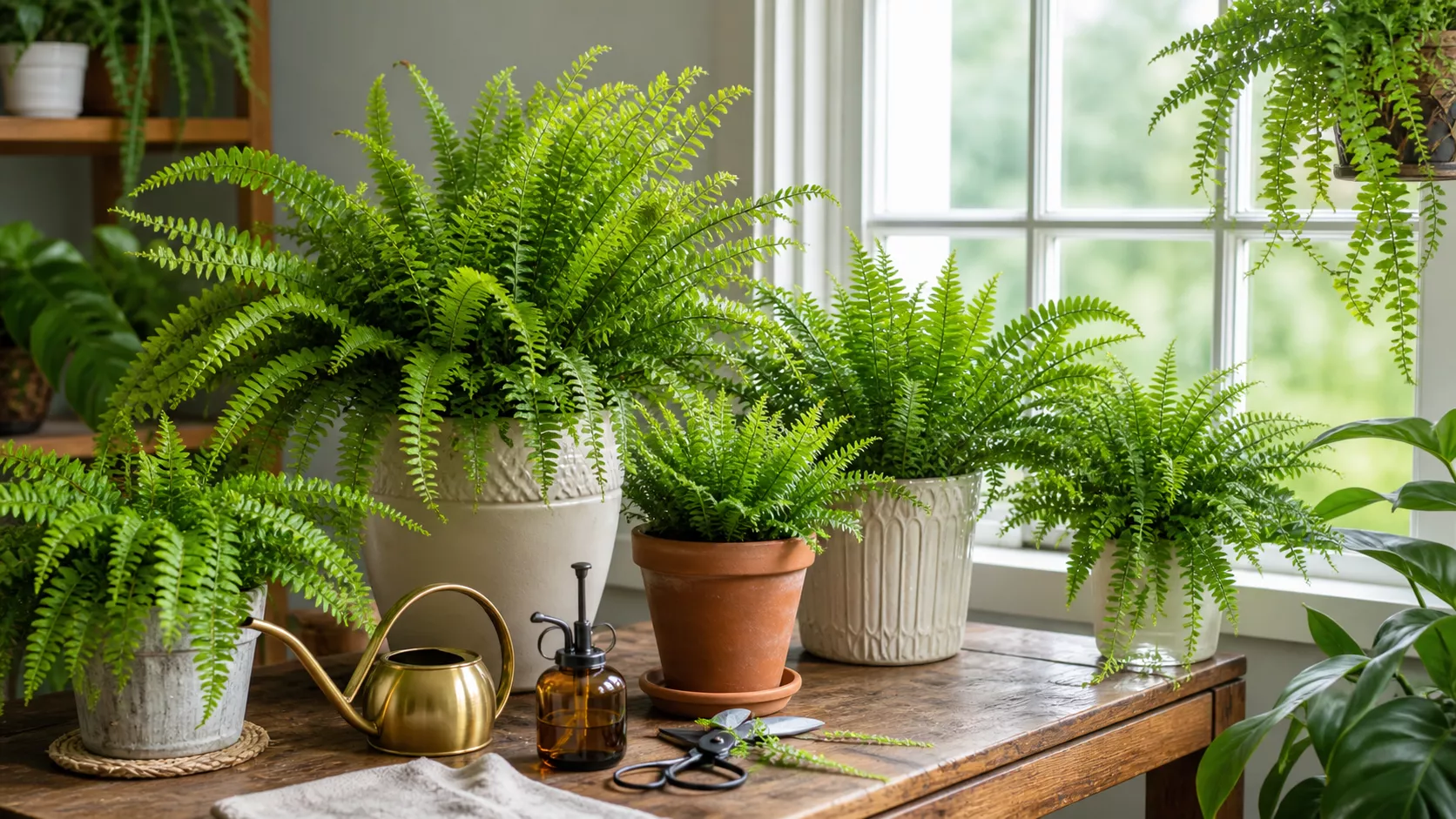
First, learning how to care for ferns is essential for anyone who wants soft, fresh, and naturally beautiful greenery at home. Ferns are loved for their delicate fronds, rich green color, and elegant appearance. They can make bathrooms, balconies, living rooms, shaded corners, and indoor gardens feel more peaceful and alive.
However, ferns can be more sensitive than some beginner plants such as snake plants or ZZ plants. They usually need consistent moisture, suitable humidity, indirect light, and protection from harsh conditions. When these needs are ignored, ferns may develop crispy leaves, yellow fronds, brown tips, or weak growth.
Therefore, this complete guide will explain indoor fern care in a simple and practical way. You will learn how to water ferns, provide humidity, choose the right light, improve soil, prevent problems, and keep your ferns green for longer.
First, ferns are ancient plants known for their leafy fronds instead of flowers or seeds. They reproduce through spores and are commonly found in forests, shaded areas, humid environments, and places with filtered light.
Additionally, there are many types of ferns grown as houseplants. Popular options include Boston fern, maidenhair fern, bird’s nest fern, button fern, rabbit’s foot fern, and asparagus fern, although asparagus fern is not a true fern botanically.
Because of their natural habitat, many ferns prefer conditions that are different from dry indoor rooms. They usually enjoy moisture in the air, evenly damp soil, and indirect light. Understanding this helps you care for them more successfully.
First, ferns can be challenging because many homes have dry air. Air conditioning, heaters, closed rooms, and low humidity can make fern fronds dry quickly. This often leads to brown tips and crispy leaves.
Also, ferns do not like extreme watering habits. If the soil dries completely, the plant may wilt or develop dry fronds. If the soil stays soggy, the roots may suffer. Balance is very important.
Furthermore, ferns need the right light. Too much direct sun can burn the fronds, while very low light can slow growth and weaken the plant. The best care routine combines filtered light, consistent moisture, and good airflow.
First, most ferns grow best in bright indirect light or filtered light. This means the plant receives brightness without harsh direct sunlight hitting the fronds for long periods.
For example, a spot near a window with a sheer curtain can work well. A shaded balcony, bright bathroom with a window, or indoor space with soft natural light can also be suitable.
However, avoid intense direct sun, especially during hot afternoon hours. Fern fronds are often delicate and can burn easily. If the leaves become pale, dry, or scorched, the plant may be receiving too much sun.
Some ferns can tolerate lower light, but low light usually slows growth. Ferns still need brightness to stay healthy and produce fresh green fronds.
If a fern is kept in a dark corner, it may become thin, weak, or less vibrant. The soil may also stay wet too long because the plant uses less water in low light.
Therefore, choose a spot with soft natural light. If your home has very little daylight, a grow light may help support healthier fern growth.
Next, watering is one of the most important parts of fern care. Most ferns prefer soil that stays lightly moist but not soggy. They usually do not like drying out completely.
Before watering, touch the top of the soil. If it feels slightly dry, the fern may need water. If it is still moist, wait a little longer. The goal is steady moisture, not constant wetness.
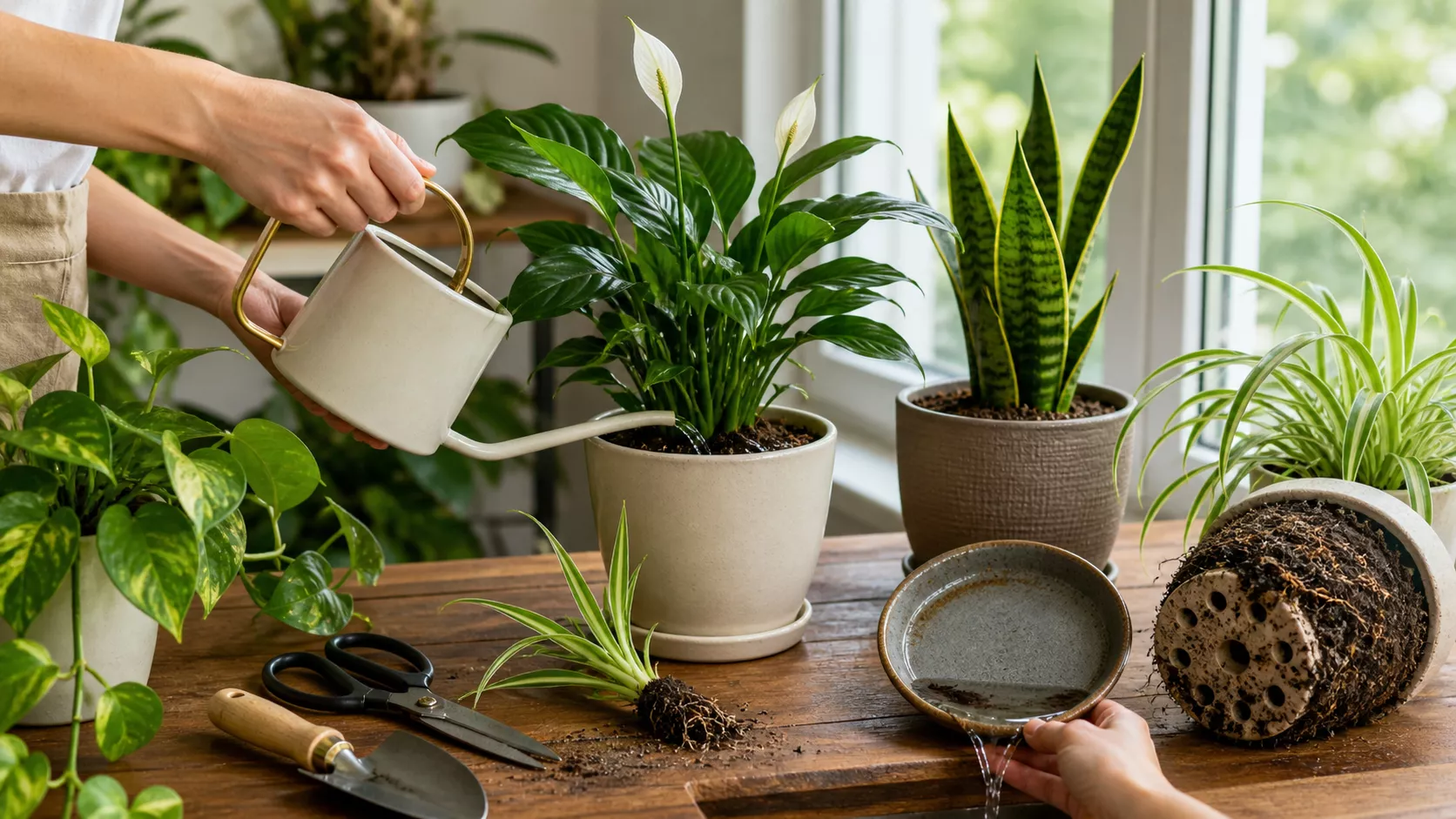
When watering, water thoroughly until excess water drains from the bottom of the pot. Then empty the saucer. This keeps roots hydrated while preventing standing water.
Often, ferns react badly when the soil becomes completely dry. The fronds may wilt, curl, turn brown, or become crispy. Some ferns, such as maidenhair fern, are especially sensitive to dryness.
If your fern dries out, water it carefully and place it in a calm area with indirect light. Do not place it in strong sun while it is stressed.
However, repeated drying can weaken the plant over time. A consistent watering routine is better than allowing the fern to dry severely and then trying to rescue it.
Although ferns like moisture, they do not like soggy soil. Overwatering can damage roots and cause yellowing, wilting, mold, or unpleasant soil smell.
To avoid this, use a pot with drainage holes and a soil mix that holds moisture while still allowing airflow. Water when the top layer begins to dry, not when the soil is already wet.
Also, consider light and temperature. Ferns in lower light or cooler rooms need less frequent watering because the soil dries more slowly.
Humidity is very important for many ferns. Dry indoor air can cause brown tips, crispy fronds, and weak growth. Ferns often look better when humidity is moderate to high.
To increase humidity, you can group plants together, use a humidifier, place the fern in a bright bathroom, or use a humidity tray with pebbles and water. Make sure the pot does not sit directly in water.
However, misting alone is usually not enough for long-term humidity. It may provide temporary moisture, but the effect disappears quickly. Stable humidity is more helpful.
Another essential point is soil. Ferns usually need a soil mix that holds moisture but also drains well. The mix should not be heavy, muddy, or compacted.
A good fern soil can include indoor potting mix, coco coir or peat-based material, perlite, and fine bark. This combination helps retain moisture while keeping air spaces around roots.
Additionally, avoid cactus soil for most ferns because it may dry too quickly. Also avoid heavy garden soil because it can compact and hold too much water in pots.
Also, ferns should be planted in pots with drainage holes. Even moisture-loving plants need excess water to escape. Without drainage, roots may sit in water and decline.
Plastic or glazed ceramic pots can be useful because they hold moisture longer than terracotta. Terracotta may dry too fast for some ferns, especially in warm or dry homes.
However, the best pot depends on your watering habits. If you water often, choose a pot and soil that prevent sogginess. If your home is very dry, a moisture-retaining pot may help.
Ferns often do well in bathrooms with windows because bathrooms can provide higher humidity. They can also grow well in kitchens, shaded balconies, bright corners, or rooms with filtered light.
However, do not place ferns in bathrooms without natural light. Humidity alone is not enough. The plant still needs brightness to grow.
Also, keep ferns away from heaters, air conditioners, cold drafts, and hot windows. Stable conditions help prevent crispy fronds and stress.
Pruning helps keep ferns attractive and healthy. Old, yellow, brown, or damaged fronds can be removed to improve appearance and encourage fresh growth.
Use clean scissors and cut damaged fronds near the base. Avoid pulling fronds by hand because this can damage the plant.
Additionally, do not remove too many healthy fronds at once. Ferns need their leaves to produce energy. Prune only what is dead, damaged, or clearly declining.
Unlike broad-leaf plants, ferns can be difficult to wipe because their fronds are delicate and divided into many small leaflets. Cleaning should be gentle.
You can remove dust by giving the fern a light shower with room-temperature water if the plant tolerates it. Afterward, let it drain and dry in good airflow.
However, avoid strong water pressure or rough handling. Delicate ferns can break easily. For fragile types, gentle misting and good airflow may be safer.
Ferns do not usually need heavy fertilization. They can benefit from light feeding during active growth, especially in spring and summer.
Use a balanced houseplant fertilizer diluted to a gentle strength. Too much fertilizer can burn roots or cause brown tips.
Also, avoid fertilizing a stressed fern. If the plant is dry, overwatered, pest-infested, or recently repotted, correct those issues first before feeding.
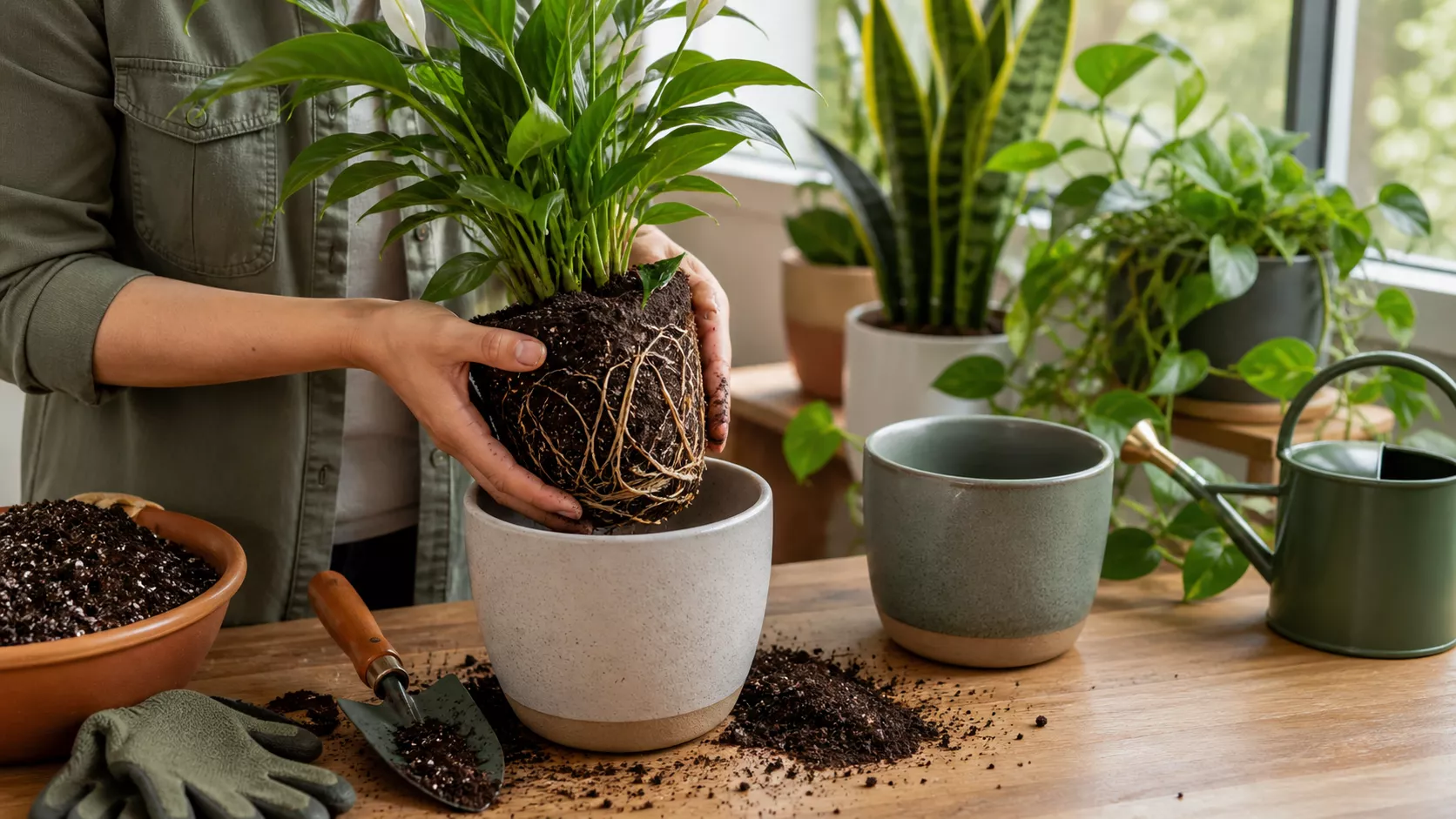
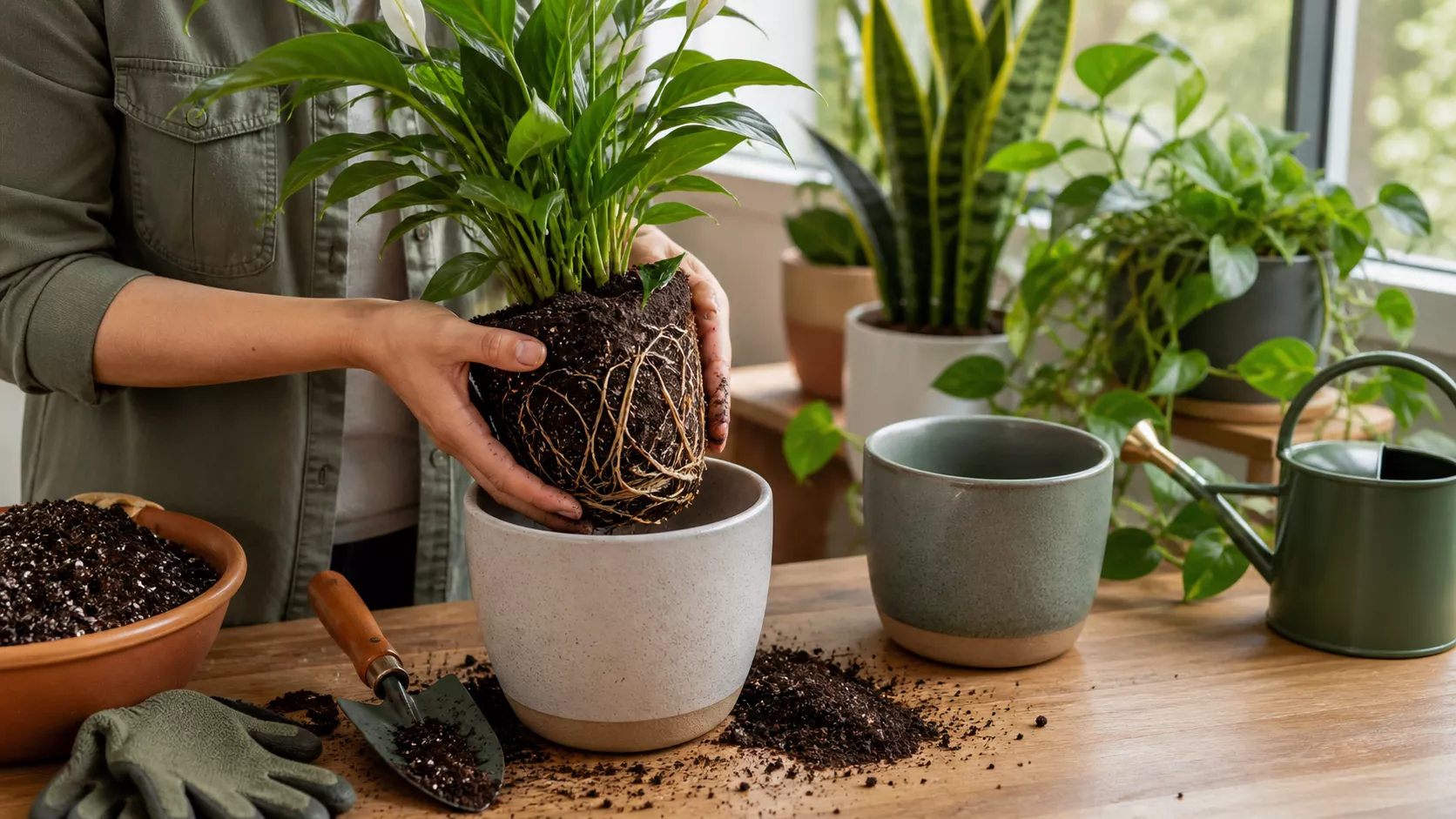
Over time, ferns may need repotting when roots fill the pot, soil becomes compacted, or the plant dries out too quickly after watering.
When repotting, choose a pot only slightly larger than the current one. Use fresh moisture-retaining but well-draining soil.
After repotting, keep the fern in bright indirect light and maintain gentle moisture. Avoid fertilizing immediately while the plant adjusts.
Many ferns can be divided when they become large or crowded. Division is a common way to propagate ferns and create new plants.
To divide, remove the fern from the pot and gently separate the root ball into smaller sections. Each section should have healthy roots and fronds.
Then, plant each division in its own pot with suitable soil. Keep the soil lightly moist and protect the new divisions from harsh sun while they recover.
Although ferns are beautiful, they can show problems when conditions are not balanced. Crispy leaves, brown tips, yellow fronds, wilting, pests, and slow growth are common concerns.
Most problems are connected to watering, humidity, light, airflow, or soil. Before using fertilizer or treatments, check these basic care conditions.
Because ferns respond quickly to stress, regular observation is important. Small problems are easier to correct than severe damage.
Brown tips are usually caused by low humidity, underwatering, inconsistent watering, too much fertilizer, or dry air from heaters and air conditioners.
To reduce brown tips, improve humidity, keep the soil lightly moist, avoid overfertilizing, and move the fern away from dry air sources.
Damaged tips will not turn green again, but new fronds can grow healthier when care improves. You can trim brown areas carefully if they affect appearance.
Yellow fronds can happen from overwatering, underwatering, lack of nutrients, low light, or natural aging. The cause depends on the pattern and soil condition.
If the soil is soggy and fronds are yellowing, reduce watering and check drainage. If the soil is very dry, the fern may need more consistent moisture.
Also, older fronds naturally yellow over time. If only a few old fronds are affected and new growth is healthy, the plant may be fine.
Crispy leaves often mean the fern is too dry, either because the soil dried out or the air humidity is too low. This is very common indoors.
To help, water consistently, improve humidity, and move the fern away from hot sun or dry air. Trim severely crispy fronds so the plant looks cleaner.
However, avoid overcorrecting by keeping the soil soaked. Ferns need moisture, but their roots still need air.
Wilting can happen when a fern is too dry or too wet. This makes soil checking very important. Dry soil and wet soil require opposite solutions.
If dry, water thoroughly and keep the fern in indirect light while it recovers. If wet, improve airflow, stop watering temporarily, and check whether the pot drains properly.
Also, wilting can happen after repotting or sudden environmental changes. Stable care helps the plant recover.
Ferns can attract pests such as spider mites, mealybugs, scale insects, and fungus gnats. Their dense fronds can hide pests, making inspection important.
To prevent pests, keep the plant healthy, avoid overwatering, provide airflow, and inspect regularly. Check under fronds and near the soil surface.
If pests appear, isolate the fern and treat carefully. Because fern leaves can be delicate, test any spray on a small area first.
To keep ferns green, focus on consistent care. Provide bright indirect light, steady soil moisture, good humidity, and protection from extreme temperatures.
Additionally, remove dead fronds, clean the plant gently, and avoid sudden changes in location. Ferns appreciate stable conditions.
Most importantly, learn your fern’s rhythm. Some ferns need more water than others, and some tolerate indoor air better. Observation helps you adjust care correctly.
For beginners, some ferns are easier than others. Boston fern, bird’s nest fern, button fern, and rabbit’s foot fern are often more manageable than very delicate maidenhair ferns.
However, even beginner-friendly ferns need humidity and consistent watering. They are not as drought-tolerant as snake plants or ZZ plants.
Therefore, choose a fern that matches your home conditions. If your home is very dry, use a humidifier or select a more tolerant fern.
One common mistake is letting ferns dry completely. Many ferns decline quickly when the soil becomes too dry.
Another mistake is placing ferns in strong direct sunlight. Harsh sun can burn delicate fronds and create dry patches.
Also, avoid keeping the soil soggy. Moisture is important, but roots still need oxygen. Good drainage is essential.
In conclusion, learning how to care for ferns is all about balance. Ferns need bright indirect light, consistent moisture, suitable humidity, well-draining soil, and protection from harsh sun or dry air.
Above all, avoid extremes. Do not let the soil dry completely, but do not keep it soggy. Do not place the fern in darkness, but protect it from intense direct sun.
Ultimately, ferns are beautiful and rewarding indoor plants when their needs are understood. With patience, observation, and a steady routine, you can keep your ferns green, fresh, and elegant for a long time.