How to Care for Plants When Traveling

First, learning how to care for ZZ plant is an excellent choice for anyone who wants a beautiful, resistant, and low-maintenance houseplant. The ZZ plant is known for its glossy green leaves, upright growth, and ability to tolerate indoor conditions better than many delicate plants.
Additionally, this plant is ideal for beginners because it does not need frequent watering and can adapt to different light levels. It is often used in homes, apartments, offices, bedrooms, and commercial spaces because it looks elegant and requires simple care.
However, even though the ZZ plant is strong, it can still suffer from overwatering, poor drainage, heavy soil, or very dark locations. Therefore, this complete guide will show you how to keep your ZZ plant healthy, shiny, and attractive without common mistakes.
First, the ZZ plant is a popular indoor plant with thick stems and shiny oval leaves. Its full name is Zamioculcas zamiifolia, but most people simply call it ZZ plant.
Additionally, one of its most important features is its underground rhizomes. These rhizomes store water, allowing the plant to survive dry periods. This is why the ZZ plant does not need frequent watering.
Because of its appearance, the ZZ plant fits well in modern decoration. Its deep green leaves look clean, polished, and structured, making it a great plant for desks, corners, shelves, and floor pots.
First, ZZ plant is beginner-friendly because it tolerates small mistakes. If you forget to water for a while, the plant can usually handle it better than many tropical houseplants.
Also, it does not need frequent pruning, misting, or complex fertilizing. With suitable light, careful watering, and well-draining soil, it can grow steadily indoors.
However, beginners should not confuse low maintenance with no care. ZZ plant can decline if the soil stays wet for too long or if it receives almost no light for an extended period.
First, ZZ plant grows best in bright indirect light. In this condition, it usually produces stronger stems, healthier leaves, and better overall growth.
However, ZZ plant is famous for tolerating lower light conditions. This makes it useful for offices, bedrooms, hallways, and apartments where sunlight may be limited.
Nevertheless, low light usually means slower growth. If your ZZ plant is not producing new stems or leaves, it may need more brightness. Move it closer to a window with indirect light if possible.
Generally, ZZ plant should be protected from strong direct sunlight. Intense sun can burn the leaves and create pale or brown patches.
However, gentle morning sun may be tolerated if the plant is gradually adapted. A little soft sun can help growth, but harsh afternoon sun is usually too strong.
Therefore, the safest place is bright indirect light. If the plant is near a sunny window, use a sheer curtain or keep it slightly away from the glass.
Next, watering is the most important part of ZZ plant care. Because the plant stores water in its rhizomes, it prefers the soil to dry well before watering again.
Generally, you should water only when the soil is dry. The exact timing depends on pot size, soil type, temperature, humidity, and light. A ZZ plant in bright light may need water more often than one in low light.
Before watering, check the soil with your finger or a wooden stick. If the soil still feels moist, wait longer. If it is dry, water thoroughly and let excess water drain away.
Unfortunately, overwatering is the most common mistake with ZZ plants. Since they store water, they do not need constant moisture. Wet soil can cause root and rhizome problems.
Signs of overwatering include yellow leaves, soft stems, mushy rhizomes, unpleasant soil smell, and wilting even though the soil is wet.
To prevent this, use a pot with drainage holes and a well-draining soil mix. Avoid watering on a strict calendar. Instead, let the soil dryness guide your decision.
Although ZZ plant tolerates dryness, it still needs water sometimes. If the plant stays dry for too long, the leaves may curl slightly, stems may look thinner, and the soil may pull away from the edges of the pot.
Also, the pot may feel very light when lifted. These signs suggest the plant may be ready for a deep watering.
To water correctly, add water until it drains from the bottom of the pot. Then let the soil dry well before the next watering. Avoid giving tiny splashes frequently because this may not reach the root system properly.
Another important factor is soil. ZZ plant needs a mix that drains well and does not stay soggy. Heavy soil can hold too much water around the rhizomes and roots.
A good option is a regular indoor potting mix improved with perlite, pumice, coarse sand, or orchid bark. These materials improve aeration and drainage.
Additionally, avoid compacted soil. If water sits on the surface or the soil remains wet for too many days, repotting with a lighter mix may be necessary.
Also, ZZ plant should be grown in a pot with drainage holes. Drainage allows excess water to leave the pot and protects the roots from sitting in moisture.
Because ZZ plants can become heavy as they grow, choose a stable pot that supports the plant. Ceramic, terracotta, or sturdy plastic can all work depending on your style and watering habits.
However, avoid oversized pots. A pot that is much larger than the root system holds extra soil and water, increasing the risk of overwatering.
Usually, ZZ plant does not need frequent repotting because it grows slowly indoors. Repotting may be needed every few years or when the plant becomes crowded.
Signs that repotting may be needed include roots pressing against the pot, rhizomes crowding the soil surface, cracked plastic pots, slow growth, or water running through too quickly.
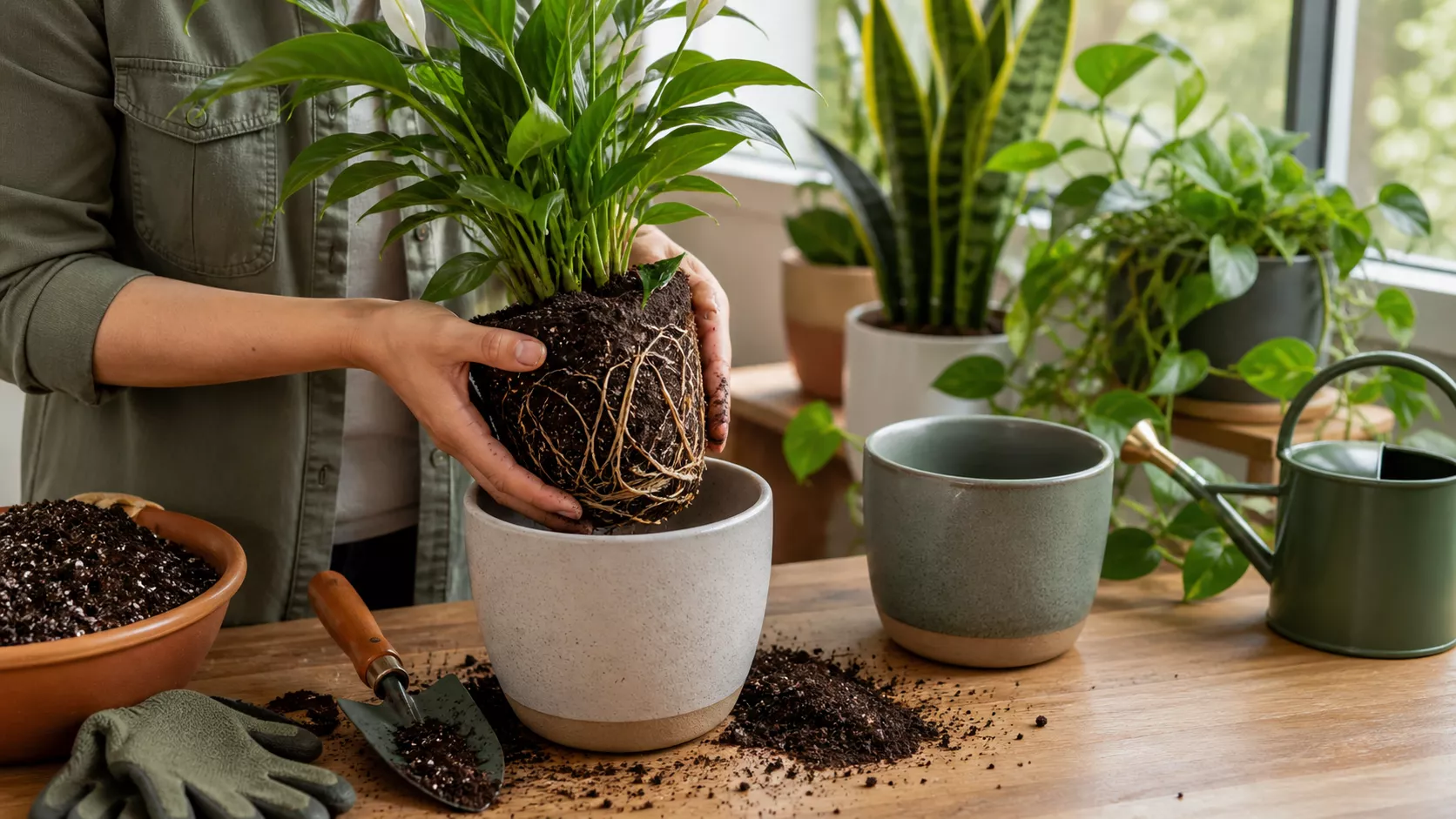
When repotting, choose a pot only slightly larger than the current one. Use fresh well-draining soil and handle the rhizomes carefully.
One interesting part of ZZ plant care is propagation. You can propagate it through division, stem cuttings, or leaf cuttings. Division is usually the fastest and easiest method.
To divide, remove the plant from the pot and separate a section with healthy rhizomes, roots, and stems. Plant the section in a new pot with well-draining soil.
Leaf cuttings are possible but slow. A single leaf can eventually produce roots and a small rhizome, but this process may take a long time. Patience is very important.
Generally, ZZ plant does not need much pruning. You only need to remove yellow, damaged, dry, or weak stems when necessary.
Use clean scissors or pruning shears and cut the damaged stem near the base. Avoid cutting healthy stems unless you want to control the plant’s shape.
Additionally, pruning does not make ZZ plant branch from the cut stem like some other houseplants. New growth usually emerges from the rhizomes below the soil.
Also, cleaning the leaves helps the plant look shiny and absorb light better. Dust can collect on the smooth leaf surface, especially indoors.
To clean, wipe leaves gently with a soft damp cloth. Avoid using harsh leaf shine products because they can block leaf pores or damage the plant.
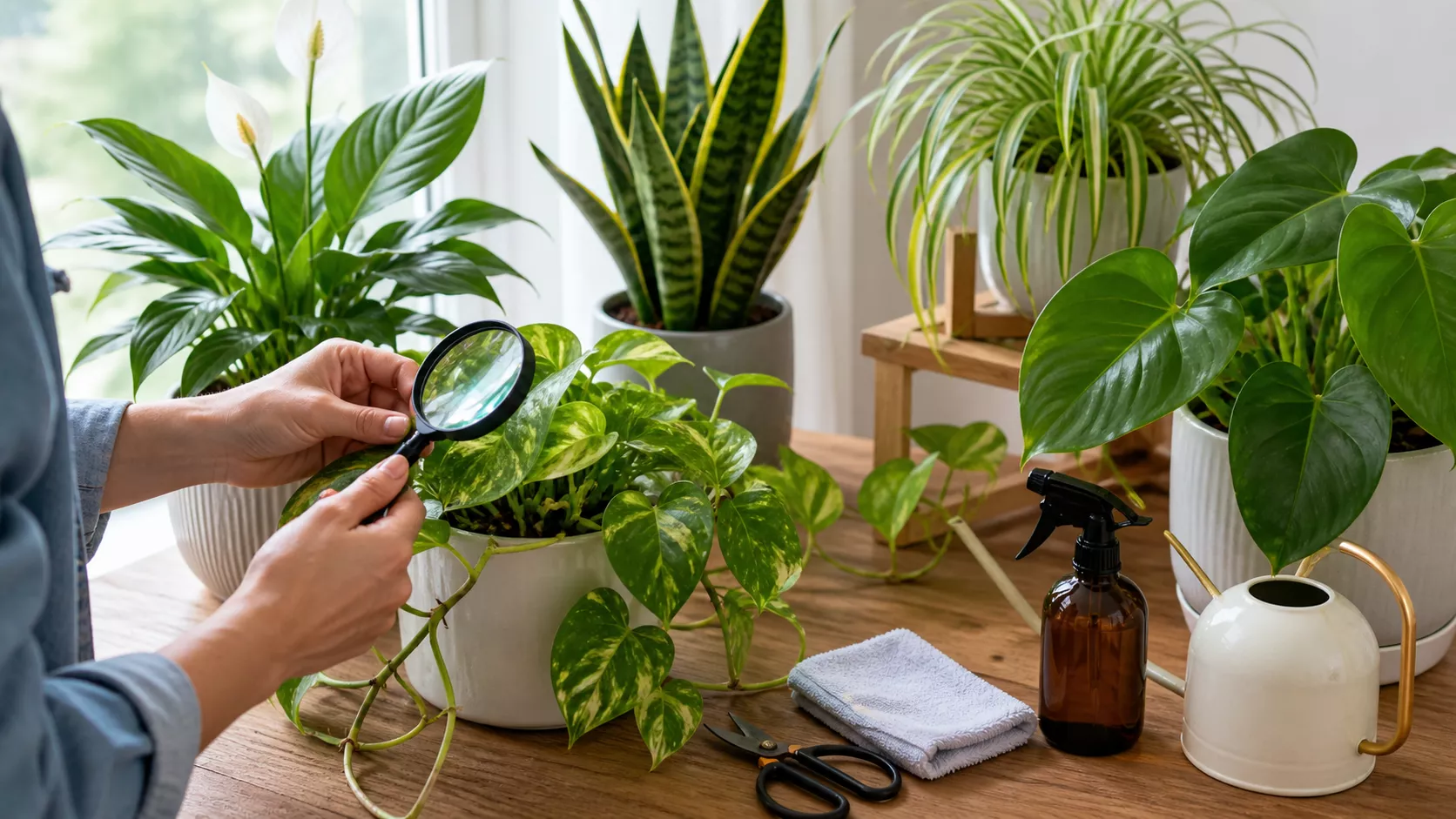
While cleaning, inspect for pests, yellowing, or soft stems. Regular cleaning helps you notice early problems and keeps the plant attractive.
ZZ plant does not need heavy feeding. It grows slowly and can stay healthy with light fertilization during active growth.
Usually, a balanced houseplant fertilizer diluted to a gentle strength can be used occasionally in warmer months. Always follow the label instructions.
However, avoid fertilizing in cold months, immediately after repotting, or when the plant is stressed. Too much fertilizer can cause root problems and leaf damage.
Although ZZ plant is resistant, it can still show problems when care is not balanced. Yellow leaves, brown tips, soft stems, drooping, and slow growth are the most common concerns.
Most issues are related to watering, light, soil, or drainage. Before adding fertilizer or changing many things at once, check these basic care factors.
Because ZZ plant grows slowly, recovery can also be slow. Give it stable conditions and time to respond.
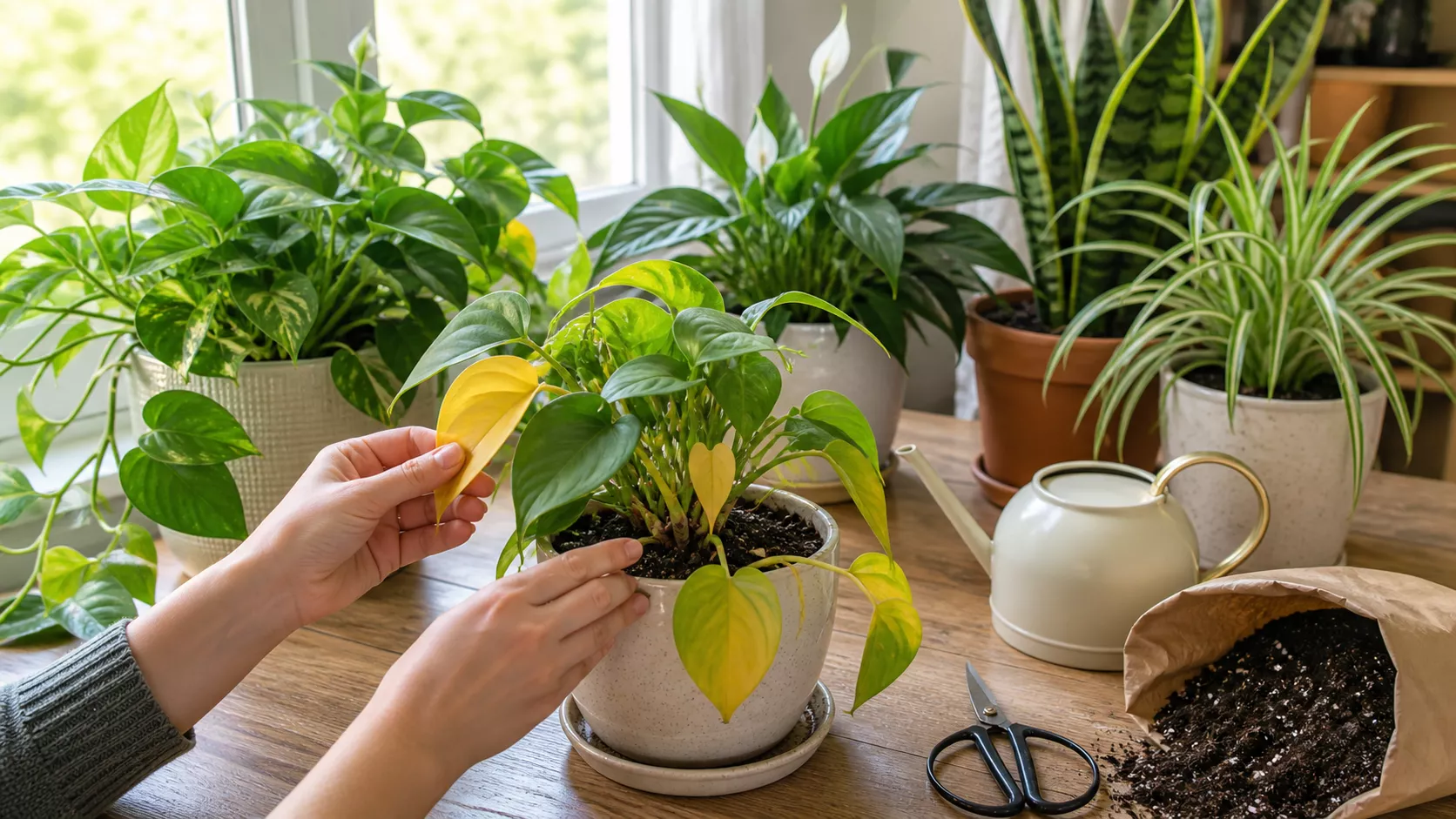
Usually, yellow leaves on ZZ plant are caused by overwatering. If the soil is wet and several leaves are turning yellow, the plant may be receiving too much water.
However, yellow leaves can also happen from underwatering, natural aging, low light, or root crowding. Look at the soil and the number of affected stems before deciding what to do.
To fix this, remove severely yellow stems and correct the cause. If the soil is soggy or smells bad, check the roots and rhizomes.
Soft stems or mushy rhizomes are serious warning signs. They often mean the plant has been overwatered or the soil has stayed wet for too long.
If this happens, remove the plant from the pot and inspect the roots and rhizomes. Healthy rhizomes should feel firm. Mushy or dark parts should be removed with clean tools.
Then, repot the healthy parts in fresh, dry, well-draining soil. Water carefully after the plant has had time to adjust.
Brown tips can happen because of inconsistent watering, fertilizer buildup, dry air, water quality, or physical damage. They are usually less serious than yellowing and mushy stems.
To reduce brown tips, keep watering consistent, avoid overfertilizing, and protect the plant from extreme temperature changes.
If desired, trim brown tips carefully with clean scissors. However, fixing the cause is more important than only improving appearance.
Drooping stems can be caused by underwatering, overwatering, low light, weak roots, or natural aging of older stems.
First, check the soil. Dry soil may mean the plant needs water. Wet soil may mean root stress. Then check whether the plant is receiving enough light.
If the stem is soft or yellow, remove it. If it is firm but leaning, the plant may need more light or a more stable pot.
Slow growth is normal for ZZ plants, especially indoors. They do not grow as quickly as pothos or philodendron. In low light, growth becomes even slower.
However, if the plant has not grown for a very long time, check its light, pot size, soil quality, and watering routine.
To encourage growth, place the ZZ plant in brighter indirect light, fertilize lightly during active growth, and avoid overwatering.
ZZ plant is not highly pest-prone, but pests can still appear. Common pests include mealybugs, scale insects, spider mites, and fungus gnats.
To prevent pests, inspect the plant regularly, clean the leaves, avoid overwatering, and quarantine new plants before placing them nearby.
If pests appear, isolate the plant and treat the problem early. Cleaning leaves and improving care conditions can help reduce pest stress.
Importantly, ZZ plant is toxic to cats and dogs if chewed or eaten. It can cause irritation and discomfort for pets.
Because of this, place the plant where pets cannot easily reach it. Use higher shelves, plant stands, or rooms with limited pet access if necessary.
Also, monitor curious pets around houseplants. If your pet often chews plants, consider pet-safe options for accessible areas.
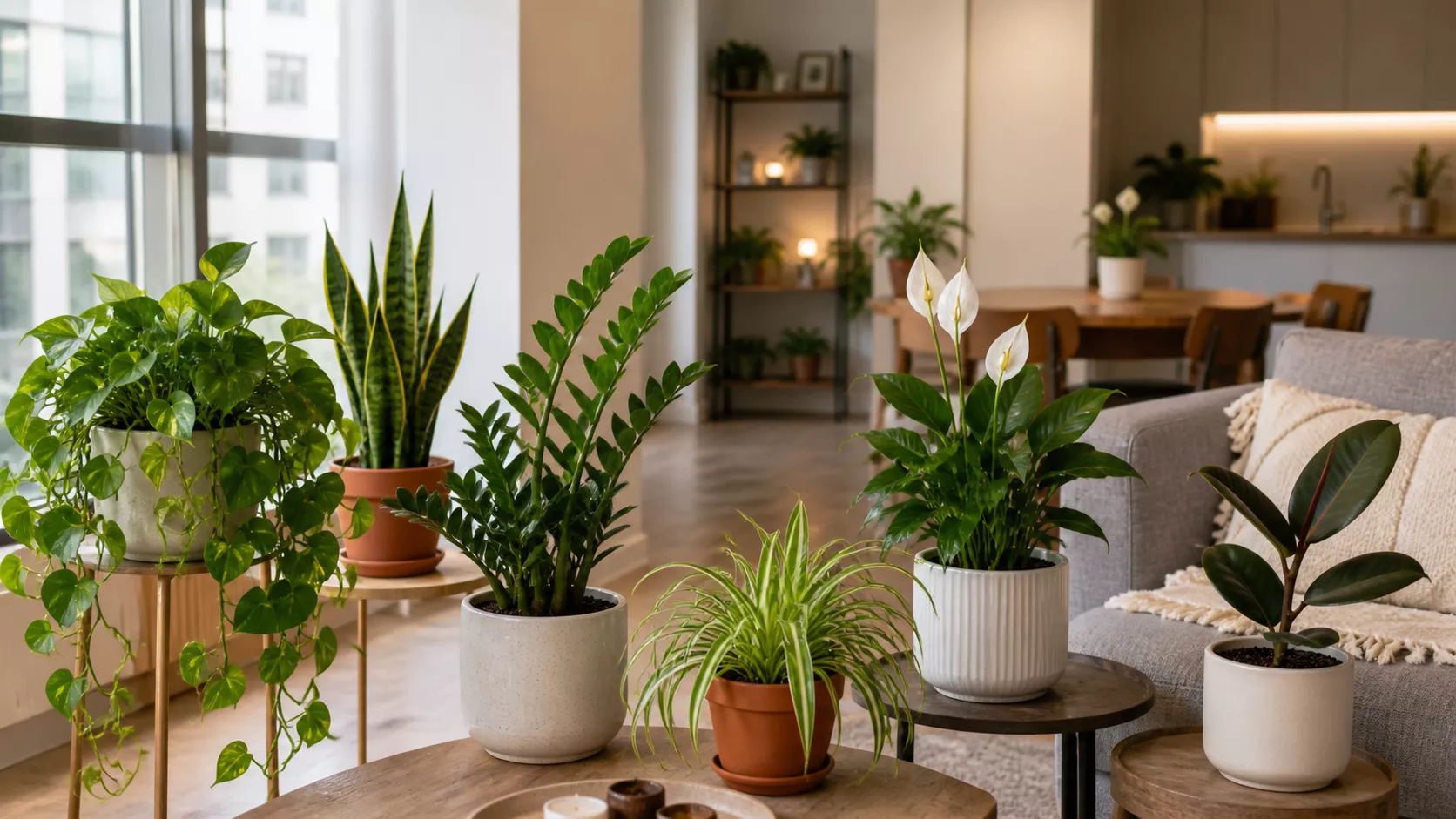
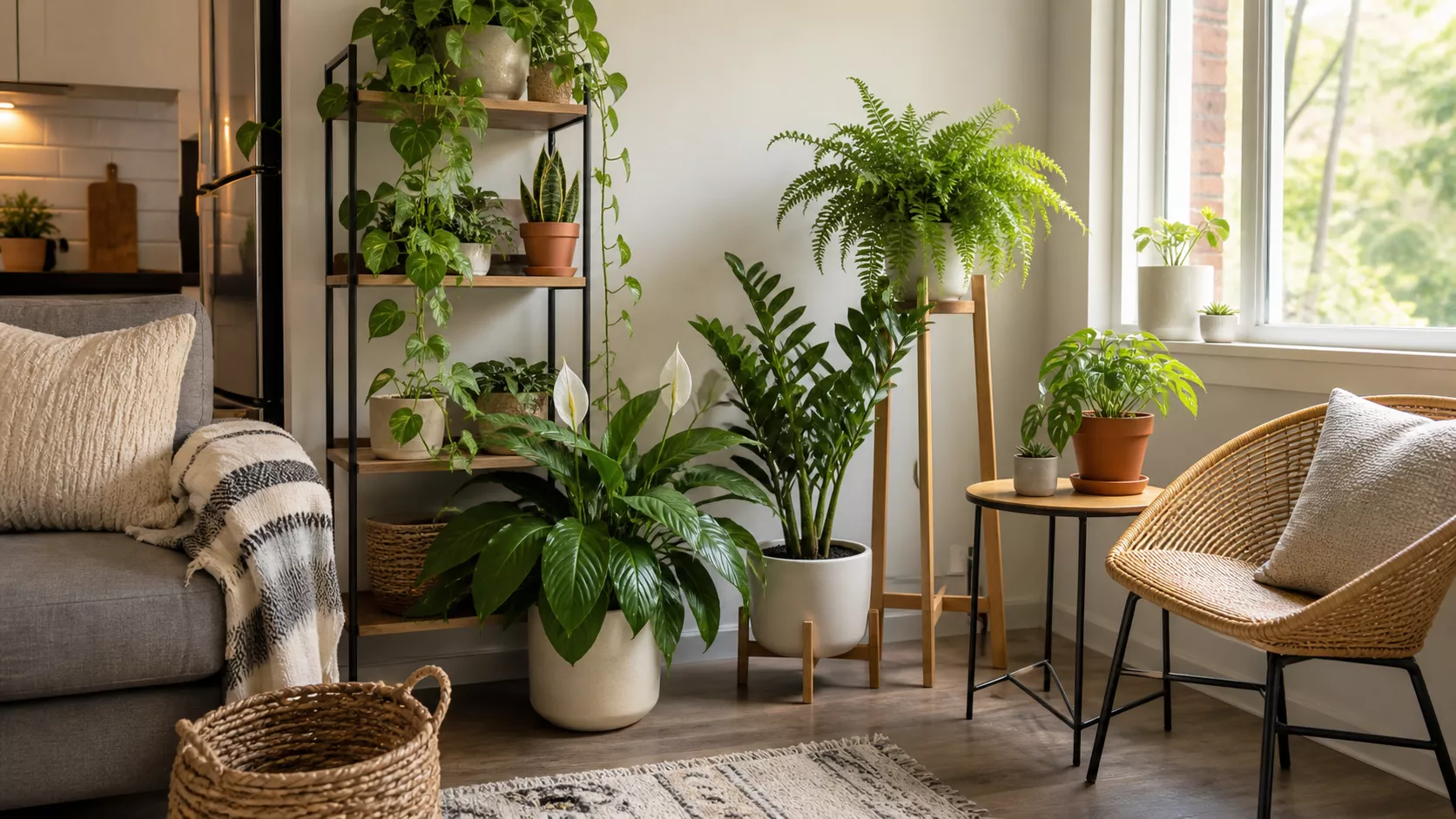
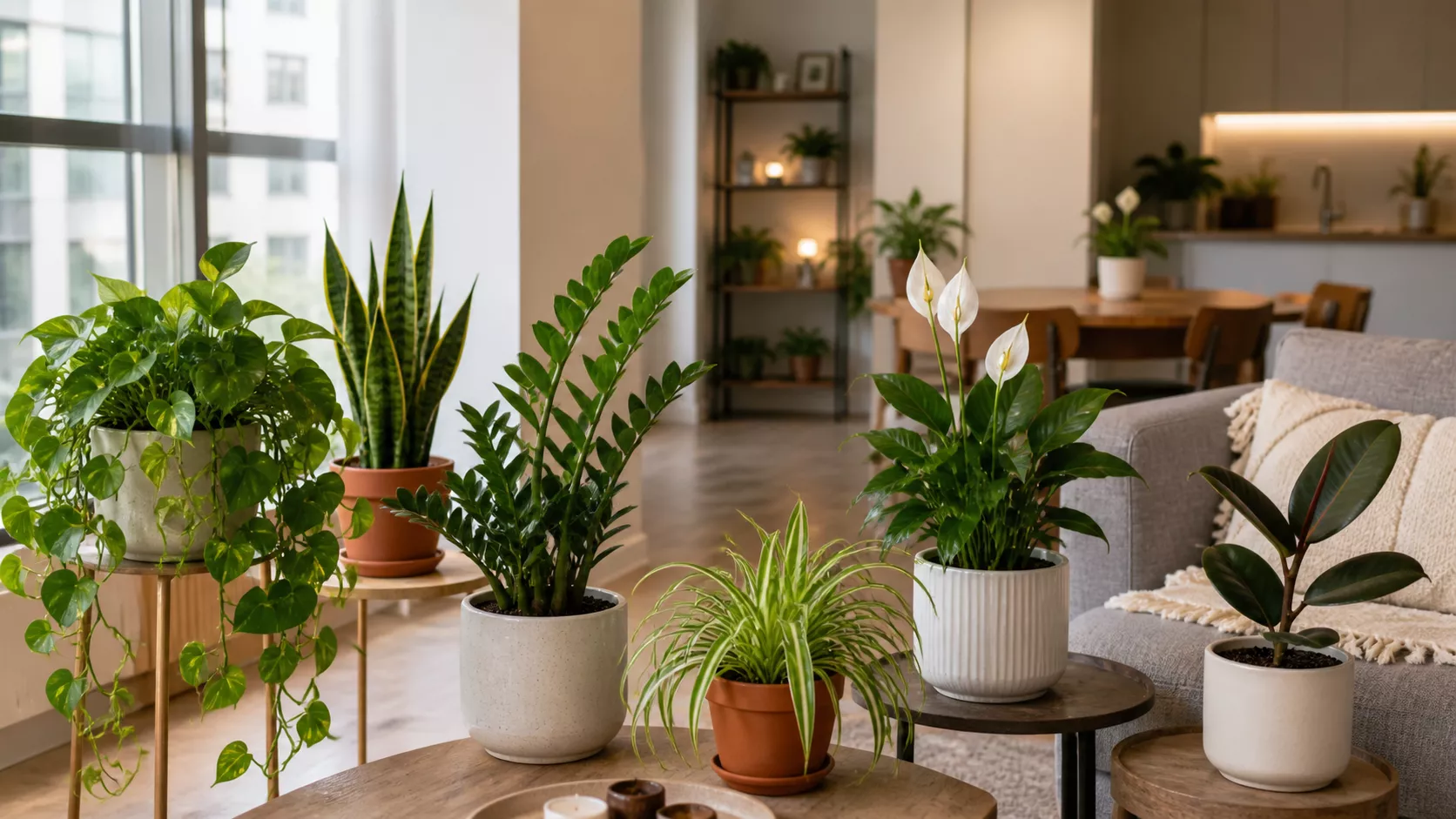
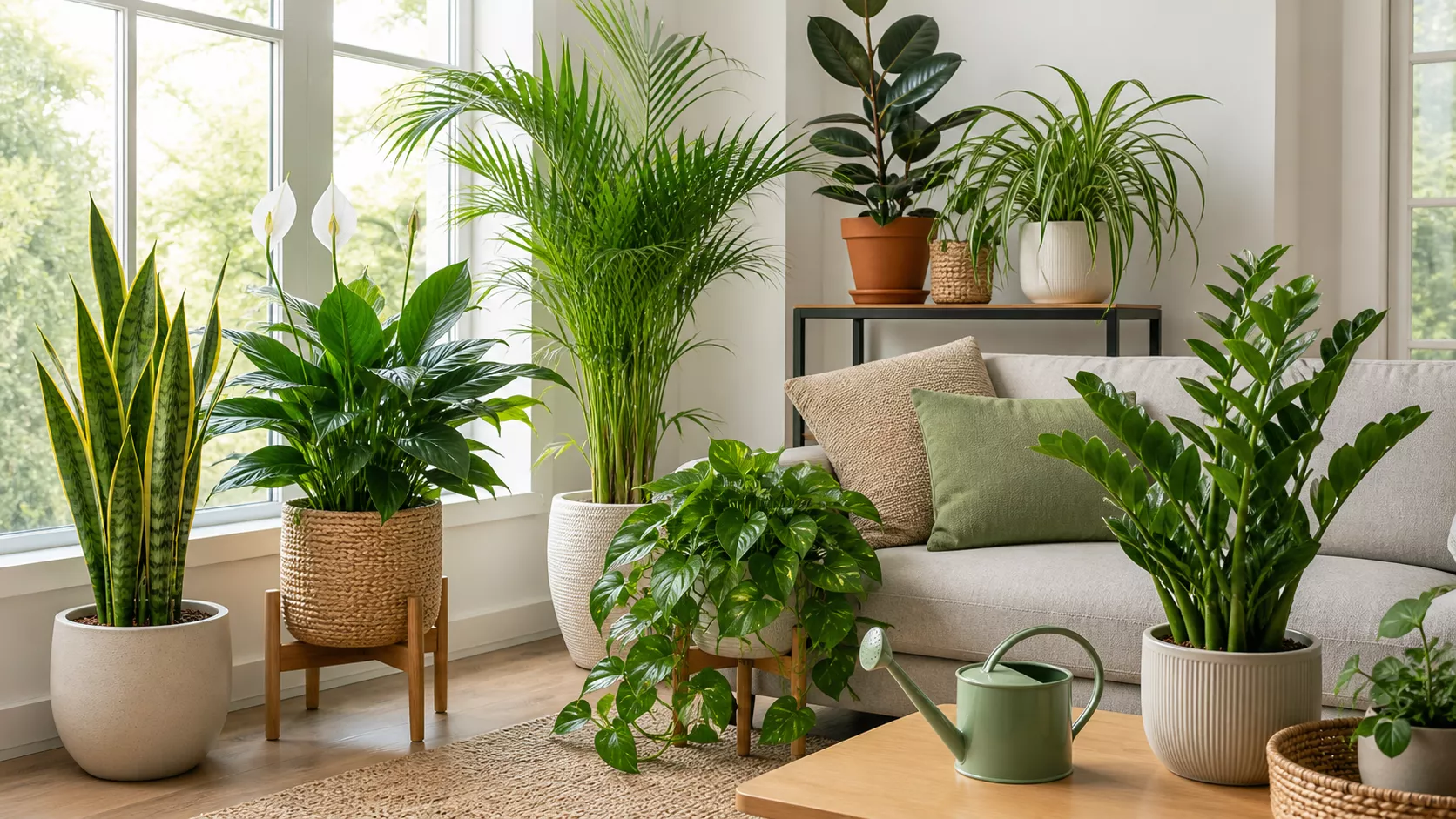
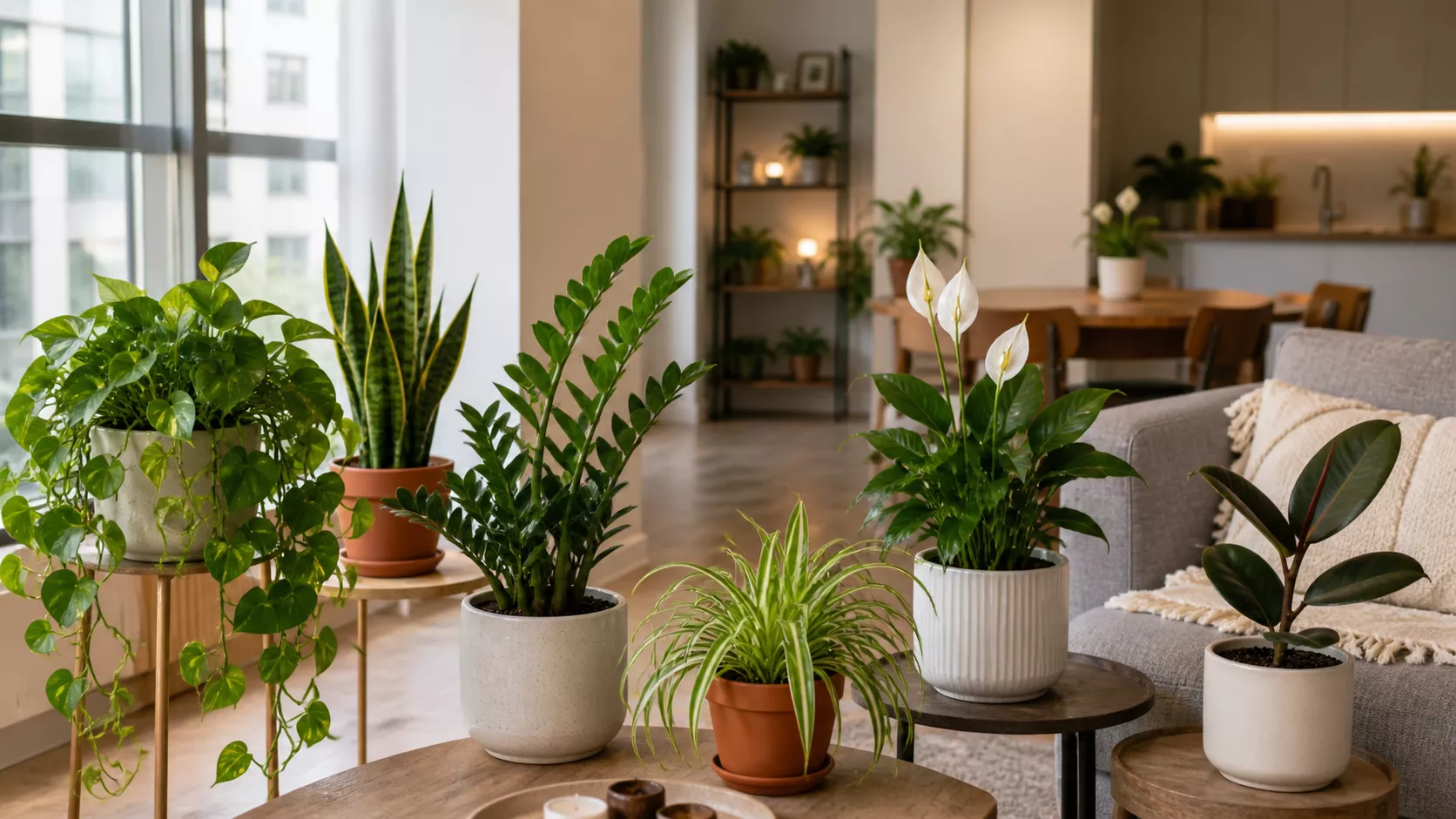
ZZ plant works well in living rooms, bedrooms, offices, entryways, and shaded corners with some natural brightness. Its upright shape and glossy leaves make it decorative in many spaces.
For best growth, choose bright indirect light. Although ZZ plant tolerates low light, it grows better when it receives more brightness.
Also, avoid placing it near heaters, air conditioners, cold drafts, or very hot windows. Stable indoor conditions support better long-term health.
To care for ZZ plant successfully, check the soil occasionally and water only when it is dry. Do not water just because a week has passed.
Then, keep it in bright indirect light when possible, clean leaves when dusty, and inspect for yellowing or soft stems.
Finally, fertilize lightly during active growth and repot only when necessary. ZZ plant care should be simple, slow, and steady.
One common mistake is watering too often. ZZ plant stores water and prefers dry periods between watering.
Another mistake is using a pot without drainage. Even a resistant plant can suffer when water stays trapped around the roots.
Also, avoid placing ZZ plant in complete darkness. It tolerates low light, but it still needs some brightness to stay healthy.
In conclusion, learning how to care for ZZ plant is simple because this plant is strong, elegant, and beginner-friendly. It needs bright indirect light, careful watering, well-draining soil, and a pot with drainage holes.
Above all, avoid overwatering. This is the biggest mistake with ZZ plant and the main cause of yellow leaves, soft stems, and root problems.
Ultimately, ZZ plant is one of the best low maintenance indoor plants for homes, offices, and apartments. With patience, observation, and a simple routine, it can stay shiny, healthy, and beautiful for many years.