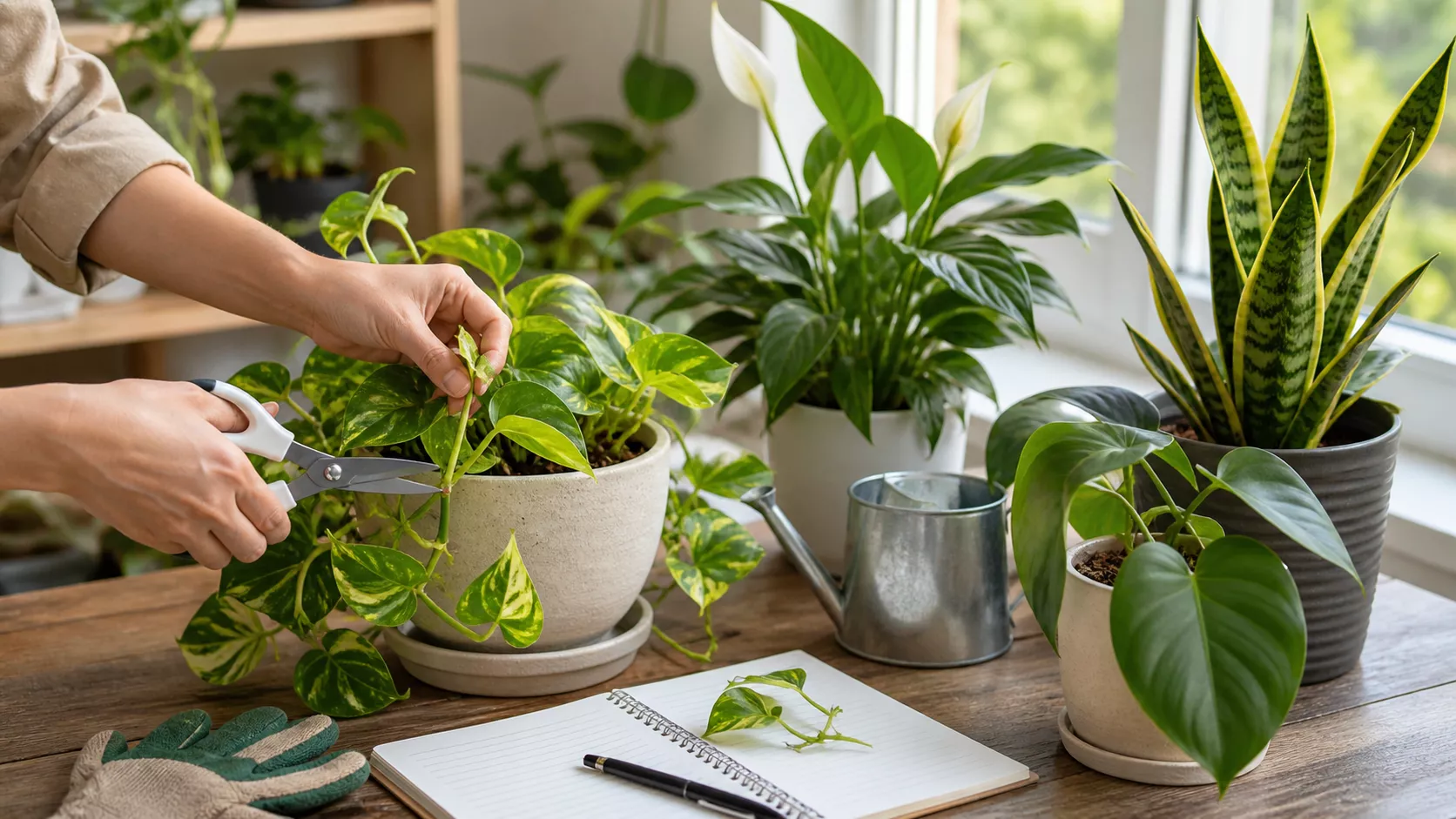
How to Make Plant Cuttings the Right Way

First, watering may look like the easiest part of plant care, but it is also where many beginners make the most mistakes. Some people water too often, others water too little, and many follow fixed schedules without checking what the plant actually needs. Because of this, learning about common plant watering mistakes is essential for keeping indoor and outdoor plants healthy.
Additionally, every plant has different watering needs. A cactus does not need the same routine as a fern, and a snake plant does not need the same moisture level as a peace lily. When all plants are treated the same way, problems can appear quickly.
Therefore, this guide will explain the most common watering mistakes and show you how to avoid them. You will learn how to check the soil, improve drainage, understand plant signs, water deeply, and create a smarter plant watering routine.
First, one of the most common mistakes is watering plants on a fixed schedule without checking the soil. Many beginners water every day, every Monday, or every three days because it feels organized. However, plants do not always need water at the same time.
For example, a plant may dry faster during hot weather and slower during cool or rainy days. A plant near a bright window may need water sooner than one kept in a shaded room. Because of this, a fixed schedule can lead to overwatering or underwatering.
Instead, use a schedule only as a reminder to check your plants. Before watering, touch the soil, observe the leaves, and consider the plant type. This simple habit makes your indoor plant watering much more accurate.
Another major mistake is watering too often. Many people believe that frequent watering shows good care, but too much water can harm plants. Roots need oxygen as well as moisture, and constantly wet soil can prevent roots from breathing properly.
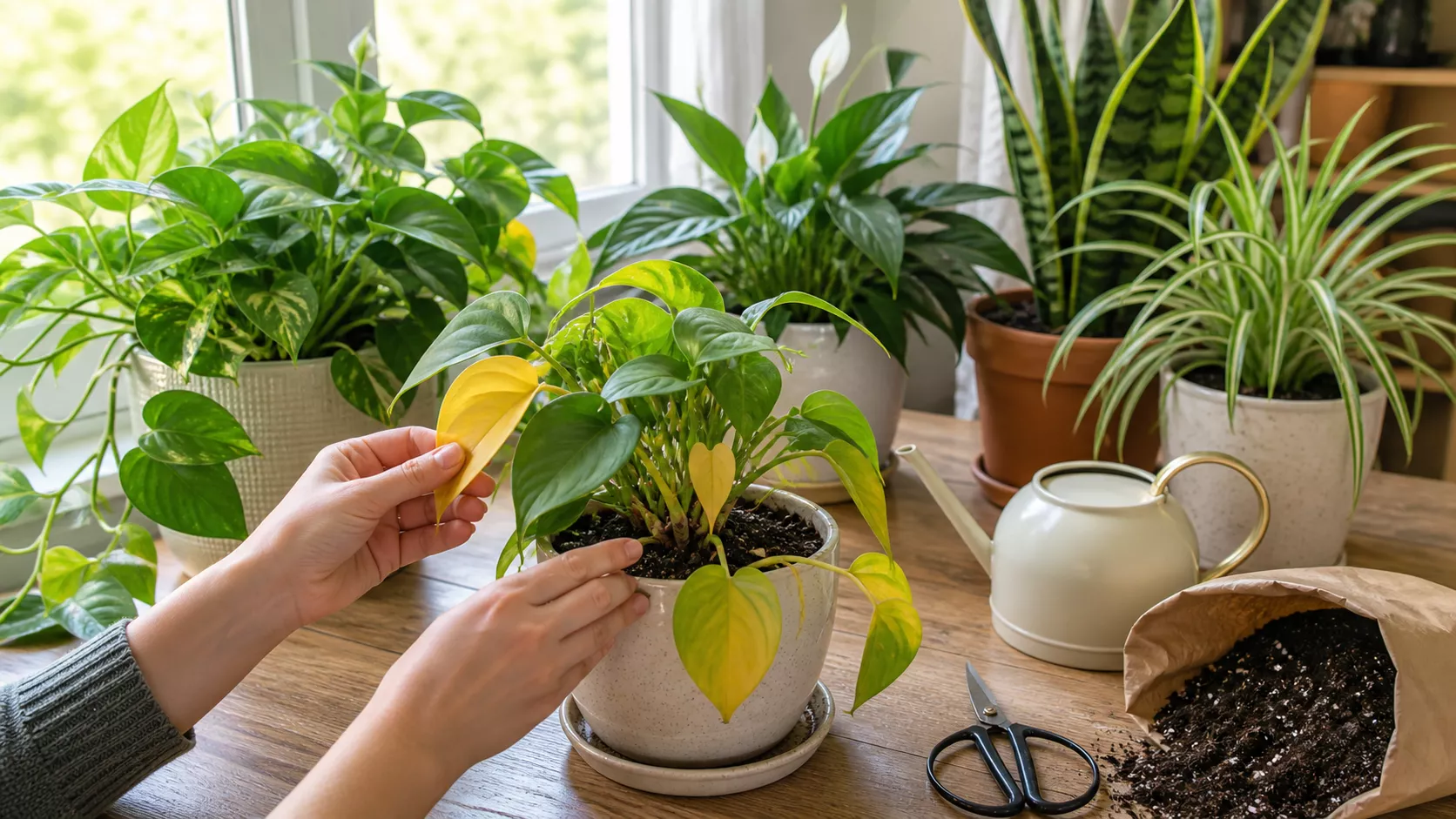
As a result, the plant may develop yellow leaves, weak stems, slow growth, and unhealthy roots. In some cases, the soil may smell bad or attract small flying insects. These are signs that the soil is staying wet for too long.
To avoid this, always check whether the soil has dried enough before watering again. Plants such as succulents, cacti, snake plants, and ZZ plants usually prefer the soil to dry well between waterings.
On the other hand, underwatering is also a common issue. Some people are so afraid of overwatering that they give plants too little water or wait too long between waterings. This can make the plant weak and stressed.
Usually, underwatered plants may have dry soil, drooping leaves, crispy leaf edges, curled leaves, and slow growth. Some plants may also drop leaves if they stay dry for too long.
To fix this, water thoroughly when the plant needs moisture. Add water until it drains from the bottom of the pot. This ensures that the entire root system receives water, not only the top layer of soil.
Also, many beginners give plants only a small splash of water. Although this may seem safe, it can create shallow watering. The top of the soil becomes wet, but the deeper roots may remain dry.
Over time, this can encourage weak root growth. Roots may stay near the surface instead of spreading through the pot. A plant with weak roots may struggle during heat, light changes, or short dry periods.
Instead, when a plant needs water, water deeply and evenly. Let the water move through the soil and drain from the bottom. Then wait until the soil dries according to the needs of that plant.
Importantly, pots without drainage holes are one of the biggest causes of watering problems. Without drainage, excess water has nowhere to go. Even if you water carefully, moisture can collect at the bottom of the pot.
Consequently, the roots may sit in water for too long. This can cause yellow leaves, soft stems, root damage, and poor growth. Many plants decline not because they received too much water once, but because the water stayed trapped.
To prevent this, choose pots with drainage holes whenever possible. If you love a decorative pot without holes, keep the plant in a plastic nursery pot inside it. After watering, allow the nursery pot to drain fully before placing it back.
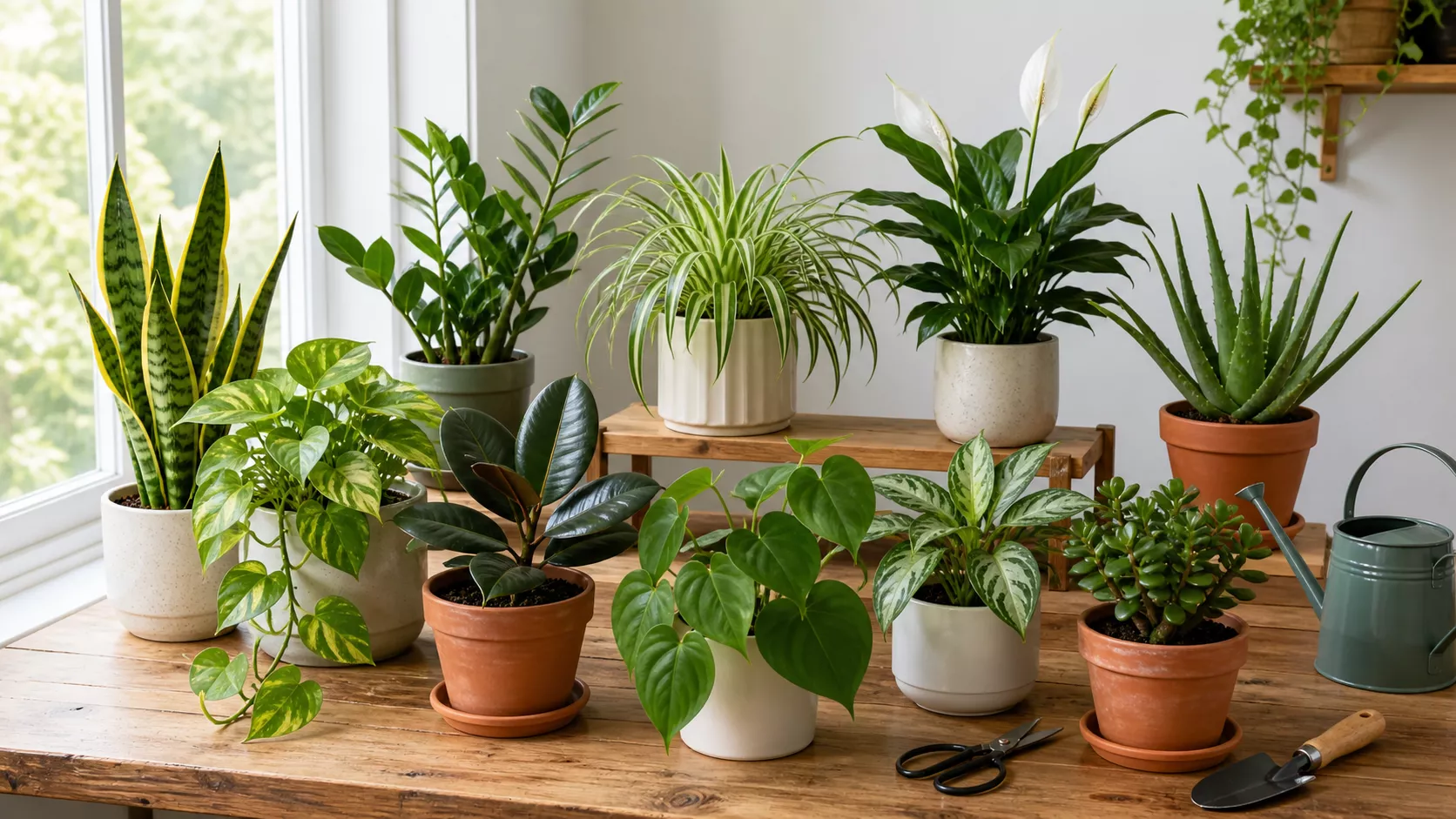
Another common mistake is watering all plants the same way. Each plant has its own natural preferences. Some plants come from dry environments, while others are adapted to humid places.
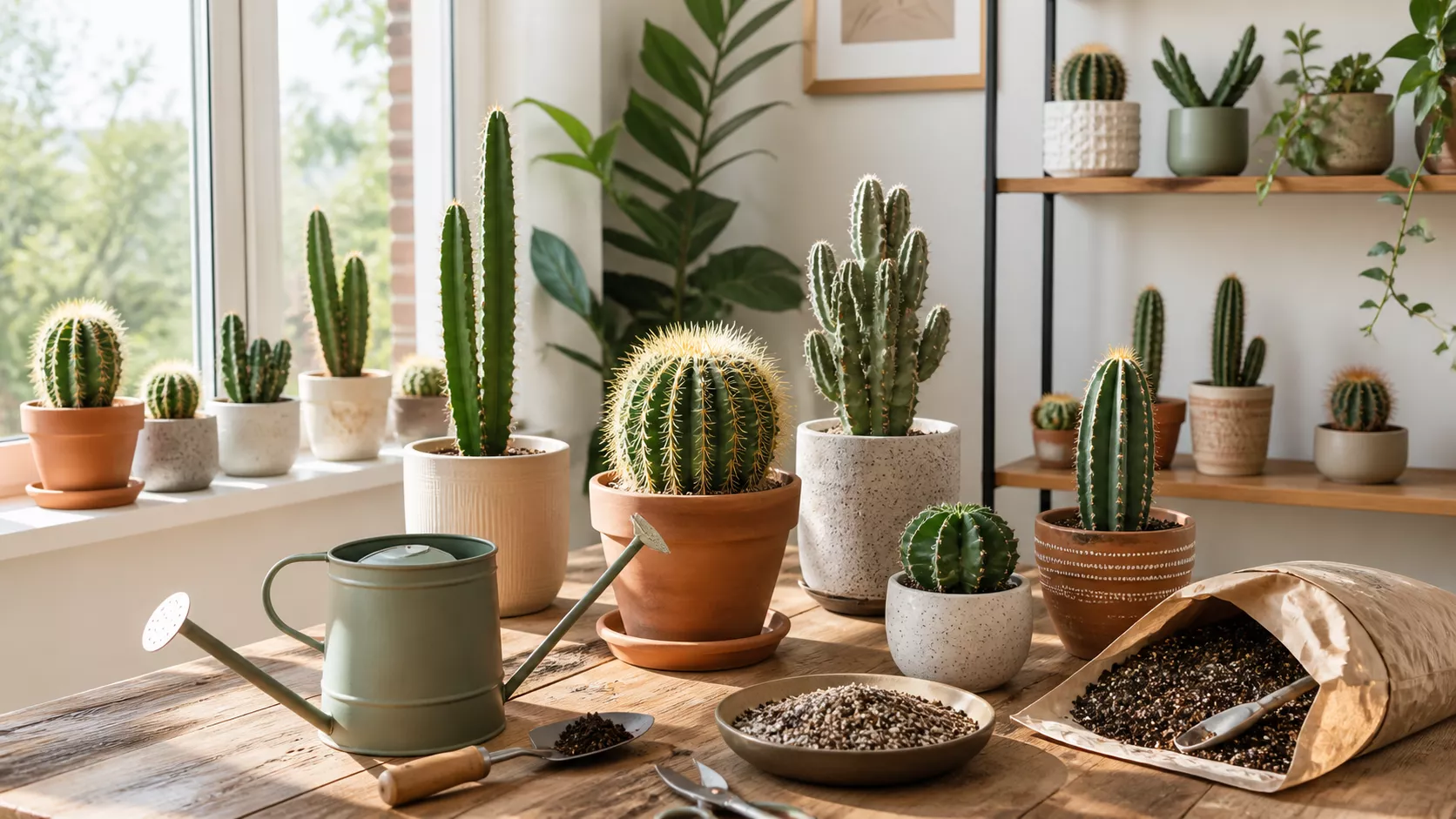
For example, cacti and succulents store water and need less frequent watering. Ferns and peace lilies usually prefer more consistent moisture. Tropical plants may enjoy humidity, while desert plants need fast-draining soil.
Therefore, always learn the basic needs of each plant you own. A simple search or plant care label can help you understand whether your plant likes dry soil, lightly moist soil, or frequent watering.
Next, many plant problems happen because people water without checking the soil. The surface of the soil may look dry, but the deeper layers can still be moist. Watering again too soon can create excess moisture around the roots.
A simple solution is the finger test. Place your finger a few centimeters into the soil. If it feels dry, the plant may need water. If it feels moist, wait longer.
Additionally, you can lift the pot to feel its weight. A pot with wet soil feels heavier, while a dry pot feels lighter. With practice, this method becomes very helpful.
Sometimes, the time of watering can also affect plant health, especially for outdoor plants. Watering during the hottest part of the day may cause water to evaporate quickly before the roots absorb enough moisture.
For outdoor plants, early morning is often a good time to water because the plant has moisture available during the day. Late afternoon can also work in many situations, as long as the leaves have time to dry before night.
For indoor plants, timing is usually less strict, but morning watering is still practical. It allows excess moisture to evaporate more easily throughout the day.
Another mistake is allowing plants to sit in saucers full of water. Even if the pot has drainage holes, the roots can still suffer if the water remains collected below the pot.
After watering, wait a few minutes and then empty the saucer. This prevents water from being pulled back into the soil and keeps the roots healthier.
Additionally, be careful with decorative cachepots. Water may collect inside them without being visible. Always check the bottom after watering to make sure no standing water remains.
Furthermore, watering problems are often connected to the soil. Heavy, compacted soil can hold too much water and reduce airflow around the roots. This makes overwatering more likely.
For succulents and cacti, use a fast-draining mix. For many tropical houseplants, use a light potting mix that holds some moisture but still drains well. The right soil helps balance water and oxygen.
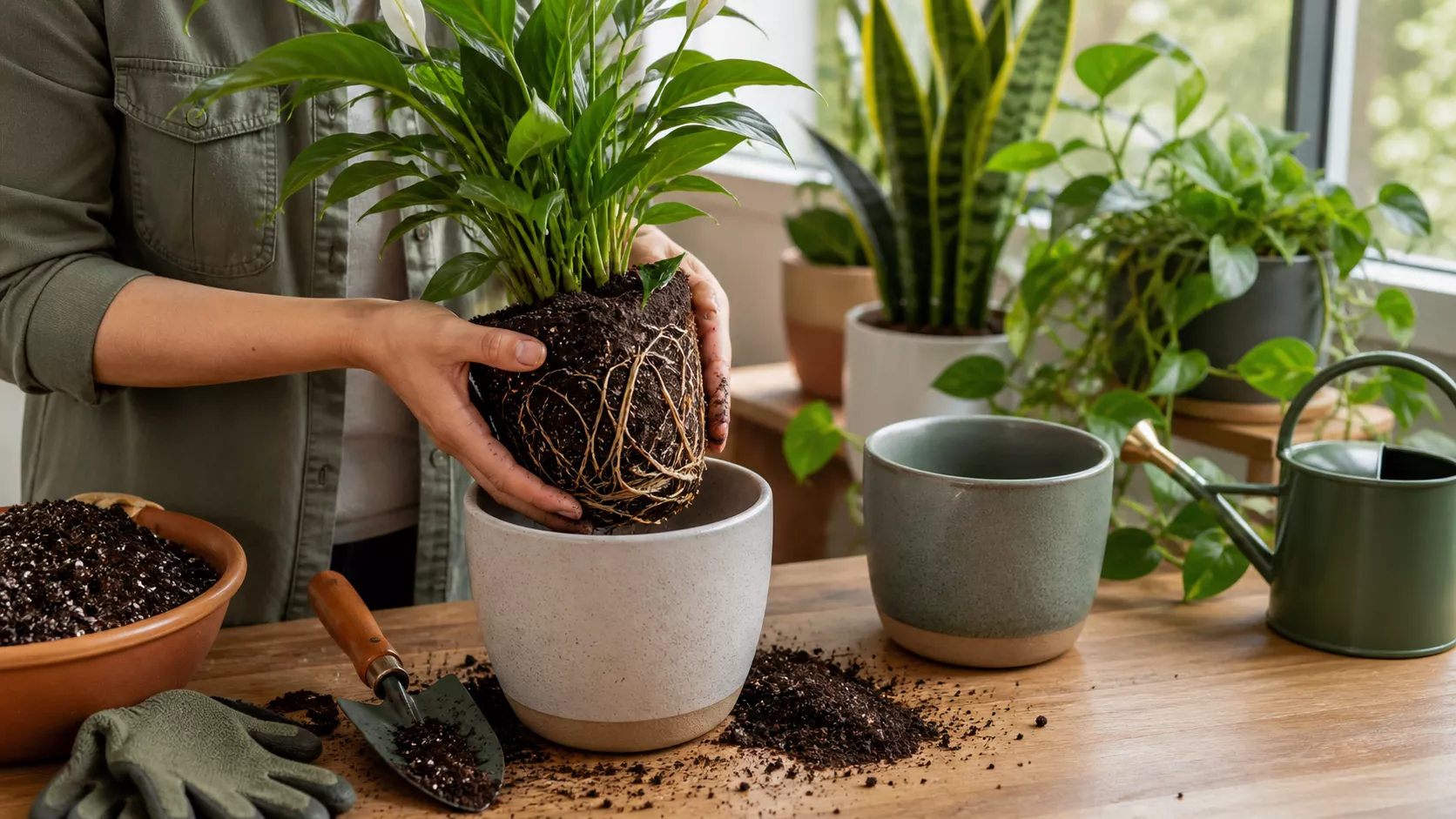
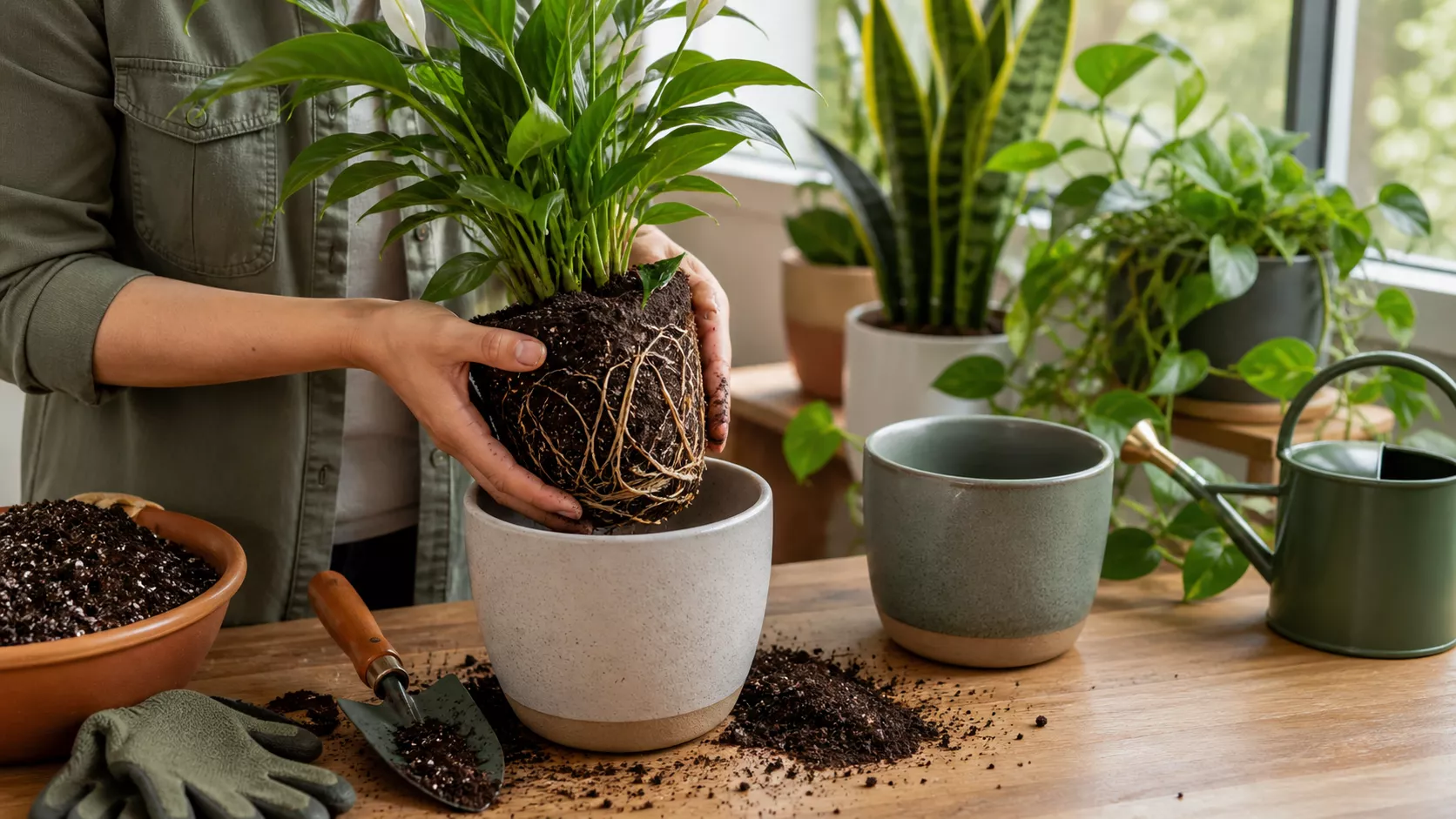
If water stays on the surface for a long time or the soil feels muddy, it may be too compacted. Repotting with a better mix can improve plant health and make watering easier.
Also, light affects how quickly plants use water. Plants in bright areas usually dry faster because they grow more actively and evaporation is stronger. Plants in low light use water more slowly.
Because of this, two identical plants may need different watering routines if they are in different rooms. The one near a sunny window may need water sooner, while the one in a darker corner may stay moist for longer.
Therefore, consider light before watering. If your plant receives little light, be extra careful with frequent watering. Low light and wet soil are a risky combination for many houseplants.
Another important point is seasonality. Many plants need more water during warm months because growth is more active. During cooler months, growth often slows and the soil takes longer to dry.
If you keep watering the same amount all year, problems may appear. A routine that works in summer may be too much in winter. This is especially true for indoor plants near windows where temperature and light change.
To avoid this, adjust watering throughout the year. Check soil more carefully during colder periods and reduce watering when growth slows down.
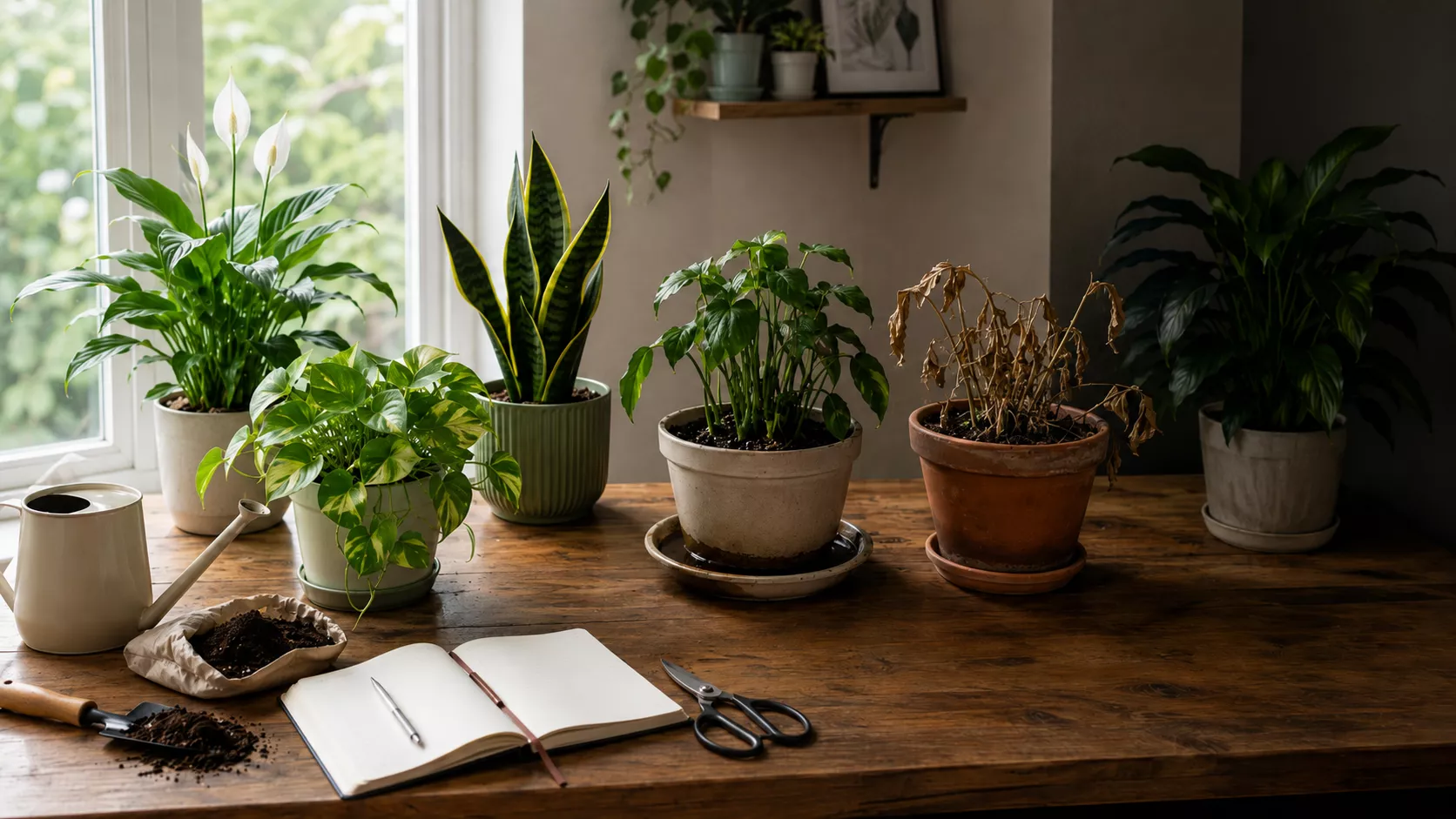
Often, overwatering and underwatering can look similar. Both can cause drooping leaves, weak growth, and stress. This confusion makes many beginners add water when the plant actually needs less moisture.
The best way to tell the difference is by checking the soil. If the plant is drooping and the soil is dry, it may need water. If the plant is drooping and the soil is wet, the issue may be too much water or poor drainage.
Therefore, never rely on leaf appearance alone. Combine leaf observation with soil moisture, pot weight, and the plant’s care needs.
Sometimes, beginners spray or wet the leaves and think they have watered the plant. While some plants enjoy humidity, misting leaves does not replace proper watering at the roots.
Plants absorb most of their water through the root system. If the soil stays dry, spraying the leaves will not provide enough moisture for healthy growth.
Instead, water the soil directly and allow the moisture to reach the roots. Misting can be used only as an extra humidity practice for certain plants, not as the main watering method.
Although many plants tolerate normal tap water, very cold or very hot water can stress the roots. Extreme temperatures may shock the plant, especially delicate indoor species.
Ideally, use room-temperature water. This is simple, safe, and suitable for most houseplants. Letting water sit for a short time before using it can also make watering more comfortable for sensitive plants.
Additionally, avoid using water with strong chemical residues, salt, or unknown substances. Clean water supports healthier roots and better growth.
In addition, humidity can affect how thirsty a plant becomes. In dry environments, plants may lose moisture faster through their leaves. This can lead to crispy edges, curling, or faster soil drying.
For tropical plants, low humidity may cause stress even when the soil is watered correctly. In this case, improving humidity can help, especially for plants such as ferns, calatheas, and peace lilies.
However, humidity does not mean the soil should be constantly wet. Air moisture and soil moisture are different things. A plant may need higher humidity but still require well-draining soil.
After watering, it is important to observe how the plant reacts. A healthy plant may look fresher within a few hours or by the next day if it was thirsty. If the plant continues to decline, another issue may be present.
For example, if leaves keep turning yellow after watering, the soil may be staying too wet. If leaves remain crispy and dry, the plant may need more consistent watering or better humidity.
By observing the response, you learn what works for each plant. This helps you adjust your watering routine over time instead of repeating the same mistakes.
To create a better routine, start by grouping plants with similar needs. Keep succulents and cacti together, tropical plants together, and moisture-loving plants together when possible. This makes care easier.
Then, check your plants once or twice a week. Do not water all of them automatically. Instead, inspect the soil, leaves, pot weight, and environment.
Finally, take notes if you are still learning. Record when you watered and how the plant responded. Over time, this builds confidence and helps you understand each plant’s rhythm.
In conclusion, the most common plant watering mistakes include watering too often, watering too little, using pots without drainage, ignoring plant type, and following a fixed schedule without checking the soil. These mistakes are common, but they are also easy to correct with observation and practice.
Above all, good watering depends on balance. Plants need moisture, but they also need oxygen around the roots. Checking soil before watering, using proper pots, choosing the right soil, and adjusting care by season can prevent many problems.
Ultimately, a smart plant watering routine helps your plants grow stronger, greener, and healthier. When you learn to observe your plants instead of guessing, watering becomes easier and much more effective.