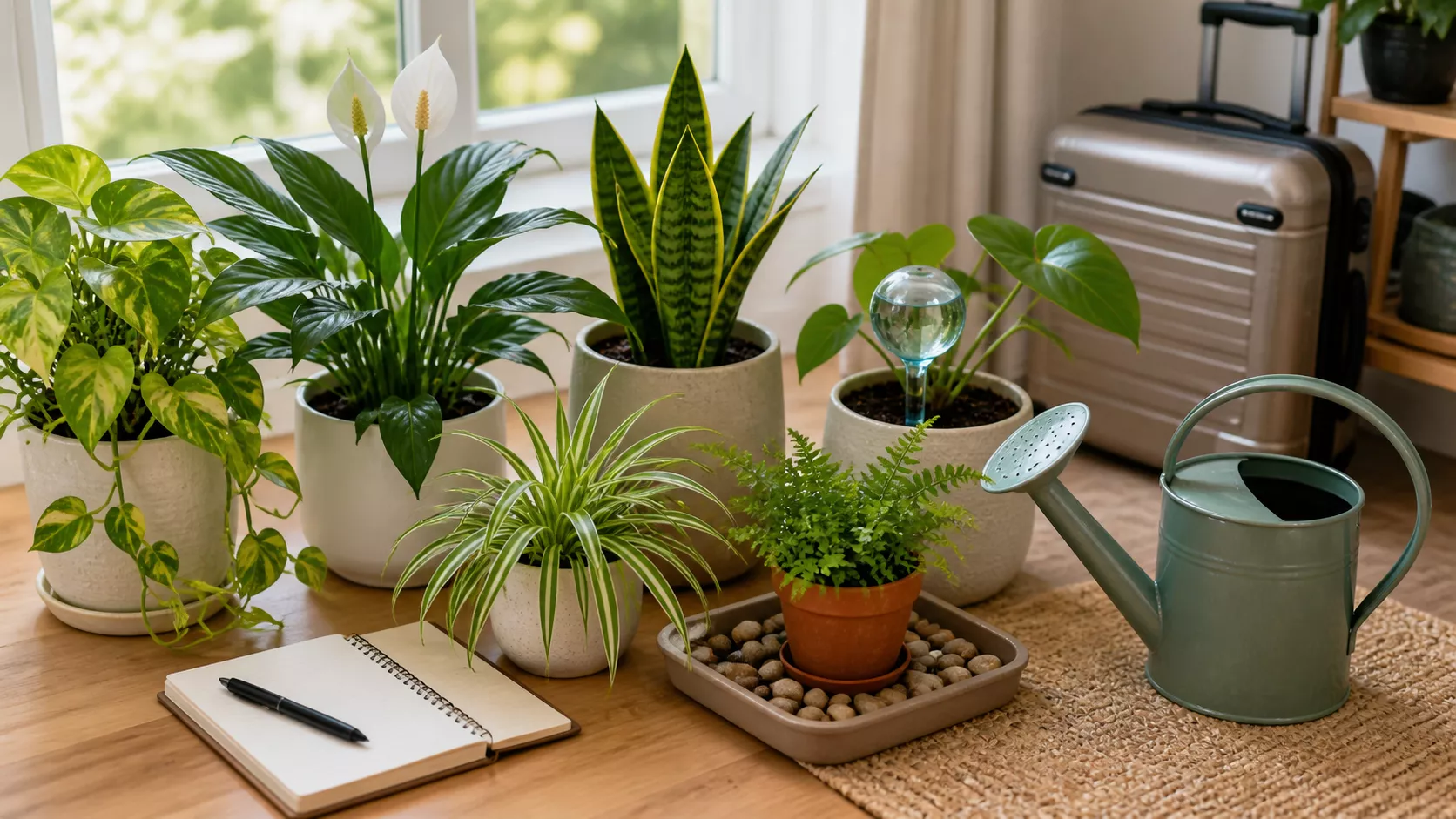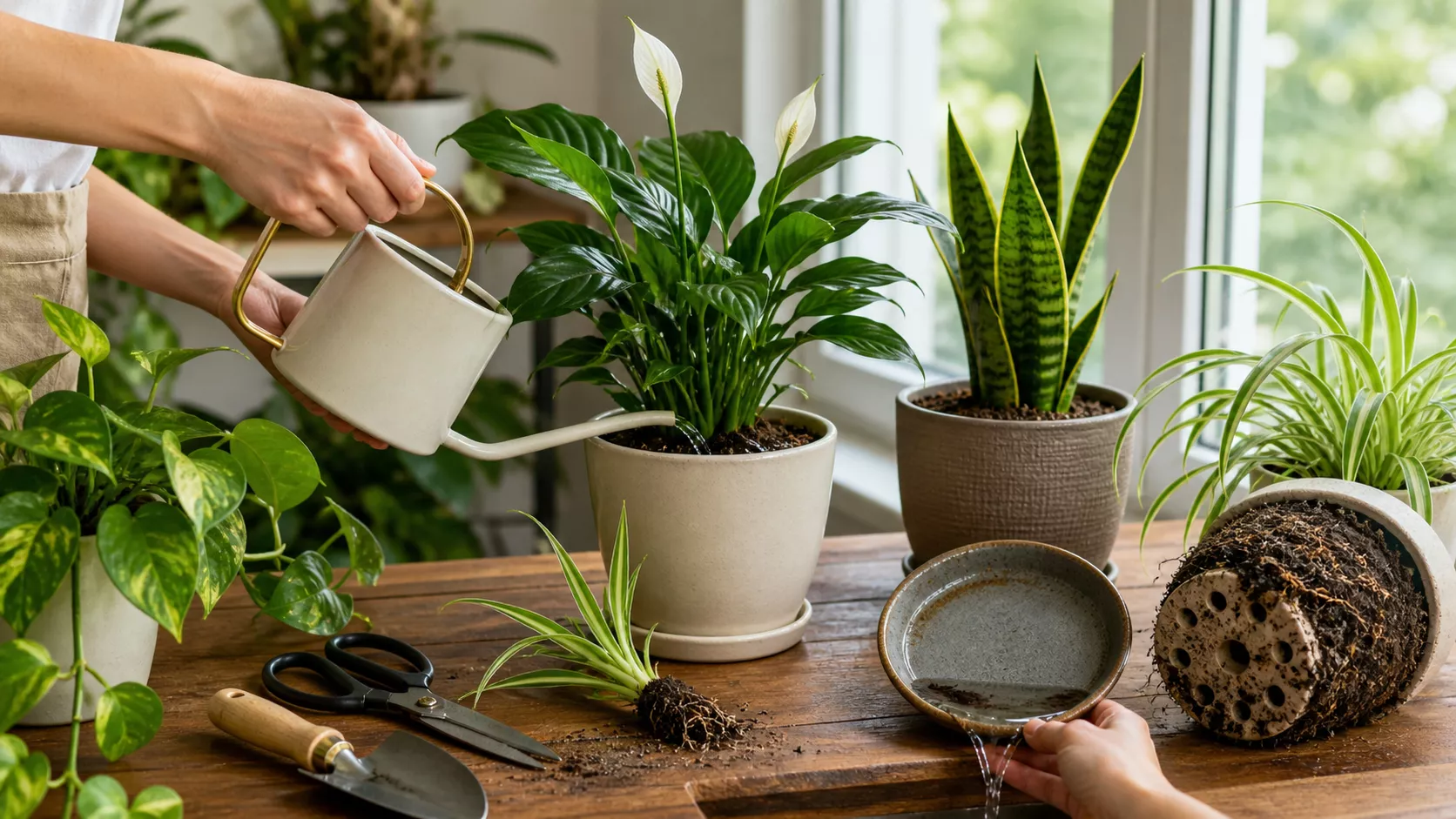
How to Water Plants the Right Way

First, understanding how to tell if a plant needs water is one of the most important skills for anyone who wants healthy plants at home. Many beginners believe that plants should be watered on a strict schedule, but this can lead to mistakes. Some plants need water often, while others prefer to stay dry for longer periods.
Additionally, watering correctly depends on several factors, including plant species, pot size, soil type, light exposure, temperature, humidity, and the season of the year. Because of this, the best approach is not to water automatically, but to observe the plant and check the soil before adding more water.
Therefore, this guide will show you simple and practical ways to identify when your plant needs water. You will learn how to read soil moisture, understand leaf signals, check pot weight, avoid overwatering, and create a smarter plant watering routine for indoor and outdoor plants.
First, water is essential for plant growth. Plants use water to transport nutrients, maintain structure, support photosynthesis, and stay healthy. Without enough water, leaves can wilt, growth may slow down, and the plant can become weak.
However, too much water can be just as harmful as too little. When soil stays wet for a long time, roots may struggle to receive oxygen. This can cause yellow leaves, soft stems, unpleasant soil smell, and serious root problems.
Because of this, learning when to water plants is more effective than following a fixed calendar. A good watering habit protects the roots, improves growth, and helps your plant adapt better to its environment.
First, the easiest way to know if a plant needs water is to check the soil with your finger. Place your finger about two to five centimeters into the soil, depending on the size of the pot. If the soil feels dry at that depth, the plant may need water.
However, if the soil still feels moist, it is better to wait. Many plants suffer because they receive water before the soil has had time to dry properly. This is especially common with indoor plants kept in decorative pots.
Also, do not judge only by the surface of the soil. Sometimes the top layer looks dry, but the deeper soil is still moist. Checking below the surface gives you a more accurate idea of the plant’s real condition.
Another useful method is lifting the pot to feel its weight. A pot with moist soil usually feels heavier, while a pot with dry soil feels lighter. This method becomes easier with practice.
For example, after watering your plant, lift the pot carefully and notice how heavy it feels. Then, after a few days, lift it again. Over time, you will learn the difference between a wet pot and a dry pot.
Additionally, this method is very helpful for small and medium pots. It may not work as easily with large containers, but it is still useful for many houseplants. Combined with the finger test, it can make your watering routine more accurate.
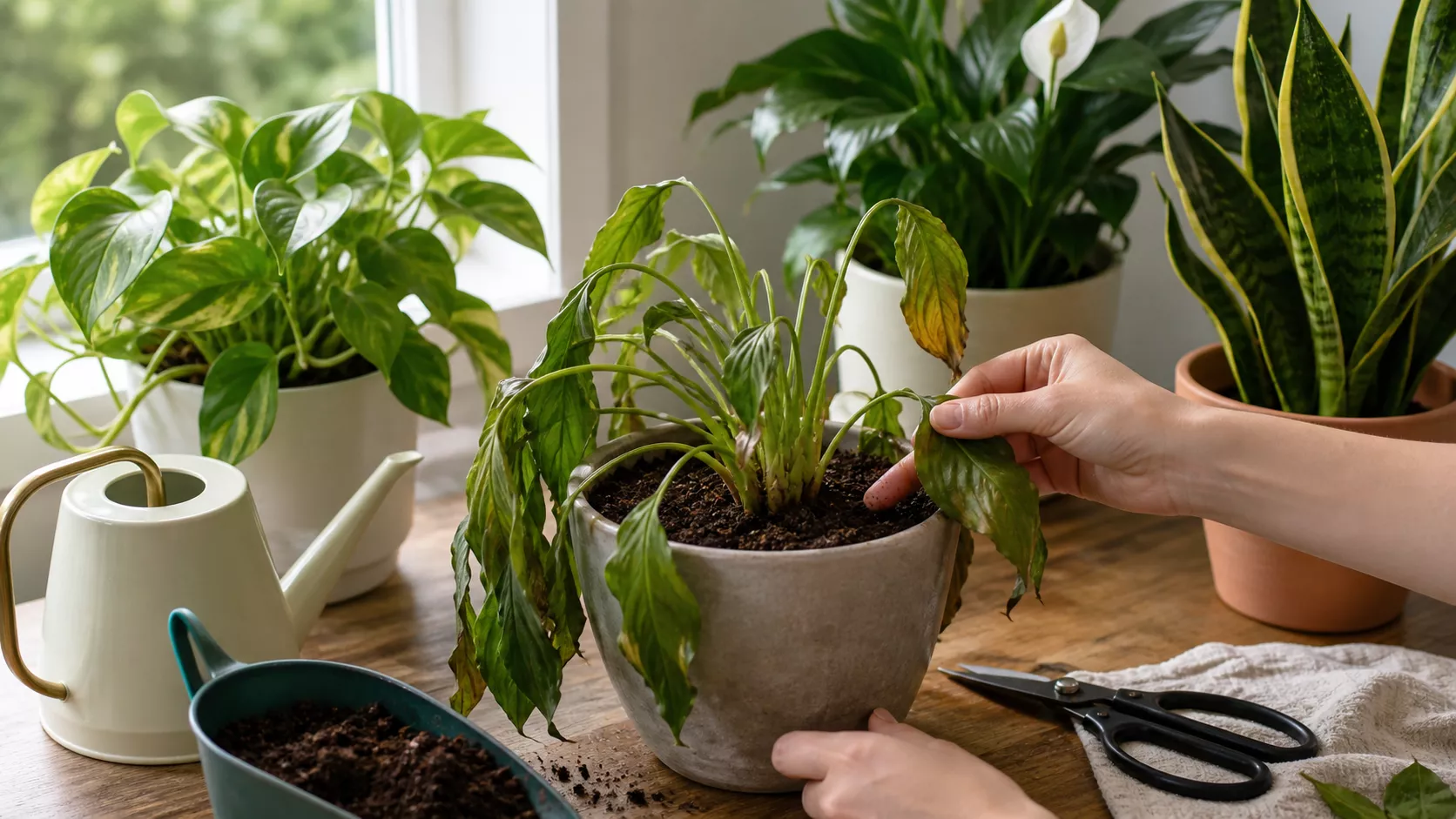
Next, leaves can show important signs that a plant needs water. When a plant is thirsty, its leaves may look droopy, soft, curled, or less vibrant. Some plants recover quickly after watering if they were only slightly dry.
However, it is important to be careful because drooping leaves can also happen from overwatering. This is why you should always check the soil before watering. If the leaves are drooping and the soil is dry, the plant probably needs water. If the leaves are drooping and the soil is wet, the problem may be excess moisture.
Also, dry and crispy leaf edges may indicate that the plant has experienced lack of water, low humidity, or irregular watering. Observing leaves together with soil moisture gives a clearer answer.
Often, wilting is one of the most visible signs that a plant needs water. A wilted plant may look weak, tired, or collapsed. This happens because water helps plant cells stay firm.
Nevertheless, not all wilting means the plant is thirsty. Overwatered plants can also wilt because damaged roots cannot absorb water properly. That is why watering immediately without checking the soil can make the problem worse.
Therefore, when you see wilting, check the soil first. Dry soil usually means the plant needs water. Wet soil may mean the plant needs better drainage, more airflow, or time to recover.
Additionally, soil appearance can help you understand moisture levels. Dry soil often looks lighter in color and may pull away slightly from the edges of the pot. Moist soil usually looks darker and feels cooler to the touch.
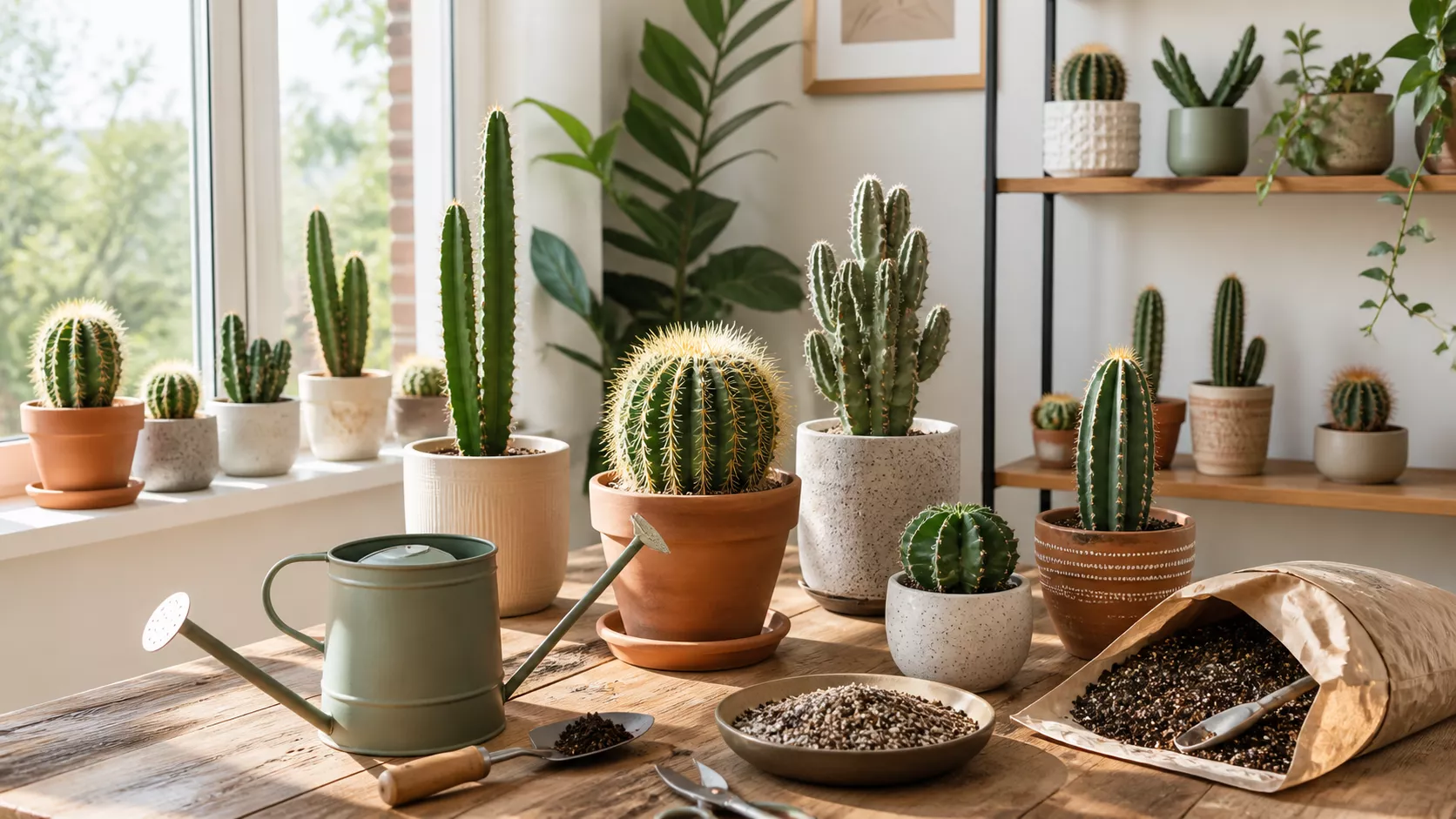
However, different soil mixes behave differently. A cactus mix may dry quickly and feel loose, while a tropical potting mix may hold moisture longer. Because of this, texture should be used as a guide, not as the only method.
Furthermore, if the soil becomes extremely hard, compacted, or difficult to wet, the plant may not be absorbing water properly. In this case, watering slowly and improving the soil mix may be necessary.
For beginners, a moisture meter can be a helpful tool. This device is inserted into the soil and gives an estimate of moisture levels. It can be useful when you are unsure whether the soil is dry or still wet near the roots.
However, moisture meters are not perfect. They can give different results depending on soil type, salt buildup, and how deeply they are inserted. Because of this, it is better to use them together with observation.
In general, a moisture meter can help you learn faster, but your own observation skills are still important. Over time, checking soil, leaves, and pot weight will become more natural.
Most importantly, different plants have different watering needs. Some plants prefer to dry out almost completely before watering, while others like soil that remains lightly moist.
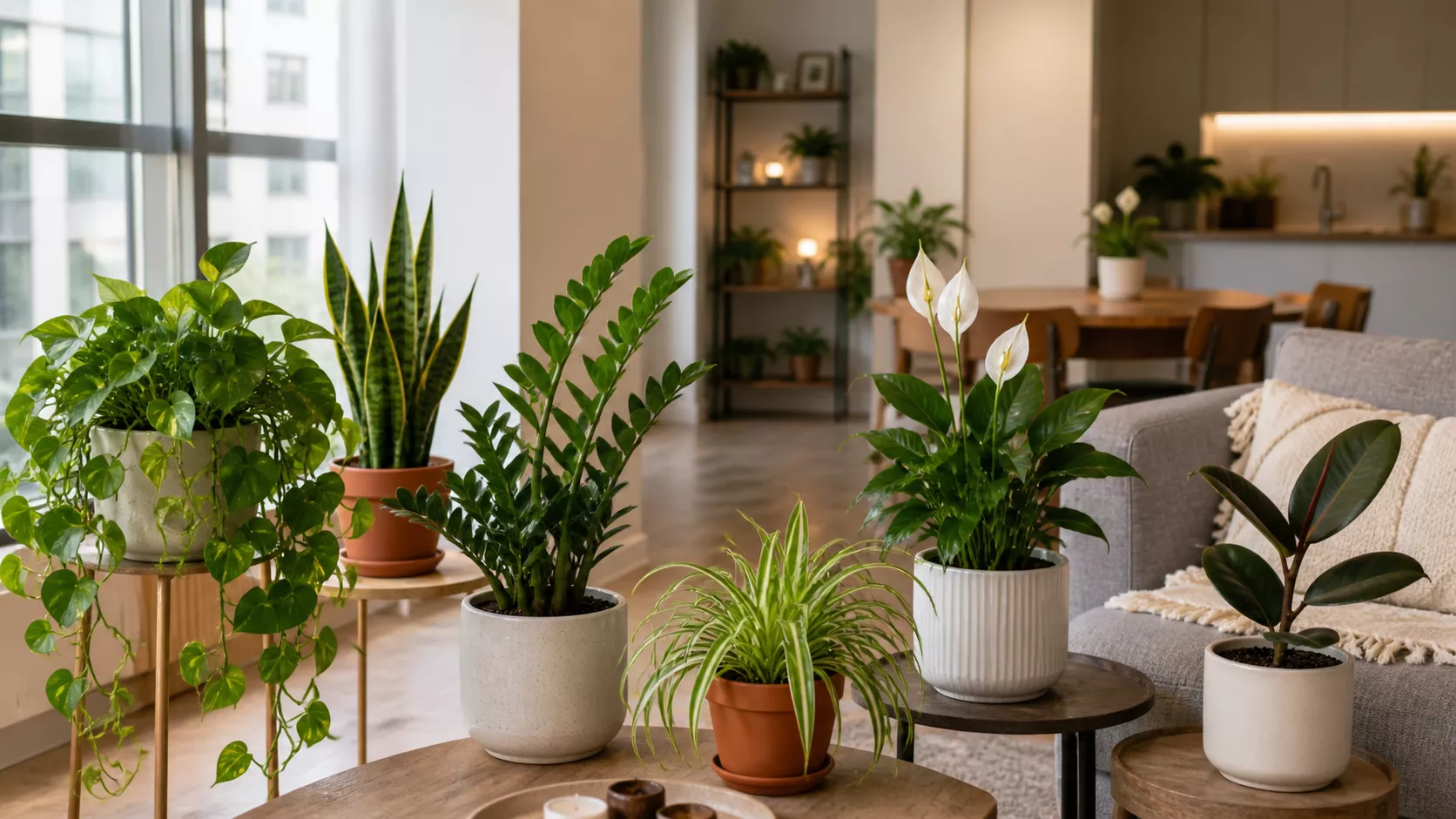
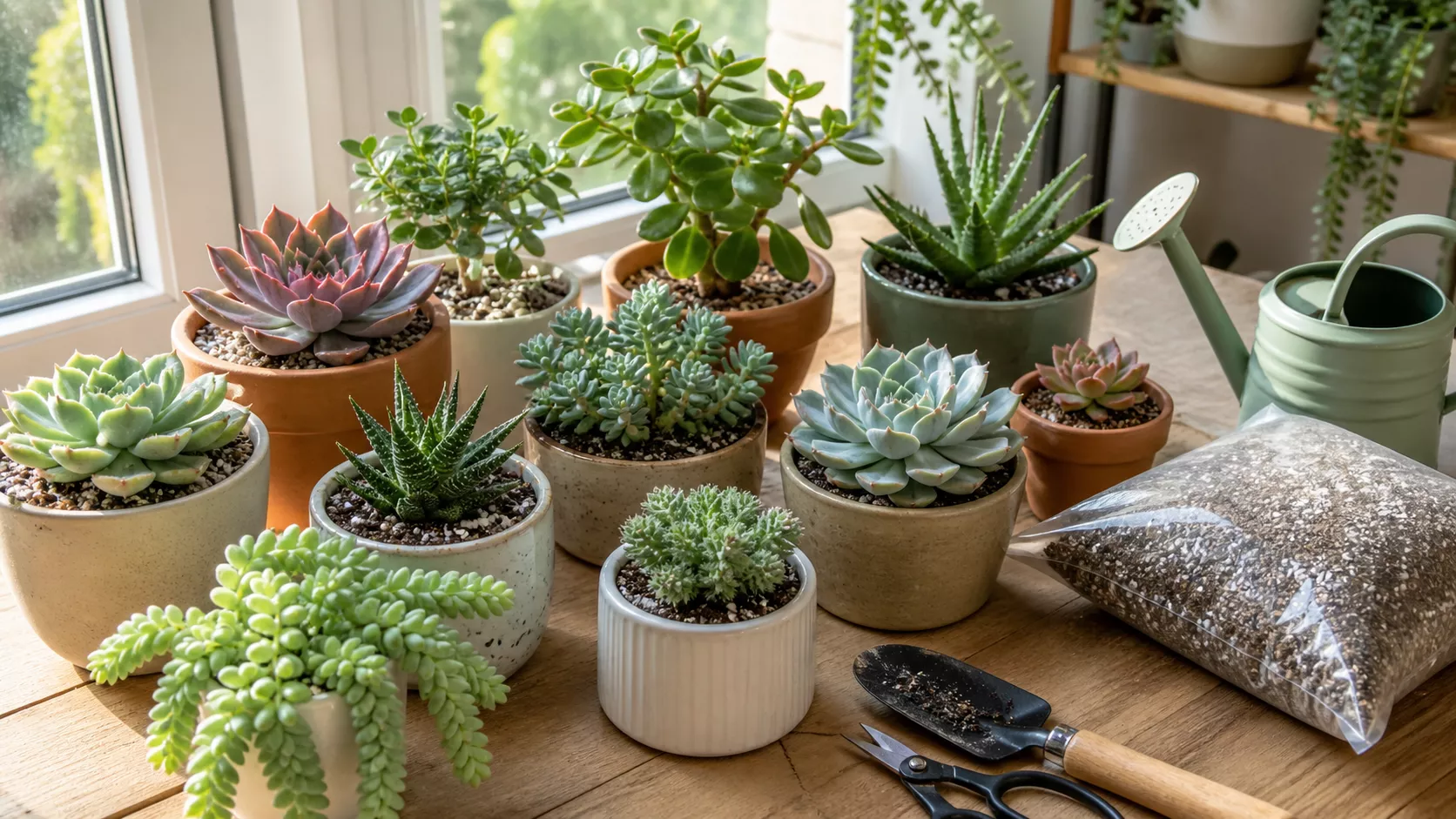
For example, succulents, cacti, snake plants, and ZZ plants usually need less water. They store water in leaves, stems, or underground structures, so frequent watering can harm them.
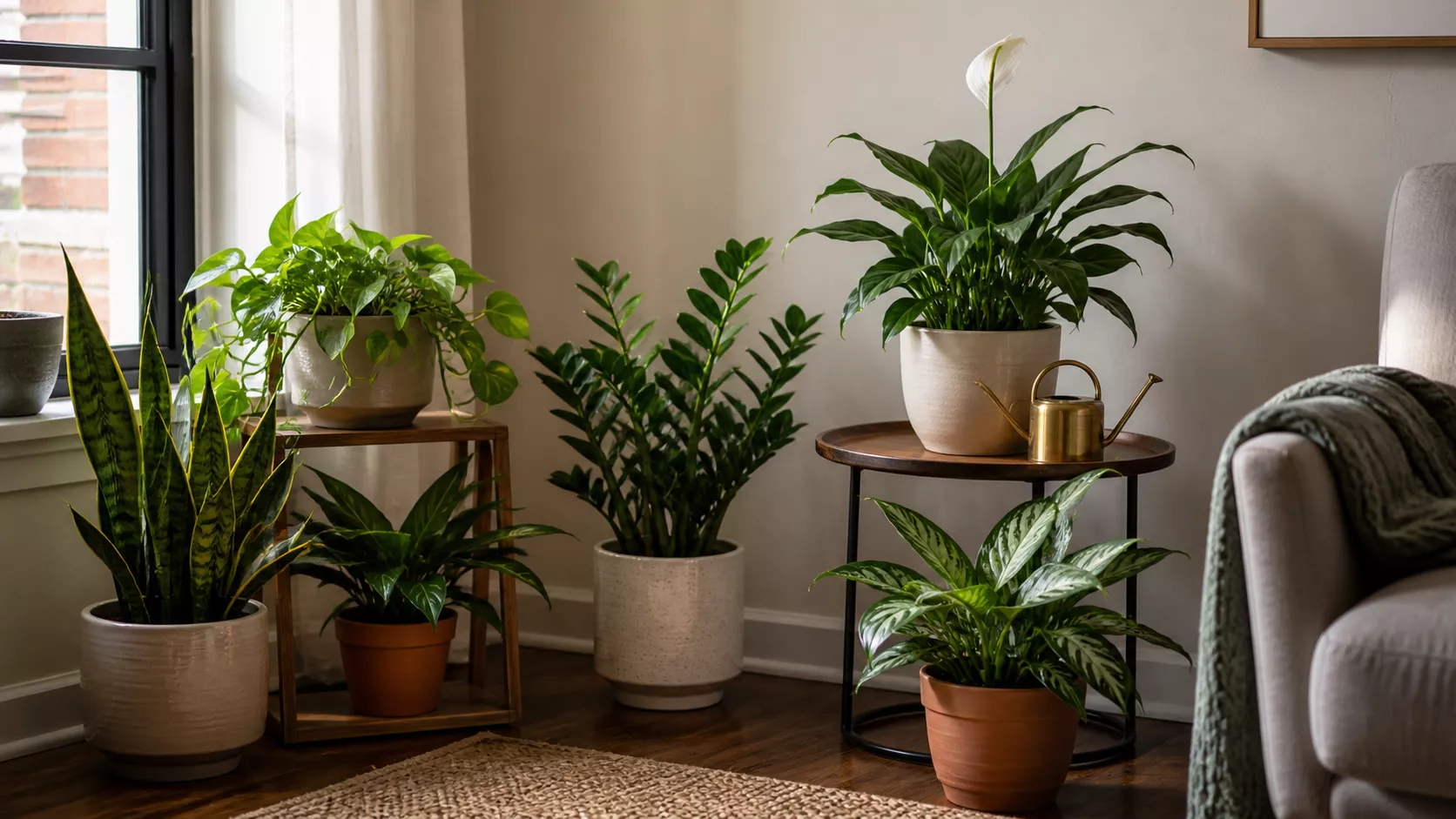
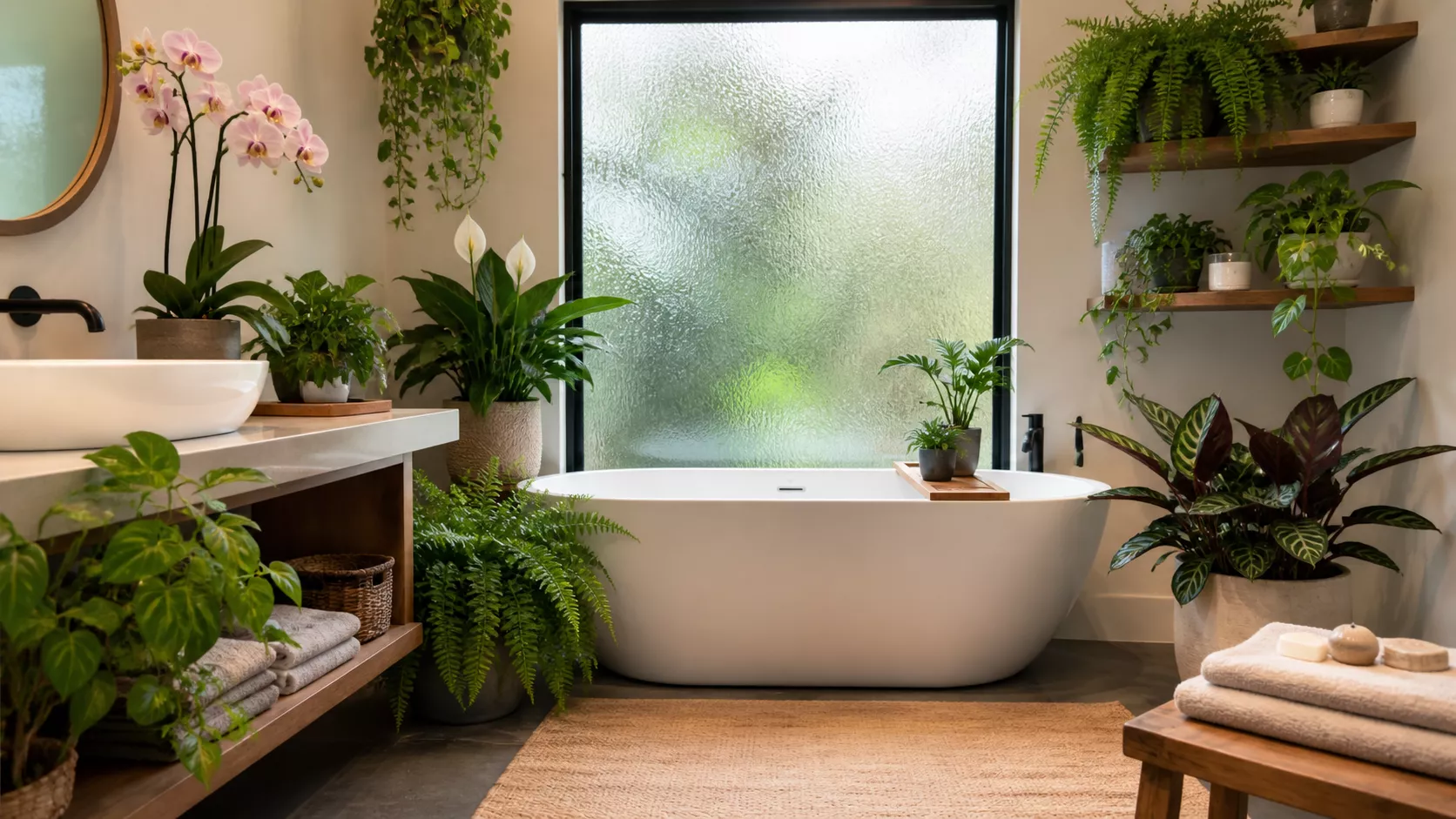
On the other hand, ferns, peace lilies, calatheas, and many tropical plants often prefer more consistent moisture. They may show signs of stress if the soil becomes too dry for too long. Knowing your plant type is essential for proper indoor plant watering.
Also, light affects how quickly soil dries. Plants in bright light usually use more water because they grow more actively and evaporation happens faster. Plants in low light use water more slowly.
Therefore, a plant near a sunny window may need water more often than the same plant in a darker corner. This is one reason fixed watering schedules can fail.
Additionally, if you move a plant to a brighter location, its watering needs may change. Always observe how the plant responds after changing its environment.
During warmer months, many plants grow more actively and may need water more often. Higher temperatures and stronger light can dry the soil faster.
During colder months, growth often slows down, especially for many indoor plants. Soil may stay moist longer, and watering too frequently can cause problems. In winter or cooler periods, it is usually better to check the soil carefully before watering.
Because of this, your plant watering schedule should change throughout the year. A plant that needs water twice a week in summer may need much less during cooler months.
Another factor is pot size. Small pots dry faster because they hold less soil and less moisture. Large pots usually stay moist longer, especially if the plant’s root system is not very large.
For this reason, plants in small containers may need more frequent checking. However, this does not always mean they need a lot of water each time. It simply means the soil can dry more quickly.
Meanwhile, oversized pots can create another problem. If a small plant is placed in a very large pot, the extra soil may remain wet for too long. This can increase the risk of root issues.
Importantly, drainage affects watering more than many beginners realize. A pot without drainage holes can trap water at the bottom, even if the top soil looks normal.
As a result, roots may stay wet for too long. This can cause yellow leaves, weak growth, and unhealthy soil conditions. For most plants, drainage holes are essential.
If you use a decorative pot without holes, keep the plant in a nursery pot inside it. After watering, allow excess water to drain completely before placing it back into the decorative container.
Usually, an underwatered plant may have dry soil, drooping leaves, curled leaves, crispy edges, slow growth, and leaves that feel thin or dry. Some plants may also drop leaves when they stay dry too long.
However, underwatering is often easier to fix than overwatering if the plant is not severely damaged. Many plants recover after a deep and careful watering.
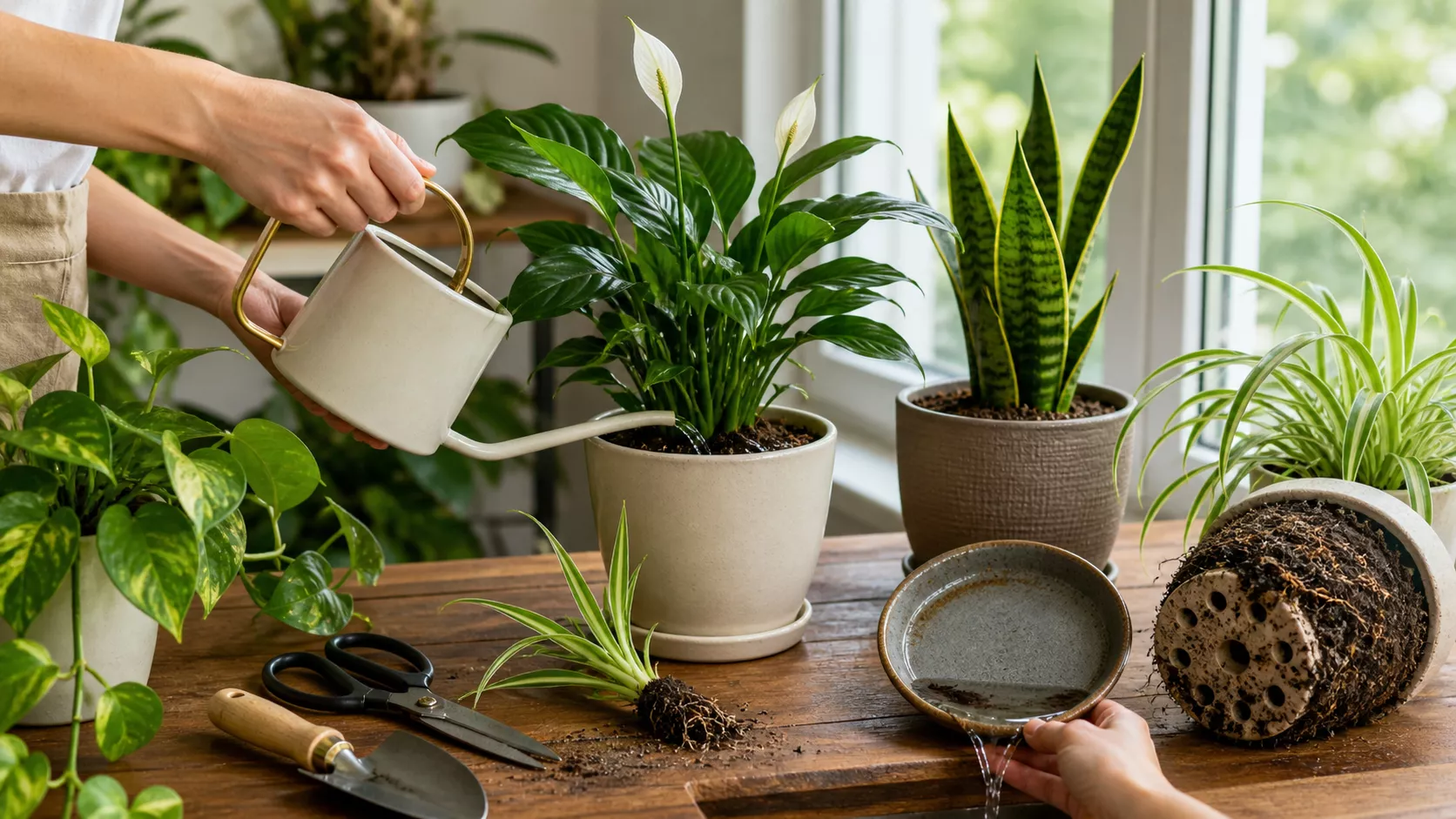
To water properly, add water until it drains from the bottom of the pot. This helps moisture reach the entire root area. Then, wait until the soil dries according to the plant’s needs before watering again.
On the other hand, overwatering can show signs such as yellow leaves, soft stems, soggy soil, mold on the soil surface, fungus gnats, and a bad smell coming from the pot.
Often, beginners confuse overwatering with underwatering because both can cause wilting. The difference is usually in the soil. If the plant looks weak but the soil is wet, adding more water is not the solution.
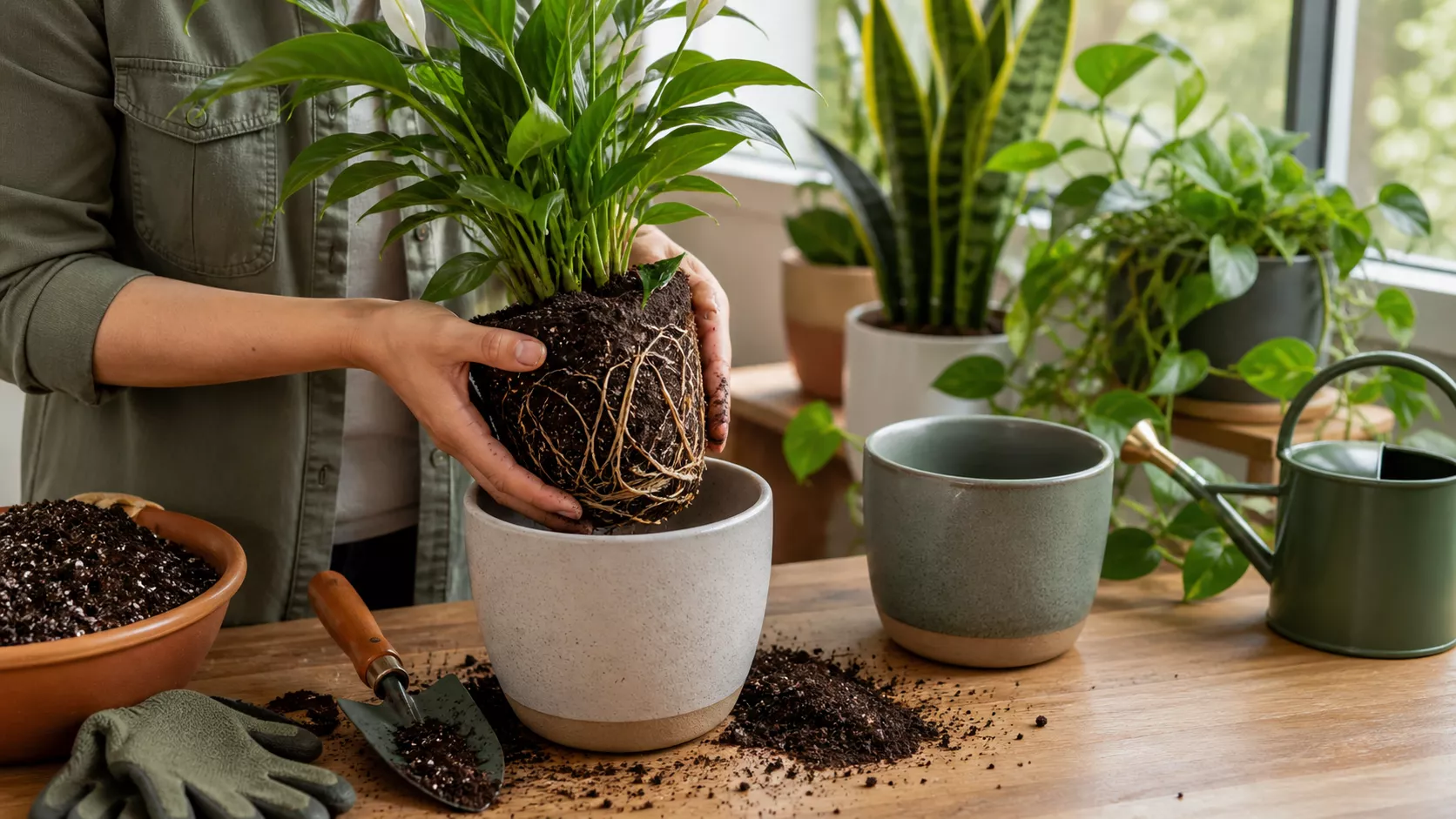
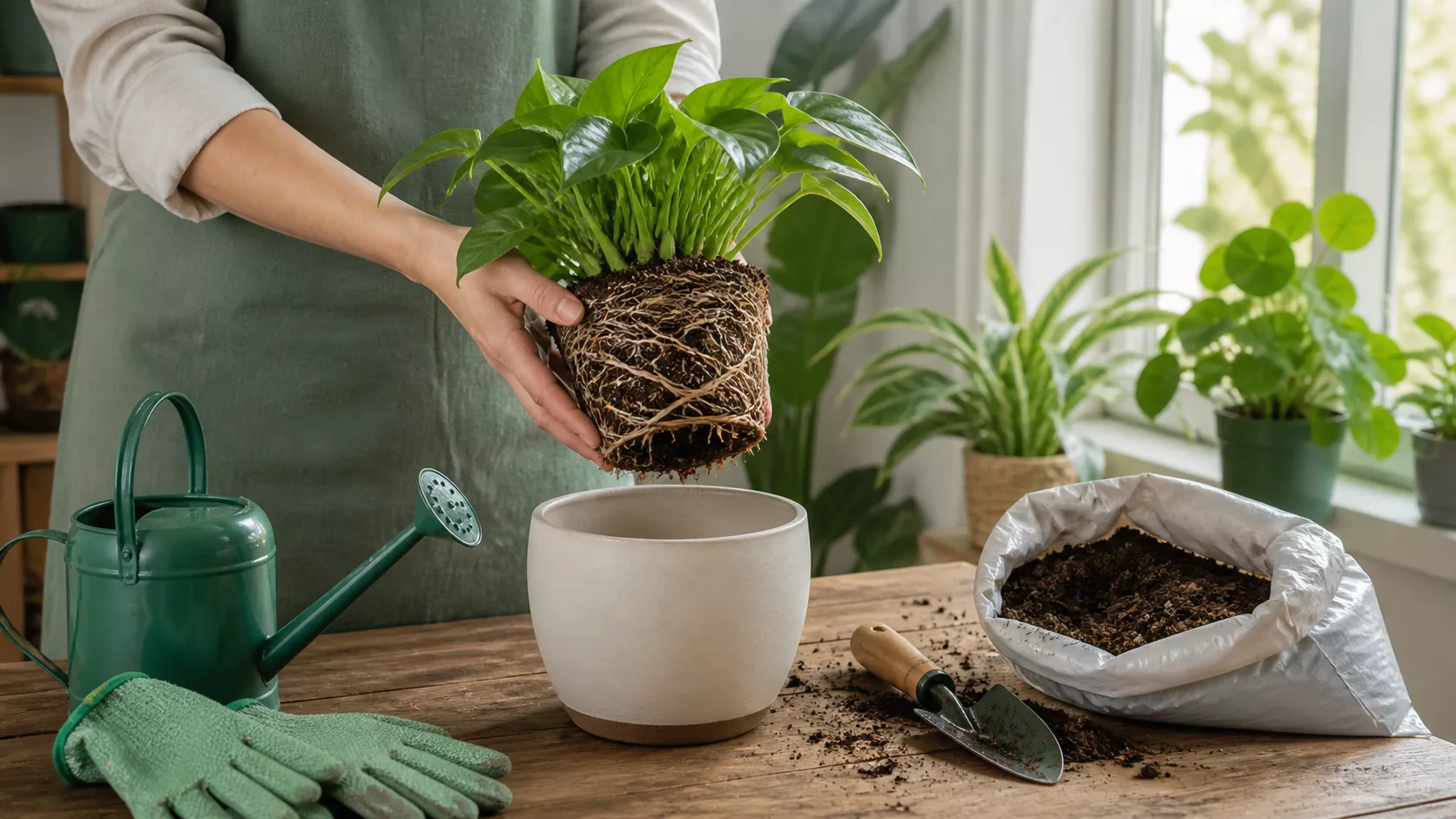
Instead, improve drainage, allow the soil to dry, and check whether the pot is suitable. In serious cases, repotting into fresh well-draining soil may be necessary.
Generally, watering deeply is better than giving a tiny amount of water every day. Deep watering encourages roots to grow throughout the soil instead of staying only near the surface.
To do this, water slowly until excess water drains from the bottom of the pot. This ensures that the roots receive enough moisture. After that, allow the soil to dry according to the plant type.
However, plants that prefer constant moisture may need a slightly different approach. The goal is always to match watering style to the plant’s natural needs.
Many people water plants every Monday or every three days without checking the soil. Although this seems organized, it can lead to problems because conditions change all the time.
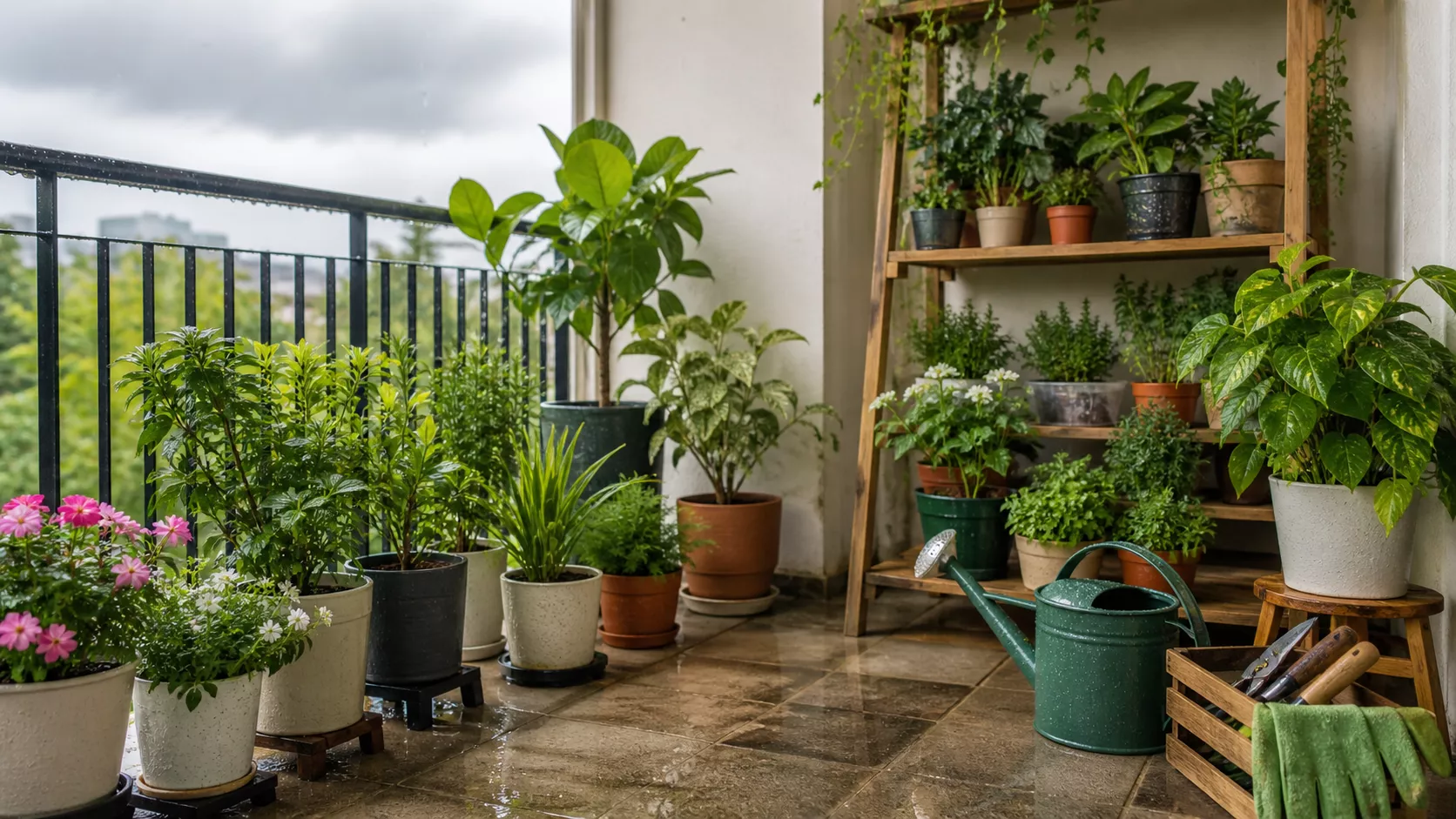
For example, rainy weather, cooler temperatures, less sunlight, and larger pots can make soil dry more slowly. Hot weather, bright light, and small pots can make soil dry faster.
Therefore, use a calendar only as a reminder to check your plants, not as an automatic watering rule. The plant and soil should decide when water is needed.
To build a better routine, choose one or two days each week to inspect your plants. Check the soil, look at the leaves, lift small pots, and notice changes in growth.
Then, water only the plants that actually need it. Some may be dry, while others may still be moist. This individualized approach is much healthier than watering every plant at the same time.
Additionally, keep simple notes if you are a beginner. Write down when you watered and how the plant responded. Over time, you will understand each plant’s rhythm.
One common mistake is watering because the leaves look slightly droopy without checking the soil. Since drooping can mean both dryness and excess water, soil checking is essential.
Another mistake is using pots without drainage. Even careful watering can become risky when excess water has nowhere to go.
Finally, avoid giving only small splashes of water. This may wet the surface but leave deeper roots dry. When the plant needs water, water thoroughly and let the excess drain away.
In conclusion, learning how to tell if a plant needs water depends on observation, not guessing. The best signs come from checking soil moisture, feeling the pot weight, observing leaves, understanding plant type, and considering light, season, and pot size.
Above all, avoid watering automatically. A smart plant watering routine helps prevent both underwatering and overwatering. When you water only when needed, your plants have a better chance of growing strong and healthy.
Ultimately, every plant teaches you through its leaves, soil, and growth patterns. With practice, you will quickly become more confident and know exactly when your plants need water.