When to Change a Plant Pot

First, learning how to grow chives at home is a simple and rewarding way to start a small herb garden. Chives are easy to grow, compact, useful in cooking, and suitable for pots, balconies, windowsills, patios, and kitchen gardens with good light.
Additionally, chives have a mild onion-like flavor that works well in eggs, potatoes, soups, salads, sauces, sandwiches, rice, and many homemade dishes. Because the leaves can regrow after cutting, a healthy chive plant can provide several harvests over time.
Therefore, this complete guide will explain chive plant care in a beginner-friendly way. You will learn how to choose the right pot, provide enough sunlight, water correctly, harvest without damaging the plant, prevent pests, and keep your chives productive at home.
First, chives are practical because they do not need a large garden. A small or medium pot can be enough to grow a useful amount for home cooking.
Also, chives are beginner-friendly. They are usually easier to maintain than many delicate herbs and can adapt well to containers when they receive enough light and proper watering.
Furthermore, chives are decorative. Their thin green leaves grow upright and create a fresh look in herb gardens, kitchen windows, and balcony planters.
Most importantly, chives grow best in bright light. They usually prefer several hours of sunlight each day, especially when grown for regular harvesting.
If chives do not receive enough light, the leaves may become thin, weak, pale, or stretched. Growth may slow down, and the plant may not recover well after cutting.
Therefore, place chives near a sunny window, on a bright balcony, or in an outdoor area with good light. If growing indoors and natural light is limited, a grow light can help.
Yes, chives can grow indoors if they receive enough brightness. A sunny windowsill is one of the best indoor locations.
However, chives grown in dark kitchens or rooms may become weak. Indoor light is often much weaker than outdoor light, even when the room looks bright to people.
Also, rotate the pot occasionally so the leaves grow evenly. This prevents the plant from leaning too much toward the window.
Next, choose a pot with drainage holes. Chives like moisture, but they do not like roots sitting in water. Drainage helps prevent soggy soil and root problems.
A medium pot is usually better than a very tiny one because chives form clumps over time. A wider pot gives the plant room to spread and produce more leaves.
Additionally, window boxes and rectangular planters can work well for chives. They are useful for balconies, windowsills, and small herb gardens.
Another important factor is soil. Chives grow best in fertile, light, and well-draining soil that can hold some moisture without becoming compacted.
A good potting mix is usually enough for container chives. You can add compost or worm castings in small amounts to support healthy growth.
However, avoid heavy garden soil in pots. It can become dense, hold too much water, and reduce airflow around the roots.
Growing chives from seeds is possible and affordable. Start seeds in a shallow container or directly in a pot with light potting mix.
Keep the soil gently moist while seeds germinate. Place the container in a bright warm location and be patient, because seedlings may take some time to become strong.
Once seedlings are established, thin them if they are too crowded. Giving each plant enough space helps roots develop better and improves airflow.
For beginners, growing chives from seedlings is usually easier and faster. Seedlings are already established and can provide harvests sooner than seeds.
When buying seedlings, choose plants with green upright leaves, firm growth, and no signs of pests or yellowing. Avoid plants that look weak or overly dry.
After bringing the seedling home, transplant it into a pot with fresh soil and drainage. Water gently and place it in bright light.
Sometimes, chives bought with roots can be replanted. If the stems still have healthy roots attached, they may regrow in soil.
To do this, plant the rooted base in a pot with light soil and water gently. Keep the pot in bright light and maintain slight moisture while it adjusts.
However, cut stems without roots will not regrow like rooted plants. For best results, use seeds, seedlings, or divided clumps.
Watering is important for growing chives at home. Chives prefer soil that stays lightly moist, but not soggy.
Before watering, touch the top layer of soil. If it feels dry, water thoroughly. If it still feels moist, wait longer.
During hot weather, chives in pots may need more frequent watering, especially on sunny balconies. Indoors, soil may dry more slowly, so always check before watering.
Often, chives that need water may look limp, dull, or slightly folded. The soil may feel dry, and the pot may feel light.
If the plant is mildly thirsty, it can usually recover after watering. Water deeply until excess water drains from the bottom.
However, repeated severe wilting can weaken chives and reduce growth. Try to keep moisture consistent without keeping the soil soaked.
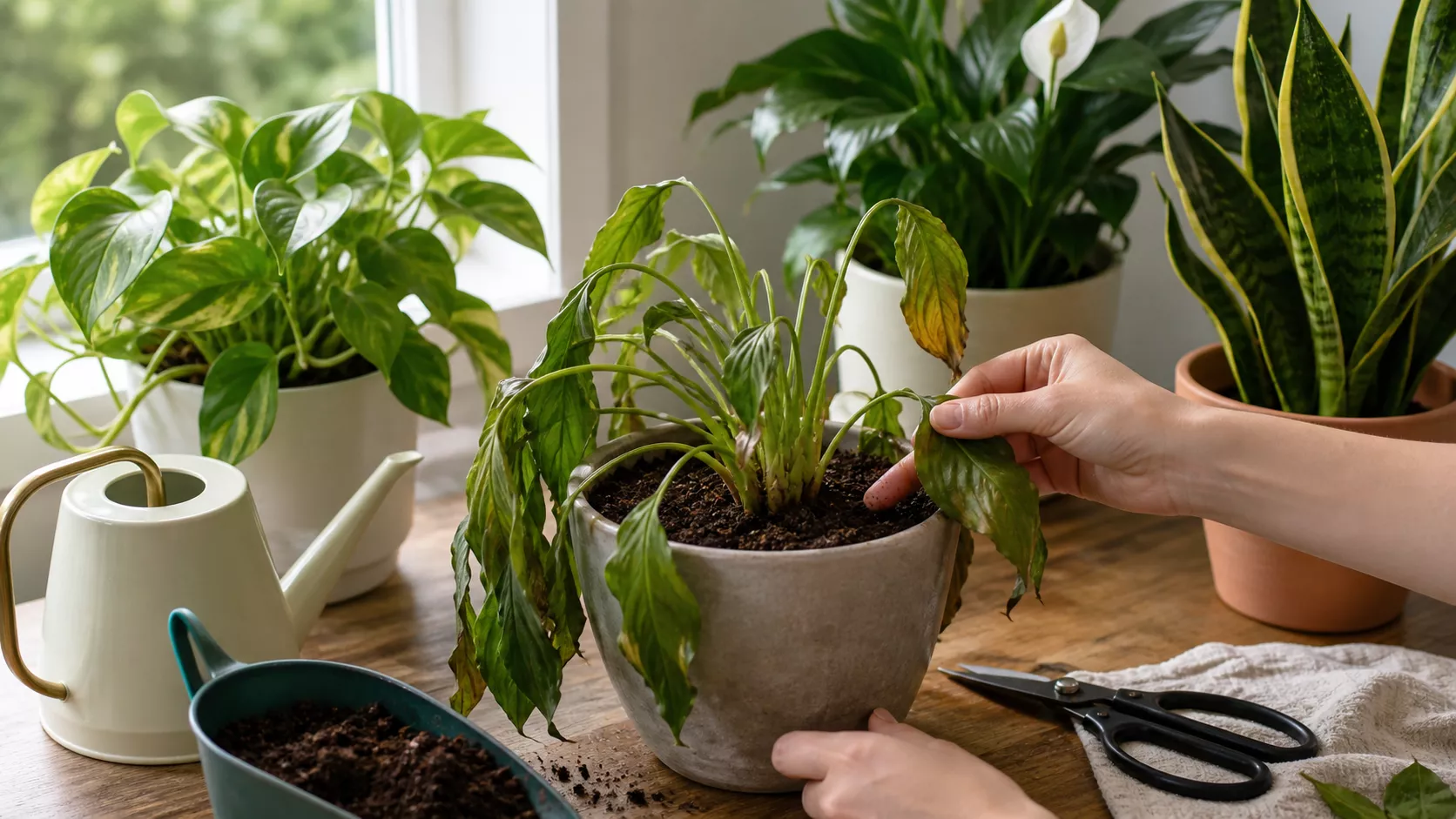
Although chives like moisture, overwatering can cause problems. Soggy soil can weaken roots and lead to yellow leaves or poor growth.
Signs of overwatering include yellowing leaves, soft growth, wet soil, unpleasant smell, fungus gnats, or wilting even when the soil is moist.
To prevent this, use a pot with drainage, choose well-draining soil, and avoid watering automatically. Let the soil condition guide your routine.
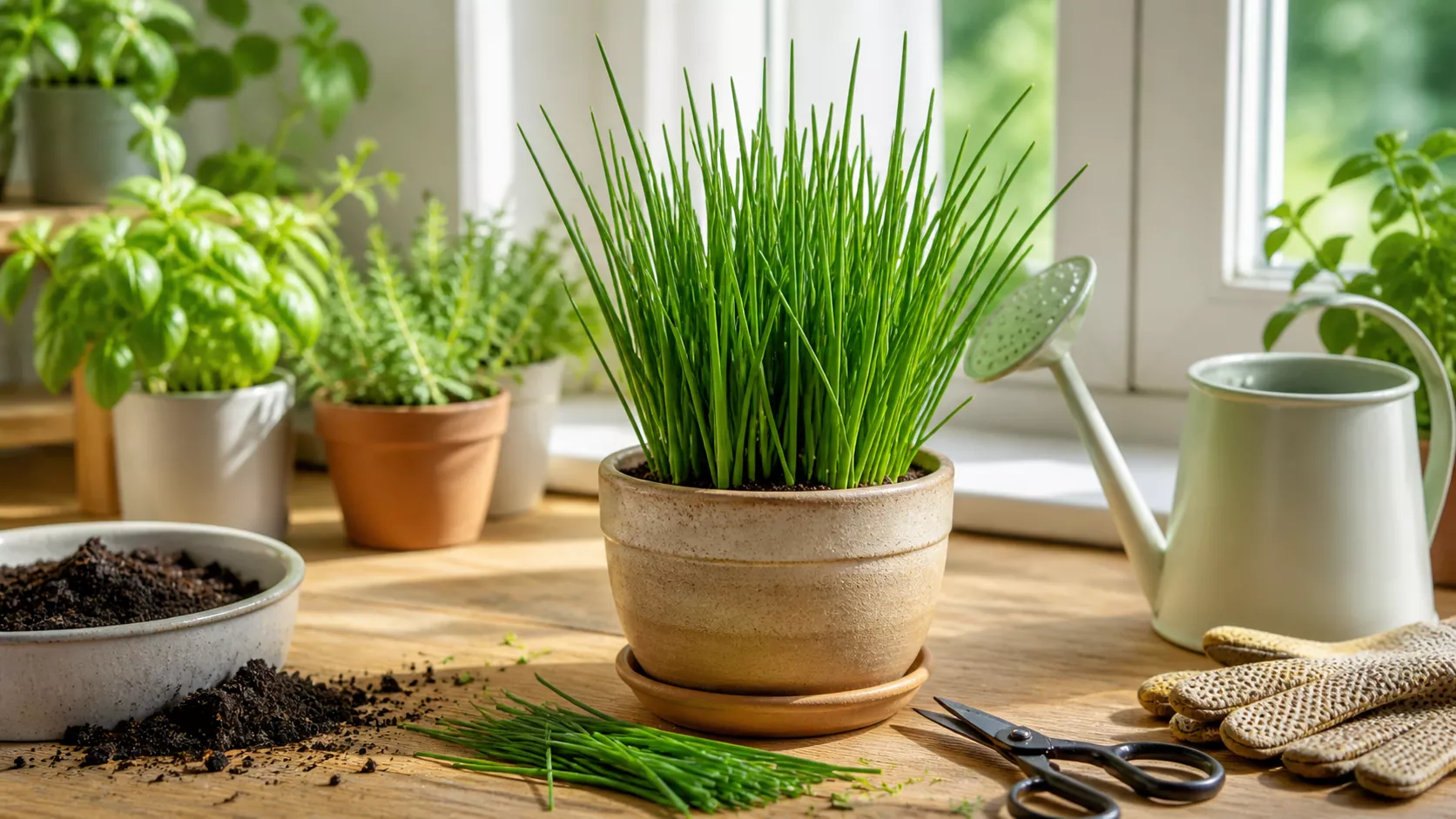
Harvesting correctly helps chives keep growing. Use clean scissors and cut leaves a few centimeters above the soil line.
Avoid pulling leaves by hand because this can damage the roots or loosen the plant from the soil. Cutting is cleaner and safer.
Also, harvest from the outer leaves first and leave some growth so the plant can continue producing energy. Regular light harvesting encourages new leaves.
Usually, avoid cutting the entire plant too often. If you remove all leaves repeatedly, the plant may become weak.
A good rule is to harvest small amounts as needed. Leave enough green growth so the plant can recover and continue photosynthesis.
If the plant is large and healthy, you can harvest more. If it is young or stressed, harvest lightly until it becomes stronger.
Chives grow back from the base when the root system is healthy. After cutting, new leaves emerge over time.
To support regrowth, provide enough light, consistent moisture, and gentle nutrients. Avoid cutting too low or too frequently.
Additionally, if chives stop regrowing well, check whether the plant is root-bound, lacking nutrients, or not receiving enough light.
Pruning chives is similar to harvesting. Remove yellow, dry, damaged, or weak leaves with clean scissors.
If the plant becomes messy, trim older leaves to improve appearance and airflow. Do not remove too much healthy growth at once.
Regular pruning keeps the plant neat and helps you monitor its health more easily.
Chives can produce small purple or pink flowers. These flowers are attractive and can also be edible when grown safely.
However, if your goal is leaf production, removing flower stems can help the plant focus more energy on growing leaves.
If you like the flowers, you can let some bloom. Just remember that flowering may slightly reduce leaf production for a period.
Chives can benefit from light fertilization, especially when grown in pots and harvested regularly. Since leaves are cut often, the plant uses nutrients to regrow.
Use a balanced fertilizer at a gentle strength or add small amounts of compost or worm castings. Avoid overfertilizing because it can cause weak growth.
Also, do not fertilize a stressed plant immediately. If chives are yellow from overwatering or poor light, fix the main issue first.
A balcony is a great place for chives if it receives enough sunlight. Outdoor light usually helps chives grow stronger and fuller.
However, balcony plants may dry faster because of wind and sun. Check soil moisture more often during hot days.
Also, protect chives from very strong wind if the leaves bend or dry quickly. A stable pot and a sheltered location can help.
Chives can grow in the kitchen if there is a bright window. This is convenient because you can harvest fresh leaves while cooking.
However, keep chives away from the stove, oven, and hot appliances. Heat and oil splashes can damage the leaves.
If the kitchen is not bright enough, chives may become weak and thin. Move them to a brighter spot or use a grow light.
Chives can grow with some herbs in larger containers, especially herbs that enjoy similar moisture and light conditions.
For example, chives can grow with parsley or basil in a container that receives enough light and consistent moisture. However, the pot must be large enough.
Avoid planting chives with herbs that prefer much drier conditions, such as rosemary or thyme, unless the container is carefully managed. Different watering needs can cause problems.
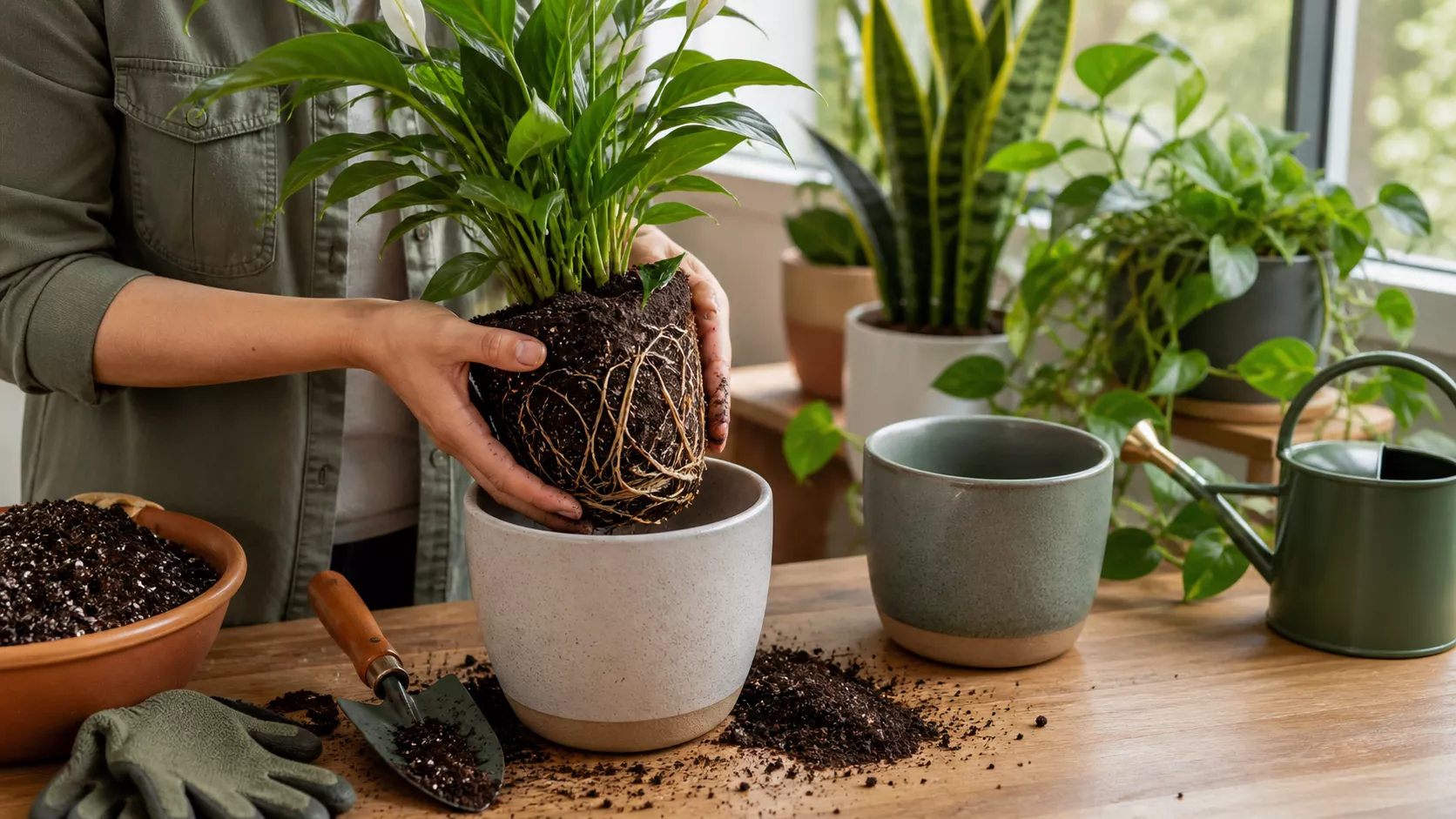
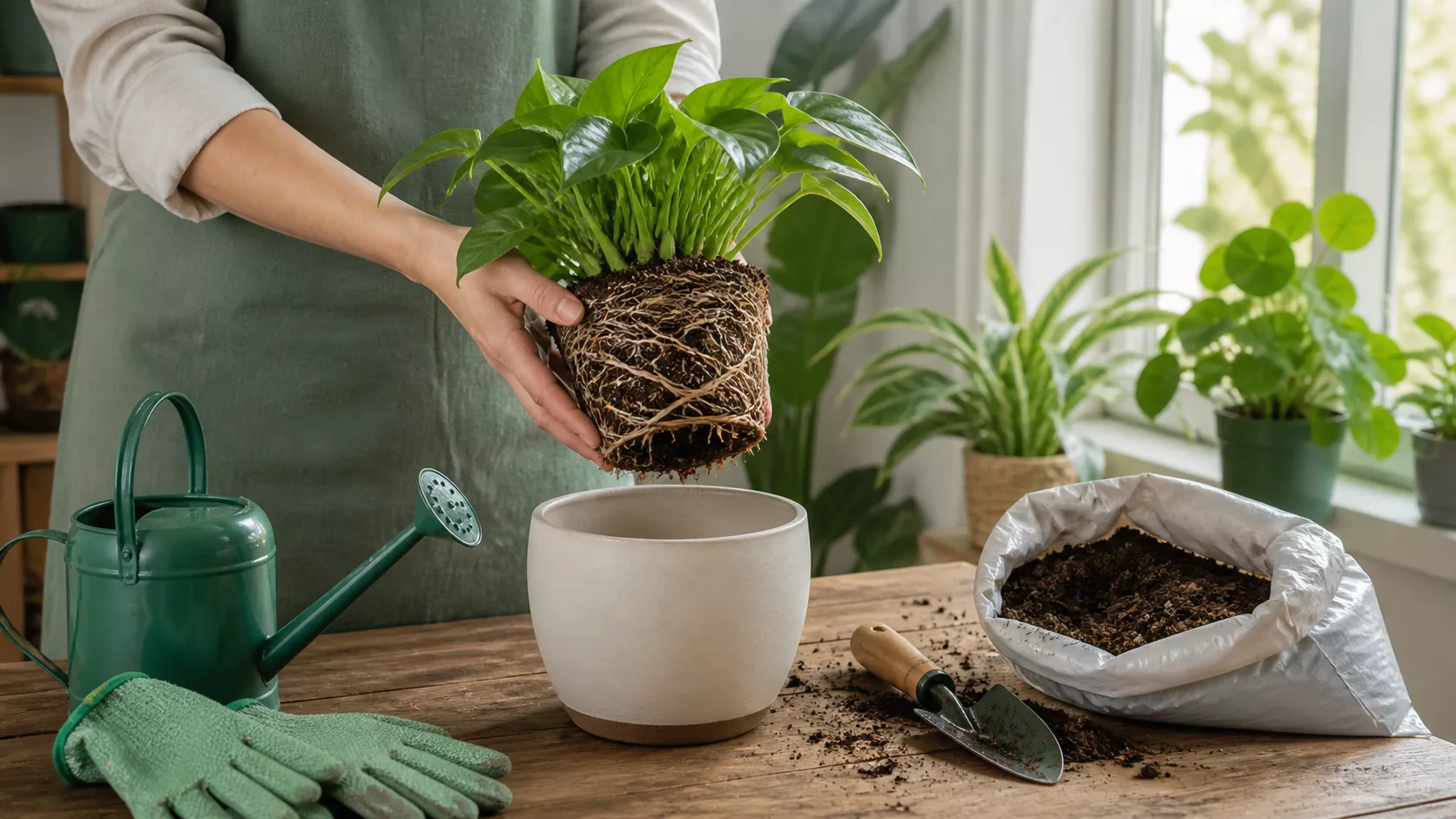
Over time, chives can form dense clumps and fill the pot. When this happens, growth may slow, and the plant may dry out quickly.
Signs that repotting may be needed include roots coming from drainage holes, crowded clumps, reduced growth, or soil drying too fast after watering.
When repotting, choose a slightly larger pot with fresh soil. You can also divide the clump and create more plants.
Dividing chives is a simple way to refresh the plant and multiply it. Remove the clump from the pot and gently separate it into smaller sections.
Each section should have roots and several healthy leaves. Plant each division in fresh soil and water gently.
After division, keep the plants in bright light and avoid heavy harvesting until they recover and produce new growth.
Although chives are easy to grow, they can still develop problems. Yellow leaves, weak growth, pests, dry tips, and poor regrowth are common concerns.
Most problems are connected to light, watering, nutrients, pot size, or overcrowding. Checking these basics usually helps identify the cause.
Because chives regrow from the base, they can often recover well when care conditions are corrected.
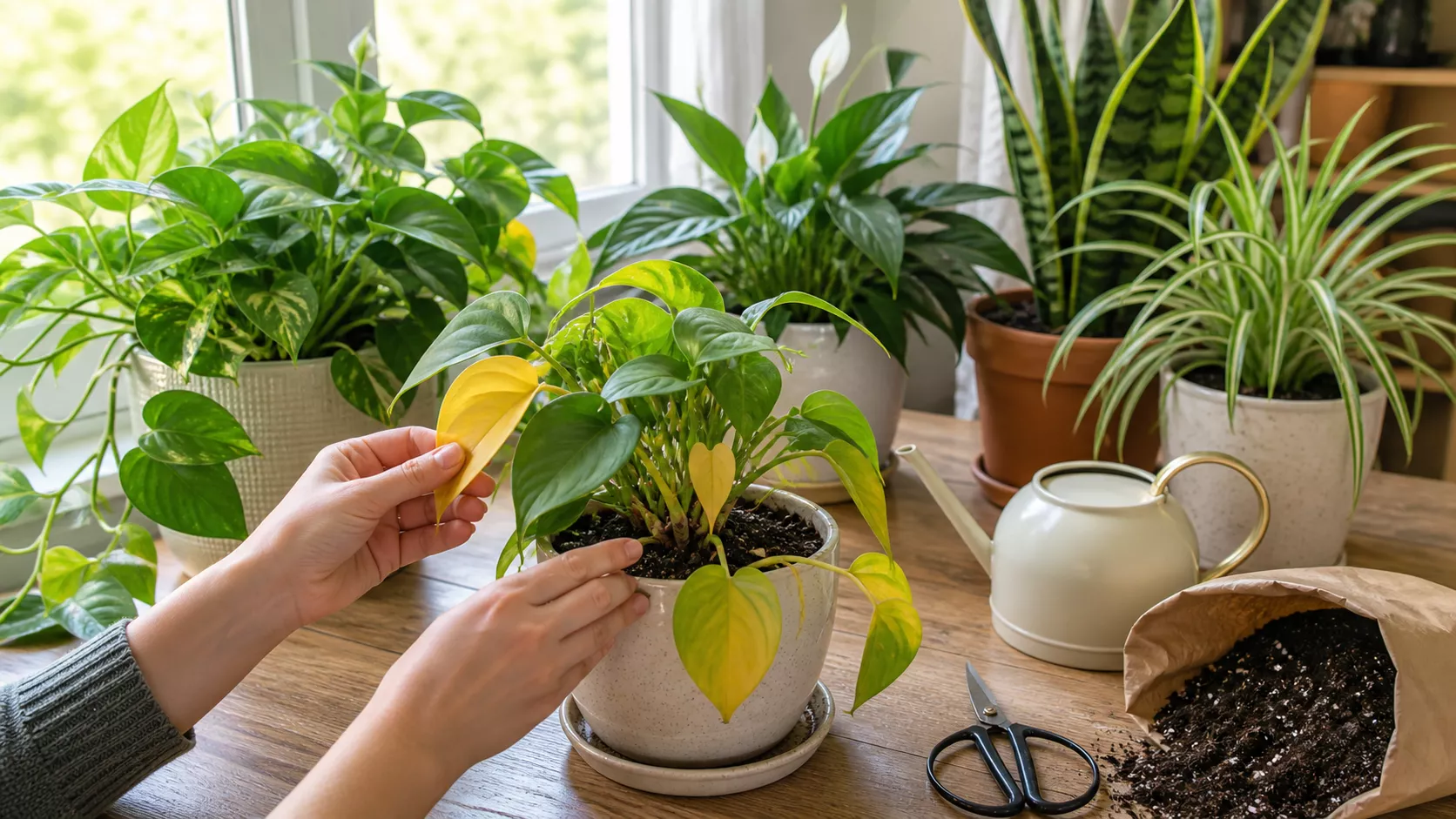
Yellow leaves can happen because of overwatering, poor drainage, lack of nutrients, low light, or natural aging.
If the soil is wet and the leaves are yellowing, reduce watering and check drainage. If growth is pale and weak, the plant may need more light or gentle feeding.
Remove yellow leaves with scissors and observe new growth. Healthy new leaves show that the plant is improving.
Dry tips may happen because of underwatering, heat, strong wind, low humidity, or inconsistent care.
To reduce dry tips, water consistently, protect balcony plants from harsh wind, and avoid letting the soil dry severely.
However, do not overcorrect with too much water. Check soil moisture before watering.
Weak chives often indicate lack of light. If leaves are pale, thin, and leaning, move the plant to a brighter location.
Also, overcrowding can make chives weak. If the clump is too dense, divide it or repot it into a larger container.
Additionally, regular harvesting should be balanced. Cutting too much from a weak plant can slow recovery.
Chives can attract pests such as aphids, thrips, onion flies, and fungus gnats. Pests may appear on leaves, near the base, or in the soil.
Inspect the plant regularly, especially if it grows outdoors or near other herbs. Look for small insects, sticky residue, distorted growth, or yellowing.
If pests appear, use safe methods suitable for edible herbs. Avoid harsh products on leaves you plan to eat.
Fresh chives are best used soon after cutting. For short-term storage, wrap them in a slightly damp paper towel and place them in a container in the refrigerator.
Alternatively, you can place cut stems in a small glass with a little water for brief storage.
For longer storage, chives can be chopped and frozen. Frozen chives work well in cooked dishes, soups, and sauces.
Chives are versatile and easy to use. They add mild onion flavor without being too strong.
You can use fresh chives in eggs, salads, soups, baked potatoes, cream cheese, sauces, rice, vegetables, and homemade breads.
For best flavor, add chives near the end of cooking or use them fresh as a garnish. Heat can reduce their delicate flavor.
One common mistake is growing chives in low light. Without enough brightness, the leaves become weak and thin.
Another mistake is cutting the plant too aggressively. Chives need enough leaves left to regrow properly.
Also, avoid soggy soil. Chives like moisture, but their roots still need oxygen and drainage.
To care for chives successfully, place the pot in bright light and water when the top layer of soil begins to dry.
Then, harvest with scissors, remove yellow leaves, and avoid cutting the entire plant too often.
Finally, fertilize lightly during active growth, repot or divide when crowded, and inspect regularly for pests. This simple routine keeps chives healthy and productive.
In conclusion, learning how to grow chives at home is simple and practical. Chives are compact, useful, beginner-friendly, and perfect for pots, balconies, kitchen windows, and small herb gardens.
Above all, provide bright light, consistent moisture, good drainage, and careful harvesting. These are the main habits that keep chives growing well.
Ultimately, chives are one of the best herbs to grow at home because they regrow after cutting and can be used in many everyday recipes. With simple care, you can enjoy fresh chives whenever you need them.