How to Care for Plants in Hot Weather

First, learning how to care for plants at home can seem difficult for beginners, but the process becomes much easier when you understand the basic needs of each plant. Plants are living organisms that respond to light, water, temperature, soil, and attention. When these elements are balanced, your plants can grow stronger, greener, and healthier.
Additionally, having plants at home brings beauty, freshness, and a more relaxing atmosphere to any space. Whether you live in a house, apartment, or small studio, there are many indoor plants that adapt well to different environments. The key is choosing the right species and creating a simple care routine.
Therefore, this complete guide will help you understand the most important steps for plant care for beginners. You will learn how to water correctly, choose the best location, identify common problems, use the right soil, fertilize safely, and avoid mistakes that often harm plants.
First, every plant needs light, water, air, nutrients, and space to grow. Although different species have different preferences, these basic needs are present in almost all plants. Understanding this helps you avoid random care and create a more effective routine.
For example, some plants need several hours of direct sunlight each day, while others grow better in bright indirect light. Some plants like moist soil, while others prefer the soil to dry between watering. Because of this, knowing the type of plant you have is one of the most important steps in home plant care.
Also, beginners should avoid treating all plants the same way. A cactus does not need the same watering routine as a fern, and a peace lily does not need the same amount of sunlight as a succulent. Each plant has its own rhythm, and observing these differences makes care much easier.
Before anything else, choosing easy plants is the best way to start. Beginner-friendly plants are usually more resistant and can tolerate small mistakes. This is especially useful while you are still learning how to create a proper care routine.
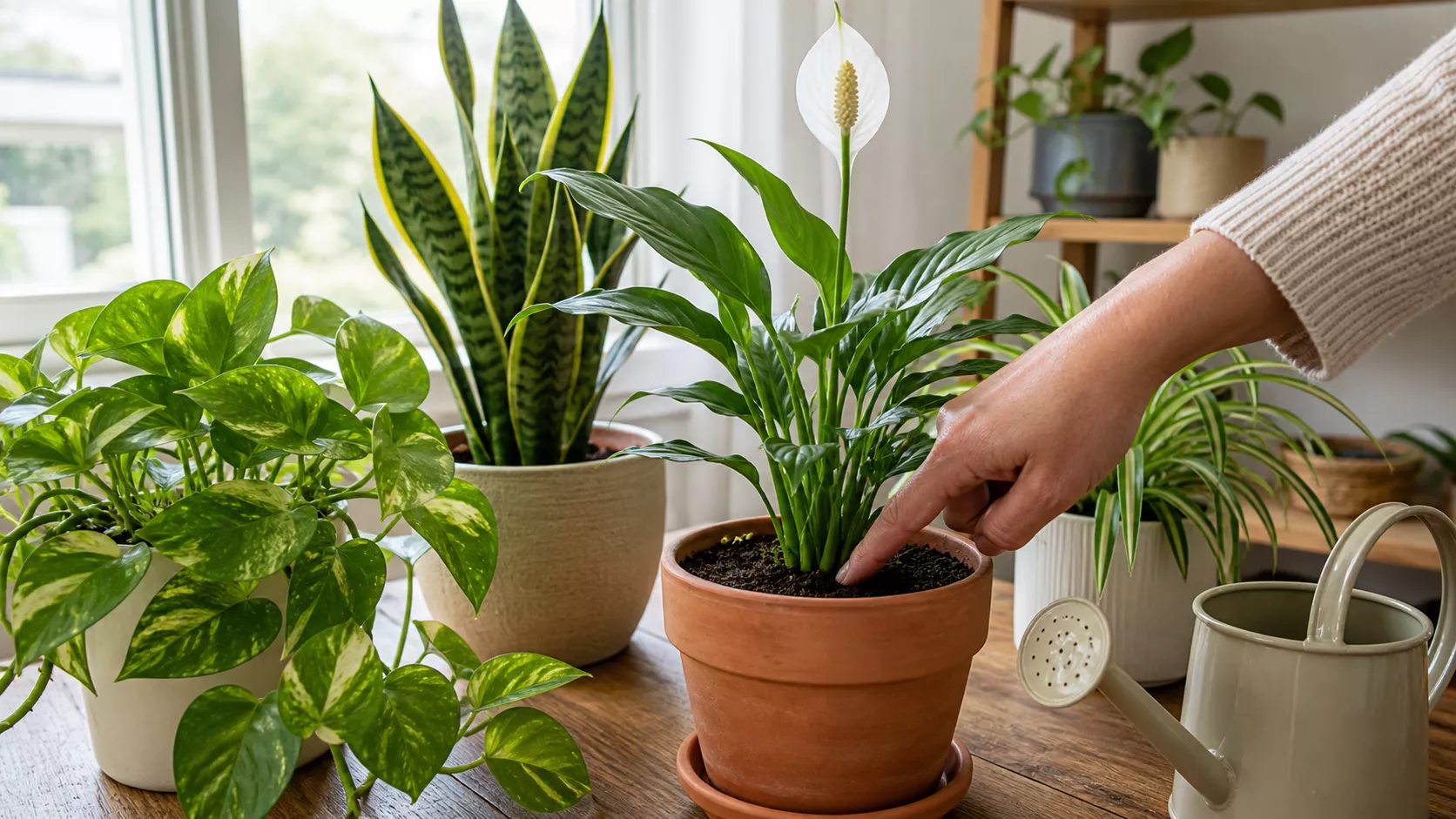
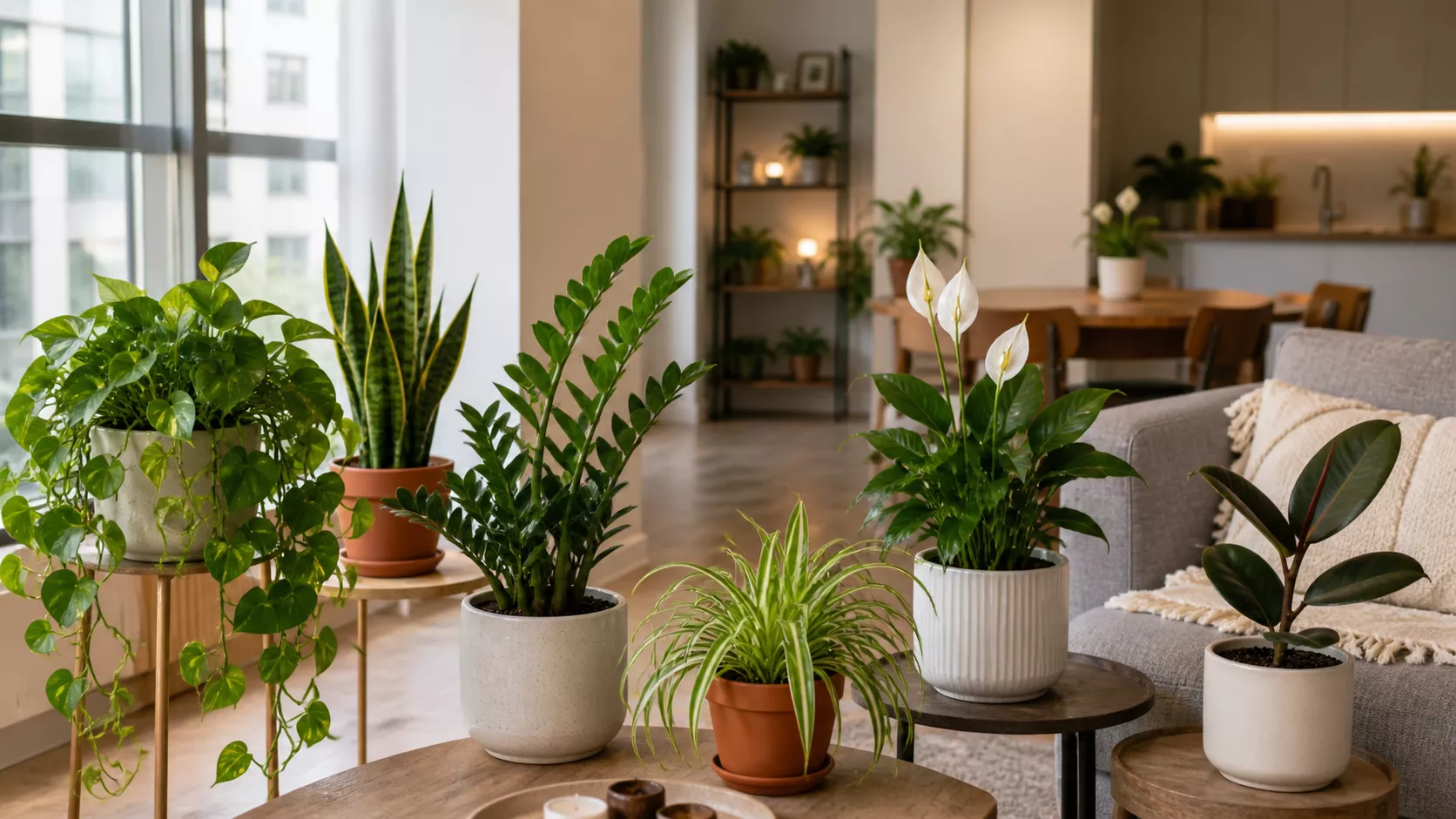
For instance, some of the best plants for beginners include snake plant, pothos, ZZ plant, peace lily, spider plant, succulents, and cacti. These plants are popular because they adapt well to indoor spaces and usually do not require complicated maintenance.
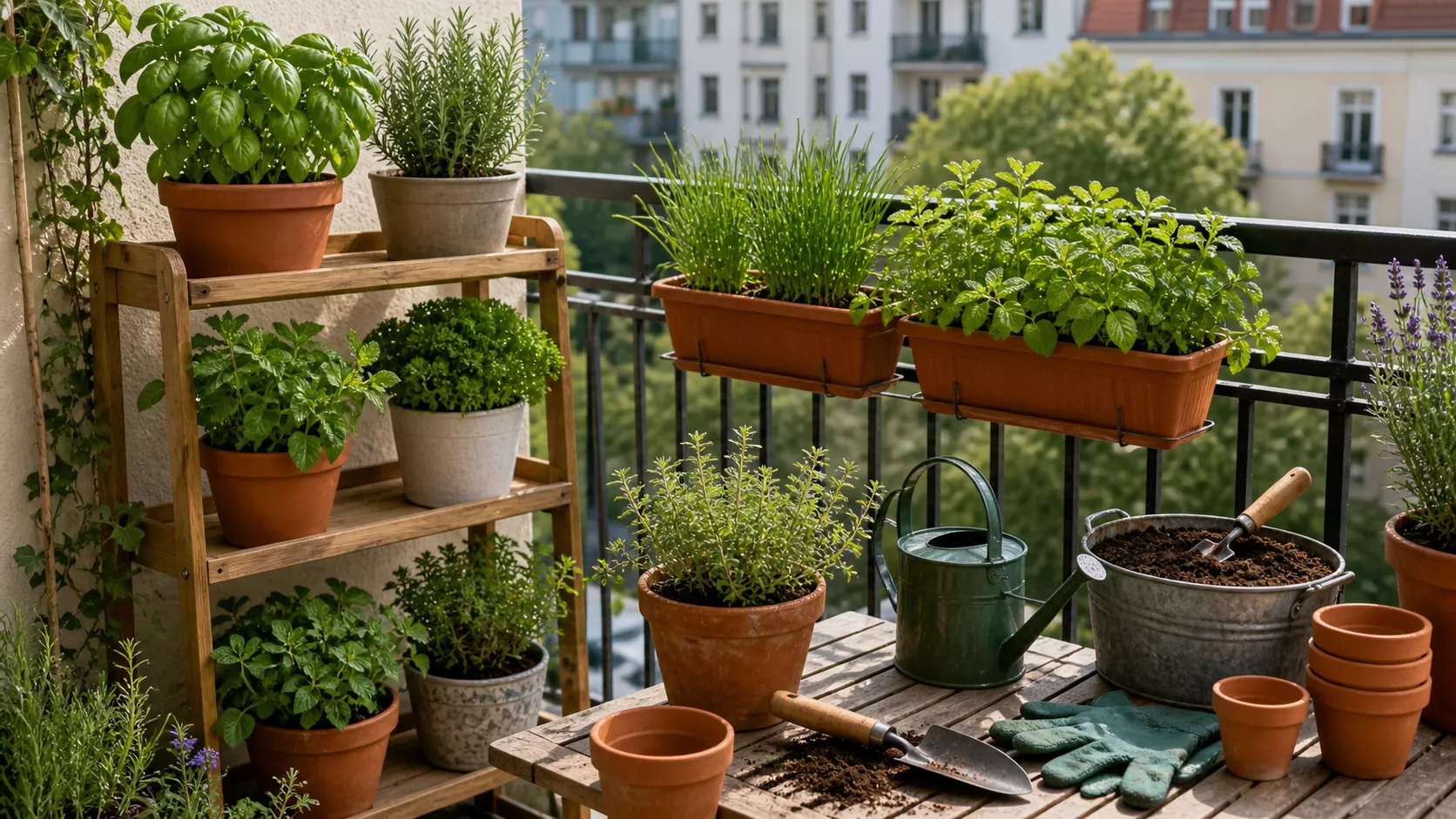
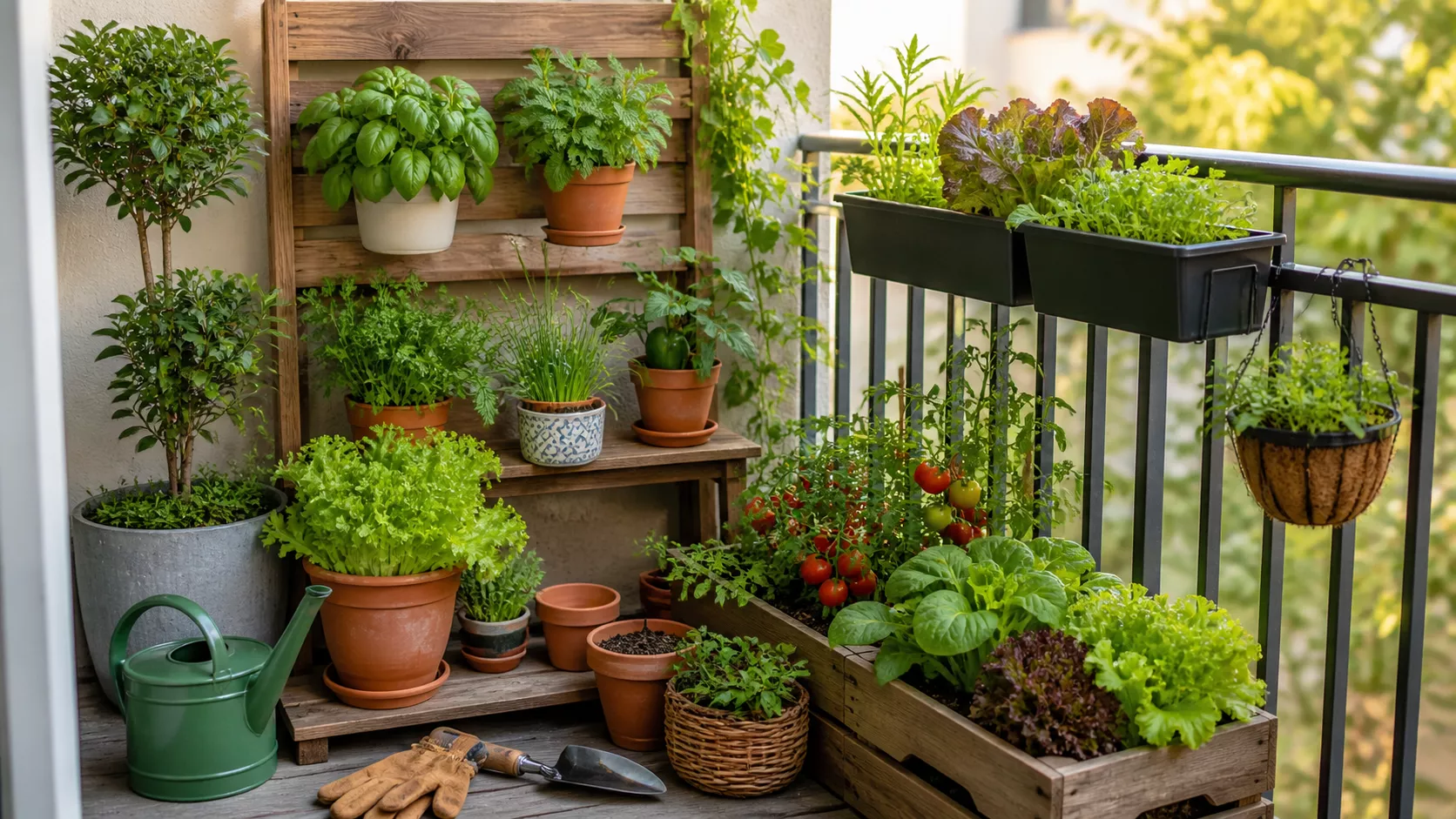
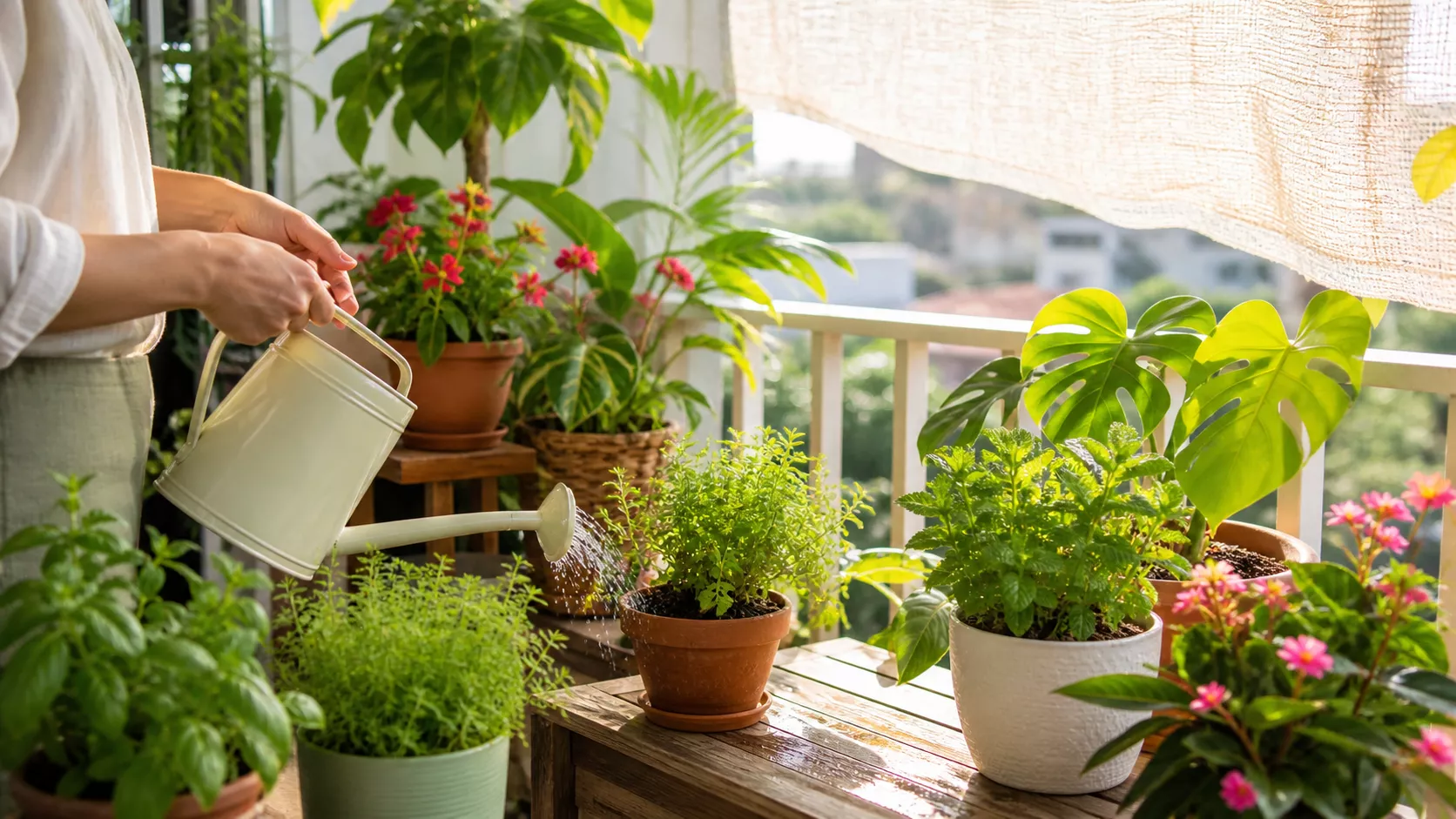
However, it is important to consider your home environment before choosing a plant. If your room has low light, choose plants that tolerate shade. If your balcony receives strong sun, choose sun-loving plants. Matching the plant to the environment reduces stress and improves growth.
Next, watering is one of the most important parts of plant care, but it is also one of the most common mistakes among beginners. Many people believe that watering every day is good, but too much water can damage roots and cause the plant to decline.
Instead, check the soil before watering. A simple method is to place your finger about two centimeters into the soil. If it feels dry, the plant may need water. If it still feels moist, wait a little longer. This habit helps prevent overwatering.
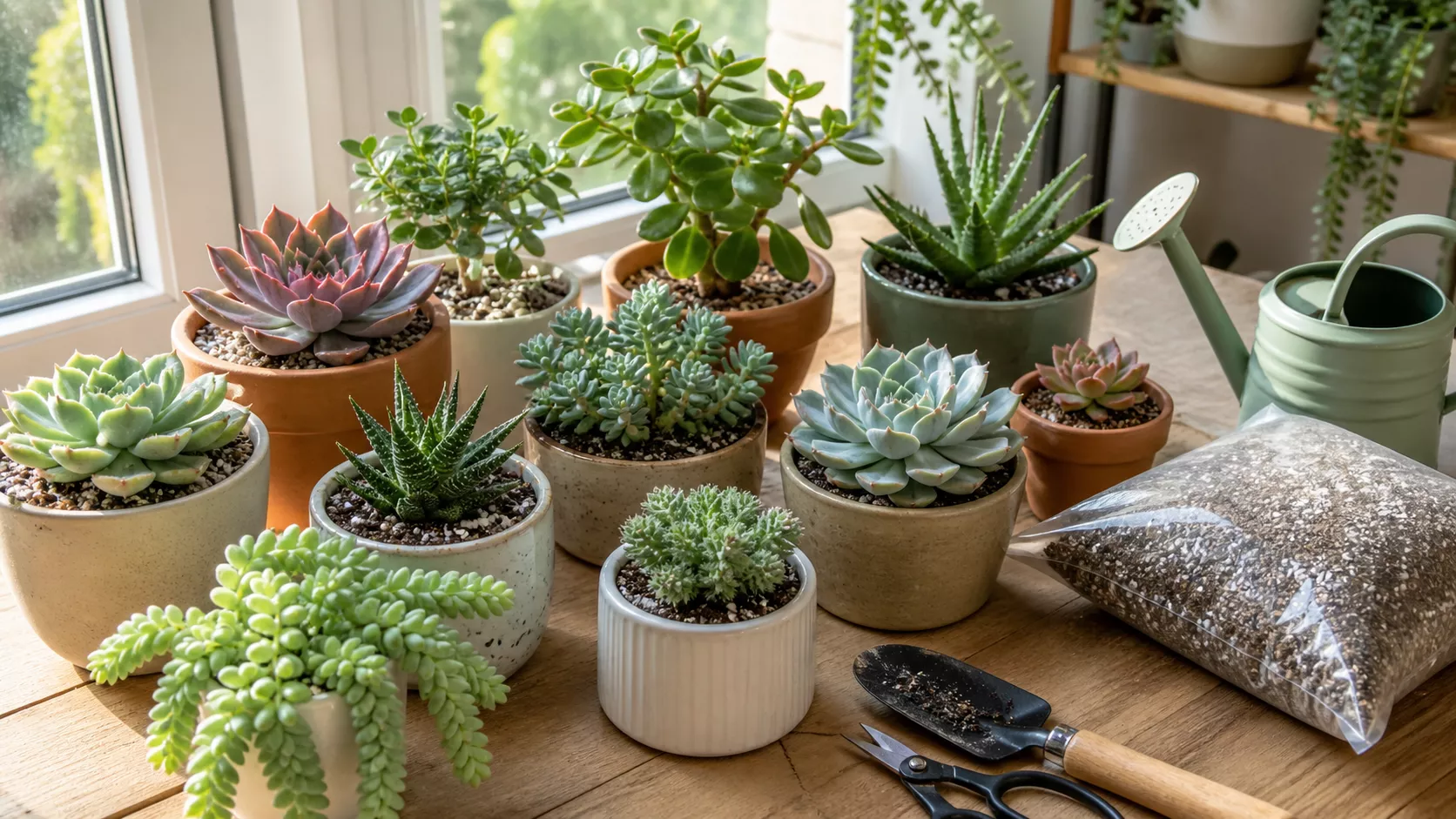
Moreover, different plants need different amounts of water. Succulents and cacti usually need less water because they store moisture in their leaves or stems. Ferns and peace lilies, on the other hand, often prefer more humidity. Learning these differences is essential for healthy indoor plant care.
Unfortunately, overwatering is one of the main reasons plants die indoors. When the soil stays wet for too long, the roots may not receive enough oxygen. This can lead to weak growth, yellow leaves, unpleasant smell in the soil, and root problems.
Therefore, always use pots with drainage holes. Drainage allows excess water to leave the pot, preventing the soil from becoming too soaked. A beautiful decorative pot is useful, but it should not trap water around the roots.
Also, avoid following a fixed watering schedule without checking the soil. Temperature, season, humidity, pot size, and plant type all affect how fast the soil dries. Observing the plant and the soil is better than watering automatically.
Another important point is light. Plants use light to produce energy, so poor lighting can make them weak, stretched, pale, or slow-growing. However, too much direct sunlight can burn leaves in some species.
Generally, many indoor plants prefer bright indirect light. This means the plant receives plenty of brightness without being exposed to harsh direct sun for many hours. A place near a window with filtered light is often a good option.
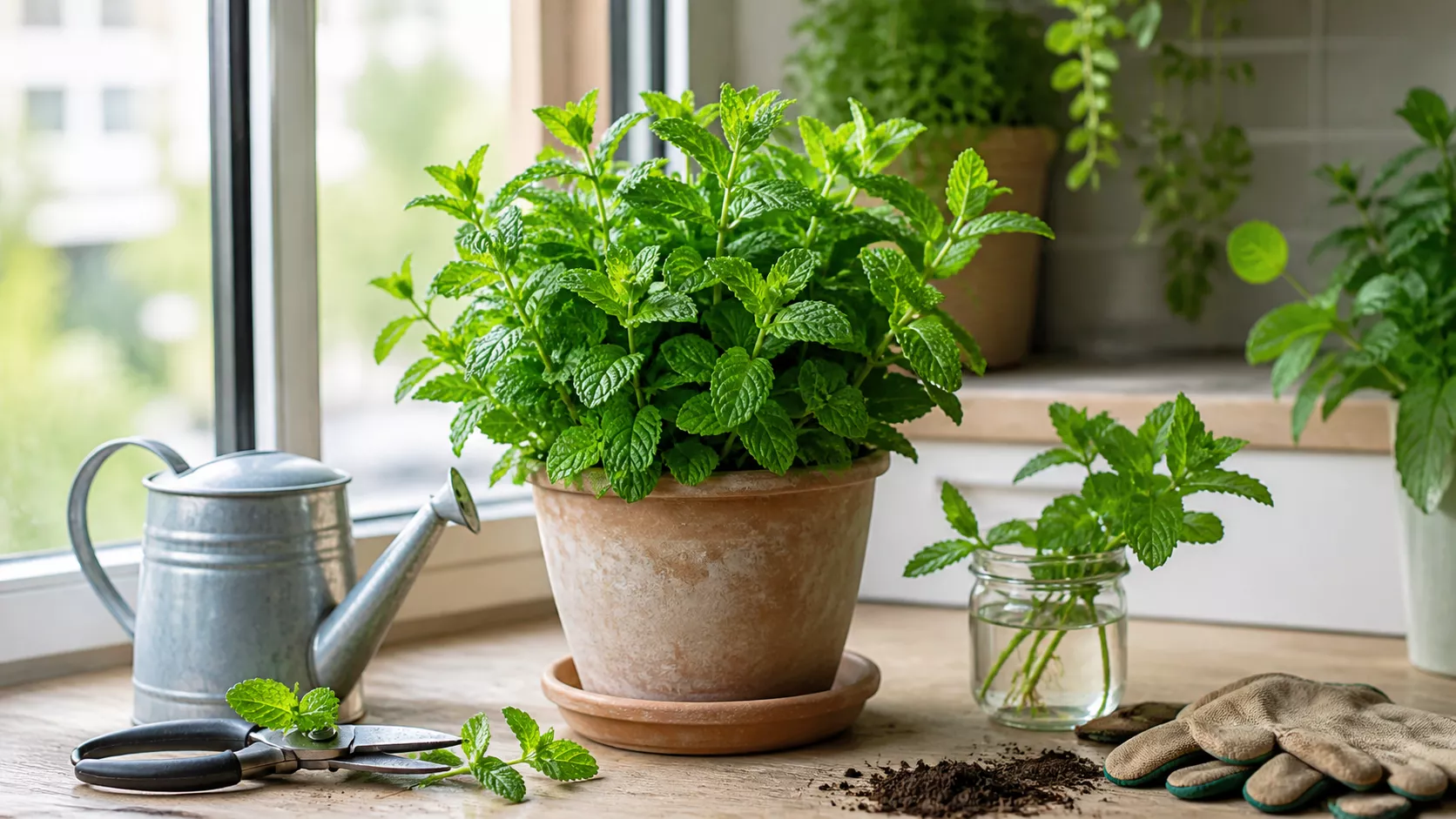
On the other hand, plants such as cacti, succulents, and some herbs usually need more direct sunlight. If you want to grow these plants indoors, place them near a sunny window or balcony. Understanding plant lighting needs helps you choose the best location.
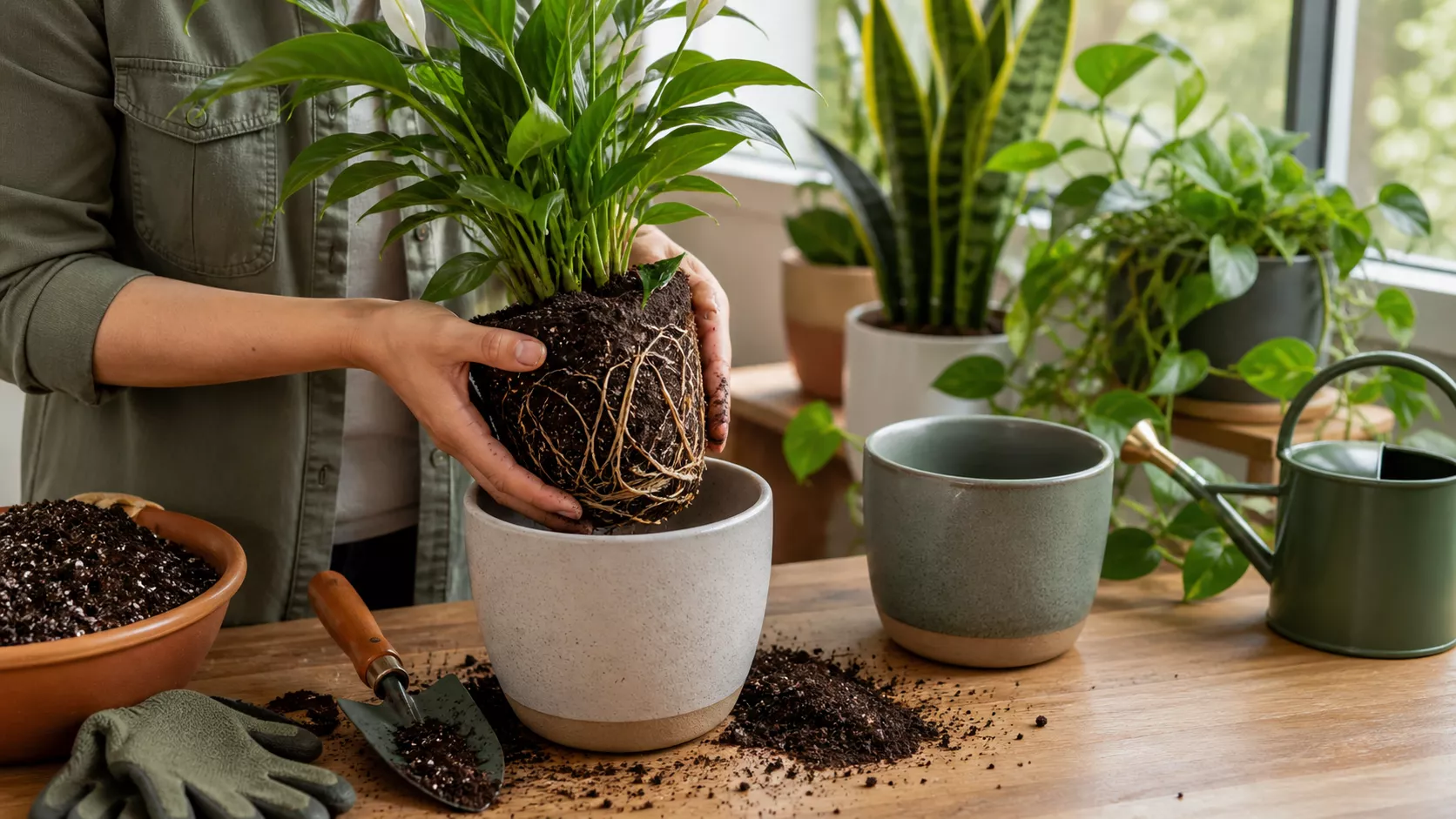
Besides light and water, the pot also plays an important role in plant health. A pot that is too small can limit root growth, while a pot that is too large may hold too much moisture and increase the risk of overwatering.
Ideally, choose a pot that gives the roots enough space without being excessive. When repotting, select a pot slightly larger than the current one. This gives the plant room to grow while keeping moisture easier to control.
Most importantly, make sure the pot has drainage holes. Without drainage, water can accumulate at the bottom and harm the roots. Good drainage is one of the simplest and most effective ways to keep plants healthy.
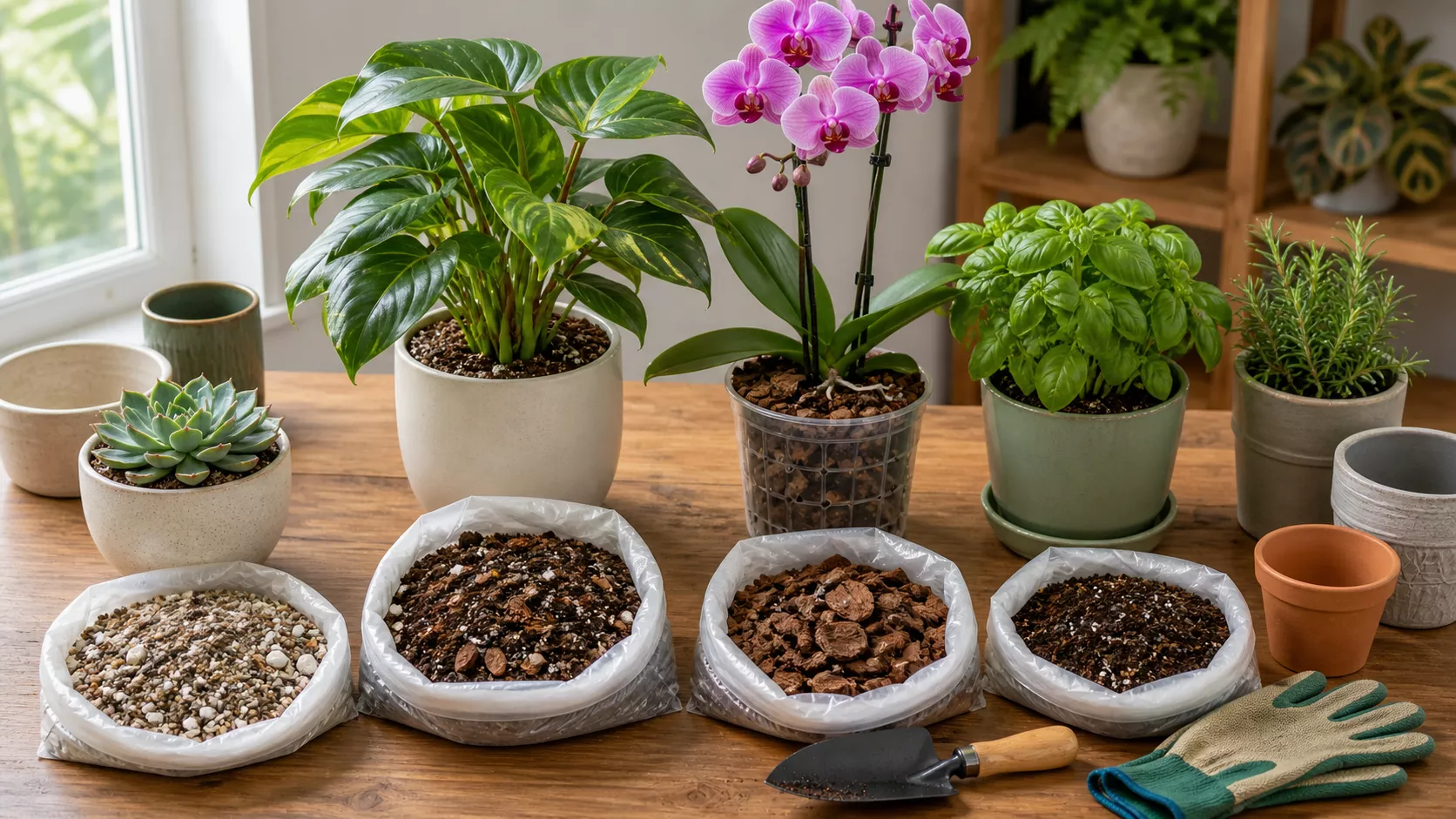
Furthermore, soil is not just something that holds the plant in place. It provides support, stores moisture, allows airflow, and helps deliver nutrients to the roots. Using poor soil can make plant care much harder.
For beginners, a good quality potting mix is usually enough for many indoor plants. However, some plants need special soil. Succulents and cacti need a fast-draining mix, while tropical plants often enjoy soil that holds some moisture but still drains well.
In addition, compacted soil can prevent roots from breathing properly. If the soil becomes hard, heavy, or water stays on the surface for too long, it may be time to improve the mix or repot the plant.
After some time, plants may need extra nutrients to continue growing well. Fertilizer can help, but beginners should use it carefully. Too much fertilizer can damage the roots and leaves.
Usually, plants benefit from fertilizing during their active growing season, often in warmer months. During colder months, many plants grow more slowly and may not need as much fertilizer. Always follow the product instructions and avoid using more than recommended.
Additionally, organic options such as compost can improve the soil gradually. However, even natural fertilizers should be used with balance. The goal is to support healthy growth, not force the plant to grow too quickly.
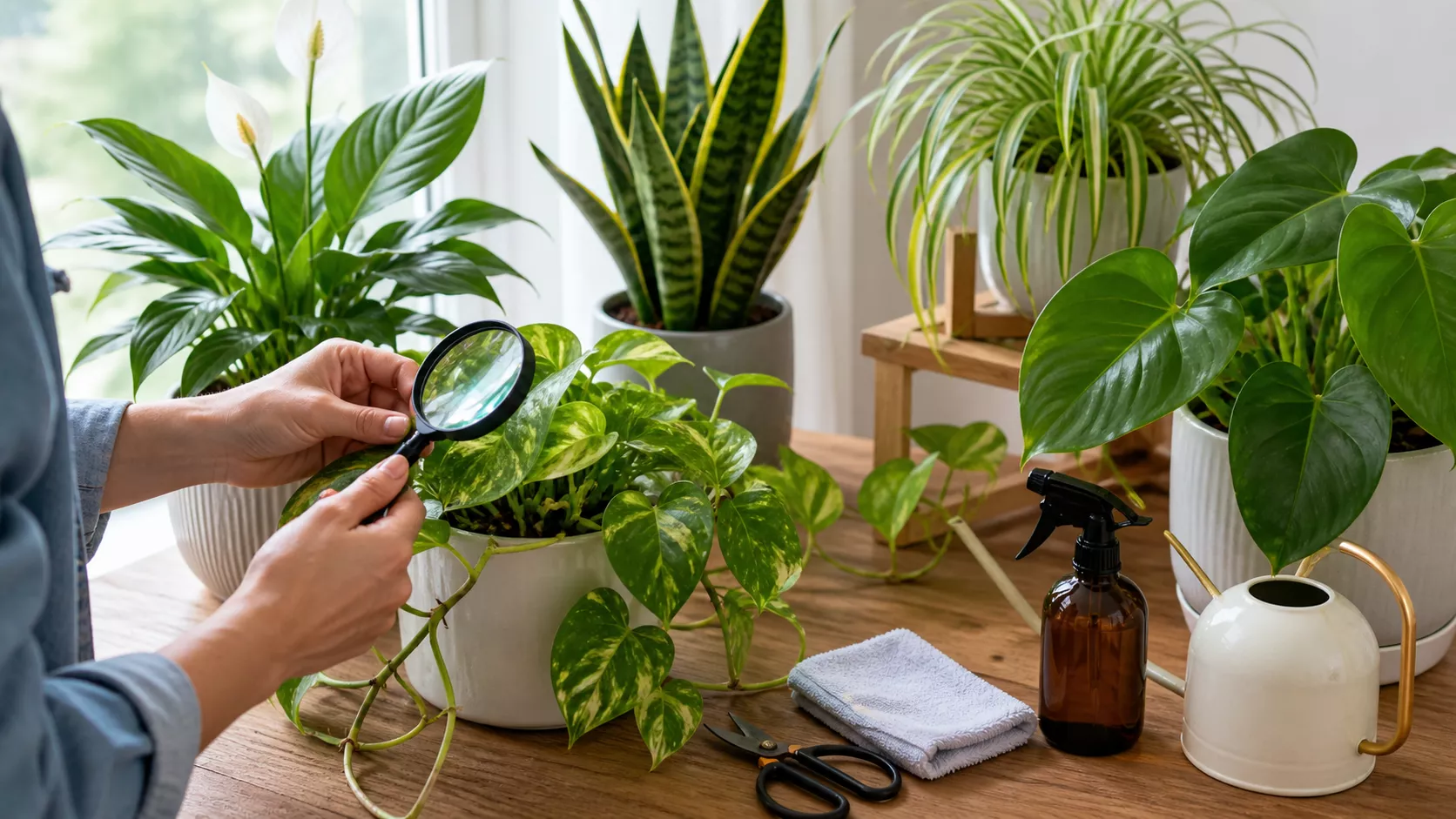
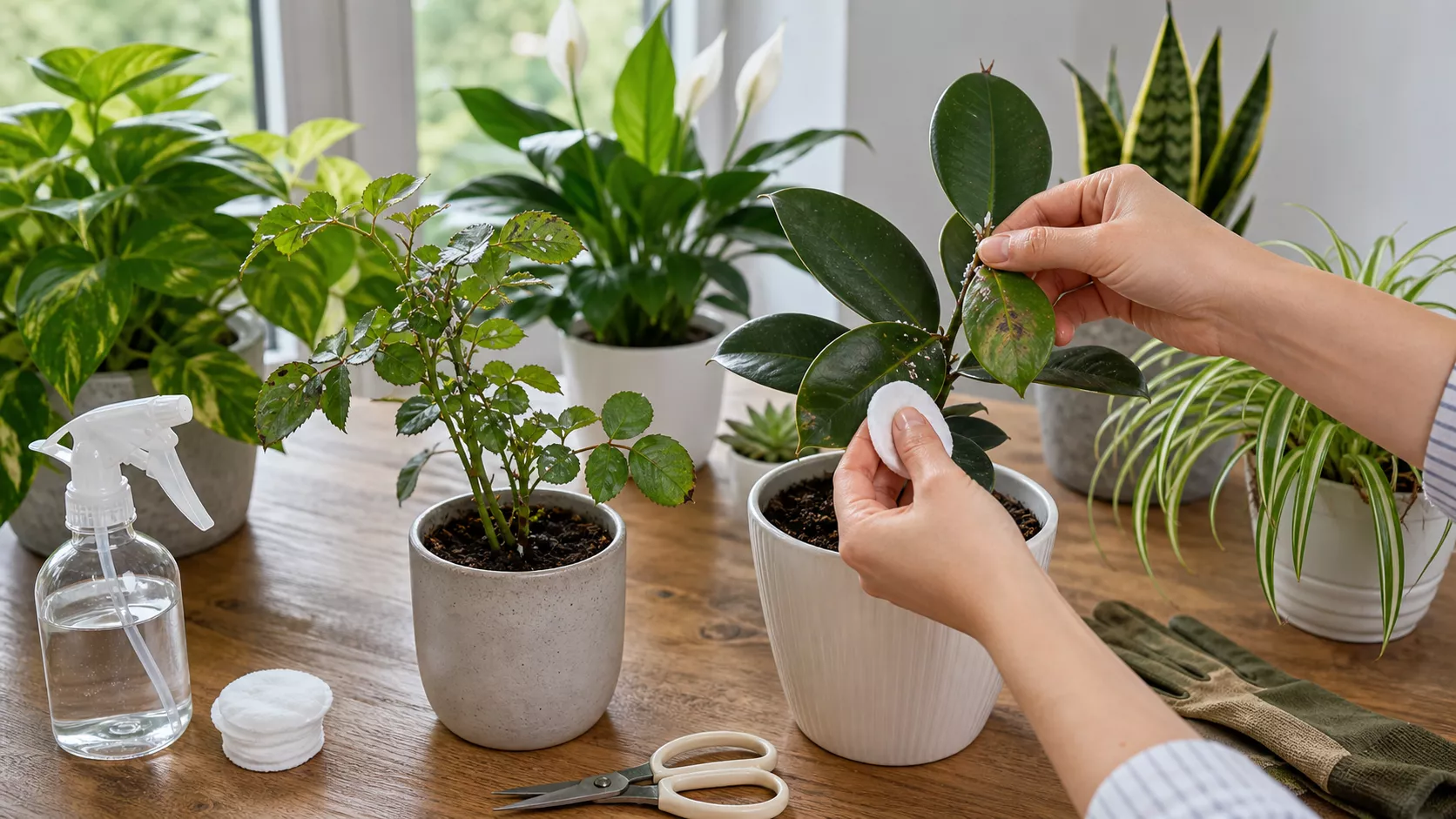
Also, cleaning plant leaves is a simple habit that many beginners forget. Dust can block light and reduce the plant’s ability to absorb energy. Clean leaves also make the plant look more beautiful and vibrant.
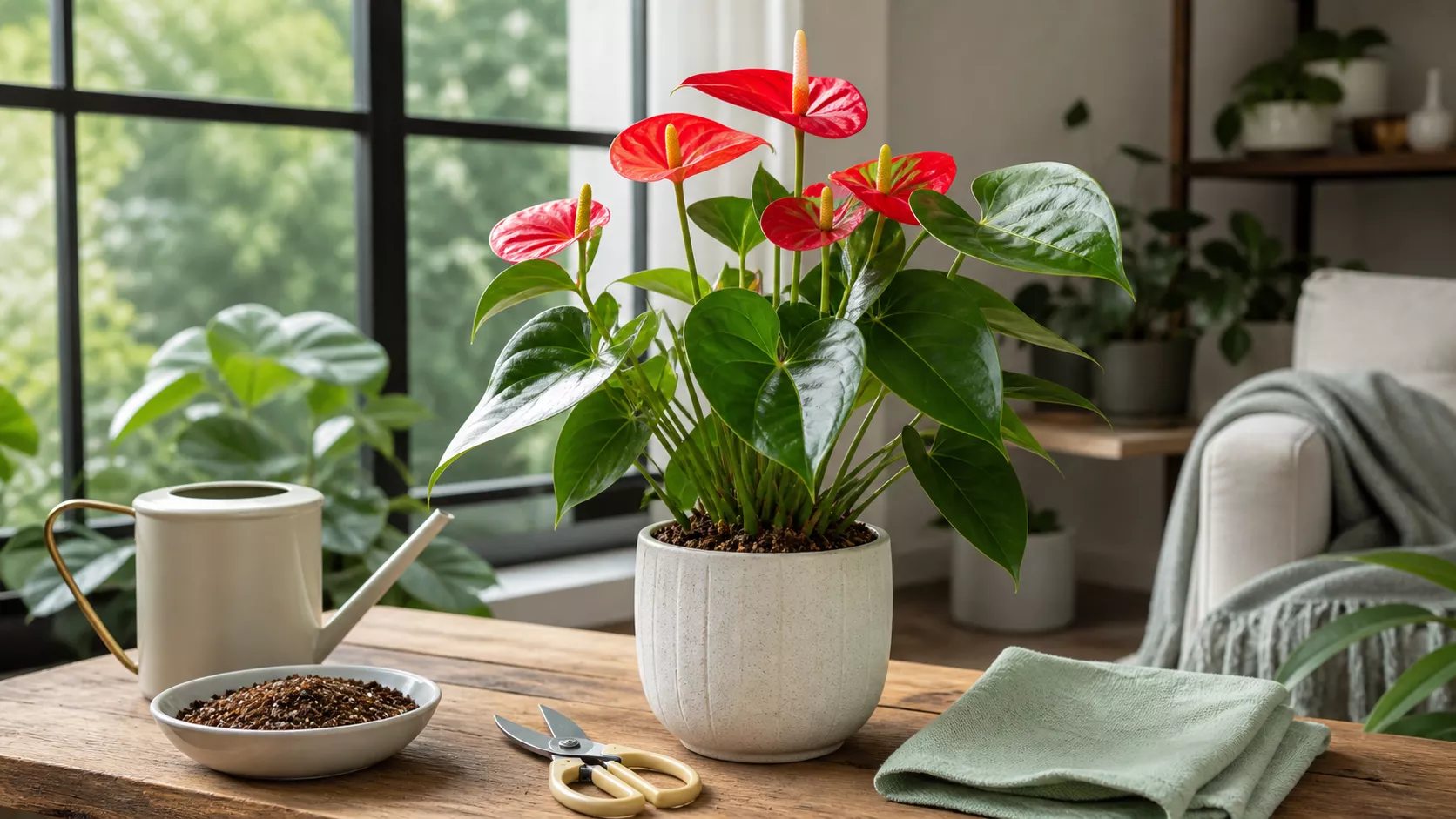
To do this, use a soft damp cloth to gently wipe the leaves. For delicate plants, be careful not to damage the surface. Avoid using strong chemicals or homemade mixtures without understanding how the plant may react.
Besides that, cleaning the leaves gives you a chance to inspect the plant. You may notice pests, yellowing, spots, dry edges, or other signs that something needs attention.
Over time, every plant owner may face problems such as yellow leaves, brown tips, pests, drooping stems, or slow growth. These signs do not always mean the plant is dying, but they show that something in the care routine may need adjustment.
For example, yellow leaves can be caused by overwatering, lack of nutrients, low light, or natural aging. Brown tips may be related to low humidity, irregular watering, or too much fertilizer. Drooping leaves can mean the plant needs water, but sometimes it can also mean too much water.
Because of this, observation is essential. Instead of guessing, look at the soil, light, pot, and recent changes in the environment. Most plant problems can be corrected when identified early.
Sometimes, indoor plants can attract pests such as aphids, mealybugs, spider mites, or fungus gnats. These pests can weaken the plant if they are not controlled. The good news is that early detection makes treatment much easier.
First, inspect the leaves, stems, and soil regularly. Look for small insects, sticky residue, white cotton-like spots, fine webbing, or unusual marks. Isolating an affected plant can help prevent the problem from spreading.
Then, clean the affected areas carefully and use safe plant care methods suitable for the pest. Keeping the plant healthy, avoiding excess water, and improving air circulation can also reduce pest problems.
Finally, a routine makes caring for plants at home much easier. You do not need to spend hours every day. A few minutes of observation can help you understand what your plants need.
For example, you can check soil moisture twice a week, clean leaves once or twice a month, rotate pots occasionally for balanced growth, and inspect for pests regularly. This simple routine helps prevent many problems.
Additionally, keeping notes can help beginners. Write down when you watered, fertilized, repotted, or noticed changes. Over time, you will understand each plant’s rhythm and feel more confident.
One common mistake is placing plants in dark corners just because they look good there. Decoration matters, but the plant still needs enough light to survive. Always balance beauty with the plant’s needs.
Another mistake is watering too often. Many beginners water because they are afraid the plant will dry out, but too much water can be more harmful than too little for many species. Checking the soil first is always better.
Finally, avoid moving plants constantly. Plants need time to adapt to a location. If you move them too often, they may become stressed. Choose a suitable place and observe how the plant reacts before making changes.
In conclusion, learning how to care for plants at home is a simple and rewarding process when you understand the basics. Water, light, soil, pots, nutrients, and observation are the foundation of healthy plant care.
Above all, beginners should start with easy plants, avoid overwatering, provide proper light, and create a simple routine. With patience and attention, your plants can become healthier and your home can feel more natural, beautiful, and welcoming.
Ultimately, plant care is a learning journey. Every plant teaches you something new, and every small improvement makes you more confident. By following these beginner-friendly tips, you can enjoy the benefits of growing plants at home and build a beautiful green space step by step.