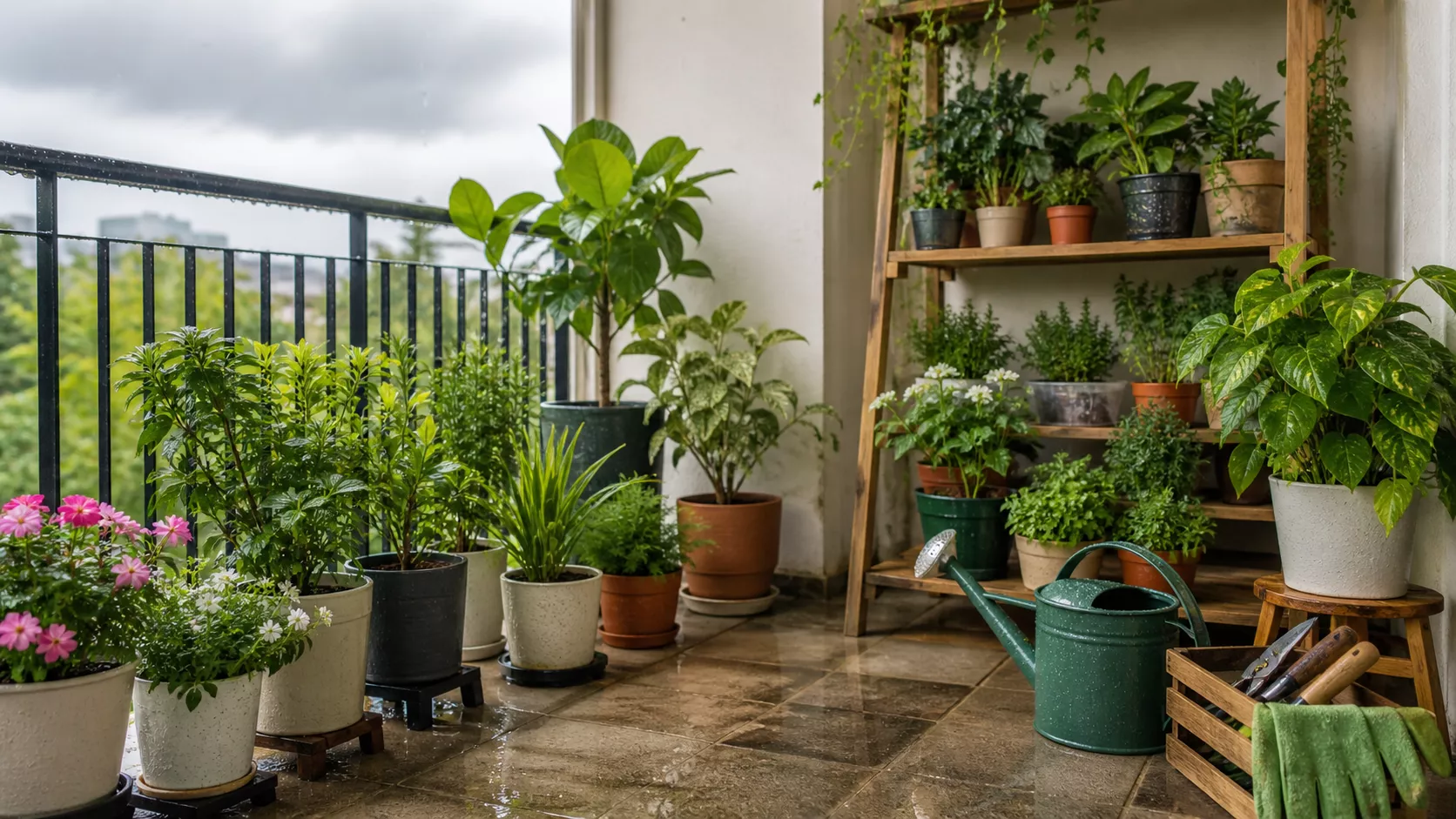
How to Care for Plants During the Rainy Season

First, learning how to make homemade fertilizer for plants is a practical way to support healthy growth using simple materials that may already be available at home. Many plants need nutrients to produce strong roots, green leaves, new stems, flowers, and overall balanced development.
Additionally, homemade fertilizers can be useful for gardeners who want a more natural and affordable plant care routine. Instead of relying only on commercial products, you can use organic materials to enrich the soil gradually and improve its structure.
However, homemade fertilizer must be used carefully. Natural does not always mean risk-free. Too much fertilizer, even organic fertilizer, can harm roots, attract pests, create bad smells, or make the soil unbalanced. Therefore, this guide will explain safe and simple ways to use homemade plant fertilizer correctly.
First, plants need nutrients to grow. While water, light, and air are essential, nutrients help plants build strong leaves, roots, stems, flowers, and fruits. Over time, potted plants can use up many of the nutrients available in their soil.
Because of this, fertilizer helps replace nutrients that become limited. This is especially important for plants growing in containers, since their roots cannot spread into the ground to search for more minerals.
Also, fertilizer does not replace good light, proper watering, or healthy soil. It works best when the plant already has the right basic conditions. A weak plant in poor light or soggy soil will not become healthy just because it receives fertilizer.
Before making homemade fertilizer, it helps to understand the basic nutrients plants use. The three main nutrients are nitrogen, phosphorus, and potassium. They are often called NPK.
Generally, nitrogen supports leafy growth and green color. Phosphorus supports root development and flowering. Potassium helps overall plant strength, water regulation, and resistance.
Additionally, plants also need smaller amounts of calcium, magnesium, sulfur, iron, and other micronutrients. A balanced soil environment is usually more useful than trying to add only one nutrient without understanding the plant’s needs.
First, homemade fertilizer can be affordable because it often uses materials that would otherwise be thrown away. Kitchen scraps, compost, and organic residues can become useful resources for plant care.
Additionally, many homemade options improve soil texture over time. Organic matter can help soil hold moisture better, improve aeration, and support beneficial microorganisms.
Furthermore, homemade fertilizers can be gentler than strong synthetic fertilizers when used correctly. They often release nutrients slowly, which can reduce the risk of sudden overfeeding.
However, it is important to use homemade fertilizer responsibly. Do not place random food scraps directly into indoor plant pots. This can attract insects, cause mold, and create unpleasant smells.
Also, avoid using salty, oily, spicy, or processed foods. These materials are not good for plants and can damage the soil. Plants need clean organic matter, not leftovers full of seasonings.
Most importantly, use small amounts and observe the plant. Fertilizer should support growth gradually. If leaves yellow, soil smells bad, pests appear, or the plant looks stressed, stop using the fertilizer and check the soil conditions.
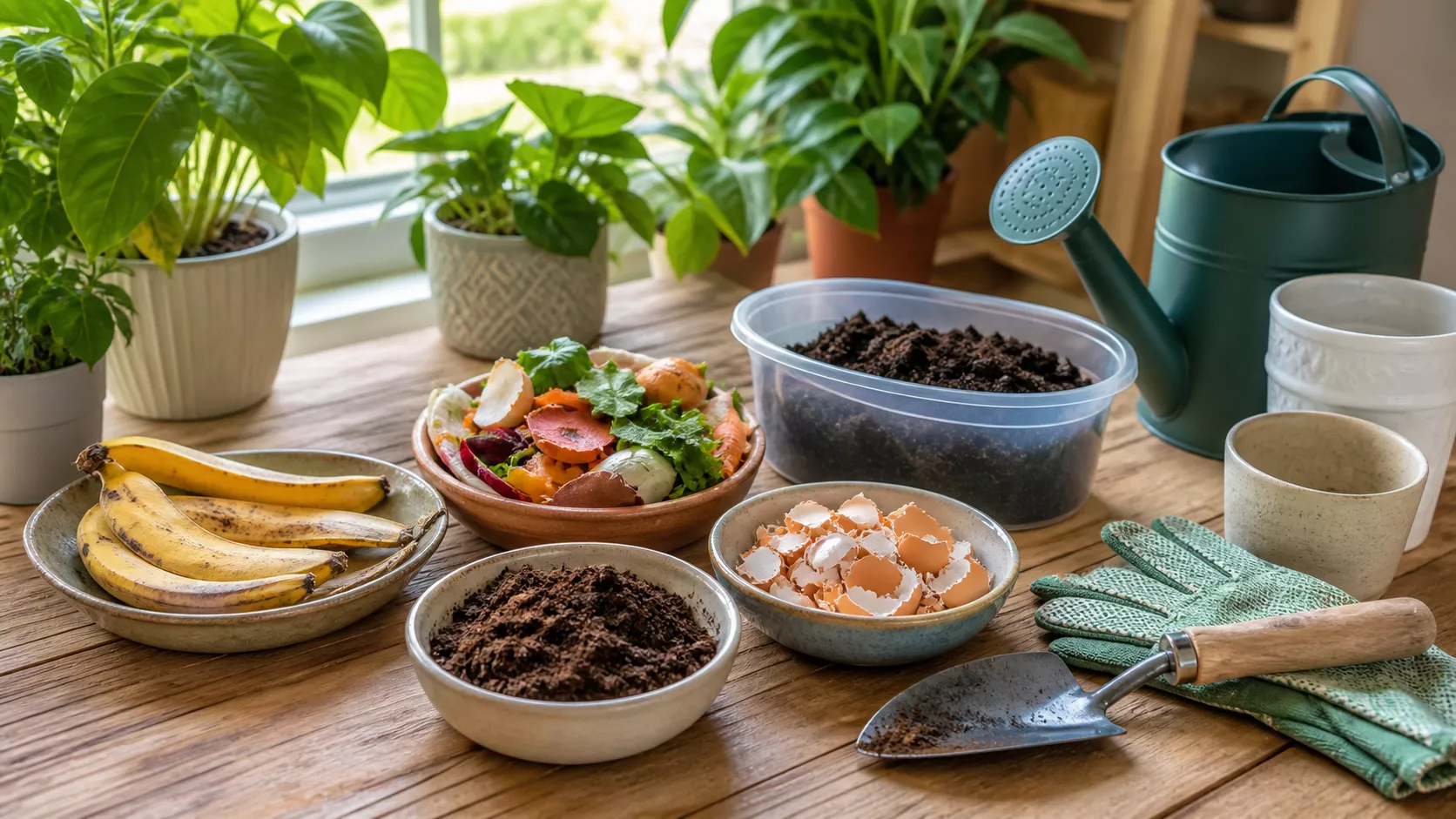
First, compost is one of the best natural fertilizers for plants. It is made from decomposed organic matter such as fruit peels, vegetable scraps, dry leaves, grass clippings, and other plant-based materials.
Because compost breaks down over time, it adds organic matter and nutrients to the soil. It also improves soil structure, making it easier for roots to grow and absorb water.
To use compost, mix a small amount into potting soil or apply a thin layer on top of the soil. For indoor plants, use mature compost only. It should smell earthy, not rotten. Unfinished compost can attract pests and harm delicate plants.
Next, worm castings are another excellent natural option. They are produced by earthworms and are rich in organic matter. Many gardeners consider worm castings one of the safest fertilizers for potted plants.
Additionally, worm castings are usually gentle and less likely to burn roots when used correctly. They can improve soil texture and support steady growth.
To use worm castings, add a thin layer to the top of the soil or mix a small amount into the potting mix. Water normally afterward so nutrients can slowly move into the root area.
Also, banana peels are often used in homemade fertilizer because they contain potassium and other minerals. Potassium helps plant strength and general growth.
However, placing fresh banana peels directly into indoor pots is not ideal. They can attract fruit flies, mold, or pests as they decompose. A safer method is to compost banana peels first.
Alternatively, you can dry banana peels completely, crush them into small pieces, and mix a small amount into outdoor soil or compost. Use this carefully and avoid adding too much at once.
Another common option is eggshell fertilizer. Eggshells contain calcium, which can support soil mineral balance. However, eggshells break down slowly, so they are not an instant fertilizer.
To prepare eggshells, wash them well, let them dry, and crush them into a fine powder. The smaller the particles, the easier it is for them to break down over time.
Then, sprinkle a small amount into the soil or add it to compost. Avoid leaving large eggshell pieces on top of indoor soil, as they may look messy and break down very slowly.
Many people use coffee grounds as a homemade fertilizer. Used coffee grounds contain organic matter and small amounts of nutrients. They can be useful when added correctly.
However, coffee grounds should be used with care. Too much can compact the soil, hold excess moisture, or create mold. This is especially risky for indoor plants and succulents.
For best results, add used coffee grounds to compost instead of placing them directly into pots. If you use them directly, apply only a very thin amount and mix them lightly with soil for plants that tolerate richer organic matter.
Sometimes, water used to cook vegetables can be reused for plants, as long as it has no salt, oil, spices, or seasonings. When vegetables are cooked, some minerals may remain in the water.
Before using, let the water cool completely. Hot water can damage roots. Once it reaches room temperature, you can use it occasionally to water plants.
However, this should not replace regular watering all the time. Use it as an occasional addition, and only if the water is clean and unsalted.
Another simple option is rice water. When rice is rinsed or cooked without salt, the water may contain small amounts of starch and nutrients. Some gardeners use it occasionally for plants.
Nevertheless, rice water should be used carefully because too much starch can encourage unwanted microbial growth or smells in the soil. This is more likely in indoor pots with poor airflow.
Therefore, use rice water only occasionally, make sure it is unsalted, and avoid using it on plants that prefer very dry soil, such as cacti and succulents.
If you have a freshwater aquarium, the water removed during cleaning can sometimes be useful for plants. It may contain nutrients from fish waste in a diluted form.
However, aquarium water should only be used if it is freshwater and does not contain harmful chemicals, salt, or medications. Saltwater aquarium water should not be used on regular houseplants.
Also, use it occasionally and observe the plants. For many leafy plants, it can be a mild natural nutrient source when conditions are suitable.
Compost tea is made by soaking mature compost in water to create a liquid plant feed. It can provide mild nutrients and beneficial organic matter when prepared safely.
To make a simple version, place mature compost in water, let it steep for a short period, strain it, and use the liquid diluted on plants. The compost must be fully decomposed and clean.
However, compost tea can smell bad or grow harmful microbes if made incorrectly. For beginners, it is safer to use small amounts, avoid storing it for long periods, and apply it only when it smells earthy and fresh.
Leaf mold is made from decomposed leaves. It is not always a strong fertilizer, but it is excellent for improving soil structure. It helps soil hold moisture while staying lighter and more natural.
To make leaf mold, collect dry leaves, keep them slightly moist, and allow them to decompose over time. This process can take months, but the result is useful for gardening.
Once ready, leaf mold can be mixed into garden beds, outdoor pots, or soil blends for plants that appreciate organic matter.
For indoor plants, gentle fertilizers are usually better. Worm castings, mature compost in small amounts, and occasional unsalted vegetable water can be useful options.
However, indoor pots are more sensitive because they have limited airflow and less soil volume. Fresh food scraps, wet organic waste, and strong homemade mixtures can attract pests or create mold.
Therefore, keep indoor fertilizing simple. Use clean, mature, mild organic materials and avoid overfeeding. Less is often better for houseplants.
For succulents and cacti, be extra careful with homemade fertilizer. These plants prefer lean, fast-draining soil and do not need rich organic matter.
Usually, compost, coffee grounds, banana peels, and food-based fertilizers are not ideal directly in succulent pots. They can hold moisture and increase the risk of root problems.
If needed, use a very diluted cactus fertilizer or a small amount of suitable mild feeding during the growing season. For beginners, it is safer to focus on light, drainage, and correct watering before fertilizing succulents.
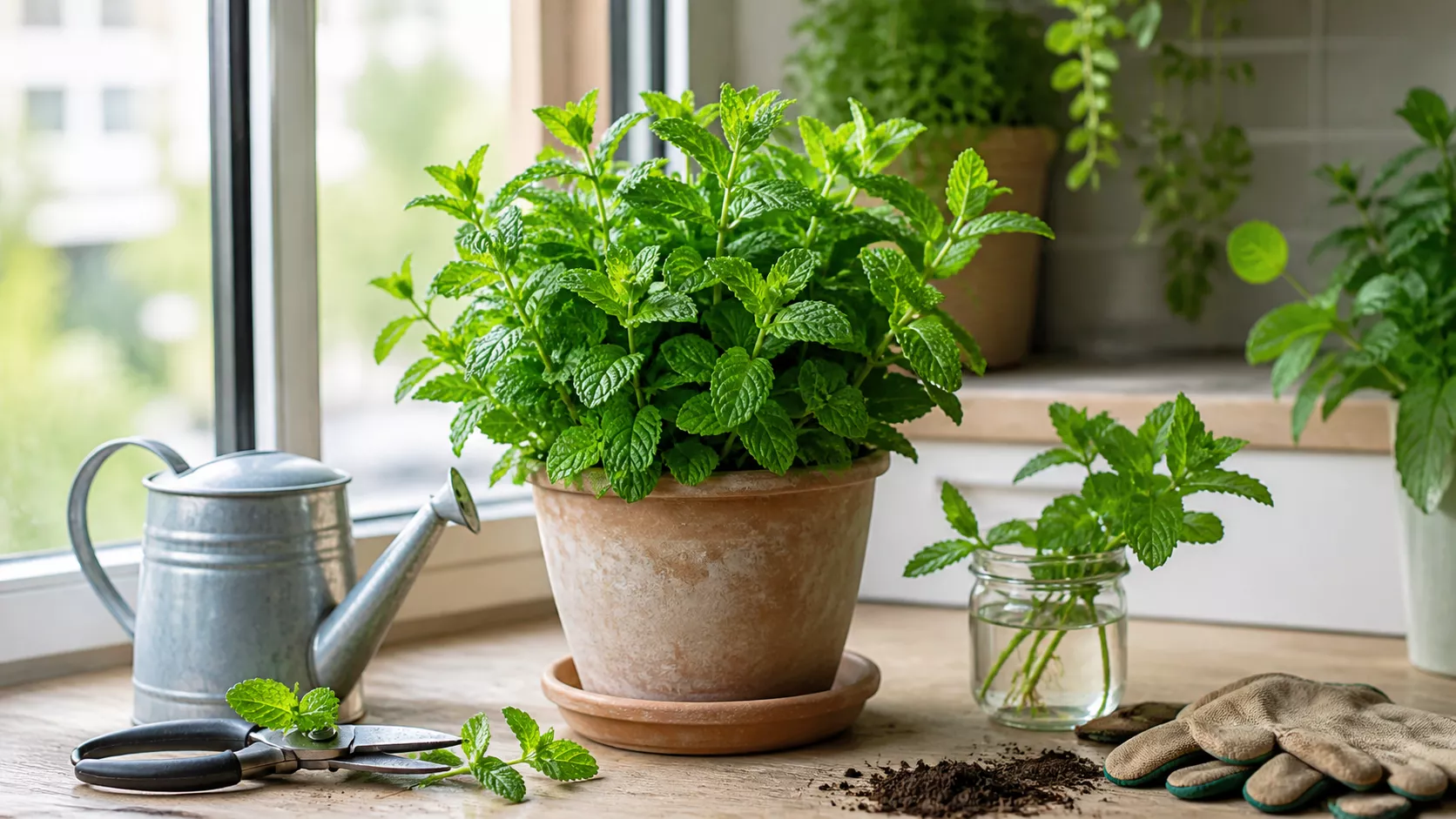
For herbs, compost and worm castings can be helpful. Herbs such as basil, parsley, chives, and mint often enjoy nutrient-rich soil when they are growing actively.
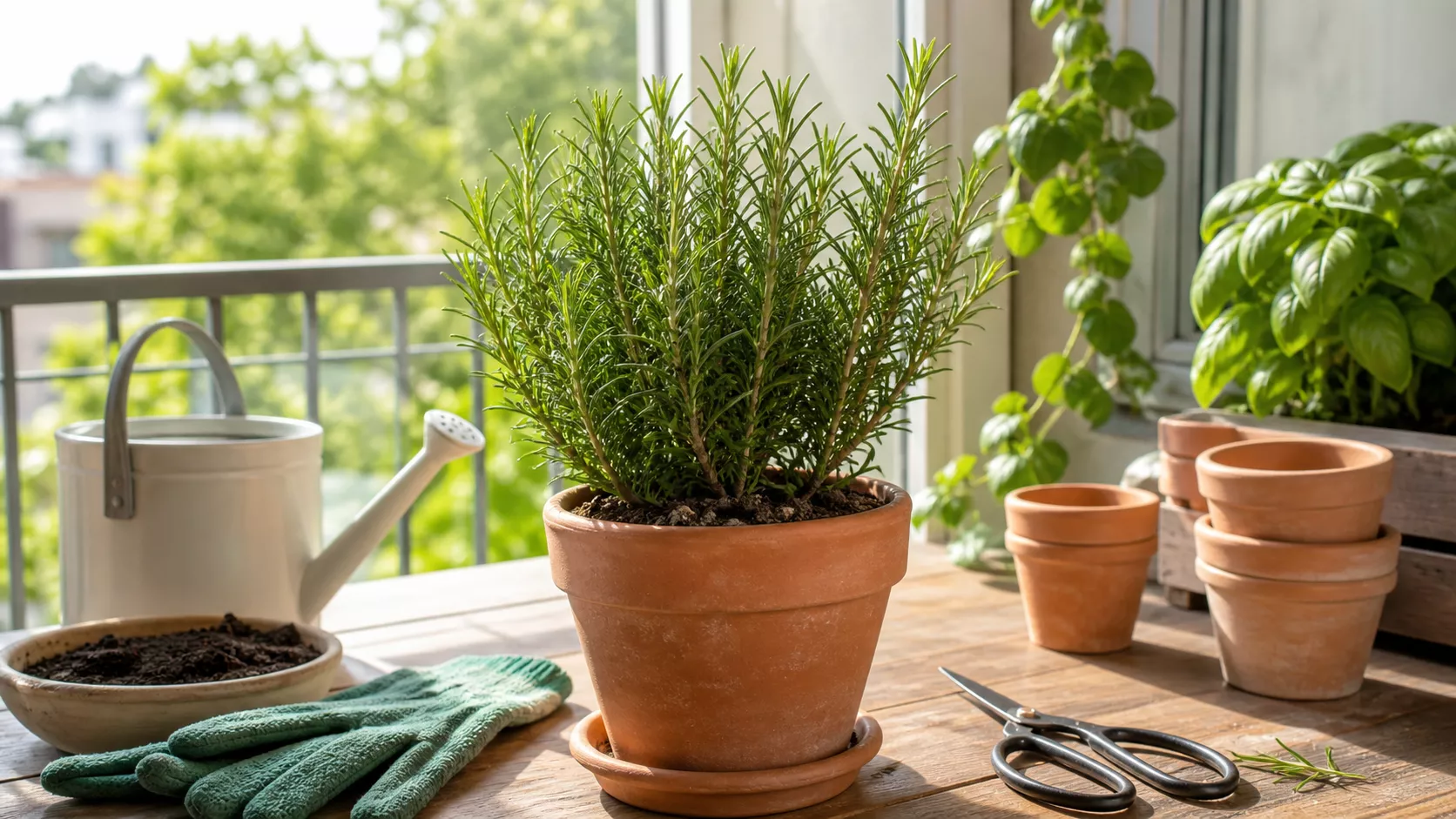
However, Mediterranean herbs such as rosemary, thyme, oregano, and sage prefer better drainage and less heavy feeding. Too much organic matter may keep the soil too moist for them.
Because of this, match the fertilizer to the herb type. Leafy herbs may benefit from richer soil, while woody herbs usually prefer lighter, better-drained conditions.
For flowering plants, balanced nutrition is important. Compost, worm castings, and banana peel compost may help support soil health and flowering over time.
However, flowers do not appear only because fertilizer is added. Light, watering, pruning, temperature, and plant maturity also affect blooming.
Therefore, use homemade fertilizer as part of a complete care routine. A plant that does not receive enough light may still fail to bloom even with good nutrients.
Generally, homemade fertilizer should be used moderately. Many plants do not need constant feeding, especially indoors or during slow growth periods.
During active growth, usually in warmer months, plants may benefit from occasional feeding. During colder months or resting periods, reduce or stop fertilizing because many plants use fewer nutrients.
Also, always observe the plant. If growth is healthy, leaves are strong, and the plant looks balanced, it may not need much fertilizer.
Sometimes, plants show signs that they may need nutrients. These signs can include pale leaves, slow growth, small new leaves, weak stems, or poor flowering.
However, these symptoms can also be caused by low light, overwatering, underwatering, pests, or root problems. Do not assume fertilizer is always the solution.
Before feeding, check the basics first. Make sure the plant has proper light, suitable soil, good drainage, and correct watering. Fertilizer works best when these conditions are already balanced.
Too much fertilizer can harm plants. Signs of overfertilizing may include brown leaf tips, yellowing leaves, white crust on the soil surface, weak growth, or root stress.
With homemade fertilizers, overuse can also cause mold, bad smells, pests, or soil that stays too wet. This is common when people add too much organic material directly to pots.
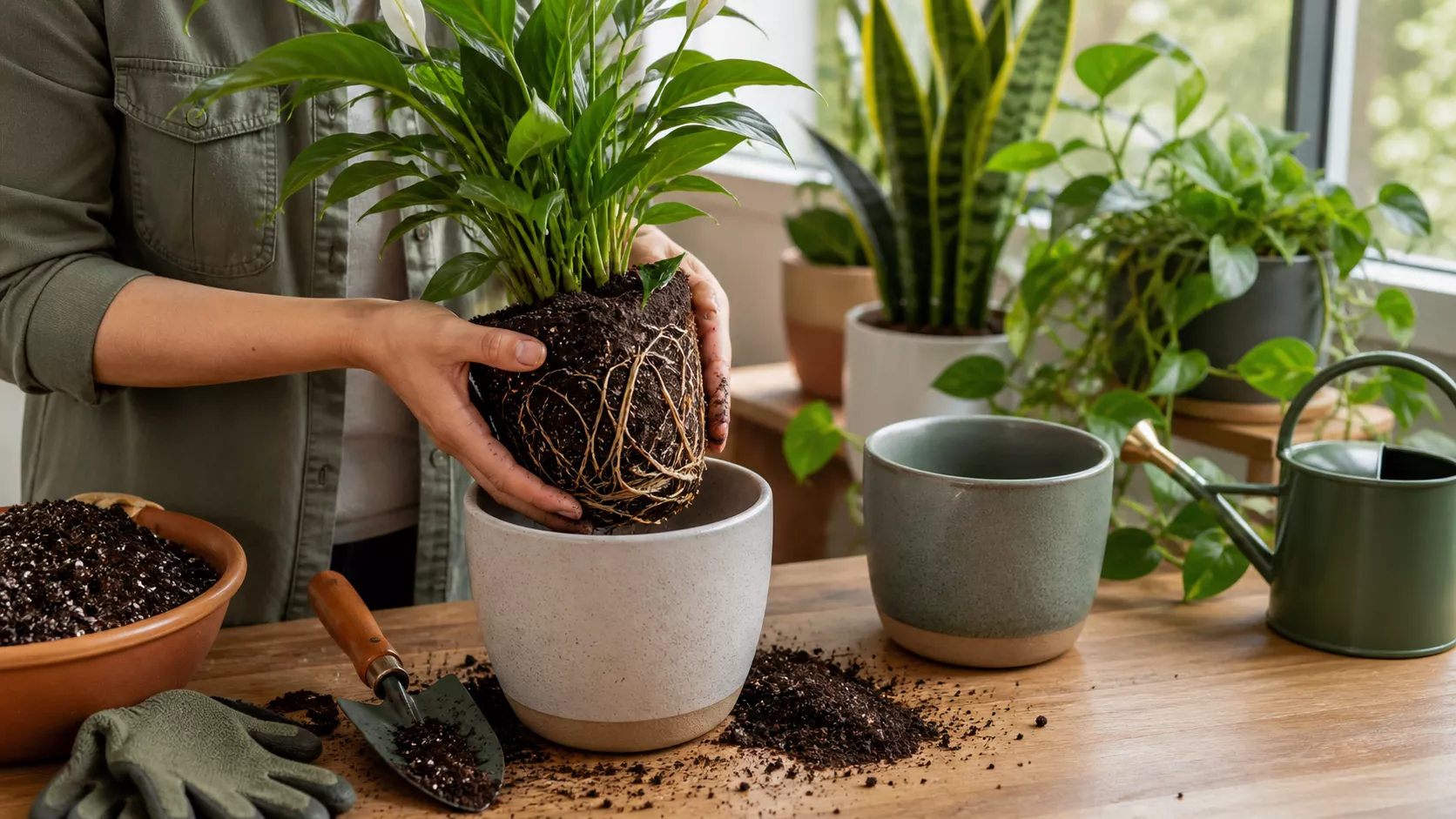
If this happens, stop fertilizing and check the soil. In serious cases, repotting with fresh soil may be necessary to protect the roots.
Importantly, not every kitchen waste should become fertilizer. Avoid meat, dairy, oil, salty foods, spicy foods, processed foods, and cooked leftovers with seasoning.
These materials can attract pests, create bad smells, and damage the soil. They are not suitable for indoor plant pots and can cause more problems than benefits.
Also, avoid using unknown chemicals, cleaning products, or water containing strong residues. Plants need safe, clean materials for healthy growth.
The safest way to use many kitchen scraps is through composting. Composting allows organic materials to break down properly before they are added to plants.
Instead of placing banana peels, coffee grounds, vegetable scraps, and eggshells directly into pots, add them to a compost system. Once fully decomposed, the compost becomes safer and more useful.
For beginners, this is the best approach because it reduces pests, odors, and soil imbalance.
To begin, choose one or two safe options instead of using many at once. For example, you can use worm castings for indoor plants and compost for outdoor containers.
Then, apply small amounts during the growing season. Water normally and observe how the plant responds over the following weeks.
Finally, avoid fertilizing stressed plants immediately. If a plant is suffering from pests, root problems, or poor light, solve those issues first before adding nutrients.
One common mistake is thinking that more fertilizer means faster growth. In reality, too much fertilizer can damage roots and stress the plant.
Another mistake is adding fresh food scraps directly to indoor pots. This often attracts insects and causes mold.
Also, many beginners fertilize plants that are not receiving enough light. Without proper light, plants cannot use nutrients effectively, and fertilizer may not solve the problem.
In conclusion, learning how to make homemade fertilizer for plants can help you create a more natural, affordable, and sustainable plant care routine. Compost, worm castings, eggshells, banana peels through composting, unsalted vegetable water, and other gentle options can support healthier soil when used correctly.
Above all, homemade fertilizer should be used with balance. Natural materials can still cause problems if applied in excess or used incorrectly. Always consider the plant type, pot size, soil condition, season, and growth stage.
Ultimately, the best homemade plant fertilizer is the one that improves the soil gradually without overwhelming the plant. With patience, observation, and careful use, you can nourish your plants safely and help them grow stronger over time.