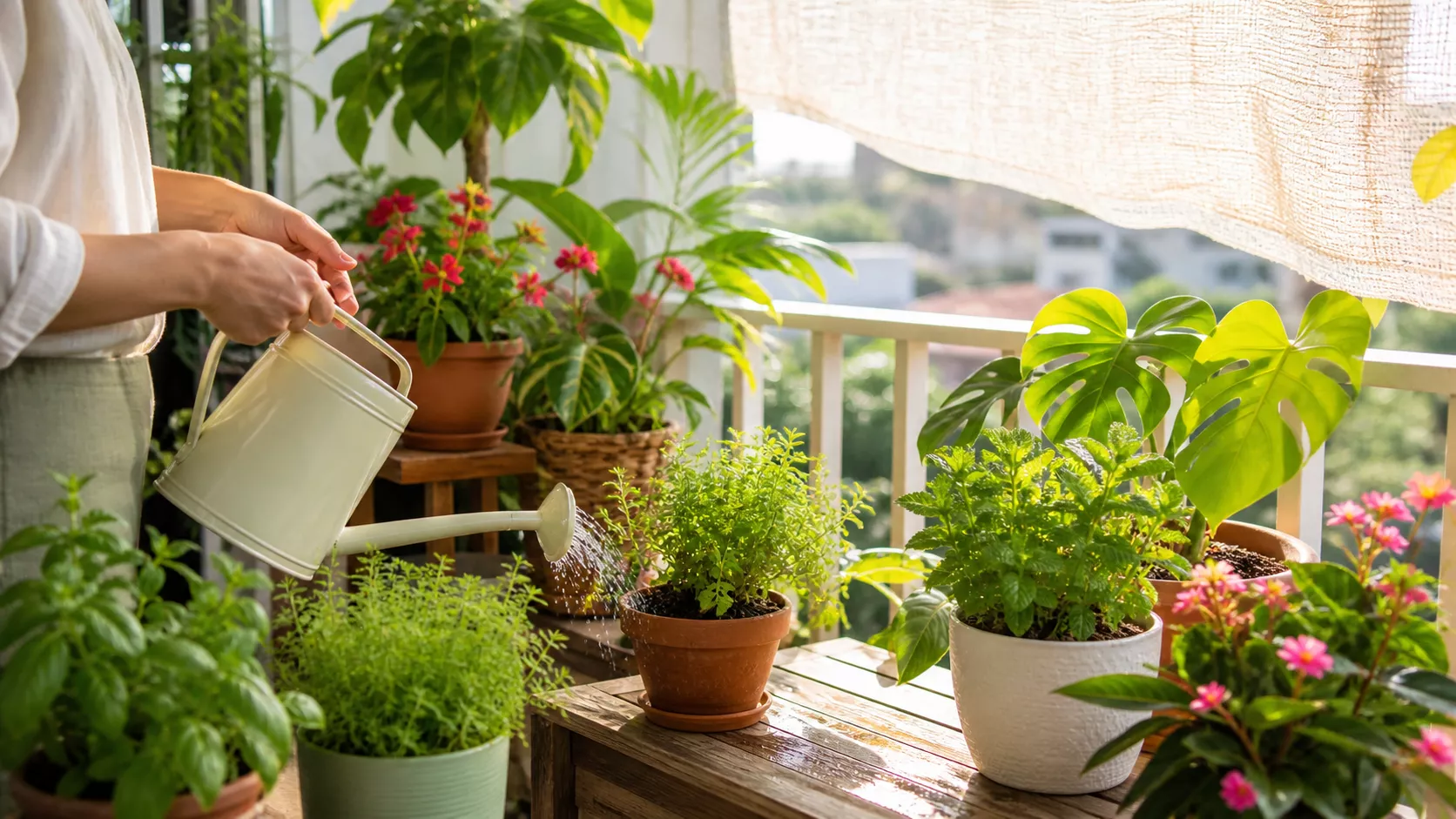
How to Care for Plants in Hot Weather

First, choosing the right soil for plants is one of the most important parts of plant care. Many beginners focus on watering, sunlight, and pots, but forget that roots live inside the soil. If the soil is poor, compacted, too heavy, or unsuitable for the plant, growth can become weak even when the rest of the care routine seems correct.
Additionally, soil affects how much water stays around the roots, how much air reaches the root system, how nutrients are delivered, and how stable the plant remains in the pot. Because of this, the best soil is not always the same for every plant.
Therefore, this guide will explain how to choose soil for plants according to each species and environment. You will learn the difference between drainage, moisture retention, aeration, organic matter, and soil structure, as well as which mixes work best for succulents, cacti, tropical plants, herbs, flowers, and indoor plants.
First, soil is much more than dirt. It is the space where roots grow, breathe, absorb water, and take in nutrients. Healthy roots usually lead to healthier leaves, stronger stems, and better growth.
However, when the soil is wrong, plant problems can appear quickly. A soil that stays wet for too long can damage roots. A soil that dries too fast can leave the plant thirsty. A compacted soil can prevent airflow and make it hard for roots to expand.
Because of this, choosing the best potting soil for plants helps create balance. The ideal soil should hold enough moisture for the plant while also allowing excess water to drain away.
First, drainage is the ability of soil to let excess water move through it. Good drainage prevents water from staying trapped around the roots for too long.
For example, succulents and cacti need fast-draining soil because they are adapted to drier conditions. If their soil holds too much water, they can develop root problems.
On the other hand, some tropical plants prefer soil that holds moisture a little longer. Even so, they still need drainage because roots should not sit in stagnant water.
Next, moisture retention means how well the soil holds water after watering. Some plants need soil that stays lightly moist, while others prefer the soil to dry almost completely.
For instance, ferns, peace lilies, calatheas, and many tropical plants usually like more consistent moisture. They may struggle if the soil dries too quickly.
However, moisture retention must be balanced with airflow. Soil that holds water but becomes dense and soggy can harm roots. The goal is not wet soil forever, but stable and healthy moisture.
Also, aeration is the amount of air available inside the soil. Roots need oxygen to function properly. When soil is too compacted, air spaces disappear and roots may become stressed.
Good aeration helps roots grow stronger and reduces the risk of problems caused by excess moisture. Light, loose soil usually provides better aeration than heavy, dense soil.
Additionally, ingredients such as perlite, pumice, bark, and coarse particles can improve aeration in potting mixes. These materials create small spaces that help air and water move through the soil.
One common mistake is using regular garden soil in indoor pots. Garden soil may be too heavy, compact, or unpredictable for container plants. It can also contain insects, weed seeds, or materials that are not ideal for indoor use.
In pots, soil behaves differently than it does in the ground. Water has less space to move away, and roots depend completely on the container environment. Because of this, potting mixes are usually better for houseplants.
Therefore, use a proper potting mix for indoor plants instead of digging soil from the yard. A good potting mix is lighter, cleaner, and designed to support roots in containers.
First, many potting mixes contain organic matter such as peat moss, coco coir, compost, or bark. These ingredients help hold moisture and provide structure.
Additionally, drainage materials such as perlite, pumice, coarse sand, or expanded clay can help water move through the mix. These materials are especially useful for plants that dislike soggy soil.
Also, some mixes include nutrients or slow-release fertilizer. This can help support growth for a period of time, but plants may still need fertilizing later depending on the species and growing conditions.
For many indoor plants, a light and well-draining potting mix works well. The soil should hold some moisture but should not become heavy or muddy after watering.
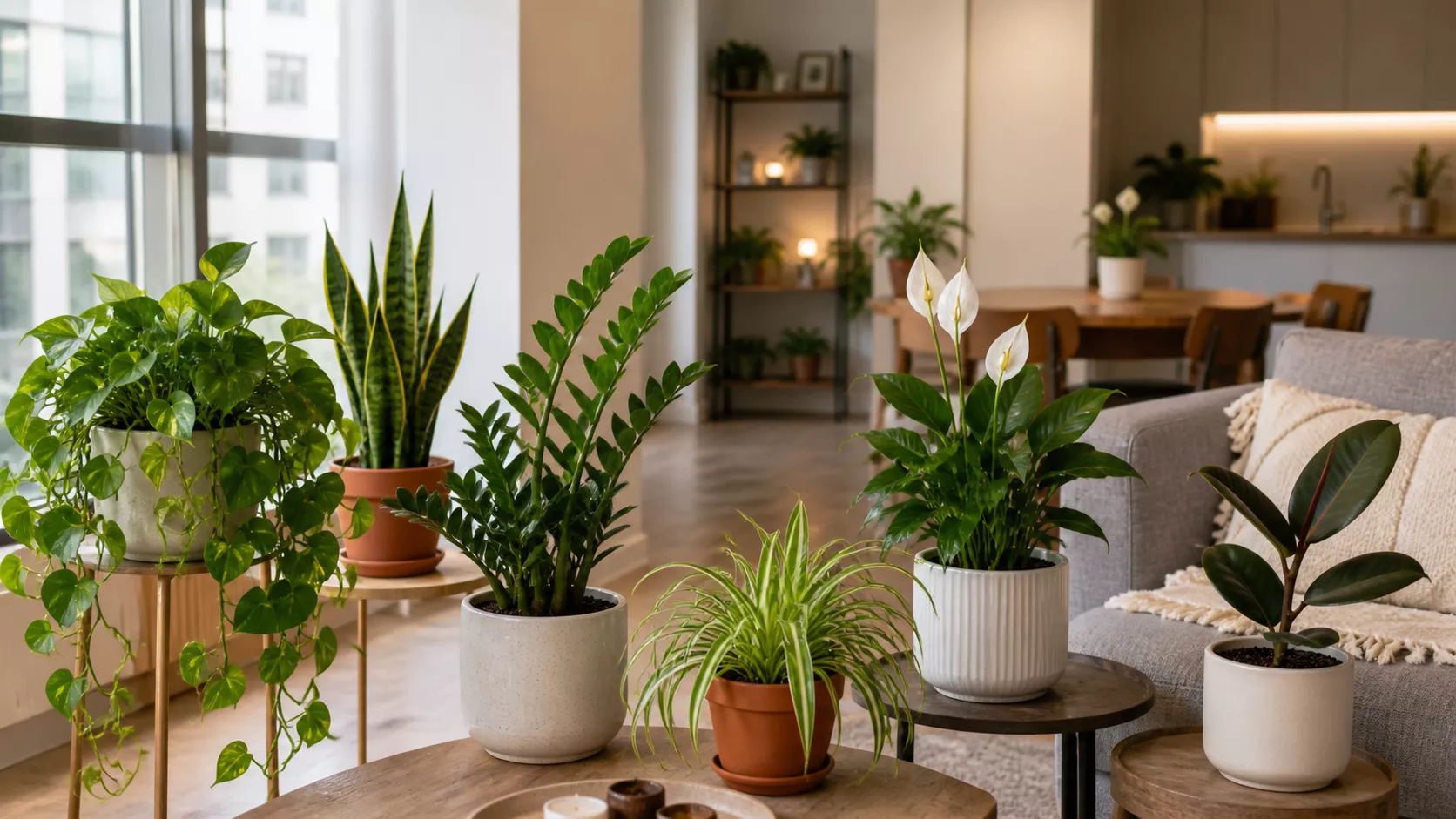
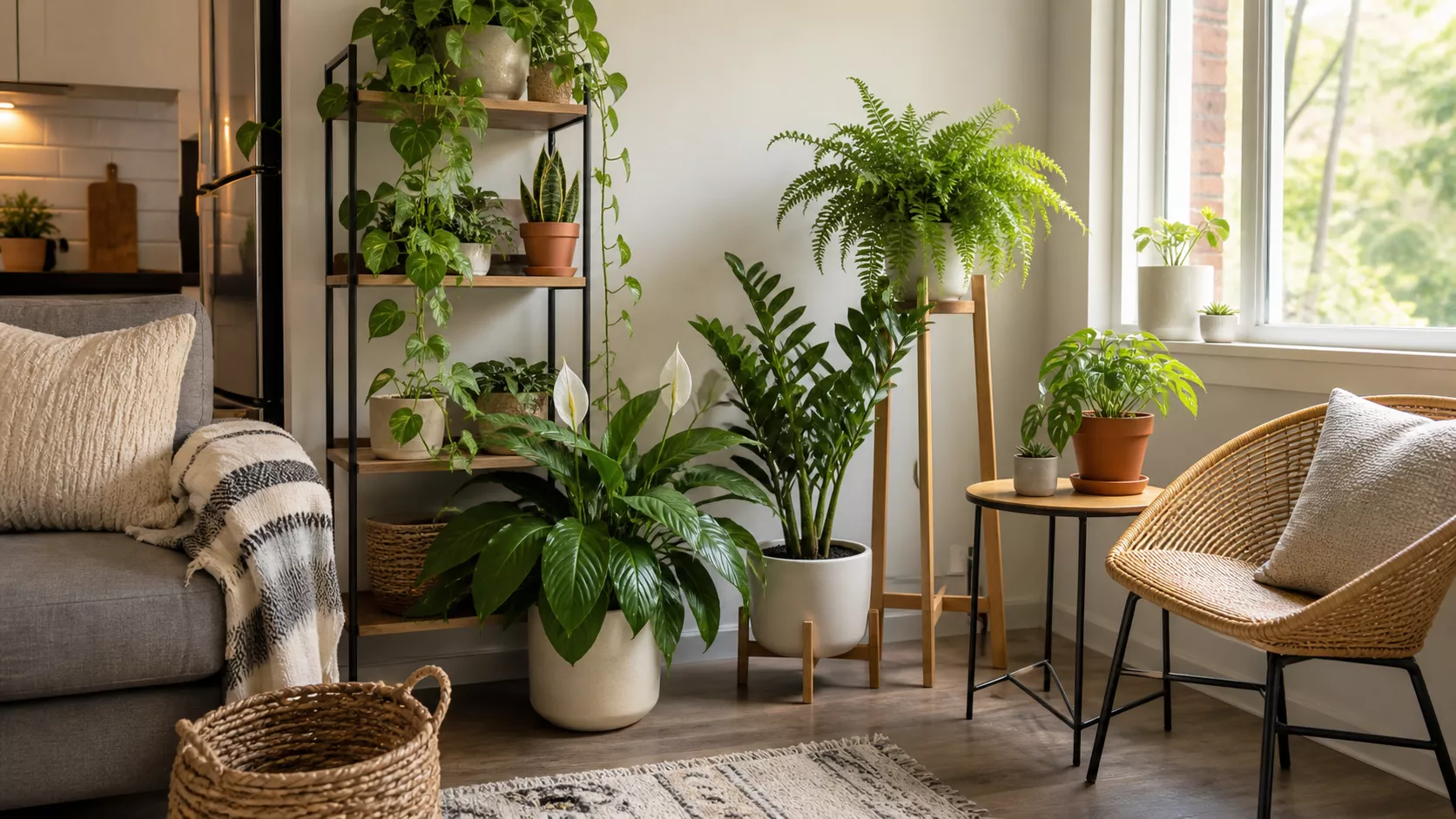
Plants such as pothos, philodendron, peace lily, spider plant, rubber plant, and dracaena often grow well in general indoor potting mixes. However, adding extra perlite can improve drainage and reduce overwatering risk.
Most importantly, indoor soil should not stay wet for too long. Since indoor environments often have less airflow and weaker light than outdoor spaces, soil can dry more slowly.
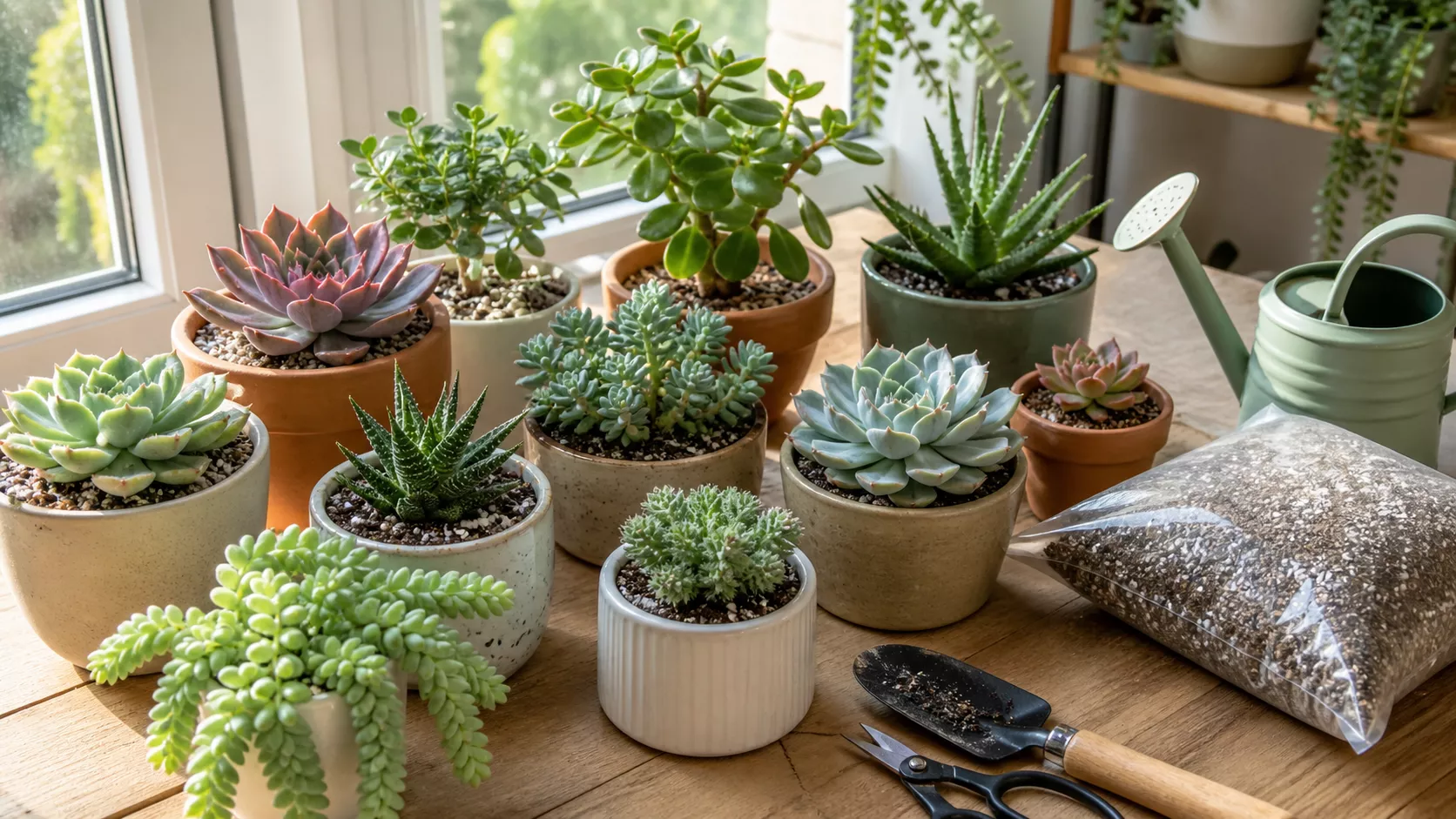
For succulents, the soil must drain quickly. These plants store water in their leaves, stems, or roots, so they do not need soil that stays wet for many days.
A good succulent mix should feel loose and gritty. It may contain potting mix combined with perlite, pumice, coarse sand, or other mineral materials. The goal is to let water pass through quickly while still supporting the roots.
Additionally, avoid heavy soil for succulents. If the soil remains wet too long, leaves may become soft, yellow, or mushy. Fast-draining soil is one of the most important parts of succulent care.
Similarly, cacti need very fast-draining soil. In nature, many cacti are adapted to dry environments where water does not stay around the roots for long periods.
For cacti, use a cactus soil mix or create a gritty mix with mineral ingredients that improve drainage. The soil should dry completely between waterings.
Also, combine the right soil with a pot that has drainage holes. Even the best cactus soil can cause problems if the pot traps water at the bottom.
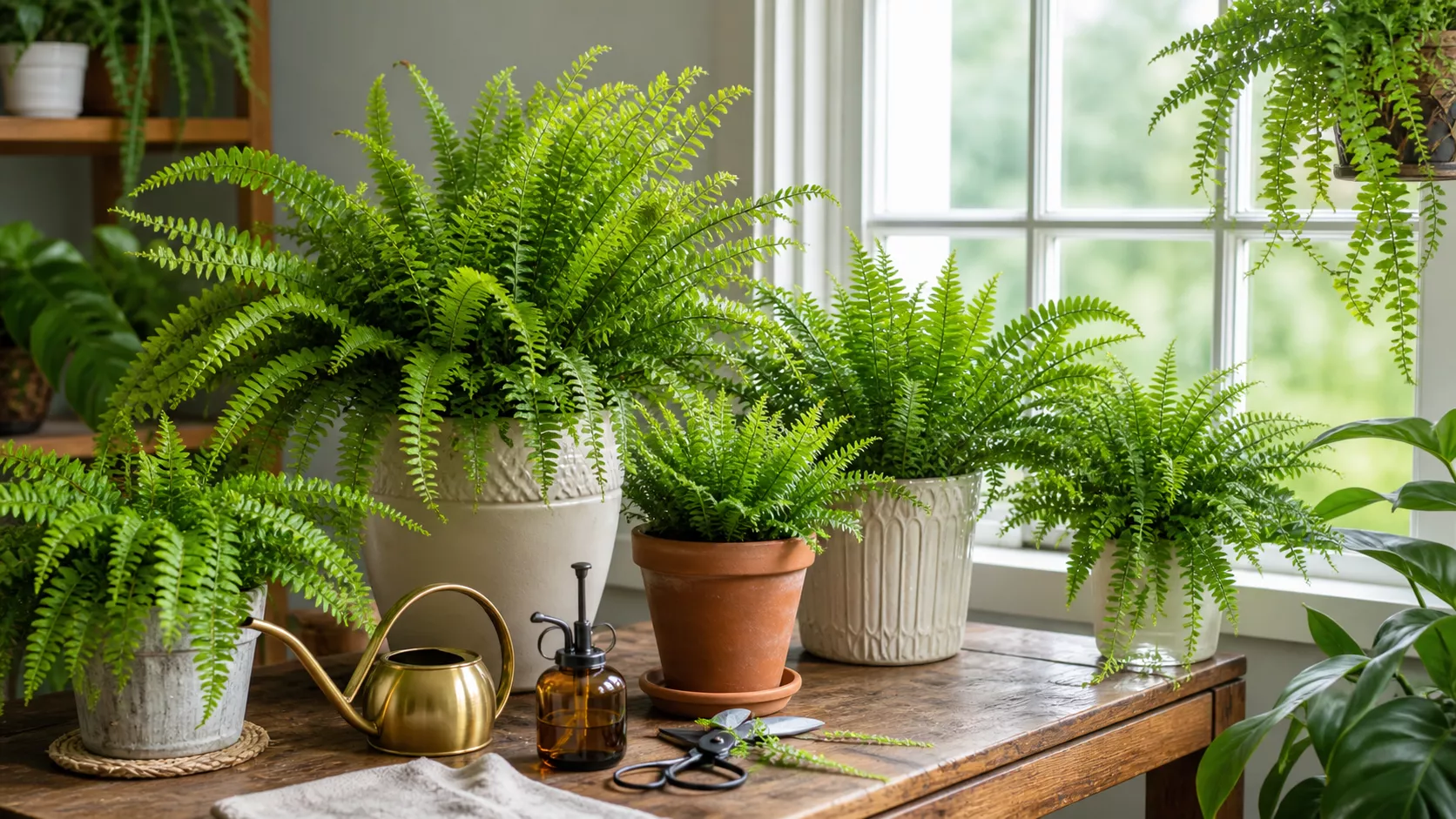
For ferns, soil should hold more moisture than cactus or succulent soil. Ferns often prefer conditions that are more humid and evenly moist.
However, fern soil should still be airy and well-draining. A mix that holds moisture but also allows oxygen to reach the roots is ideal.
For example, a light potting mix with organic matter can work well. If the soil dries too fast, the fern may develop crispy leaves. If it stays soggy, the roots may suffer.
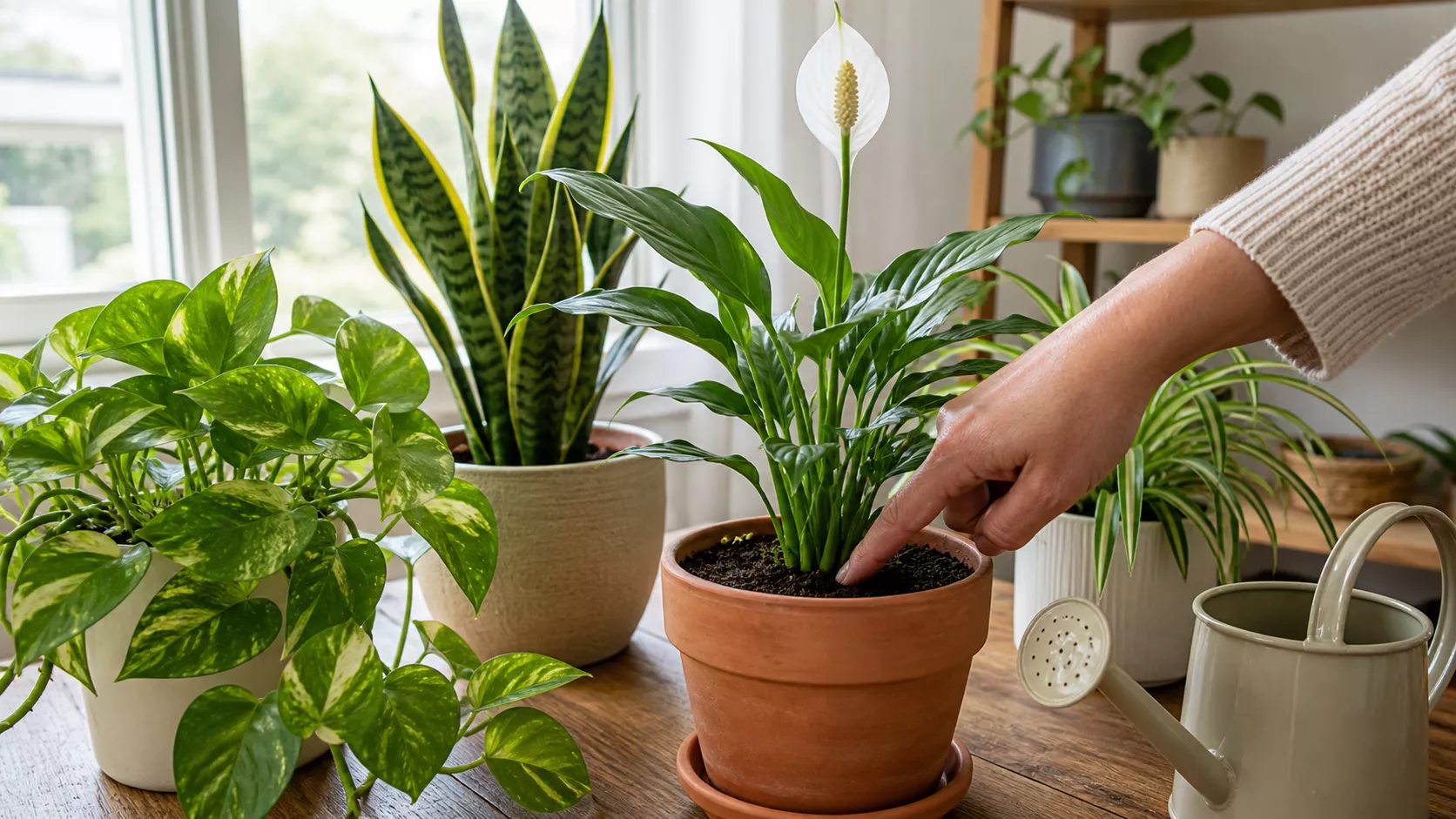
For peace lilies, choose soil that retains some moisture but does not become waterlogged. Peace lilies often prefer lightly moist soil and may droop when they become too dry.
A general indoor potting mix can work well, especially if it drains properly. Adding perlite can improve airflow and prevent the soil from becoming too dense.
Additionally, avoid letting peace lilies sit in water. Even moisture-loving plants need oxygen around their roots.
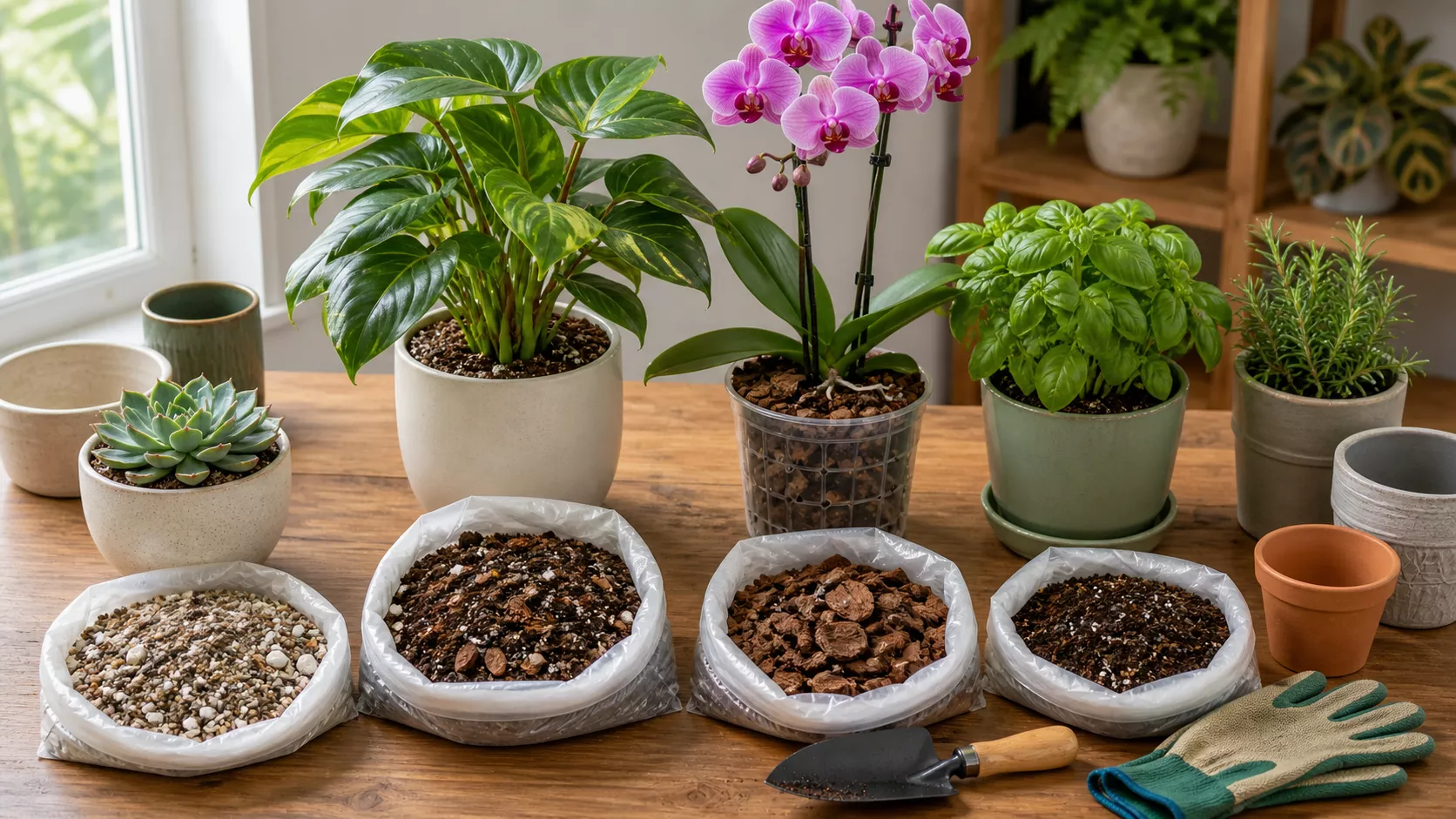
For orchids, regular potting soil is usually not ideal. Many common orchids, such as phalaenopsis orchids, naturally grow attached to trees rather than in dense soil.
Because of this, orchids often need a special orchid mix made with bark, charcoal, perlite, or similar chunky materials. This allows excellent airflow around the roots.
Also, orchid roots should not stay buried in heavy wet soil. A chunky orchid mix helps prevent root problems and supports healthier growth.
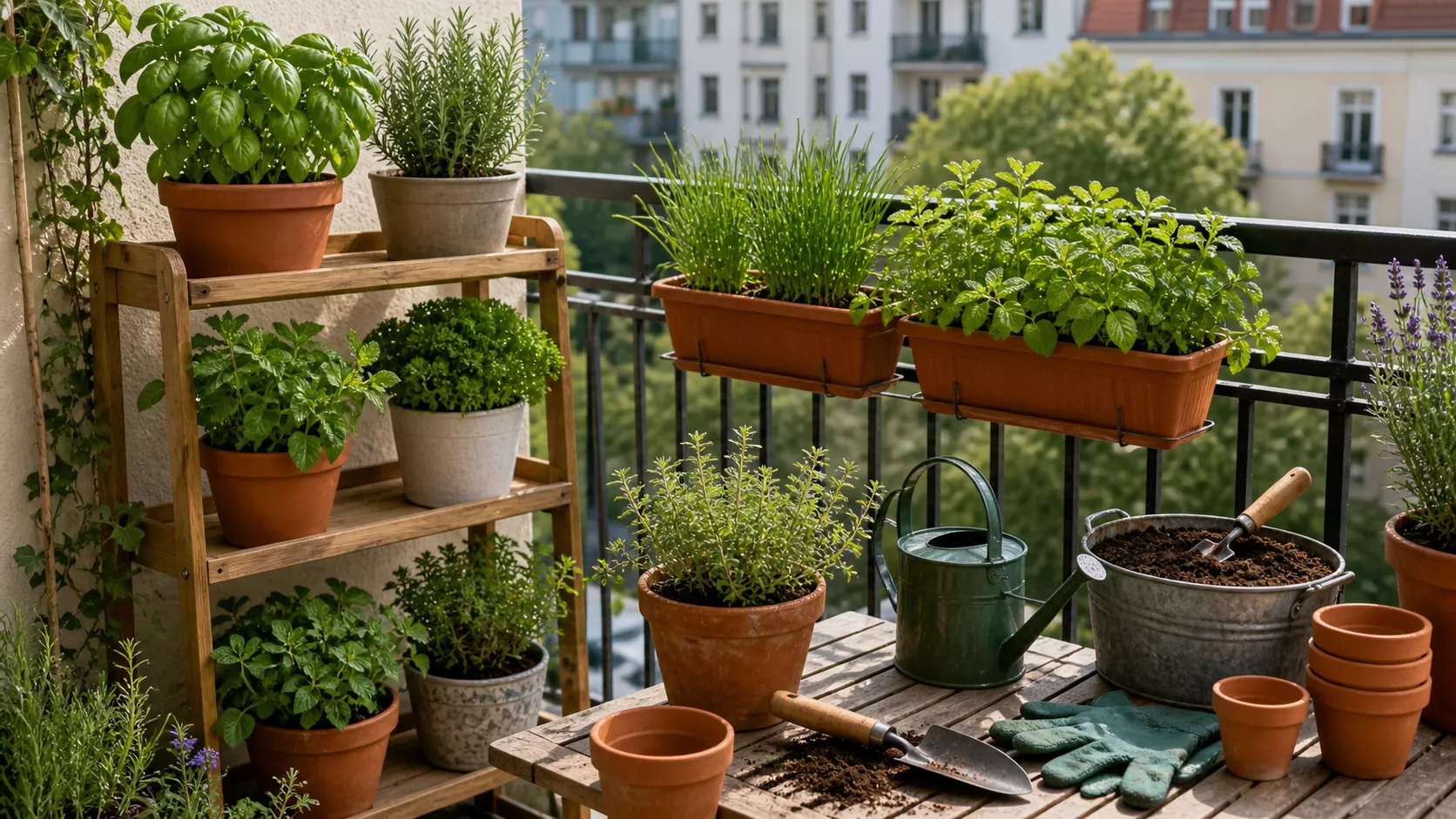
For herbs, the best soil depends on the type of herb. Some herbs like more moisture, while others prefer drier and better-draining conditions.
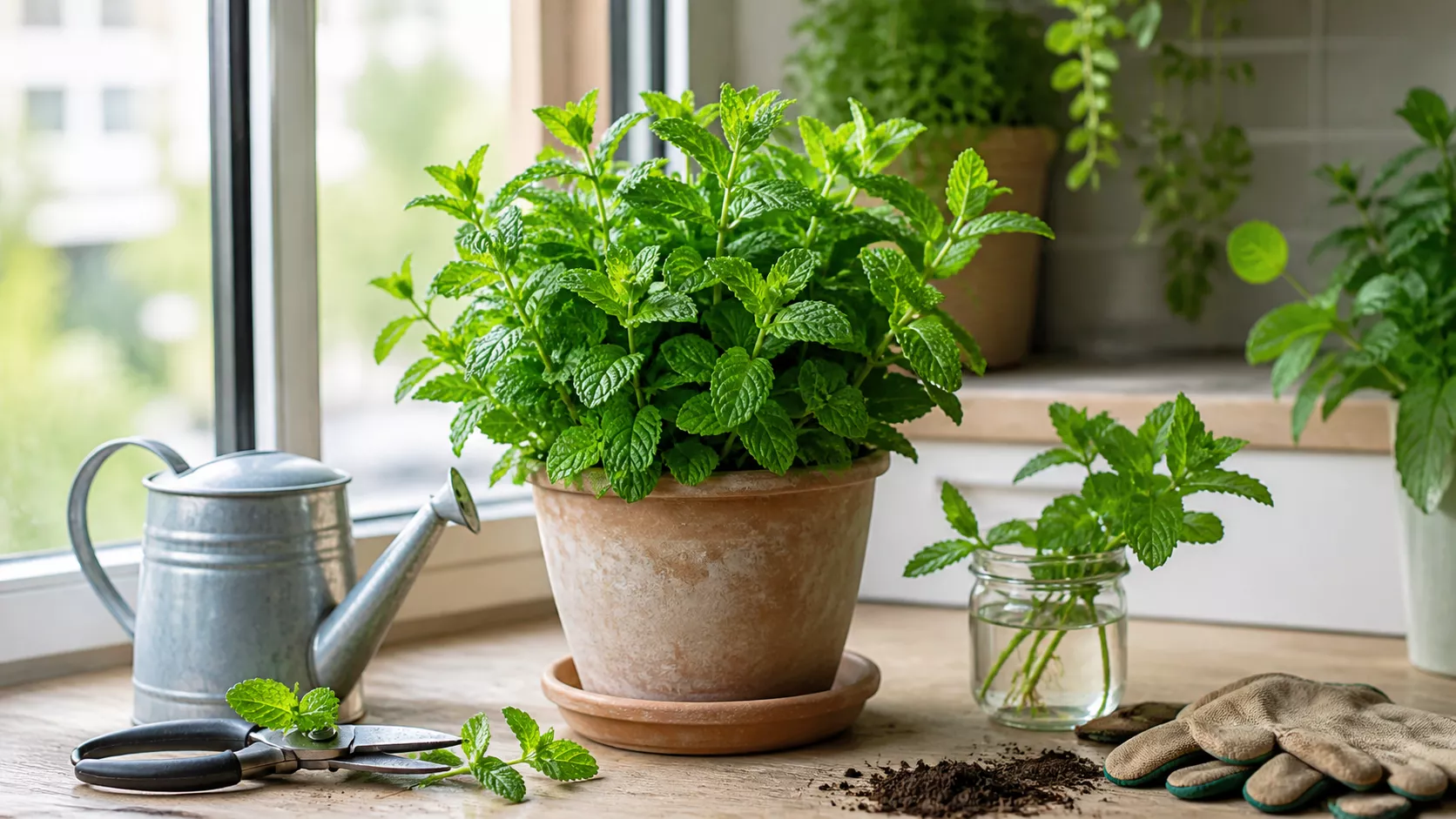
For example, basil, parsley, cilantro, and mint usually prefer soil that stays lightly moist. Rosemary, thyme, oregano, and sage prefer soil with better drainage and less constant moisture.
Therefore, do not treat all herbs the same. Use a rich but well-draining mix for moisture-loving herbs and a lighter, faster-draining mix for Mediterranean herbs.
For vegetables, soil should be nutrient-rich, loose, and able to hold enough moisture to support growth. Vegetables grown in pots depend heavily on the quality of the potting mix.
A good vegetable mix should include organic matter, drainage support, and nutrients. Since vegetables grow actively and produce leaves, fruits, or roots, they often need more feeding than decorative houseplants.
Also, avoid compacted soil. Roots need room to expand, and water must reach the entire container evenly.
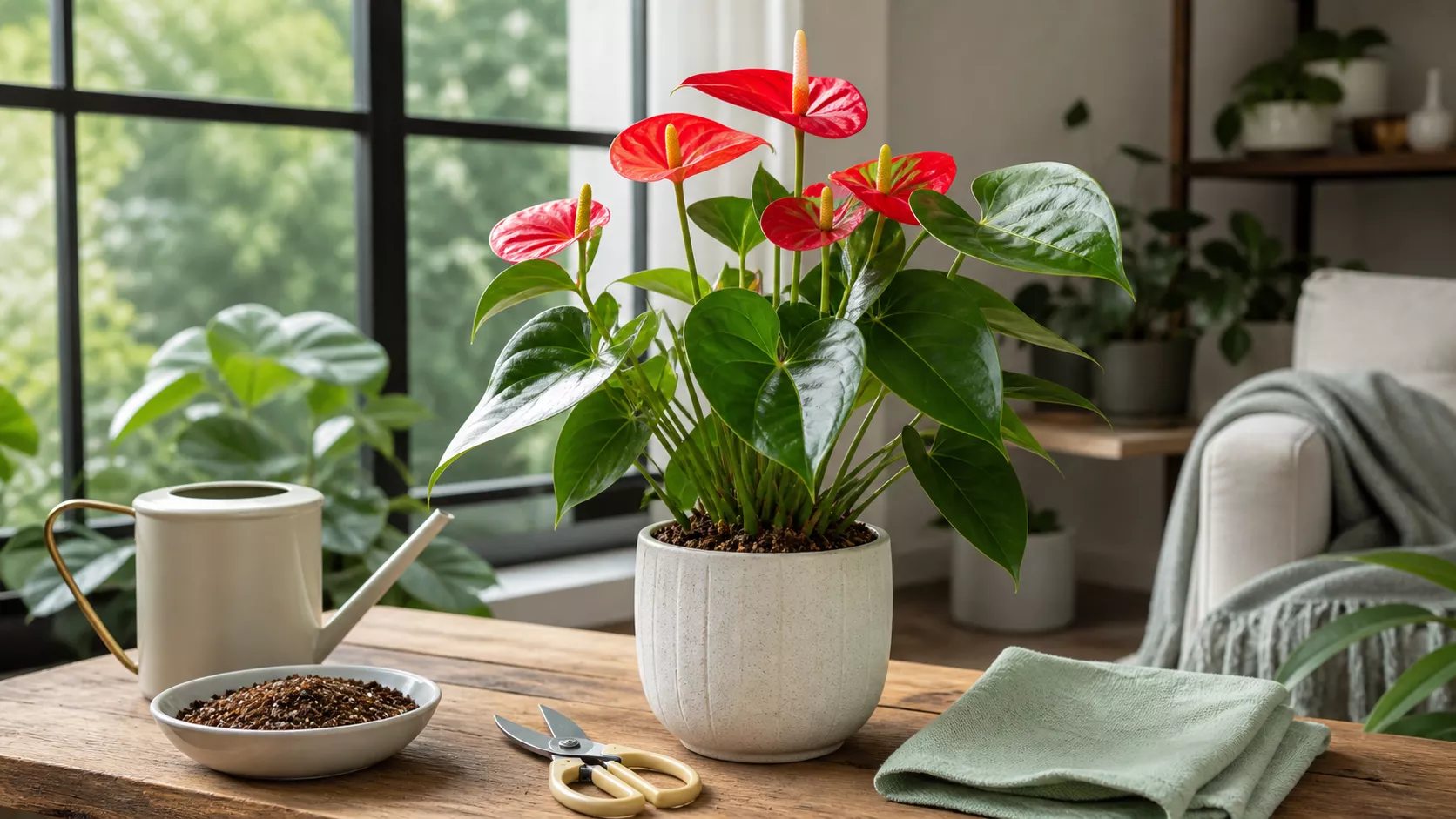
For flowering plants, the soil should support both root health and flower production. Many flowering plants need a balanced mix that holds moisture, drains well, and contains enough nutrients.
Additionally, flowering plants may benefit from fertilizer during active growth and blooming periods. However, fertilizer cannot fix poor soil structure.
Therefore, start with a good potting mix and adjust based on the plant’s needs. Good soil helps flowers last longer and supports stronger growth.
Sometimes, soil becomes heavy, compacted, or slow to dry. This can happen with old potting mix, poor-quality soil, or containers without enough drainage.
To improve heavy soil, add materials that increase aeration and drainage, such as perlite, pumice, bark, or coarse particles. These ingredients help create air spaces inside the mix.
However, if the soil smells bad, stays muddy, or has serious problems, it may be better to repot the plant with fresh soil instead of trying to fix the old mix.
On the other hand, some soil dries too quickly. This can happen with very small pots, terracotta pots, hot environments, or mixes with too many drainage materials.
To improve moisture retention, use ingredients such as coco coir, compost, or a higher-quality potting mix that holds water more evenly.
However, be careful not to make the soil too dense. The goal is to hold enough moisture without blocking airflow.
Over time, potting soil can break down. It may become compacted, lose nutrients, hold water poorly, or develop salt buildup from fertilizer and tap water.
Signs that soil may need replacing include slow growth, poor drainage, unpleasant smell, soil pulling away from the pot edges, white crust on the surface, or roots filling the container.
Usually, repotting with fresh soil gives the plant better conditions. Some plants need repotting yearly, while others can stay in the same pot longer depending on growth rate.
Importantly, soil and watering cannot be separated. The same watering routine can produce different results depending on the soil type.
For example, a plant in fast-draining soil may need water more often than the same plant in moisture-retaining soil. A plant in heavy soil may suffer even with moderate watering because the soil stays wet too long.
Because of this, always observe how your soil behaves after watering. Good plant care depends on understanding both the plant and the growing medium.
Also, the pot affects how soil performs. Terracotta pots dry faster because they are porous. Plastic and glazed ceramic pots hold moisture longer. Large pots stay wet longer than small pots.
Therefore, the best soil choice depends partly on the pot. A succulent in a plastic pot may need an extra fast-draining mix, while a fern in terracotta may need soil that holds moisture better.
By matching soil, pot, and plant type, you create a healthier environment for the roots.
One common mistake is using the same soil for every plant. A cactus, fern, orchid, and basil plant all have different needs. One universal soil may not work well for all of them.
Another mistake is using soil that is too compact. Dense soil can block air and hold excess water, causing root stress.
Also, beginners sometimes forget that old soil loses quality over time. Refreshing or replacing soil when needed helps keep plants healthier.
Before buying a plant, think about whether you can provide the soil it needs. Some plants are simple and grow well in regular potting mix. Others, like orchids, succulents, and cacti, require more specific mixes.
Additionally, check the plant label or research its natural environment. Plants from dry regions usually need faster drainage, while tropical plants often prefer more moisture and organic matter.
Finally, choose a soil that matches your watering habits. If you tend to water frequently, use a lighter and faster-draining mix. If you often forget to water, use a mix that holds moisture slightly longer for plants that tolerate it.
In conclusion, choosing the right soil for plants is essential for healthy roots, balanced watering, strong growth, and easier maintenance. Soil controls drainage, moisture retention, aeration, and nutrient availability.
Above all, remember that different plants need different soil. Succulents and cacti need fast-draining mixes, ferns and peace lilies prefer more moisture, orchids need chunky airy mixes, and herbs vary depending on the species.
Ultimately, the best soil for plants is the one that matches the plant’s natural needs, the pot type, your home environment, and your watering routine. When the soil is right, plant care becomes much easier and your plants have a much better chance of growing strong and beautiful.