How to Make Plant Cuttings the Right Way

First, finding the best plants for low light environments is very useful for people who live in apartments, houses with small windows, offices, shaded rooms, or spaces that do not receive direct sunlight. Many people believe they cannot grow plants without strong sun, but some species can adapt well to lower light conditions.
However, it is important to understand that low light does not mean no light. All plants need some level of brightness to survive, grow, and produce energy. A completely dark room is not suitable for healthy plant growth unless artificial grow lights are used.
Therefore, this guide will show you some of the best low light indoor plants, how to care for them, where to place them, how to water them, and which mistakes to avoid. With the right choices, even shaded spaces can become greener, fresher, and more beautiful.
First, low light means a space that receives limited natural brightness but is not completely dark. This may include rooms far from windows, offices with indirect light, hallways with some daylight, bathrooms with small windows, or corners that receive filtered light.
Additionally, low light plants are usually species that naturally grow under the shade of larger trees or in protected environments. Because they are adapted to less intense light, they can survive indoors better than plants that need direct sun.
However, even the most tolerant plants grow better when they receive enough indirect brightness. A plant may survive in low light, but it may grow more slowly, produce smaller leaves, or need less frequent watering.
First, plants in low light usually need less water because the soil dries more slowly. When there is less light, the plant grows more slowly and uses less moisture. Watering too often in these conditions can cause root problems.
Therefore, always check the soil before watering. Place your finger a few centimeters into the soil. If it still feels moist, wait longer. This simple habit helps prevent overwatering, which is one of the biggest mistakes with indoor plants for low light.
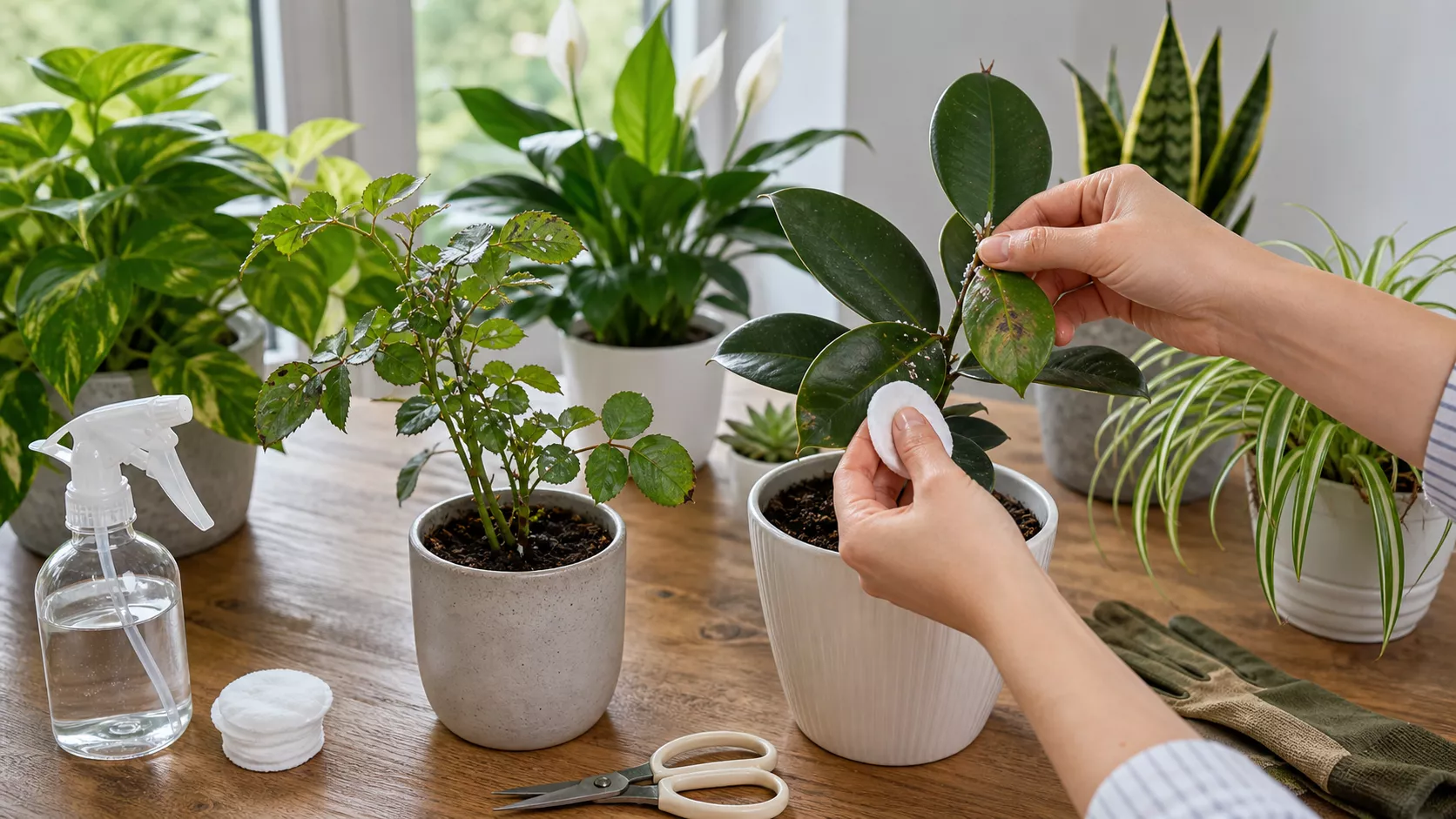
Also, keep low light plants clean. Dust on leaves can block the limited light available. Wiping leaves with a soft damp cloth helps the plant absorb light more efficiently and keeps it looking healthy.
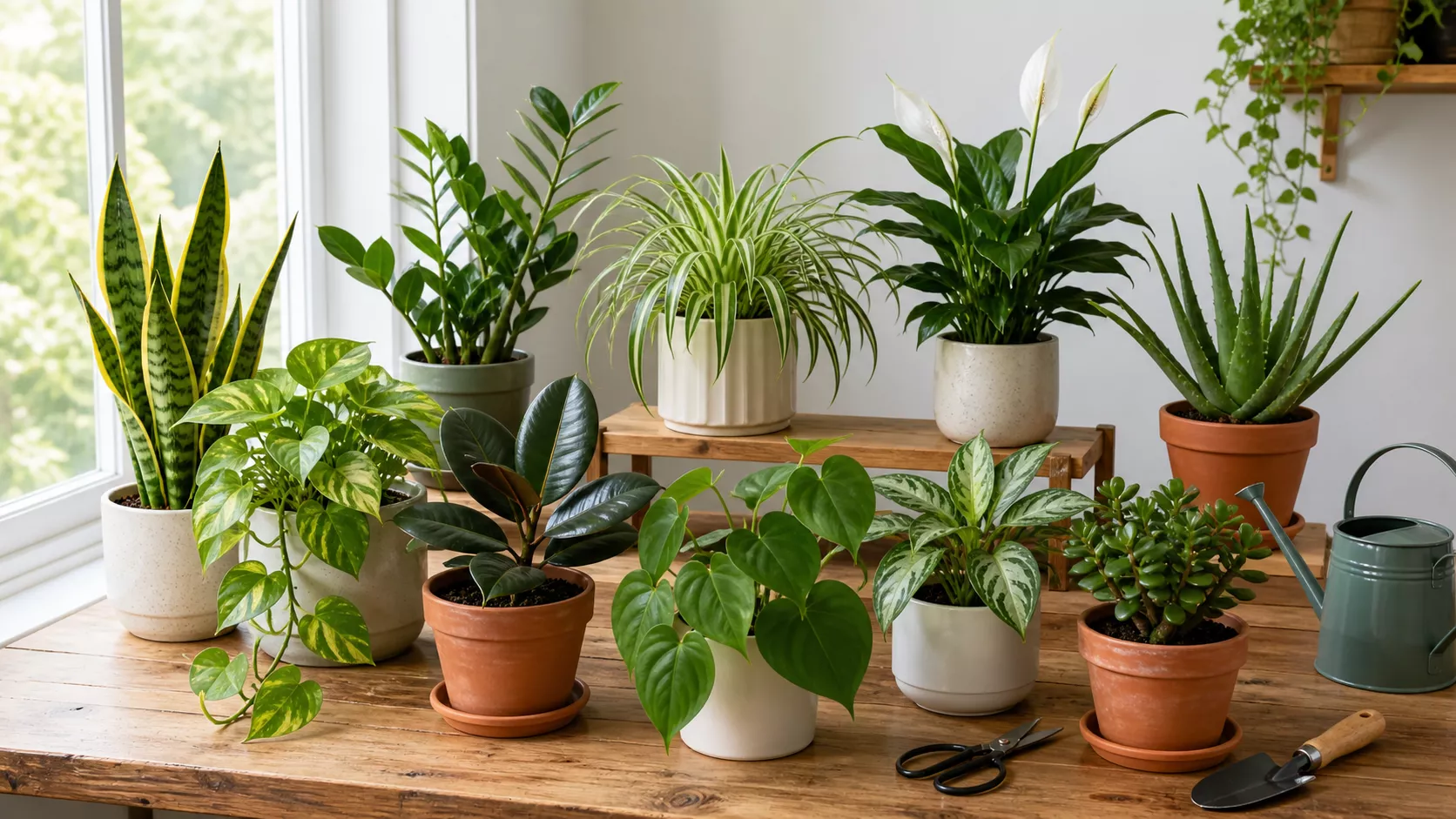
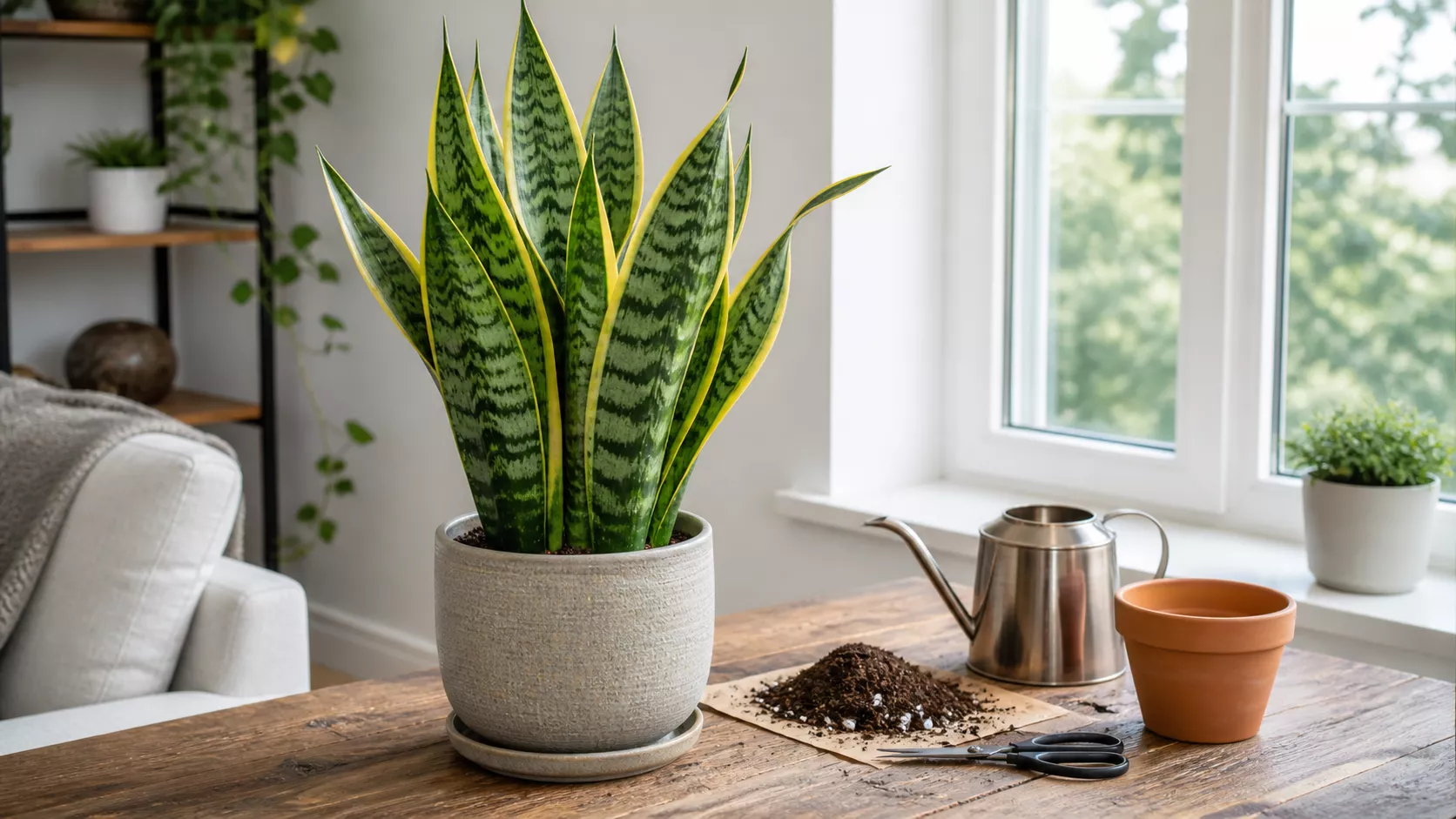
First, the snake plant is one of the most popular low light houseplants because it is strong, elegant, and very forgiving. Its upright leaves make it perfect for corners, bedrooms, offices, and narrow spaces.
Although snake plants grow best in bright indirect light, they can tolerate lower light conditions better than many other indoor plants. This makes them a reliable choice for beginners and busy people.
When watering, let the soil dry well before watering again. In low light, this may take longer than expected. Overwatering is one of the few problems that can seriously harm a snake plant.
Next, the ZZ plant is another excellent option for low light rooms. It has glossy green leaves and a clean, modern appearance that works well in offices, living rooms, and bedrooms.
Because the ZZ plant stores water in its underground rhizomes, it does not need frequent watering. This makes it especially suitable for low light environments where soil dries slowly.
Ideally, place the ZZ plant where it receives some indirect brightness. It can tolerate low light, but it should not stay in complete darkness. Water only when the soil has dried well.
Also, pothos is a beautiful trailing plant that adapts well to many indoor spaces. Its heart-shaped leaves and long vines look great on shelves, cabinets, hanging baskets, and plant stands.
Generally, pothos prefers bright indirect light, but it can tolerate lower light conditions. However, variegated varieties may lose some of their color patterns if they stay in very dim spaces for too long.
When watering, allow the top part of the soil to dry before watering again. Pothos is a good choice for beginners because it often shows visible signs when it needs attention.
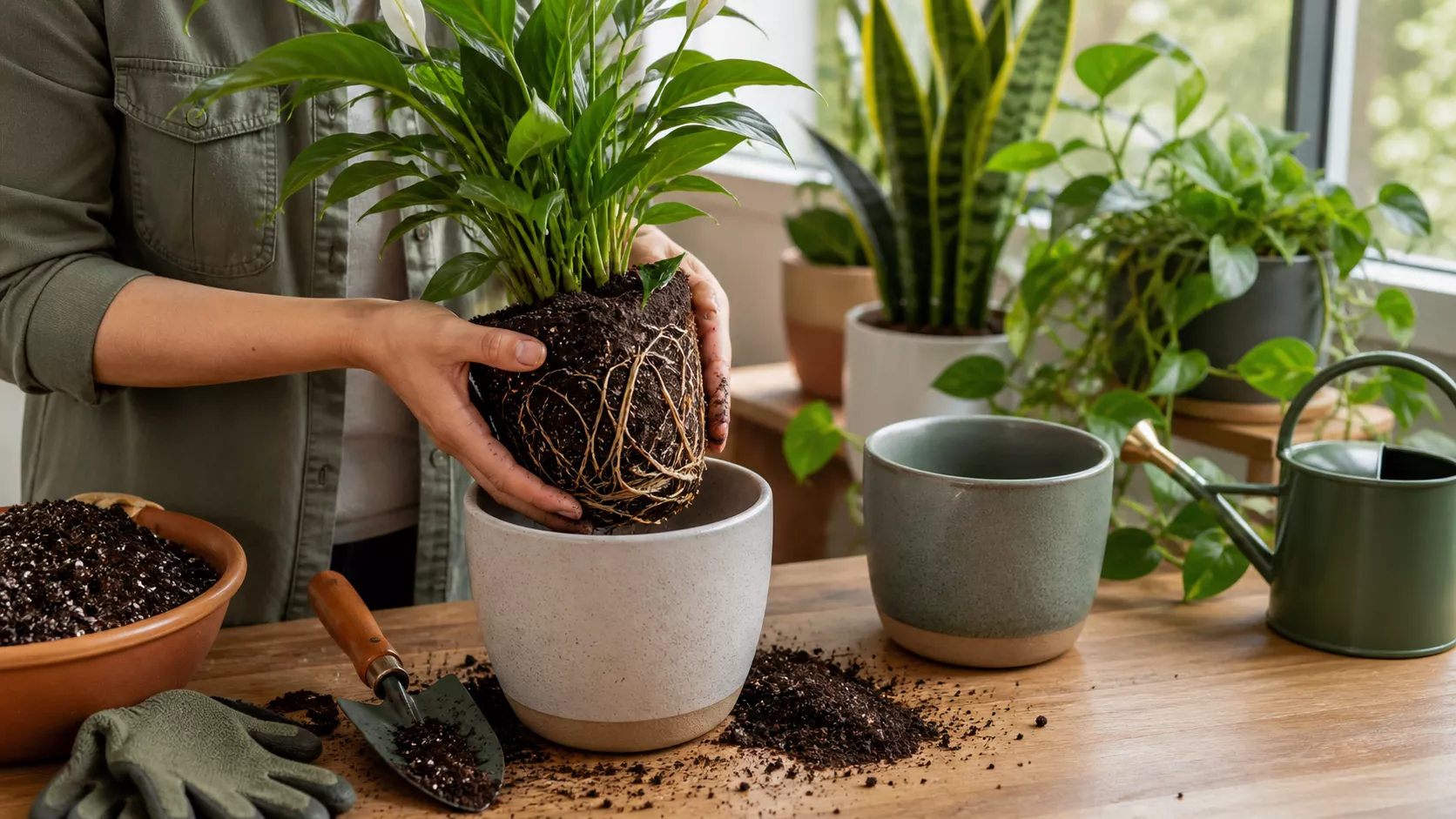
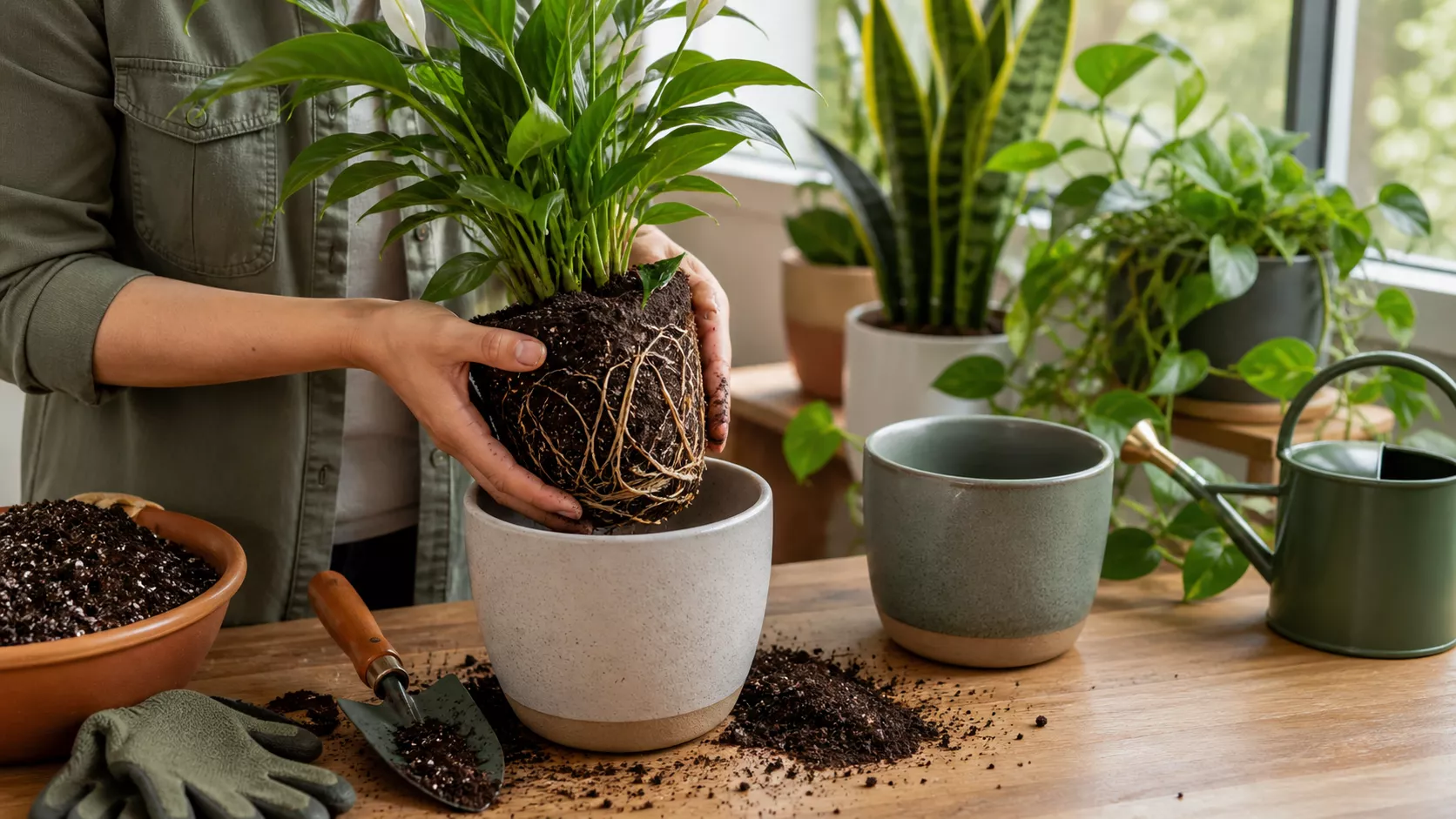
Another good option is the peace lily. It has dark green leaves and elegant white flowers that can brighten shaded rooms. It is often used in offices and homes because of its soft and classic appearance.
Although peace lilies tolerate low to medium light, they usually flower better in bright indirect light. In low light, they may still grow leaves but produce fewer flowers.
When watering, keep the soil lightly moist but not soaked. Peace lilies often droop when they need water, but always check the soil before watering to avoid excess moisture.
Next, Chinese evergreen is one of the best easy care plants for low light. It has decorative leaves that may include green, silver, cream, pink, or red tones depending on the variety.
Because this plant tolerates lower light, it is useful for bedrooms, offices, and shaded living rooms. Still, colorful varieties usually keep better color when they receive moderate indirect brightness.
When watering, allow the top layer of soil to dry slightly. Avoid keeping the soil constantly wet. Good drainage helps protect the roots and keeps the plant healthy.
Also, the cast iron plant is famous for being extremely resistant. Its name comes from its ability to tolerate difficult indoor conditions, including low light, irregular watering, and simple care routines.
This plant has long, dark green leaves and grows slowly. Because it does not require much attention, it is ideal for people who want greenery without a complicated maintenance schedule.
For best results, place it in low to medium indirect light and water only when the soil begins to dry. Avoid direct harsh sun, which can damage the leaves.
Another excellent choice is philodendron. Many varieties adapt well to indoor environments and can tolerate medium to low light. Heartleaf philodendron is especially popular because of its trailing growth and attractive leaves.
Usually, philodendrons grow best in bright indirect light, but they can survive in less intense light. In darker spaces, growth may become slower and vines may stretch more.
When watering, let the top part of the soil dry before watering again. If leaves turn yellow, check whether the plant is receiving too much water or not enough light.
Next, dracaena is a stylish plant with long, narrow leaves that can add height and structure to a room. It is often used in apartments, offices, and modern interiors.
Although dracaena prefers bright indirect light, many varieties can tolerate lower light conditions. However, growth may slow down in dim areas.
When watering, allow the top part of the soil to dry before watering. Dracaenas do not like soggy soil, so drainage is important. Brown tips may appear because of dry air, water quality, or inconsistent watering.
Also, the spider plant can adapt to different indoor conditions and is relatively easy to maintain. It has long arching leaves and often produces small baby plants that hang from the mother plant.
While spider plants prefer bright indirect light, they can tolerate moderate to lower light. In very low light, growth may slow and the plant may produce fewer baby plants.
When watering, keep the soil lightly moist, but allow the top layer to dry between waterings. Avoid letting the plant sit in water.
Finally, the parlor palm is a classic indoor plant that can tolerate lower light better than many other palms. It has soft, delicate fronds that create a calm and tropical atmosphere.
Because it grows slowly and stays manageable indoors, the parlor palm is a good option for living rooms, offices, and shaded corners with indirect light.
When watering, keep the soil slightly moist but not wet. Allow the top layer to dry a little before watering again. Good drainage and moderate humidity help this plant look its best.
First, place low light plants in areas that still receive some natural brightness during the day. A room does not need direct sun, but it should be bright enough for you to read comfortably without turning on a lamp during daylight hours.
Additionally, avoid placing plants in completely dark corners, closed bathrooms without windows, or hallways with no natural light. These areas may require artificial grow lights if you want plants to stay healthy.
Also, rotate your plants occasionally. When a plant receives light from one direction, it may lean toward that source. Rotating the pot helps keep growth more balanced.
Most importantly, water less frequently in low light. Because the plant receives less energy and the soil dries more slowly, watering too often can quickly become a problem.
Before watering, check the soil moisture with your finger. If the soil is still damp, wait. Many low light plants decline because their roots stay wet for too long.
When watering, water thoroughly and let the excess drain away. Do not leave the pot sitting in a saucer full of water. Good drainage is essential for healthy roots.
Sometimes, even tolerant plants may show signs that the space is too dark. These signs include very slow growth, pale leaves, weak stems, leaning toward a window, smaller new leaves, or loss of variegation.
If this happens, move the plant closer to a window with indirect light. Even a small increase in brightness can improve growth and overall health.
Alternatively, consider using a grow light. This can be especially helpful in offices, rooms with small windows, or apartments that receive very little daylight.
One common mistake is believing that low light plants can live without light. They cannot. They are tolerant, but they still need brightness to survive.
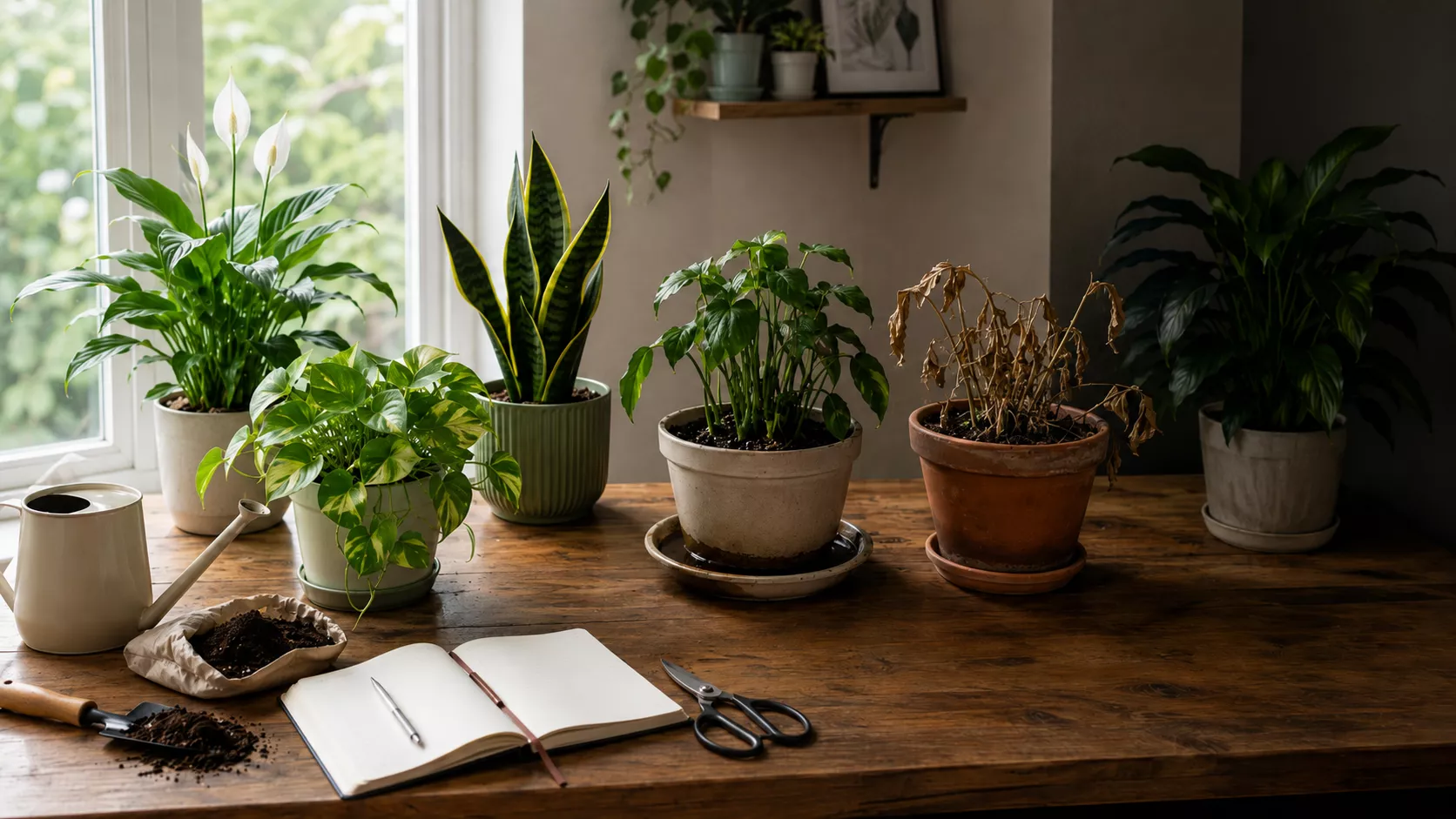
Another mistake is overwatering. Since low light slows down water use, soil can remain wet for many days. Always check the soil before watering.
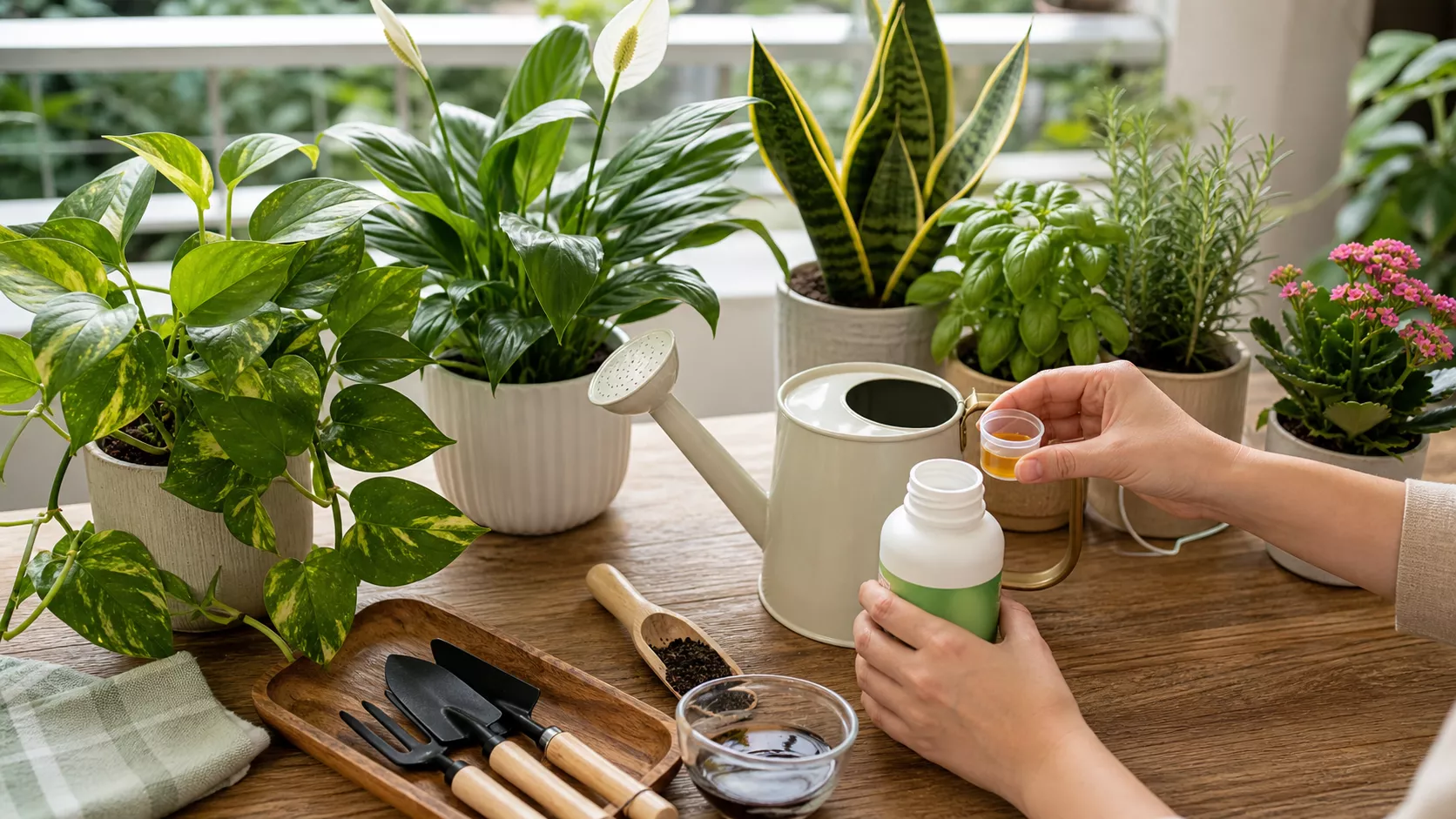
Also, avoid fertilizing too much. Plants growing in low light usually grow more slowly, so they do not need heavy feeding. Too much fertilizer can stress the roots.
First, clean the leaves regularly. Dust can block light, and in low light spaces every bit of brightness matters. A soft damp cloth is enough for most broad-leaf plants.
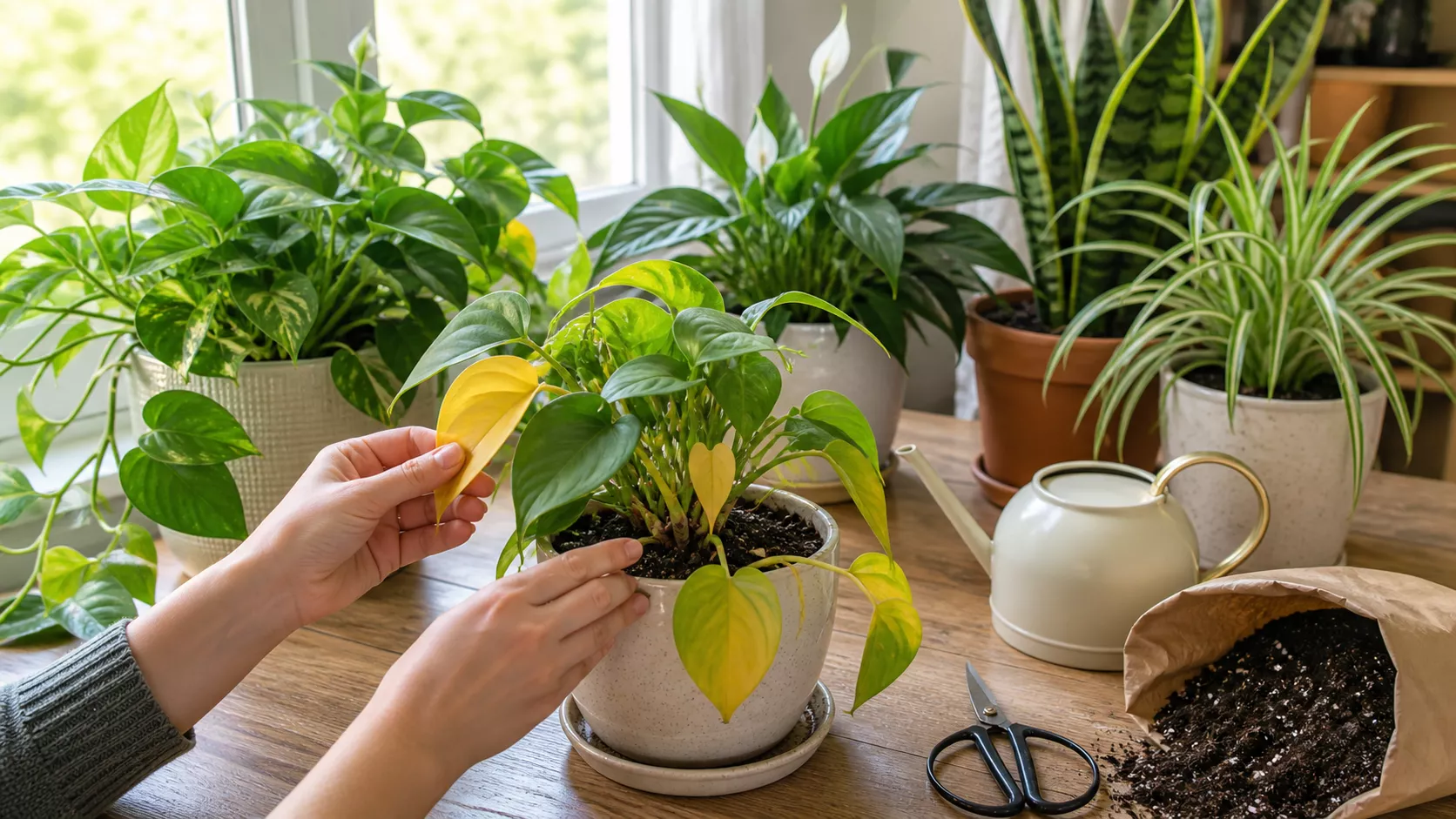
Next, prune yellow or damaged leaves. This keeps the plant attractive and allows you to notice problems more quickly.
Finally, choose decorative pots that match your space, but make sure the plant itself has drainage. Beauty is important, but healthy roots are more important for long-term success.
In conclusion, the best plants for low light environments are those that can adapt to limited natural brightness while still remaining attractive and manageable. Snake plant, ZZ plant, pothos, peace lily, Chinese evergreen, cast iron plant, philodendron, dracaena, spider plant, and parlor palm are all strong options.
Above all, remember that low light does not mean no light. These plants still need some brightness, careful watering, good drainage, and regular observation.
Ultimately, choosing the right low light indoor plants can help you create a greener and more welcoming home, even if your space does not receive much sunlight. With patience and simple care, shaded rooms can still become beautiful places for healthy plants.