How to Care for Plants in Hot Weather

First, learning how to care for succulents is one of the best ways to start growing plants at home. Succulents are beautiful, compact, decorative, and available in many colors, shapes, and sizes. They look great on windowsills, desks, shelves, balconies, and small garden corners.
However, even though succulents are known as easy plants, many beginners make mistakes with watering, sunlight, soil, and pots. The most common problem is treating succulents like regular houseplants. Since succulents store water in their leaves, stems, or roots, they need a different care routine.
Therefore, this complete guide will help you understand the essential points of succulent care for beginners. You will learn how much water succulents need, how much sunlight they should receive, what soil to use, how to choose the right pot, and how to avoid the most common mistakes.
First, succulents are plants that store water in thick leaves, stems, or roots. This special ability helps them survive in dry environments where water may not be available every day. Because of this, succulents usually need less frequent watering than many other indoor plants.
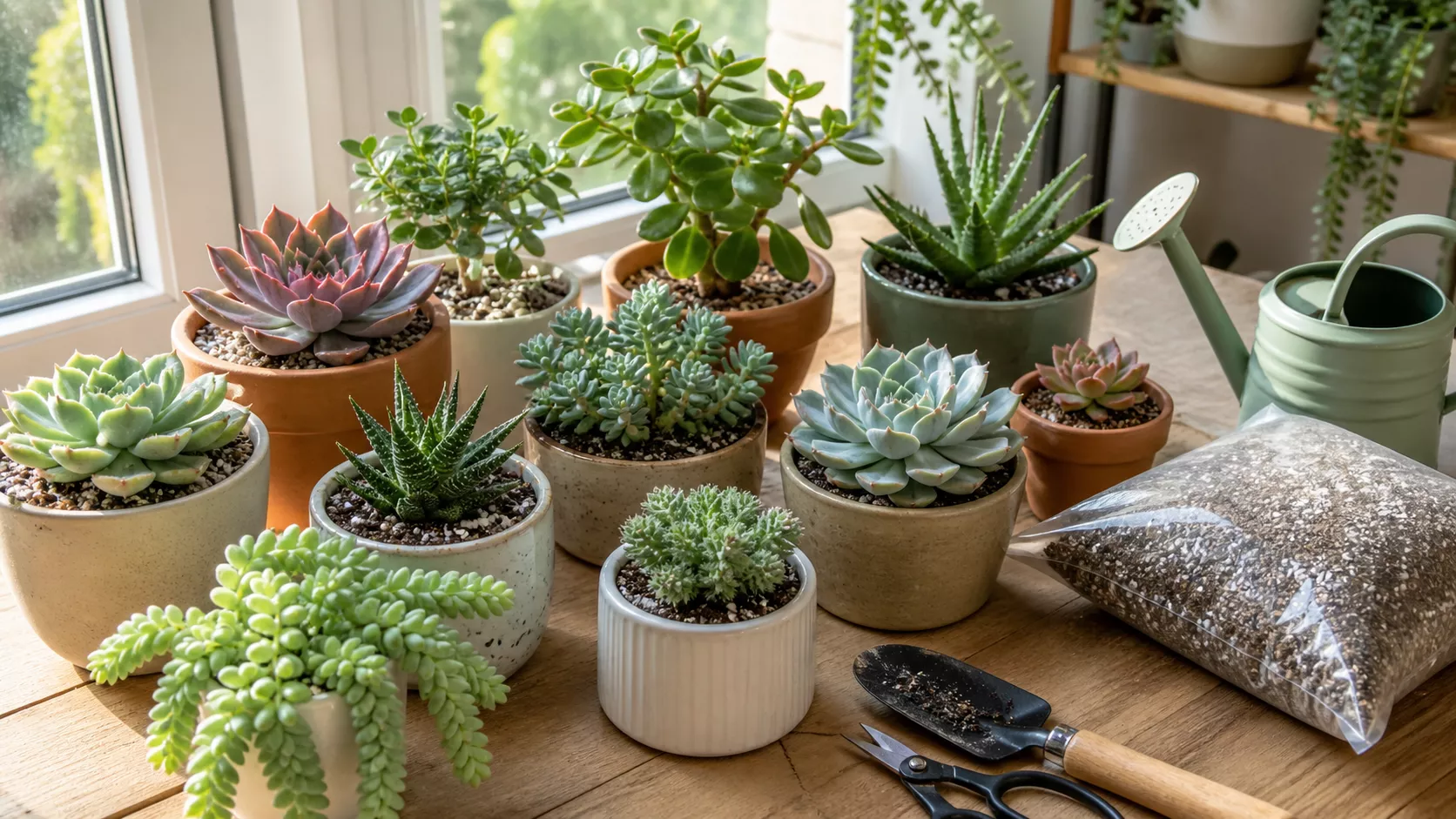
Additionally, succulents include many different plant types. Some have rosette shapes, others grow tall, some trail beautifully, and others look almost sculptural. Popular examples include echeveria, haworthia, sedum, jade plant, aloe vera, and string of pearls.
Because of this variety, not all succulents are exactly the same. Some tolerate indoor conditions better than others, and some need stronger sunlight. Still, most succulents share similar basic needs: bright light, fast-draining soil, careful watering, and good airflow.
First, succulents are popular because they are visually attractive and easy to decorate with. Their compact size makes them perfect for small spaces, apartments, work desks, and shelves. They can be planted alone or arranged with different varieties in decorative containers.
Also, succulents are considered low maintenance plants because they do not need daily watering. This makes them ideal for busy people, beginners, or anyone who wants plants but does not want a complicated routine.
However, low maintenance does not mean no maintenance. Succulents still need the right environment to stay healthy. Without enough light or with too much water, they can stretch, rot, lose leaves, or stop growing.
Before anything else, choosing the right succulent makes care much easier. Some succulents adapt better to indoor spaces, while others grow best outdoors with stronger sunlight. Beginners should start with resistant varieties.
For example, jade plant, haworthia, aloe vera, echeveria, and sedum are common choices for beginners. These plants are usually easier to find and can grow well when their basic needs are met.
Additionally, observe the plant before buying it. Choose succulents with firm leaves, good color, and no signs of pests or rot. Avoid plants with mushy leaves, black spots, weak stems, or very stretched growth.
Most importantly, succulents need plenty of light. Light is one of the main factors that keep succulents compact, colorful, and healthy. Without enough brightness, they can become weak and stretched.
Usually, succulents grow best with several hours of bright light each day. A sunny window, balcony, patio, or bright indoor spot can work well. Many succulents enjoy direct morning sun, which is gentler than intense afternoon sun.
However, if a succulent has been indoors or in shade for a long time, do not place it suddenly in strong direct sun. Sudden exposure can burn the leaves. Instead, increase sunlight gradually over several days or weeks.
Often, beginners do not realize their succulents are suffering from lack of light. One common sign is stretching. The plant may grow tall, weak, and spaced out as it reaches toward the light source.
Additionally, the leaves may become pale, softer, or less colorful. Rosette succulents may lose their compact shape and start opening too much. This is a clear sign that the plant needs a brighter location.
To fix this, move the succulent closer to a bright window or place it in an area with stronger natural light. If your home does not receive enough sunlight, a grow light may help support healthy growth.
Next, watering is one of the most important parts of succulent care. Because succulents store water, they do not need frequent watering. In fact, watering too often is one of the fastest ways to damage them.
Instead of watering every day or every few days, check the soil first. Succulents usually prefer the soil to dry completely before receiving water again. If the soil is still moist, wait longer.
When watering, water deeply until excess water drains from the bottom of the pot. This helps moisture reach the roots. After that, let the soil dry fully before watering again. This method is much better than giving small amounts of water too often.
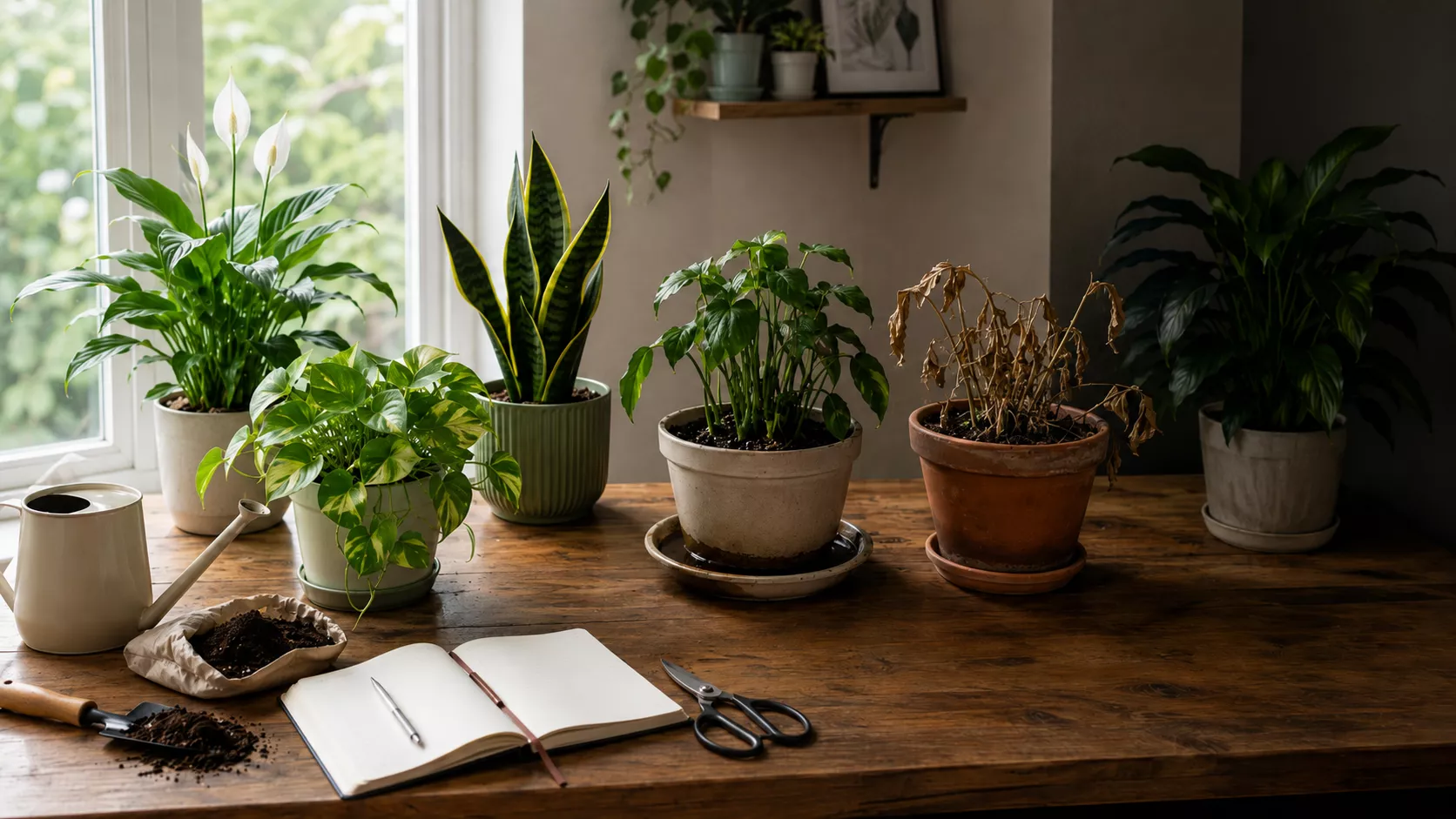
Unfortunately, overwatering is the most common mistake with succulents. When the soil stays wet for too long, the roots may not get enough oxygen. This can lead to root problems and plant decline.
Common signs of overwatering include mushy leaves, yellowing leaves, transparent-looking leaves, soft stems, black spots, and leaves falling off easily. If the base of the plant becomes soft, the problem may already be serious.
To avoid this, use fast-draining soil, pots with drainage holes, and a careful watering routine. Always check the soil before watering, especially if the plant is indoors or in a low-light space.
Although overwatering is more common, underwatering can also happen. If a succulent stays dry for too long, it may begin to use the water stored in its leaves. The leaves can become wrinkled, thin, or shriveled.
In many cases, underwatered succulents recover after a deep watering. However, repeated extreme dryness can slow growth and weaken the plant over time.
Therefore, the goal is balance. Let the soil dry completely, but do not ignore the plant for too long. Observe the leaves and soil to understand the plant’s rhythm.
Another essential point is soil. Regular garden soil or heavy potting soil may hold too much moisture for succulents. This can make overwatering problems worse, even if you do not water very often.
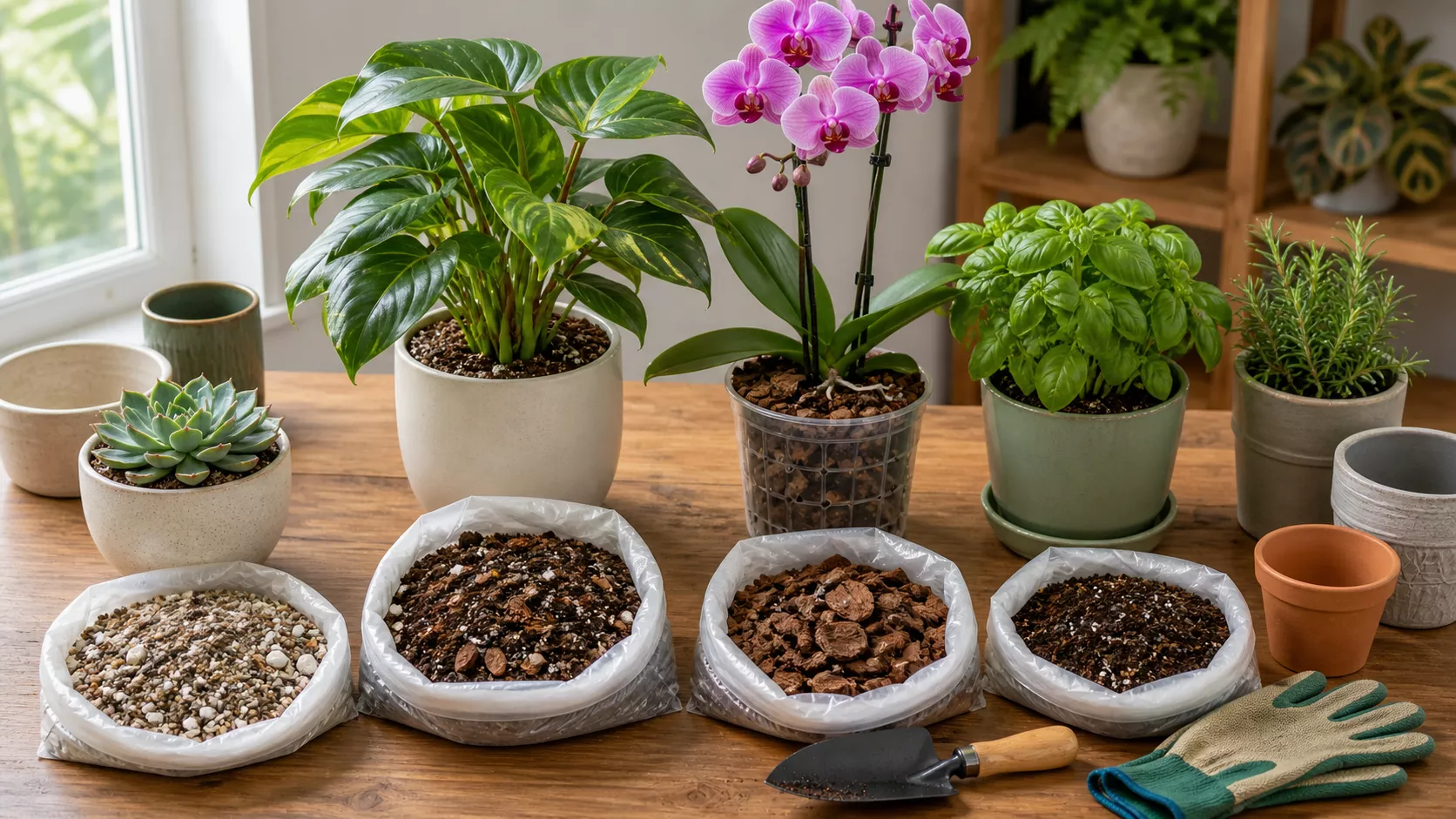
Ideally, use a fast-draining succulent soil mix. This type of mix allows water to pass through quickly while still giving the roots enough support. Many ready-made cactus and succulent mixes are available, but some can still be improved with extra drainage materials.
For better drainage, many growers add materials such as perlite, pumice, coarse sand, or small mineral particles. The goal is to create a mix that does not stay wet for many days.
Besides soil, the pot is extremely important. Succulents should be planted in pots with drainage holes because excess water needs a way to escape.
If a pot has no drainage hole, water can collect at the bottom. Even if the top soil looks dry, the lower part may stay wet and harm the roots. This is a common hidden problem in decorative containers.
Therefore, choose pots with holes whenever possible. If you want to use a decorative pot without holes, keep the succulent in a smaller nursery pot inside it and remove it for watering. Let it drain completely before placing it back.
Also, pot size matters. A pot that is too large can hold too much soil and moisture around a small root system. This increases the risk of overwatering.
Ideally, choose a pot that is only slightly larger than the succulent’s root ball. This gives the plant room to grow without surrounding it with too much wet soil.
Additionally, shallow pots can work well for many small succulents, as long as they have drainage. The pot should provide stability, airflow, and enough space for healthy root development.
For indoor succulents, light is often the biggest challenge. Many homes do not provide enough direct sunlight for succulents to stay compact. A bright windowsill is usually the best place indoors.
Furthermore, indoor air conditions can affect watering. Soil may dry more slowly indoors because there is less airflow and less direct sun. Because of this, indoor succulents often need less frequent watering than outdoor succulents.
Also, avoid placing succulents in dark rooms, bathrooms without light, or far from windows. They may survive for a while, but they will likely stretch and weaken over time.
For outdoor succulents, sunlight and rain are important factors. Many succulents enjoy outdoor brightness, but intense afternoon sun can burn some varieties, especially in very hot climates.
If your succulents are outdoors, protect them from long periods of heavy rain. Too much rain can keep the soil wet and increase the risk of root problems. A covered balcony or well-draining outdoor area can be helpful.
Additionally, outdoor succulents may need more frequent watering during hot, dry weather. However, the soil should still dry between waterings. Always observe conditions before adding water.
Although succulents do not need heavy feeding, they can benefit from light fertilizing during the growing season. A balanced fertilizer used at a diluted strength can support healthy growth.
However, too much fertilizer can cause weak growth or damage the roots. Succulents are adapted to survive in less rich conditions, so they do not need frequent feeding.
Usually, fertilizing occasionally during warmer months is enough for many succulents. Avoid fertilizing when the plant is stressed, recently repotted, or not actively growing.
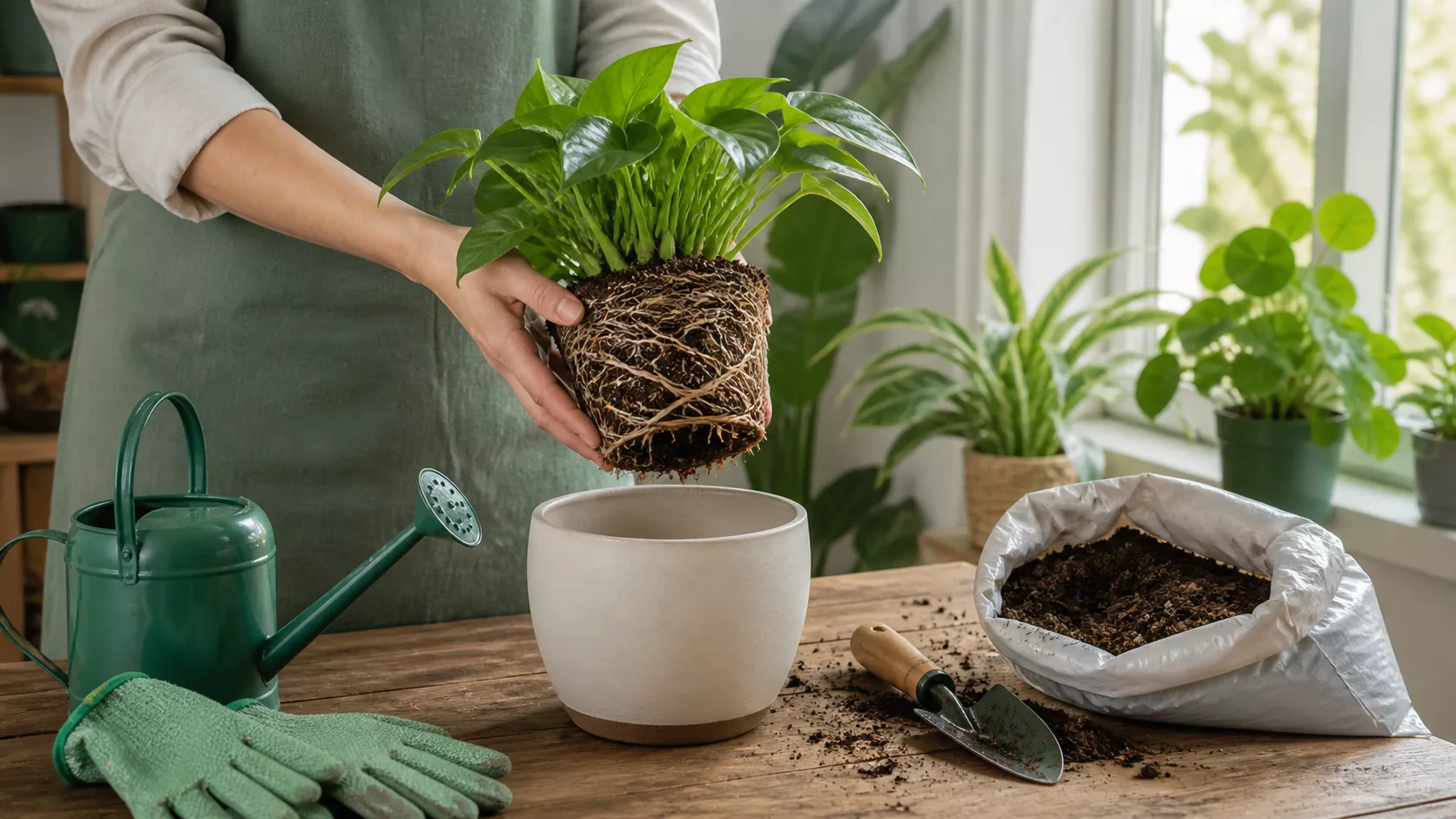
Over time, succulents may need repotting. This can happen when the plant outgrows its pot, the soil becomes compacted, or the roots fill the container. Repotting gives the plant fresh soil and better growing conditions.
When repotting, handle the plant gently and remove old compacted soil from the roots if possible. Choose a pot with drainage and use a fast-draining succulent mix.
After repotting, wait a short period before watering if the roots were disturbed. This gives small root injuries time to dry and reduces the risk of problems.
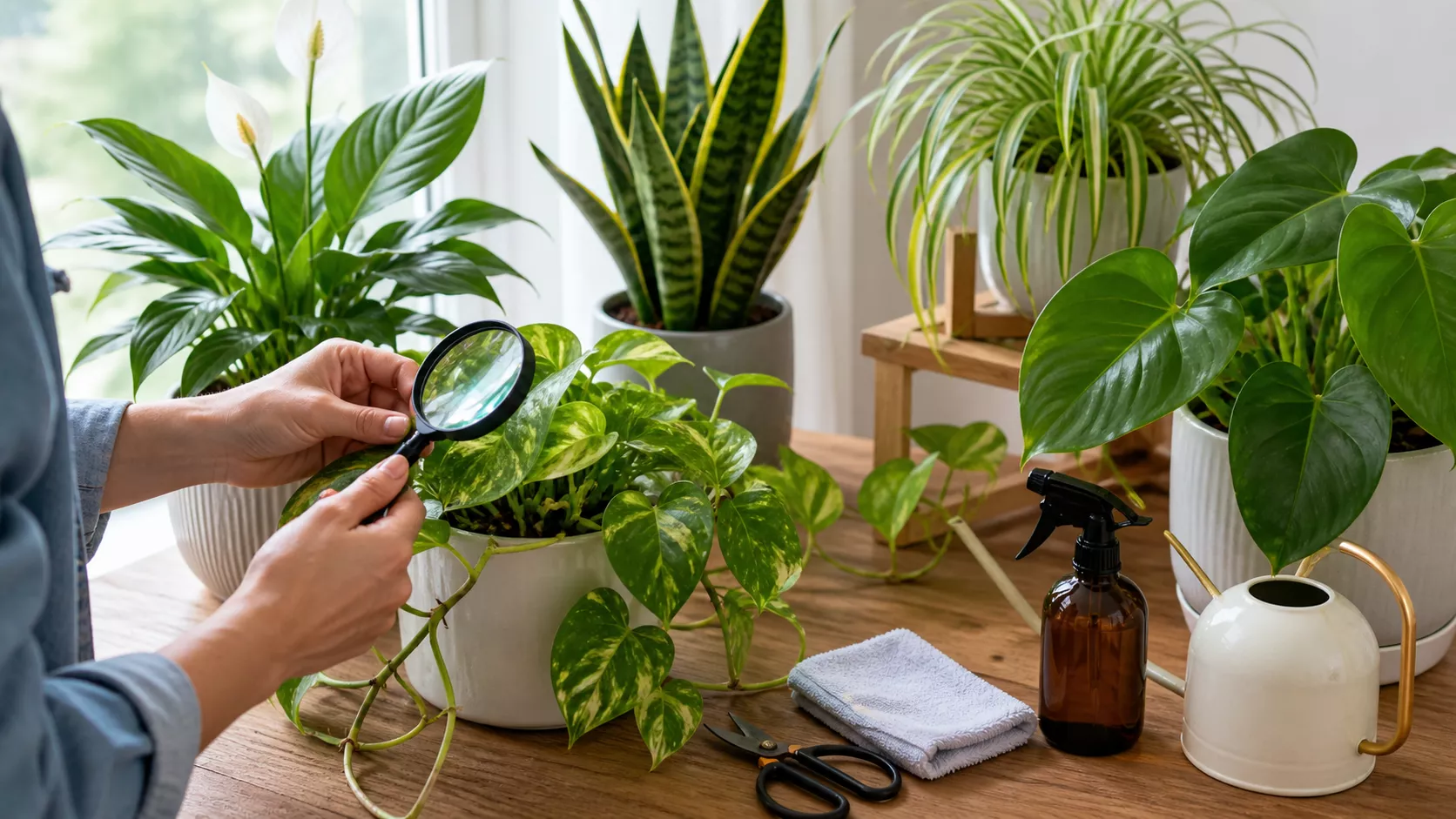
Additionally, regular inspection helps prevent problems. Look at the leaves, stems, base, and soil surface. Early signs of pests, rot, or stretching are easier to correct.
Common pests on succulents include mealybugs, aphids, and fungus gnats. Mealybugs may look like small white cotton-like spots, especially between leaves. Fungus gnats often appear when soil stays too wet.
To keep plants healthy, remove dead leaves from the base of the plant. Dry leaves can trap moisture or hide pests. Keeping the plant clean improves airflow and appearance.
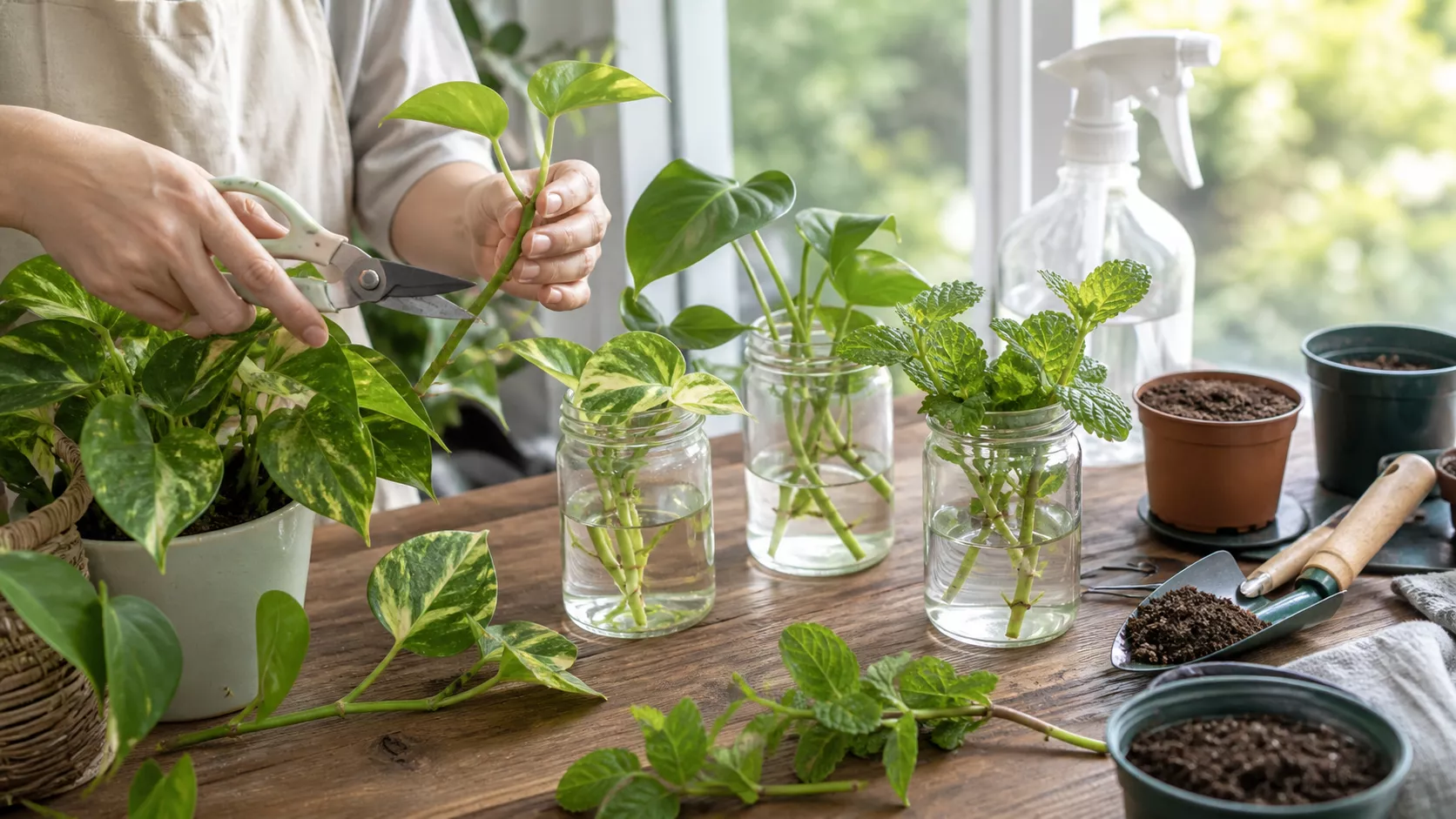
One exciting part of succulent care is propagation. Many succulents can be propagated from leaves, cuttings, or offsets. This allows you to create new plants from a healthy parent plant.
For leaf propagation, gently remove a healthy leaf and allow the end to dry for a short time. Then place it on top of a suitable soil mix. Over time, roots and a tiny new plant may appear.
For stem cuttings, cut a healthy part of the plant, let the cut end dry, and then place it in soil. Propagation requires patience, but it is a rewarding way to expand your succulent collection.
One common mistake is watering too often. Succulents are not regular tropical houseplants, and they usually do not like constant moisture. Always let the soil dry properly.
Another mistake is keeping succulents in low light. Without enough brightness, they stretch and lose their natural shape. A bright location is essential for long-term health.
Also, using pots without drainage can create serious problems. Even a beautiful arrangement can fail if water cannot escape. Drainage is one of the most important parts of succulent care for beginners.
To begin, place your succulents in the brightest suitable location available. Watch how they respond over time. If they stretch, they need more light. If they burn, they may need gentler exposure.
Then, check the soil before watering. Do not water just because several days have passed. Water only when the soil is completely dry and the plant shows normal readiness for water.
Finally, inspect your succulents weekly. Remove dead leaves, check for pests, rotate the pot for even growth, and make sure the plant is not sitting in excess water.
In conclusion, learning how to care for succulents becomes simple when you understand their natural needs. Succulents need bright light, fast-draining soil, pots with drainage, careful watering, and good airflow.
Above all, avoid the most common mistakes: too much water, low light, heavy soil, and pots without drainage. These problems are responsible for most succulent failures among beginners.
Ultimately, succulents are beautiful, resistant, and rewarding plants when cared for correctly. With patience, observation, and a simple routine, you can keep your succulents healthy, colorful, and attractive at home.