How to Care for Plants During the Rainy Season

First, learning how to care for plants during the rainy season is essential for keeping outdoor plants, balcony gardens, potted plants, herbs, flowers, and even some indoor plants healthy. Rain can be very helpful because it provides natural water, increases humidity, and refreshes the environment. However, too much rain can also create problems.
Additionally, rainy periods often bring excess moisture, poor drainage, wet leaves, compacted soil, fungal growth, pests, and root stress. Some plants enjoy moist conditions, while others suffer quickly when the soil stays wet for too long. Succulents, cacti, rosemary, lavender, and many herbs can be especially sensitive to constant rain.
Therefore, this guide will explain practical rainy season plant care tips for beginners. You will learn how to protect roots, improve drainage, prevent fungus, avoid overwatering, care for balcony plants, manage pests, and keep your plants healthy when rain becomes frequent.
First, rainy weather changes how plants receive water. During dry periods, you control watering. During the rainy season, plants may receive water every day, even when they do not need it. This can quickly create excess moisture in the soil.
Also, rain increases humidity around leaves and stems. While humidity can help some tropical plants, it can also encourage fungal problems when airflow is poor. Leaves that stay wet for many hours become more vulnerable to spots, mildew, and rot.
Furthermore, heavy rain can compact soil, wash away nutrients, damage delicate leaves, and overflow pots. Because of this, plant care during rainy periods requires observation and adjustment.
First, one of the most important rules is to stop watering automatically during rainy weather. Many beginners continue their normal watering routine even when plants are already receiving plenty of rain.
Before watering, always check the soil. If it is moist or wet, wait. Adding more water can make the roots suffer from lack of oxygen.
Additionally, remember that cloudy weather slows evaporation. Even if it does not rain heavily every day, the soil may still dry more slowly because there is less sun and warmth.
Next, checking soil moisture becomes even more important during rainy periods. The surface of the soil may look normal, but deeper layers can remain wet for several days.
To check, place your finger a few centimeters into the soil. If it feels wet or cold, the plant probably does not need more water. If it feels dry at the proper depth for that plant, watering may be needed.
Also, use pot weight as a guide. Wet pots feel heavier than dry pots. With practice, this simple habit helps prevent overwatering.
Most importantly, pots must have drainage holes during the rainy season. Without drainage, rainwater collects at the bottom of the container and can damage roots.
Even plants that like moisture still need oxygen around their roots. Standing water can cause yellow leaves, soft stems, root rot, and unpleasant soil smell.
Therefore, check every outdoor pot, balcony planter, and decorative container. If a pot has no drainage, move the plant to a safer container or keep it protected from rain.
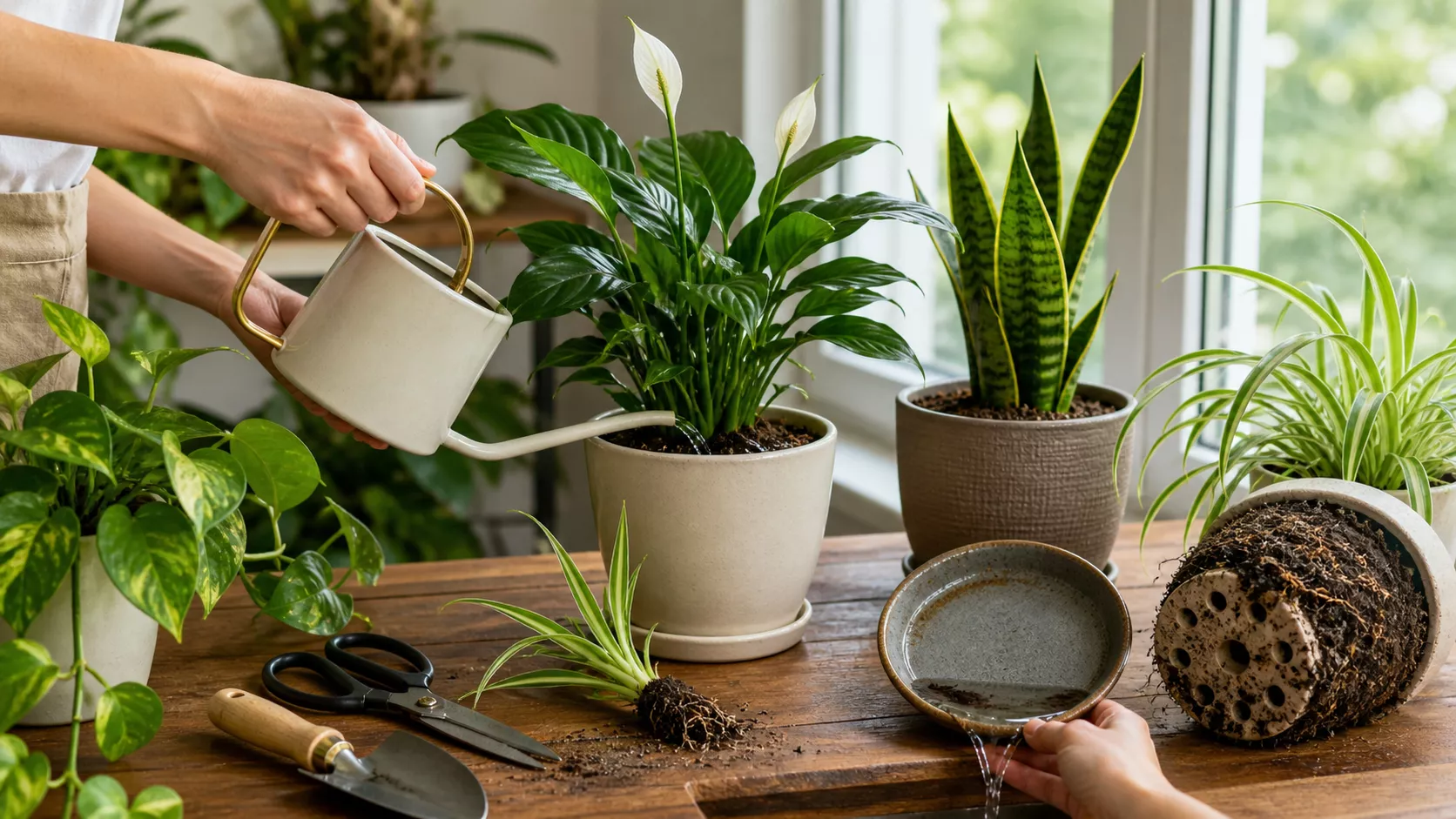
Another common problem is water collecting in saucers, trays, and decorative cachepots. After rain, these containers can hold water without you noticing.
If a plant sits in collected water, roots may stay too wet even if the pot has drainage holes. This can create hidden root problems over time.
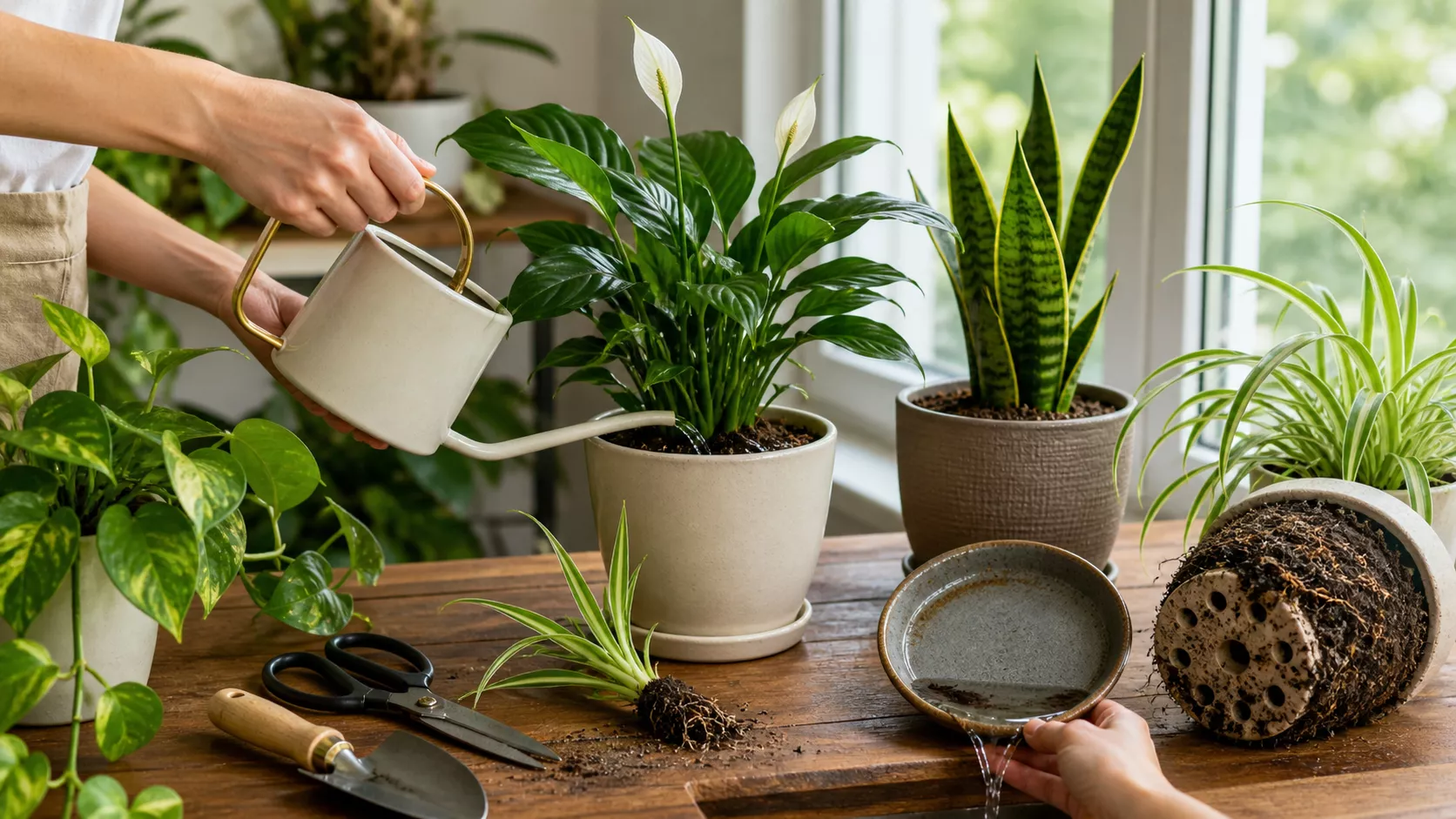
After rainy days, check under your pots and empty any standing water. This small habit can prevent many serious problems.
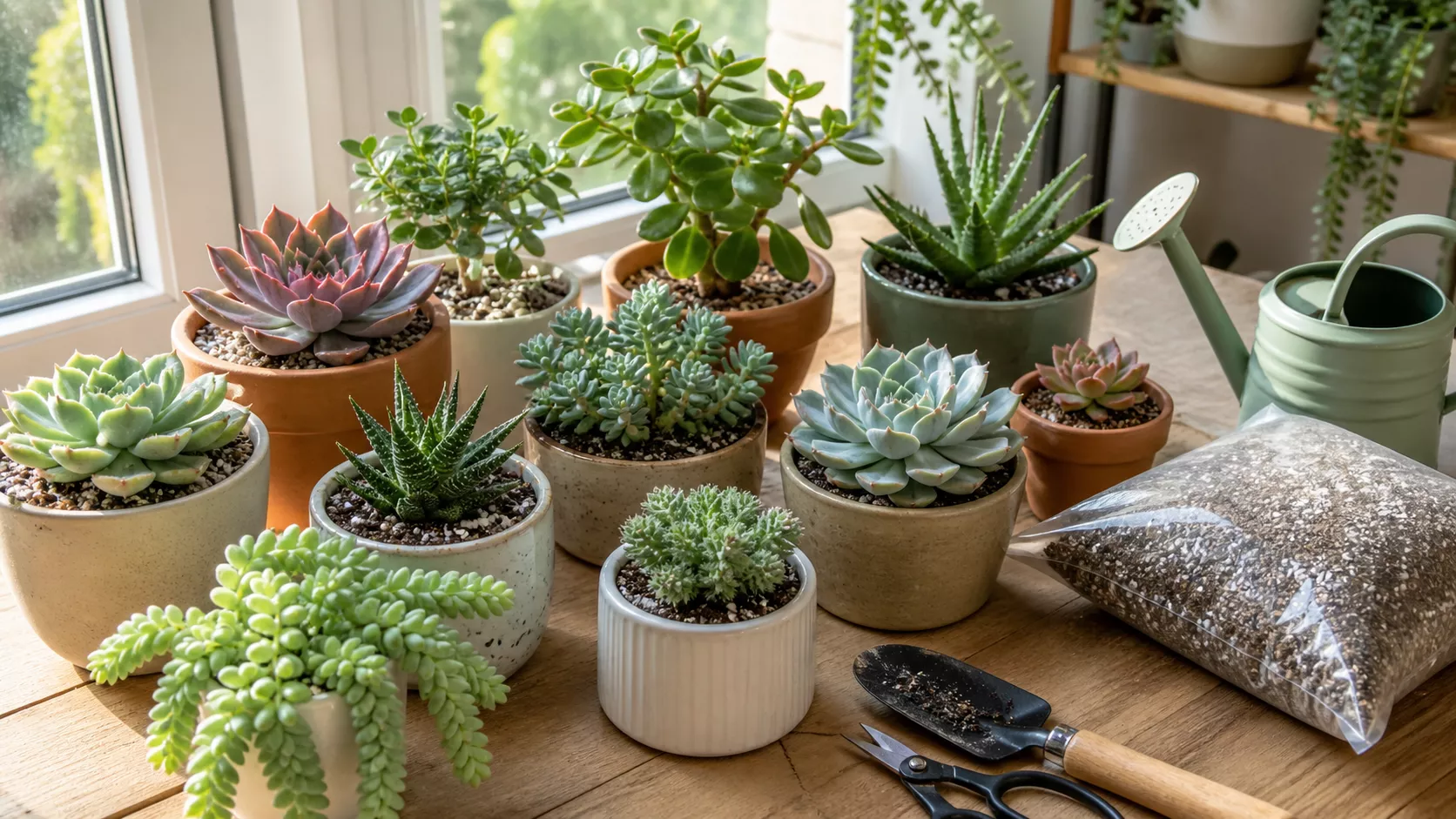
Some plants should not receive constant rain. Succulents, cacti, aloe vera, jade plants, rosemary, thyme, oregano, lavender, and many drought-tolerant plants prefer soil that dries between waterings.
During frequent rain, move these plants under a roof, balcony cover, porch, window ledge, or any protected area with enough light. This helps prevent soggy soil and root damage.
However, do not move them into complete darkness. Protection from rain should still allow suitable brightness and airflow.
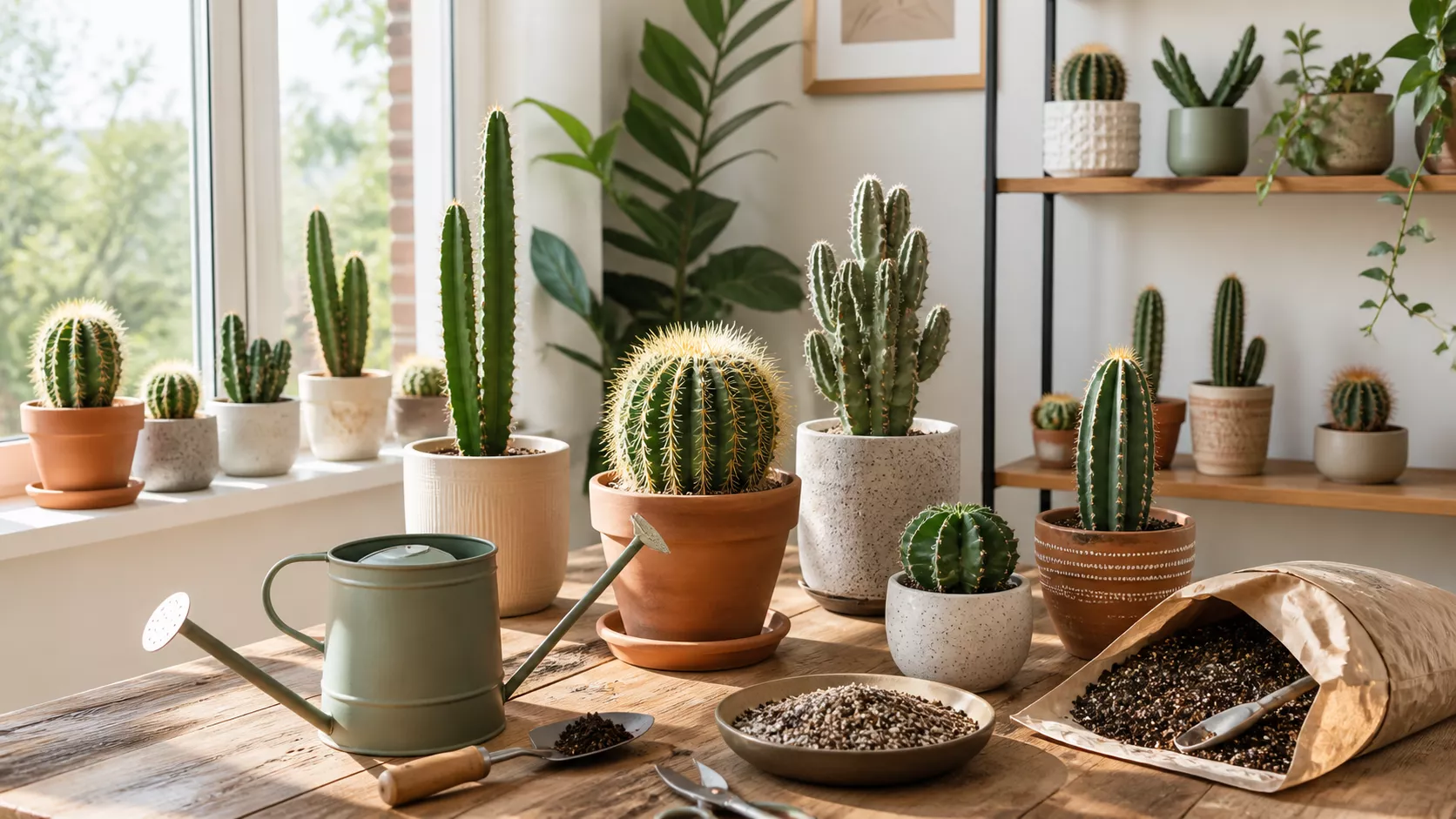
Succulents and cacti are especially vulnerable to rainy season problems because they store water and prefer fast-draining soil. Constant rain can keep their roots wet for too long.
To protect them, keep them in pots with drainage holes and use a fast-draining soil mix. If heavy rain is expected, move them to a covered area.
Also, avoid watering them after rain unless the soil is completely dry. In rainy weather, these plants may need much less water than usual.
Drainage is not only about the pot. Soil also matters. Heavy, compacted soil holds water for too long and increases the risk of root problems.
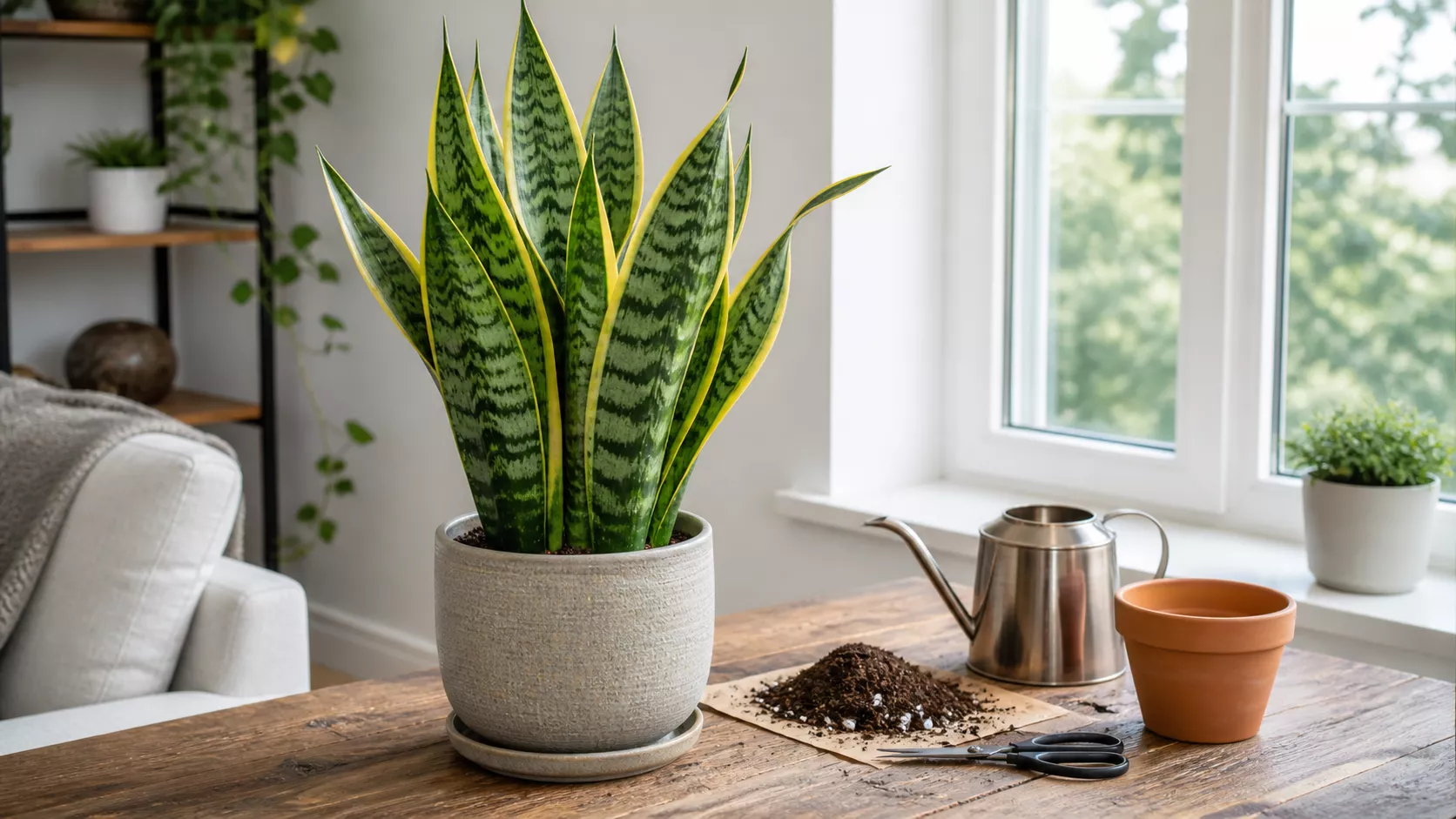
To improve drainage, use materials such as perlite, pumice, coarse sand, bark, or a suitable potting mix depending on the plant type. These ingredients help water move through the soil more easily.
If the soil stays wet for many days after rain, consider repotting into a better mix when the plant is stable. Good soil makes rainy season care much easier.
During rainy weather, pots placed directly on the ground may drain poorly. Water can collect underneath, blocking drainage holes and keeping the bottom of the pot wet.
To help, place pots on plant stands, bricks, pot feet, shelves, or raised surfaces. This allows water to drain freely and improves airflow around the base.
Additionally, raised pots are easier to inspect after rain. You can quickly see whether water is draining properly.
Heavy rain can compact soil, especially in outdoor pots and garden beds. Compacted soil reduces airflow and makes it harder for roots to grow.
Signs of compacted soil include water sitting on the surface, hard soil texture, slow drainage, and weak plant growth.
To prevent this, use good-quality potting mix, avoid stepping on garden beds, and gently loosen the top layer of soil when needed. Be careful not to damage roots close to the surface.
Root rot is one of the biggest risks during the rainy season. It happens when roots stay too wet for too long and begin to decay.
Signs of root rot may include yellow leaves, wilting despite wet soil, soft stems, bad smell, black roots, leaf drop, and slow decline.
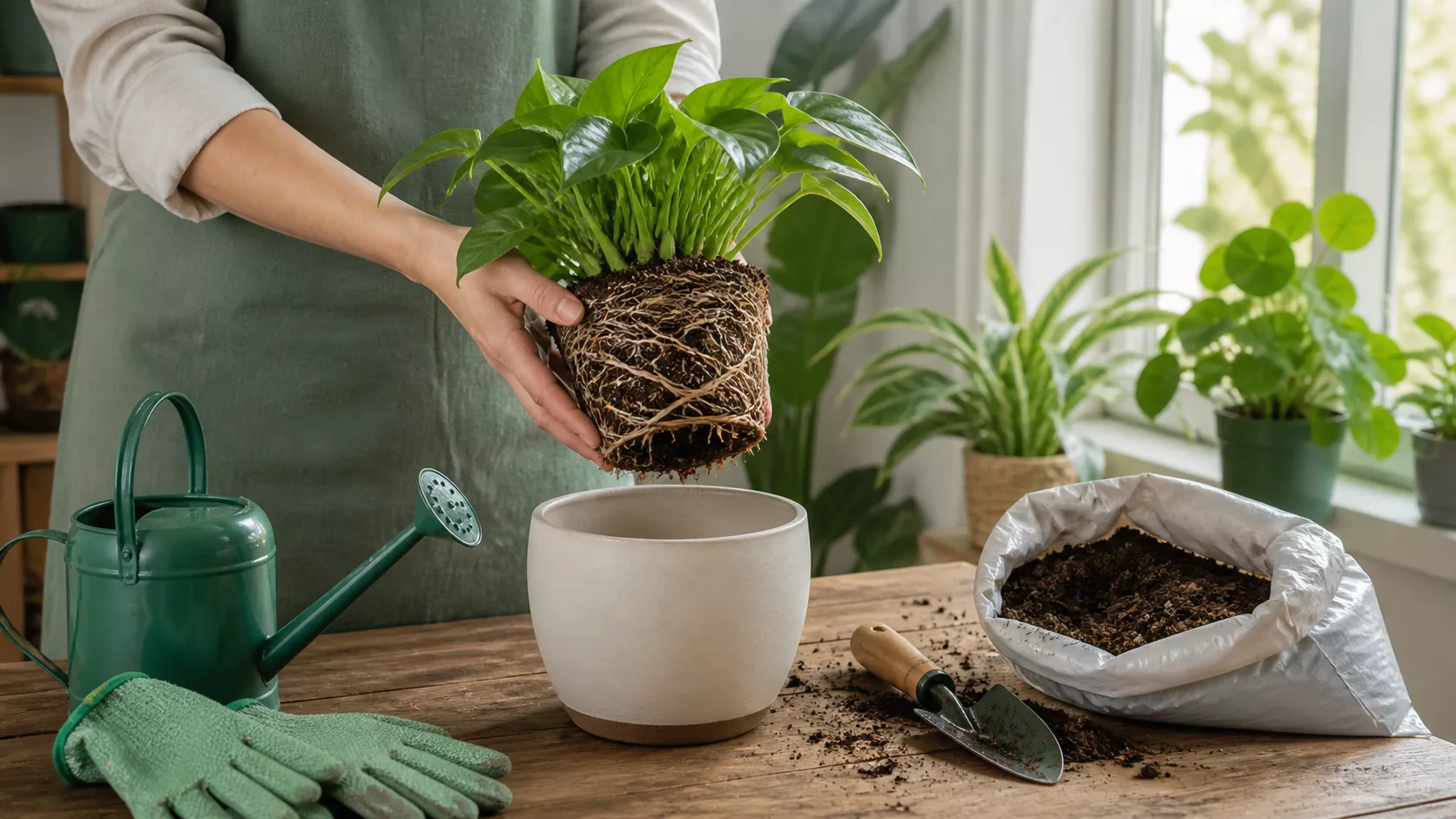
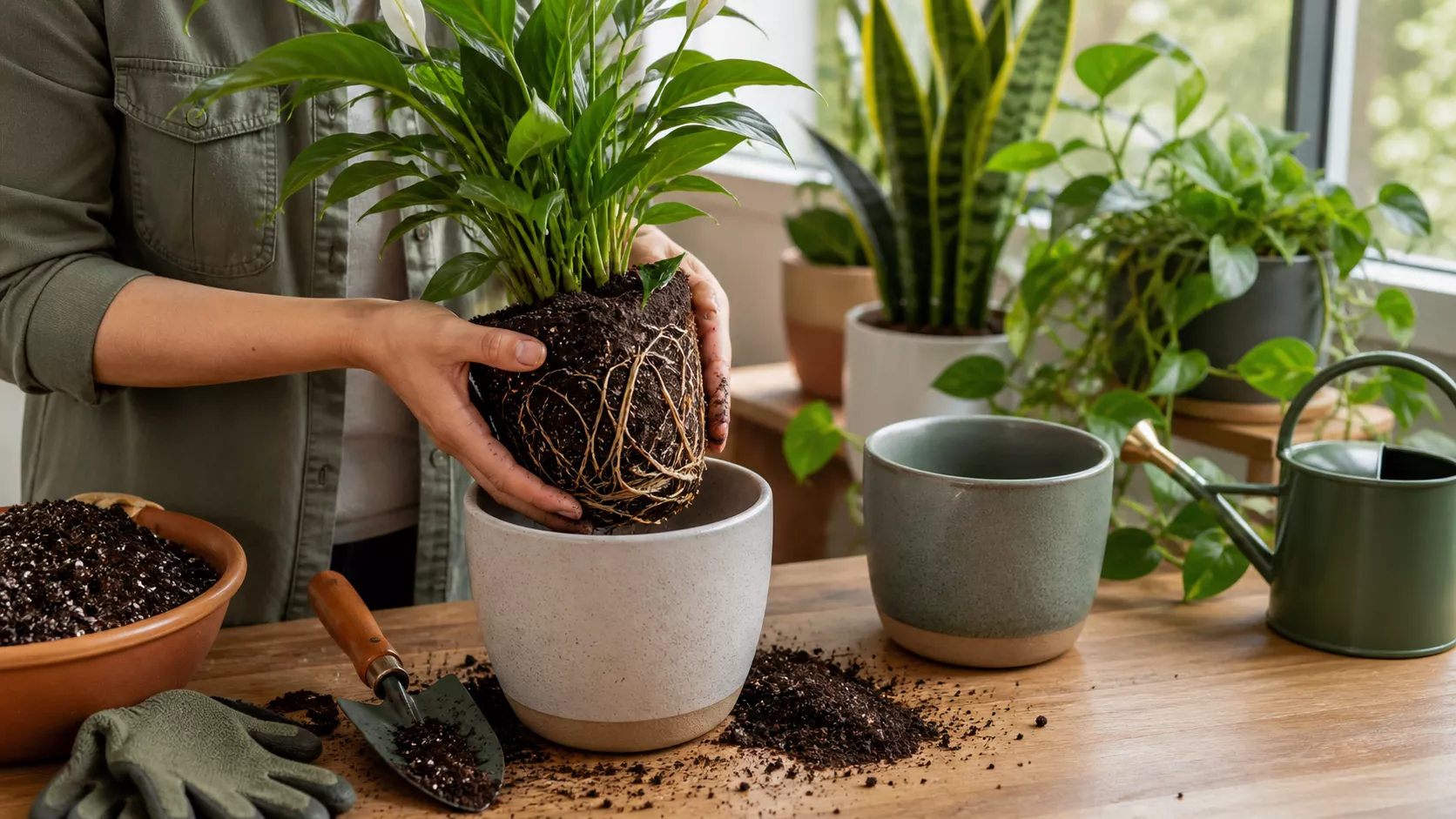
If you suspect root rot, remove the plant from the pot and inspect the roots. Trim damaged roots with clean tools and repot the plant in fresh well-draining soil if needed.
Rainy weather can encourage fungal leaf spots because leaves stay wet for long periods. Spots may appear as brown, black, yellow, or dark circular marks on leaves.
To reduce risk, improve airflow around plants, avoid overcrowding, and remove badly affected leaves. Place plants where leaves can dry more quickly after rain.
Also, avoid watering over the leaves when rain is already providing moisture. Keeping foliage drier helps prevent fungal spread.
Good airflow is very important during the rainy season. Crowded plants dry slowly, and damp conditions can encourage fungus, mold, and pests.
To improve airflow, leave space between pots, prune overly dense growth, and avoid placing plants tightly against walls where air cannot circulate.
However, protect delicate plants from strong wind during storms. The goal is gentle air movement, not exposure to damaging weather.
Dead leaves and plant debris can hold moisture and create hiding places for pests. During rainy weather, they can also encourage mold and fungal problems.
Regularly, remove fallen leaves, spent flowers, broken stems, and decaying material from the soil surface.
This keeps the growing area cleaner and allows better airflow around the base of the plant. Clean pots are less likely to develop rainy season problems.
Pruning can help improve airflow, especially when plants are too dense. Removing dead, damaged, or diseased parts can reduce fungal spread.
However, avoid heavy pruning during long wet periods unless necessary. Fresh cuts may take longer to dry when humidity is high.
If you prune, use clean tools and make careful cuts. Try to prune during a dry part of the day so the plant has time to heal better.
Fertilizing before heavy rain can be wasteful and risky. Rain can wash nutrients out of pots or garden soil before plants use them.
Additionally, wet soil and stressed roots may not respond well to fertilizer. Feeding a plant that is already struggling with excess moisture can make problems worse.
Therefore, fertilize only when conditions are stable and the plant is actively growing. Avoid feeding during storms, flooding, or periods of saturated soil.
Heavy rain can wash nutrients from soil, especially in pots and raised containers. Over time, plants may show pale leaves, slow growth, or weaker flowering.
However, do not fertilize immediately if the soil is still very wet. Wait until the plant is stable and the soil has drained properly.
Then, use a balanced fertilizer or compost carefully according to the plant’s needs. Healthy soil supports recovery after rainy periods.
Herbs have different needs during rainy weather. Mint, parsley, chives, and basil may enjoy moisture, but they still need drainage and airflow.
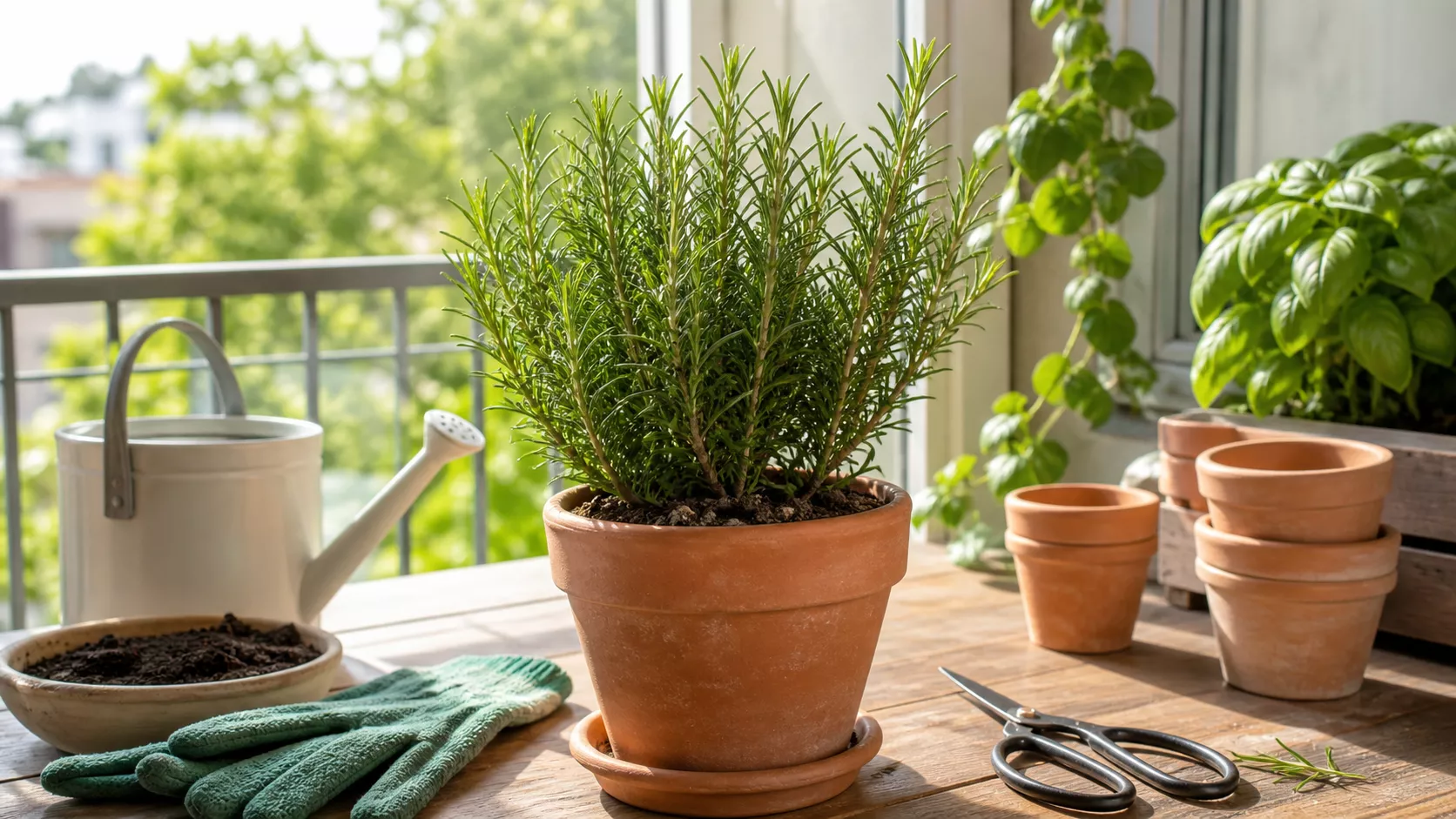
Rosemary, thyme, oregano, sage, and lavender are more sensitive to wet soil. These herbs prefer drier conditions and should be protected from constant rain.
During rainy periods, inspect herbs often. Remove yellow leaves, avoid overwatering, and move drought-tolerant herbs under cover if the soil stays wet.
Vegetables can suffer from heavy rain, especially if soil becomes waterlogged. Leafy greens may rot, tomatoes may develop fungal problems, and seedlings may be damaged by strong rainfall.
To protect vegetables, improve drainage, stake tall plants, use mulch carefully, and remove lower leaves that touch wet soil.
Also, inspect plants after storms. Broken stems, fallen leaves, and waterlogged containers should be corrected as soon as possible.
Flowers can be damaged by heavy rain. Petals may become bruised, blooms may fall, and stems may bend under the weight of water.
To help flowering plants, remove spent flowers, support weak stems, and place potted flowers where they receive rain protection during storms.
Also, avoid wetting flowers unnecessarily when watering. Rain already increases moisture, and wet blooms can fade faster.
Indoor plants can also be affected by rainy weather. Cloudy days reduce light, humidity may increase, and soil may dry more slowly than usual.
Because of this, indoor plants often need less water during rainy periods. Check soil moisture carefully before watering.
Additionally, open windows when safe and practical to improve airflow. Avoid placing plants in dark damp corners where soil stays wet for too long.
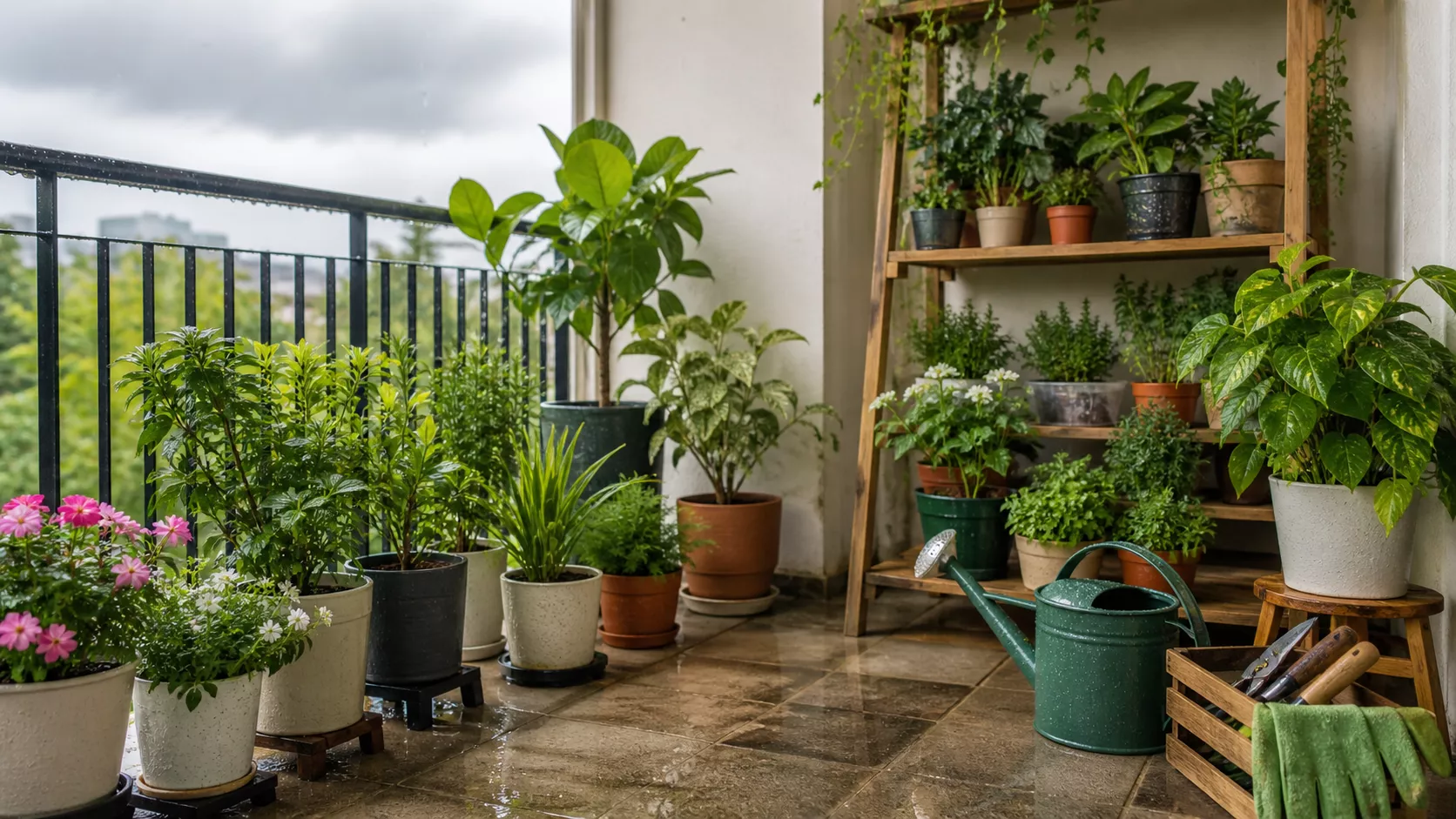
Balcony plants often receive direct exposure to rain and wind. Small pots can become waterlogged quickly, especially if drainage is poor.
After heavy rain, check every pot. Empty saucers, remove broken leaves, and make sure drainage holes are not blocked.
If your balcony receives too much rain, create a protected area for sensitive plants. A shelf under cover or a small greenhouse-style cover can help, as long as airflow remains good.
Heavy rain can physically damage delicate plants, seedlings, flowers, and herbs. Large drops can break stems, flatten leaves, and splash soil onto foliage.
To reduce damage, move delicate pots under cover before storms or use protective mesh, shade cloth, or a transparent cover that does not trap too much heat.
Also, avoid placing fragile plants under roof edges where water falls heavily in one spot. This can damage plants and flood pots quickly.
Rain can splash soil onto leaves, especially in garden beds and low pots. Soil splash can spread fungal spores and make leaves dirty.
To prevent this, use mulch, stones, or plant-safe ground cover around the base. This reduces direct impact from raindrops.
Additionally, prune lower leaves that constantly touch wet soil. This improves airflow and reduces the chance of disease.
Mulch can help protect soil from erosion and splash during rainy weather. It can also help maintain more stable soil conditions.
However, too much mulch can hold excess moisture around stems and roots. This may create problems for plants that dislike wet conditions.
Use a moderate layer and keep mulch away from the base of stems. Good mulch management helps without creating soggy conditions.
Fungus gnats often appear when soil stays wet for too long. They are small flying insects that hover around pots and damp soil.
To prevent them, let the top layer of soil dry when the plant allows it, improve drainage, and remove decaying organic material.
If gnats appear, review your watering routine and check whether rain or humidity is keeping the soil too wet. Sticky traps can help monitor adults, but fixing moisture is essential.
Rainy weather often brings slugs and snails, especially in gardens, balconies, and outdoor pots. They may chew leaves, seedlings, herbs, and flowers.
Signs include irregular holes in leaves, shiny trails, and damaged tender growth.
To manage them, inspect plants in the morning or evening, remove them by hand when possible, and reduce hiding places such as piles of wet leaves or debris.
Pests can increase during humid periods, especially when plants are stressed. Aphids, whiteflies, mealybugs, and mites may appear on new growth or undersides of leaves.
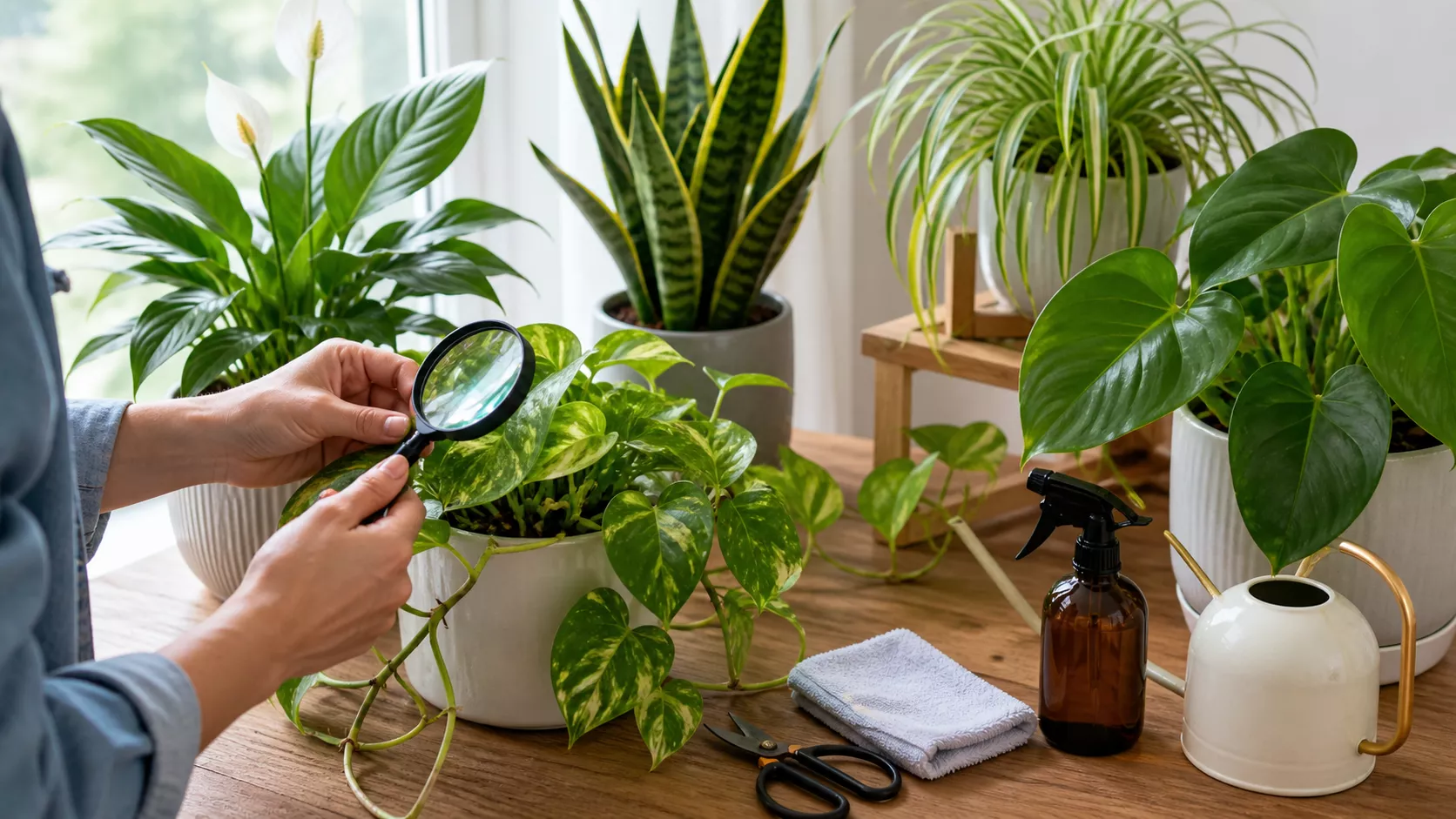
Inspect plants regularly after rainy days. Look for curled leaves, sticky residue, small insects, or weak new growth.
If pests appear, isolate affected potted plants when possible and use safe treatment methods suitable for the plant type.
Crowded plants are more likely to develop fungal problems during rainy periods. Leaves touch each other, airflow decreases, and moisture remains longer.
To reduce risk, space pots apart and prune dense growth lightly when needed. This helps leaves dry faster after rain.
Also, avoid placing many plants in one tight corner where water collects. Organization helps prevent disease and pest spread.
During rainy weather, drainage holes can become blocked by compacted soil, roots, leaves, or debris. When this happens, water cannot escape properly.
After rain, lift pots carefully and check whether water is draining. If the pot feels extremely heavy or water remains trapped, the drainage may be blocked.
To fix this, clear holes if possible or repot the plant into a better-draining container when conditions allow.
For garden spaces, raised beds can help during rainy seasons because they improve drainage and reduce waterlogging. The soil sits higher than ground level, allowing excess water to move away more easily.
Raised beds are especially useful for herbs, vegetables, and flowers that dislike saturated soil.
However, raised beds still need good soil structure. A heavy compacted mix can still hold too much water even in a raised system.
If you have garden beds, avoid walking on wet soil. Wet soil compacts easily, which reduces airflow and drainage.
Compacted soil can harm roots and make future watering more difficult. It can also increase puddling during rain.
Use paths, stepping stones, or raised beds to access plants without pressing directly on wet growing areas.
After heavy rain, inspect your plants carefully. Look for broken stems, flooded pots, yellowing leaves, fallen flowers, and soil washed away from roots.
Then, correct visible problems. Empty water, add soil if roots are exposed, prune broken parts with clean tools, and move sensitive plants to a protected location.
Also, wait before watering again. The soil may remain moist for several days after heavy rain.
Signs that plants are receiving too much rain include yellow leaves, soft stems, wilting despite wet soil, mold on soil, fungal spots, root rot, and slow growth.
Some plants may also drop leaves or stop flowering when roots stay wet for too long.
If these signs appear, improve drainage immediately and reduce water exposure. Moving potted plants under cover may be necessary.
One common mistake is continuing to water plants even when rain is frequent. This quickly leads to soggy soil and root stress.
Another mistake is ignoring drainage. Pots without holes or blocked drainage holes are very risky during rainy weather.
Also, avoid crowding plants in damp areas. Poor airflow increases fungal problems and makes pests harder to detect.
To care for plants during the rainy season, check soil moisture before watering, empty saucers after rain, and protect sensitive plants from constant moisture.
Then, improve airflow, remove dead leaves, inspect for fungus and pests, and make sure pots drain properly.
Finally, adjust care based on each plant. Some plants may enjoy extra humidity, while others need protection and drier conditions.
In conclusion, learning how to care for plants during the rainy season helps prevent overwatering, root rot, fungal spots, pests, and soil problems. Rain is useful, but too much moisture can harm many plants if drainage and airflow are poor.
Above all, check soil before watering, protect sensitive plants, empty saucers, improve drainage, and keep leaves and soil clean. These habits make rainy season plant care much safer.
Ultimately, plants can grow well during rainy periods when their needs are respected. With observation, protection, and a balanced routine, your garden, balcony, and houseplants can stay healthier through wet weather.