How to Care for Plants in Hot Weather

First, learning how to care for plants in hot weather is essential for keeping indoor plants, balcony plants, garden plants, herbs, and flowers healthy during warmer days. Heat can dry soil quickly, stress leaves, increase water loss, and make plants more vulnerable to wilting, sunburn, and pests.
Additionally, hot weather affects plants in different ways. Some plants love strong sun and warm temperatures, while others suffer quickly when exposed to intense heat. A cactus, rosemary plant, fern, peace lily, and basil plant will not react to heat in the same way.
Therefore, this guide will explain practical and beginner-friendly plant care tips for summer. You will learn how to water correctly, protect leaves from harsh sun, improve humidity, care for potted plants, help balcony plants, and prevent common heat-related problems.
First, hot weather increases evaporation. This means water leaves the soil faster, especially in small pots, terracotta containers, balconies, and sunny garden areas. Plants may need more frequent checking during hot days.
Also, heat increases water loss from leaves. When the air is hot and dry, plants can lose moisture faster than roots can replace it. This may cause wilting, curling leaves, brown edges, or dry tips.
Furthermore, strong sunlight can burn sensitive leaves. Many indoor plants enjoy bright light, but they may not tolerate intense direct sun during the hottest part of the day. Understanding this difference helps prevent damage.
First, some plants are naturally more tolerant of heat and dry conditions. Succulents, cacti, aloe vera, rosemary, lavender, thyme, oregano, and some ornamental grasses usually handle warm weather better when they have proper drainage.
However, even heat-tolerant plants can suffer if conditions become extreme. A succulent in a tiny pot under strong afternoon sun can overheat, and rosemary can dry out if the pot is too small.
On the other hand, ferns, calatheas, peace lilies, many tropical plants, and delicate herbs may need more protection. These plants often prefer bright indirect light, humidity, and consistent moisture instead of harsh sun.
Next, checking soil moisture is one of the most important habits during hot weather. Soil can dry much faster than usual, especially for plants kept outside or near sunny windows.
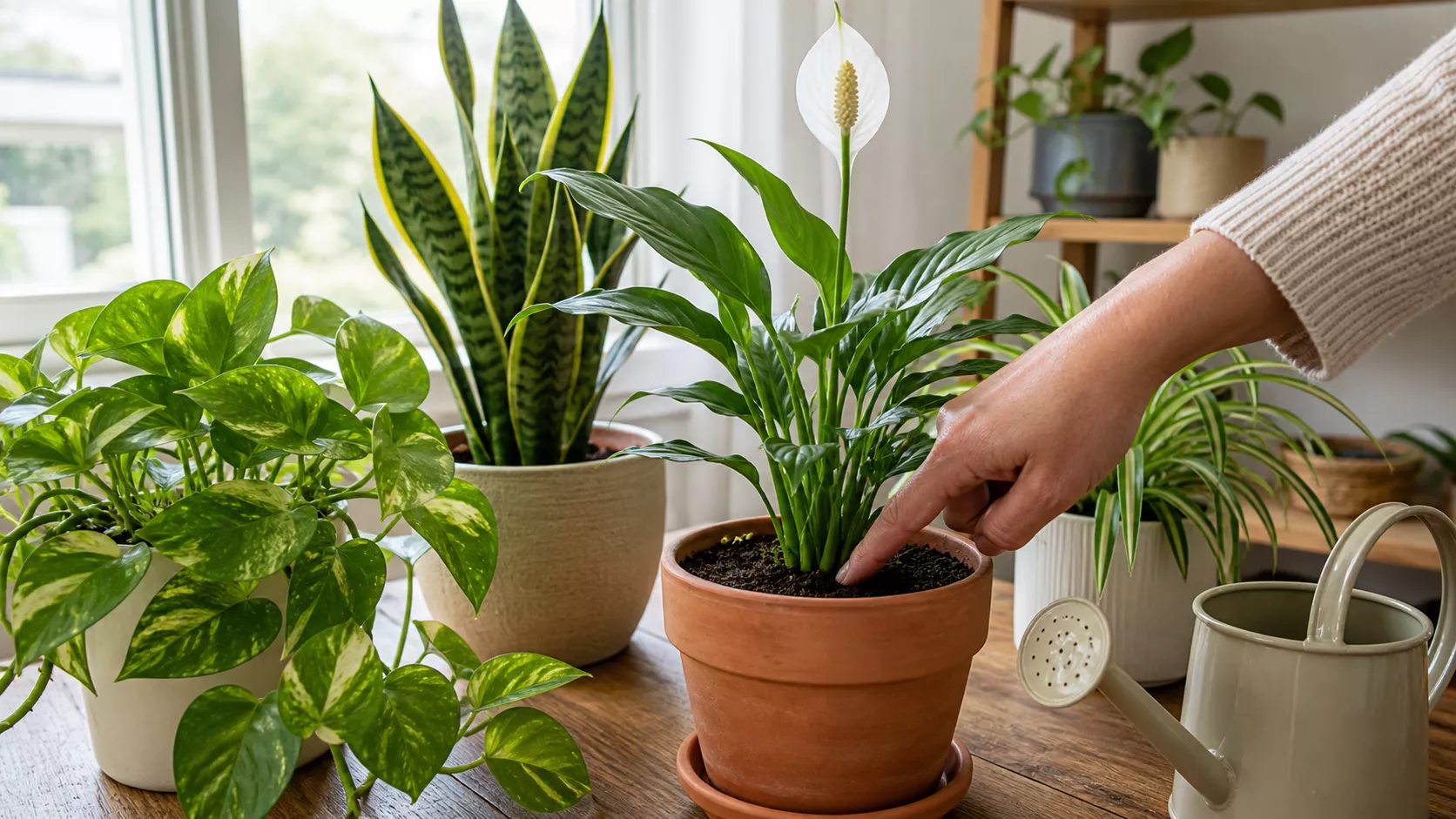
Before watering, place your finger a few centimeters into the soil. If it feels dry at the depth suitable for that plant, it may be time to water. If it still feels moist, wait.
Additionally, do not assume every plant needs water every day. Some plants dry quickly, while others still hold moisture. Checking each pot prevents both underwatering and overwatering.
When a plant needs water in hot weather, water deeply. A small splash on the surface may not reach the roots, especially if the soil is dry or compacted.
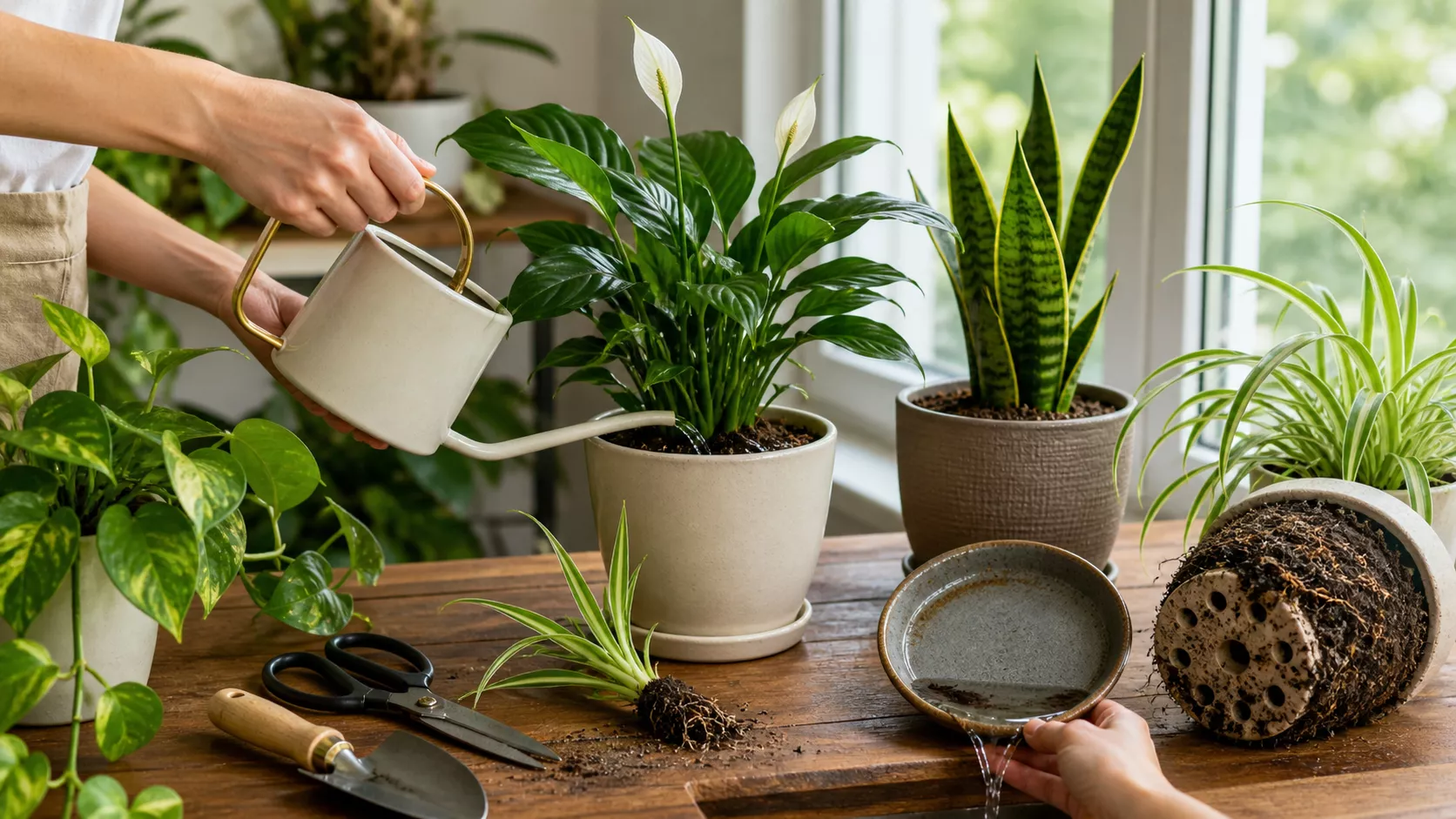
To water correctly, add water slowly until it drains from the bottom of the pot. This helps the entire root system receive moisture.
After watering, empty saucers if water collects. Even during hot weather, many plants do not like sitting in standing water. Roots still need oxygen.
Usually, the best time to water plants during hot weather is early morning. This gives plants moisture before the heat becomes intense and allows leaves or soil surfaces to dry gradually during the day.
Late afternoon can also work, especially for outdoor plants, as long as the plant has time to dry before night. Avoid watering very late if the environment stays damp overnight.
During the hottest hours, water may evaporate quickly, and wet leaves under intense sun can become stressed. Morning watering is often the safest routine.
Importantly, water the soil rather than the leaves during hot sunny periods. The roots are the main area that needs water.
Wet leaves under strong sun or poor airflow may become stressed, spotted, or more vulnerable to fungal problems. Some delicate plants are especially sensitive.
However, occasional gentle rinsing may be useful for dusty plants when done at the right time. If you rinse leaves, do it in the morning or shade and allow airflow.
Another important step is protecting sensitive plants from intense afternoon sun. Morning sun is usually gentler, while afternoon sun can be much stronger and hotter.
If leaves develop brown patches, faded areas, crispy edges, or sudden wilting during the hottest hours, the plant may be receiving too much sun.
To protect it, move the plant to bright indirect light, use a sheer curtain, create partial shade, or place it where it receives morning sun and afternoon protection.
One advantage of potted plants is that they can be moved. During heat waves or extremely hot days, moving plants a short distance can prevent serious stress.
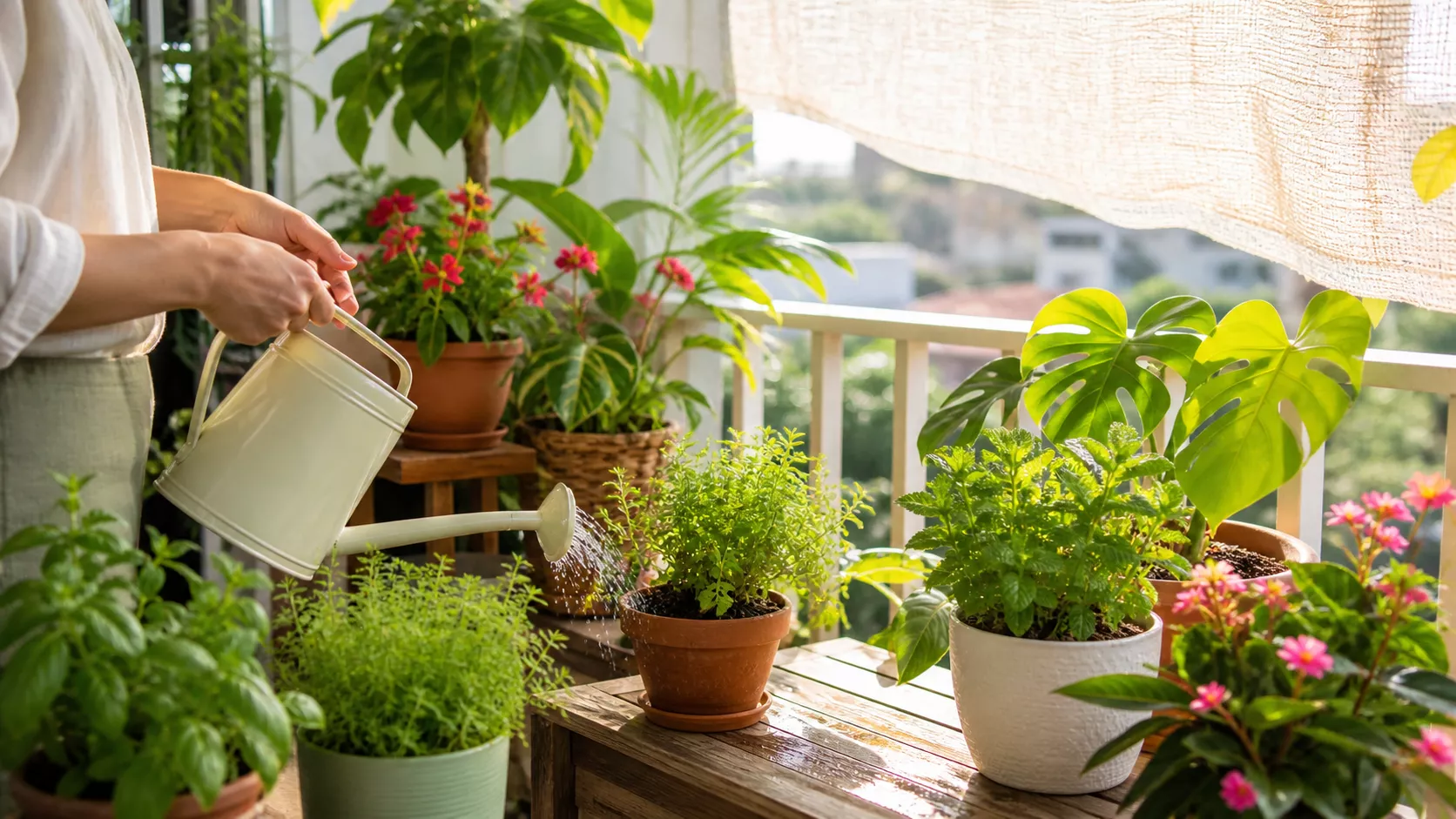
For example, balcony plants can be moved closer to a wall, under a shade cloth, behind taller plants, or away from reflective surfaces that increase heat.
However, avoid moving plants repeatedly without reason. Sudden changes can also stress plants. Move them when conditions are clearly too intense.
Shade cloth can help protect outdoor plants, balcony gardens, and delicate herbs from harsh sun. It reduces light intensity while still allowing brightness and airflow.
Indoors, a sheer curtain can protect plants near hot windows. This is especially useful for peace lilies, calatheas, ferns, orchids, and other plants that prefer filtered light.
Additionally, shade does not mean darkness. Plants still need light. The goal is to reduce extreme heat and harsh rays, not remove brightness completely.
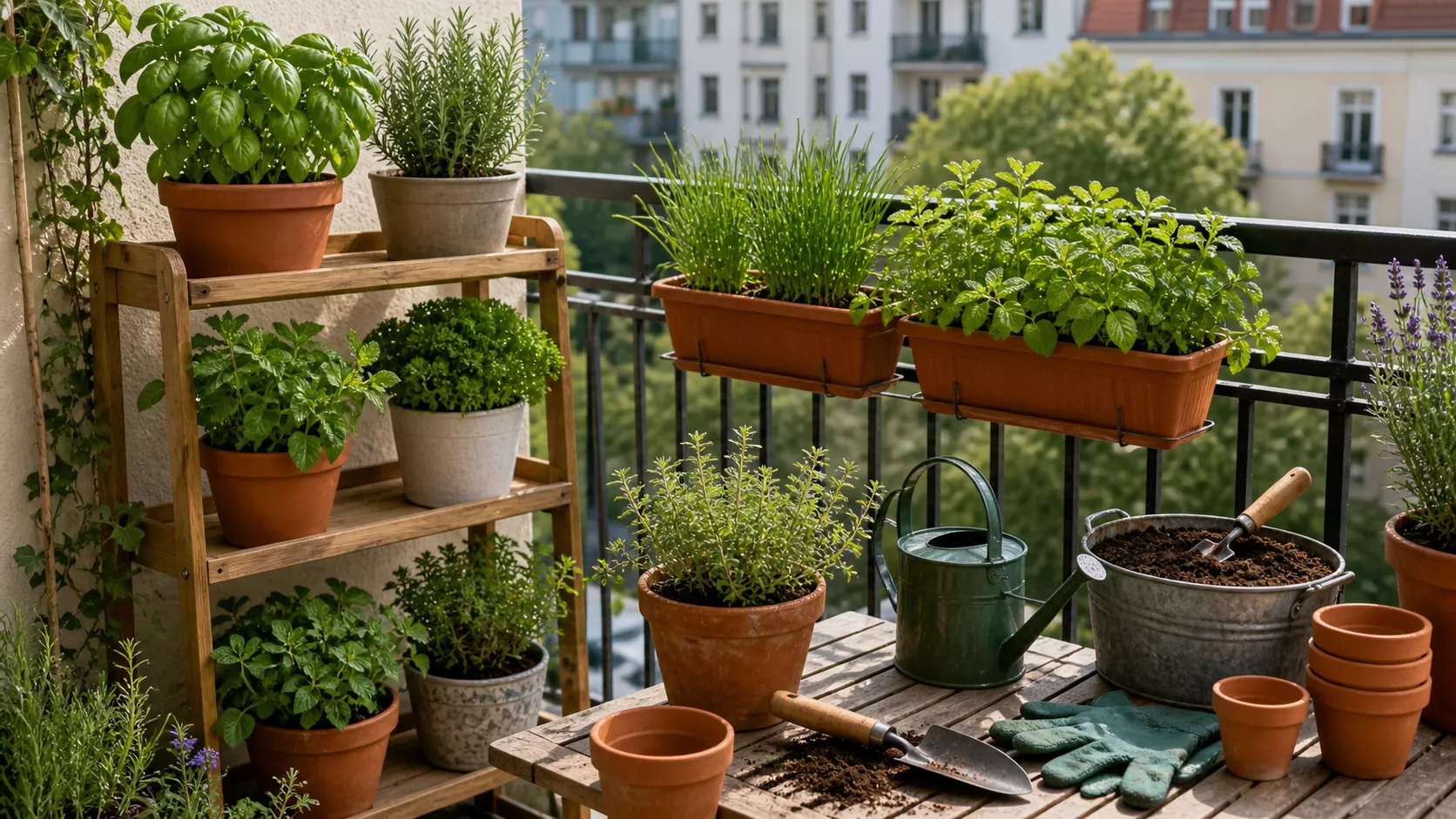
Balcony plants often suffer more during hot weather because balconies can trap heat. Concrete, tiles, glass railings, and walls can reflect sunlight and increase temperature around plants.
To protect balcony plants, use larger pots when possible, group plants carefully, provide partial shade, and check soil moisture more often. Small pots may dry extremely fast.
Also, protect plants from strong wind. Wind plus heat can dry leaves and soil quickly, causing wilting even when the plant was watered recently.
Indoor plants can also suffer during hot weather, especially near windows, air conditioners, fans, or dry rooms. Some plants may dry faster, while others may experience temperature stress.
Keep plants away from extremely hot window glass and direct afternoon sun. A plant that was fine near a window in mild weather may burn during hotter periods.
Additionally, air conditioning can dry the air and stress tropical plants. Keep sensitive plants away from direct cold airflow and maintain stable conditions when possible.
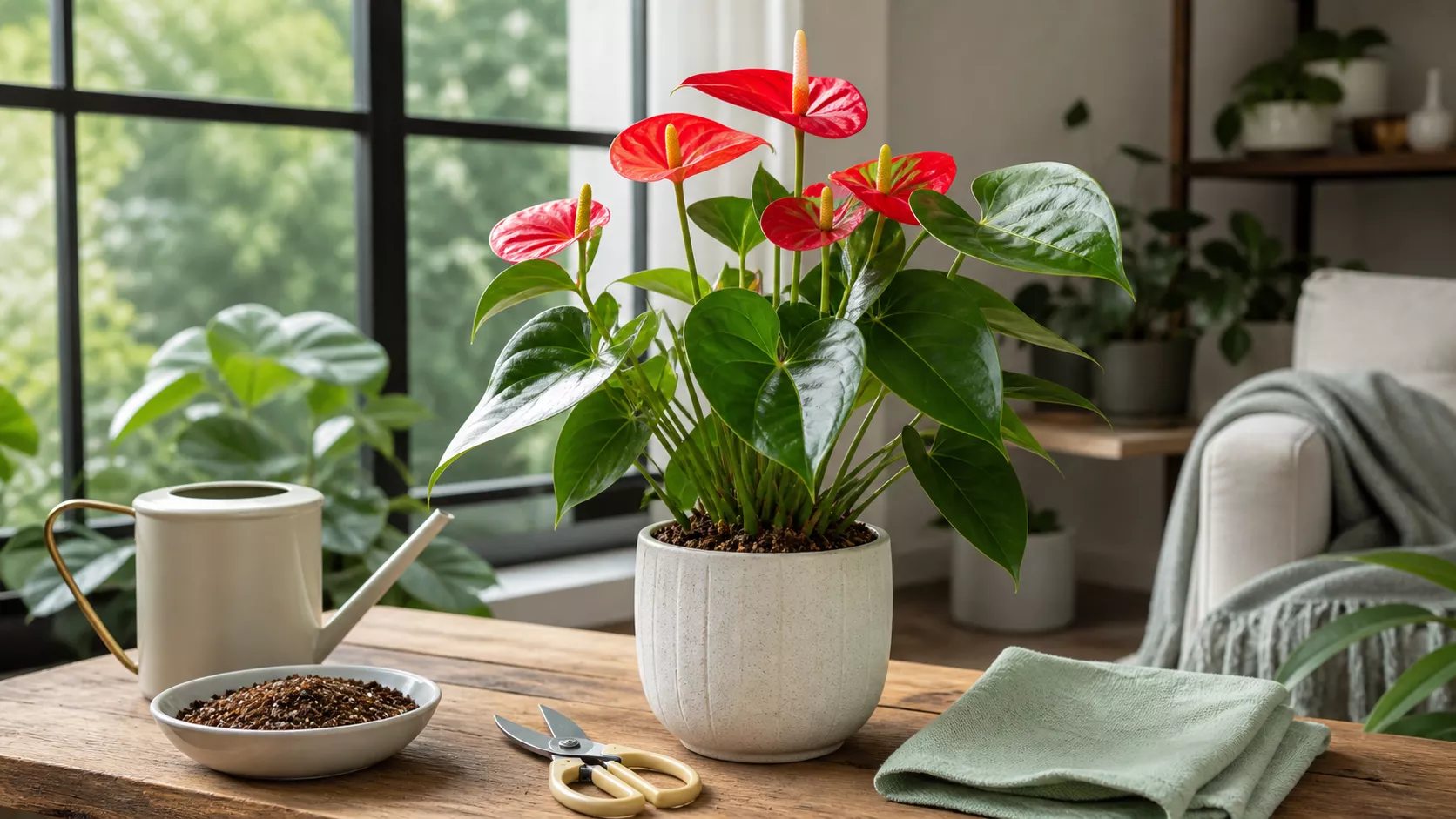
Many tropical plants appreciate higher humidity during hot weather, especially when indoor air becomes dry. Ferns, calatheas, peace lilies, anthuriums, and some philodendrons may benefit from extra humidity.
To increase humidity, group plants together, use a humidifier, or place a humidity tray with pebbles and water near the plant. Make sure pots do not sit directly in water.
However, humidity does not replace watering. A plant can need humid air and still need well-draining soil. Balance is important.
Mulch can help keep soil cooler and reduce moisture loss. It is useful for outdoor pots, garden beds, balcony containers, and herb gardens.
Common mulch options include dry leaves, straw, bark chips, coconut fiber, or other suitable organic materials. A thin layer can protect the soil surface from direct sun.
However, do not pile mulch directly against plant stems. Too much moisture around the stem base can cause problems. Leave a small space around the plant.
Small pots dry quickly in hot weather. They hold less soil, less moisture, and can heat up faster. This can stress roots and make watering more difficult.
Larger pots provide more stable soil moisture and temperature. This is especially helpful for herbs, vegetables, flowering plants, and balcony plants.
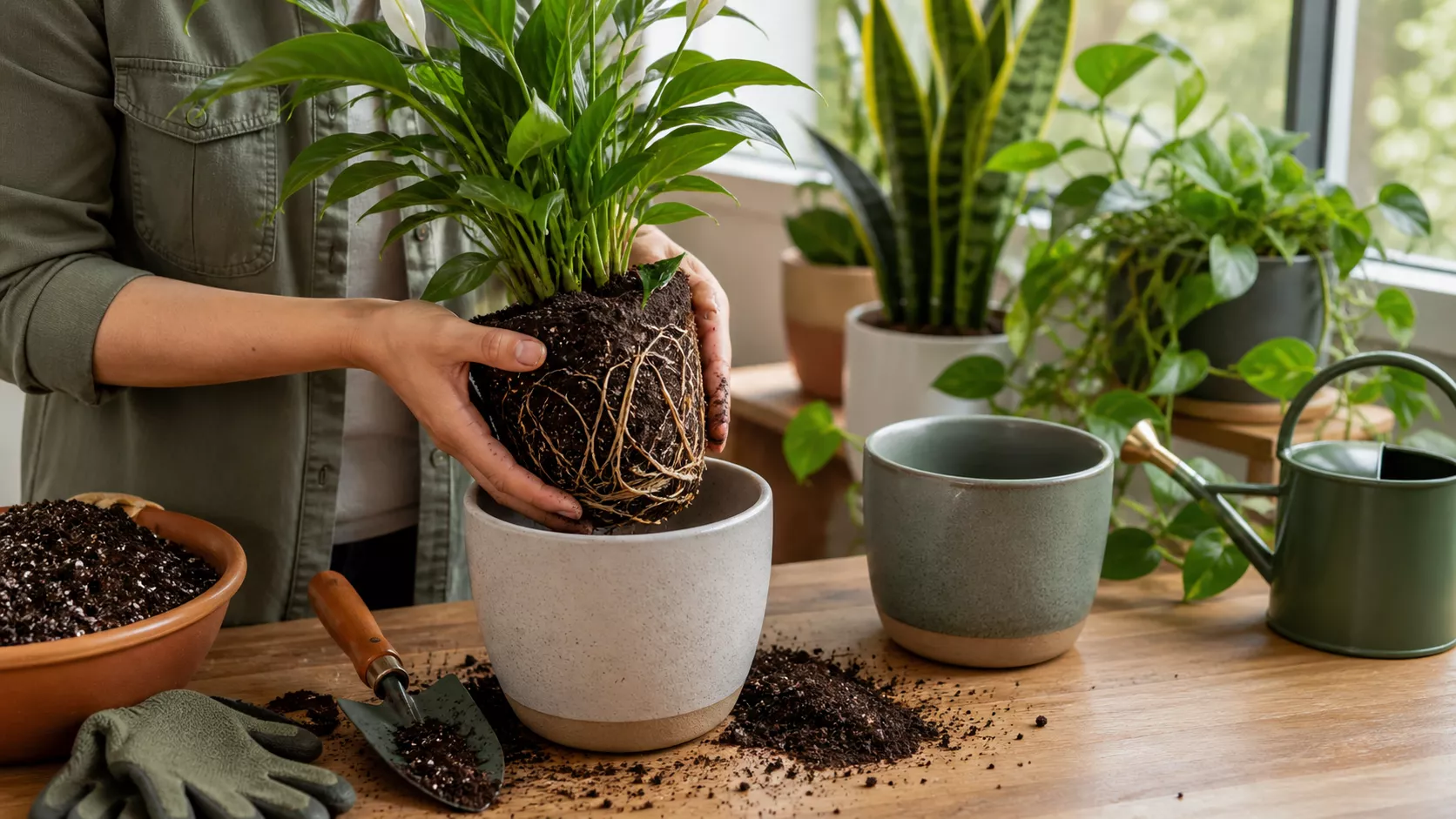
However, avoid moving a small plant into a huge pot. Choose a pot that is appropriately larger, not excessive. Too much extra soil can stay wet in cooler periods.
Pot material affects heat and moisture. Terracotta dries quickly and can be helpful for plants that dislike soggy soil, but it may dry too fast during extreme heat.
Plastic and glazed ceramic pots hold moisture longer, which can help some plants during hot weather. However, they may also increase overwatering risk if used for drought-tolerant plants.
Dark-colored pots can heat up more in direct sun. Light-colored pots may help keep roots cooler in exposed outdoor areas.
During extreme heat, plants may become stressed and slow down growth. Fertilizing at the wrong time can make stress worse.
If a plant is wilting, sunburned, dry, or recovering from heat stress, do not fertilize immediately. Focus on water, shade, and stable care first.
Fertilizer works best when plants are healthy and actively growing. During heat waves, gentle care is more important than forcing growth.
Pruning can be useful, but heavy pruning during extreme heat can stress plants. Leaves help shade stems and soil, and removing too many can increase exposure.
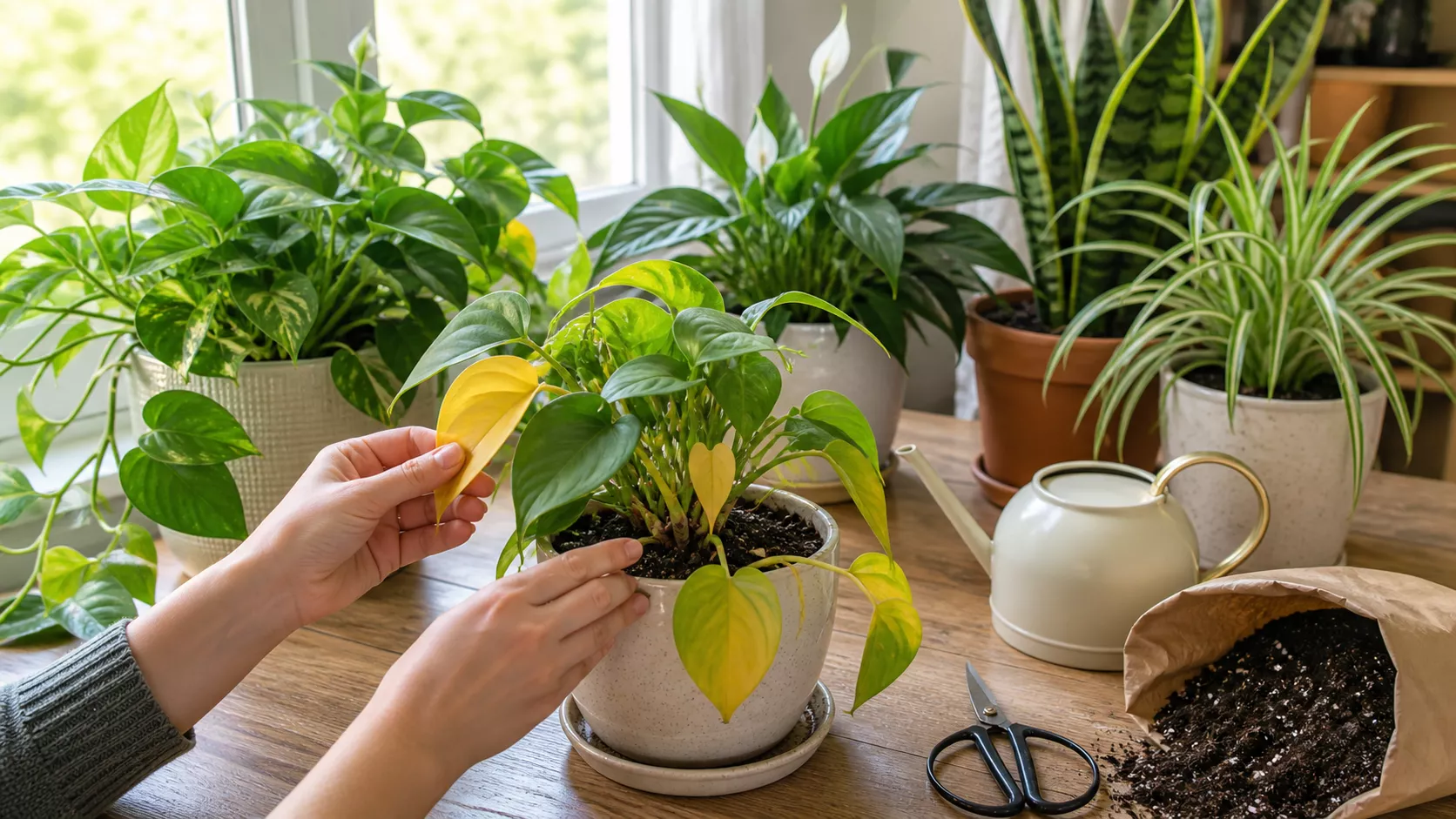
If needed, remove only dead, severely damaged, or diseased leaves. Wait for cooler conditions before major shaping or heavy pruning.
However, light harvesting of herbs can continue if the plants are healthy. Avoid cutting too much from herbs that are already wilted or stressed.
Common signs of heat stress include wilting, curled leaves, crispy edges, faded color, brown patches, dry soil, leaf drop, and flowers fading quickly.
However, wilting can mean different things. A plant may wilt because it needs water, but it may also wilt because heat is too intense even when soil is moist.
Therefore, always check soil moisture before watering. If the soil is moist and the plant wilts in strong sun, shade and cooling may be more important than extra water.
If a plant wilts from heat and the soil is dry, water deeply and move it to a cooler location with indirect light. Avoid harsh sun while it recovers.
If the soil is moist and the plant is still wilting, do not keep watering. Instead, provide shade, improve airflow, and protect it from direct heat.
After recovery, damaged leaves may not look perfect again, but new growth can be healthy if the care routine improves.
Sunburn appears as pale, brown, dry, or scorched patches on leaves. It often happens when a plant is suddenly exposed to stronger sun than it can tolerate.
To prevent sunburn, introduce plants to stronger light gradually. This is especially important for indoor plants moved outdoors.
Also, protect delicate plants from hot afternoon sun. Bright indirect light is safer for many tropical houseplants.
If you move indoor plants outdoors during warm weather, do it gradually. Indoor plants are used to softer light and may burn quickly in direct outdoor sun.
Start by placing them in shade or filtered light for a few days. Then slowly increase light exposure if the plant type can tolerate it.
This process helps leaves adapt and reduces shock. Sudden changes are one of the biggest causes of heat and sun damage.
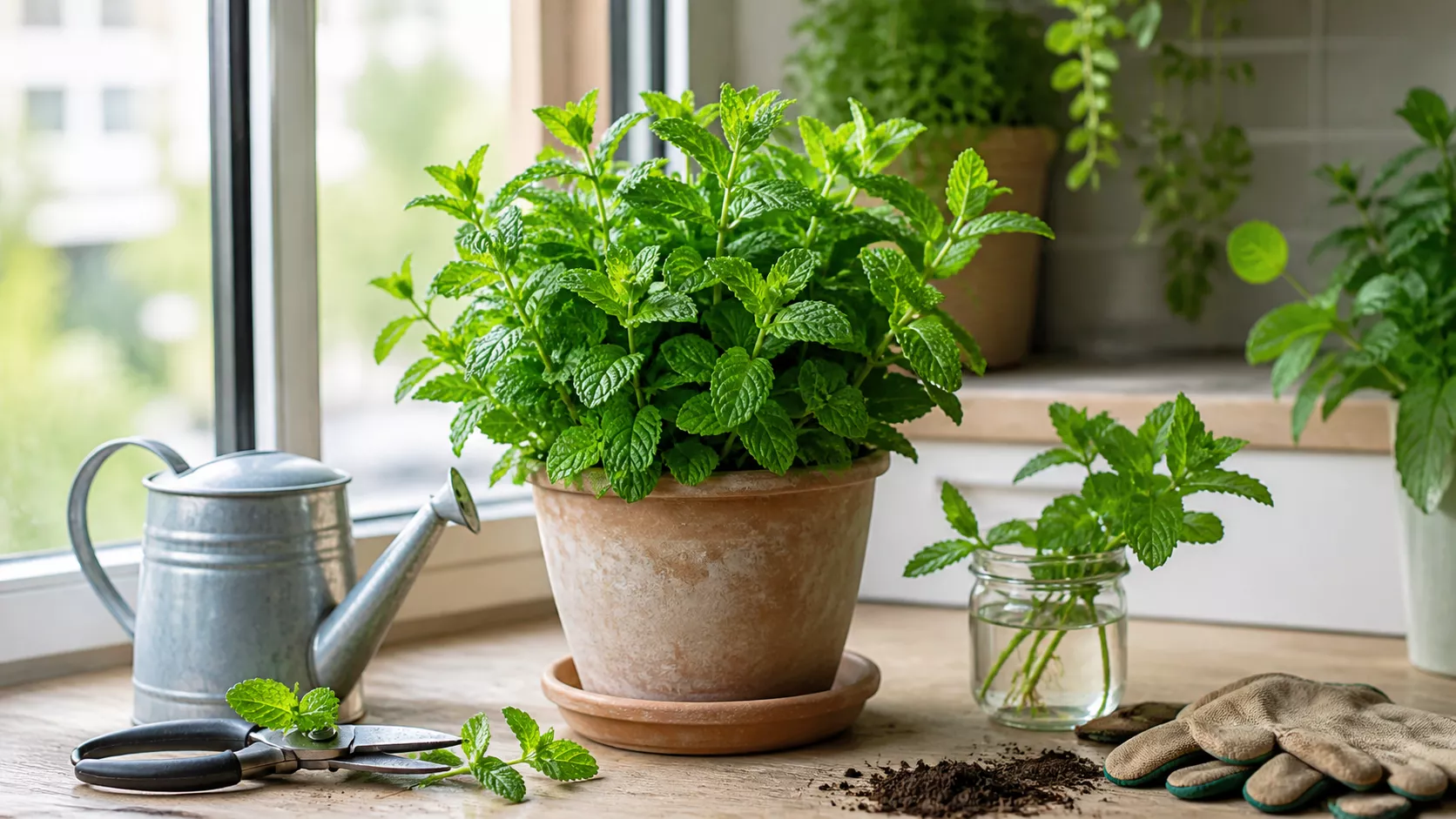
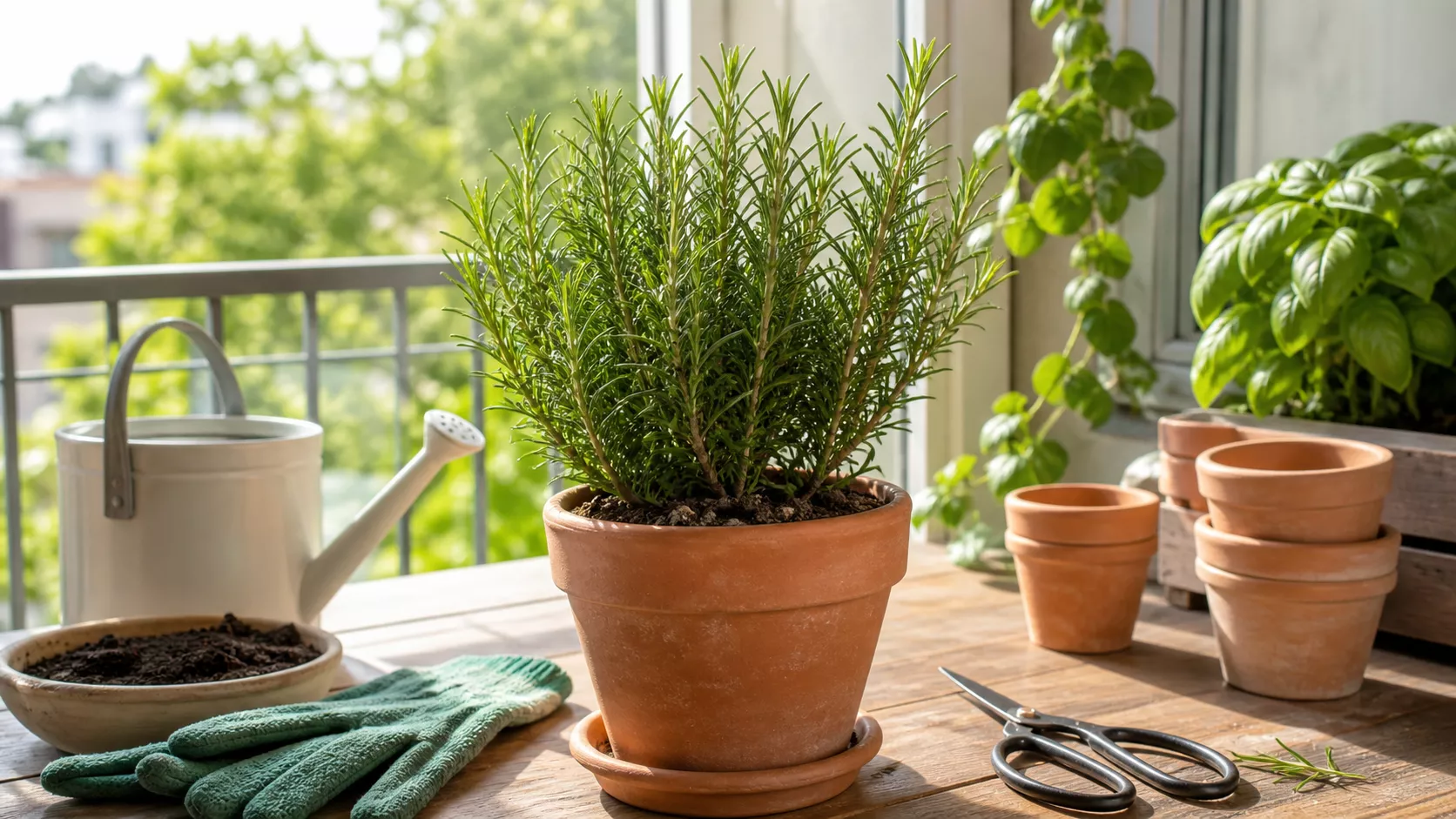
Herbs react differently to heat. Basil, mint, parsley, and cilantro may wilt quickly if the soil dries too much. Rosemary, thyme, oregano, and sage usually tolerate heat better but still need water when dry.
During hot days, check potted herbs often. Small herb pots can dry very fast on balconies or windowsills.
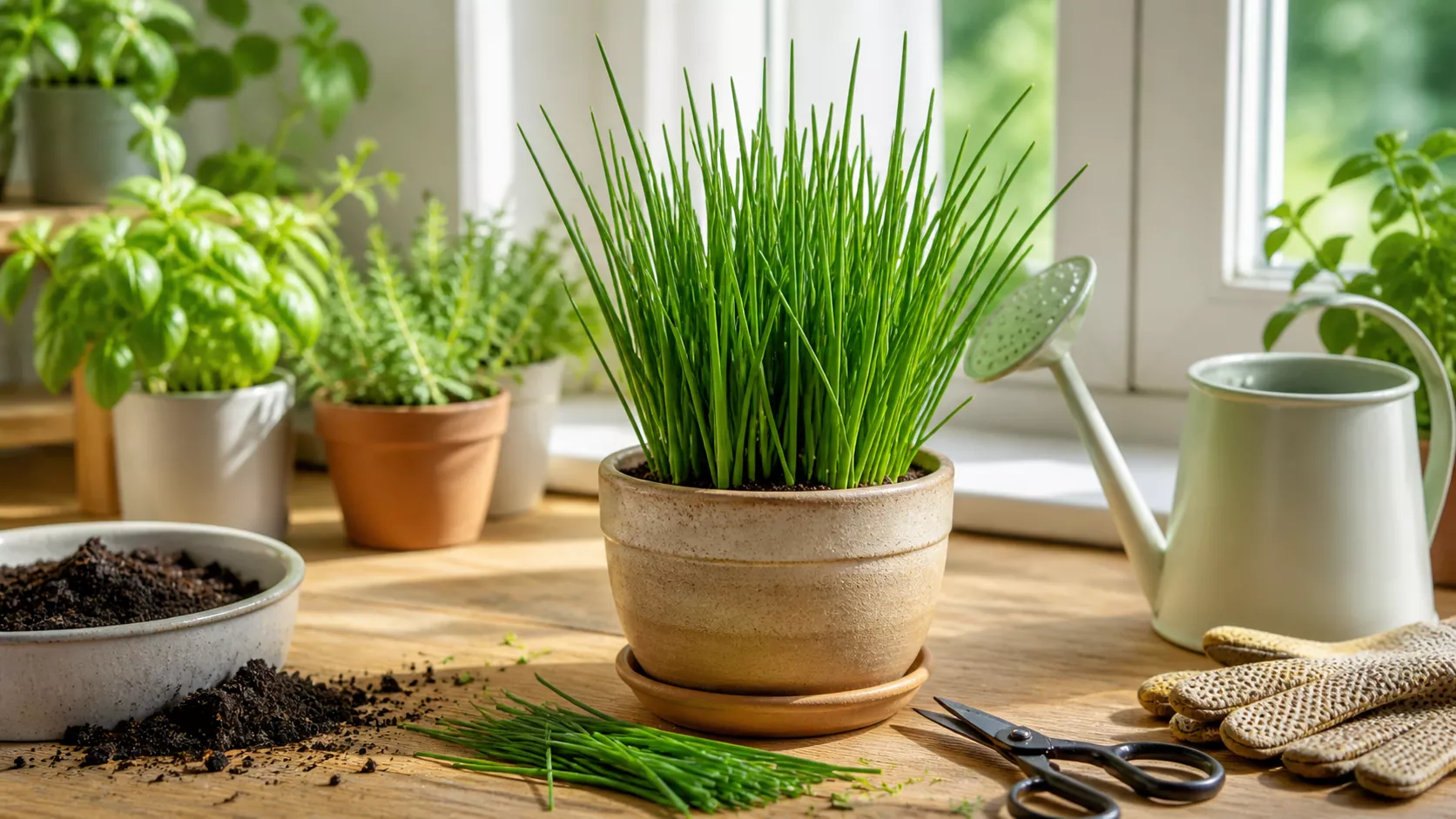
Also, harvest lightly. Avoid cutting too much from herbs that are already stressed by heat, drought, or strong sun.
Vegetables in pots often need extra attention during heat. Tomatoes, peppers, lettuce, leafy greens, and herbs may dry quickly and need consistent moisture.
Leafy greens can become bitter, wilted, or stressed in intense heat. Some may need partial shade during the hottest hours.
Additionally, fruiting vegetables need steady watering. Irregular moisture can affect growth and production. Check soil often and water deeply when needed.
Flowering plants may fade faster in hot weather. Blooms can wilt, dry, or drop when heat is intense.
To help flowers, remove spent blooms, water deeply when needed, and protect sensitive plants from harsh afternoon sun.
Also, avoid fertilizing heavily during extreme heat. Healthy roots and stable moisture are more important for flowering plants under stress.
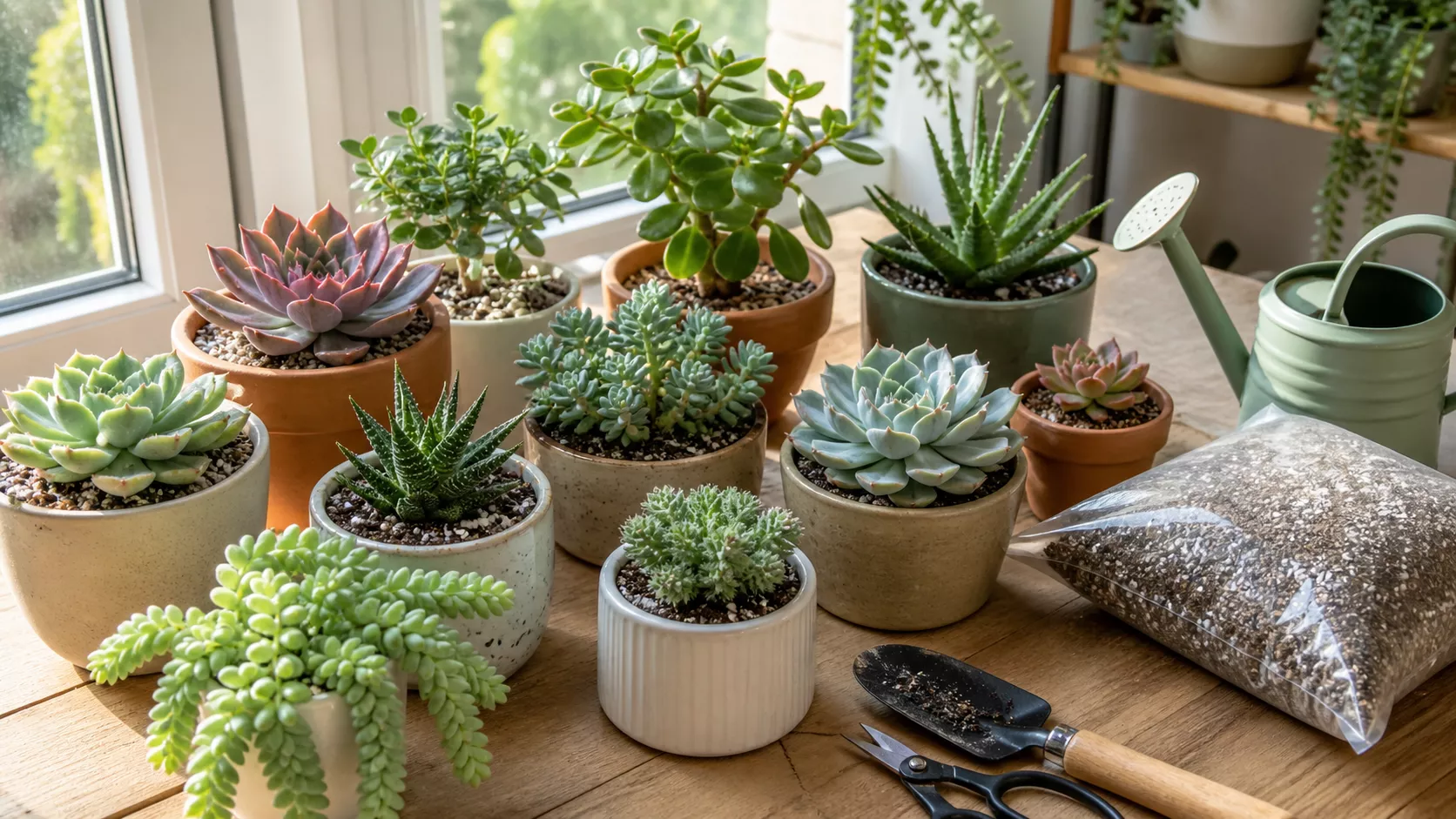
Succulents and cacti are more heat-tolerant than many plants, but they are not indestructible. In pots, their roots can overheat, especially in strong direct sun.
If leaves become scorched, wrinkled, or discolored, the plant may need protection from extreme afternoon sun.
Water carefully when the soil is completely dry, but avoid watering during intense midday heat. Use fast-draining soil and pots with drainage holes.
Ferns often struggle with heat and dry air. Their fronds may become crispy, brown, or wilted if moisture and humidity are too low.
To protect ferns, keep them in bright indirect light or shade, maintain lightly moist soil, and improve humidity if needed.
Avoid placing ferns in direct hot sun. Most ferns prefer cooler, humid, shaded conditions rather than intense heat.
Peace lily may droop more often during hot weather because it loses moisture faster. However, always check the soil before watering.
If the soil is dry, water deeply and let excess water drain. If the soil is moist but leaves droop, heat stress or root issues may be the cause.
Place peace lily in bright indirect light and protect it from harsh sun, heaters, and direct air conditioning.
Orchids often appreciate warmth, but extreme heat and dry air can cause stress, bud drop, or faster drying of the potting mix.
Check orchid roots and potting medium more often during hot periods. Water when the roots look silvery and the medium is nearly dry.
Also, protect orchids from harsh direct sun. Bright filtered light and moderate humidity are usually better for indoor orchids.
Airflow is important because stagnant hot air can encourage pests and fungal issues. However, strong dry wind can also stress plants.
For indoor plants, gentle air movement is helpful, but avoid placing plants directly in strong fan or air conditioner airflow.
For outdoor plants, arrange pots so air can move between them. Avoid overcrowding, especially when humidity is high.
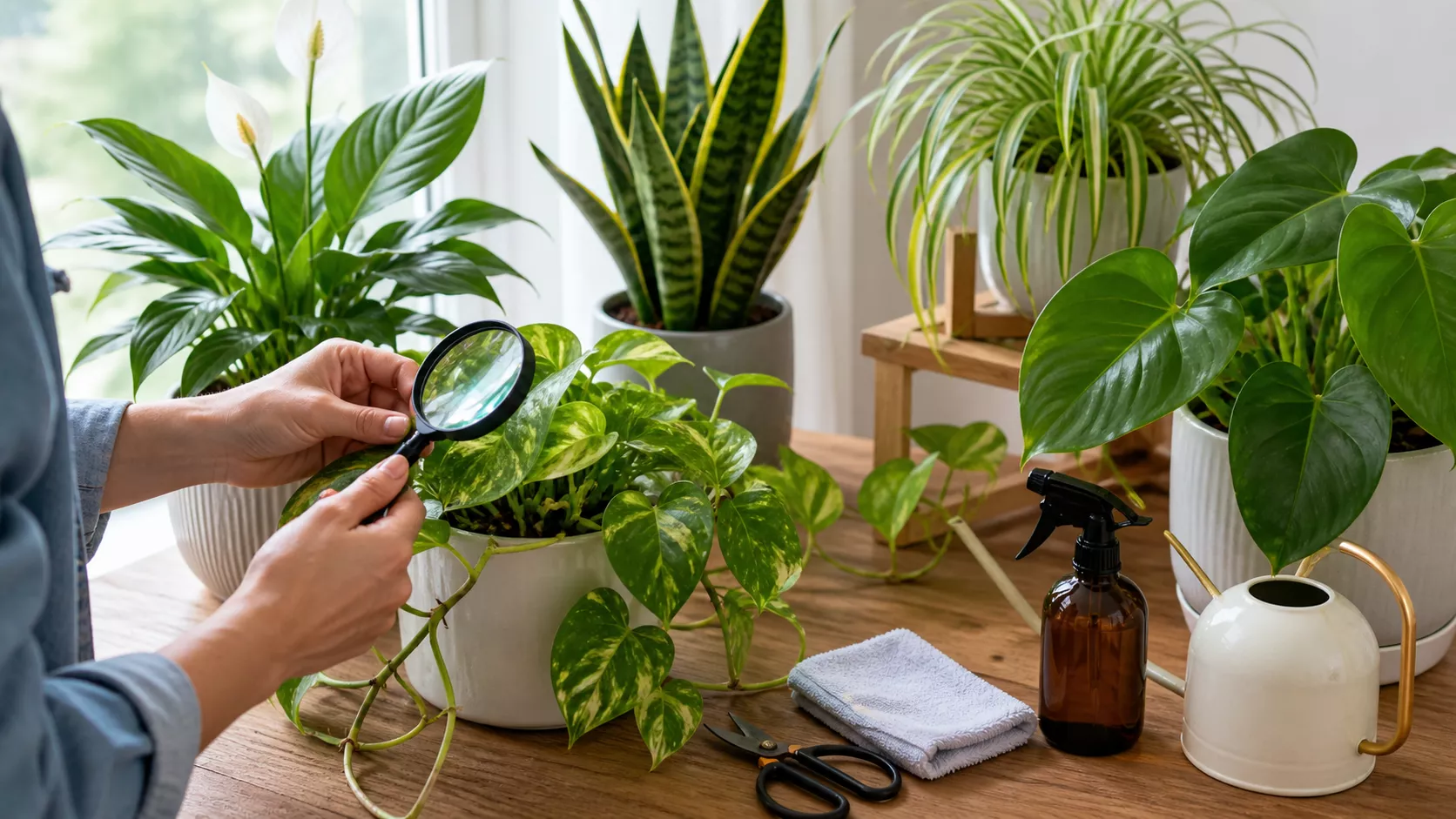
Hot weather can increase pest problems. Spider mites, aphids, whiteflies, mealybugs, and fungus gnats may appear more often when plants are stressed.
Inspect leaves regularly, especially undersides, new growth, and stem joints. Early signs include sticky residue, tiny insects, webbing, yellow spots, or curled leaves.
Healthy plants are often more resilient. Proper watering, light, airflow, and cleaning help reduce pest risk.
Dusty leaves absorb less light and may make plants weaker. During hot weather, clean leaves help plants function better.
For broad leaves, wipe gently with a damp cloth. For delicate plants, rinse carefully in the morning or use a soft brush.
Also, cleaning gives you a chance to inspect for pests, brown edges, sunburn, and other heat-related problems.
When plants show heat stress, it can be tempting to water more, move them, prune them, fertilize them, and repot them all at once. This can create more stress.
Instead, identify the main issue. Is the soil dry? Is the sun too strong? Is the pot too small? Is the air too dry?
Then, make one or two careful adjustments and observe the plant. Gradual corrections are usually safer than sudden major changes.
If hot weather is expected, prepare your plants early. Water plants that need moisture, move sensitive pots to safer locations, and create shade before leaves burn.
Also, check balcony plants, hanging baskets, and small pots because they dry fastest. Grouping plants can help create a slightly more humid microclimate.
Additionally, avoid repotting or heavy pruning right before extreme heat. These activities can stress plants when they need stability.
One common mistake is watering every plant every day without checking soil. This can cause overwatering in plants that still have moist soil.
Another mistake is leaving sensitive plants in harsh afternoon sun. Many indoor plants burn quickly under intense light.
Also, avoid fertilizing stressed plants. Heat-stressed plants need recovery, not extra nutrient pressure.
To care for plants in hot weather, check soil moisture more often, water deeply when needed, and protect sensitive plants from harsh sun.
Then, improve humidity for tropical plants, keep leaves clean, and inspect for pests regularly.
Finally, observe each plant individually. Some need more water, some need shade, and others simply need stable conditions.
In conclusion, learning how to care for plants in hot weather helps prevent wilting, sunburn, dry soil, crispy leaves, and heat stress. Warm days can be challenging, especially for potted plants, balcony gardens, herbs, and delicate houseplants.
Above all, water based on soil moisture, protect plants from harsh afternoon sun, improve humidity when needed, and avoid fertilizing or pruning heavily during extreme heat.
Ultimately, successful summer plant care depends on observation and balance. When you understand how heat affects your plants, you can adjust your routine and keep them healthier, greener, and stronger during hot weather.