How to Care for Plants During the Rainy Season

First, learning how to choose the ideal pot for each type of plant is one of the most important steps in successful plant care. Many beginners focus only on watering and sunlight, but the pot also has a strong impact on root health, soil moisture, plant growth, and long-term maintenance.
Additionally, the wrong pot can create several problems. A pot that is too small can limit root development, while a pot that is too large can hold too much moisture. A pot without drainage holes can trap water and increase the risk of root damage. Because of this, choosing the right pot is not only about decoration.
Therefore, this guide will explain how to select the best pot for indoor plants, succulents, cacti, herbs, tropical plants, hanging plants, and larger decorative plants. You will also learn how pot size, material, drainage, and shape affect your plant care routine.
First, a plant pot is more than a container. It supports the plant, holds the soil, protects the roots, controls moisture, and influences airflow. When the pot is suitable, the plant has better conditions to grow in a healthy way.
However, when the pot is not appropriate, plant care becomes more difficult. Even if you water carefully and provide good light, a poor container can cause problems below the soil surface.
For example, a pot without drainage may keep roots wet for too long. A very large pot may dry slowly and increase overwatering risk. A tiny pot may make the plant dry too quickly and restrict growth. This is why choosing the best pot for plants is essential.
Above all, drainage should be your first concern when choosing a pot. Most plants need pots with drainage holes because excess water must be able to leave the container after watering.
Without drainage, water can collect at the bottom of the pot. Even if the top of the soil looks dry, the lower soil may remain wet. This can lead to yellow leaves, weak roots, unpleasant smell, and poor growth.
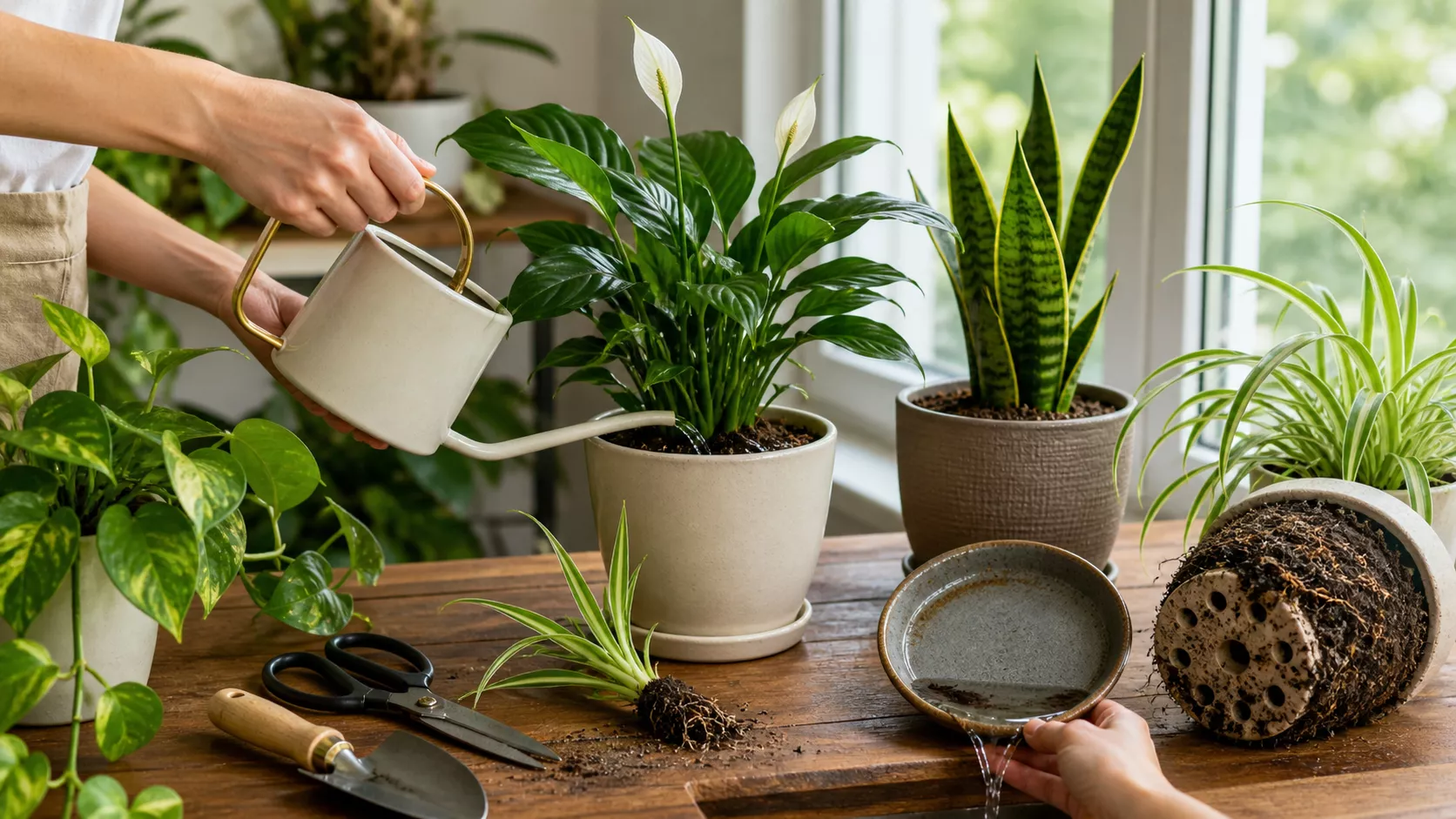
Therefore, choose pots with drainage holes whenever possible. If you want to use a decorative pot without holes, keep the plant in a nursery pot inside it. After watering, let the nursery pot drain fully before placing it back into the decorative container.
Next, pot size has a major effect on plant health. A pot should give roots enough space to grow, but it should not be much larger than the root system. Balance is very important.
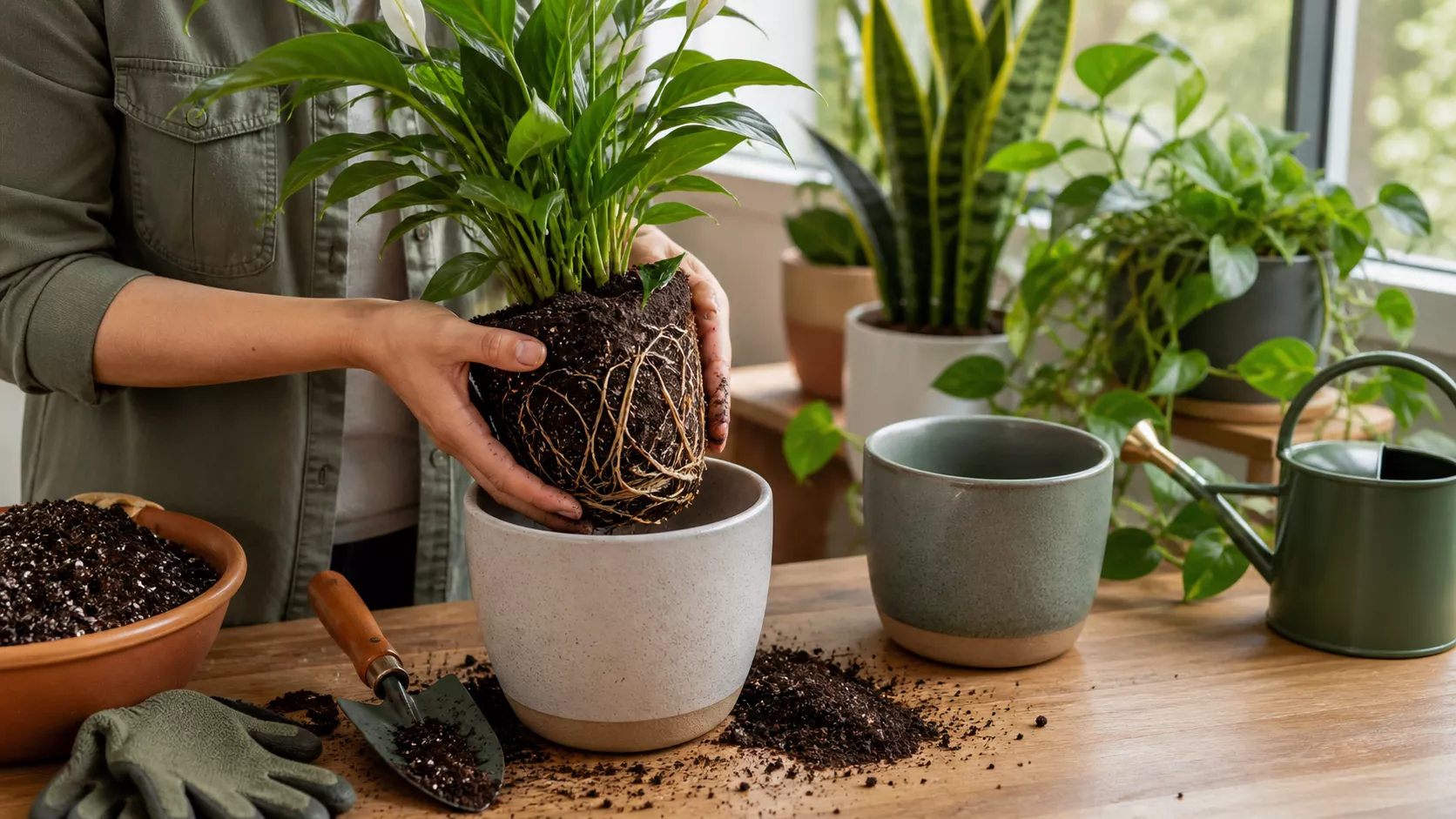
If the pot is too small, roots may become crowded. The plant may dry very quickly, stop growing, or become unstable. You may also notice roots coming out of the drainage holes.
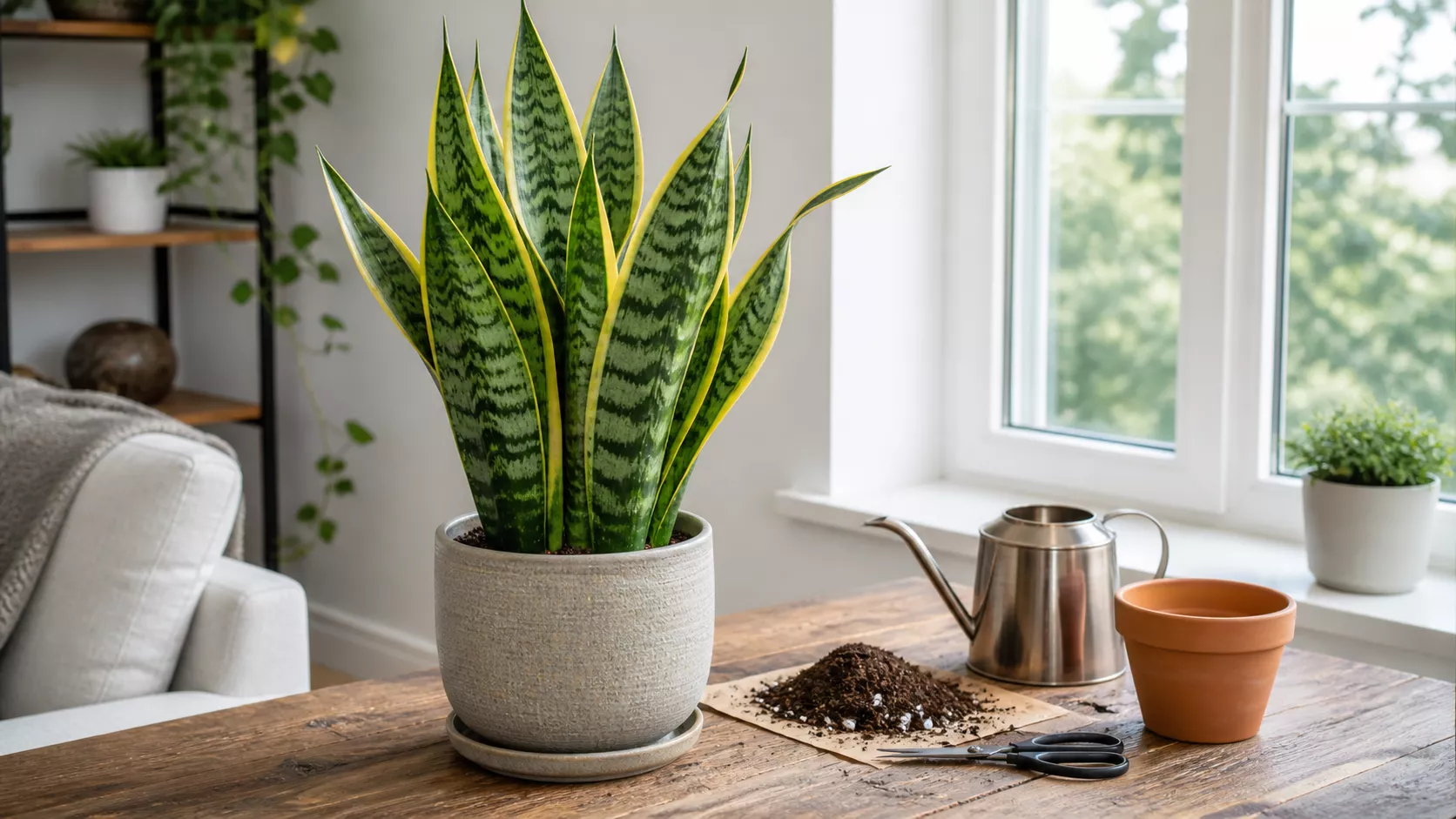
On the other hand, if the pot is too large, the extra soil may hold moisture for too long. This can be dangerous for plants that prefer drier conditions, such as succulents, cacti, snake plants, and ZZ plants.
Usually, a plant needs a bigger pot when roots fill the container, water runs through too quickly, growth slows without another clear reason, or the plant becomes top-heavy and unstable.
However, it is best to increase pot size gradually. Choose a new pot only slightly larger than the current one. For many houseplants, moving up one pot size is enough.
Additionally, avoid repotting just because you want a larger decorative look. If the plant’s roots are not ready, a large pot may create moisture problems and make care harder.
Also, pot material affects moisture, weight, airflow, and appearance. The most common materials include plastic, terracotta, ceramic, metal, concrete, and fabric. Each one has advantages and disadvantages.
For example, plastic pots are lightweight, affordable, and hold moisture longer. Terracotta pots are porous and allow soil to dry faster. Ceramic pots can be beautiful and stable, but some may not have drainage holes.
Because of this, the best material depends on the plant type, your watering habits, and the environment. A plant that dislikes wet soil may do better in terracotta, while a moisture-loving plant may prefer plastic or glazed ceramic.
First, plastic pots are very common and practical. They are lightweight, easy to move, and usually affordable. Many plants are sold in plastic nursery pots because they are convenient and functional.
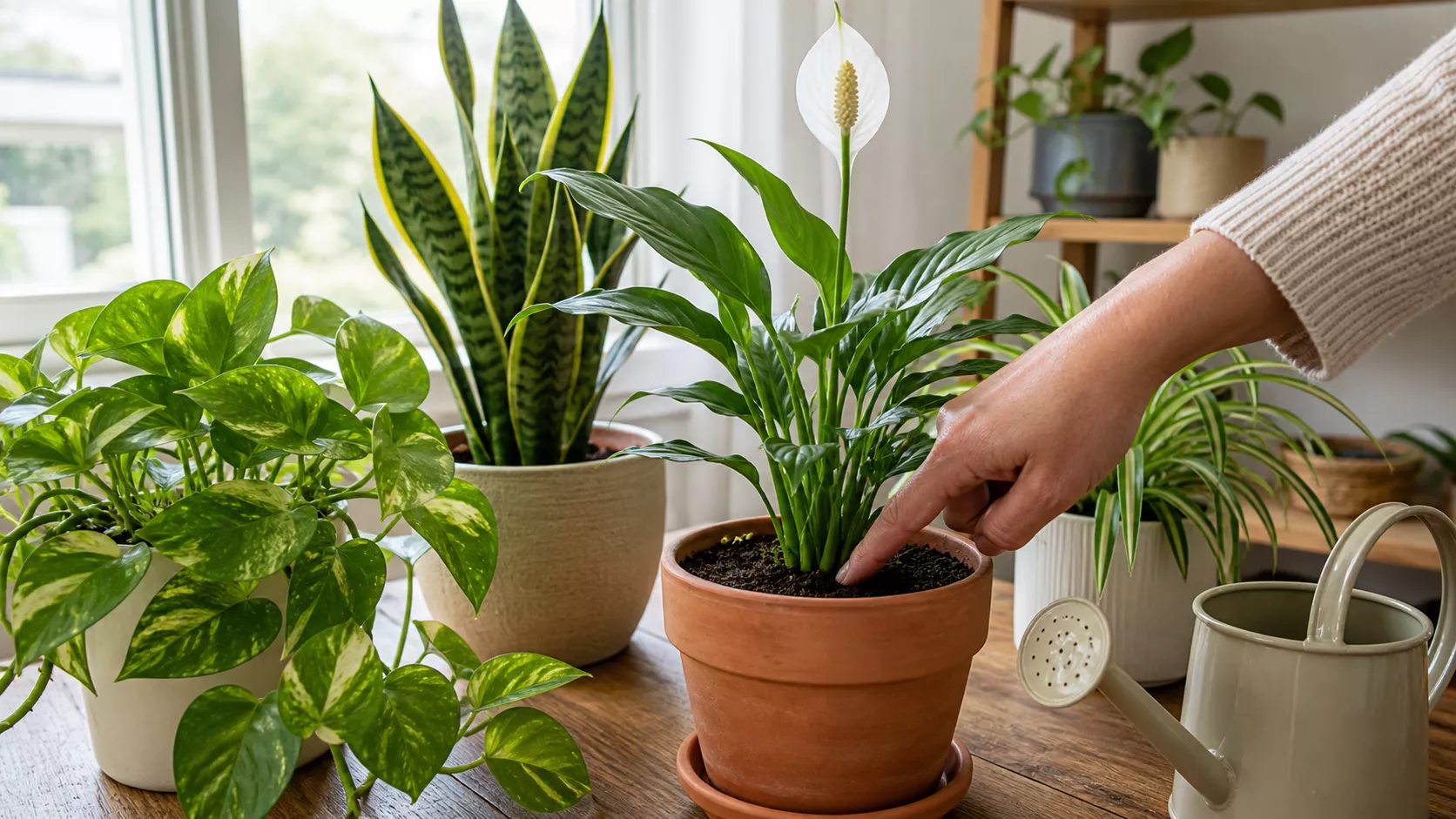
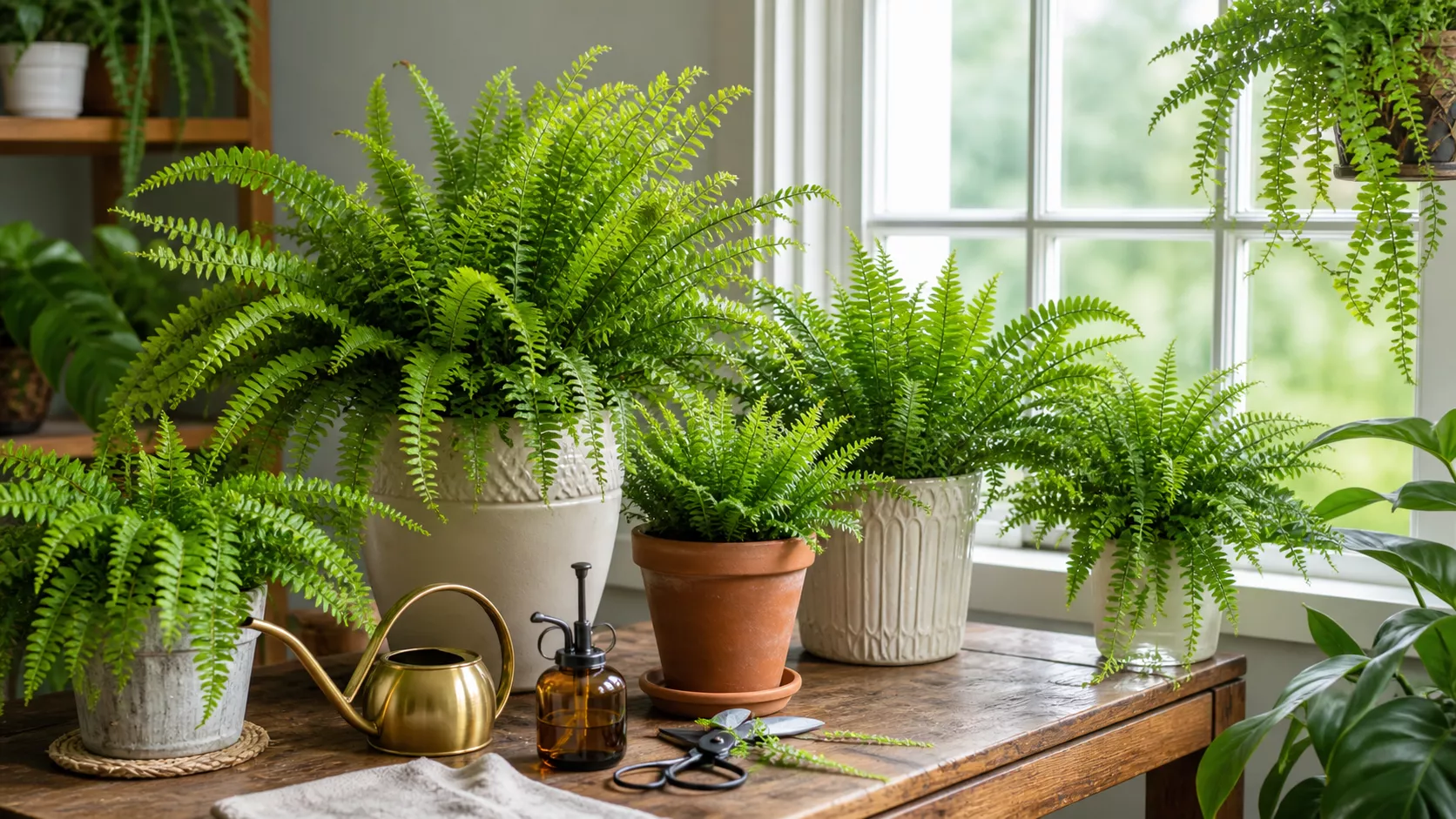
Additionally, plastic holds moisture longer than terracotta. This can be helpful for plants that like slightly moist soil, such as peace lilies, ferns, calatheas, and some tropical plants.
However, plastic can be risky for plants that need soil to dry quickly if you water too often. In that case, you must be careful with watering and use a well-draining soil mix.
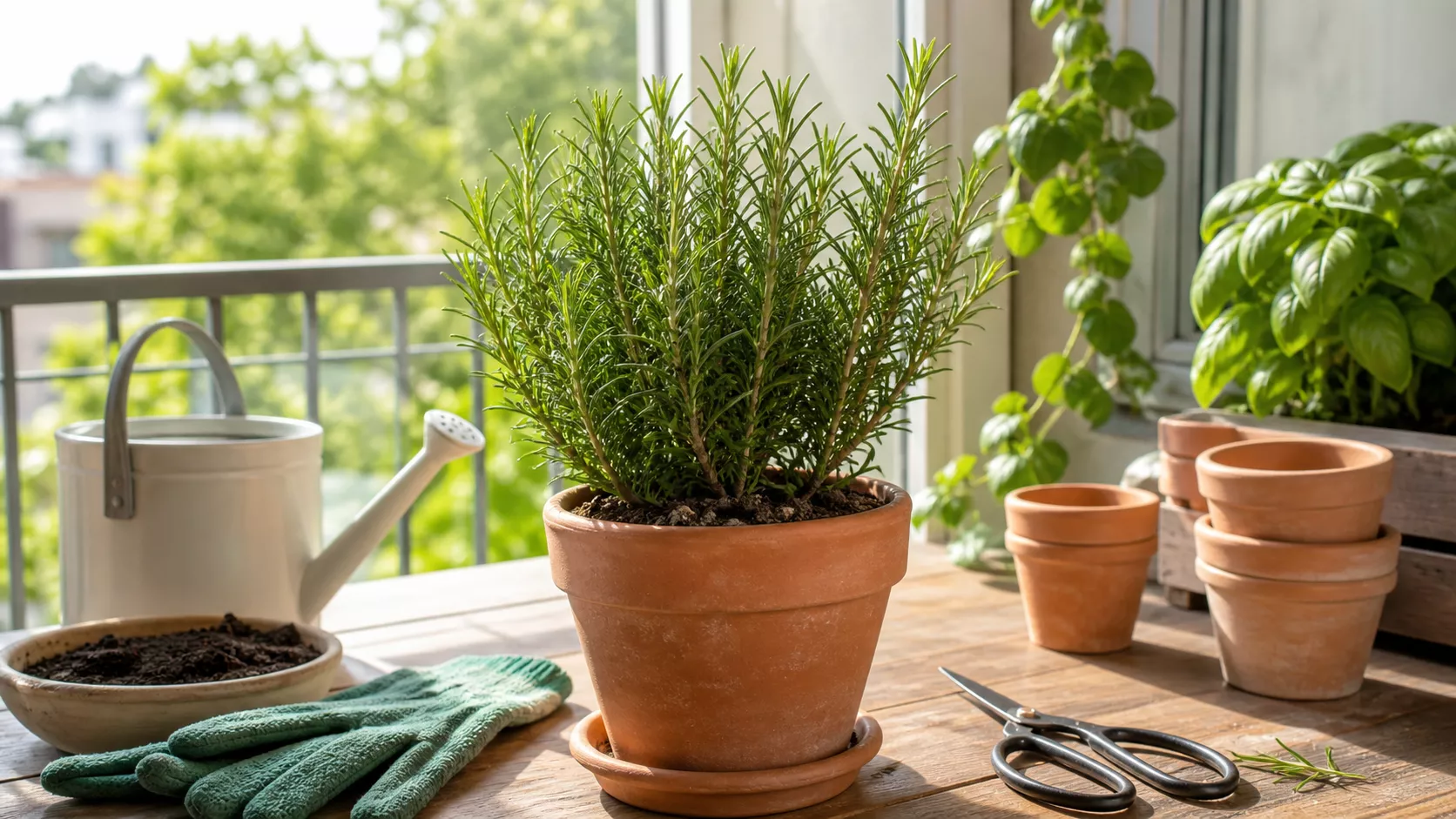
Next, terracotta pots are made from porous clay. They allow air and moisture to pass through the pot walls, helping the soil dry faster. This makes them a great option for plants that dislike excess moisture.
For example, terracotta is often useful for succulents, cacti, snake plants, and herbs like rosemary. These plants generally prefer better airflow and drier soil conditions.
However, terracotta pots can dry out quickly, especially in hot weather or bright locations. Plants that need consistent moisture may require more frequent watering in terracotta containers.
Also, ceramic pots are popular because they are decorative and available in many colors, shapes, and finishes. Glazed ceramic pots hold moisture better than unglazed clay because the surface is less porous.
These pots can be excellent for indoor decoration, but you must check whether they have drainage holes. Some decorative ceramic pots are designed as cachepots, meaning they hold another pot inside instead of being used directly for planting.
If a ceramic pot has no drainage, use it as an outer container. Keep the plant in a plastic nursery pot inside it and remove the inner pot when watering.
Furthermore, concrete and stone pots are strong, heavy, and stylish. They can be useful for larger plants because they provide stability and prevent top-heavy plants from falling over.
However, these pots can be difficult to move because of their weight. They may also affect soil temperature depending on where they are placed. Outdoors, they can heat up or cool down more than lighter containers.
For indoor use, concrete pots can work well for large decorative plants if they have drainage. Always make sure the plant can drain properly after watering.
Sometimes, metal pots are used for decoration because they look modern and elegant. However, they are usually better as outer decorative containers than as direct planting pots.
The reason is that metal can heat up quickly in direct sunlight, which may stress roots. Metal containers may also rust or lack drainage holes.
Therefore, use metal pots as cachepots when possible. Place a nursery pot inside, remove it for watering, and let it drain before returning it to the metal container.
Additionally, fabric pots are breathable containers often used for vegetables, herbs, and outdoor growing. They allow air to reach the roots and can reduce root circling.
However, fabric pots dry out faster than plastic containers. This can be helpful for some plants but may require more frequent watering.
For indoor spaces, fabric pots can be practical but may not always match decorative styles. They also need a tray or saucer to protect surfaces from moisture.
For succulents and cacti, the ideal pot should have excellent drainage, a suitable size, and preferably a material that helps soil dry faster. Terracotta is often a good choice because it is porous.
Also, avoid oversized pots for succulents and cacti. A small plant in a large pot may sit in moist soil for too long, increasing the risk of root problems.
Most importantly, use a fast-draining soil mix and a pot with drainage holes. Succulents and cacti are much easier to care for when water can pass through the soil quickly.
For tropical plants, such as peace lilies, calatheas, pothos, philodendrons, and ferns, choose pots that support consistent but balanced moisture. Plastic or glazed ceramic pots can work well because they do not dry as quickly as terracotta.
However, drainage is still necessary. Tropical plants may enjoy moisture, but they do not want roots sitting in stagnant water.
Additionally, choose a pot size based on root development. Many tropical plants grow well when slightly snug, but they should not be severely root-bound for too long.
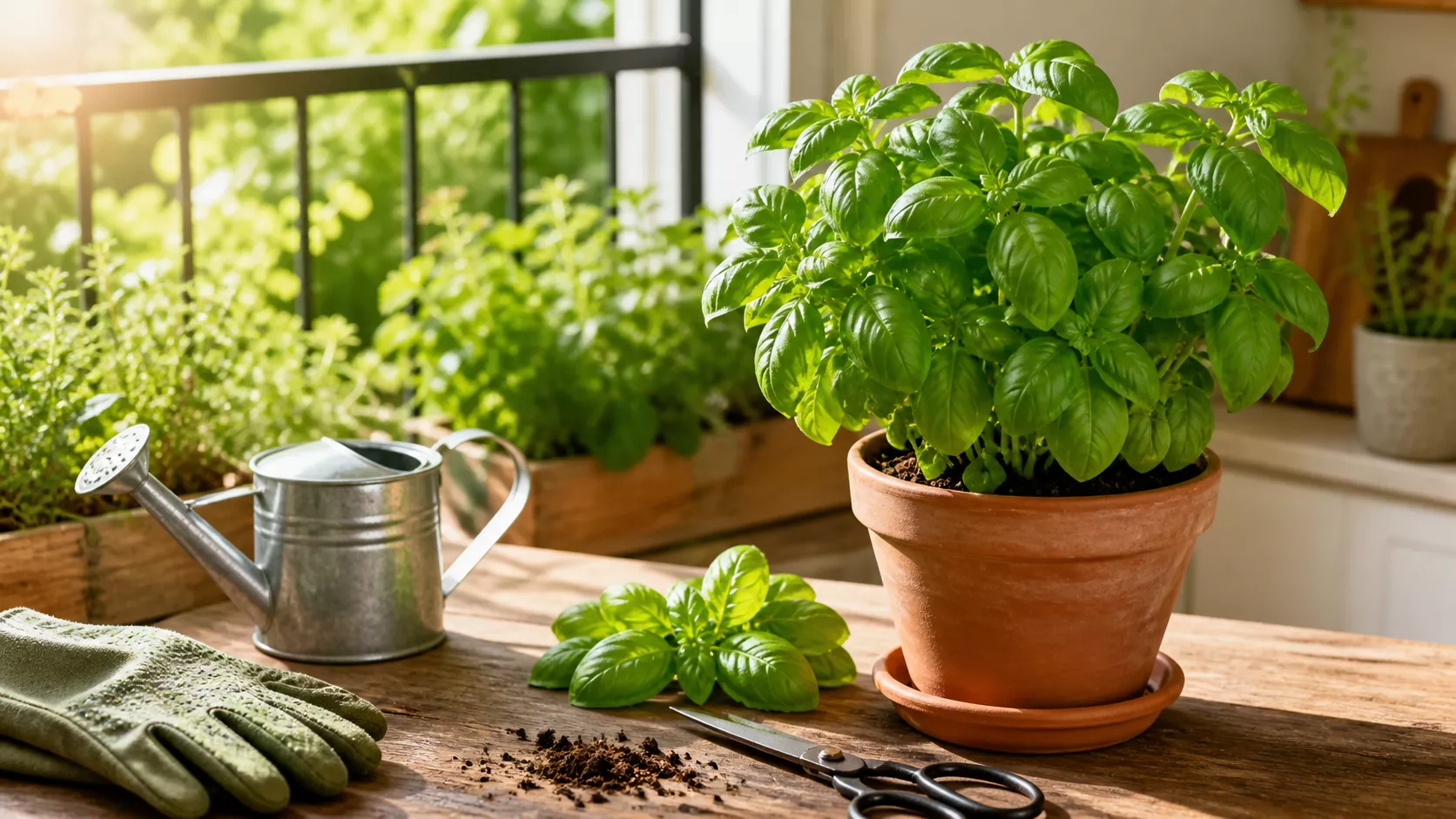
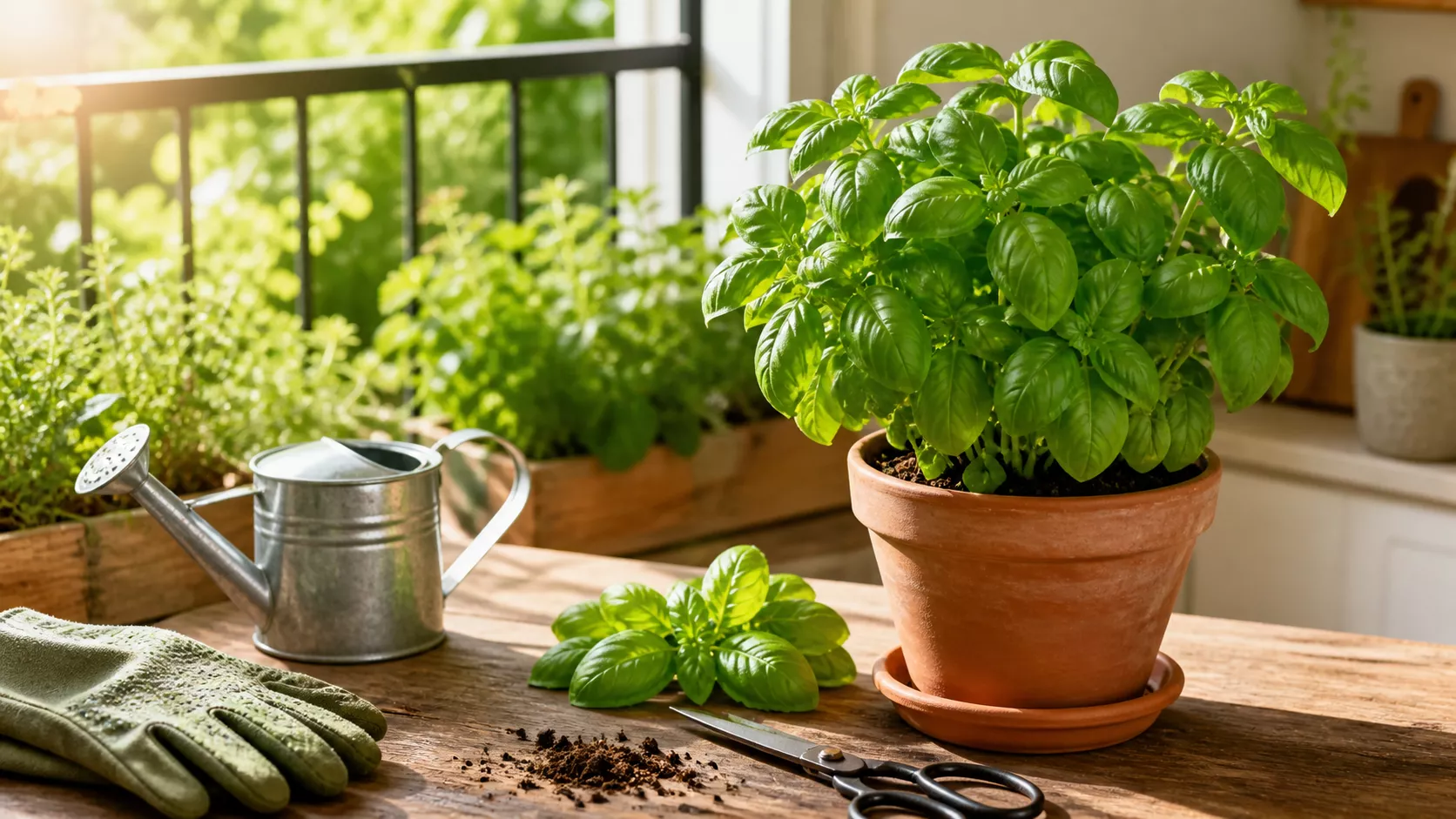
For herbs, the ideal pot depends on the herb type. Basil, parsley, mint, and chives often prefer more consistent moisture, while rosemary, thyme, and oregano prefer better drainage and drier conditions.
Because of this, rosemary and thyme may grow well in terracotta pots, while basil and parsley may do better in plastic or glazed pots that retain moisture longer.
Also, herbs need enough space for roots and good light. A pot that is too small can dry very quickly and limit growth, especially if the herb is harvested often.
For hanging plants, weight is an important factor. Plastic hanging pots are often practical because they are light and easier to hang safely. Heavy ceramic pots may be risky if not supported properly.
Plants such as pothos, string of hearts, spider plants, philodendrons, and trailing succulents can look beautiful in hanging containers.
However, hanging pots still need drainage. If water drips indoors, remove the pot for watering, let it drain fully, and then return it to its hanger.
For large plants, stability matters. Rubber plants, monsteras, palms, fiddle leaf figs, and large dracaenas need pots that support their size and weight.
A heavier pot can help prevent the plant from tipping over. Ceramic, concrete, or thick plastic pots can work depending on the plant and location.
Additionally, large pots should still have drainage holes. Because they contain more soil, they can stay moist longer. Always check soil moisture before watering large plants.
Some plants dislike frequent disturbance and may react badly to repeated repotting. For these plants, choose a pot that allows healthy growth without needing constant changes.
However, this does not mean choosing a very large pot immediately. Instead, select a suitable size and use high-quality soil that supports root health.
Also, be gentle when repotting sensitive plants. Avoid damaging roots unnecessarily, and give the plant time to adapt after moving it to a new container.
Besides size, pot shape matters. Some plants have shallow roots, while others grow deeper root systems. Matching pot depth to root style can improve plant health.
For example, many succulents and small cacti can grow well in shallower pots, while larger leafy plants may need deeper containers for support and root expansion.
Additionally, wide pots can be useful for arrangements, but they may hold moisture unevenly. Always consider how quickly the soil will dry and whether the plant’s roots will use the available space.
Many people love decorative cachepots because they hide simple nursery pots and improve home decor. This is a good strategy when used correctly.
To use them safely, keep the plant in its original pot with drainage holes. Remove it from the cachepot when watering, let excess water drain, and then place it back.
Never allow water to collect unnoticed inside the cachepot. This hidden water can keep roots too wet and cause plant problems even when the visible soil looks fine.
One common mistake is choosing a pot only because it looks beautiful. Decoration is important, but the plant’s health should come first. Drainage, size, and material matter more than appearance.
Another mistake is moving a small plant into a very large pot. Bigger is not always better. Extra soil can hold excess moisture and increase the risk of overwatering.
Also, using pots without drainage is a frequent problem. Even careful watering can fail when water has nowhere to escape.
Finally, choose pots that match your habits. If you tend to water too often, terracotta and fast-draining soil may help reduce moisture problems. If you often forget to water, plastic or glazed pots may help retain moisture longer.
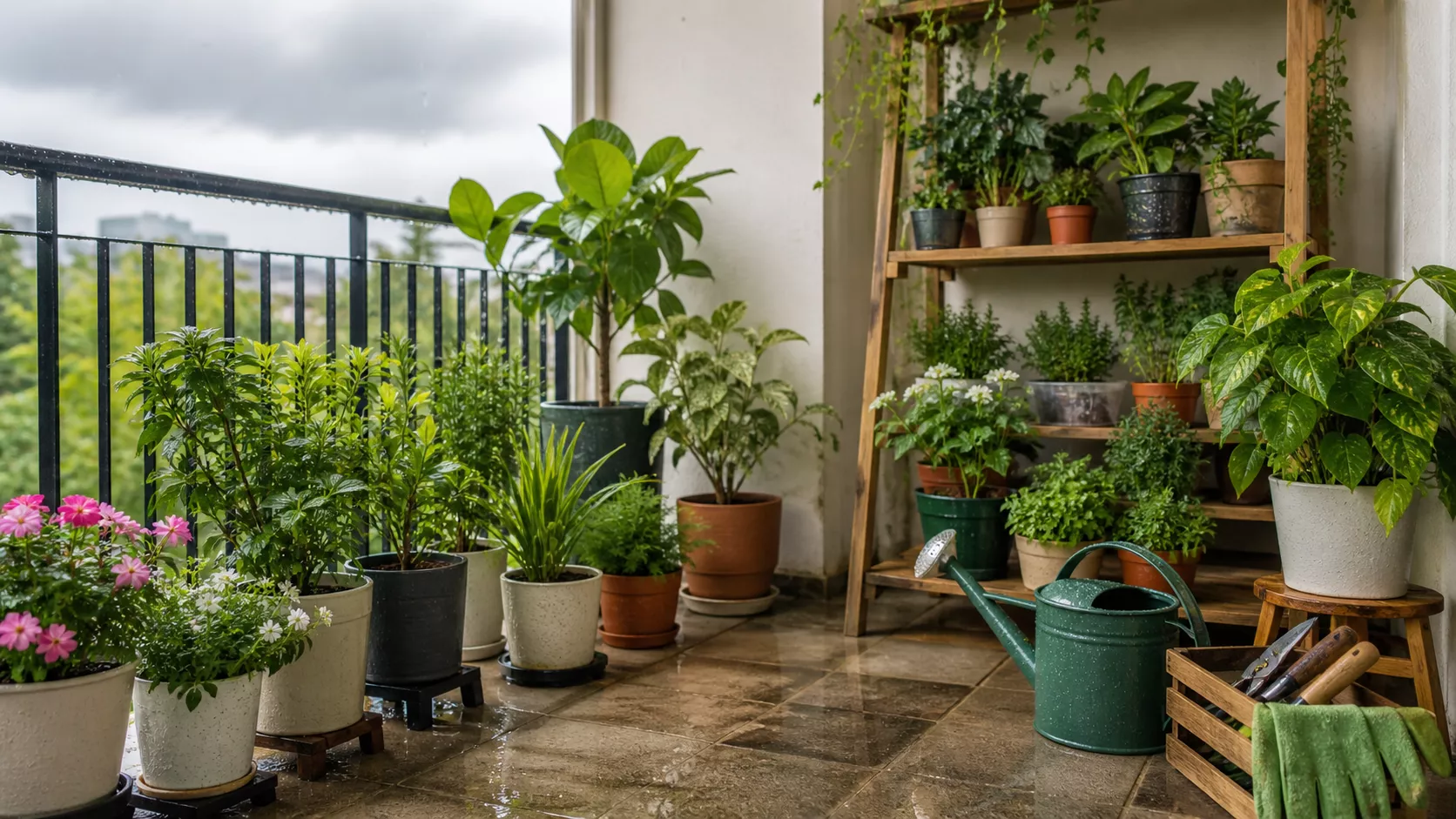
Also, consider your home environment. A sunny balcony dries pots faster than a shaded room. A dry apartment may require different pot choices than a humid bathroom.
By matching the pot to the plant, the environment, and your routine, plant care becomes easier and more successful.
In conclusion, learning how to choose the ideal pot for each type of plant helps prevent many common plant care problems. The right pot supports healthy roots, balanced moisture, proper drainage, and stable growth.
Above all, always consider drainage, size, material, shape, and the plant’s natural needs. Succulents and cacti often prefer fast-draining pots, tropical plants may like moisture-retaining containers, herbs vary by type, and large plants need stable support.
Ultimately, the best pot for plants is the one that combines function and beauty. When the container supports the plant’s health and also fits your home decor, your plants can grow better and look more beautiful for a long time.