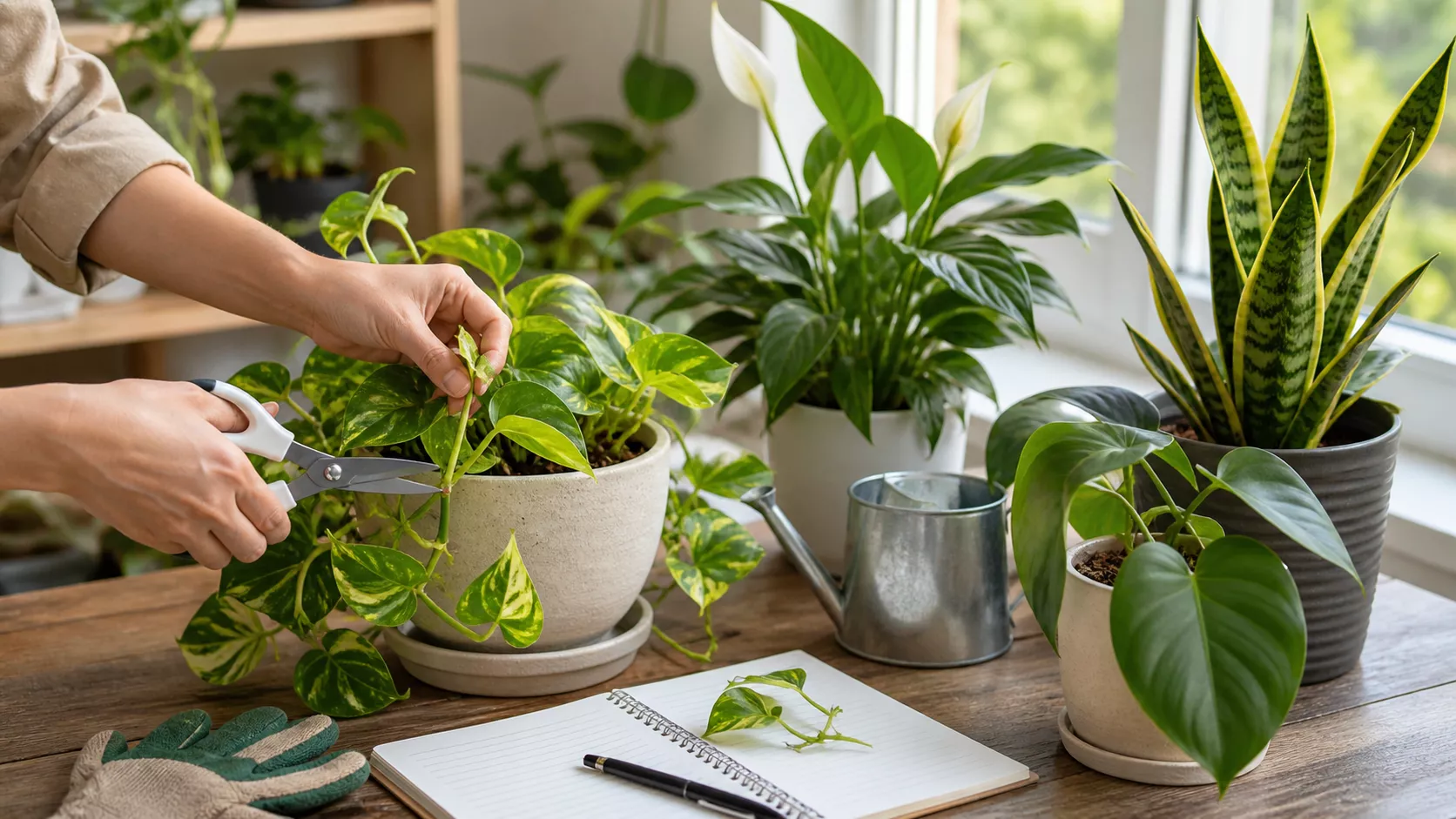
How to Make Plant Cuttings the Right Way

First, choosing air purifying plants to have at home is a popular way to make indoor spaces feel fresher, greener, and more comfortable. Plants bring natural beauty to rooms, soften decoration, and create a calmer atmosphere in apartments, houses, bedrooms, offices, and living rooms.
Additionally, many indoor plants are known for their ability to interact with the air around them through natural processes. While a few plants alone cannot replace ventilation, cleaning, or proper air circulation, they can still contribute to a more pleasant indoor environment and make your home feel more alive.
Therefore, this guide will present some of the best indoor plants for fresh air, explain how to care for them, and show how to use them in home decoration. You will also learn important tips about light, watering, humidity, soil, and placement so your plants stay healthy indoors.
First, plants naturally absorb carbon dioxide and release oxygen during photosynthesis. They also interact with their environment through leaves, roots, and soil microorganisms. This is one reason people associate plants with fresher indoor spaces.
However, it is important to be realistic. A small number of houseplants will not clean indoor air as effectively as good ventilation, regular cleaning, humidity control, and reducing pollution sources. Plants should be seen as part of a healthier home atmosphere, not as the only solution.
Even so, houseplants are valuable because they improve the visual environment, add natural humidity in small ways, and encourage people to create more pleasant spaces. A home with plants often feels calmer, fresher, and more welcoming.
First, indoor plants improve decoration. They add color, texture, height, and movement to rooms that may feel plain or artificial. A single large plant can become a focal point, while several smaller plants can create a cozy green corner.
Additionally, caring for plants can become a relaxing routine. Watering, cleaning leaves, checking new growth, and adjusting light can help you slow down and pay attention to your home environment.
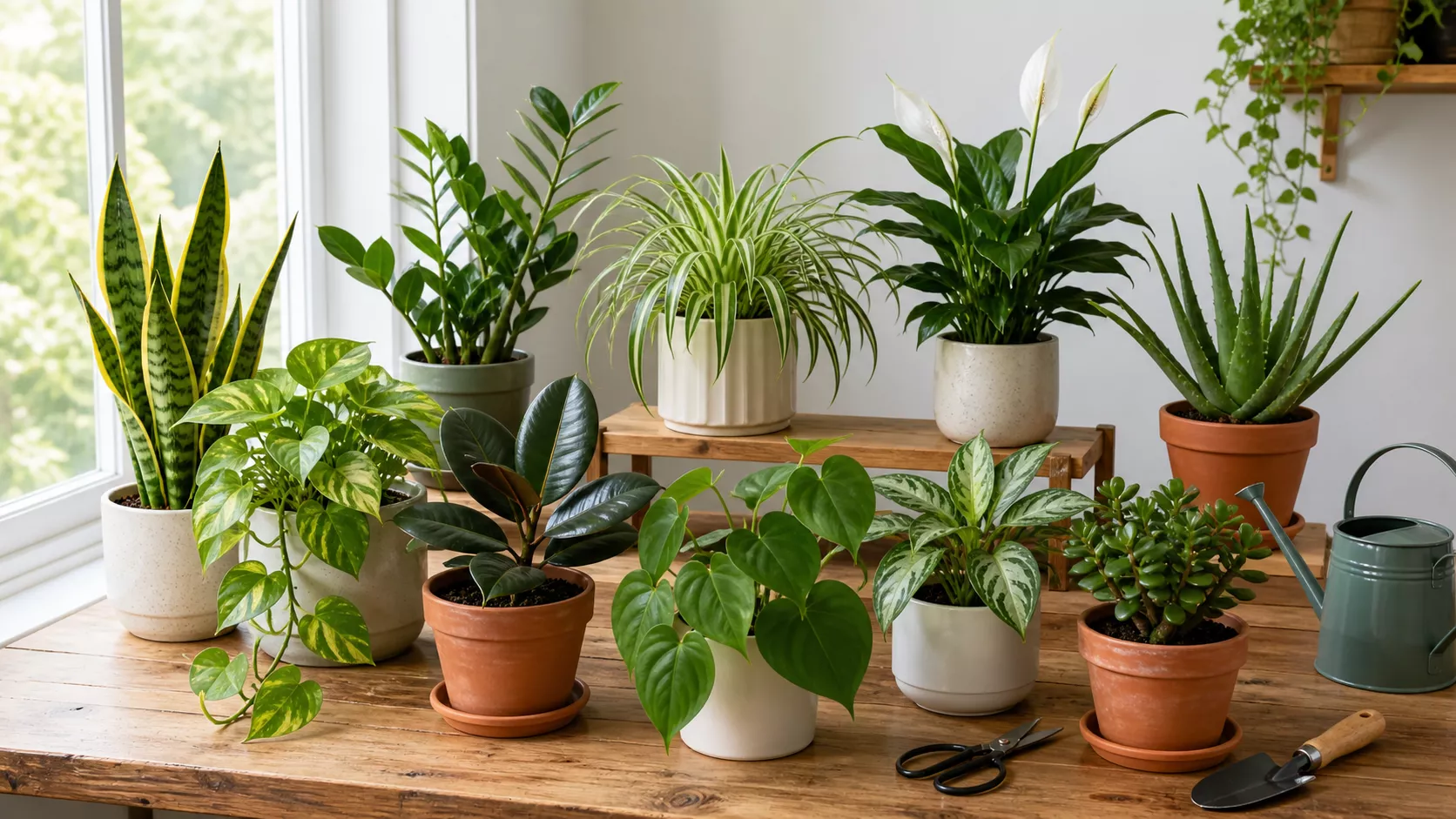
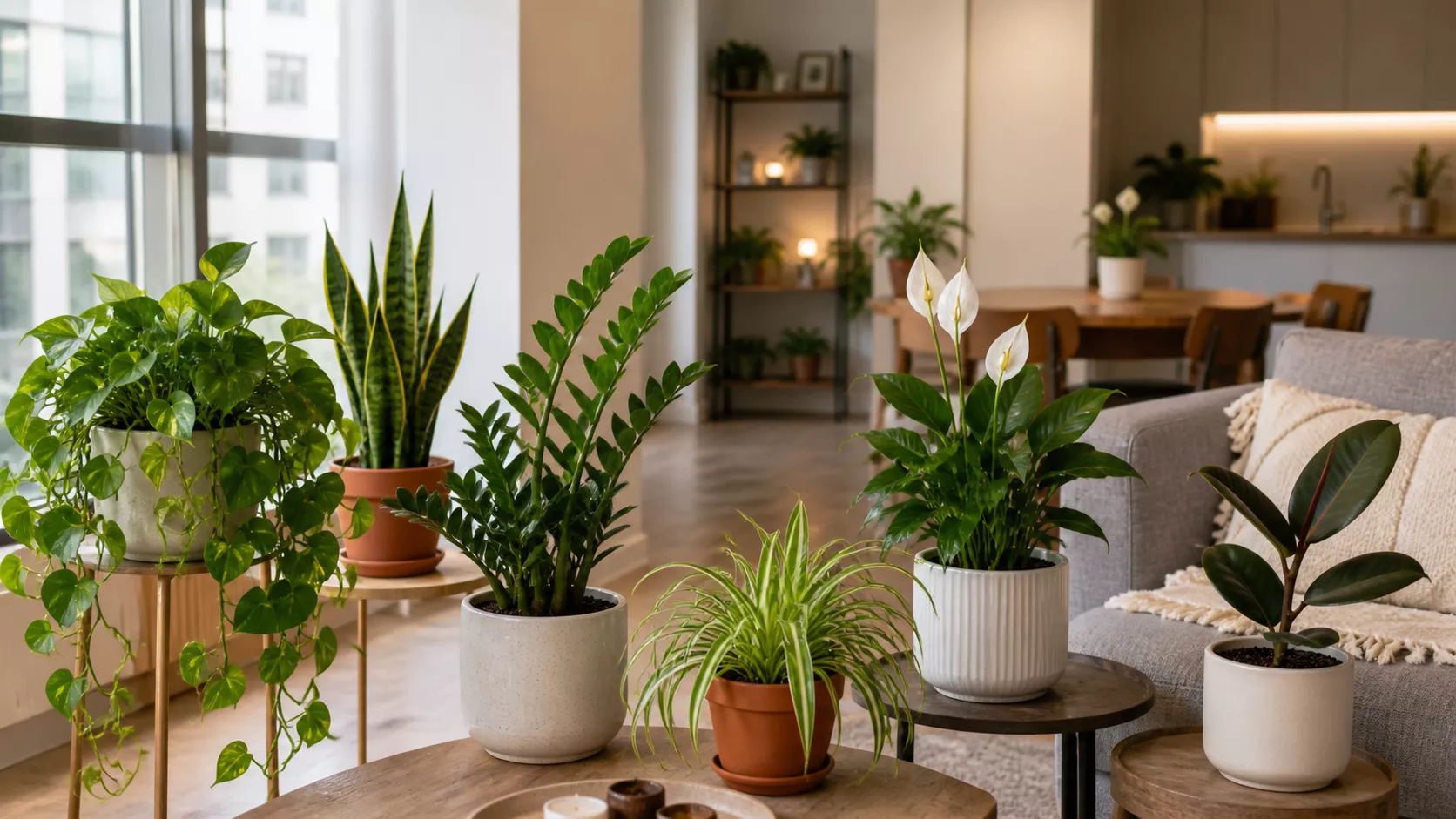
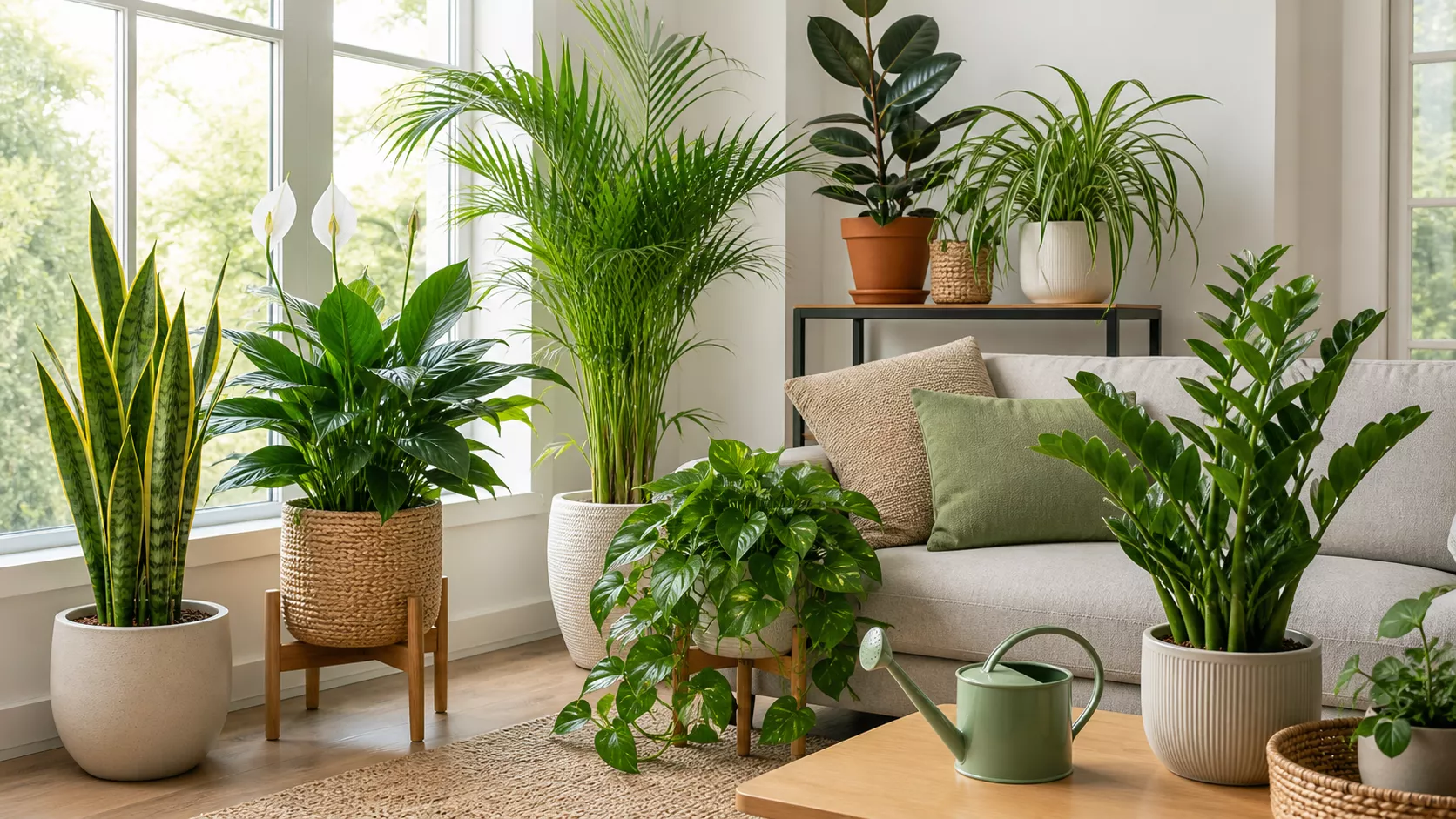
Also, many air purifying houseplants are easy to care for. Plants such as snake plant, pothos, peace lily, spider plant, and ZZ plant are popular because they are beautiful and manageable for beginners.
First, snake plant is one of the most popular indoor plants for homes and offices. It has tall upright leaves with green patterns, and some varieties have yellow edges. Its vertical shape makes it perfect for corners and small spaces.
Additionally, snake plant is very low maintenance. It tolerates medium and lower light conditions, although it grows best in bright indirect light. It is also drought-tolerant because it stores water in its leaves.
When watering, allow the soil to dry well before watering again. Overwatering is the main problem with snake plant. Use well-draining soil and a pot with drainage holes to keep the roots healthy.
Next, peace lily is a beautiful plant with dark green leaves and elegant white blooms. It is often chosen for bedrooms, living rooms, offices, and shaded indoor areas because of its soft and classic appearance.
Generally, peace lily grows best in bright indirect light, but it can tolerate medium light. More brightness usually encourages more flowers, while low light may reduce blooming.
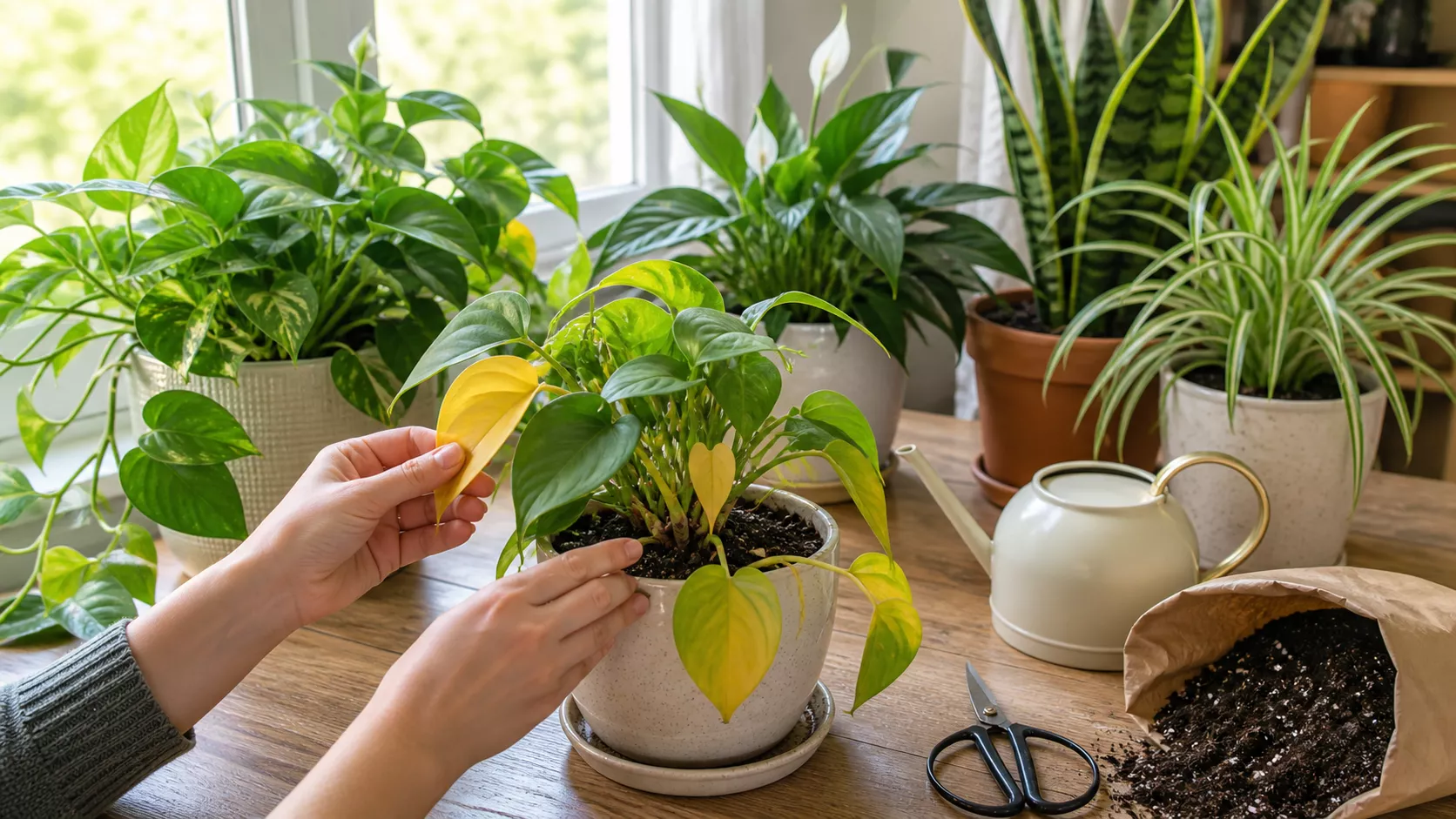
When watering, keep the soil lightly moist but not soggy. Peace lilies often droop when they need water, but you should still check the soil before watering. Too much water can cause yellow leaves and root problems.
Also, spider plant is a cheerful and easy-care houseplant. Its long arching leaves create a fresh look, and mature plants often produce small baby plants that hang from the mother plant.
Spider plant grows best in bright indirect light, but it can adapt to moderate light. It is a good choice for shelves, hanging baskets, plant stands, and bright rooms.
When watering, let the top layer of soil dry slightly before watering again. Avoid soggy soil. If the leaf tips turn brown, check water quality, humidity, and watering consistency.
Another excellent option is pothos. This plant has trailing vines and heart-shaped leaves, making it perfect for shelves, hanging baskets, cabinets, and vertical decoration.
Pothos is one of the easiest indoor plants for beginners. It grows best in bright indirect light but can tolerate medium and lower light conditions. Variegated varieties need more brightness to keep their beautiful patterns.
When watering, allow the top part of the soil to dry before adding more water. Pothos does not like staying constantly wet. With pruning and proper care, it can grow full and beautiful indoors.
Next, ZZ plant is a strong and elegant indoor plant with glossy green leaves. It is often used in modern homes and offices because it looks clean, structured, and attractive.
Because ZZ plant stores water in underground rhizomes, it does not need frequent watering. This makes it ideal for busy people and beginners.
For best growth, place it in bright indirect light, although it can tolerate lower light. Water only when the soil is dry. Overwatering can cause yellow leaves and soft stems.
Also, rubber plant is a bold indoor plant with thick, glossy leaves. It can become a beautiful focal point in living rooms, bedrooms, and bright corners.
Rubber plant prefers bright indirect light. It may tolerate gentle morning sun, but harsh afternoon sun can damage the leaves. Good light helps the plant grow stronger and fuller.
When watering, let the top few centimeters of soil dry before watering again. Clean the leaves occasionally with a damp cloth to remove dust and keep them shiny.
For a tropical look, areca palm is a great choice. It has soft, feathery fronds that create a fresh and relaxing atmosphere indoors.
Areca palm grows best in bright indirect light. It appreciates consistent moisture, but the soil should not stay soggy. Good drainage is important for keeping roots healthy.
Additionally, this palm enjoys moderate humidity. If your indoor air is very dry, brown leaf tips may appear. Regular observation and balanced watering help keep it attractive.
Next, Boston fern is a lush green plant that brings softness and freshness to indoor spaces. It works well in hanging baskets, plant stands, bathrooms with windows, and shaded balconies.
Boston fern prefers bright indirect light and higher humidity. It does not like drying out completely, so the soil should stay lightly moist.
However, avoid soggy soil. Ferns need moisture, but their roots still need oxygen. A pot with drainage holes and a light moisture-retaining soil mix is ideal.
Another popular choice is dracaena. This plant has long, narrow leaves and a stylish upright form. It works well in offices, living rooms, and apartments.
Dracaena prefers bright indirect light but can tolerate medium light. Some varieties have colorful leaf edges or striped foliage, which can add interest to decoration.
When watering, allow the top layer of soil to dry before watering again. Dracaena does not like soggy soil. Brown tips may appear from dry air, water quality, or inconsistent care.
Also, Chinese evergreen is a beautiful and adaptable indoor plant. It has patterned leaves that may include green, silver, cream, pink, or red tones depending on the variety.
Chinese evergreen can tolerate lower light better than many colorful plants, although it grows best with moderate indirect brightness. This makes it useful for bedrooms, offices, and shaded rooms.
When watering, let the top layer of soil dry slightly. Avoid overwatering and protect the plant from cold drafts. With simple care, it can remain attractive for a long time.
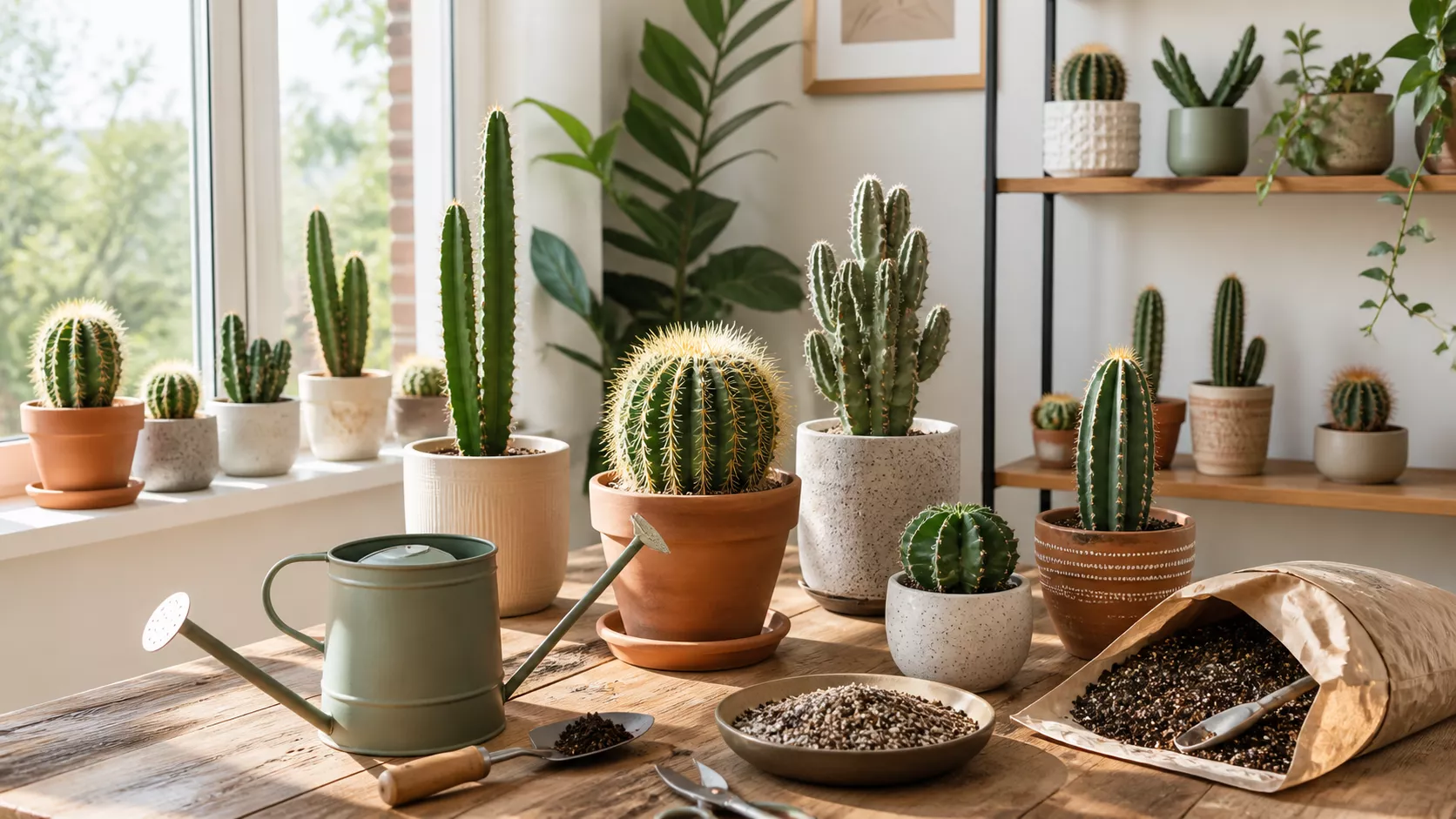
For sunny spaces, aloe vera can be a practical and decorative choice. It has thick, fleshy leaves that store water, making it drought-tolerant and easy to maintain.
Aloe vera needs bright light and does best near a sunny window. Without enough light, it may become weak or stretched.
When watering, let the soil dry completely before watering again. Use a fast-draining mix and a pot with drainage holes. Aloe vera is not a good choice for dark corners or constantly wet soil.
Finally, philodendron is a beautiful indoor plant with many varieties. Some have heart-shaped trailing leaves, while others grow upright with larger tropical foliage.
Philodendron grows best in bright indirect light but can tolerate medium light. It should be protected from harsh direct sunlight.
When watering, allow the top part of the soil to dry before adding more water. This plant usually grows well indoors and can create a lush green look with simple care.
First, consider the amount of light in your home. Bright rooms can support plants such as rubber plant, aloe vera, areca palm, and many philodendrons. Lower light rooms are better for snake plant, ZZ plant, pothos, and Chinese evergreen.
Next, think about your routine. If you often forget to water, choose drought-tolerant plants such as snake plant, ZZ plant, or aloe vera. If you enjoy checking your plants more often, peace lily, ferns, and palms may be good options.
Also, consider available space. Tall plants work well in corners, trailing plants look beautiful on shelves, and compact plants are ideal for desks and small apartments.
First, living rooms are excellent places for larger plants because they often have more space and better light. A rubber plant, areca palm, monstera, or snake plant can create a strong decorative effect.
Additionally, bedrooms can benefit from simple, low-maintenance plants such as snake plant, ZZ plant, or pothos. These plants are easy to care for and do not require frequent attention.
Also, bathrooms with windows can be suitable for humidity-loving plants such as Boston fern or peace lily. However, bathrooms without natural light are not ideal unless you use grow lights.
Generally, the number of plants depends on your space, lighting, and ability to care for them. It is better to have a few healthy plants than many neglected ones.
For beginners, start with two or three easy plants. Once you understand watering, light, and maintenance, you can slowly add more species.
Additionally, avoid overcrowding plants. Too many plants placed close together can reduce airflow and make pests harder to detect.
First, match each plant to the right light condition. Even low-light tolerant plants still need some brightness to stay healthy.
Second, water according to soil moisture, not a fixed schedule. Different plants dry at different speeds depending on pot size, soil, temperature, and light.
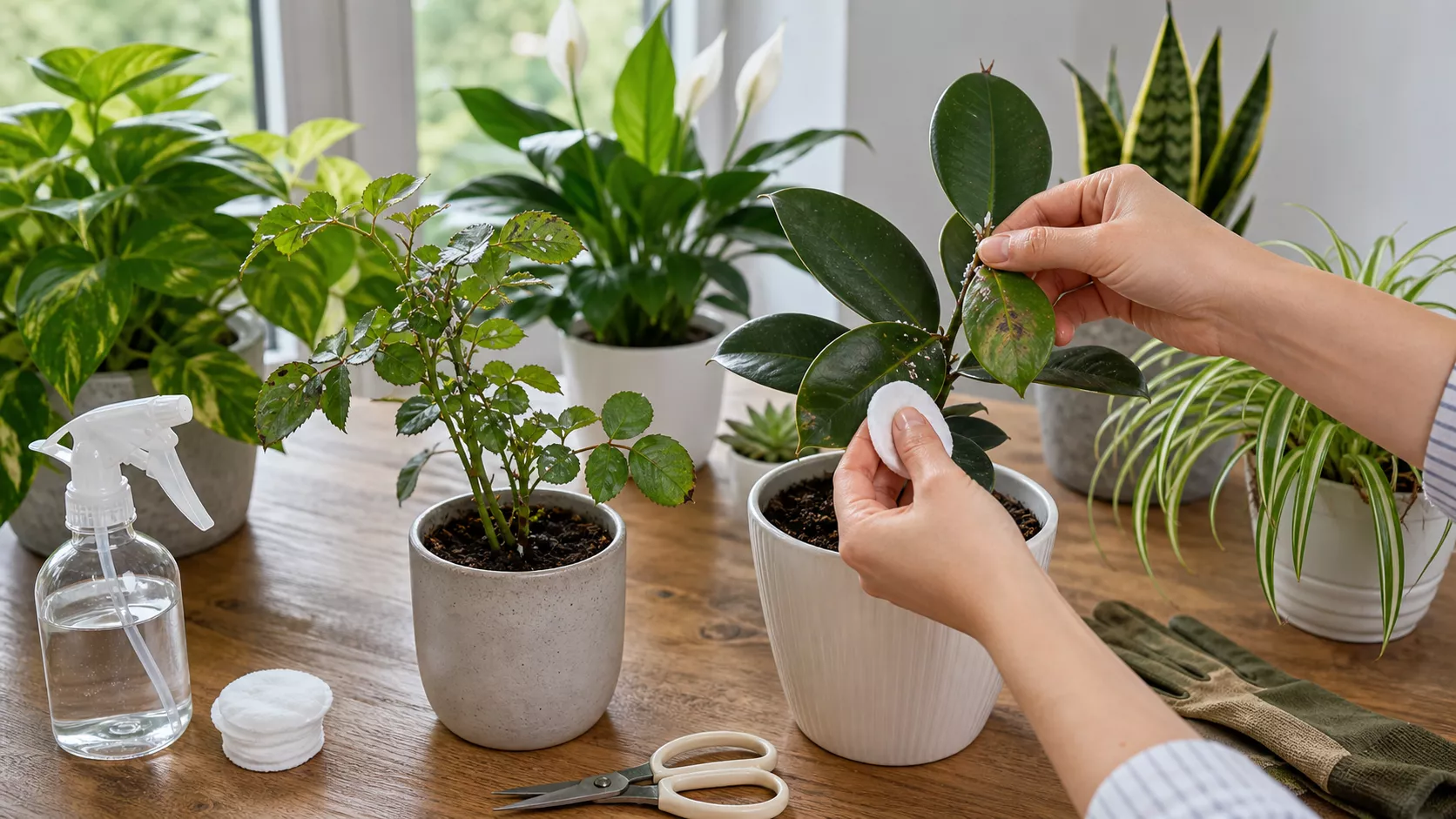
Third, clean leaves regularly. Dust can reduce light absorption and make plants look dull. A soft damp cloth works well for broad-leaf plants.
Besides plants, other habits help keep indoor spaces fresher. Open windows when possible, clean dust regularly, avoid excess humidity, and reduce sources of smoke, strong chemicals, or artificial fragrances.
Additionally, good airflow is important. Plants grow better when air is not completely stagnant. Gentle ventilation can also reduce mold and pest problems.
Therefore, use plants as part of a complete home care routine. They improve beauty and atmosphere, but they work best together with cleanliness and ventilation.
One common mistake is placing plants in dark areas just because they look decorative there. If the plant does not receive enough light, it may weaken over time.
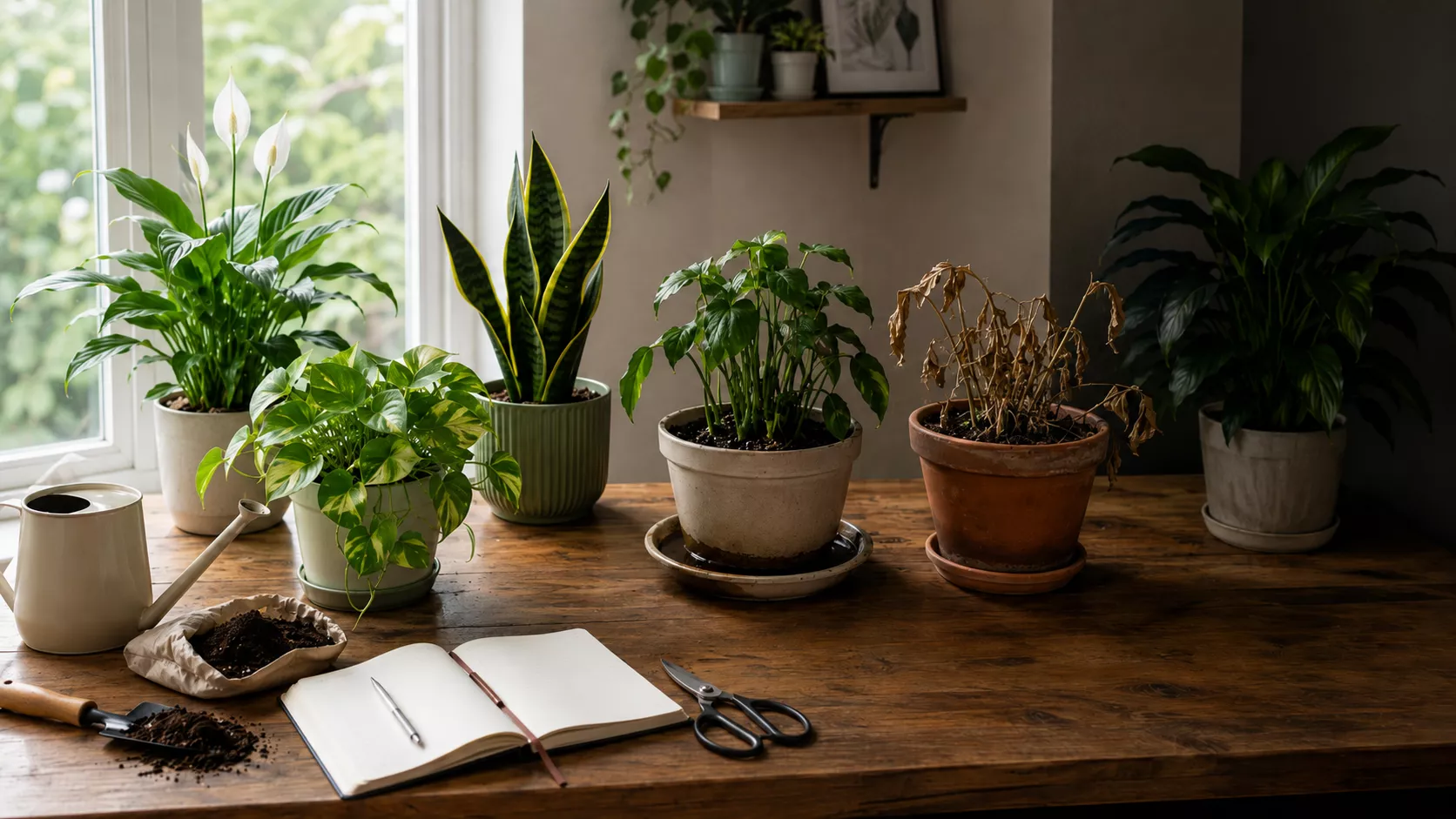
Another mistake is overwatering. Many indoor plants decline because the soil stays wet for too long, especially in low-light rooms.
Also, avoid believing that plants alone can solve serious indoor air problems. If your home has strong odors, mold, smoke, or poor ventilation, solve the source of the problem first.
Importantly, some popular indoor plants can be toxic to cats and dogs if chewed or eaten. Peace lily, pothos, philodendron, snake plant, ZZ plant, and rubber plant may cause problems for pets.
Because of this, place these plants where pets cannot reach them. Hanging planters, high shelves, or separate rooms can help protect curious animals.
If you have pets, research each plant before buying it. Spider plant and some palms are often considered more pet-friendly options, but it is still wise to monitor pets around any plant.
First, combine different plant shapes. Use upright plants like snake plant, trailing plants like pothos, and fuller plants like peace lily or fern to create visual variety.
Additionally, choose pots that match your decoration style. Ceramic, terracotta, woven baskets, and modern planters can all make plants look more intentional.
However, never choose decoration over plant health. A beautiful pot should still allow drainage, and a decorative location should still provide enough light.
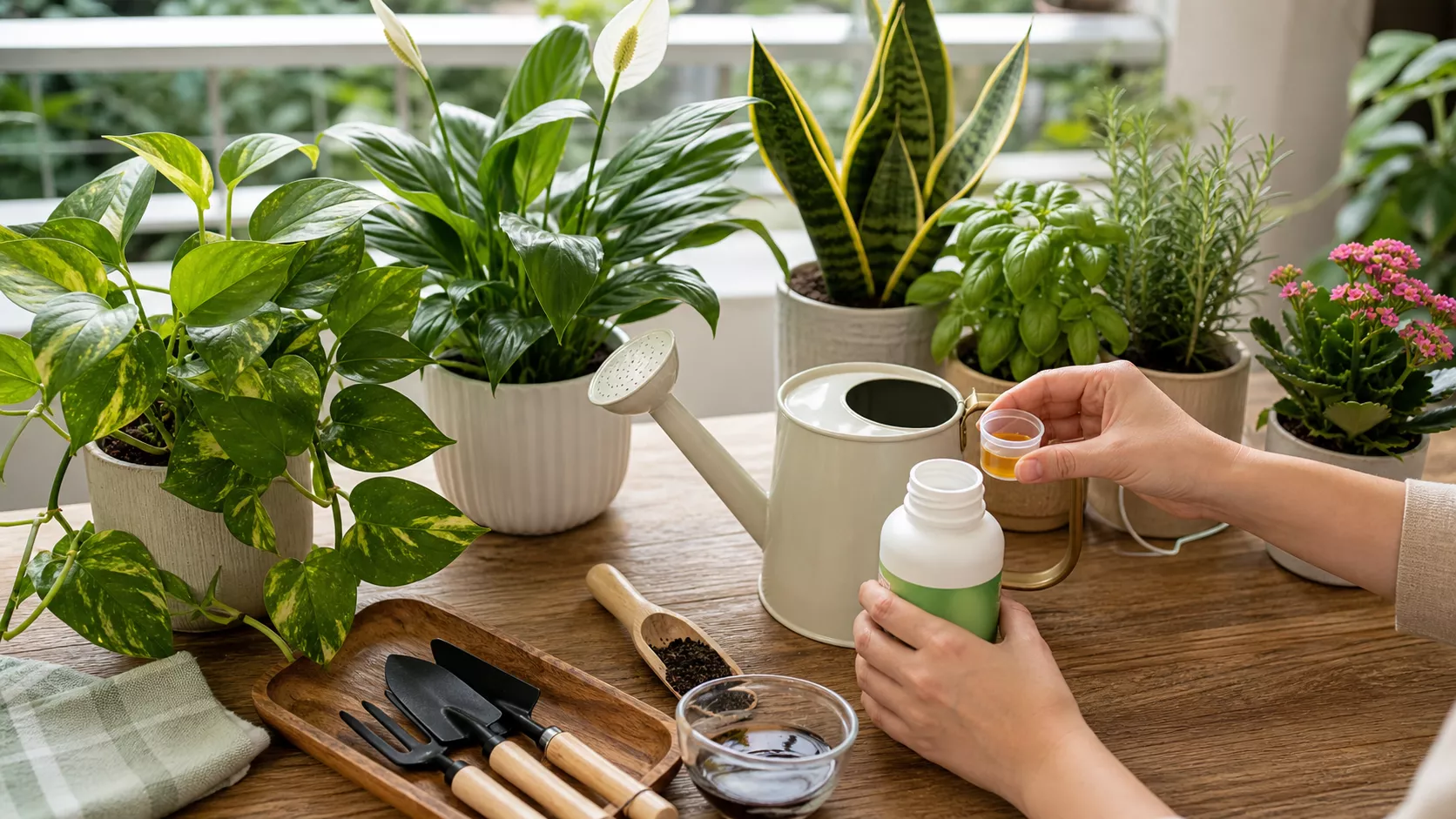
To keep plants healthy, check soil moisture once or twice a week. Water only the plants that actually need it.
Then, inspect leaves for dust, pests, yellowing, or brown tips. Clean leaves when necessary and remove dead foliage from the soil surface.
Finally, rotate pots occasionally so plants grow evenly toward the light. These small habits help your indoor plants stay attractive and healthy.
In conclusion, air purifying plants to have at home can make indoor spaces feel fresher, greener, and more peaceful. While plants do not replace ventilation or cleaning, they are excellent for improving decoration, comfort, and the natural atmosphere of a home.
Above all, choose plants that match your light, space, and routine. Snake plant, peace lily, spider plant, pothos, ZZ plant, rubber plant, areca palm, Boston fern, dracaena, Chinese evergreen, aloe vera, and philodendron are all great options depending on your home conditions.
Ultimately, the best air purifying houseplants are the ones you can keep healthy. With proper light, careful watering, clean leaves, and good drainage, your plants can stay beautiful and help create a more pleasant indoor environment.