How to Care for Plants When Traveling

First, learning how to care for Monstera deliciosa indoors is a great choice for anyone who wants a bold, tropical, and decorative houseplant. Monstera deliciosa is famous for its large green leaves with natural splits and holes, creating a beautiful statement in living rooms, bedrooms, offices, and apartments.
Additionally, Monstera deliciosa can grow well indoors when it receives proper light, balanced watering, suitable soil, and enough space. Although it looks impressive, it is not the most difficult plant to care for. With the right routine, even beginners can grow a healthy monstera at home.
However, this plant can develop problems when placed in poor light, watered too often, kept in compacted soil, or left without support as it grows larger. Therefore, this complete guide will explain the most important steps for successful Monstera deliciosa care indoors.
First, Monstera deliciosa is a tropical climbing plant known for its large, glossy leaves. As the plant matures, the leaves often develop splits and holes, called fenestrations. These unique leaves make monstera one of the most popular indoor plants.
Additionally, monstera naturally grows by climbing trees in tropical environments. Indoors, it can also climb when given a moss pole, stake, or support. This helps the plant grow upright and produce larger leaves over time.
Because of its size, Monstera deliciosa is best suited for spaces where it has room to expand. It can start as a small plant, but with good care, it may become a large focal point in the home.
First, monstera is popular because of its dramatic appearance. A healthy monstera can make a room feel greener, fresher, and more stylish. Its leaves add a tropical look without needing complicated decoration.
Also, monstera grows relatively fast when conditions are good. New leaves can be exciting to watch, especially when they begin to develop splits as the plant matures.
Furthermore, monstera is adaptable enough for indoor environments. It does need attention, but it does not require constant care every day. Balanced watering, bright indirect light, and a good support system are the main keys.
First, Monstera deliciosa grows best in bright indirect light. This means the plant receives plenty of brightness without harsh direct sun hitting the leaves for long periods.
In good light, monstera usually produces stronger stems, larger leaves, and better fenestrations. If the plant receives too little light, growth may slow down and new leaves may stay smaller.
However, avoid intense direct sunlight, especially during hot afternoon hours. Strong sun can burn the leaves and cause brown patches. A bright room near a filtered window is often ideal.
Although monstera can tolerate medium light, it is not truly a low-light plant. It may survive in lower light, but it usually grows slowly and may produce fewer split leaves.
If your monstera is reaching toward a window, producing small leaves, or growing long spaces between stems, it may need more brightness. Moving it closer to indirect light can improve growth.
However, avoid moving it suddenly from shade to intense sun. Gradual adjustment helps prevent leaf stress and sun damage.
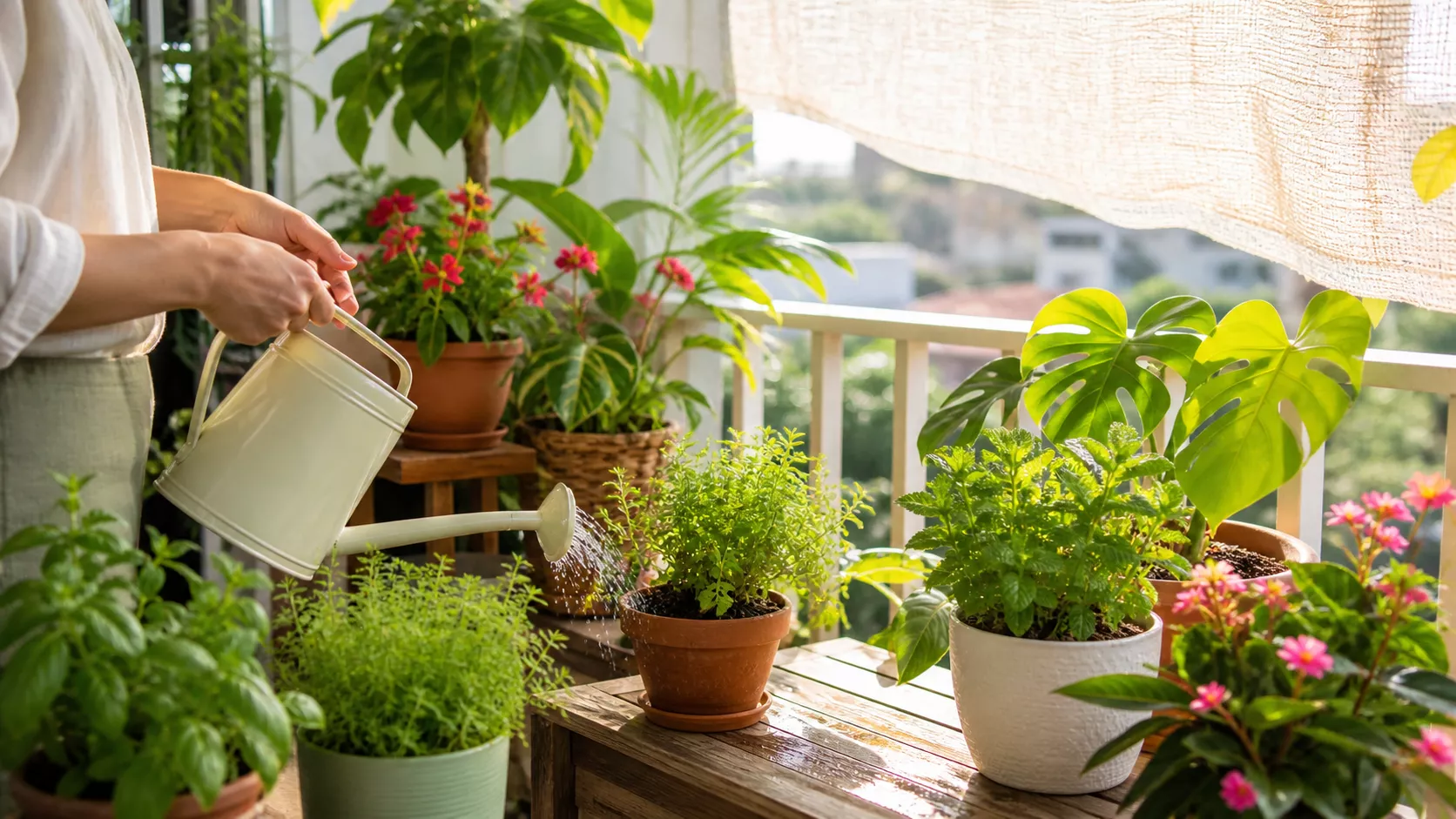
Next, watering is one of the most important parts of Monstera deliciosa care. This plant likes moisture, but it does not like soggy soil. The soil should dry partially between waterings.
Before watering, check the top few centimeters of soil with your finger. If the soil feels dry, the plant may be ready for water. If it still feels moist, wait longer.
When watering, water thoroughly until excess water drains from the bottom of the pot. Then empty the saucer if water collects. This helps prevent root problems and keeps moisture balanced.
Often, a thirsty monstera may show slightly drooping leaves, curling edges, dry soil, or a lighter pot when lifted. The leaves may look less firm than usual.
If the soil is dry and the plant looks thirsty, water deeply and allow the excess to drain. The plant may improve within a short time if the roots are healthy.
However, do not water only because the leaves are drooping. Drooping can also happen from overwatering or root stress. Always check the soil first.
Unfortunately, overwatering is a common problem with monstera. When soil stays wet for too long, roots may not get enough oxygen. This can lead to yellow leaves, soft stems, and root damage.
Common signs of overwatering include yellow lower leaves, soggy soil, unpleasant smell, black spots, fungus gnats, and wilting even when the soil is wet.
To prevent this, use a pot with drainage holes, choose well-draining soil, and avoid watering on a fixed schedule. Monstera care works best when you water based on soil moisture.
Another important factor is soil. Monstera needs a soil mix that holds some moisture but also allows air and water to move freely. Heavy soil can keep roots too wet and cause problems.
A good monstera mix can include indoor potting soil, orchid bark, perlite, coco coir, and other chunky materials. This creates a light, airy texture that supports healthy roots.
Additionally, avoid compacted soil. If water stays on the surface for too long or the soil remains wet for many days, it may be time to improve the mix or repot the plant.
Also, monstera should be planted in a pot with drainage holes. Drainage is essential because excess water must escape after watering.
Because monstera can become large and top-heavy, choose a stable pot that supports the plant. A heavy ceramic pot, sturdy plastic pot, or decorative pot with an inner nursery pot can work well.
However, avoid choosing a pot that is too large. Oversized pots hold extra soil and moisture, which can increase the risk of overwatering. When repotting, choose a pot only slightly larger than the current one.
Since monstera is naturally a climbing plant, it benefits from support. A moss pole, coco coir pole, trellis, or sturdy stake can help it grow upright and stay organized indoors.
With support, the plant’s aerial roots can attach or be guided toward the pole. This may encourage larger leaves and a more natural growth pattern over time.
However, a moss pole is not absolutely required for a young monstera. Still, as the plant grows, support becomes very helpful for controlling shape and preventing stems from spreading too widely.
Monstera deliciosa produces aerial roots that grow from the stems. These roots help the plant climb in nature. Indoors, they may look unusual, but they are normal.
You can guide aerial roots toward a moss pole or into the soil if they are flexible. Avoid cutting healthy aerial roots unless they are damaged or creating a serious space issue.
Additionally, do not worry if aerial roots grow in different directions. They are part of the plant’s natural climbing habit.
Pruning helps control monstera size, remove damaged leaves, and encourage a better shape. Since monstera can grow large indoors, pruning may be necessary from time to time.
To prune, use clean scissors or pruning shears. Cut damaged, yellow, or unwanted stems close to a node. A node is the area where leaves and aerial roots grow from the stem.
Additionally, healthy cuttings can be propagated. This makes pruning useful not only for shaping the plant but also for creating new monsteras.
Monstera propagation is usually done with stem cuttings. A successful cutting must include at least one node, because roots and new growth develop from the node.
To propagate in water, place the cutting in a jar with clean water, keeping the node submerged while the leaf stays above water. Put it in bright indirect light and change the water regularly.
Once roots are several centimeters long, transfer the cutting to soil. Keep the soil lightly moist at first while the plant adjusts. Propagation requires patience, but it is very rewarding.
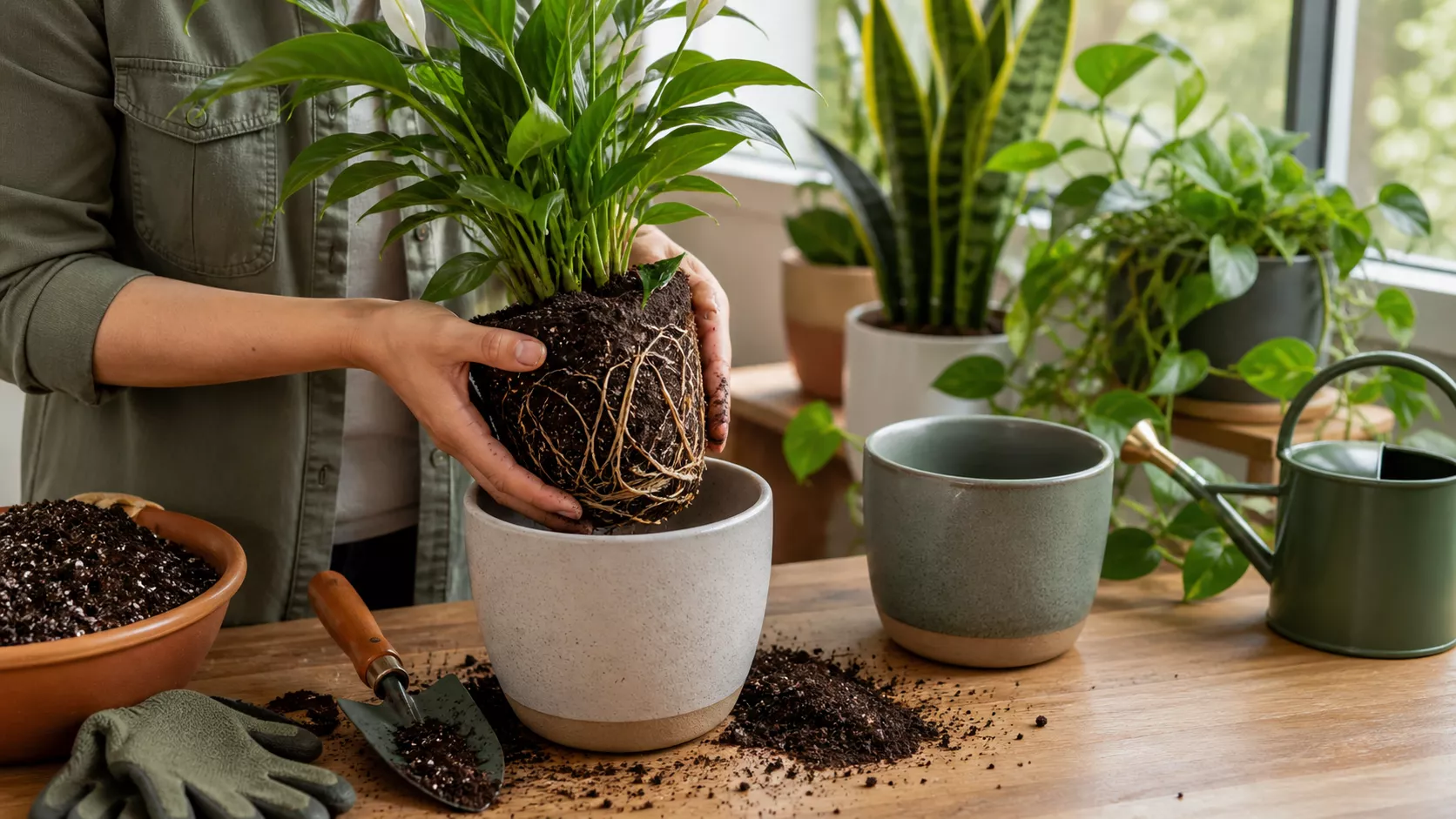
Over time, monstera may outgrow its pot. Repotting gives the roots more space and refreshes the soil. Most indoor monsteras do not need repotting constantly, but they do need it when crowded.
Signs that repotting may be needed include roots coming out of drainage holes, water running through too quickly, slow growth, or the plant becoming unstable.
When repotting, choose a pot slightly larger than the current one and use a chunky well-draining soil mix. If the plant uses a moss pole, repot carefully so the support stays secure.
Monstera can benefit from fertilizer during active growth. Since it can produce large leaves, it may use more nutrients than some slow-growing plants.
Usually, a balanced houseplant fertilizer diluted according to instructions works well during warmer months. Avoid overfertilizing because too much fertilizer can damage roots.
Also, do not fertilize a stressed monstera. If the plant has yellow leaves, root problems, pests, or poor light, fix the main issue first before feeding.
Generally, monstera prefers warm and stable indoor temperatures. It does not like cold drafts, sudden temperature changes, or very cold rooms.
Additionally, monstera appreciates moderate to higher humidity because it is a tropical plant. Average indoor humidity may be acceptable, but very dry air can cause brown edges or slower growth.
To improve humidity, you can group plants together, use a humidifier, or place the plant in a suitable bright room with naturally higher humidity. Still, avoid keeping the soil soggy.
Because monstera has large leaves, dust can collect easily. Dusty leaves may absorb less light and look dull.
To clean, wipe the leaves gently with a soft damp cloth. Support each leaf carefully to avoid tearing it. Clean both sides when possible.
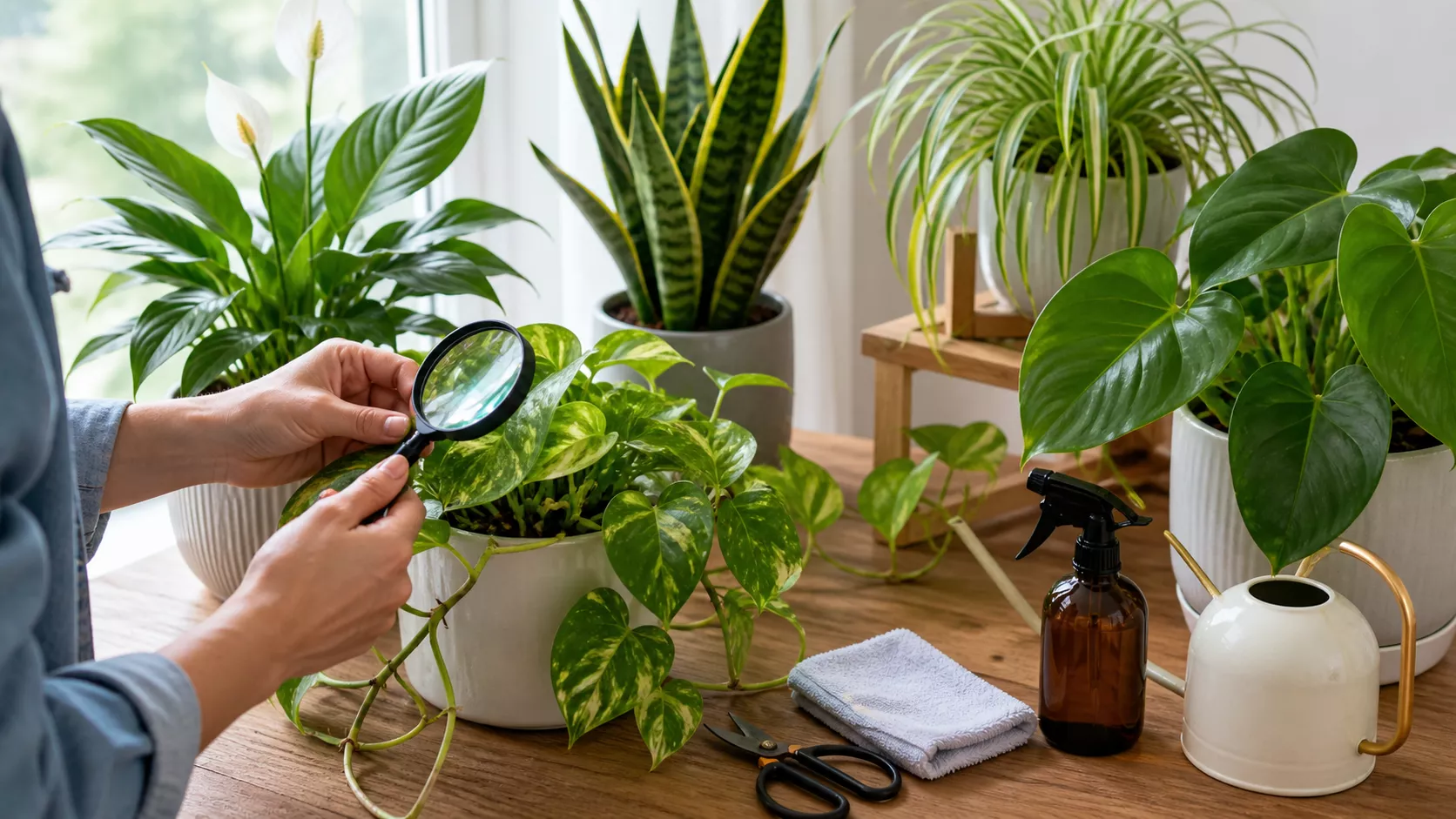
While cleaning, inspect for pests, spots, yellowing, or damage. This habit keeps the plant attractive and helps you notice problems early.
Although monstera is fairly adaptable, it can develop problems when care conditions are unbalanced. Yellow leaves, brown edges, drooping, small leaves, lack of splits, root rot, and pests are common concerns.
Most problems are related to watering, light, soil, drainage, humidity, or support. Before making big changes, check the basics carefully.
Because monstera can grow large, small problems can become more visible. Regular observation helps keep the plant healthy and beautiful.
Usually, yellow leaves are caused by overwatering, poor drainage, or root stress. If the soil is wet and several leaves are yellowing, reduce watering and check the pot.
However, yellow leaves can also be caused by underwatering, low light, natural aging, pests, or nutrient issues. One old yellow leaf is not always a serious problem.
To fix yellowing, identify the cause before acting. Do not add fertilizer immediately unless you are sure the plant needs nutrients and the roots are healthy.
Brown edges may happen because of low humidity, inconsistent watering, too much fertilizer, water quality, or root stress. Dry air is a common cause indoors.
To reduce brown edges, maintain consistent watering, avoid fertilizer buildup, and improve humidity if the room is very dry.
If the brown parts are already dry, they will not turn green again. You can trim them carefully for appearance, but solving the cause is more important.
Drooping leaves can happen when the plant is thirsty, overwatered, recently repotted, too cold, or stressed by sudden changes.
First, check the soil. Dry soil may mean it needs water. Wet soil may mean roots are stressed. Then check light, temperature, and recent care changes.
After correcting the problem, give the plant time to respond. Avoid moving it repeatedly or watering too often while it is recovering.
Many people grow monstera because they want split leaves. However, young plants often produce solid leaves at first. Fenestrations usually appear as the plant matures.
Light also matters. If the plant does not receive enough bright indirect light, it may continue producing smaller leaves with few or no splits.
To encourage splits, provide bright indirect light, proper watering, support for climbing, and steady care. Patience is important because fenestrations develop over time.
Sometimes, monstera can attract pests such as spider mites, mealybugs, scale insects, thrips, and fungus gnats. Pests often hide under leaves, along stems, or near new growth.
To prevent pests, inspect the plant regularly, clean leaves, avoid overwatering, and quarantine new plants before placing them nearby.
If pests appear, isolate the plant and use a safe treatment suitable for the pest type. Early action prevents the problem from spreading.
Importantly, Monstera deliciosa is toxic to cats and dogs if chewed or eaten. It can cause irritation and discomfort for pets.
Because of this, place monstera where pets cannot reach it. Since monstera can become large, choose a location carefully if you have curious animals.
If your pet often chews plants, consider pet-safe options for areas where your pet spends more time.
Monstera looks beautiful in living rooms, bright bedrooms, offices, and open corners where it has room to grow. Its large leaves need space to spread.
For best results, place it near a bright window with indirect light. A sheer curtain can help filter strong sun.
Also, avoid placing monstera near cold drafts, heaters, air conditioners, or very dark corners. Stable conditions help the plant grow better.
To care for monstera successfully, check the soil weekly and water only when the top part has dried. Keep the plant in bright indirect light and make sure the pot drains well.
Then, clean the leaves occasionally, rotate the pot for even growth, and guide stems toward a support if needed.
Finally, fertilize lightly during active growth and prune when necessary. A simple routine can keep monstera healthy and attractive indoors.
One common mistake is placing monstera in low light and expecting large split leaves. Without enough brightness, growth may stay small and slow.
Another mistake is overwatering. Monstera likes moisture, but it does not like soggy soil. Good drainage is essential.
Also, avoid ignoring support as the plant grows. Without support, large stems may spread widely and become difficult to manage.
In conclusion, learning how to care for Monstera deliciosa indoors is simple when you understand its tropical climbing nature. It needs bright indirect light, balanced watering, airy soil, drainage, humidity, and support as it grows.
Above all, avoid overwatering and very low light. These are two of the most common reasons monstera develops yellow leaves, weak growth, and fewer split leaves.
Ultimately, Monstera deliciosa is a beautiful and rewarding indoor plant that can transform a room with its large tropical leaves. With patience, observation, and consistent care, your monstera can grow strong, healthy, and impressive inside your home.