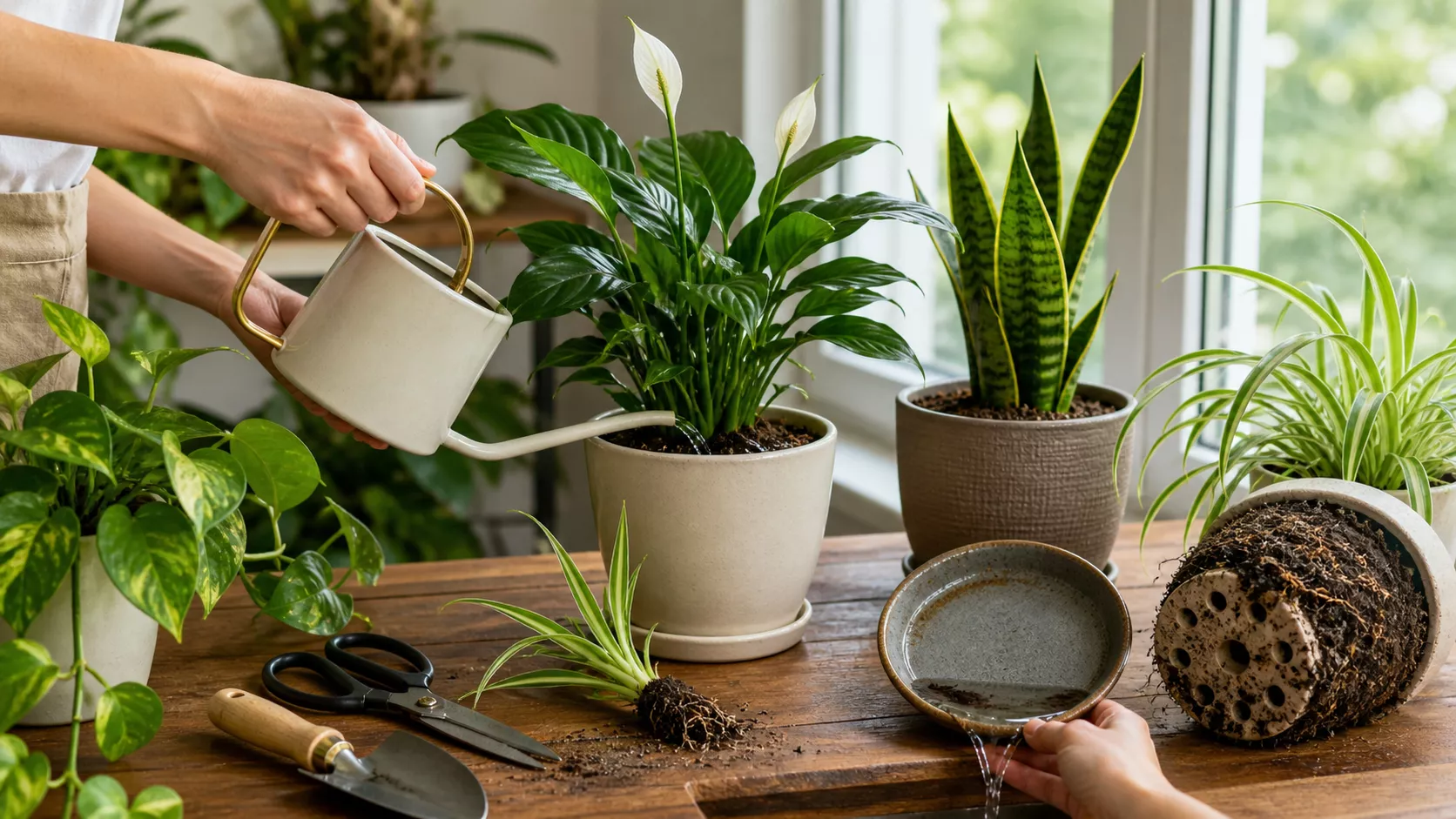
How to Water Plants the Right Way

First, learning how to care for cacti indoors is a great choice for anyone who wants beautiful, resistant, and low-maintenance plants at home. Cacti are known for their unique shapes, strong structure, and ability to survive in dry conditions. Because of this, many beginners believe they are almost impossible to harm.
However, even though cacti are hardy plants, they still need the right care to grow well indoors. The most common mistakes happen with poor light, too much water, heavy soil, and pots without drainage. These problems can weaken a cactus over time and make it difficult for the plant to stay healthy.
Therefore, this guide will explain the main points of indoor cactus care in a simple and practical way. You will learn how much light cacti need, how often to water them, what soil to use, how to choose the right pot, and how to avoid mistakes that beginners often make.
First, cacti are different because they are adapted to store water. Instead of having soft leaves like many common houseplants, most cacti have thick stems that hold moisture. Their spines also help reduce water loss and protect the plant.
Additionally, many cacti come from dry or semi-dry environments where rain is not constant. Because of this, they are used to periods of dryness followed by occasional deep watering. This is very different from plants that naturally grow in humid forests.
Because of this, cacti should not be cared for like tropical houseplants. They need more light, less frequent watering, fast-draining soil, and excellent drainage. Understanding this difference is the foundation of successful cactus care for beginners.
Before anything else, choosing the right cactus makes indoor care easier. Some cactus species grow better indoors than others, especially if your home has a bright window with several hours of sunlight.
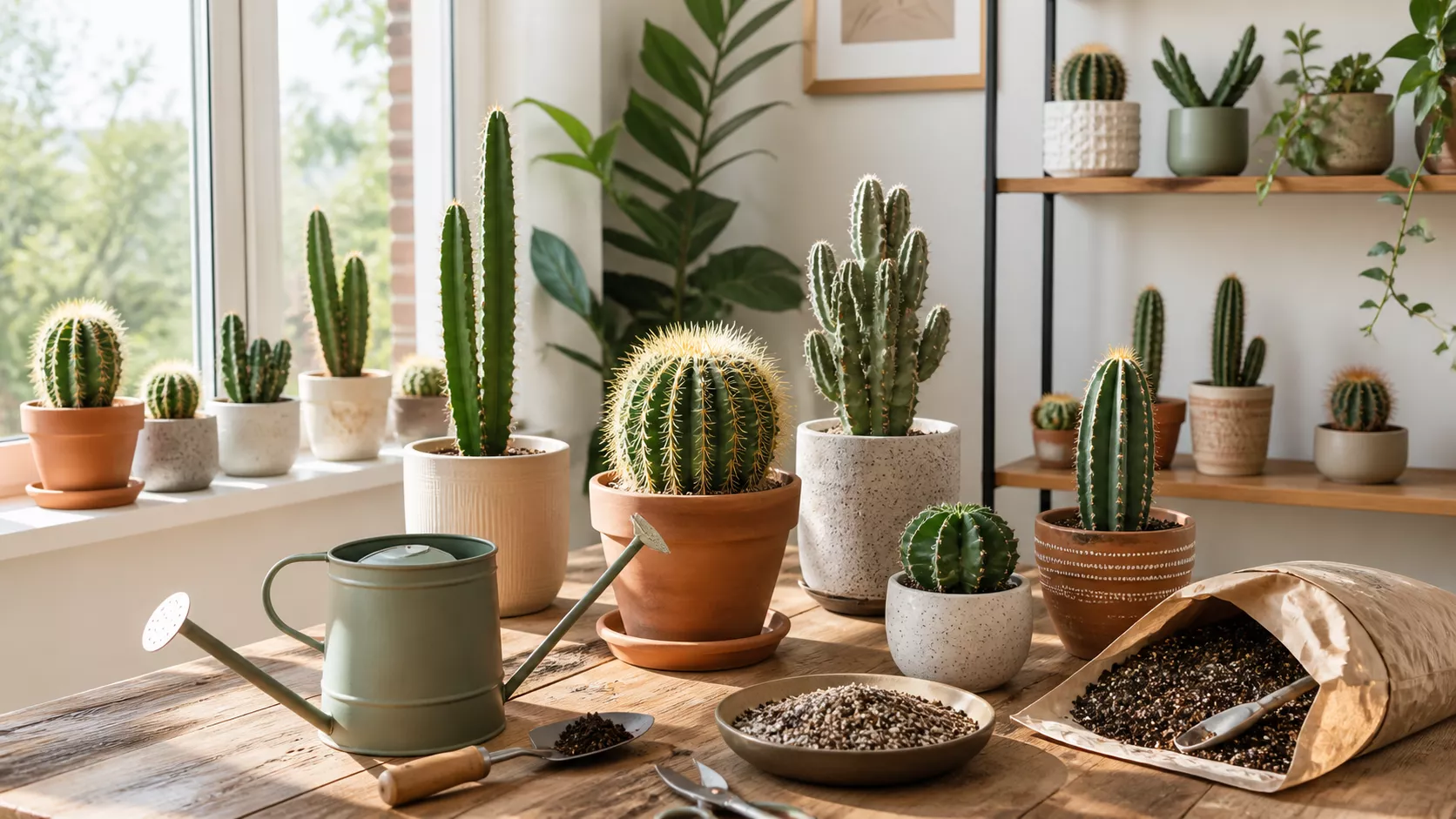
For example, popular indoor cactus options include moon cactus, mammillaria, gymnocalycium, bunny ear cactus, golden barrel cactus, and small columnar cacti. These types are often sold in garden centers and can adapt well to pots.
However, avoid buying a cactus only because it looks interesting. Check if it appears firm, healthy, and free from soft spots. A healthy cactus should not feel mushy, wrinkled from severe dryness, or have dark damaged areas near the base.
Most importantly, cacti need strong light to stay healthy indoors. A bright location is one of the most important parts of how to grow cactus indoors. Without enough light, a cactus may become weak, pale, stretched, or uneven.
Ideally, place your cactus near a sunny window. A window that receives several hours of direct or strong light is usually best. Morning sunlight is often gentle and useful, while very intense afternoon sun may need gradual adjustment depending on the cactus and climate.
However, if your cactus was kept in shade or indoors for a long time, do not move it suddenly into strong direct sun. Sudden exposure can cause sunburn. Instead, increase the amount of sunlight gradually so the plant can adapt.
Often, indoor cacti suffer because they are placed too far from windows. A cactus may survive in a dim room for a while, but it will not grow properly without enough light.
One common sign of low light is stretching. The cactus may grow thin, long, or pointed toward the light source. This weak growth is called etiolation, and it usually cannot return to its original shape.
Additionally, the cactus may lose its strong color or stop growing. If you notice these signs, move the cactus to a brighter location. If natural light is limited, a suitable grow light can help support healthier growth.
Next, watering is one of the most important parts of indoor cactus care. Cacti do not need frequent watering because they store moisture in their stems. Watering too often can quickly create problems.
Instead, wait until the soil is completely dry before watering again. You can check the soil by inserting a wooden stick or your finger into the pot. If moisture remains, wait longer.
When watering, water deeply until excess water drains from the bottom of the pot. This helps reach the roots properly. After watering, allow the soil to dry completely before the next watering. This cycle is much healthier than giving tiny amounts of water often.
Unfortunately, overwatering is the most common reason indoor cacti decline. When soil stays wet for too long, the roots may not receive enough oxygen. This can lead to root problems and soft, unhealthy tissue.
Common signs of overwatering include a soft base, yellowing, black spots, mushy areas, and soil that smells unpleasant. Sometimes the cactus may look normal on top while the roots are already damaged below.
To prevent this, always use a pot with drainage holes and a fast-draining cactus soil mix. Also, avoid watering just because a certain number of days has passed. The soil should guide your decision.
Although cacti tolerate dryness, they still need water occasionally. If a cactus remains dry for too long, it may become wrinkled, shrunken, or weak. Young and small cacti may dry faster than large mature ones.
Usually, underwatering is easier to correct than overwatering. A thirsty cactus may recover after careful deep watering if the roots are still healthy.
However, do not suddenly flood a severely stressed cactus repeatedly. Water properly, allow drainage, and observe the plant. The goal is to restore balance, not create another problem.
Another essential factor is soil. Regular garden soil or heavy potting mix can hold too much moisture for cacti. This increases the risk of root damage, especially indoors where soil dries more slowly.
Ideally, use a fast-draining cactus soil mix. This type of mix usually contains materials that improve airflow and drainage. The soil should become wet during watering but should not stay wet for many days.
Additionally, many cactus growers improve soil by adding perlite, pumice, coarse sand, or small mineral particles. The purpose is to create a loose mix that allows water to drain quickly and roots to breathe.
Besides soil, the pot is extremely important. Cacti should be planted in pots with drainage holes. Without drainage, excess water can collect at the bottom and harm the roots.
If you use a decorative pot without holes, keep the cactus in a smaller nursery pot inside it. Remove the nursery pot when watering, let all excess water drain, and only then place it back into the decorative container.
Also, avoid letting the pot sit in a saucer full of water. After watering, empty any collected water. Cacti prefer moisture to pass through the soil and then dry out.
Also, pot size affects watering. A pot that is too large holds more soil than the cactus needs. This extra soil can stay wet for too long and increase the risk of overwatering.
Ideally, choose a pot only slightly larger than the cactus root system. This gives the plant enough room to grow while keeping moisture easier to control.
Additionally, shallow or medium-depth pots can work well for many small cacti, depending on the root type. The pot should be stable, well-draining, and suitable for the size of the plant.
Generally, cacti enjoy warm conditions and good light. Most indoor spaces are comfortable for many common cactus varieties, especially if they are protected from extreme cold.
However, avoid placing cacti near cold drafts, air conditioners, or windows that become very cold at night. Sudden temperature changes can stress the plant.
During colder months, many cacti grow more slowly. Because of this, they usually need less water. Always check the soil carefully during cooler seasons, as it may stay moist longer than expected.
In addition, airflow helps keep cacti healthy. Stagnant air combined with wet soil can create conditions that encourage fungal issues or pests.
For indoor care, place cacti in a location with natural air movement, but avoid strong cold drafts. A bright windowsill with occasional ventilation can be helpful.
Also, do not crowd too many plants tightly together. Giving each cactus some space improves airflow and makes it easier to inspect for problems.
Although cacti are not heavy feeders, they can benefit from light fertilizing during their active growing season. Fertilizer can support growth, especially for potted plants that have limited soil nutrients.
However, too much fertilizer can harm the roots or cause weak growth. Use a cactus-friendly fertilizer or a balanced fertilizer at a diluted strength, following the product instructions carefully.
Usually, fertilizing occasionally during warmer months is enough. Avoid fertilizing during cold periods when the cactus is not actively growing.
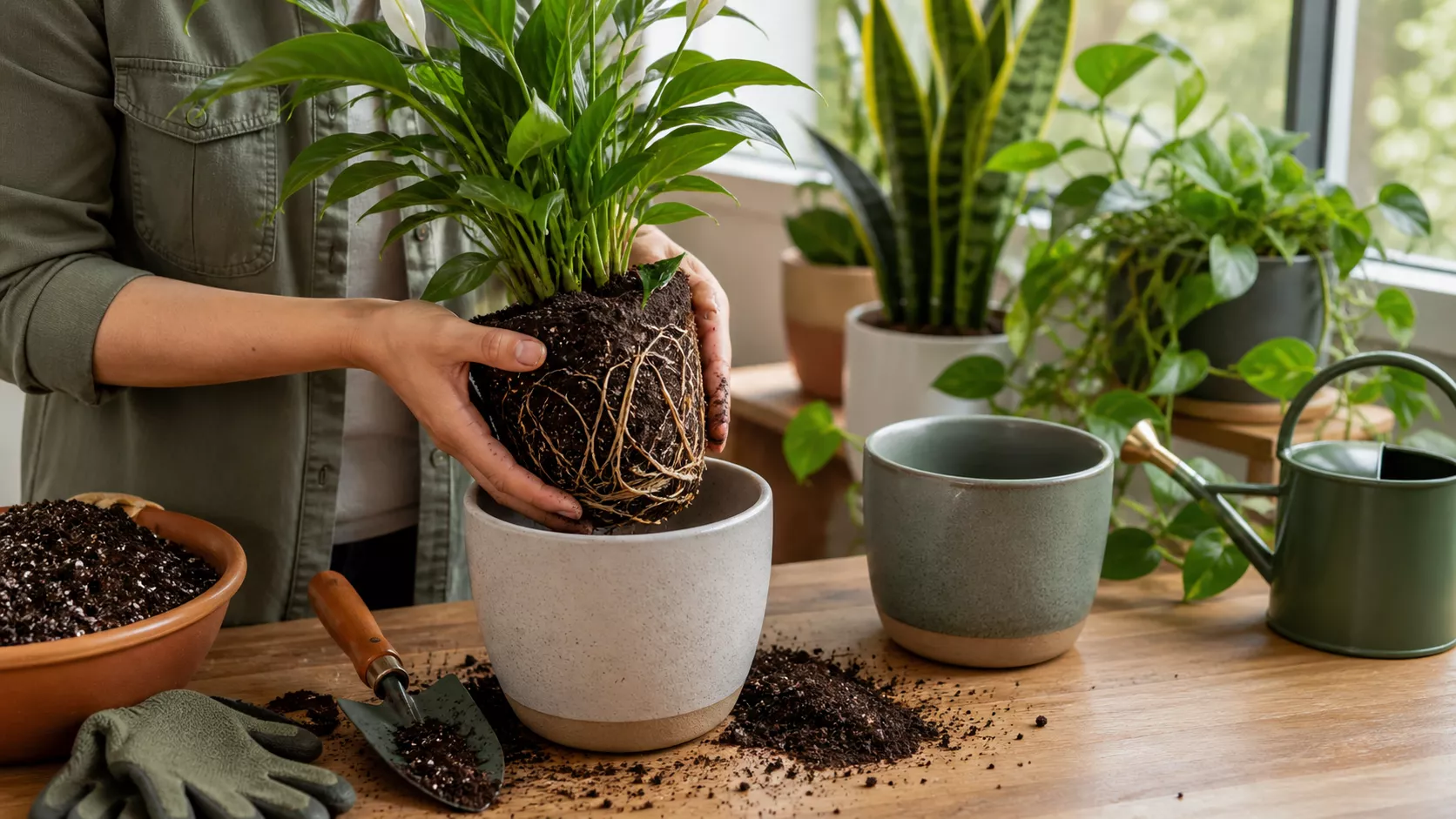
Over time, a cactus may need repotting. This can happen when the roots fill the pot, the soil becomes compacted, or the plant becomes unstable.
When repotting, handle the cactus carefully. Use thick gloves, folded paper, or tools to protect your hands from spines. Remove old soil gently and place the cactus in a suitable fast-draining mix.
After repotting, wait before watering if the roots were disturbed. This gives small root injuries time to dry and reduces the chance of problems in the new soil.
Sometimes, cacti can attract pests even indoors. Common problems include mealybugs, scale insects, spider mites, and fungus gnats. Pests often hide in small spaces, around spines, or near the base of the plant.
For example, mealybugs may look like small white cottony spots. Scale insects may appear as small bumps attached to the plant surface. Fungus gnats are often connected to soil that stays too wet.
To prevent problems, inspect your cactus regularly. If you bring home a new plant, keep it separate from other plants for a short period and check it carefully before placing it nearby.
Although cleaning a cactus can be more difficult than cleaning broad-leaf plants, it is still useful. Dust can collect on the surface and around spines, especially indoors.
To clean, use a soft brush, small paintbrush, or gentle air movement to remove dust. Avoid rubbing the cactus harshly because this can damage the surface or break spines.
Additionally, remove dead leaves or debris from the soil surface. Clean surroundings reduce hiding places for pests and improve the appearance of the plant.
Many people wonder whether cacti can bloom indoors. The answer is yes, but flowering depends on the species, maturity, light, temperature, and seasonal rhythm.
Usually, cacti need strong light and proper care to produce flowers. Some species also need a cooler, drier rest period before blooming. Without enough light, flowering is much less likely.
Therefore, if you want flowers, focus on giving your cactus excellent light, proper watering, and seasonal care. Patience is important because some cacti take time to mature before blooming.
One common mistake is placing cacti in dark decorative corners. While they may look beautiful there, they still need strong light to stay healthy. Decoration should not come before plant needs.
Another mistake is watering too often. Cacti are adapted to dry periods, and constantly wet soil can seriously harm them. Always let the soil dry completely before watering again.
Also, many beginners use pots without drainage because they look stylish. This creates hidden water problems. For cacti, drainage is not optional; it is one of the most important care requirements.
To begin, place your cactus in the brightest suitable spot available. Observe its shape and color over time. If it stretches, it probably needs more light.
Then, check the soil before watering. Water deeply only when the soil is completely dry. After watering, make sure excess water drains away and does not remain in the saucer.
Finally, inspect your cactus every week or two. Look for pests, soft spots, dust, and signs of poor light. A simple routine can prevent most common cactus problems.
In conclusion, learning how to care for cacti indoors is simple when you understand their natural needs. Cacti need strong light, careful watering, fast-draining soil, pots with drainage, and good airflow.
Above all, avoid the most common mistakes: low light, frequent watering, heavy soil, and containers without drainage. These problems are responsible for most cactus failures indoors.
Ultimately, cacti are excellent plants for beginners and busy people when cared for correctly. With patience, observation, and a simple routine, your indoor cactus can stay healthy, attractive, and strong for many years.