How to Care for Plants in Hot Weather

First, learning how to create a home garden even with little space is a practical way to bring more greenery, freshness, and usefulness into your daily life. You do not need a large backyard to grow plants, herbs, flowers, or even some vegetables. With planning, creativity, and the right plant choices, small spaces can become productive and beautiful.
Additionally, a home garden can fit in apartments, balconies, windowsills, patios, small yards, kitchens, laundry areas, and sunny corners. The secret is understanding your available light, choosing suitable containers, using vertical space, and creating a simple care routine.
Therefore, this guide will show you how to start a small home garden from scratch. You will learn how to choose the best location, select easy plants, organize pots, prepare soil, water correctly, avoid mistakes, and keep your garden healthy even when space is limited.
First, before buying plants or pots, observe the space where you want to create your garden. Notice how much sunlight the area receives, how much room you have, whether there is wind, and whether the place is easy to access for watering.
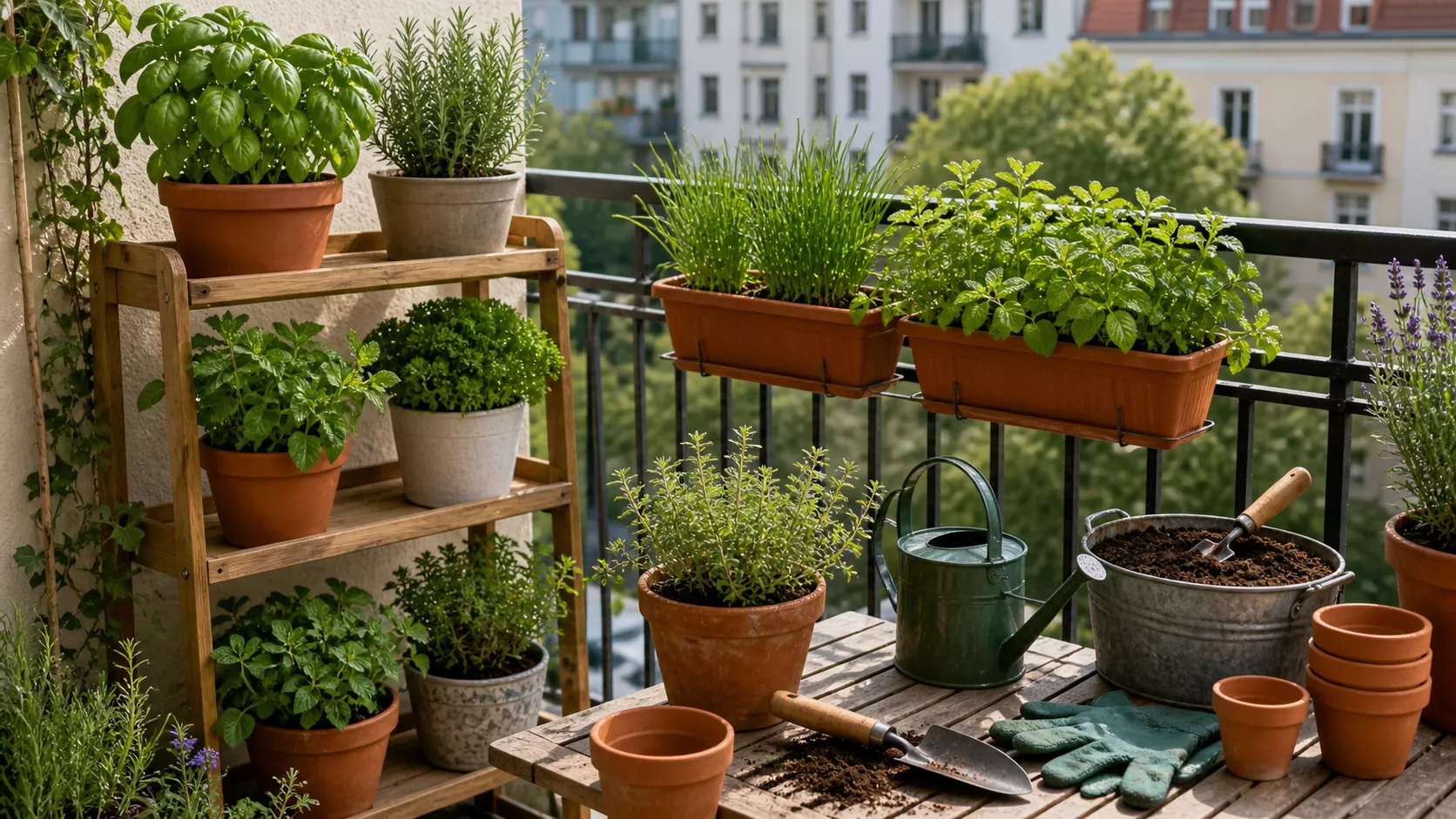
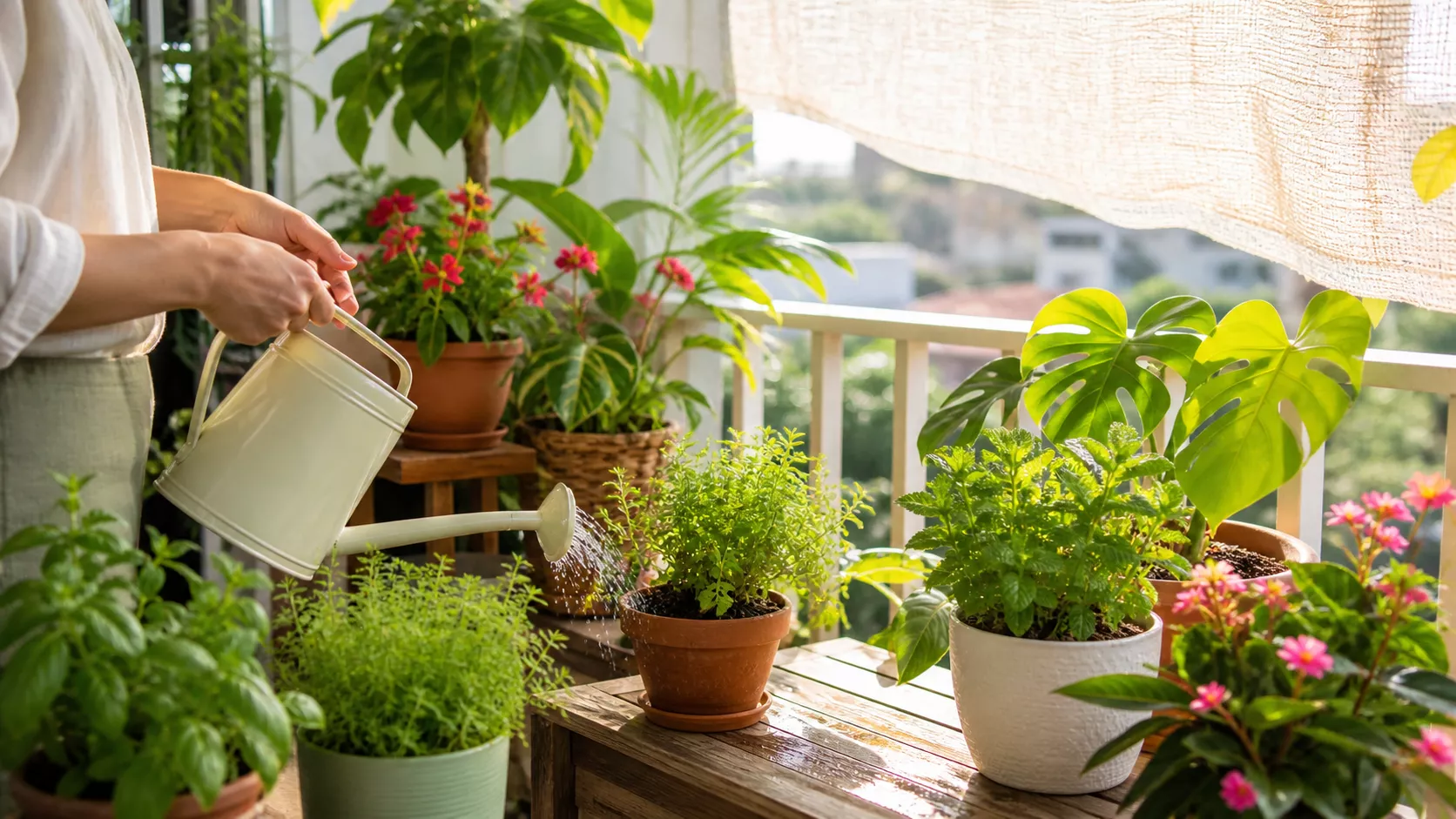
For example, a sunny balcony may be excellent for herbs, tomatoes, peppers, flowers, succulents, and some vegetables. A bright windowsill can work well for small herbs and compact plants. A shaded corner may be better for leafy houseplants or shade-tolerant species.
Also, think about practicality. A garden should be easy to maintain. If the plants are difficult to reach, watering and pruning may become inconvenient, and the garden may be neglected over time.
Next, sunlight is one of the most important factors in a successful home garden. Many edible plants need several hours of direct sun each day to grow well, especially herbs, vegetables, and fruiting plants.
Usually, plants such as basil, rosemary, thyme, oregano, tomatoes, peppers, strawberries, and many flowers need strong light. Without enough sun, they may become weak, stretched, and less productive.
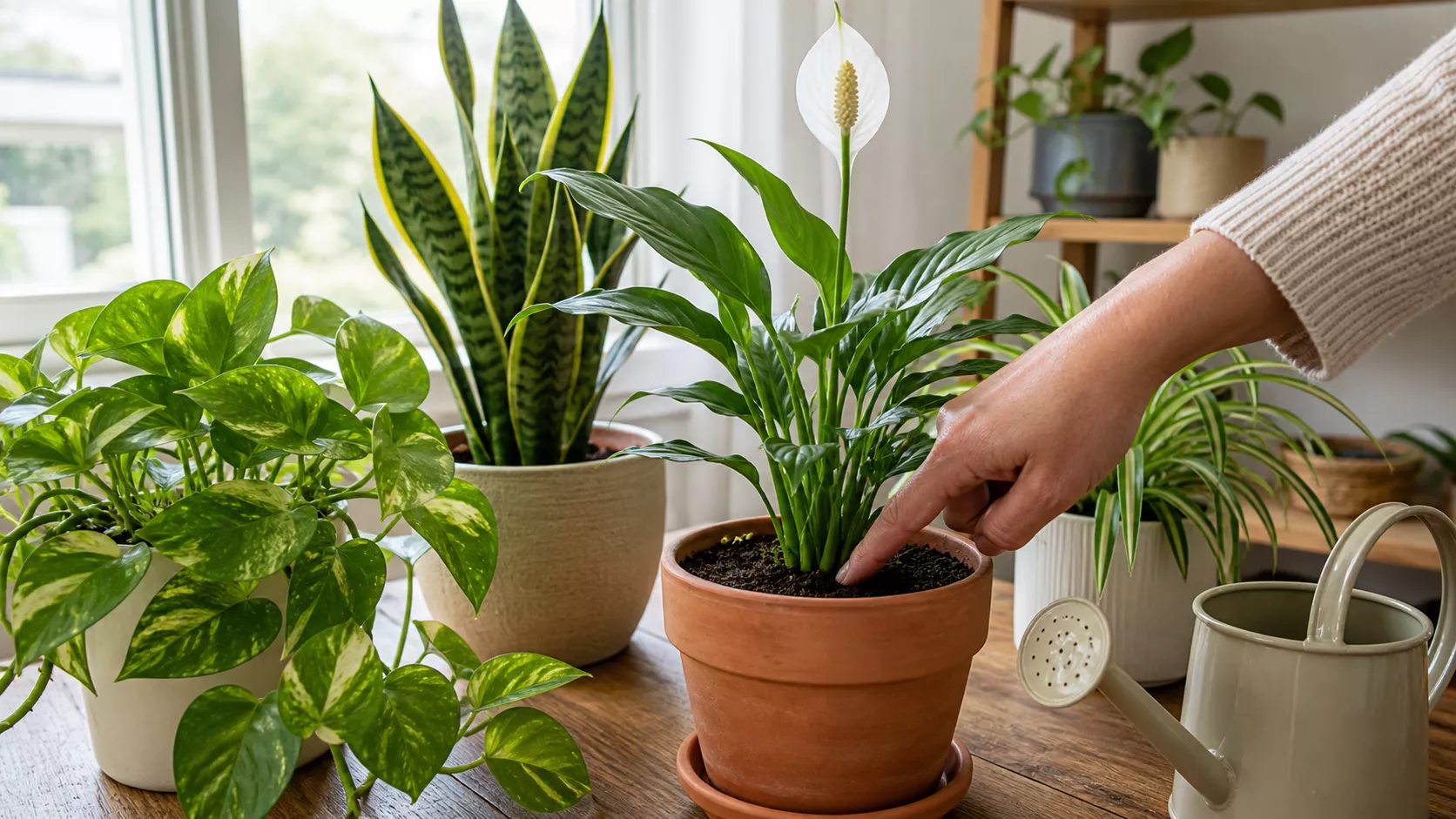
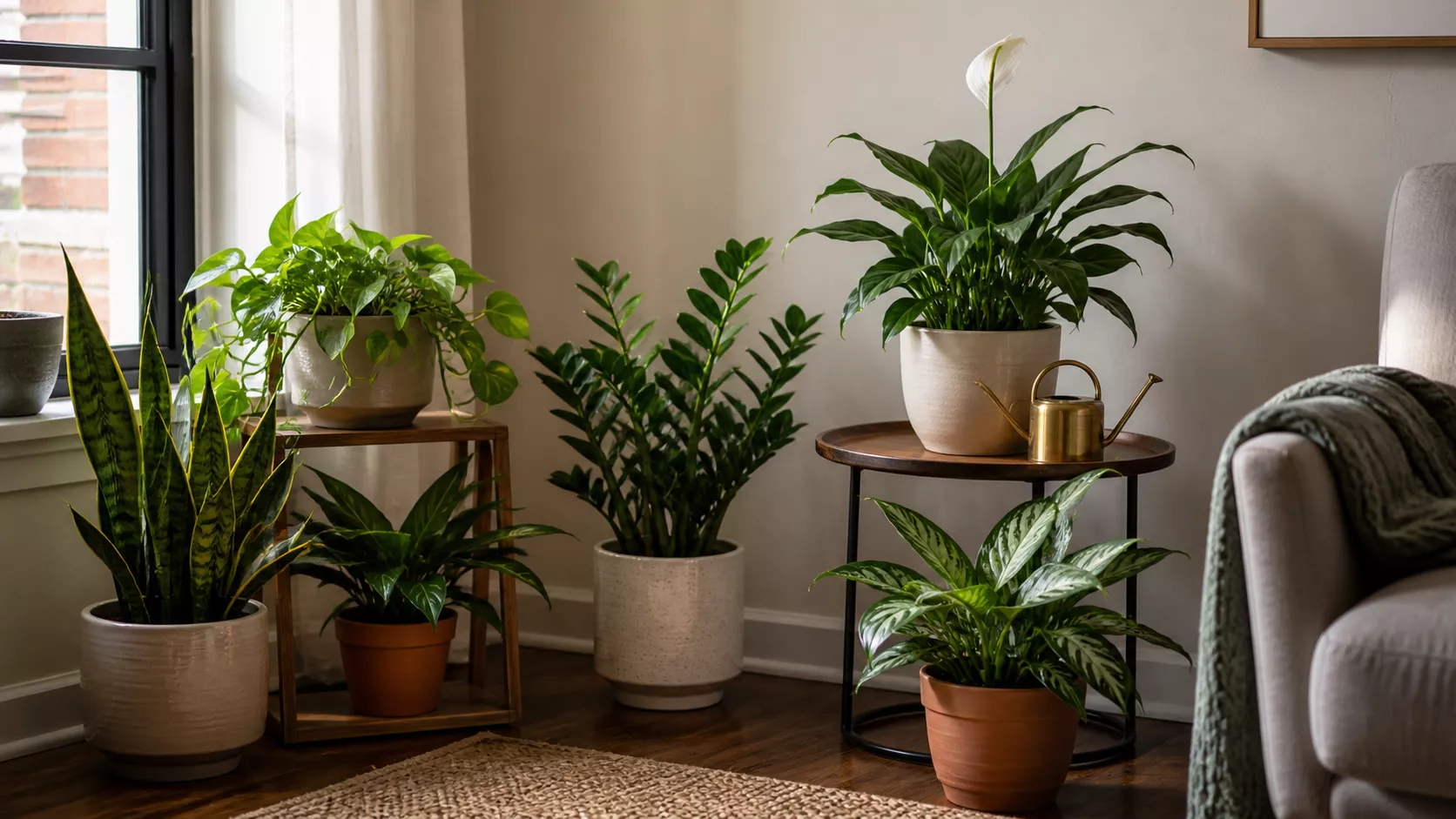
However, if your space receives only indirect light, you can still grow plants. Choose options such as pothos, peace lily, ferns, snake plant, ZZ plant, or some leafy greens that tolerate partial shade better. Matching the plant to the light is essential.
Before starting, decide what kind of garden you want. A small home garden can be decorative, edible, aromatic, medicinal, or mixed. This choice helps you organize the space better.
For instance, an herb garden is useful for cooking and can fit on windowsills or balconies. A flower garden adds color and beauty. A vegetable garden needs more sunlight and larger containers. A decorative plant garden can work indoors with indirect light.
Additionally, beginners may prefer a simple mixed garden with easy herbs and low-maintenance plants. This allows you to learn gradually without feeling overwhelmed.
For small spaces, pots are the easiest way to create a garden. They are flexible, movable, and available in many sizes, shapes, and materials.
When choosing pots, make sure they have drainage holes. Drainage is essential because excess water must escape after watering. Without drainage, roots can become damaged.
Also, match the pot size to the plant. Herbs can grow in medium pots, while vegetables such as tomatoes and peppers need larger containers. Small decorative plants can grow in compact pots, but they should still have enough root space.
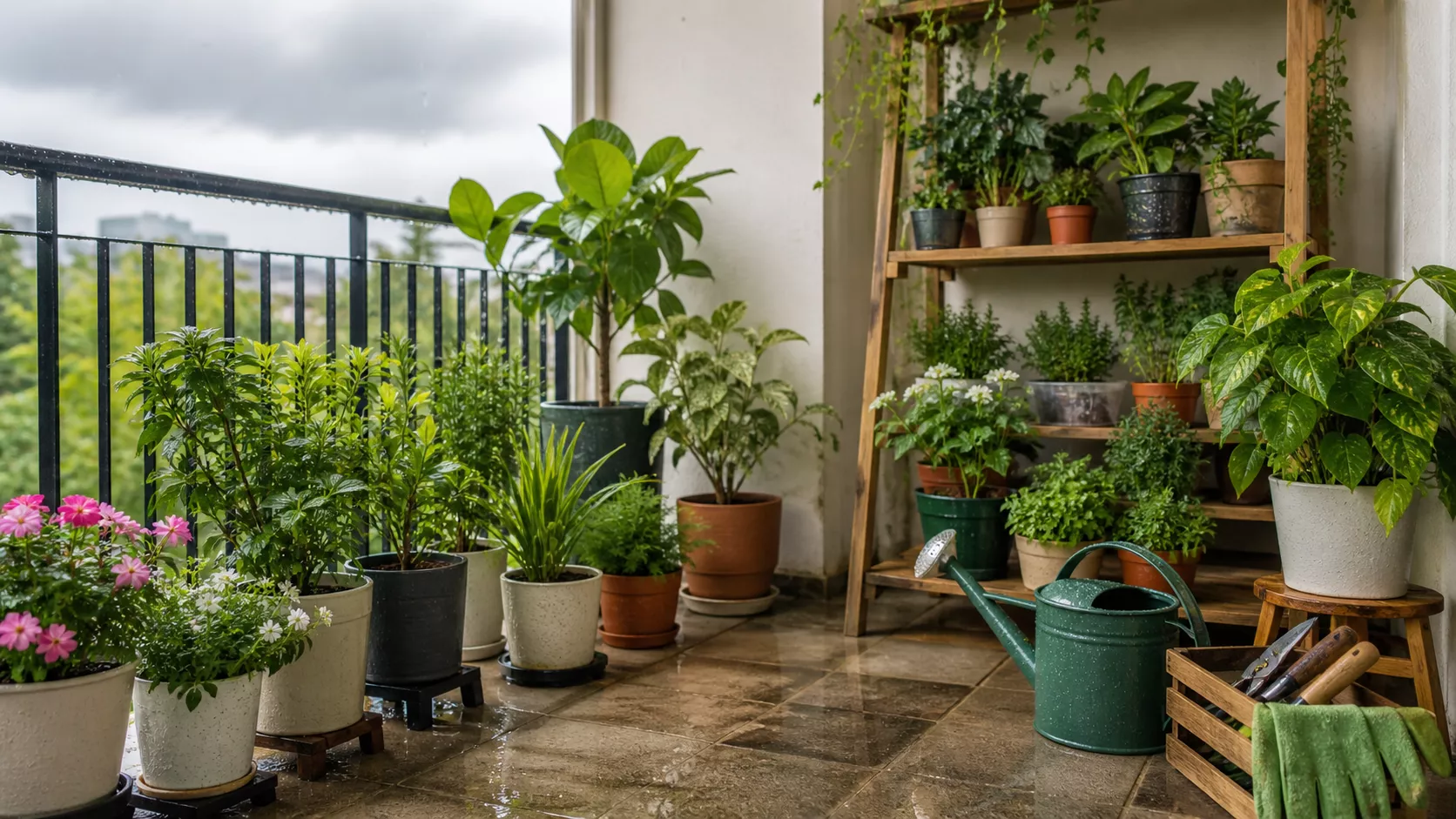
A vertical garden is one of the best solutions for small spaces. Instead of spreading pots across the floor, you can use walls, shelves, hanging planters, rails, pallets, or vertical stands.
This method works well for herbs, leafy greens, strawberries, trailing plants, and compact decorative plants. It saves floor space and creates a beautiful green wall effect.
However, make sure the structure is strong and safe. Pots become heavier after watering. Also, place plants with similar light and watering needs together to make care easier.
Hanging planters are another excellent option when floor space is limited. They can be placed near windows, on balconies, in kitchens, or in bright corners.
Good plants for hanging planters include pothos, spider plant, philodendron, trailing herbs, string of hearts, strawberries, and some small flowering plants.
When watering, remove the hanging pot if necessary, water thoroughly, let it drain, and then place it back. This prevents water from dripping onto floors, furniture, or neighbors below in apartment balconies.
Shelves and plant stands help organize a small garden by creating different levels. This makes the space more attractive and allows more plants to fit in a compact area.
For example, place sun-loving plants on the top shelf if it receives more light, and shade-tolerant plants lower down. Use trailing plants on higher shelves to create a natural waterfall effect.
Additionally, plant stands improve airflow and make cleaning easier. They also help protect the floor from moisture when used with trays or saucers.
If you are just starting, choose easy plants that do not require complicated care. This helps you build confidence and understand how watering, light, and soil work.
Good beginner options include basil, mint, chives, parsley, rosemary, pothos, snake plant, spider plant, succulents, lettuce, and cherry tomatoes if you have enough sun.
However, avoid starting with too many plants at once. A small garden with five healthy plants is better than a crowded garden that becomes difficult to maintain.
Herbs are some of the best plants for small gardens because they are useful, compact, and easy to harvest. Many can grow in pots on windowsills or balconies.
Popular herbs include basil, mint, parsley, chives, rosemary, thyme, oregano, cilantro, and sage. Each herb has its own needs, especially regarding sunlight and water.
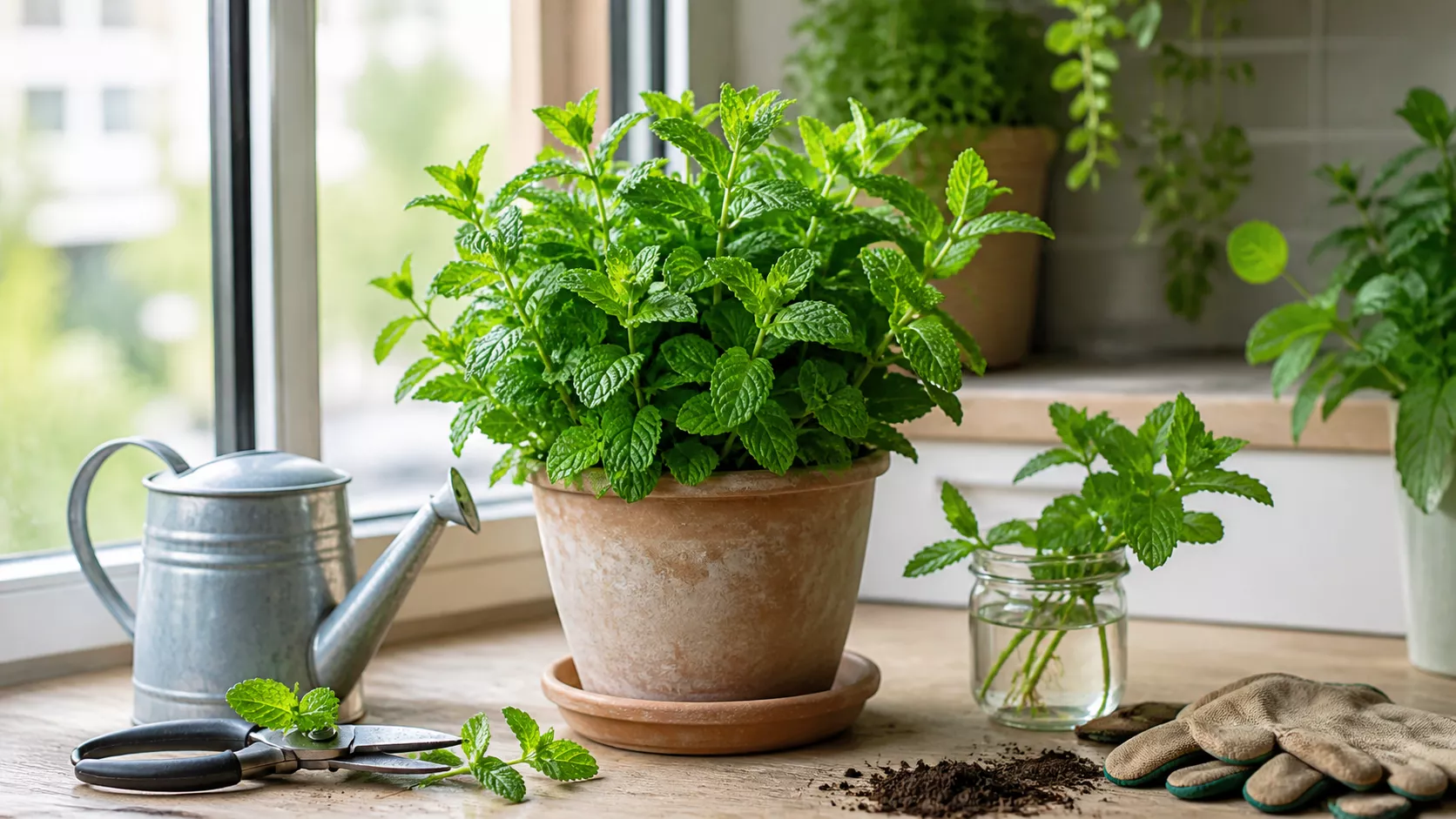
For example, basil and parsley like consistent moisture, while rosemary and thyme prefer better drainage and less frequent watering. Mint grows quickly and should usually be planted in its own pot.
Some vegetables can grow well in pots if they receive enough sun and proper care. Lettuce, arugula, spinach, radishes, cherry tomatoes, peppers, and green onions are popular choices.
Leafy greens usually grow faster and can be easier for beginners. They do not always need as much space as larger vegetables.
However, fruiting plants like tomatoes and peppers need stronger sunlight, larger pots, support, and more nutrients. Choose them only if your space receives enough direct sun.
Flowers can make a small garden more colorful and inviting. They are excellent for balconies, windowsills, patios, and small outdoor areas.
Good options may include marigolds, petunias, begonias, impatiens, geraniums, and pansies depending on your climate and light conditions.
Additionally, flowers can be combined with herbs and decorative foliage to create a balanced garden. Choose flowers that match your available sunlight and watering routine.
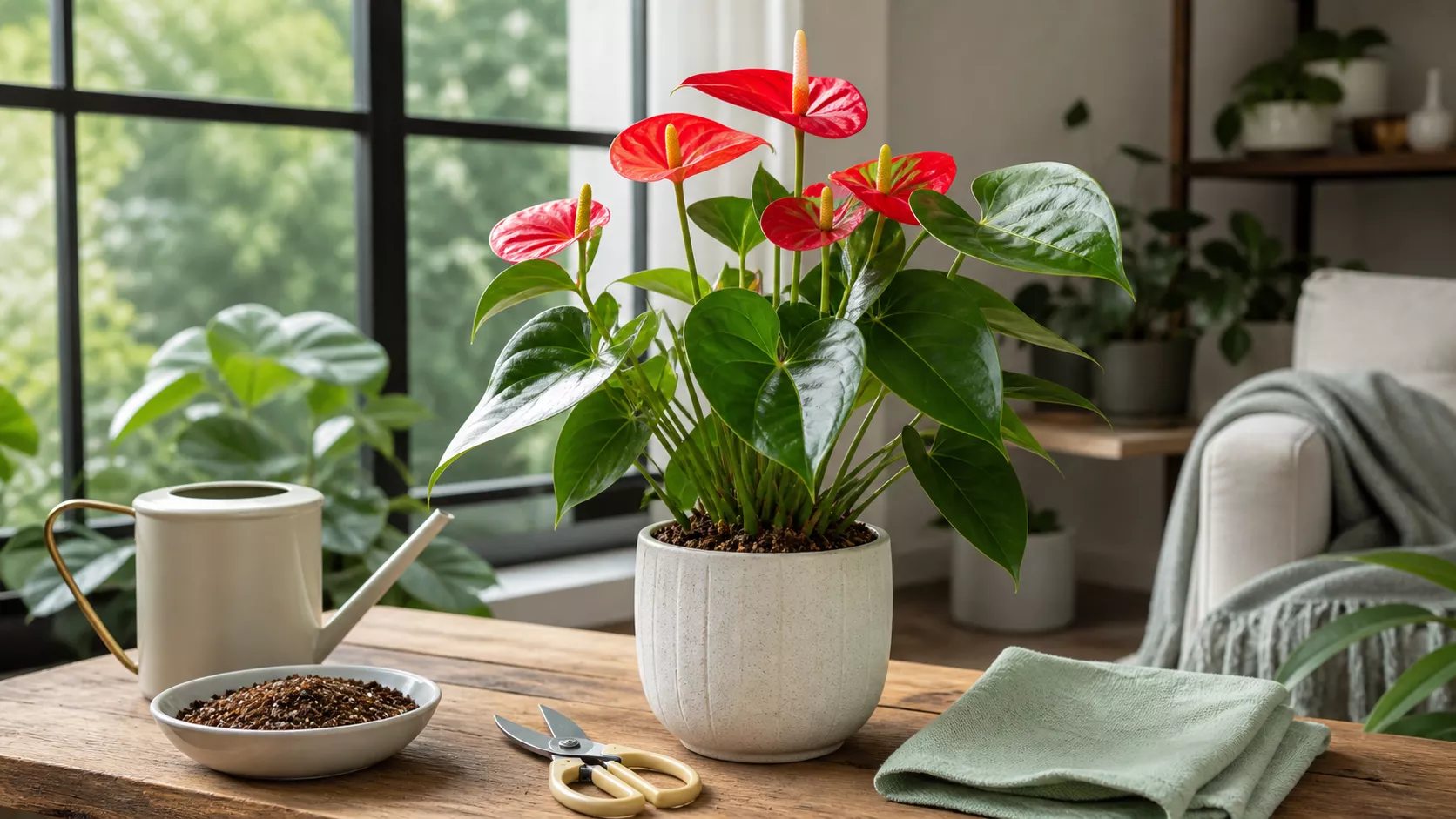
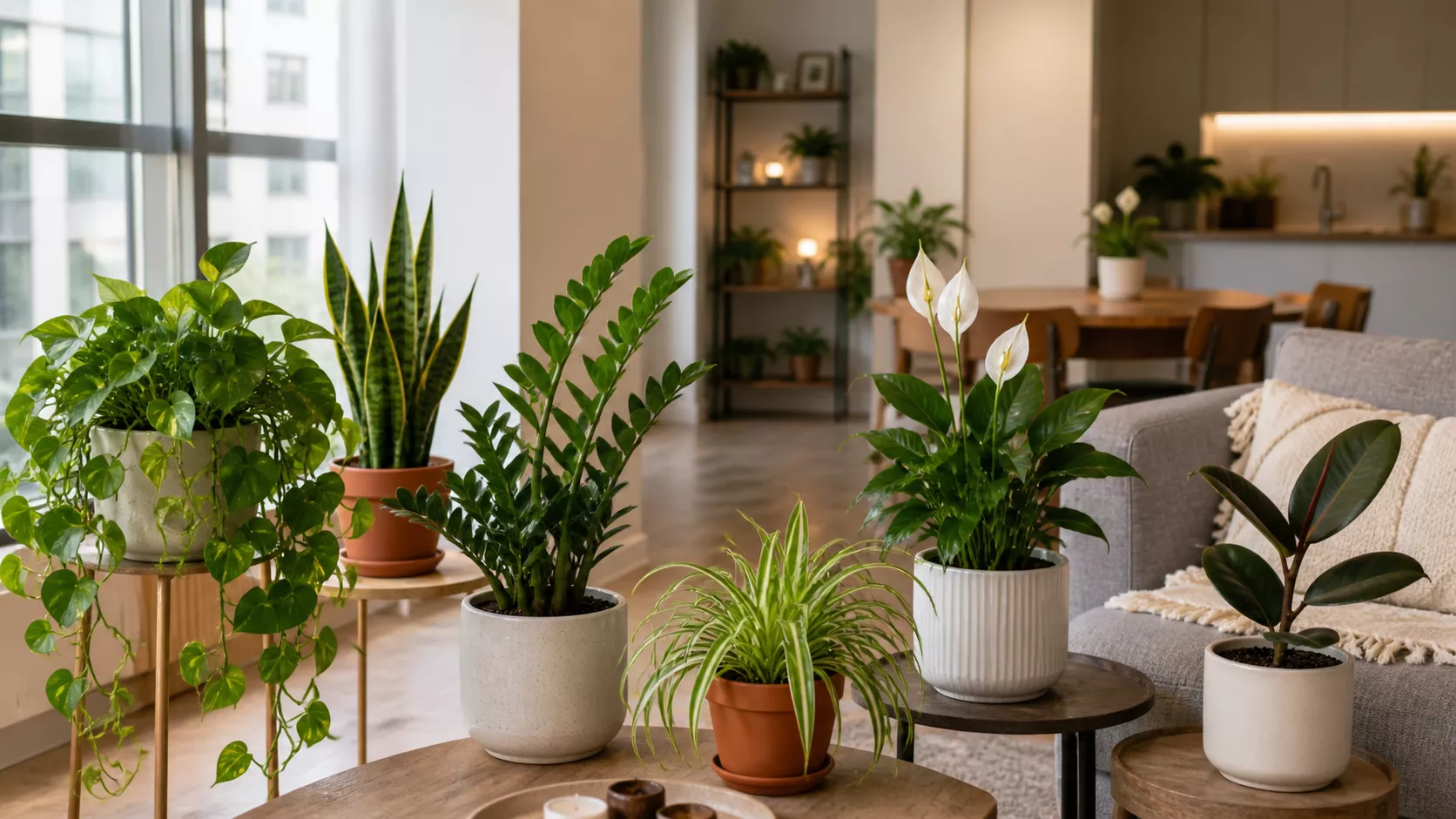
If your goal is beauty and easy maintenance, decorative plants are a great option. Pothos, snake plant, ZZ plant, peace lily, philodendron, spider plant, and Chinese evergreen can work well indoors.
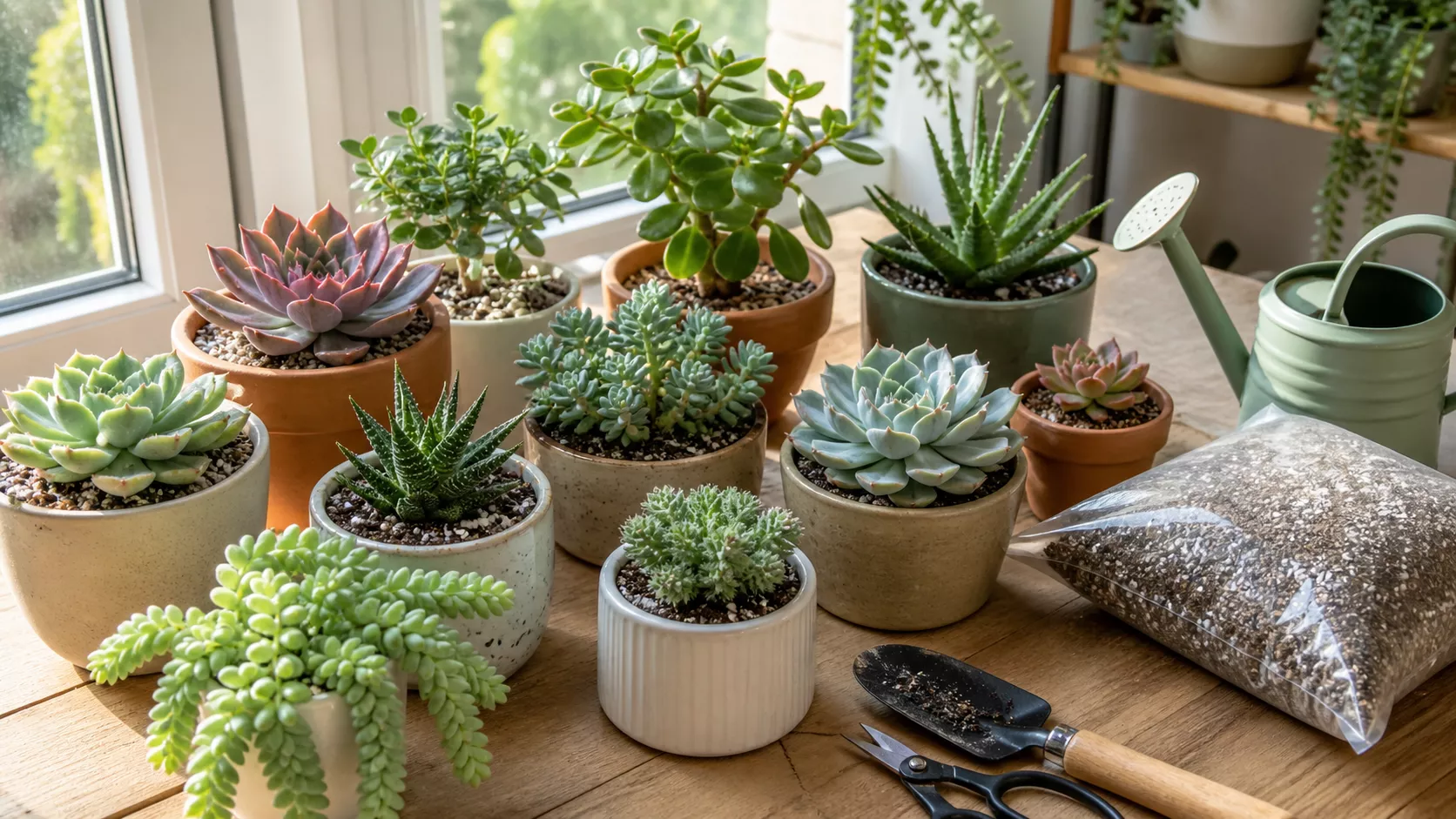
For bright spaces, succulents, cacti, aloe vera, and jade plants can be excellent. They need strong light and less frequent watering.
Also, decorative plants can be mixed with herbs to create a garden that is both beautiful and practical.
Another essential point is soil. Plants in pots depend completely on the soil you provide. Good soil supports roots, holds moisture, drains properly, and provides nutrients.
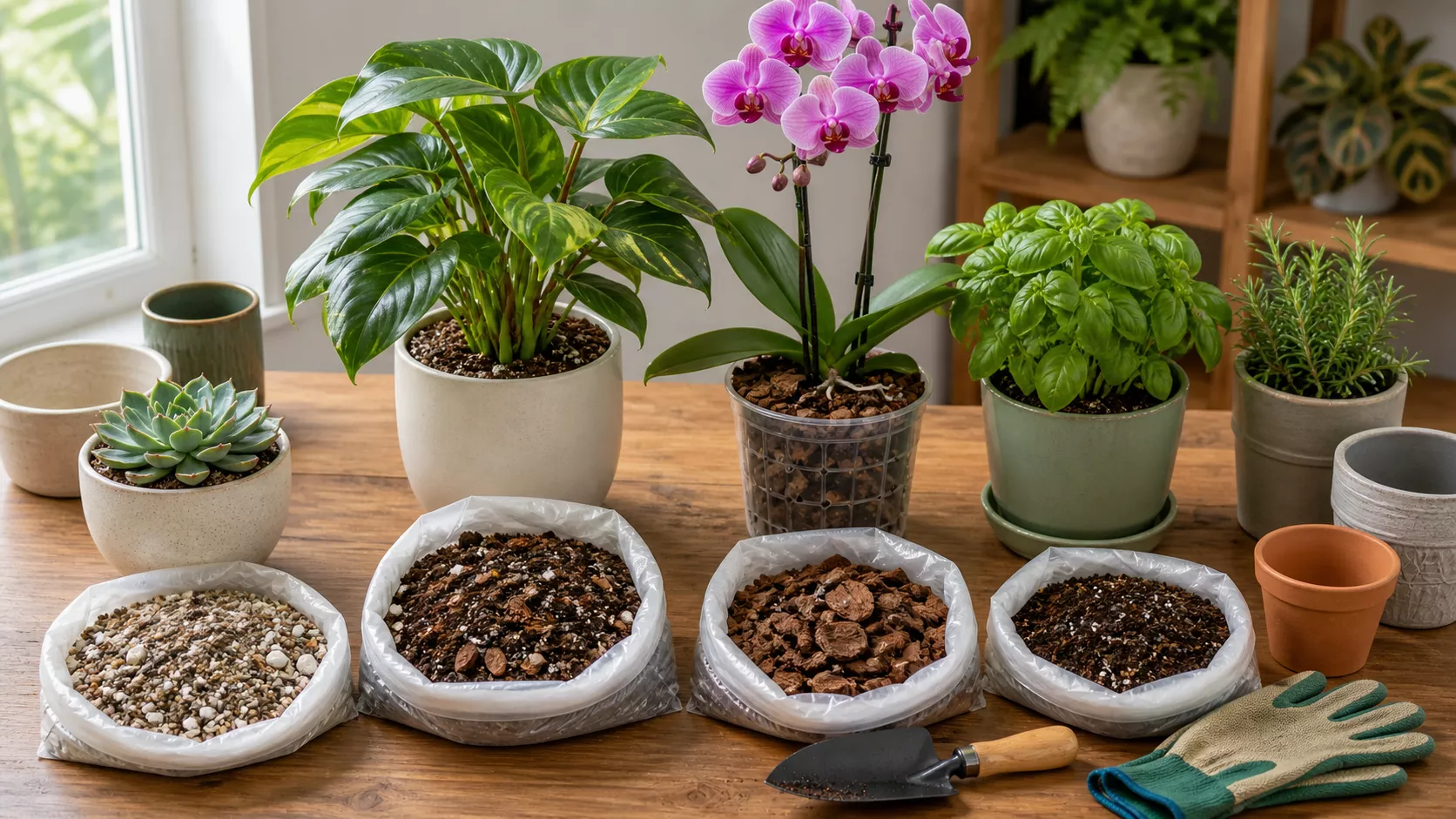
For most herbs and vegetables, use a quality potting mix that is light, fertile, and well-draining. Avoid heavy garden soil in containers because it can compact and block airflow.
For succulents and cacti, use a fast-draining mix. For tropical houseplants, use a soil mix that holds some moisture but still drains well. Matching soil to plant type prevents many problems.
Drainage is one of the most important parts of container gardening. Without drainage, water can collect at the bottom of pots and damage roots.
Always choose pots with drainage holes. If you use decorative containers without holes, place the plant in a smaller nursery pot inside and remove it for watering.
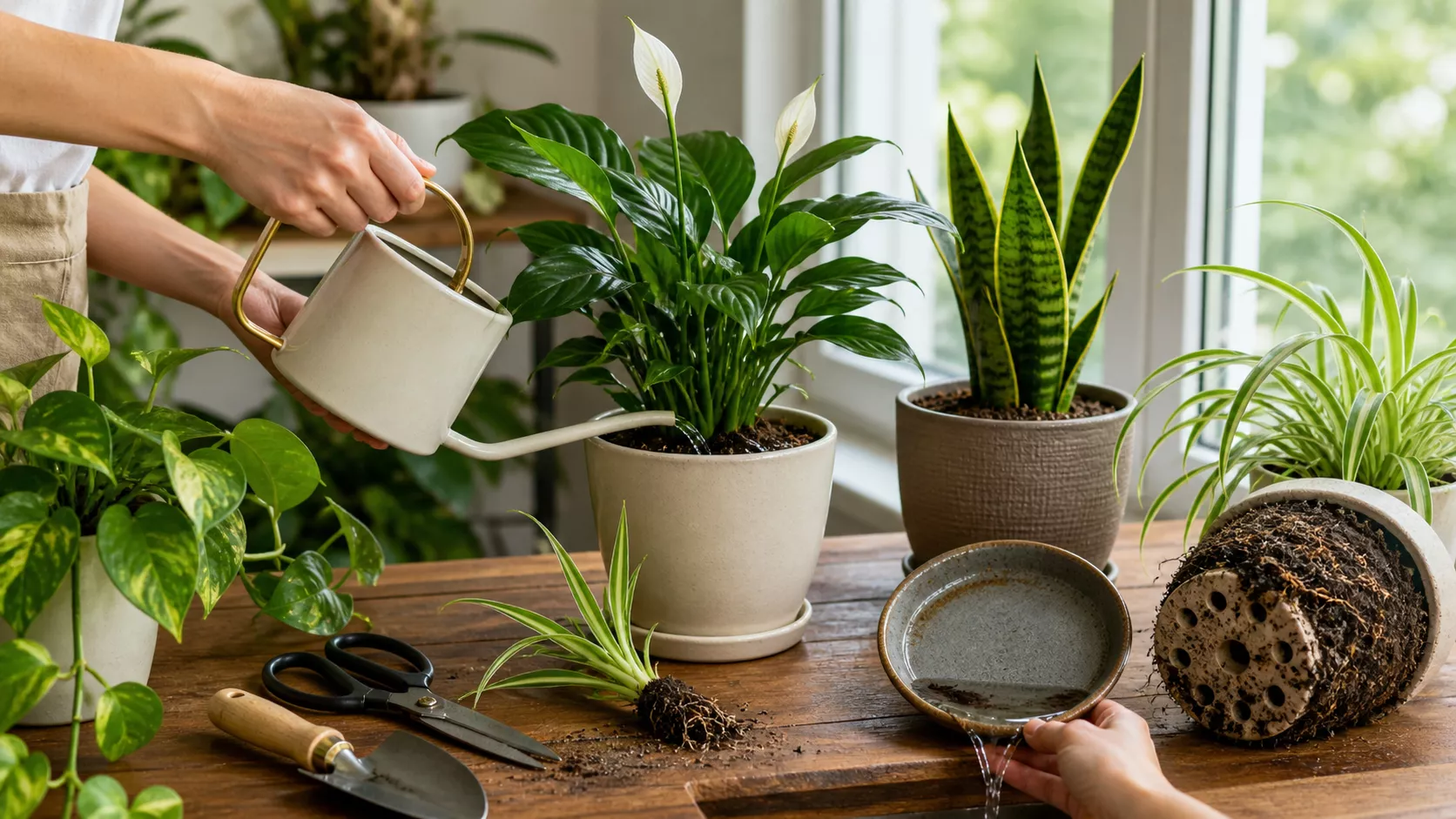
Also, avoid leaving pots sitting in saucers full of water. After watering, empty any excess water so roots can breathe.
Watering is one of the biggest challenges in a small space garden. Some plants need frequent moisture, while others prefer to dry between waterings.
Before watering, check the soil with your finger. If it feels dry at the appropriate depth for that plant, water thoroughly. If it still feels moist, wait.
Additionally, remember that small pots dry faster than large pots. Plants in sunny balconies may need water more often than plants indoors. Adjust watering based on real conditions, not only on a schedule.
Potted plants may need fertilizer because nutrients can be used up or washed out over time. This is especially true for herbs, vegetables, and flowering plants.
Use fertilizer carefully and follow the instructions. More fertilizer does not mean better growth. Too much can damage roots or create weak growth.
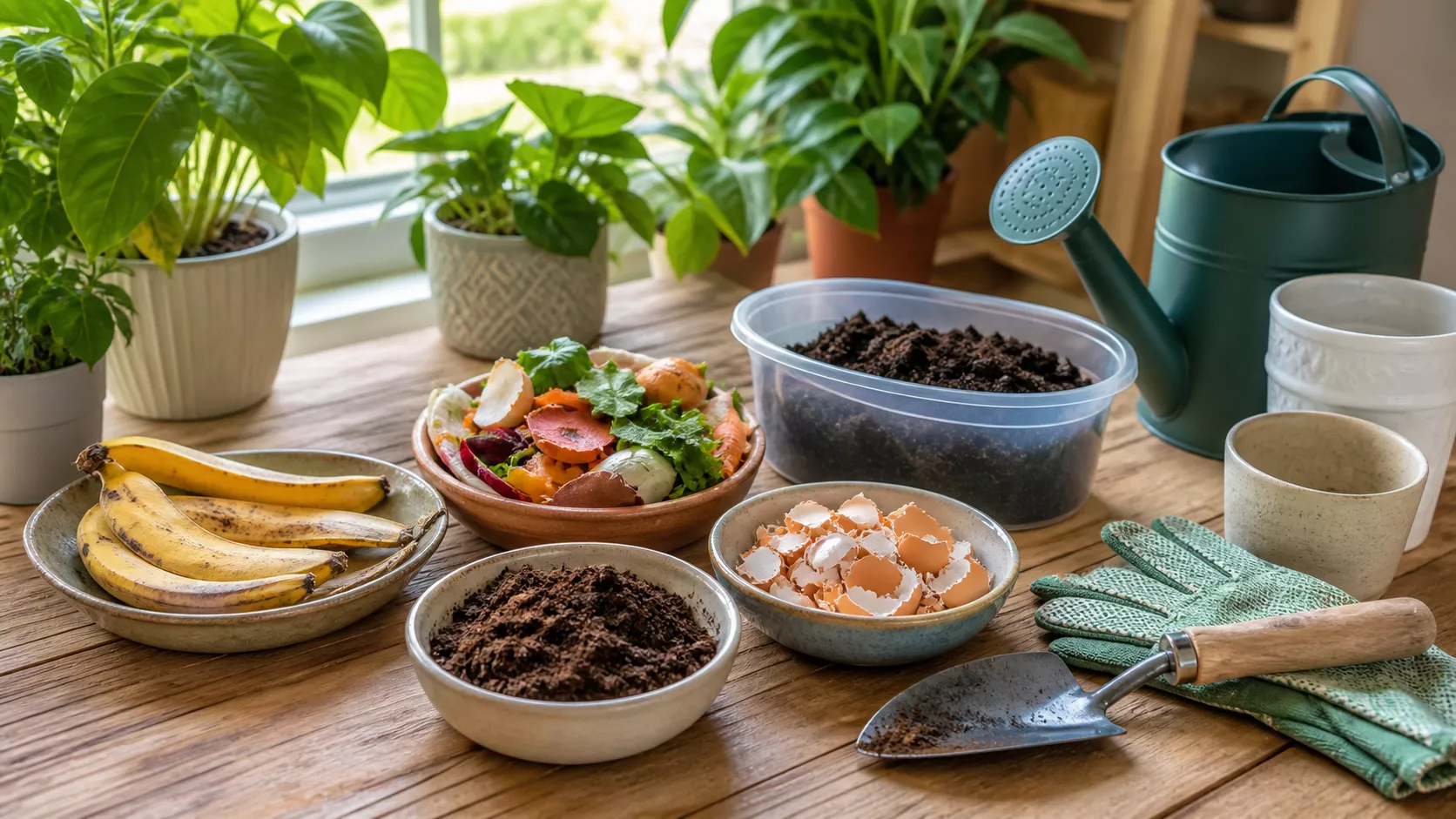
For edible plants, choose a suitable fertilizer and avoid overfeeding. Compost or worm castings can also help improve soil naturally when used correctly.
Before arranging your garden, think about how each plant grows. Tall plants should not block light from smaller plants. Trailing plants need space to hang. Vegetables may need supports.
Place plants with similar needs near each other. For example, keep sun-loving herbs together and shade-tolerant houseplants together. This makes watering and light management easier.
Also, leave space for movement and maintenance. A beautiful garden should not block doors, windows, cooking areas, or walkways.
If you have a balcony, you can create a productive and beautiful garden even in a small apartment. Balconies often provide more light than indoor spaces.
First, observe how much sun and wind the balcony receives. Strong wind can dry soil quickly or damage delicate plants, while intense sun can overheat small pots.
Then, use railing planters, vertical shelves, hanging baskets, and stable floor pots. Make sure every container is secure and safe.
A windowsill garden is perfect for small herbs, succulents, compact flowers, and small decorative plants. It is simple, accessible, and attractive.
For sunny windows, choose basil, thyme, rosemary, succulents, aloe vera, or small flowering plants. For indirect light, choose pothos cuttings, small peace lilies, or spider plants.
However, be careful with heat from window glass. Some windows can become very hot during the day. Observe plant reactions and move them slightly if needed.
A kitchen garden is useful because herbs are close to where you cook. Basil, parsley, chives, mint, and thyme can be grown in small pots if the kitchen receives enough light.
Place herbs near a bright window and harvest regularly. Regular harvesting encourages fuller growth in many herbs.
Also, keep plants away from the stove, oven, and oil splashes. Heat and residue can damage leaves.
If your space does not receive strong sun, an indoor decorative garden may be better than an edible garden. Many houseplants adapt well to bright indirect light.
Use plants such as snake plant, ZZ plant, pothos, philodendron, peace lily, and Chinese evergreen. These plants can create a green atmosphere with less direct sun.
Additionally, use shelves, stands, and matching pots to make the garden look organized and intentional.
Small gardens can be sensitive to wind and heat. Balconies, windowsills, and patios may expose plants to strong conditions.
Wind can dry soil quickly and damage delicate leaves. Heat can stress plants and increase watering needs. Strong afternoon sun may burn sensitive plants.
To protect them, use windbreaks, move delicate plants to safer spots, and choose heat-tolerant species for exposed areas.
For edible gardens, harvesting properly helps plants continue growing. Instead of removing too much at once, harvest small amounts regularly.
For herbs, cut above a node or remove outer stems depending on the plant type. For leafy greens, harvest outer leaves first so the center can continue growing.
Also, avoid harvesting more than the plant can handle. Young plants need time to become established before heavy harvesting.
A clean garden is healthier and more attractive. Remove dry leaves, dead flowers, fallen debris, and weeds if they appear.
Cleaning reduces hiding places for pests and helps prevent mold or fungal problems, especially in small spaces with limited airflow.
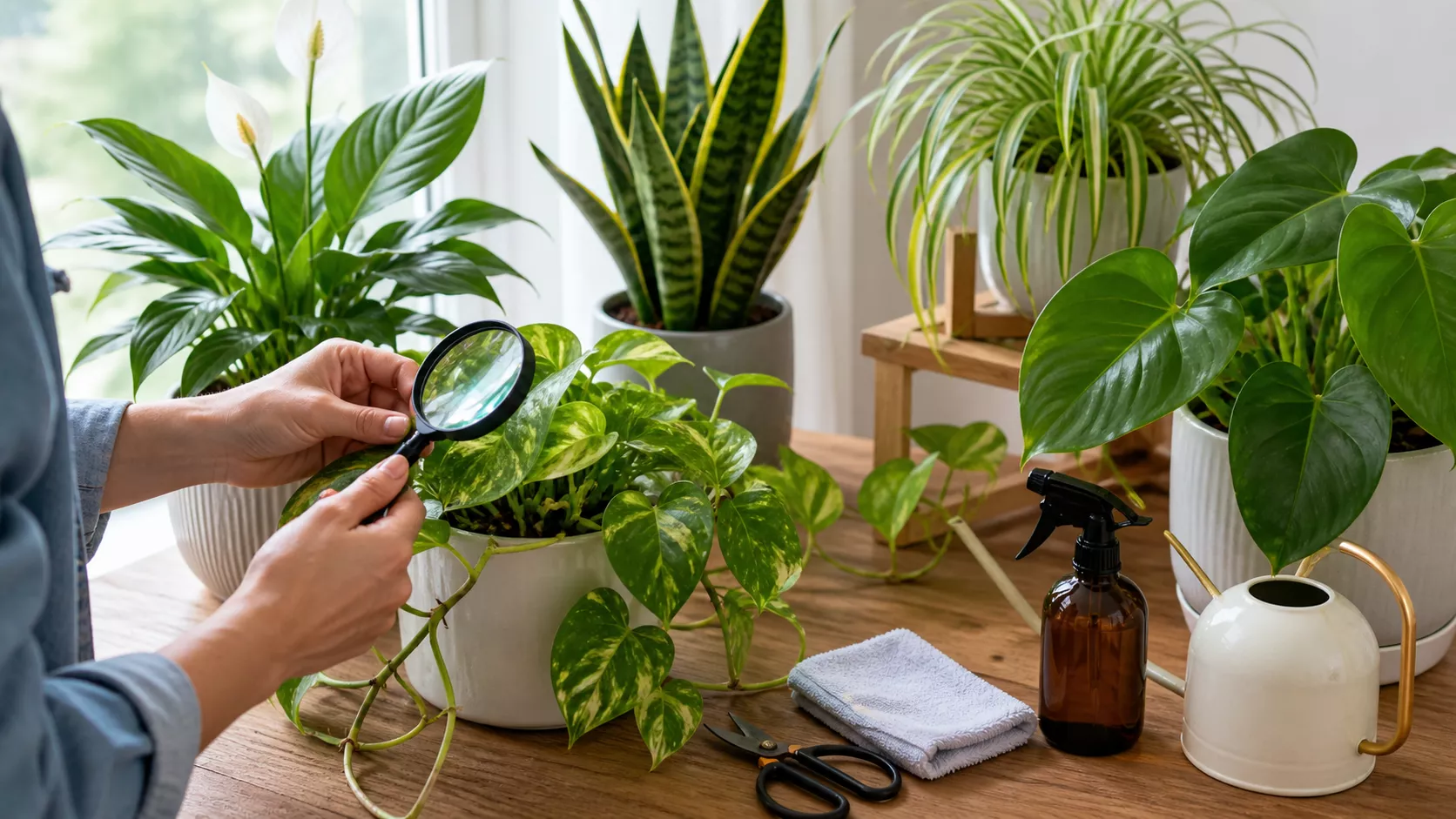
Additionally, wipe broad leaves when dusty and inspect the undersides of leaves for pests. Small problems are easier to fix when noticed early.
Even small gardens can attract pests such as aphids, mealybugs, spider mites, fungus gnats, and whiteflies. Edible plants and indoor plants can both be affected.
Inspect plants weekly, especially new growth, leaf undersides, and soil surfaces. Sticky residue, webbing, white clusters, or small flying insects can be warning signs.
If pests appear, isolate affected plants when possible and treat early with a safe method suitable for that plant, especially if it is edible.
Plant labels are useful, especially if you grow herbs, vegetables, or seedlings. They help you remember what each plant is and what care it needs.
You can use simple wooden sticks, reusable plastic labels, decorative tags, or small handwritten markers. Labels make the garden more organized and beginner-friendly.
Additionally, labels can include watering preferences or sunlight needs. This helps prevent mistakes when caring for multiple plants.
One of the best tips is to start small. Choose a few plants, learn their needs, and expand only when you feel confident.
Starting small helps you avoid overwhelm. It also makes it easier to observe how light, watering, and temperature affect your plants.
Over time, you can add new herbs, flowers, vegetables, or decorative plants. A home garden grows better when it develops gradually.
One common mistake is choosing plants that do not match the light. Sun-loving herbs will struggle in shade, while shade plants can burn in harsh sun.
Another mistake is using pots without drainage. This can cause root problems and make watering difficult.
Also, avoid planting too many things in a small area. Crowding reduces airflow, makes care harder, and can encourage pests.
To maintain your garden, check soil moisture several times a week, especially for small pots and sunny areas. Water only when needed.
Then, prune herbs, remove dry leaves, inspect for pests, rotate pots, and clean the area. These small habits keep the garden healthy.
Finally, observe growth. If a plant is stretching, it may need more light. If leaves are yellowing, check watering, drainage, and nutrients.
In conclusion, learning how to create a home garden even with little space is completely possible with the right planning. Small balconies, windowsills, shelves, kitchens, and indoor corners can become beautiful and productive green spaces.
Above all, choose plants that match your light, use pots with drainage, select good soil, water correctly, and organize the garden in a practical way. Vertical gardens, hanging planters, and shelves can help you make the most of limited space.
Ultimately, a small home garden can bring beauty, freshness, and usefulness to your daily routine. With patience, observation, and simple care, you can grow plants successfully even in a compact home.